
 Save 15% on your 1st Autoship learn more

 Email us
 Live Chat
 FAQs
FAQs





Introduction
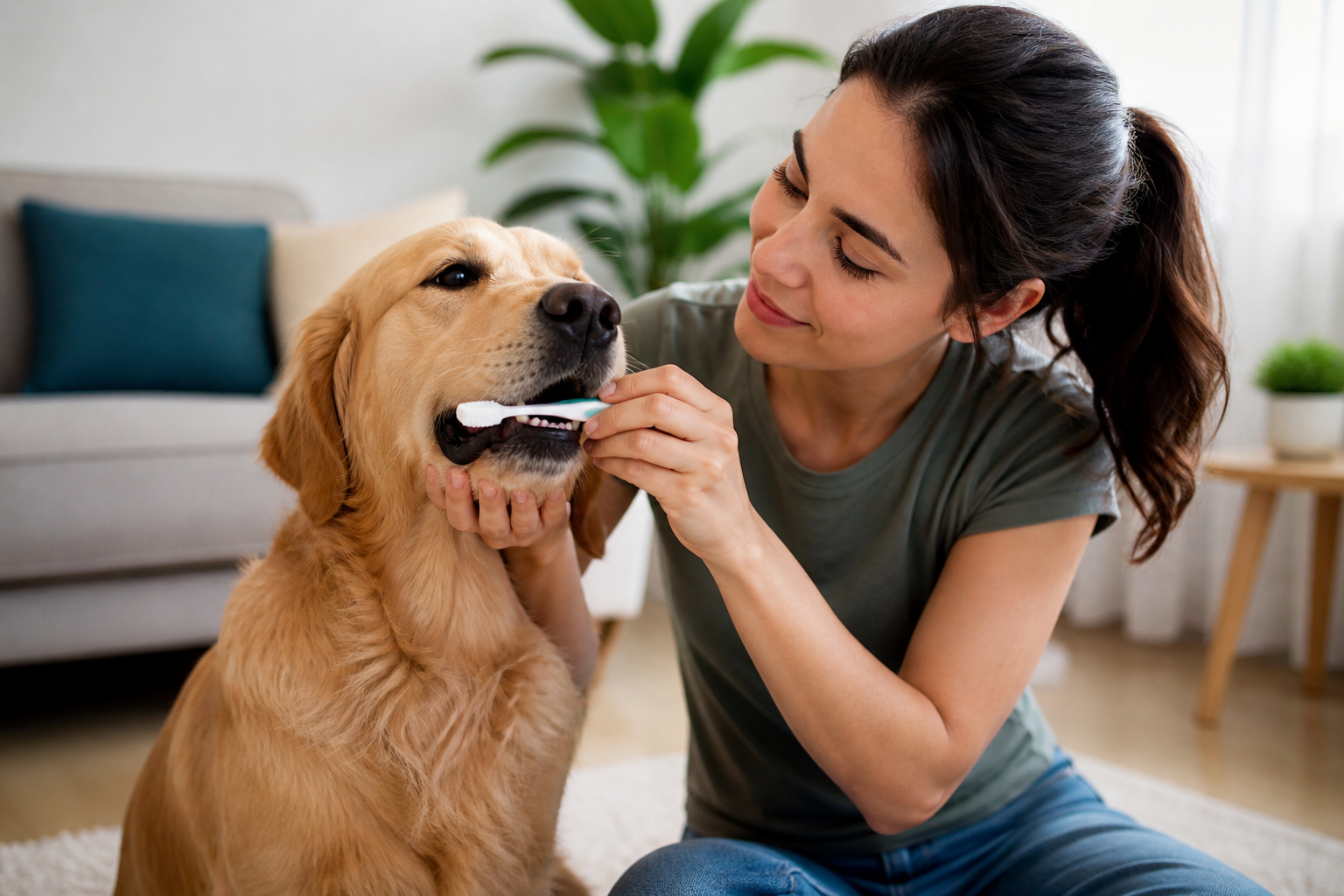
You are relaxing on the couch with your dog when they lean in for a close-up lick. Suddenly, you notice a smell that is less than fresh. You might also spot some yellowing near the gum line. This is the moment many owners realize that oral hygiene is not just a human requirement. At BaxterBoo, we have helped pet parents since 2006 find the right tools to keep those pearly whites shining. Learning how to clean your dogs teeth at home is one of the most effective ways to prevent discomfort and expensive veterinary procedures later in life. This guide will walk you through the best tools, the easiest techniques, and how to make the process stress-free for your pup. Consistent care today ensures a healthier, happier life for your best friend.
Why Home Dental Care is Essential
Most dogs show signs of dental disease by the time they are three years old. Unlike humans, dogs cannot tell us when they have a persistent toothache or sore gums. They simply endure the discomfort until it becomes a significant problem. When you take the time to clean your dog's teeth, you are doing more than just freshening their breath. You are protecting their vital organs.
Bacteria from the mouth can enter the bloodstream through inflamed gums. This bacteria often travels to the heart, liver, and kidneys, where it can cause serious damage. Regular brushing reduces the bacterial load in the mouth. It also prevents the buildup of plaque, which eventually hardens into tartar. Once tartar forms, it usually requires a professional cleaning under anesthesia to remove.
Vet Tip: Early intervention is the key to preventing periodontal disease. If you notice red gums, excessive drooling, or a sudden change in eating habits, schedule a veterinary exam before starting a home cleaning routine.
Gathering the Right Tools
You cannot use human dental products on your dog. This is the most important rule of home dental care. Human toothpaste contains ingredients like xylitol and fluoride. Xylitol is highly toxic to dogs, even in small amounts. Fluoride can cause stomach upset or more serious toxicity if swallowed regularly.
Pet-Safe Toothpaste
Dogs do not know how to spit. They will swallow every bit of paste you use. Pet-specific toothpastes come in flavors dogs actually enjoy, such as poultry, beef, or peanut butter. Many of these formulas are enzymatic. This means they continue to break down plaque even after you stop brushing.
For more guidance on choosing a safe product, review these pet toothpaste and brushing tips.
The Right Brush
You have a few options when it comes to the hardware. A standard pet toothbrush has a long, angled handle to reach the back molars. If your dog is small or has a sensitive mouth, a finger brush might be better. This is a small silicone cap that fits over your index finger. It allows for more precision and is often less intimidating for a dog that is new to the process.
Dental Wipes
For dogs that absolutely refuse a brush, dental wipes are a solid alternative. These are textured pads pre-soaked in cleaning solutions. You simply wrap the wipe around your finger and rub it over the surface of the teeth. While they do not reach into the crevices as well as bristles, they are far better than doing nothing at all.
You can compare brushes, wipes, toothpaste, and other options in our dog dental care collection.
Key Takeaway: Never use human toothpaste or baking soda on your dog. Invest in a pet-specific kit that includes enzymatic paste and a brush suited for your dog's mouth size.
A Step-by-Step Guide to Brushing
Do not expect to complete a full brushing on the first day. The goal is to make this a positive experience so your dog cooperates long-term. We recommend a slow introduction that builds trust.
Step 1: The Taste Test
Start by letting your dog lick a small amount of pet toothpaste off your finger. Most dogs love the flavors and will see it as a treat. Do this for a couple of days without even trying to touch their mouth. You want them to get excited when they see the tube.
Step 2: Touching the Mouth
Once they like the paste, practice lifting their lips. Rub your finger along their gums and teeth using the toothpaste. This gets them used to the sensation of someone working in their mouth. Keep these sessions very short, perhaps only thirty seconds.
Step 3: Introducing the Brush
Apply a small amount of paste to the brush. Let your dog lick it off the bristles. Then, gently brush just the front teeth. Use a circular motion and aim for the line where the tooth meets the gum.
Step 4: Reaching the Back
Most plaque accumulates on the outside of the upper back molars. Gently slide the brush along the cheek to reach these areas. You do not usually need to brush the inside of the teeth. A dog's tongue does a decent job of keeping the inner surfaces clean.
Step 5: Reward and Praise
Always end the session on a high note. Offer plenty of verbal praise or a dental-friendly treat. At BaxterBoo, we believe that positive reinforcement makes every grooming task easier. If your dog gets stressed, stop and try again the next day.
Quick Answer: To clean your dog's teeth, use a pet-safe toothbrush and enzymatic toothpaste. Brush in circular motions along the gum line for about two minutes, focusing on the outer surfaces of the back molars.
Alternatives to Brushing
We know that some dogs are simply not candidates for traditional brushing. Whether they have a history of mouth trauma or a very stubborn personality, you still have options. Combining several of these methods can provide a high level of protection.
Dental Chews and Treats
High-quality dental chews are designed to scrape away plaque as the dog bites down. Look for products with the Veterinary Oral Health Council (VOHC) seal of approval. Brands like Greenies or specialized chews from RedBarn are popular choices. These treats often contain ingredients that help freshen breath as well.
Browse our dental treats and chews for options that can supplement your brushing routine.
Water Additives
This is the easiest way to support oral health. You simply add a capful of the solution to your dog's water bowl every time you refill it. The additive contains enzymes and minerals that prevent tartar from bonding to the teeth. It is an excellent "set it and forget it" tool for busy owners.
Dental Toys
Chewing is a natural behavior for dogs. Certain rubber toys, like those made by Kong, have ridges and nubs that massage the gums. As the dog chews, the toy acts like a squeaky-cleaner for the teeth. You can even smear a little pet toothpaste into the grooves of a toy to encourage longer chewing sessions.
Prescription Dental Diets
If your dog is prone to rapid tartar buildup, your vet might recommend a therapeutic diet. These kibbles are larger and have a specific fiber structure. Instead of crumbling immediately, the kibble stays in contact with the tooth longer to scrub the surface. Our pharmacy carries prescription diets from brands like Royal Canin and Farmina Vet Life through our partnership with Pet's Choice.
When your veterinarian recommends medication or a therapeutic product, visit our pharmacy for dogs for prescription pet care options.
Key Takeaway: If brushing is impossible, use a combination of VOHC-approved chews, water additives, and dental toys to manage plaque levels.
Natural Remedies and Food Additions
Some owners prefer to use fresh foods to help keep teeth clean. While these are not a replacement for medical-grade products, they can be helpful additions to a healthy routine.
- Raw Carrots: The hard, crunchy texture of a cold carrot acts as a natural abrasive. It is also a low-calorie treat that provides vitamins.
- Apple Slices: Like carrots, apples require significant chewing. Ensure you remove all seeds and the core, as these can be harmful.
- Coconut Oil: Some pet parents use a small amount of coconut oil on a cloth to wipe the teeth. It has mild antimicrobial properties and most dogs love the taste.
- Fresh Parsley: Chopping a bit of fresh parsley into your dog's food can help neutralize bad breath odors temporarily.
While these items are safe, they do not contain the enzymes found in professional toothpaste. Use them as supplements to a broader dental plan rather than the sole method of cleaning.
Identifying Signs of Dental Problems
Even with the best home care, problems can arise. You should perform a "mouth check" at least once a week. This allows you to spot changes before they turn into emergencies.
Watch for these red flags:
- Bleeding or very red gums
- A coating of brown or yellow tartar near the gum line
- Loose or cracked teeth
- A foul odor that smells like rotting or infection
- Lumps or bumps on the gums or under the tongue
- Pawing at the mouth or rubbing the face on the carpet
If your dog is dropping food or only chewing on one side of their mouth, they may have a painful tooth. In these cases, home cleaning is not enough. You must consult a veterinarian for a professional assessment.
For a closer look at symptoms, read about warning signs of dental disease in dogs.
The Role of the Pharmacy
When dental issues lead to infections or require surgery, your vet will likely prescribe medications. This might include antibiotics to clear up gum infections or pain relief for post-surgical care. Our pharmacy at BaxterBoo provides a convenient way to get these FDA-approved medications delivered to your door. Through our partnership with Pet's Choice, we handle everything from chronic allergy meds to the specific antibiotics your dog might need after a dental procedure.
Vet Tip: Never try to scrape tartar off your dog's teeth with metal tools at home. You can easily slip and cause a deep puncture wound or damage the delicate tooth enamel.
Specialized Care for Different Life Stages
A dog's dental needs change as they grow. Your approach should adapt to their current stage of life.
Puppies
Puppies lose their baby teeth between four and six months of age. During this time, their gums may be sore and bleed slightly. This is the perfect time to start the habit of touching their mouth, but be very gentle with the brushing. Focus on making it a fun game. Starting early prevents the fear of the toothbrush later on.
Adult Dogs
This is the maintenance phase. Most adult dogs should have their teeth brushed at least three times a week. Daily is better, but three times is the minimum to prevent plaque from turning into tartar. This is also the time to sign up for our Autoship programme for your favorite dental chews so you never run out.
Senior Dogs
Older dogs are at a much higher risk for periodontal disease and tooth loss. They may also have existing health conditions that make anesthesia for professional cleaning more risky. This makes home care even more vital. If your senior dog has lost teeth, a finger brush or dental wipes will be much more comfortable than a hard-bristled brush.
Bottom line: Tailor your dental routine to your dog's age and comfort level to ensure lifelong oral health.
Making a Long-Term Plan
Consistency is the most difficult part of any pet care routine. It is easy to be diligent for a week and then forget as life gets busy. To stay on track, try to link dental care with another daily habit. For example, brush your dog's teeth right after you brush your own at night.
Keep your supplies in a visible place. If the toothpaste and brush are tucked away in a drawer, you are less likely to use them. Having them on the counter or next to the treat jar serves as a daily reminder. You can also earn rewards on every dental purchase through our MVP Rewards programme. This allows you to save on future orders of food, toys, and grooming supplies while keeping your dog healthy.
If you are just starting out, keep a log on your fridge. Mark off the days you successfully brushed. After a month, it will become a natural part of your evening. Your dog might even start reminding you when it is time for their "tasty paste."
Conclusion
Cleaning your dog's teeth at home is a manageable task that pays huge dividends in their overall health. By starting slowly, using the right pet-safe tools, and incorporating dental chews or water additives, you can keep your dog's breath fresh and their body healthy. Remember that home care is a supplement to professional veterinary exams, not a replacement. Always talk to your vet if you notice signs of pain or infection. At BaxterBoo, we are committed to providing the expert-curated products you need to care for your pet from head to tail.
To get started on your home dental routine, check out our full collection of dog dental care products.
- Start with a pet-safe enzymatic toothpaste.
- Choose a brush or finger brush that fits your dog's mouth.
- Incorporate VOHC-approved chews for days when you cannot brush.
- Monitor your dog's gums and breath weekly for any changes.
Key Takeaway: Regular home dental care can add years to your dog's life by preventing systemic bacteria spread and painful tooth loss.
FAQ
How often do I really need to brush my dog's teeth?
Ideally, you should brush your dog's teeth every day to prevent plaque from hardening into tartar. If daily brushing is not possible, aiming for at least three times a week can still provide significant health benefits. Consistency is more important than the length of the session, so even a quick one-minute brush is better than skipping it entirely.
Can I use baking soda instead of dog toothpaste?
No, using baking soda is not recommended for dogs. While it is a common home remedy for humans, baking soda has a high salt content that can upset a dog's stomach if swallowed. It also lacks the enzymes found in pet toothpaste that help break down plaque and the flavors that make the experience enjoyable for your pup.
What should I do if my dog's gums start bleeding during brushing?
Minor bleeding can occur if your dog has early-stage gingivitis or if you are using too much pressure. If you see a small amount of pink on the brush, try using a softer touch or a silicone finger brush. However, if the bleeding is heavy, persistent, or accompanied by very red and swollen gums, you should stop brushing and consult your veterinarian.
Are dental chews as effective as brushing?
Dental chews are an excellent tool for reducing plaque, but they are generally not as effective as manual brushing. Brushing allows you to reach the gum line and the specific crevices where bacteria hide, whereas chews rely on the dog's biting pattern. For the best results, use dental chews as a supplement to a regular brushing routine rather than a total replacement.






