
 Save 15% on your 1st Autoship learn more

 Email us
 Live Chat
 FAQs
FAQs





Introduction
You lean in for a wet pup kiss and get hit with a wave of "dog breath." It is a common moment for many owners. While we often joke about stinky breath, it is usually the first sign that your dog needs better oral care. Keeping your dog’s mouth clean is about much more than just fresh kisses. It is a vital part of their overall health that can affect their heart, kidneys, and comfort levels.
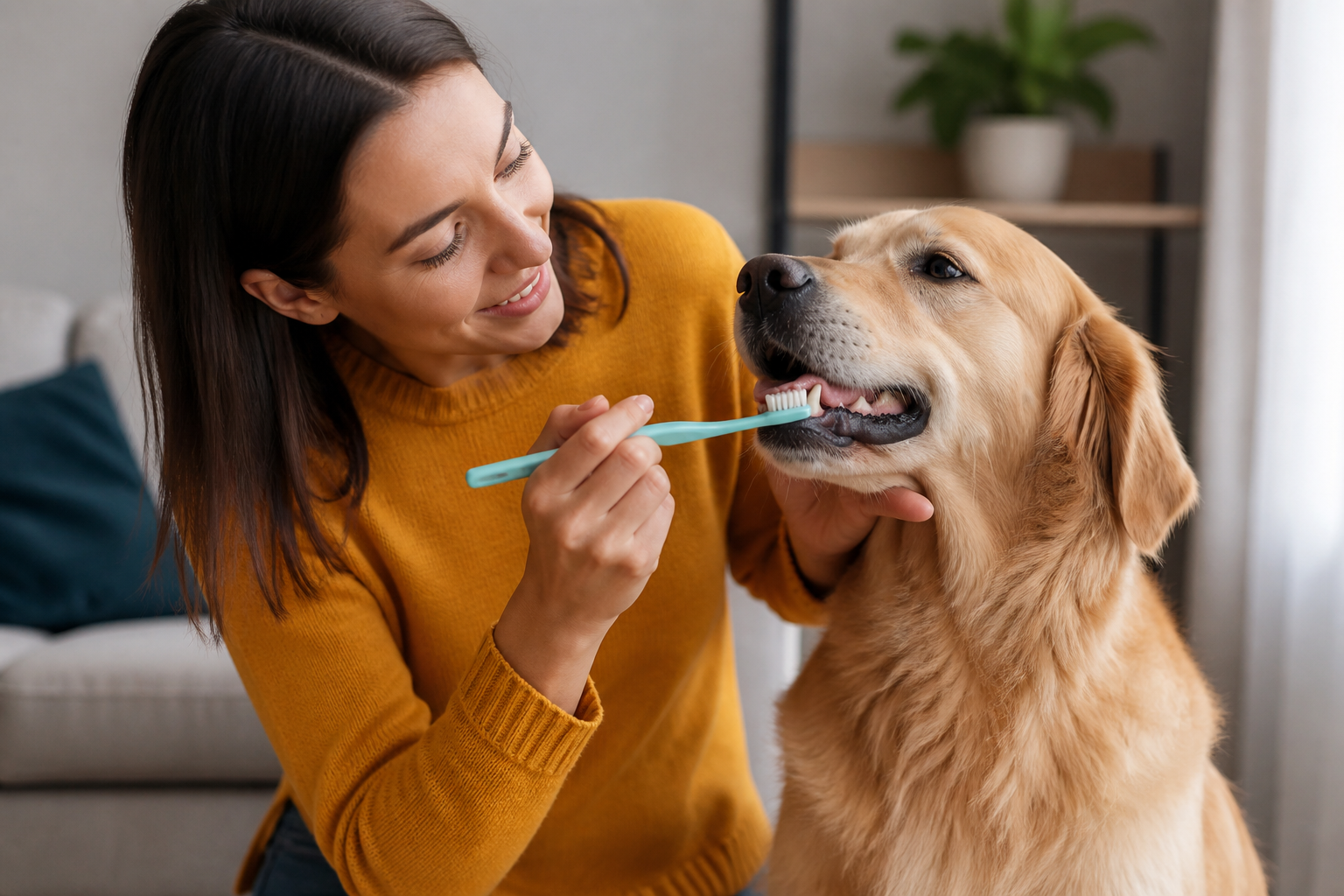
At BaxterBoo, we have helped pet parents find the right supplies for their dogs since 2006. We know that sticking your hand in a dog’s mouth can feel intimidating. This guide will show you how to clean your dog’s teeth at home using brushing, treats, and other helpful tools. Our goal is to make this routine easy for you and stress-free for your dog.
Quick Answer: The most effective way to clean your dog’s teeth at home is daily brushing with pet-safe toothpaste. You can also use dental chews, water additives, and specific toys to reduce plaque buildup between brushings.
Why You Should Clean Your Dog's Teeth Regularly
Dental hygiene is a pillar of long-term wellness. Most dogs show some sign of dental disease by the time they are three years old. This starts when bacteria and food particles form plaque on the teeth. If it is not removed, plaque hardens into tartar within 48 hours. Tartar is much harder to remove and usually requires a professional cleaning.
When tartar builds up, it can move under the gum line. This leads to inflammation and infection known as periodontal disease. This condition is painful for your dog. It can cause them to lose teeth or stop eating. Even worse, the bacteria in the mouth can enter the bloodstream. Once there, it can damage the heart and kidneys over time.
Regular cleaning at home helps you catch problems early. You will become familiar with what your dog’s mouth looks like when it is healthy. This makes it easier to spot redness, swelling, or broken teeth. A consistent routine can save you money on expensive veterinary procedures later in your dog's life. For additional guidance, read our article on warning signs of dental disease in dogs.
The Essential Tools for At-Home Dental Care
Before you start, you need the right supplies. Never use human products on your dog. Many human toothpastes contain xylitol. This is an artificial sweetener that is highly toxic to dogs. Human toothpaste also contains foaming agents that can upset a dog’s stomach when swallowed. You can find toothbrushes, wipes, toothpaste, and water additives in our dog dental care collection.
Toothbrushes for Dogs
You have several options for brushes. A standard dog toothbrush has a long handle and angled heads to reach the back molars. Some brushes have two heads to clean both sides of the teeth at once. If your dog has a small mouth, a finger brush might work better. This is a small silicone sleeve that fits over your index finger. It allows for more control and a gentler touch.
Pet-Safe Toothpaste
Dog toothpaste comes in flavors like poultry, beef, or peanut butter. This makes the experience more like a treat. These pastes often contain enzymes that help break down plaque even if you cannot scrub every surface perfectly.
Dental Wipes
If your dog is very resistant to a brush, dental wipes are a good starting point. You wrap the wipe around your finger and rub the surface of the teeth. They are not as effective as a brush for getting into crevices, but they are much better than doing nothing at all. For another gradual introduction strategy, review these pet dental care tips.
Key Takeaway: Always use toothpaste specifically formulated for pets. Human toothpaste can be toxic and will cause digestive upset.
Step-by-Step Guide to Brushing Your Dog's Teeth
Do not expect to brush every tooth on the first day. This is a process that requires patience and positive reinforcement. If you rush, your dog may become fearful of the routine.
Step 1: Get Them Used to Your Hands
Start by gently lifting your dog's lips while they are relaxed. Rub your finger along their gums and teeth. Do this for a few seconds and then give them a high-value treat. Repeat this for several days until they are comfortable with you touching their mouth.
Step 2: Introduce the Toothpaste
Put a small amount of dog toothpaste on your finger. Let your dog lick it off. Because it is flavored like meat or treats, most dogs will enjoy this. This builds a positive association with the paste.
Step 3: Transition to the Brush
Apply a bit of paste to the brush or finger sleeve. Let your dog lick the brush. Gently rub the brush against the front "canine" teeth. These are the long, pointy ones. Keep the session very short. If they stay calm, give them a reward.
Step 4: The Brushing Motion
Once they are ready, use a circular motion along the gum line. Focus on the outside of the teeth. This is where most plaque and tartar build up. You do not need to worry as much about the inside surfaces of the teeth. A dog's tongue usually does a decent job of keeping those areas cleaner.
Step 5: Reach the Back Molars
The back teeth are where the most significant buildup occurs. Carefully slide the brush back toward the cheeks. You may need to use your other hand to gently steady their head. Always end the session with praise and a reward.
Vet Tip: If you notice bleeding gums or if your dog winces in pain during brushing, stop immediately. Consult your veterinarian to rule out existing dental disease or infections.
How to Clean Your Dog's Teeth Without Brushing
Some dogs simply will not tolerate a toothbrush. Other owners may have physical limitations that make brushing difficult. While brushing is the most effective method, these alternatives can still provide significant benefits.
Dental Chews and Treats
Dental treats are designed to be hard enough to scrape away plaque as your dog chews. They often have ridges or "nubs" that act like bristles. Look for products with the Veterinary Oral Health Council (VOHC) seal. This seal means the product has been tested and proven to reduce plaque or tartar. Shop our dental treats for dogs to explore different textures and options.
Water Additives
Water additives are like a mouthwash for dogs. You add a small amount to their daily water bowl. These liquids contain enzymes or ingredients that kill bacteria in the mouth. They are excellent for freshening breath and preventing new plaque from forming. This is the easiest method for busy owners.
Dental Toys
Certain rubber or rope toys are made specifically for dental health. As your dog chews, the fibers or rubber nubs rub against the teeth. This provides a mechanical cleaning effect. Toys are a great way to combine enrichment with hygiene.
Using Dental Chews and Treats Correctly
Not all treats are created equal. To get the best results, you need to use the right size and type for your dog.
- Size matters: If a treat is too small, a dog might swallow it whole. This creates a choking hazard and provides no cleaning benefit. If it is too large, it may have too many calories.
- Check the texture: A good dental chew should be firm but not rock hard. If you cannot dent it with your fingernail, it might be too hard. Very hard items like antlers or some bones can actually fracture a dog's teeth.
- Frequency: Most dental treats are intended to be given once a day. Always account for these calories in your dog's daily food intake to prevent weight gain.
- Supervision: Always watch your dog while they eat a dental chew. Make sure they are actually chewing it and not trying to gulp down large chunks.
For a familiar option, explore our selection of Greenies dental products.
Bottom line: Dental chews are a helpful supplement to brushing, but they should be used carefully to avoid choking or tooth fractures.
The Role of Diet and Water Additives
What your dog eats every day plays a role in their oral health. There is a long-standing belief that dry kibble cleans teeth better than wet food. While kibble does provide some scraping action, most dogs swallow their kibble without much chewing.
For dogs with significant dental history, your vet might suggest a prescription dental diet. These kibbles are much larger and have a specific fiber structure. They do not crumble immediately when bitten. Instead, the tooth sinks into the kibble, which scrubs the surface.
Our pharmacy carries a variety of prescription pet foods, including dental formulas from brands like Farmina Vet Life and Royal Canin. These are available through our partnership with Pet's Choice. You will need a valid prescription from your veterinarian to order these specialized diets. Visit our pet pharmacy for dogs to learn more.
Water additives can be paired with any diet. They are particularly helpful for dogs that eat wet food, as wet food tends to stick to the teeth more easily. Most additives are odorless and tasteless, so even picky dogs usually do not mind them.
Identifying Signs of Dental Disease in Dogs
Even with the best home care, problems can still arise. You should check your dog’s mouth once a week for signs of trouble. If you notice any of the following, it is time for a veterinary visit.
- Extremely bad breath: A "doggy" smell is normal, but a foul, rotting odor is a sign of infection.
- Discolored teeth: Look for yellow or brown crust near the gum line. This is tartar.
- Red or swollen gums: Healthy gums should be a pale pink. Bright red or bleeding gums indicate inflammation.
- Changes in eating habits: If your dog drops food, eats on one side of their mouth, or avoids hard kibble, they may be in pain.
- Pawing at the mouth: This is a clear sign of discomfort.
- Loose or missing teeth: Adult dogs should not lose teeth. If one is loose, there is likely significant bone loss under the gum.
Key Takeaway: Home cleaning is a preventative measure. It cannot fix existing infections or remove heavy tartar buildup.
When Professional Care is Necessary
There is a limit to what you can do at home. Once plaque hardens into tartar, a toothbrush cannot remove it. Your veterinarian will likely recommend a professional dental cleaning under anesthesia.
Some owners worry about anesthesia, but it is the only way to perform a thorough cleaning. It allows the vet to clean under the gum line where the most damage occurs. It also allows them to take dental X-rays. X-rays are vital because most dental disease happens below the surface where you cannot see it.
During a professional cleaning, the vet will scale away the tartar and polish the teeth. They may also need to extract teeth that are too damaged to save. Keeping up with home care can reduce the frequency of these professional cleanings. Learn more about what to know about bad teeth in dogs.
We carry several products to help with recovery and ongoing maintenance after a professional cleaning. From soothing gels to specialized supplements like Cosequin or Zesty Paws, we have the brands you trust. If your vet prescribes medications for an infection or pain after a dental procedure, our pharmacy can help fulfill those needs quickly through Pet's Choice.
Conclusion
Cleaning your dog's teeth at home is one of the best things you can do for their longevity. Whether you use a traditional brush, a finger sleeve, or dental wipes, consistency is the key to success. Start slowly and use plenty of rewards to keep the experience positive.
- Use pet-safe toothpaste every day if possible.
- Supplement with VOHC-approved dental treats.
- Check your dog's mouth weekly for redness or tartar.
- Schedule regular checkups with your veterinarian.
We are here to support your journey toward a healthier pet. You can earn points on every dental care purchase through the MVP Rewards programme. For items you use every day, like treats or water additives, consider our Autoship programme. You will save on your first order and ensure you never run out of the supplies your dog needs.
Bottom line: A few minutes of dental care each day can add years to your dog's life and keep their breath fresh.
FAQ
How often should I brush my dog's teeth?
Ideally, you should brush your dog’s teeth every day. Plaque can turn into hard tartar in as little as 24 to 48 hours. If daily brushing is not possible, aiming for three times a week still provides significant health benefits compared to not brushing at all.
Can I use baking soda to clean my dog's teeth?
It is not recommended to use baking soda for dogs. Baking soda has a high alkaline content that can upset a dog’s stomach if swallowed in large amounts. It also lacks the enzymes and flavors found in pet-specific toothpaste that make the process easier and more effective.
What if my dog refuses to let me brush their teeth?
If your dog is resistant, do not force the issue. Start with water additives, dental chews, and dental wipes to maintain some level of hygiene. You can also talk to your vet about professional cleaning options or tips for behavior modification to make brushing more acceptable over time.
Are bones safe for cleaning a dog's teeth?
While chewing can help clean teeth, many bones are too hard and can cause painful tooth fractures. Cooked bones are especially dangerous as they can splinter and cause internal injuries. If you choose to give bones, only offer raw, meaty bones under close supervision and consult your vet first.






