
 Save 15% on your 1st Autoship learn more

 Email us
 Live Chat
 FAQs
FAQs





Introduction
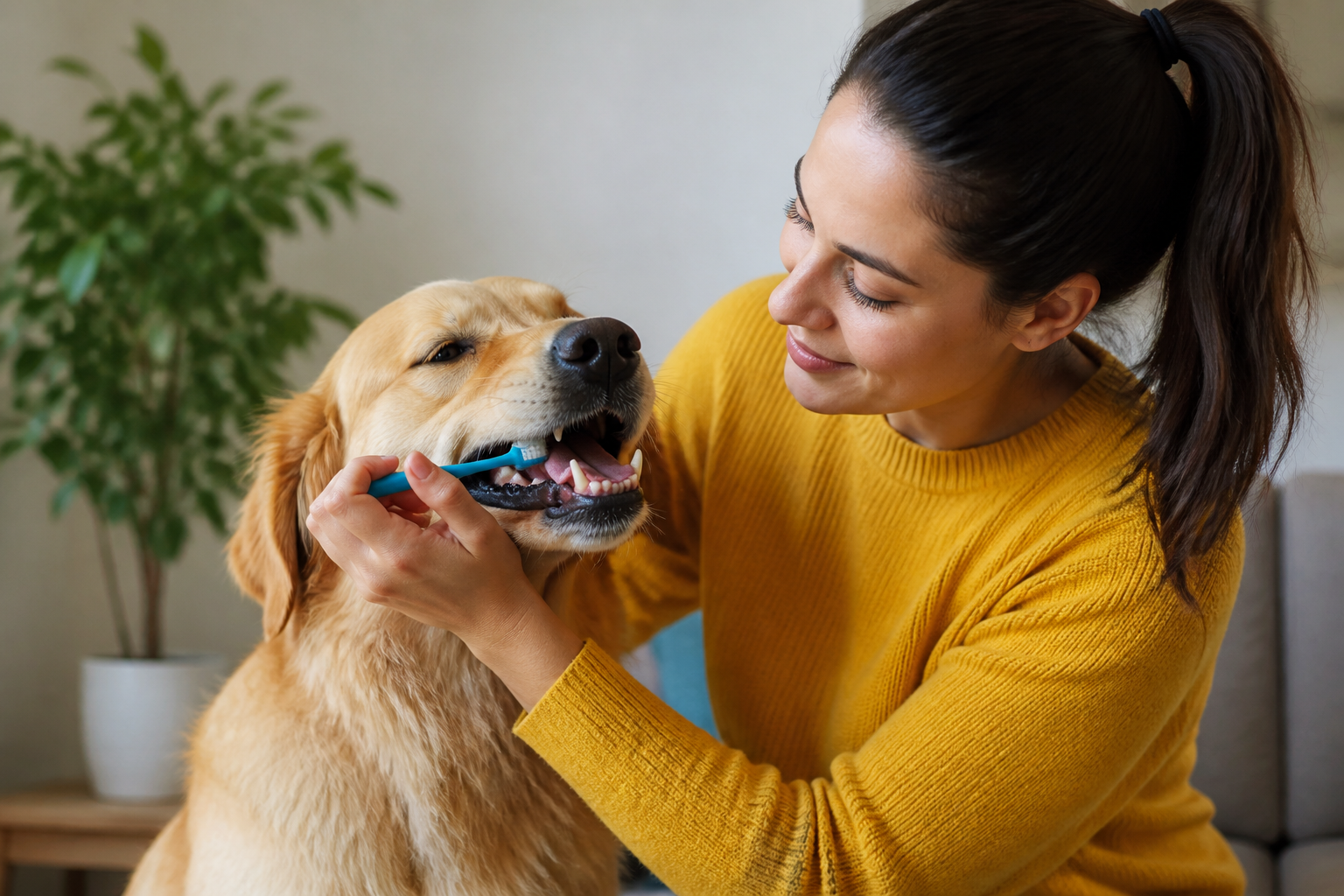
You are relaxing on the couch with your dog when they lean in for an affectionate lick. Instead of a sweet moment, you are met with a wave of surprisingly foul breath. This is a common experience for many pet owners. It is often the first sign that a dental care routine is needed. At BaxterBoo, we understand that keeping those pearly whites clean is about more than just avoiding "dog breath." It is a fundamental part of their overall wellness. This guide will walk you through the most effective ways to manage your dog's oral hygiene at home. We will cover everything from the gold standard of brushing to helpful alternatives for more reluctant pets. A consistent routine today can prevent significant health challenges for your dog in the future.
Quick Answer: The most effective way to clean your dog's teeth is through daily brushing with dog-specific enzymatic toothpaste. You can supplement this with dental chews, water additives, and professional cleanings from your veterinarian to ensure full oral health.
Why Dental Care is Not Optional
Many owners assume that a dog's mouth is naturally clean or that dry kibble does all the work. This is a common misconception. Just like humans, dogs develop a sticky film called plaque on their teeth within hours of eating. If this plaque is not removed, it combines with minerals in the saliva to harden into tartar. Tartar is much more difficult to remove and often requires professional tools.
When tartar builds up along the gum line, it can lead to periodontal disease. This is an infection of the tissues surrounding the teeth. It is painful and can eventually lead to tooth loss. Even more concerning is the link between oral health and internal organs. Bacteria from the mouth can enter the bloodstream. This may cause damage to the heart, liver, and kidneys over time.
Regular cleaning helps your dog live a longer and more comfortable life. It also helps you avoid the high costs of emergency dental extractions. By making dental care a priority, you are investing in your dog's total longevity. For additional warning signs, read our guide to recognizing bad teeth in dogs.
Key Takeaway: Oral health directly impacts your dog's internal organs. Preventing plaque buildup is a simple way to protect their heart and kidneys as they age.
The Gold Standard: Brushing Your Dog's Teeth
Brushing is the most effective way to remove plaque before it turns into tartar. While it may seem daunting at first, most dogs can learn to accept it. The key is to start slowly and keep the experience positive. You want your dog to associate the toothbrush with rewards and attention.
Getting the Right Supplies
Never use human toothpaste on your dog. Most human toothpastes contain fluoride and xylitol. Xylitol is a sweetener that is highly toxic to dogs even in small amounts. Additionally, dogs do not know how to spit. They will swallow whatever you put in their mouth.
Dog-specific toothpaste is formulated to be swallowed safely. It also comes in flavors that dogs love, such as poultry, beef, or peanut butter. This makes the process feel more like a treat than a chore. You will also need a brush. You can choose a long-handled brush designed for dogs or a finger brush that fits over your fingertip. You can also browse our dental and breath care selection for toothpaste, wipes, and other oral-care supplies.
The Step-by-Step Process
Step 1: Introduce the taste. Put a small amount of dog toothpaste on your finger. Let your dog lick it off. Do this for a few days without trying to brush.
Step 2: Touch the teeth. While your dog licks the paste, gently lift their lips. Rub your finger along their gums and teeth. This gets them used to the sensation of you working in their mouth.
Step 3: Introduce the brush. Put toothpaste on the brush and let them lick it. Gradually start using small, circular motions on the outside of the teeth.
Step 4: Focus on the gum line. This is where plaque likes to hide. You do not need to worry as much about the inside of the teeth. A dog's tongue does a decent job of cleaning those surfaces. For more guidance on introducing oral care gradually, review these pet dental care tips.
Vet Tip: If your dog becomes stressed or tries to bite, stop immediately. Never force a brushing session. Consult your veterinarian for a demonstration or to rule out any existing oral pain that might be making the process uncomfortable.
Alternative Cleaning Methods
We know that not every dog is a fan of the toothbrush. Some senior dogs or rescues may have high anxiety about their mouths being handled. If brushing is not an option, there are still ways to keep their teeth clean. Using a combination of these methods is often very effective.
Dental Chews and Treats
Dental chews are designed to scrape away plaque through mechanical action. As your dog chews, the texture of the treat rubs against the tooth surface. Many of these treats also contain enzymes that help break down plaque chemically.
When choosing a chew, look for the Veterinary Oral Health Council (VOHC) seal of approval. This seal means the product has been tested and proven to reduce plaque or tartar. Be sure to choose the correct size for your dog. A chew that is too small can be a choking hazard. One that is too large might contain too many calories for a smaller breed. Explore our dental treats for dogs to compare chews and dental snacks.
Dental Toys
Certain rubber or nylon toys are designed with ridges and nubs. These are specifically shaped to clean teeth and massage gums while your dog plays. Some toys even allow you to smear dog-safe toothpaste into the grooves. This allows the dog to "brush" their own teeth while they chew. You can find more options in our dental dog toy collection.
Water Additives
Water additives are a low-effort way to support oral health. You simply add a capful of the solution to your dog's water bowl. These additives usually contain enzymes or ingredients that fight bacteria in the mouth. They are particularly helpful for freshening breath. While they are not a replacement for brushing, they are a great supplemental tool. One convenient option is OxyFresh Pet Dental Water Additive.
Signs Your Dog Needs Professional Help
Even with the best home care, your dog will eventually need a professional cleaning. Some dogs are genetically predisposed to dental issues. Small breeds, in particular, often have crowded teeth that trap food and bacteria more easily. It is important to know the signs of advanced dental disease.
- Persistent bad breath: A slightly "doggy" smell is normal, but a truly foul odor usually indicates infection.
- Changes in eating habits: If your dog starts dropping food or only chews on one side, they may be in pain.
- Red or bleeding gums: Healthy gums should be pink. Redness or bleeding during play or brushing is a sign of gingivitis.
- Visible tartar: This looks like brown or yellow crusty buildup near the gum line.
- Loose or missing teeth: This is a sign of advanced periodontal disease and requires immediate veterinary attention.
If you notice these signs, a professional dental exam is necessary. Our pharmacy offers prescription dental diets and oral rinses through our partnership with Pet's Choice. These products are often recommended by vets to manage chronic dental issues after a professional cleaning. Visit our dog pharmacy to view available prescription products.
Key Takeaway: Home care is for prevention. If your dog already has heavy tartar or red gums, they need a professional cleaning before you start a brushing routine.
The Role of Professional Dental Cleanings
A professional cleaning at the vet is very different from what you do at home. Vets perform these procedures under general anesthesia. This allows them to clean deep under the gum line where most disease lives. It also allows them to take dental X-rays to check the health of the tooth roots.
Some owners are concerned about anesthesia. However, modern veterinary practices use advanced monitoring to keep pets safe. The risks of untreated dental infections often outweigh the risks of anesthesia. A professional cleaning usually involves scaling to remove tartar and polishing to smooth the tooth surface. Smoothing the enamel makes it harder for new plaque to stick.
Vet Tip: Always ask for a full oral exam during your dog's annual checkup. Early detection of a cracked tooth or a small pocket of infection can save your dog from significant pain.
Building a Success Routine
Consistency is the most important part of cleaning your dog's teeth. Brushing once a month does very little to stop the cycle of plaque and tartar. Ideally, you should aim for daily brushing. If that is not possible, try to brush at least three times a week.
Pair the cleaning with a reward. Many owners brush their dog's teeth right before a walk or a favorite game. This helps the dog look forward to the routine. We carry a wide variety of tools and treats to make this easier for you. At BaxterBoo, we see how much a healthy smile improves a dog's quality of life.
- Pick a consistent time of day for dental care.
- Keep your supplies in a visible spot so you do not forget.
- Combine different methods, like toys and brushing, for the best results.
- Check your dog's mouth weekly for any new bumps or redness.
Bottom line: A multi-layered approach involving brushing, chews, and regular vet visits is the best strategy for lifelong dental health.
Food and Nutrition for Dental Health
What your dog eats can also impact their teeth. There is a long-standing debate about whether wet or dry food is better for dental health. While dry kibble provides some mechanical scraping, most dogs swallow kibble whole or break it into only a few pieces. This means the cleaning effect is minimal.
Specialized dental diets are different. The kibble is usually larger and has a specific fiber structure. This structure does not shatter when the dog bites down. Instead, the tooth sinks into the kibble, allowing the fibers to scrub the surface.
If your veterinarian recommends a prescription dental diet, you can find these through the BaxterBoo pharmacy. Our partnership with Pet's Choice ensures you have access to FDA-approved foods and medications for your pet's specific health needs. These diets are often used as a long-term management tool for dogs prone to rapid tartar buildup.
Handling Difficult Dogs
Not every dog will sit still for a toothbrush. If you have a dog that is head-shy or aggressive about their mouth, safety comes first. Do not put your fingers in the mouth of a dog that might bite. In these cases, focus on "passive" cleaning methods.
Dental wipes are a good middle ground. They are pre-moistened pads that you wrap around your finger. They are less intrusive than a brush but still allow you to wipe away soft plaque. You can also use dental sprays. These are applied directly to the teeth and gums to reduce bacteria.
For high-energy dogs, durable chew toys are your best friend. Look for toys made by trusted brands like Kong. These can be stuffed with healthy treats, keeping the dog occupied while the texture of the toy works on their teeth. For more ideas, read about choosing dental chews for dogs.
The Cost of Neglect
It is tempting to skip dental care because it takes time. However, the financial and physical cost of neglect is high. A single tooth extraction can be expensive. When a dog has advanced disease, they may need multiple extractions at once. This requires longer time under anesthesia and a more difficult recovery.
Furthermore, chronic oral pain can lead to behavioral changes. A dog that is in pain may become irritable, lethargic, or lose interest in their favorite toys. By spending five minutes a day on their teeth, you are protecting their personality and your pocketbook.
Common Mistakes to Avoid
One of the biggest mistakes is stopping the routine once the breath smells better. Fresh breath does not always mean a clean mouth. Plaque is invisible, and it is constantly forming. Keep up the routine even when things look good.
Another mistake is using hard objects for chewing. While chewing is good, some items are too hard. Real bones, antlers, and heavy nylon bones can actually fracture a dog's teeth. A good rule of thumb is the "fingernail test." If you cannot leave a small indent in the chew with your fingernail, it might be too hard for your dog's teeth.
Finally, do not ignore the back teeth. Most people focus on the front "smile" teeth because they are easy to see. However, the large carnassial teeth in the back are where most heavy chewing happens. These are also the teeth most likely to develop deep tartar pockets.
Conclusion
Caring for your dog's teeth is one of the kindest things you can do for them. It prevents pain, protects their internal organs, and keeps those "stinky kisses" at bay. Whether you choose daily brushing, dental chews, or a combination of both, the effort is well worth it. At BaxterBoo, we are here to support you with expertly curated products and a convenient pharmacy for all your prescription needs. Start small, be patient, and reward your dog for their cooperation.
- Brush at least three times a week with dog-specific paste.
- Use VOHC-approved chews to supplement brushing.
- Schedule an annual professional dental exam.
- Watch for signs of pain or infection like bleeding gums.
Key Takeaway: Consistency is the secret to avoiding expensive veterinary dental surgeries. Even a small amount of daily care makes a significant difference.
To get started on your dog's new routine, explore our Medical & Mobility section for dental supplies. You can also sign up for our Autoship programme to ensure you never run out of your favorite dental treats or toothpaste.
FAQ
How often should I actually brush my dog's teeth?
Ideally, you should brush your dog's teeth every single day to remove plaque before it hardens into tartar. If daily brushing is not realistic for your schedule, aim for at least three times per week. Brushing less than that is unlikely to prevent the long-term buildup that leads to gum disease.
Can I use baking soda instead of dog toothpaste?
No, it is best to avoid using baking soda to clean your dog's teeth. Baking soda has a high alkaline content that can upset the acid balance in your dog's stomach if swallowed. Since dogs cannot spit, they will ingest the baking soda, which can lead to digestive upset or more serious issues if used frequently.
My dog's gums bleed a little when I brush. Should I stop?
Small amounts of bleeding can be a sign of early gingivitis, similar to when humans start a new flossing routine. However, if the bleeding is heavy or the gums look very red and swollen, you should stop and consult your vet. This may indicate more advanced periodontal disease that requires professional treatment rather than just home brushing.
Are natural bones safe for cleaning a dog's teeth?
While some people use raw bones for dental health, they come with risks like tooth fractures and splintering. Cooked bones are especially dangerous because they become brittle and can cause internal damage. For a safer alternative, look for VOHC-approved dental chews that provide the same mechanical cleaning action without the risk of breaking a tooth.






