
 Save 15% on your 1st Autoship learn more

 Email us
 Live Chat
 FAQs
FAQs





Introduction
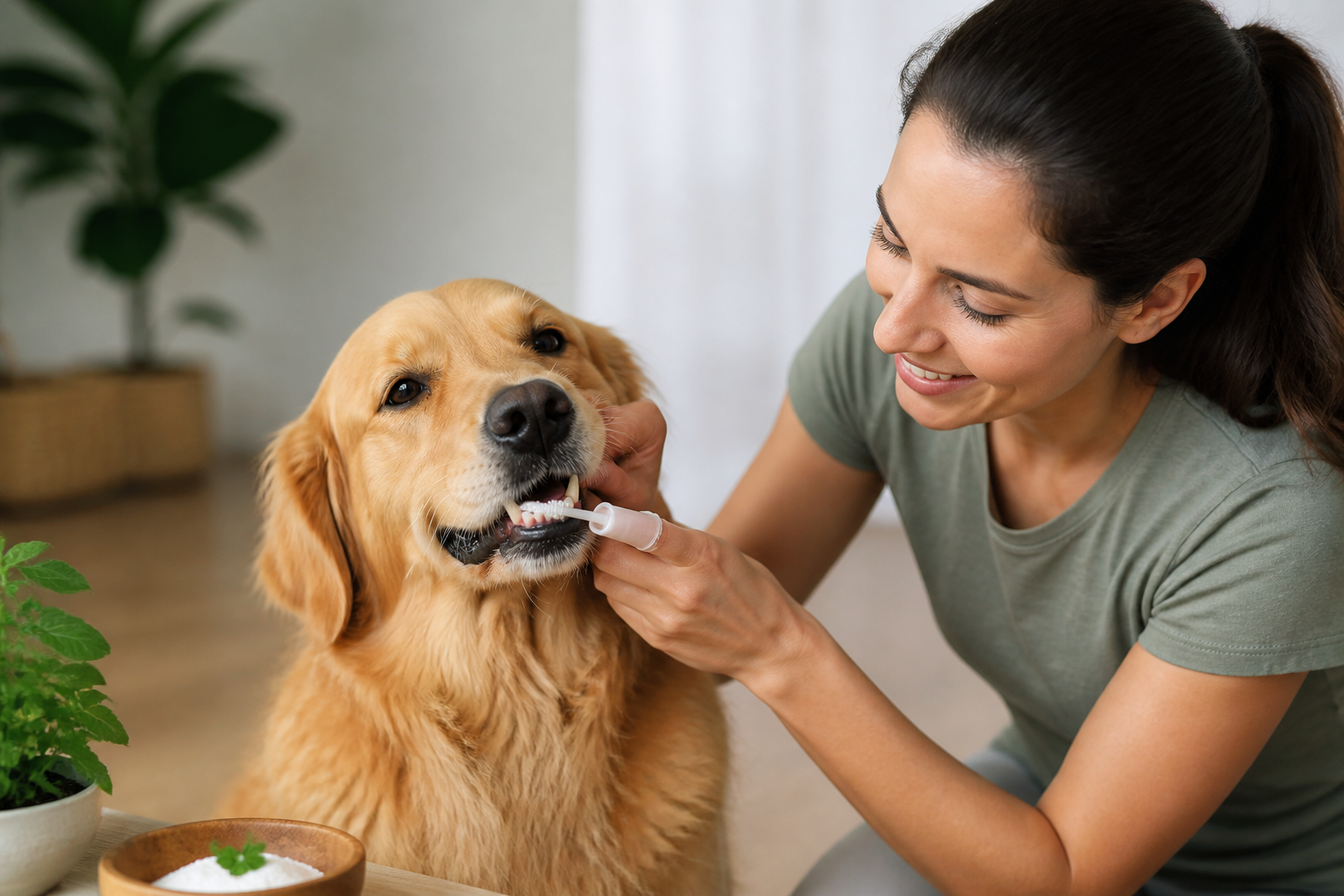
You lean in for a morning nuzzle from your favorite four-legged friend. Instead of a sweet greeting, you are met with a puff of breath that smells like a damp basement. That "dog breath" is more than just a minor annoyance. It is often the first sign that plaque and bacteria are moving into your dog’s mouth. While brushing is the gold standard for oral care, many dogs simply will not tolerate a toothbrush.
At BaxterBoo, we know that forced brushing can be stressful for both you and your pet. Based in Vernon Hills, Illinois, we have spent years helping pet owners find practical ways to maintain their pets' health. Keeping a dog's mouth clean does not always require a struggle. Natural methods like specific treats, dental powders, and dietary changes can make a massive difference. This post covers the most effective ways to support your dog’s oral hygiene without the battle of the brush.
Quick Answer: Cleaning a dog's teeth naturally involves using mechanical abrasion from raw bones or carrots combined with biological helpers like seaweed-based dental powders. Consistency is the most important factor for success.
Understanding the Oral Microbiome
The health of your dog's mouth starts with the tiny organisms living there. This collection of bacteria is called the oral microbiome. When the balance of bacteria is healthy, your dog's breath stays relatively neutral and their gums remain pink. When harmful bacteria take over, they create a sticky film called plaque.
Plaque is soft and easy to remove. If it stays on the teeth for more than 48 hours, it mixes with minerals in the saliva and hardens into tartar. You cannot remove tartar at home with natural methods. Only a professional cleaning by a veterinarian can safely chip away that hard, brown buildup. Natural dental care is most effective when it focuses on preventing plaque from ever turning into tartar.
Key Takeaway: Natural dental care is about managing plaque daily. Once plaque hardens into tartar, it requires professional veterinary intervention to protect the gums.
The Power of Seaweed and Dental Powders
One of the most effective natural methods requires no scrubbing at all. Certain types of seaweed, specifically Ascophyllum nodosum, have been studied for their ability to improve oral health. This seaweed is the primary ingredient in products like ProDen PlaqueOff Powder Dog and Cat Teeth Care. When your dog eats this seaweed, it works systemically through the saliva.
The compounds in the seaweed help soften existing tartar and prevent new plaque from sticking to the teeth. It is a slow process that takes a few weeks to show results. You simply sprinkle the powder onto your dog's food once a day. This is a perfect solution for dogs who are aggressive or fearful when you touch their mouths.
Why the VOHC Seal Matters
When shopping for any dental product, look for the Veterinary Oral Health Council (VOHC) Seal of Acceptance. This seal means the product has undergone clinical trials to prove it actually reduces plaque or tartar. Many "natural" products make big claims but have no data to back them up. BaxterBoo carries several VOHC-approved options in our dog dental and breath care collection to ensure you are getting something that works.
Vet Tip: If your dog has a history of thyroid issues, consult your veterinarian before using seaweed-based supplements. These products are high in iodine, which can impact thyroid function in sensitive pets.
Raw Meaty Bones for Mechanical Cleaning
In the wild, canines do not have toothbrushes. They keep their teeth clean by gnawing on the bones and cartilage of their prey. This provides mechanical abrasion that scrapes plaque away from the gumline. However, not all bones are safe for domestic dogs.
The Golden Rules of Bones
Step 1: Choose raw bones only.
Never give your dog a cooked bone. Cooking makes bones brittle and prone to splintering. This can lead to perforated intestines or choking.
Step 2: Match the size to the dog.
The bone should be large enough that your dog cannot fit the whole thing in their mouth. This encourages them to gnaw on the sides rather than trying to swallow it whole.
Step 3: Avoid "weight-bearing" bones.
Bones from the legs of large animals like cows are incredibly dense. They are often harder than the dog's teeth. Chewing on these can cause painful slab fractures. Look for "meaty" ribs or neck bones instead.
Step 4: Supervise every session.
Always watch your dog while they chew. If the bone gets small enough to swallow, take it away immediately.
Probiotics and the Mouth Connection
Just as probiotics help with digestion, they also play a role in the mouth. Beneficial bacteria can crowd out the species that cause bad breath and gum disease. You can find oral-specific probiotics that are designed to be rubbed on the gums or added to a slurry.
Some pet owners create a "dental slurry" using bone broth and a probiotic supplement. Letting your dog lap this up helps coat the teeth and gums in good bacteria. This is especially helpful for senior dogs who may have sensitive gums and cannot handle hard chews.
Using Fruits and Vegetables as Natural Scrubber
If you want a low-calorie way to help clean your dog's teeth, look in your crisper drawer. Certain firm fruits and vegetables act like edible toothbrushes. They provide a satisfying crunch and help wipe away surface debris.
- Carrots: Raw carrots are a fan favorite. They are firm enough to provide some scraping action but soft enough not to break teeth.
- Apples: Slices of apple (without seeds or the core) can help freshen breath. The fibrous texture is great for the teeth.
- Celery: While not every dog loves it, celery is basically nature's dental floss. The long fibers can help clean between teeth.
A Note on Sugar
While fruits are natural, they do contain fructose. Bacteria in the mouth love sugar. If you use fruit as a dental aid, do so in moderation. Always prioritize vegetables like carrots or green beans over sugary fruits.
Water Additives for Passive Care
Water additives are often described as mouthwash for dogs. You add a small amount to your dog's water bowl each day. These additives usually contain enzymes or ingredients like zinc gluconate that help kill bacteria.
This is another "zero-handling" method. It works every time your dog takes a drink. For the best results, use these alongside mechanical cleaning like a chew toy or a raw carrot. The additive kills the bacteria, and the chew removes the loosened debris. You can compare options in our dog dental and breath care collection.
Comparing Natural Dental Methods
| Method | Effort Level | Primary Benefit | Best For |
|---|---|---|---|
| Seaweed Powder | Very Low | Softens tartar systemically | Dogs who hate mouth handling |
| Raw Meaty Bones | Medium | High mechanical abrasion | Heavy chewers |
| Carrots/Apples | Low | Low-calorie scrubbing | Weight management |
| Water Additives | Very Low | Reduces oral bacteria | Supplemental daily care |
| Rubber Toys | Low | Massages gums | Puppies and active players |
The Role of Dental Toys
Not every "cleaning" item has to be edible. Many rubber toys are designed specifically to clean teeth during play. Look for toys with nubby textures or deep grooves. As your dog chomps down, the rubber nubs massage the gums and scrape the teeth.
To make these toys even more effective, you can smear a tiny bit of dog-safe enzymatic toothpaste or even a little plain coconut oil into the grooves. This encourages the dog to chew specifically on the textured parts of the toy. Our dog toy collection includes durable options from brands like Kong that can withstand serious chewing sessions.
Bottom line: Interactive play with textured rubber toys is a stress-free way to support gum health and reduce plaque buildup.
Recognizing the Signs of Dental Disease
Even with the best natural routine, some dogs are genetically predisposed to dental issues. Smaller breeds like Pugs, Yorkies, and Chihuahuas have crowded mouths that trap food easily. You should perform a "flip the lip" check once a week to look for warning signs.
- Bright Red Gums: Healthy gums should be a soft pink. Redness along the tooth line indicates inflammation.
- Bleeding: If you see blood on a chew toy or in the water bowl, your dog likely has gingivitis.
- Receding Gums: If the teeth look "longer" than they used to, the gums may be pulling away due to infection.
- Loose Teeth: A loose tooth is a sign of advanced periodontal disease and is very painful.
- Pawing at the Face: This often indicates a toothache or an abscess.
Vet Tip: If your dog stops eating hard kibble or starts dropping food while eating, they may have a painful tooth. Please schedule a veterinary exam immediately to rule out an infection that could spread to the heart or kidneys.
For additional guidance, read what to know about warning signs of bad teeth in dogs.
The Importance of Professional Care
Natural methods are fantastic for maintenance, but they do not replace the vet. Think of natural care like your daily brushing and flossing at home. You still need to see the dentist for a deep clean once a year. A veterinarian can see things you cannot, such as infections hidden under the gumline.
For dogs with chronic dental issues, your vet might recommend a prescription dental diet. These kibbles are specifically sized and textured to scrub the teeth without crumbling immediately. Through our partnership with Pet's Choice, the BaxterBoo pet pharmacy offers access to these prescription diets and FDA-approved medications for oral infections. If your vet provides a prescription, we can help you get it delivered right to your door.
Transitioning to a Natural Dental Routine
When you start a new dental routine, do not try everything at once. Introduce one change at a time to ensure it does not upset your dog’s stomach.
- Week One: Add a seaweed-based powder to their morning meal. Monitor for any digestive changes.
- Week Two: Introduce a raw carrot or a VOHC-approved dental treat every other day.
- Week Three: Add a water additive to their bowl.
- Week Four: Schedule a "flip the lip" check to see if the breath has improved or if redness has decreased.
Consistency is more important than intensity. Doing something small every single day is better than doing one big cleaning session once a month.
Summary of Natural Oral Care
Maintaining your dog's teeth naturally is an achievable goal that focuses on biology and behavior. By using systemic helpers like seaweed powder and mechanical tools like raw bones or textured toys, you can keep plaque at bay. Remember that diet plays a huge role. Foods low in starch and sugar help keep the oral microbiome in balance.
- Use seaweed powders for systemic plaque control.
- Provide safe, raw meaty bones for mechanical scraping.
- Utilize firm vegetables like carrots as healthy, low-sugar treats.
- Monitor for signs of pain or infection and consult a vet regularly.
Our team is here to help you navigate these choices. Whether you are looking for the right chew toy or need to fill a prescription for a dental diet through our pharmacy, we have the expertise to support your journey. You can also join the MVP Rewards programme to earn points on every dental care purchase, making it easier to keep that routine going year-round.
FAQ
Can I use human mouthwash for my dog?
No, you should never use human mouthwash for a dog. Many human mouthwashes contain xylitol, which is a sweetener that is highly toxic to dogs and can cause life-threatening low blood sugar or liver failure. They also often contain alcohol and detergents that are not safe for dogs to swallow. Always use a dedicated pet water additive that is specifically formulated for canine safety.
Do dental chews actually work?
Dental chews can be very effective if they carry the VOHC Seal of Acceptance and if the dog actually chews them. If your dog gulps a treat in two seconds, it does not have enough time to scrape the teeth. For "gulpers," a seaweed powder or a larger raw bone might be a better choice for cleaning. Always match the size of the chew to your dog's weight to ensure safety and effectiveness.
For more ideas, explore our dental chews and treats.
Is kibble better for teeth than wet food?
It is a common myth that all dry kibble cleans teeth simply because it is crunchy. Most kibble is small and shatters easily, providing very little cleaning at the gumline where it is needed most. Some specialized dental diets are designed with a larger, fibrous kibble that resists shattering, but standard grocery store kibble is not a substitute for oral care. Both wet and dry food diets require supplemental dental support.
How do I know if my dog has a toothache?
Dogs are experts at hiding pain, but there are subtle signs of dental distress. Look for "chattering" of the jaw, excessive drooling, or a preference for chewing on only one side of the mouth. Some dogs may become grumpy or shy away when you try to pet their head. If you notice any of these behavioral changes along with bad breath, it is time for a veterinary checkup.






