
 Save 15% on your 1st Autoship learn more

 Email us
 Live Chat
 FAQs





Introduction
You are sitting on the sofa with your cat and enjoying a quiet moment of petting when you notice it: a sprinkling of white, flaky specks across their glossy fur. It looks like a dusting of powdered sugar, but you know it is skin. While a few flakes might seem like a minor grooming fail, persistent cat dandruff is often a signal that something in your cat’s environment, diet, or internal health needs attention. At BaxterBoo, we know that a healthy coat starts from the inside out, and seeing those flakes can be frustrating for any dedicated pet owner. This guide covers everything from simple grooming changes to when it is time to look at medical solutions. Our goal is to help you understand the root causes and find a path to cure cat dandruff so your feline friend feels as good as they look.
Understanding Feline Dandruff vs. Dander
Before you can address the flakes, it is important to know exactly what you are looking at. Many owners use the terms dander and dandruff interchangeably, but they are quite different in the world of feline health.
Dander is a perfectly normal part of being a cat. These are microscopic skin cells that all healthy cats shed as their skin regenerates. Because they are so small, you generally cannot see them with the naked eye. Dander is also the primary carrier of the Fel d 1 protein, which is the allergen that causes reactions in humans.
Dandruff, on the other hand, consists of larger, visible flakes of dead skin. When a cat’s skin becomes overly dry or irritated, the cells shed in clumps. This is not a standard part of a healthy shed cycle. If you can see the flakes, your cat is dealing with dandruff.
Quick Answer: Cat dandruff is a visible buildup of dead skin cells that flake off due to dry skin, poor grooming, or underlying health issues. While dander is microscopic and normal, visible dandruff usually requires a change in diet, grooming habits, or a veterinary consultation.
Cat Skin & Coat Care








Common Causes of Flaky Skin
To cure cat dandruff, you must first identify why it is happening. Skin is the largest organ of the body, and it often reflects the overall wellness of your pet.
Environmental Factors and Humidity
Just like humans, cats are sensitive to the air around them. During US winters, indoor heating systems strip moisture from the air. This creates a low-humidity environment that dries out a cat's skin quickly. If the dandruff only appears when the heater turns on for the season, the environment is likely the culprit.
Nutritional Deficiencies
The quality of what goes into the bowl shows up on the coat. Cats require specific levels of polyunsaturated fatty acids to maintain a supple skin barrier. If a diet is low in high-quality fats or proteins, the skin is the first place to suffer. We see this often with low-grade kibble that relies heavily on fillers rather than animal-based nutrients. Explore our cat food collection when reviewing your cat’s current diet.
Grooming Challenges
Cats are famous for their cleanliness, but sometimes they physically cannot keep up. Several factors can prevent a cat from reaching the spots where dandruff usually accumulates, such as the lower back and the base of the tail:
- Obesity: If a cat is overweight, they simply cannot reach their midsection or back to groom effectively.
- Arthritis: Senior cats often suffer from joint stiffness that makes the twisting and contorting required for grooming painful.
- Dental Issues: If a cat’s mouth is sore, they will stop using their tongue to clean their fur.
Parasites and Pests
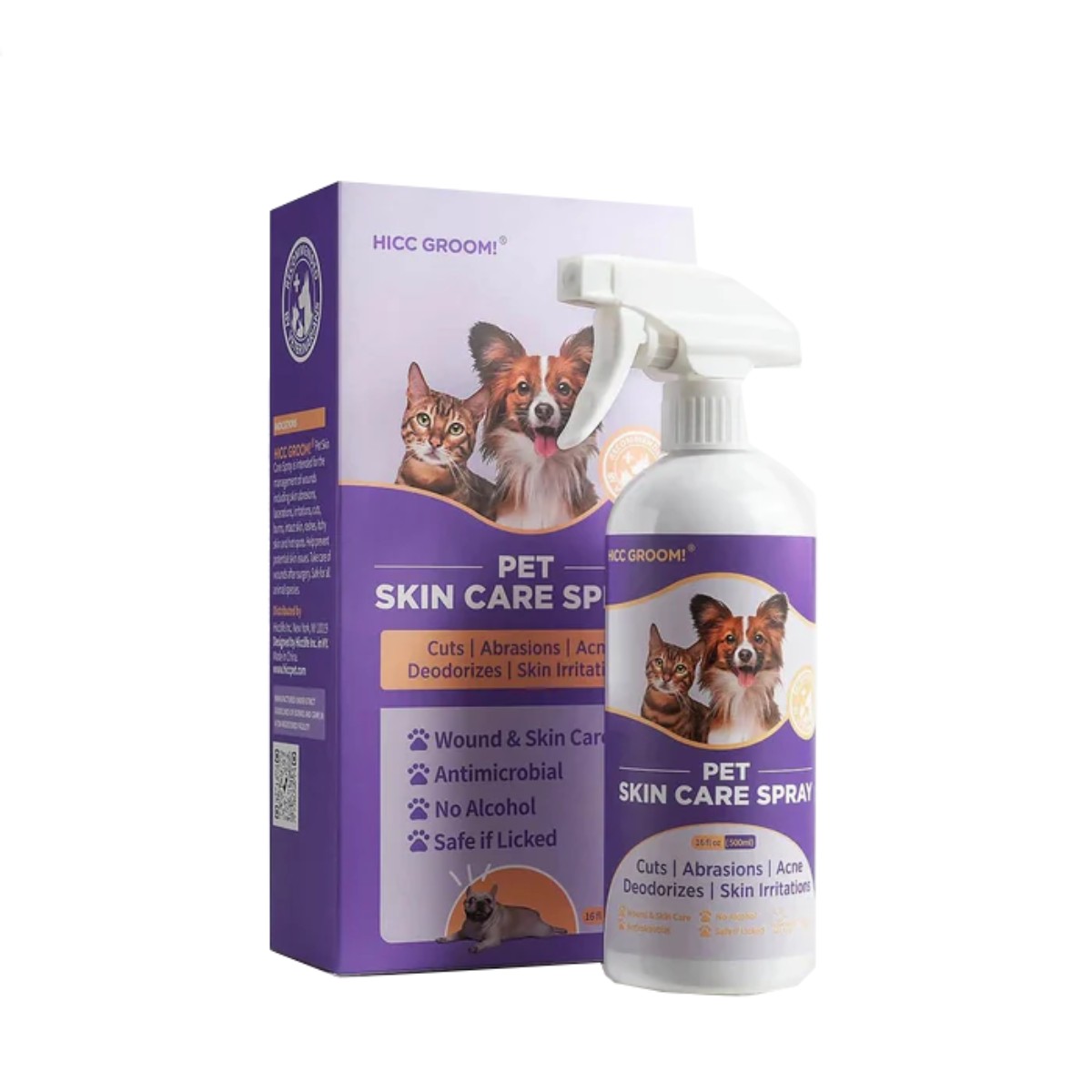
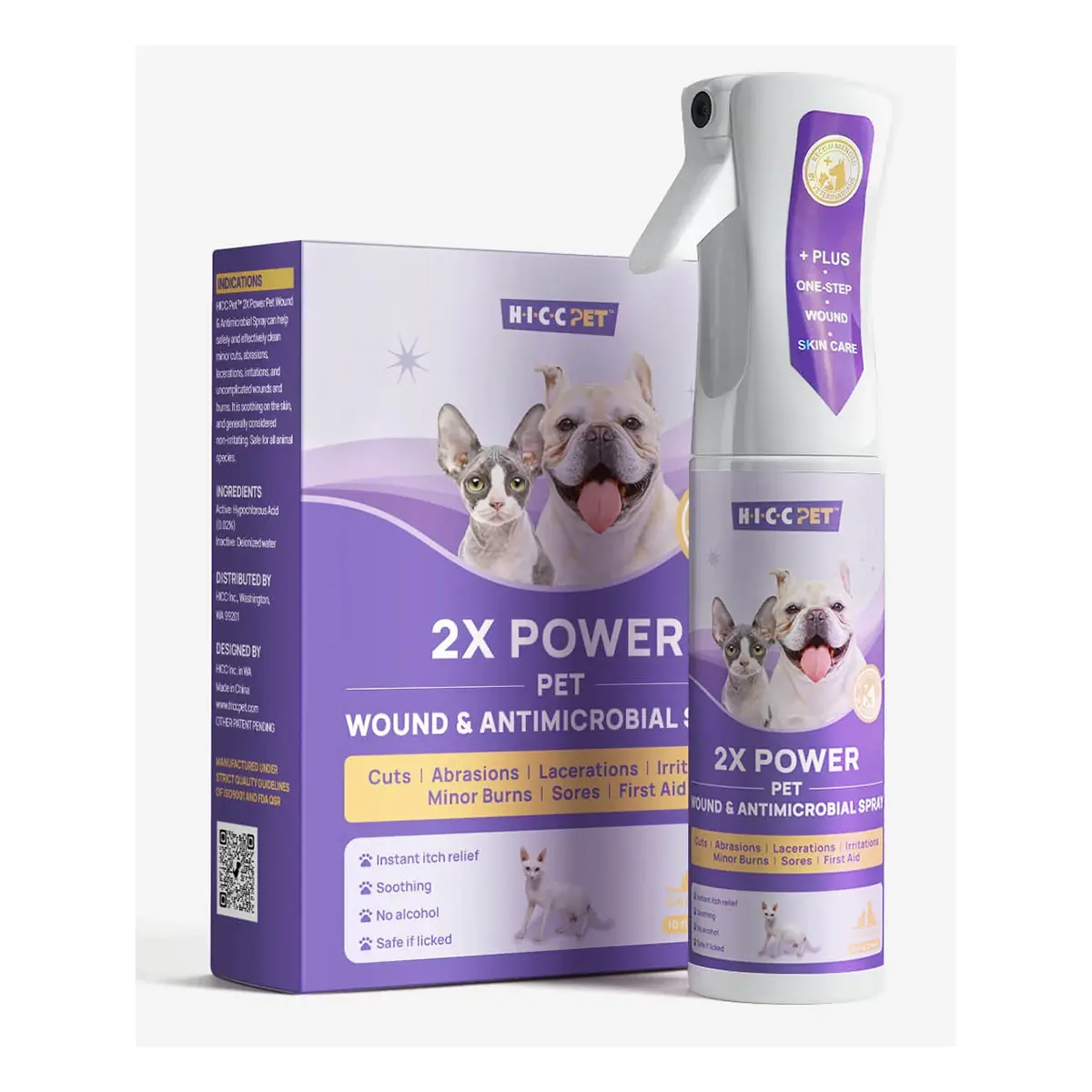
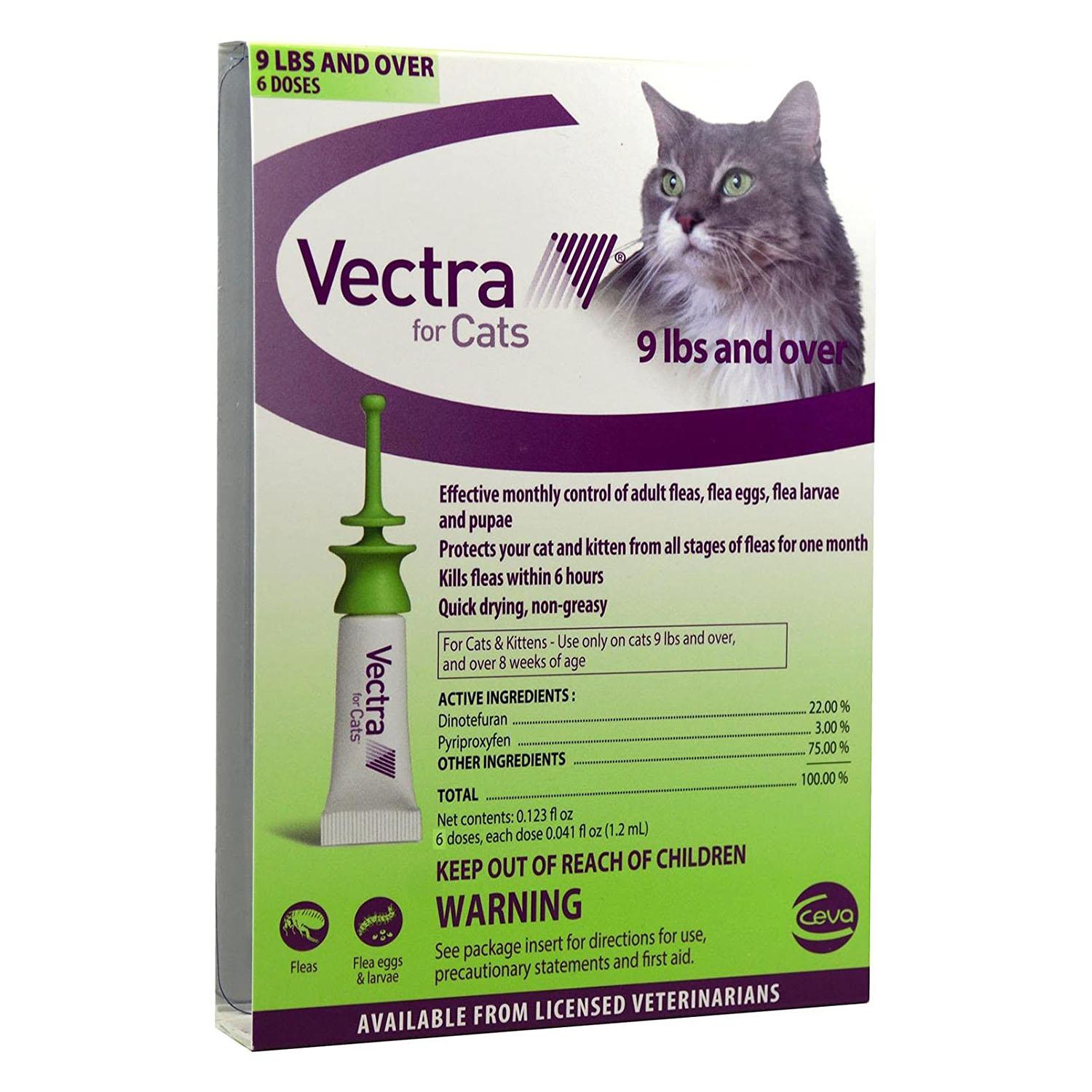
External parasites like fleas and mites are a major cause of skin irritation. Flea bites can cause an allergic reaction known as flea allergy dermatitis, which leads to intense scratching and flaking. There is also a specific parasite called the Cheyletiella mite, often referred to as walking dandruff. These mites are large enough to see, and as they move under the skin scales, it looks like the dandruff itself is crawling. For prevention options, browse our cat flea and tick collection.
Key Takeaway: Dandruff is a symptom of an underlying issue: ranging from simple dry air to more complex problems like obesity or parasitic infections.
How to Improve Hydration and Nutrition
If you want to cure cat dandruff, the most effective starting point is the water bowl and the food dish. Proper hydration keeps the skin elastic and prevents the brittle texture that leads to flaking.
The Role of Wet Food
Many cats live in a state of mild, chronic dehydration because they have a low thirst drive. In the wild, cats get most of their water from their prey. Dry kibble contains very little moisture, often leaving cats lacking. Transitioning your cat to a diet that includes high-quality wet food can make a massive difference. Brands like Tiki Cat or Fussie Cat offer high-moisture options that mimic a cat's natural intake.
Adding Omega Fatty Acids
Omega-3 and Omega-6 fatty acids are essential for skin health. These healthy fats help "waterproof" the skin and reduce inflammation. If you are not ready to change your cat’s main food, consider a supplement. Fish oil or krill oil can be drizzled over their current food to boost the nutrient profile. You can also explore our skin and coat health selections for supplement options.
Encouraging Water Intake
Since cats can be picky about standing water, a pet fountain is often a great investment. The moving water is more attractive to cats and encourages them to drink more frequently. You can also try adding a small amount of tuna water (the kind packed in water, not oil) to their bowl to entice them.
- Switch to a high-protein, moisture-rich wet food.
- Add a daily Omega-3 fish oil supplement.
- Use a circulating water fountain to encourage drinking.
- Ensure the food is free from excessive fillers like corn and soy.
Grooming Techniques to Remove Flakes
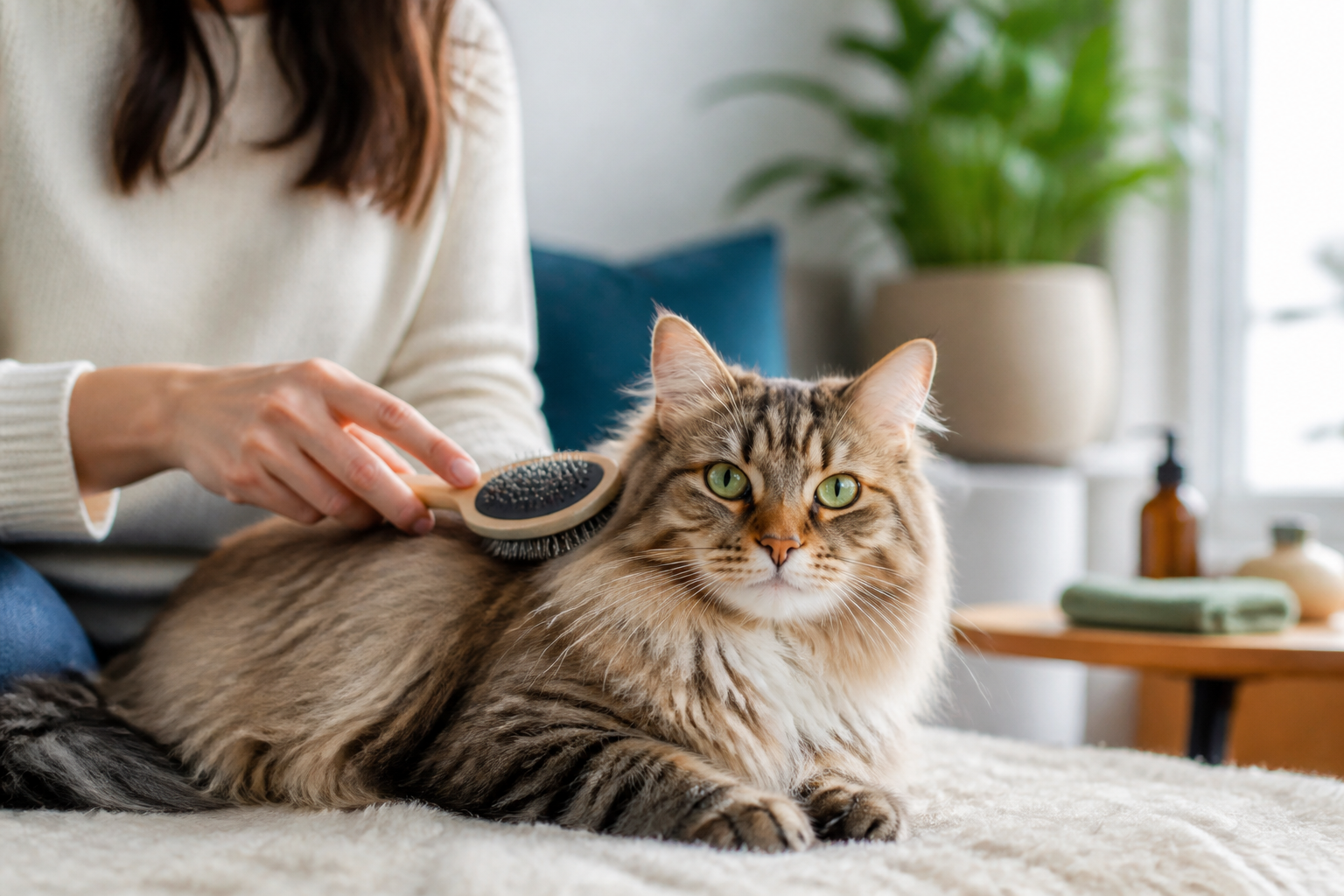
While you work on the internal health of your cat, you can manage the visible flakes with a consistent grooming routine. Brushing does more than just remove loose hair: it stimulates the skin and distributes natural oils across the coat. Find suitable tools in our cat grooming collection.
Choosing the Right Brush
For cats with dandruff, a soft slicker brush or a rubber grooming mitt is usually best. These tools are gentle on irritated skin but effective at pulling up dead cells. Avoid harsh metal combs that might scratch the skin and cause further inflammation.
The Problem with Frequent Bathing
It is a common mistake to think a bath will cure cat dandruff. In reality, most shampoos strip away the very oils the skin needs to stay hydrated. Unless your veterinarian has prescribed a specific medicated shampoo for a fungal or bacterial infection, avoid bathing your cat. If you must clean them, use a moisturizing waterless foam or grooming wipes designed for cats with sensitive skin.
Step-by-Step Grooming Routine
Step 1: Choose a quiet time when your cat is relaxed, such as after a meal.
Step 2: Start with a rubber grooming mitt to gently loosen flakes and dead fur.
Step 3: Move to a soft-bristled brush to distribute the natural oils from the skin down the hair shaft.
Step 4: Wipe the coat down with a damp, warm cloth to remove any remaining loose dandruff.
Vet Tip: If your cat’s skin is red, scabby, or has a strong odor, do not attempt to treat it with over the counter shampoos. These are signs of a potential infection that requires a professional diagnosis from your veterinarian.
Managing Health Conditions Through Our Pharmacy
Sometimes, the cause of cat dandruff is more than just dry skin. When dandruff is tied to a medical condition, topical treatments and diet changes might not be enough on their own. This is where professional medical support becomes necessary. Learn how prescriptions are handled through our Pet's Choice pharmacy service.
Weight Management and Mobility
If your cat is struggling to groom due to obesity or arthritis, the dandruff is likely a side effect of their limited range of motion. We carry specialized weight management foods, such as the Farmina Vet Life range, which are designed to help cats reach a healthy weight safely. For cats with joint pain, supplements like Cosequin can support mobility and make it easier for them to keep themselves clean.
Prescription Diets and Medications
In cases where dandruff is caused by severe allergies or metabolic disorders like hyperthyroidism or diabetes, a prescription diet may be required. Through our partnership with Pet's Choice, the BaxterBoo pharmacy provides access to FDA-approved medications and prescription pet foods. Whether your vet prescribes an allergy medication or a specific therapeutic diet, having a reliable source for these items is key to long-term management.
Parasite Control
Monthly flea and tick prevention is a non-negotiable part of skin health. Even indoor cats can be exposed to fleas brought in on your clothes or from other pets. Our pharmacy offers trusted brands like NexGard and Frontline to ensure your cat stays protected. Eliminating parasites is often the fastest way to stop the itching and flaking cycle. For additional information, read our guide to flea and tick prevention products.
Bottom line: When home remedies are not enough, our pharmacy offers the prescription foods and medications necessary to treat the underlying medical causes of dandruff.
Environmental Adjustments for Skin Relief
The air inside your home plays a major role in your cat's skin health. If you live in a climate with cold winters or high desert heat, the air is likely too dry for optimal feline health.
Using a Humidifier
Placing a humidifier in the room where your cat spends the most time can significantly reduce skin dryness. Aim for a humidity level between 30% and 50%. This not only helps your cat’s skin but can also improve their respiratory health.
Reducing Stress
Stress can actually manifest as skin issues in cats. When a cat is stressed, their immune system is taxed, and they may either over-groom or stop grooming entirely. Both behaviors lead to coat problems. Providing a stable environment with plenty of vertical space, scratching posts, and quiet hiding spots can help keep their stress levels low and their skin healthy.
When to See the Veterinarian
While most cases of dandruff are related to grooming or diet, you should never ignore symptoms that suggest a deeper problem. We recommend consulting a vet if you notice any of the following:
- Patchy hair loss or thinning fur.
- Red, inflamed, or bleeding skin.
- Visible parasites like fleas or mites.
- Excessive thirst or frequent urination (signs of diabetes or kidney issues).
- A sudden change in appetite or weight.
A veterinarian can perform a skin scraping to look for mites or fungus, such as ringworm. They may also run blood work to check for internal conditions that show up on the skin first.
Key Takeaway: Always pair home care with professional advice if your cat shows signs of discomfort, significant hair loss, or changes in behavior.
Summary of Steps to Cure Cat Dandruff
Managing your cat's coat health is an ongoing process that involves several layers of care. By addressing the problem from multiple angles, you can clear up those flakes and prevent them from returning.
- Hydration First: Move toward a wet-food-heavy diet and provide moving water sources.
- Supplement Wisely: Use Omega-3 fatty acids to support the skin's moisture barrier.
- Regular Brushing: Use soft tools to distribute oils and remove dead cells without irritating the skin.
- Check the Air: Use a humidifier during dry seasons to keep the skin from cracking.
- Professional Care: Use our pharmacy for prescription diets, flea prevention, and medications as directed by your vet.
Bottom line: A flake-free coat is the result of good nutrition, a hydrated environment, and proactive health management.
Conclusion
Seeing dandruff on your cat is a sign that it is time to check in on their routine and environment. By focusing on high-quality nutrition, proper hydration, and a gentle grooming schedule, most owners can successfully cure cat dandruff at home. However, remember that the coat is a window into your cat's internal health. If those white flakes are accompanied by itching, weight changes, or a lack of energy, reaching out to your veterinarian is the best next step. We are here to support that journey through our curated selection of premium foods and our dedicated pharmacy for your prescription needs. To start your cat on the path to a healthier coat, explore our collection of skin and coat supplements or talk to your vet about our pharmacy services through Pet's Choice.
FAQ
Is cat dandruff the same thing as fleas?
No, cat dandruff is made of dead skin cells and appears as white or gray flakes. Fleas are small, dark insects that move quickly through the fur. You might also see "flea dirt," which looks like tiny black pepper flakes. If you see black specks rather than white ones, your cat likely has a flea infestation rather than simple dandruff.
Can I use human dandruff shampoo on my cat?
You should never use human dandruff shampoo on a cat unless specifically instructed by a veterinarian. Many human products contain ingredients like zinc pyrithione or selenium sulfide, which can be toxic if your cat licks their fur. Additionally, the pH level of human skin is different from cat skin, and these shampoos can cause severe irritation or chemical burns.
Does brushing my cat every day help with dandruff?
Yes, regular brushing is one of the most effective ways to manage dandruff. It helps pull up dead skin cells so they can be removed and stimulates the sebaceous glands to produce natural oils. Brushing then spreads these oils down the hair shaft, which provides a natural moisture barrier for the skin.
Why does my cat have dandruff only on their lower back?
Dandruff often accumulates on the lower back because it is the hardest place for a cat to reach during self-grooming. If your cat is overweight, has arthritis, or is simply a bit older, they may lose the flexibility needed to clean that specific area. Increasing your manual grooming sessions for that spot can help clear up the buildup.






- Site & Contents BaxterBoo.com. BaxterBoo is located in the United States.
- Privacy & Security
- Terms of Use
- Accessibility Statement
