
 Save 15% on your 1st Autoship learn more

 Email us
 Live Chat
 FAQs





Introduction
You are petting your cat on a sunny afternoon when you notice a dusting of white specks across their dark fur. At first, you might think it is just dust or a bit of litter. When those flakes do not brush away easily, you realize your feline friend is dealing with dandruff. It is a common issue that many pet owners face. Seeing your cat with dry, itchy skin can be frustrating for you and uncomfortable for them.
At BaxterBoo, we know that a healthy coat starts from the inside out. This post covers why these flakes appear and how you can resolve the issue through diet, grooming, and environmental changes. We will also help you identify when flaky skin is a sign of something that requires a trip to the veterinarian. Understanding the root cause is the first step toward learning how to cure cat dandruff for good.
Defining Cat Dandruff vs. Cat Dander
It is important to understand that dandruff and dander are not the same thing. Every cat has dander. These are microscopic skin cells that all animals with fur or feathers shed naturally. You cannot see dander with the naked eye. It is the protein in this dander that often triggers allergies in humans.
Dandruff consists of larger, visible flakes of dead skin. These flakes occur when the skin becomes irritated, dry, or oily. Instead of shedding one cell at a time, the skin sheds in clumps. This results in the white or gray specks you see on your cat's back or on their favorite sleeping spot.
Quick Answer: Cat dandruff is a visible accumulation of dead skin flakes on the fur. It is usually caused by dry skin, lack of grooming, or nutritional deficiencies.
Cat Skin & Coat Care








Common Causes of Flaky Skin in Cats
Finding a solution requires looking at your cat's environment and daily habits. Many factors contribute to skin irritation.
Low Humidity and Winter Air
Just like humans, cats suffer when the air gets dry. During the winter months, indoor heating systems strip moisture from the air. This can lead to brittle fur and parched skin. If you notice the flakes increase when the furnace turns on, the environment is likely a factor.
Obesity and Limited Mobility
Cats are meticulous groomers. However, an overweight cat may struggle to reach certain parts of its body. The lower back and the base of the tail are common trouble spots. When a cat cannot reach these areas to groom, dead skin cells and natural oils build up. This leads to heavy flaking and sometimes matting.
Arthritis in Senior Cats
Older cats may have the desire to groom but lack the physical ability. Joint pain makes it difficult to twist and reach the middle of the back. If your senior cat has suddenly developed dandruff, it might be a sign of underlying discomfort.
Stress and Anxiety
Cats are sensitive to changes in their routine. Moving to a new home, adding a new pet, or even changing your work schedule can cause stress. Anxiety can manifest physically through the skin. Some cats may over-groom in response to stress, while others may stop grooming altogether.
Nutritional Strategies to Cure Cat Dandruff
Nutrition is the foundation of skin health. If the body does not have the right building blocks, the skin is often the first place to show signs of trouble.
The Importance of Hydration
Many cats live on a diet consisting solely of dry kibble. Cats naturally have a low thirst drive. In the wild, they get most of their moisture from prey. If your cat does not drink enough water, they can become chronically dehydrated. This dehydration leads directly to dry, flaky skin.
Consider adding wet food to your daily routine with options from our cat food category. Brands like Tiki Cat or Fussie Cat offer high-moisture options that appeal to finicky eaters. You can also try a pet water fountain. Many cats prefer running water over a still bowl.
Essential Fatty Acids
Omega-3 and Omega-6 fatty acids are crucial for maintaining the skin's moisture barrier. These fats help reduce inflammation and keep the coat shiny. If your cat's food is low in these nutrients, their skin may become brittle.
We carry several supplements designed to boost coat health, including the Zesty Paws Wild Alaskan Salmon Oil skin and coat supplement. Zesty Paws and Honest Paws offer salmon oil or specialized skin and coat chews. These provide a concentrated dose of EPA and DHA. Always check with your veterinarian before starting a new supplement to ensure the dosage is correct for your cat's weight.
High-Quality Protein
Skin and hair are made mostly of protein. If a cat is eating a low-quality diet with too many fillers, they may not be getting enough amino acids to support skin renewal. Look for foods where a named meat source is the first ingredient. Brands like Farmina and Orijen focus on high-protein recipes that mimic a cat’s natural diet.
Key Takeaway: Proper hydration and fatty acid supplementation are two of the most effective ways to improve skin elasticity and reduce flaking from the inside.
The Role of Grooming and Skin Care
While nutrition works from the inside, grooming addresses the flakes on the surface. A regular routine helps distribute natural oils across the body. Explore our cat grooming supplies for brushes, wipes, shampoos, and other tools.
Brushing Techniques
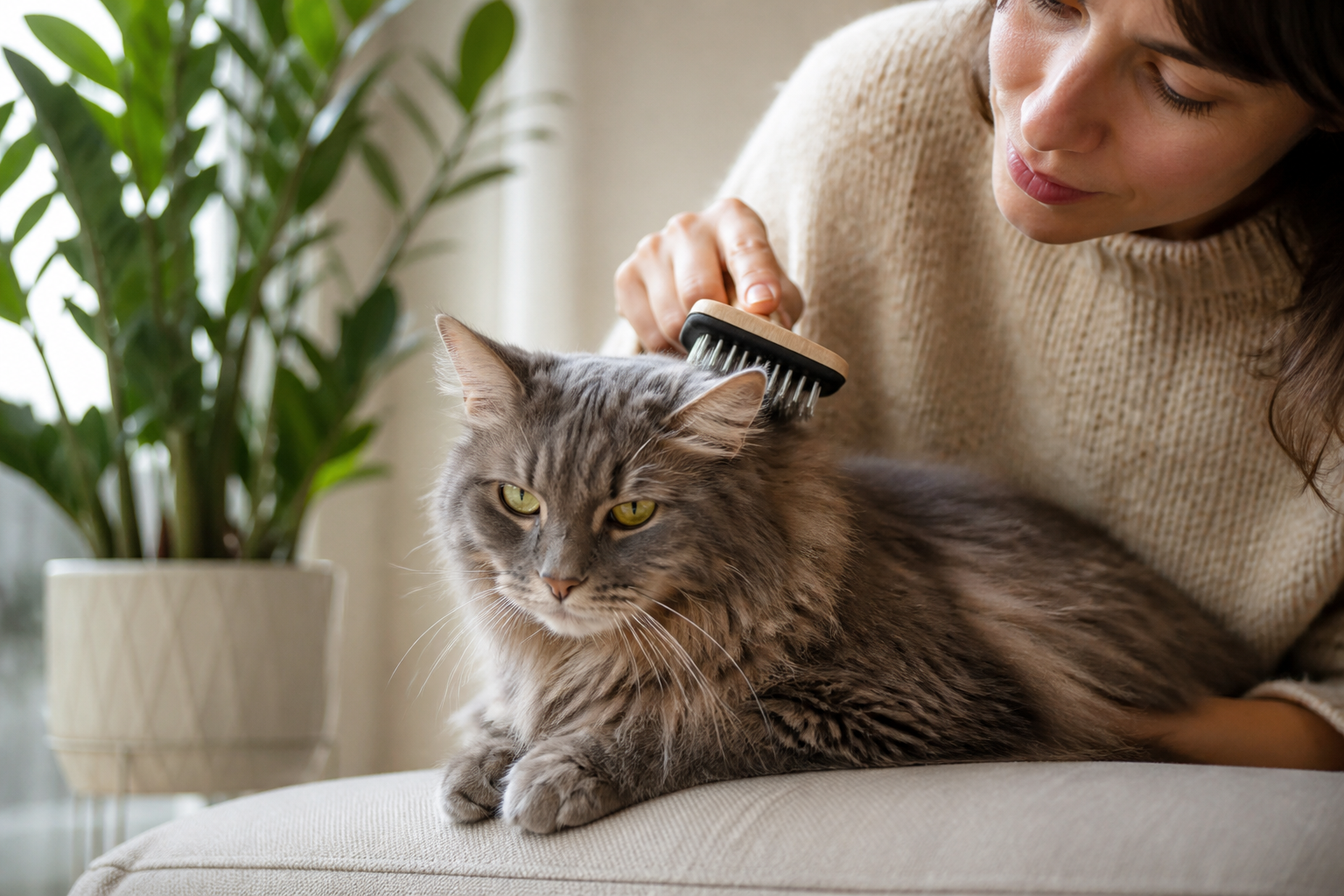
Brushing is the most direct way to remove existing dandruff. It also stimulates blood flow to the skin surface. This promotes the growth of healthy new cells.
Step 1: Choose the right tool. / A soft slicker brush or a rubber grooming mitt is best for cats with sensitive skin.
Step 2: Brush in the direction of hair growth. / Start at the head and work your way back to the tail.
Step 3: Pay attention to the lower back. / Spend extra time on areas your cat cannot easily reach.
Step 4: Keep sessions short. / If your cat is not used to brushing, start with two minutes a day and offer a treat afterward.
To Bathe or Not to Bathe?
Most cats do not need regular baths. In fact, bathing a cat too often can strip away necessary oils and make dandruff worse. However, if your cat has a greasy coat or a fungal infection, a therapeutic bath might be necessary.
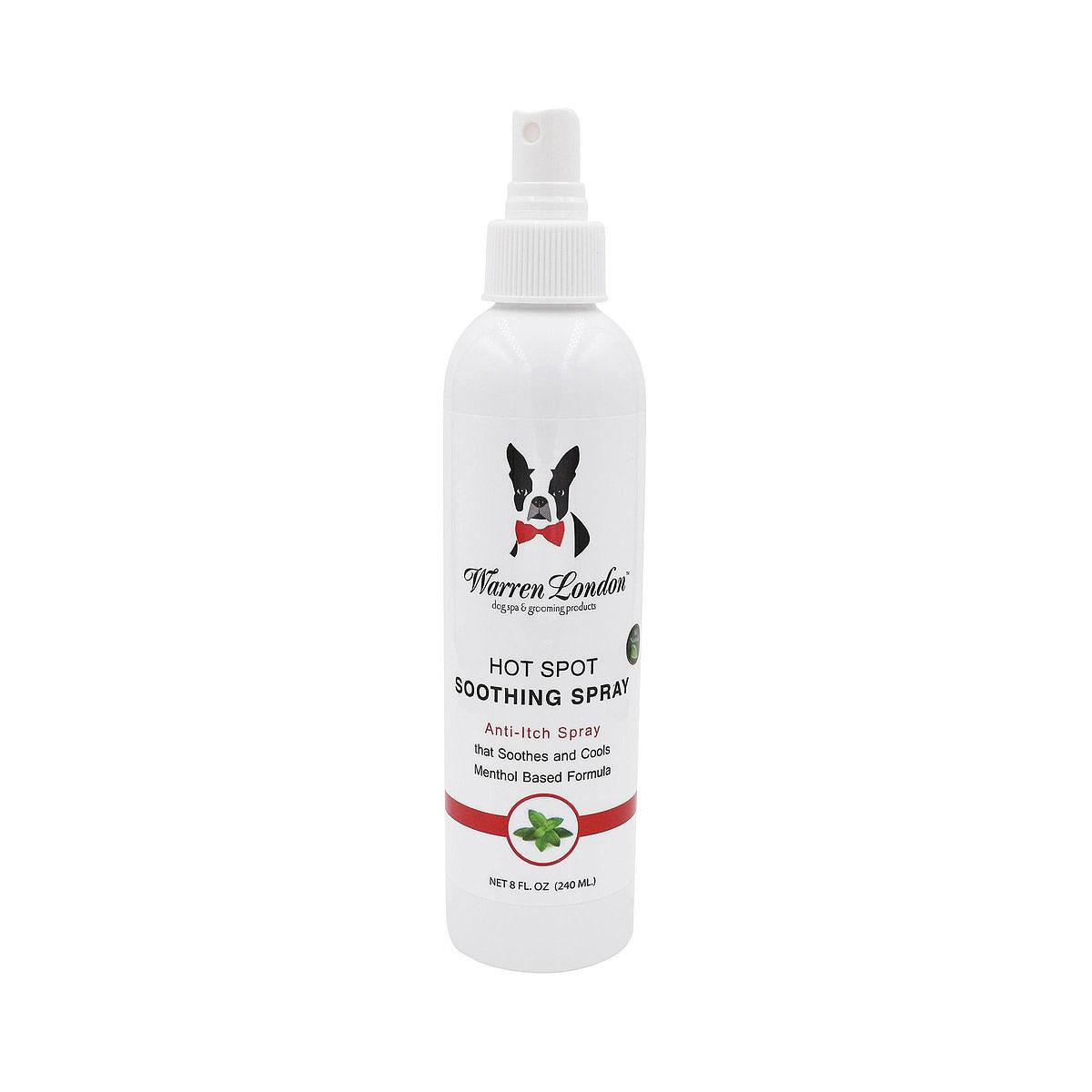
Use a shampoo specifically formulated for felines. Never use human shampoo, as the pH balance is different and will cause irritation. If a full bath is too stressful, consider using grooming wipes or a waterless foam shampoo.
When Dandruff Signals a Health Condition
Sometimes, those white flakes are not just dry skin. They can be a symptom of a more serious medical issue.
External Parasites
Fleas and mites are common causes of skin irritation. There is a specific condition called "walking dandruff" caused by the Cheyletiella mite. These mites are large enough to be seen with a magnifying glass. They look like moving flakes of skin.
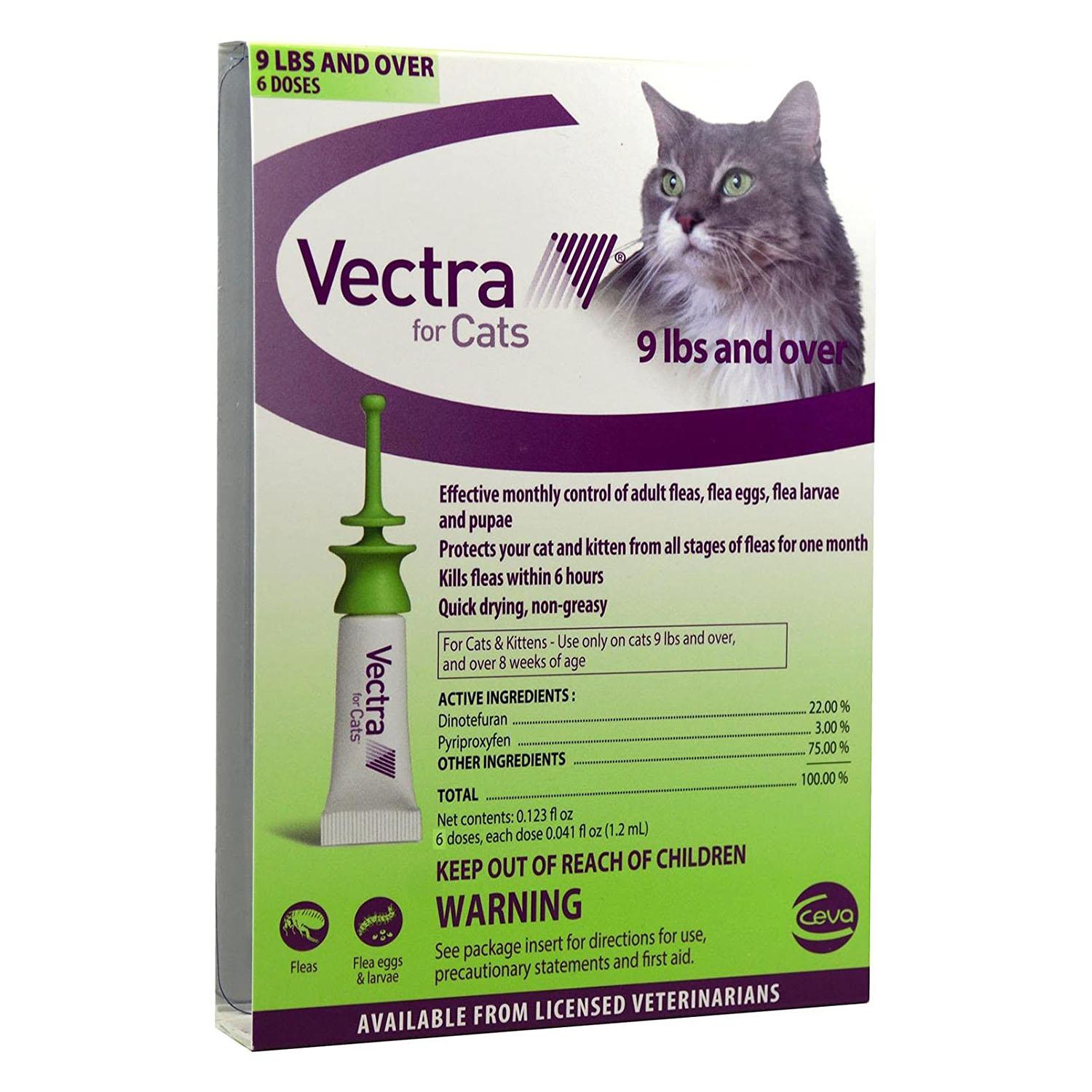
If you suspect parasites, our pet pharmacy offers prescription medications and parasite-control products for cats. We carry trusted options for addressing veterinary health concerns involving skin irritation and parasites.
Allergies and Sensitivities
Cats can develop allergies to things in their environment or their food. Common environmental allergens include dust mites, pollen, and even certain cleaning chemicals. Food allergies often manifest as itchy skin around the head and neck. If your cat is scratching constantly or has red, inflamed skin, an allergy may be the culprit.
Underlying Systemic Diseases
In some cases, dandruff is a secondary symptom of an internal problem. Conditions like diabetes, hyperthyroidism, and kidney disease can affect the quality of a cat's coat. These diseases often change how a cat processes nutrients or how often they groom.
Vet Tip: If your cat's dandruff is accompanied by hair loss, sores, or changes in appetite and thirst, schedule a veterinary exam. A professional can rule out systemic issues like hyperthyroidism or diabetes through blood work.
Managing the Indoor Environment
Small changes to your home can make a big difference for your cat's skin.
- Install a humidifier: Adding moisture back into the air during winter can prevent the skin from drying out.
- Switch to unscented litter: Some cats are sensitive to the heavy perfumes used in clay litters.
- Clean bedding regularly: Wash your cat's favorite blankets in hot water using a pet-safe, scent-free detergent.
- Encourage activity: For overweight cats, use toys such as those in our cat toys collection to encourage movement. Weight loss often leads to better grooming habits.
Bottom line: A combination of increased humidity, regular brushing, and a moisture-rich diet is often enough to cure mild cases of cat dandruff.
Conclusion
Curing cat dandruff requires a thoughtful look at your pet's lifestyle. Start by ensuring they are hydrated and eating a diet rich in essential fatty acids. Establish a gentle daily brushing routine to help remove dead skin and distribute oils. If the environment is dry, a humidifier can provide much-needed relief.
If these home remedies do not show results within a few weeks, or if your cat seems uncomfortable, it is time to seek professional help. Our pharmacy is a great resource for prescription diets and medications that address the root causes of skin issues. Whether you need a high-quality supplement or a new grooming tool, we are here to support your cat's health journey.
Key Takeaway: Consistency is the secret to a flake-free coat. Small daily improvements in diet and grooming lead to long-term skin health.
If you are ready to upgrade your cat's skin care routine, visit our pharmacy section to explore prescription options and professional-grade skin supports.
FAQ
How can I tell the difference between flea dirt and dandruff?
Dandruff appears as white or gray flakes that look like dry skin. Flea dirt looks like tiny specks of black pepper. If you place these black specks on a wet white paper towel and they turn reddish-brown, it is flea dirt, which is actually digested blood. This is a clear sign that your cat needs flea treatment.
Is it safe to use coconut oil on my cat's skin for dandruff?
While coconut oil is generally safe, it is very greasy and can lead to messy fur or digestive upset if your cat licks it off. It is usually more effective to add a fish oil supplement to their food. This treats the skin from the inside without making the coat oily or attracting dirt.
Why does my cat have dandruff only on their lower back?
The lower back and base of the tail are the hardest areas for a cat to reach during grooming. This is common in cats that are overweight or have mobility issues like arthritis. Regular brushing in these specific areas can help clear the flakes that the cat cannot reach themselves.
Can a food change really cure cat dandruff?
Yes, nutrition plays a major role in skin health. Transitioning to a high-quality food with more moisture and essential fatty acids can significantly improve skin elasticity. Always transition to a new food slowly over seven to ten days to avoid upsetting your cat's stomach.






- Site & Contents BaxterBoo.com. BaxterBoo is located in the United States.
- Privacy & Security
- Terms of Use
- Accessibility Statement
