
 Save 15% on your 1st Autoship learn more

 Email us
 Live Chat
 FAQs





Introduction
You are relaxing on the sofa with your cat when you notice a scattering of white flakes across their glossy black or orange fur. It looks a bit like salt or snow, and as you pet them, more flakes appear. Seeing these flakes can be a bit unsettling for any pet owner. You might wonder if your cat is dirty, if they have fleas, or if their skin is uncomfortably dry. At BaxterBoo, we know that a flaky coat is one of the most common reasons cat owners reach out for grooming and health advice. This post covers the practical steps to remove existing flakes, the environmental changes that can help, and when those white spots might actually be a sign of a medical issue. By understanding the root cause of these flakes, you can help your cat return to a sleek, comfortable, and flake-free state.
Quick Answer: To get dandruff off a cat, start with daily brushing to manually remove flakes and distribute natural oils. If the dandruff persists, consider adding a humidifier to your home, switching to a high-quality wet food for better hydration, or consulting your vet about a possible skin infection or parasite.
Understanding the Difference Between Dander and Dandruff
Before you start reaching for the grooming brush, it is helpful to know exactly what you are looking at. Many people use the terms dander and dandruff interchangeably, but they are not the same thing. Understanding the difference helps you determine if what you see is a normal biological process or a symptom that needs your attention.
Cat dander consists of microscopic skin cells that all cats shed naturally. You cannot actually see dander with the naked eye. It is perfectly healthy and normal. However, dander is often what triggers allergies in humans because it carries a specific protein from the cat's saliva. Since dander is invisible, it is not something you "remove" to make a coat look better.
Dandruff, on the other hand, consists of larger flakes of dead skin that have clumped together. These are visible and usually white or gray. While some shedding of skin cells is normal, visible dandruff usually indicates that the skin is too dry, too oily, or that the cat is not grooming themselves effectively. If you can see the flakes, you are dealing with dandruff.
Key Takeaway: Dander is invisible and normal for all cats. Dandruff is visible flaking that usually points to an underlying issue with skin health, grooming habits, or the home environment.
Cat Skin & Coat Care








Why Do Cats Get Dandruff?
Dandruff is rarely a condition on its own. Instead, it is almost always a symptom of something else. To effectively clear the flakes, you have to address why they are forming in the first place.
Poor Grooming Habits
Cats are famous for being meticulous cleaners. If a cat is healthy and mobile, they usually lick away dead skin cells before they can clump into visible flakes. When you start seeing dandruff, it often means the cat has stopped grooming a specific area. This is common in senior cats with arthritis who find it painful to twist and reach their lower back. It also happens in overweight cats who physically cannot reach certain spots.
Environmental Factors
Just like humans, cats suffer from dry skin when the air lacks moisture. During the winter months, indoor heating systems strip the humidity from the air. This dries out the feline skin barrier, leading to itchiness and flaking. If the dandruff only appears when the heater turns on for the season, the environment is the likely culprit.
Dietary Deficiencies
A coat reflects what goes into the body. If a cat is eating a low-quality diet or one that lacks essential fatty acids, their skin will lose its elasticity and moisture. Dehydration is another major factor. Cats have a low thirst drive and often do not drink enough water from a bowl, which can lead to systemic dryness that shows up on the skin.
Medical Concerns and Parasites
Sometimes, what looks like dandruff is actually a sign of a health struggle. Fungal infections like ringworm or bacterial skin infections can cause heavy scaling. External parasites, specifically the Cheyletiella mite, are often called "walking dandruff" because the mites are white and move under the fur, making it look like the flakes are alive.
How to Manually Remove Dandruff with Grooming
If your cat is currently covered in flakes, the fastest way to improve their appearance is through physical removal. This does not solve the underlying cause, but it provides immediate relief and prevents the dead skin from matting into the fur.
The Power of Daily Brushing
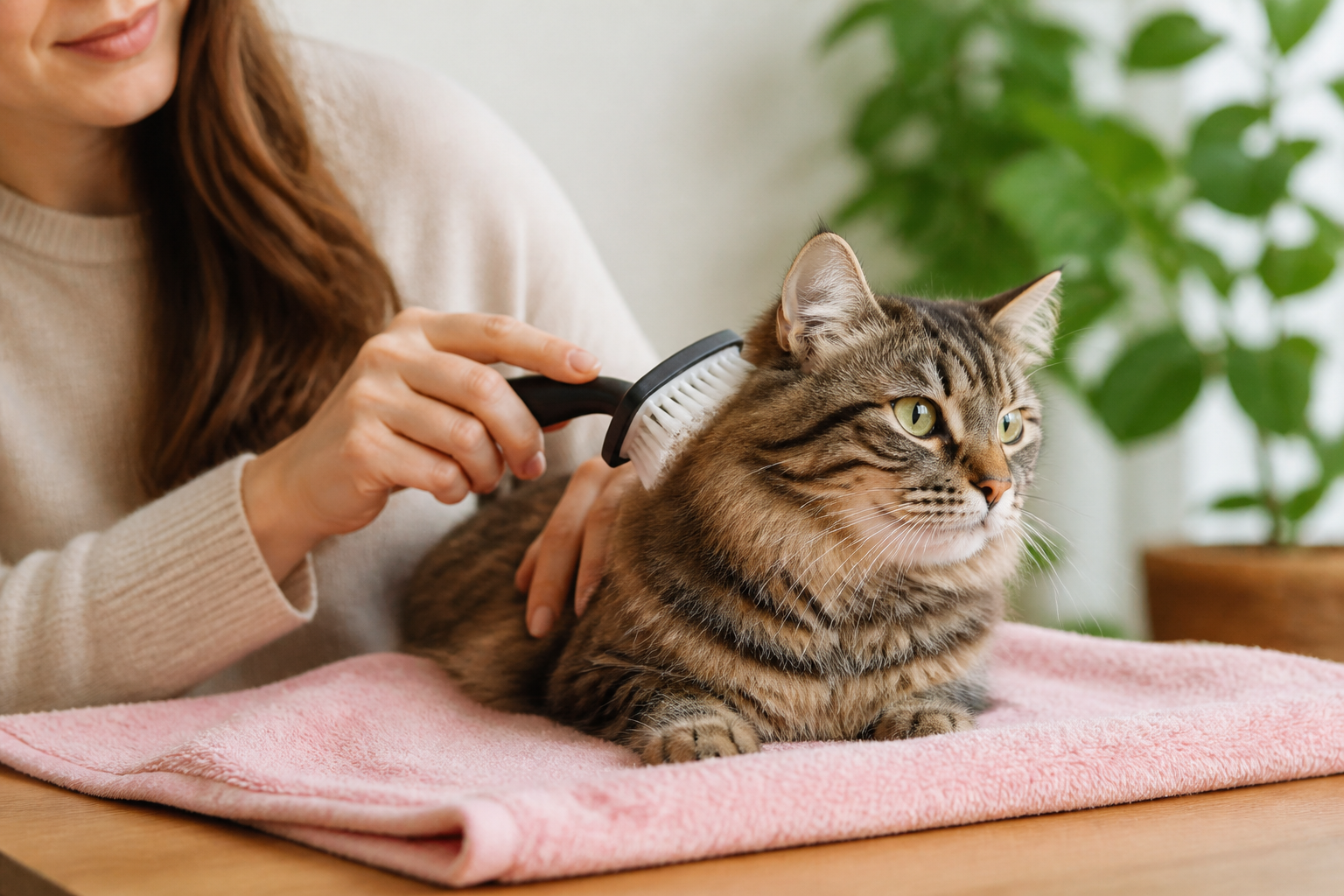
Brushing is the most effective tool in your kit. For most cats, a soft-bristle brush or a fine-toothed comb will work best. Brushing serves two purposes: it lifts the dead flakes out of the coat and it stimulates the skin to produce natural oils. These oils act as a built-in moisturizer.
When you brush, move in the direction of hair growth. If your cat has a thick undercoat, you may need a grooming tool specifically designed to reach those deeper layers where flakes often get trapped. For cats who find traditional brushes irritating, a rubber grooming mitt can be a gentler alternative that still grabs loose fur and skin. Explore our cat grooming supplies for brushes, combs, wipes, and shampoos.
Using Grooming Wipes
If your cat is not a fan of water or if they have a lot of surface flakes, grooming wipes are a great middle ground. These are pre-moistened cloths designed for pets. They can help wipe away the dandruff while adding a small amount of topical moisture to the fur. Look for wipes that are fragrance-free and contain soothing ingredients like aloe or vitamin E.
Step 1: Choose a quiet time when your cat is relaxed. / Let them sniff the brush or wipe first to get comfortable.
Step 2: Focus on the "high-flake" areas. / This is usually the base of the tail and along the spine.
Step 3: Brush gently but thoroughly. / Use short strokes to lift flakes away from the skin.
Step 4: Wipe the coat down. / Use a grooming wipe to pick up any loose debris left behind by the brush.
Bottom line: Manual removal through brushing and wipes provides immediate cosmetic improvement and helps distribute the skin's natural moisturizing oils.
Should You Bathe a Cat with Dandruff?
The idea of bathing a cat often fills pet owners with dread. In many cases, a full bath is actually unnecessary for dandruff and might even make the problem worse. Soap and water can strip away the very oils the skin needs to stay hydrated.
However, if your cat has oily dandruff or a skin infection, a medicated bath might be part of the solution. If you do decide to bathe your cat, never use human shampoo. Human skin has a different pH level than cat skin, and our shampoos are too harsh for them. Instead, use a moisturizing oatmeal-based shampoo or one specifically formulated for feline dandruff. You can compare feline shampoos and conditioners in our cat grooming collection.
Always ensure the water is lukewarm, not hot. After the bath, pat your cat dry with a towel. Avoid using a blow dryer, as the heat can further dry out the skin and the noise can be highly stressful. If your cat is terrified of water, do not force the bath. Stress can trigger more skin issues and damage your bond.
Vet Tip: If your cat's dandruff is accompanied by red skin, sores, or an unpleasant odor, skip the home bath and head to the vet. These are signs of a skin infection that may require a prescription-strength shampoo or medication from a pharmacy.
Addressing Nutrition and Hydration
Long-term flake control starts from the inside out. If your cat’s skin is constantly dry, it is a sign that their body needs more moisture and better nutrients.
Adding Omega Fatty Acids
Omega-3 and Omega-6 fatty acids are the building blocks of healthy skin. Many commercial dry foods are processed at high temperatures, which can degrade these fragile fats. Adding a high-quality fish oil supplement, like salmon oil, to your cat's meals can make a dramatic difference in coat quality within a few weeks. These supplements help reinforce the skin barrier, keeping moisture locked in.
The Importance of Wet Food
Hydration is a major factor in skin health. Because cats evolved from desert-dwelling ancestors, they are biologically designed to get most of their water from their prey. Dry kibble contains very little moisture, often leaving cats in a state of mild, chronic dehydration.
Switching some or all of your cat’s diet to wet food is one of the easiest ways to improve their hydration. You can also try a pet water fountain. Many cats prefer running water over a still bowl, and increased water intake leads to more supple, less flaky skin. Browse our cat food selection when comparing wet food options.
| Remedy Type | Action Step | Expected Result |
|---|---|---|
| Grooming | Daily brushing with a soft brush | Removes flakes and spreads skin oils |
| Environment | Run a humidifier in the main living area | Prevents skin from drying out in winter |
| Nutrition | Add Omega-3 fish oil supplements | Strengthens the skin barrier from within |
| Hydration | Increase wet food and use a water fountain | Hydrates the skin cells systemically |
Managing the Home Environment
Sometimes the cause of the dandruff isn't the cat at all, but the house they live in. If you notice your own skin feeling tight or itchy during the winter, your cat is likely feeling the same way.
Low humidity is a primary trigger for feline dandruff. When the air is dry, it draws moisture out of the cat's skin. A simple solution is to run a humidifier in the room where your cat spends the most time. Keeping the humidity level between 40% and 50% can significantly reduce flaking.
You should also consider your cat's bedding. If they sleep on a heated bed or near a radiator, the constant direct heat can dry out their skin. Try moving their favorite sleeping spot a few feet away from direct heat sources to see if their coat improves.
Key Takeaway: Environmental moisture is just as important as internal hydration. Humidifiers and moving beds away from heaters can stop the cycle of seasonal dry skin.
When Dandruff Signals a Health Problem
While most dandruff is a minor grooming or environmental issue, there are times when it points to a serious health condition. At BaxterBoo, we always recommend paying close attention to any secondary symptoms.
If you notice any of the following, please schedule a visit with your veterinarian:
- Hair Loss: If the dandruff is appearing alongside bald patches or thinning fur.
- Intense Itching: If your cat is constantly scratching, biting, or over-grooming.
- Skin Redness: If the skin under the flakes looks angry, red, or inflamed.
- Changes in Behavior: If your cat seems lethargic, has a change in appetite, or is hiding more than usual.
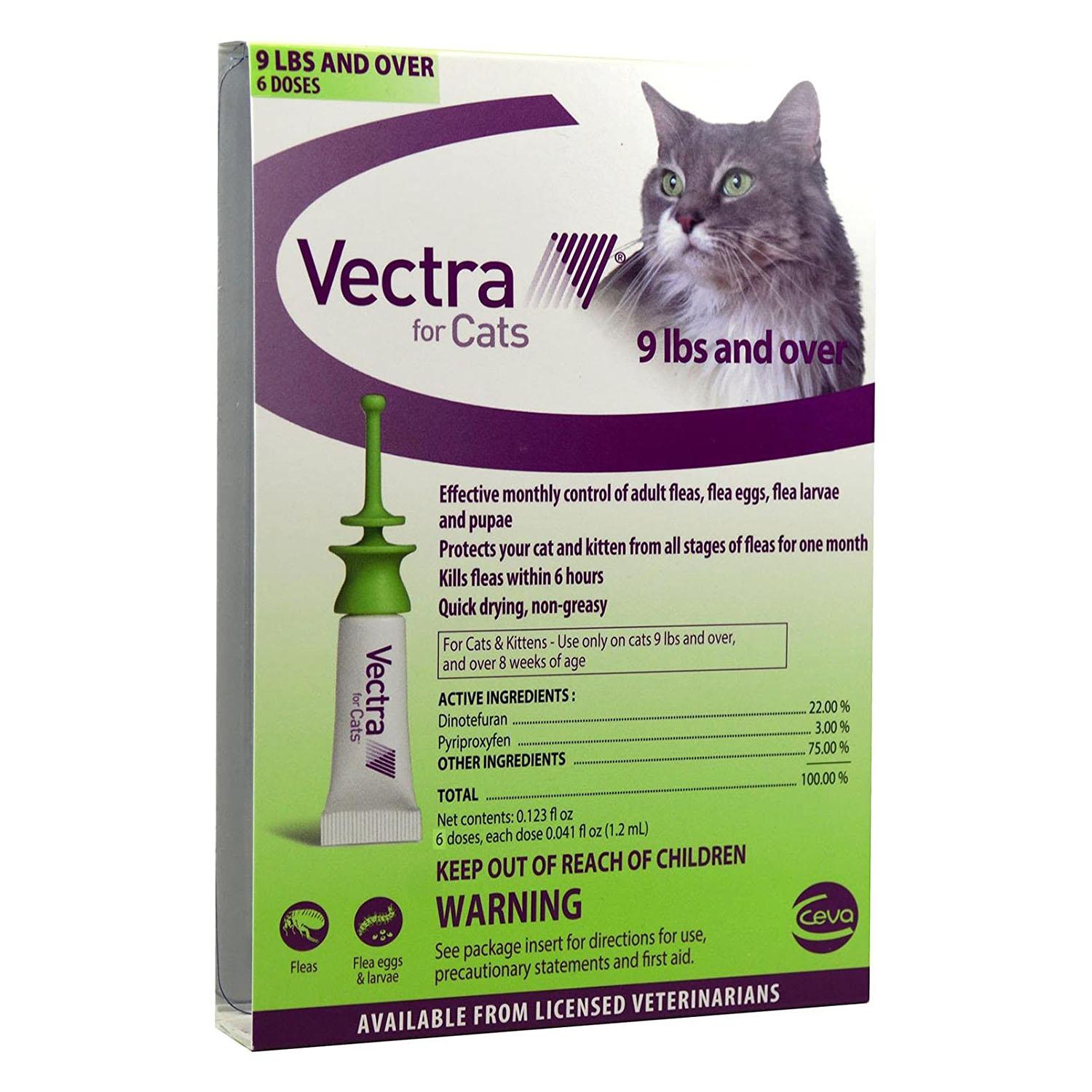
Medical conditions like hyperthyroidism, diabetes, or kidney disease can affect a cat’s coat quality and their ability to groom. Additionally, if the "dandruff" is actually a parasite like fleas or mites, your cat will need specific medical treatment. Our cat pharmacy carries a variety of flea and tick preventives, including prescription options, through our partnership with Pet's Choice. Your vet can provide the necessary diagnosis and prescription to ensure you are treating the right problem.
Vet Tip: Always consult your veterinarian before starting new supplements or medications, especially if your cat has a pre-existing health condition. They can help you determine if the dandruff is a cosmetic issue or a symptom of an underlying illness that needs professional care.
Helping Overweight or Senior Cats
If your cat has dandruff primarily on their lower back and near the base of their tail, the issue is likely a lack of reach.
For overweight cats, a weight management plan is the best long-term solution. When a cat loses weight, they regain the flexibility needed to groom their entire body. This not only fixes the dandruff but also improves their overall quality of life and reduces the risk of diabetes and joint stress.
For senior cats with arthritis, the spirit is willing but the body is stiff. They want to groom, but it hurts to turn that far. In these cases, you must become your cat's personal groomer. A few minutes of gentle brushing each day in the spots they can no longer reach will keep their coat clean. You might also talk to your vet about joint supplements or pain management to help them feel comfortable enough to start grooming themselves again.
Maintaining a Flake-Free Coat
Once you have managed to get the dandruff off your cat, the goal shifts to prevention. Consistency is the most important factor in feline skin health.
Establish a regular grooming routine that fits your cat's personality. If they only tolerate two minutes of brushing, do those two minutes every single day rather than trying for a long session once a week. Keep their water bowl fresh, and consider staying on a high-quality diet enriched with healthy fats.
We also suggest looking into programs like MVP Rewards. This allows you to earn points on the grooming tools and premium foods you are already buying to keep your cat healthy. If you find a specific food or supplement that works wonders for your cat's coat, using our Autoship programme ensures you never run out and often provides a discount on those recurring orders.
Bottom line: A flake-free coat is the result of a healthy diet, a hydrated environment, and a consistent grooming routine tailored to your cat's specific needs.
Conclusion
Getting dandruff off a cat involves a combination of immediate physical removal and long-term lifestyle adjustments. By using a gentle brush and grooming wipes, you can clear away the visible flakes and make your cat feel more comfortable right away. To keep the flakes from coming back, focus on improving hydration through wet food, adding Omega fatty acids to your diet, and maintaining humidity in your home. Remember that while most dandruff is harmless, persistent flaking or skin irritation should always be evaluated by a veterinarian to rule out parasites or underlying health conditions.
- Brush your cat daily to remove flakes and distribute natural oils.
- Increase hydration with wet food and a water fountain.
- Use a humidifier during dry winter months.
- Consult your vet if you notice redness, hair loss, or intense itching.
For all your grooming needs, from soft brushes to specialized feline shampoos, you can explore the full cat care collection to find the right tools for your cat's coat.
FAQ
Can I use human dandruff shampoo on my cat?
No, you should never use human dandruff shampoo on a cat. These products are formulated for the pH level of human skin and often contain ingredients like zinc or salicylic acid that can be toxic if your cat licks their fur. Always use a shampoo specifically designed for felines or follow your vet's recommendation for a medicated product.
Why does my cat only have dandruff on their lower back?
Dandruff on the lower back or base of the tail usually indicates a grooming problem. This area is the hardest for a cat to reach. If a cat is overweight or has arthritis, they may stop grooming this specific spot, leading to a buildup of dead skin cells and loose fur.
Is cat dandruff contagious to humans?
Standard dandruff caused by dry skin or poor grooming is not contagious. However, if the "dandruff" is actually caused by the Cheyletiella mite (walking dandruff) or a fungal infection like ringworm, those can be transmitted to humans. If you notice skin lesions on yourself or other pets, see a vet immediately.
How long does it take for a cat's dandruff to go away?
If the cause is environmental or dietary, you will usually see an improvement in the coat within 2 to 4 weeks after making changes. Manual removal with a brush provides immediate results, but the underlying skin health takes time to rebuild. If there is no improvement after a month, a vet visit is recommended.






- Site & Contents BaxterBoo.com. BaxterBoo is located in the United States.
- Privacy & Security
- Terms of Use
- Accessibility Statement
