
 Save 15% on your 1st Autoship learn more

 Email us
 Live Chat
 FAQs





Introduction
You are relaxing on the sofa with your cat when the light hits their fur just right. Instead of a sleek coat, you see a dusting of white flakes scattered across their back. It is a common sight for many pet owners. Your first instinct might be to reach for the shampoo, but most cats view bath time as a major catastrophe. At BaxterBoo, we understand that maintaining your cat's coat should not feel like a battle.
The good news is that you can usually manage these flakes without ever turning on the faucet. This post covers the common causes of feline skin issues and provides practical, water-free solutions. We will explore how grooming, nutrition, and your home environment play a role in skin health. By the end of this guide, you will have a clear plan to restore your cat's shine and comfort.
Understanding Feline Dandruff vs Dander
Before you start treating the flakes, it helps to know what you are looking at. Many people use the terms dander and dandruff interchangeably. However, they are quite different things in the world of pet care. Every cat has dander. It consists of microscopic skin cells that shed naturally as part of the body's normal cycle. You cannot usually see dander with the naked eye. It is also the primary carrier for the proteins that cause allergies in humans.
Dandruff is different because it is visible. When a cat's skin becomes irritated, dry, or overly oily, skin cells clump together. These clumps appear as the white or grey flakes you see on their fur or bedding. While dander is a sign of a healthy body at work, dandruff is often a signal that something is slightly out of balance.
Quick Answer: Cat dandruff is the visible clumping of dead skin cells often caused by dry skin, poor grooming, or dietary gaps. You can usually resolve it without a bath by using regular brushing, adding Omega fatty acids to their diet, and increasing home humidity.
Waterless Cat Grooming







Common Reasons for Flaky Cat Skin
Finding the cause is the first step toward a flake-free coat. Several factors can lead to a dry or irritated skin barrier. Some are seasonal, while others might be related to your cat's lifestyle or age.
Low Humidity and Dry Air
During the winter months, indoor heating systems strip moisture from the air. This dry environment affects your cat's skin just as much as it affects yours. Without enough moisture in the air, the skin's surface can become brittle and start to flake off. This is especially common in cats that enjoy sleeping near radiators or heat vents.
Dietary Gaps
A cat's skin and coat require specific nutrients to stay supple. The most important of these are Omega-3 and Omega-6 fatty acids. If their food is low in these essential fats, the skin barrier weakens. This leads to moisture loss and subsequent flaking. Cheap or poorly balanced commercial diets are sometimes the culprit behind a dull, dusty coat.
Hydration Issues
Cats are famous for having a low thirst drive. In the wild, they get most of their moisture from prey. If a domestic cat eats only dry kibble and does not drink much water, they can live in a state of mild, chronic dehydration. This lack of internal moisture eventually shows up on the outside as dry, flaky skin.
Grooming Challenges
Healthy cats are meticulous groomers. They use their rough tongues to remove loose fur and dead skin cells while distributing natural oils across their coat. If a cat stops grooming effectively, these cells build up and become visible dandruff. This often happens with senior cats who have stiff joints or cats who are overweight and cannot reach their lower back and tail.
Vet Tip: If your cat has dandruff along with patches of hair loss, intense itching, or red sores, please consult your veterinarian. These symptoms can indicate parasites like mites or fungal infections like ringworm which require medical treatment.
The Power of Regular Brushing
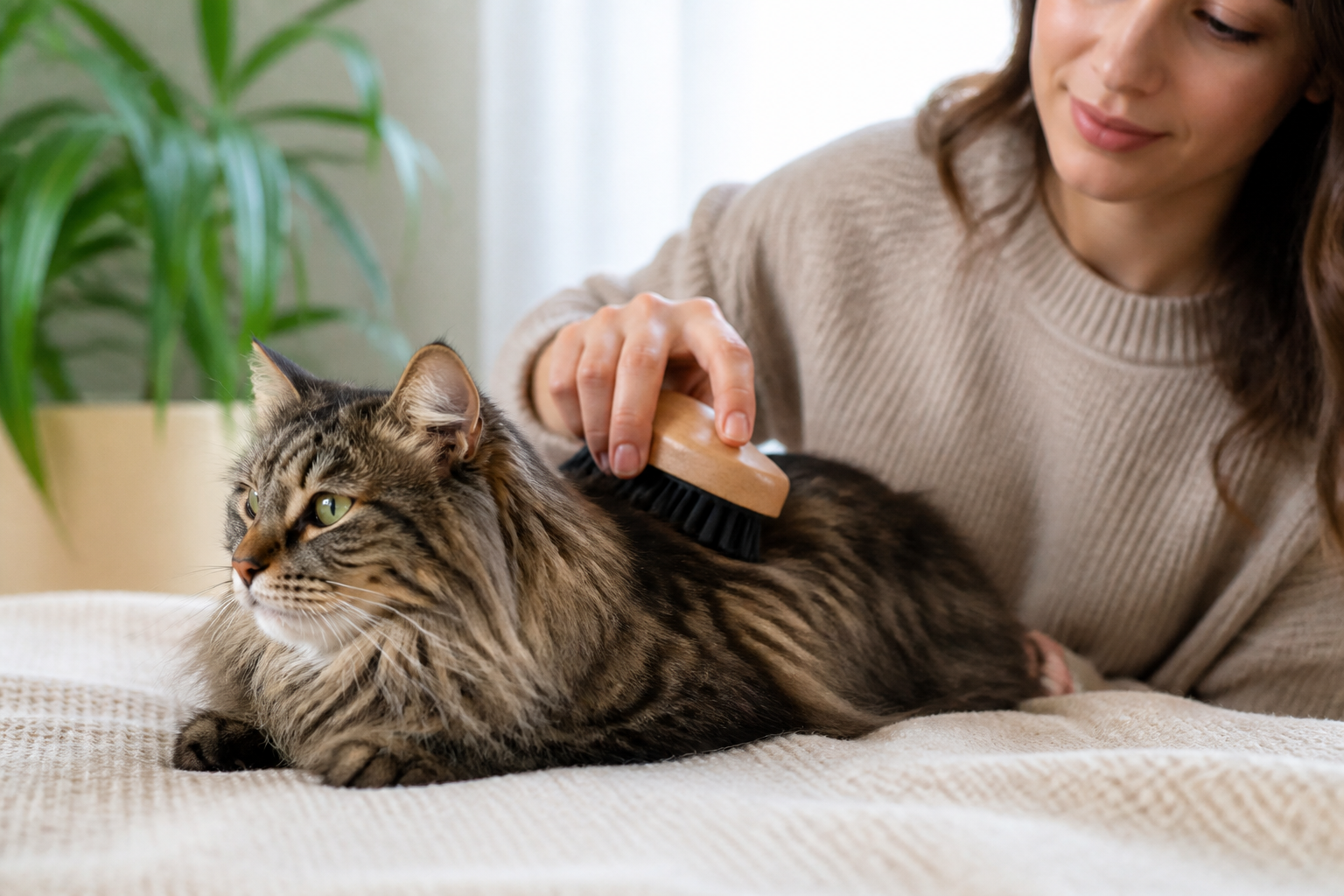
Brushing is the most effective way to get rid of cat dandruff without a bath. It mimics the natural grooming process that your cat might be missing. When you brush your cat, you are doing more than just removing loose fur. You are physically lifting away the dead skin cells before they can clump together.
Brushing also stimulates the blood flow to the skin's surface. This encourages the production of natural sebum. Sebum is the oil that keeps the hair shiny and the skin moisturized. For cats with dandruff, you should aim for a five-minute brushing session every single day.
Choosing the Right Tools
Not all brushes are created equal when it comes to dandruff. A soft bristle brush is excellent for distributing oils on short-haired cats. For long-haired cats, a metal comb or a slicker brush can reach through the undercoat to the skin where the flakes originate. You can compare options in our brushes and combs collection. Always be gentle. If the skin is already dry and irritated, a heavy-handed brushing can cause further discomfort.
Brushing Technique for Flaky Skin
- Start at the head and work toward the tail.
- Follow the direction of hair growth.
- Pay extra attention to the base of the tail and the lower back.
- Use long, slow strokes to keep the experience relaxing.
Bottom line: Daily brushing is the best manual way to remove flakes and move natural moisturizing oils across your cat's body.
For an all-purpose option, the U-Groom Combo Brush for Dogs and Cats has both stainless-steel pins and boar bristles for everyday coat care.
Improving Hydration From the Inside Out
Since dehydration is a leading cause of dry skin, increasing your cat's water intake is a vital "no-bath" solution. Many cats are picky about their water source. They often prefer running water over a stagnant bowl. This is an evolutionary trait, as running water in nature is usually safer to drink.
Switch to Wet Food
If your cat primarily eats dry kibble, consider incorporating wet food into their daily routine. Canned food is roughly 75 percent to 80 percent water. This provides a massive boost to their overall hydration levels. Even replacing one meal a day can make a noticeable difference in the quality of their skin within a few weeks. For another perspective on feline hydration, read these tips for improving an indoor or outdoor cat's quality of life.
Use a Pet Fountain
A circulating pet fountain can encourage a cat to drink more frequently. The sound and movement of the water attract their curiosity. Keeping the water fresh and cool is essential. If you use a traditional bowl, make sure it is made of stainless steel or ceramic. Plastic bowls can harbor bacteria that lead to feline acne or skin irritation.
Add Water to Meals
A simple trick is to add a tablespoon or two of warm water to their food. This creates a sort of "gravy" that most cats enjoy. It ensures they are taking in extra liquid with every bite. This is a very effective strategy for cats who are stubborn about drinking from a bowl.
Nutritional Support for Healthy Skin
What your cat eats serves as the building blocks for their skin and fur. If those blocks are missing, the coat will suffer. High-quality animal proteins and specific fats are the most important factors here.
Omega Fatty Acids
Omega-3 fatty acids, often derived from fish oil, act as a natural anti-inflammatory for the skin. They help strengthen the skin barrier and lock in moisture. Many premium cat foods already include these, but some cats benefit from a dedicated supplement. You can find these in liquid forms that pump directly onto their food.
The Role of Vitamin E
Vitamin E is an antioxidant that helps protect skin cells from damage. It works in tandem with fatty acids to maintain a healthy glow. Check your cat's food label for tocopherols, which are a source of Vitamin E.
Weight Management
As mentioned earlier, obesity often leads to dandruff because the cat cannot reach their back to groom. If your cat is carrying extra weight, a weight management plan is a long-term solution for their skin health. Our cat pharmacy offers prescription weight management diets through our partnership with Pet's Choice. These diets are formulated to help your cat lose weight safely while still receiving all the nutrients needed for a healthy coat.
- Check for high-quality animal protein as the first ingredient.
- Look for added fish oil or flaxseed for Omega-3s.
- Avoid foods with excessive fillers like corn or soy.
- Consider a grain-free option if your vet suspects a food sensitivity.
Key Takeaway: Proper nutrition and hydration are the foundation of healthy skin. Without them, topical treatments will only provide temporary relief.
Environmental Adjustments
Sometimes the problem is not your cat, but the air they breathe. During the winter, the humidity in many homes drops below 30 percent. This is far too dry for feline skin.
Humidifiers
Placing a humidifier in the room where your cat spends the most time can work wonders. It adds moisture back into the atmosphere, which stops the skin from drying out. You do not need a specialized pet humidifier. A standard cool-mist humidifier used for humans works perfectly well.
Managing Heat Sources
Cats love heat, but direct contact with heat vents can bake the moisture right out of their fur. If your cat has a favorite spot on top of a radiator, try placing a bed with a thick cushion there instead. This provides a buffer between the direct heat and their skin.
Waterless Shampoos and Wipes
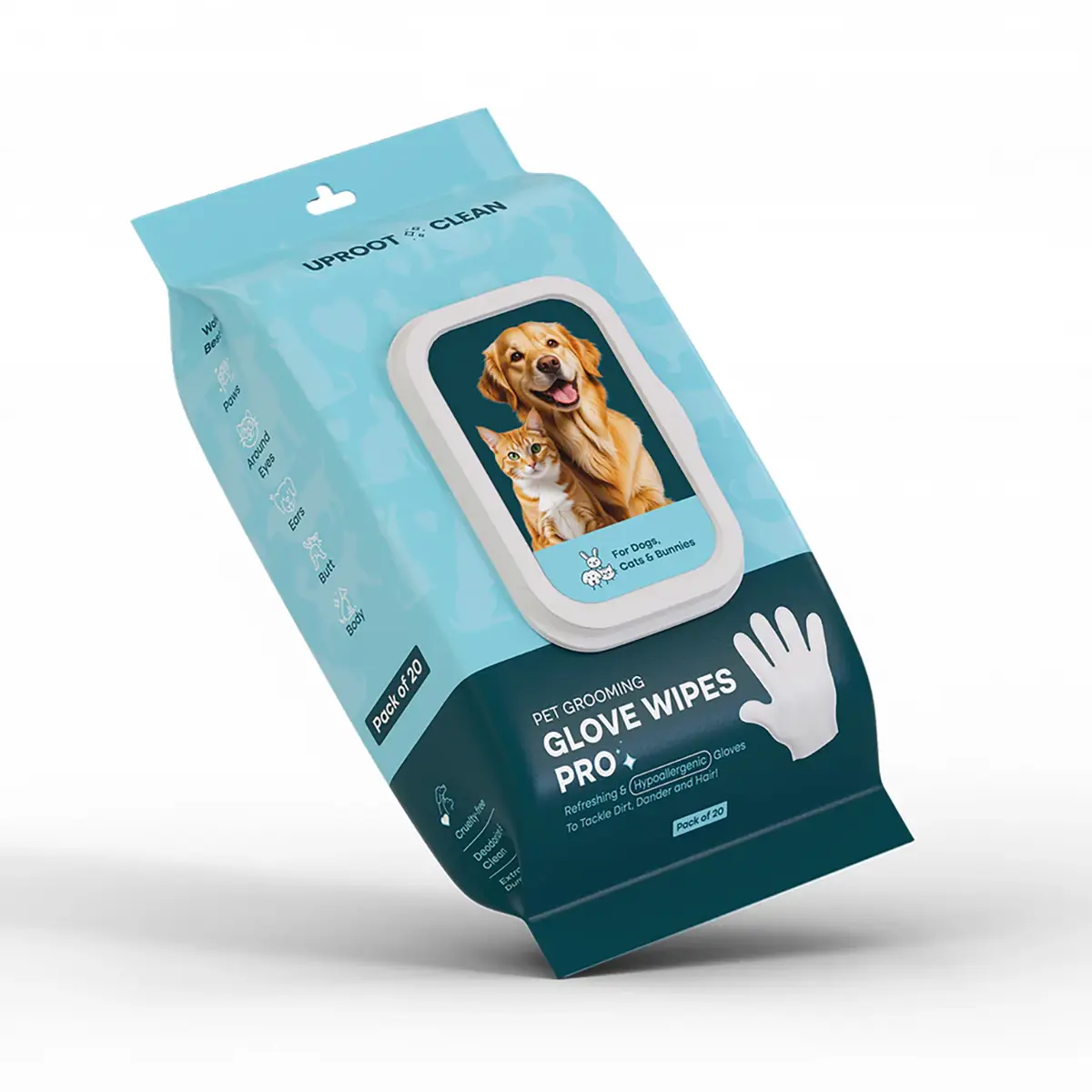
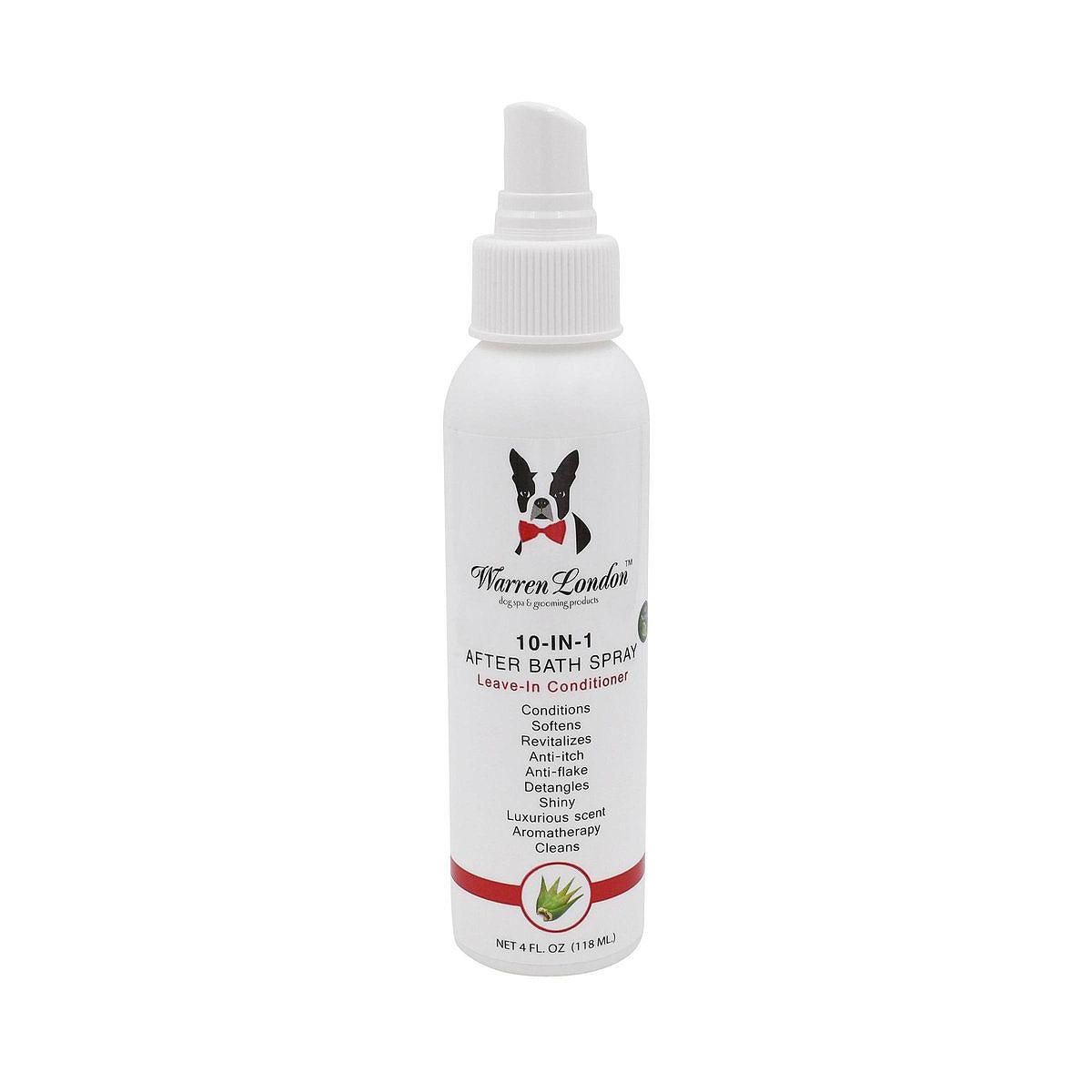
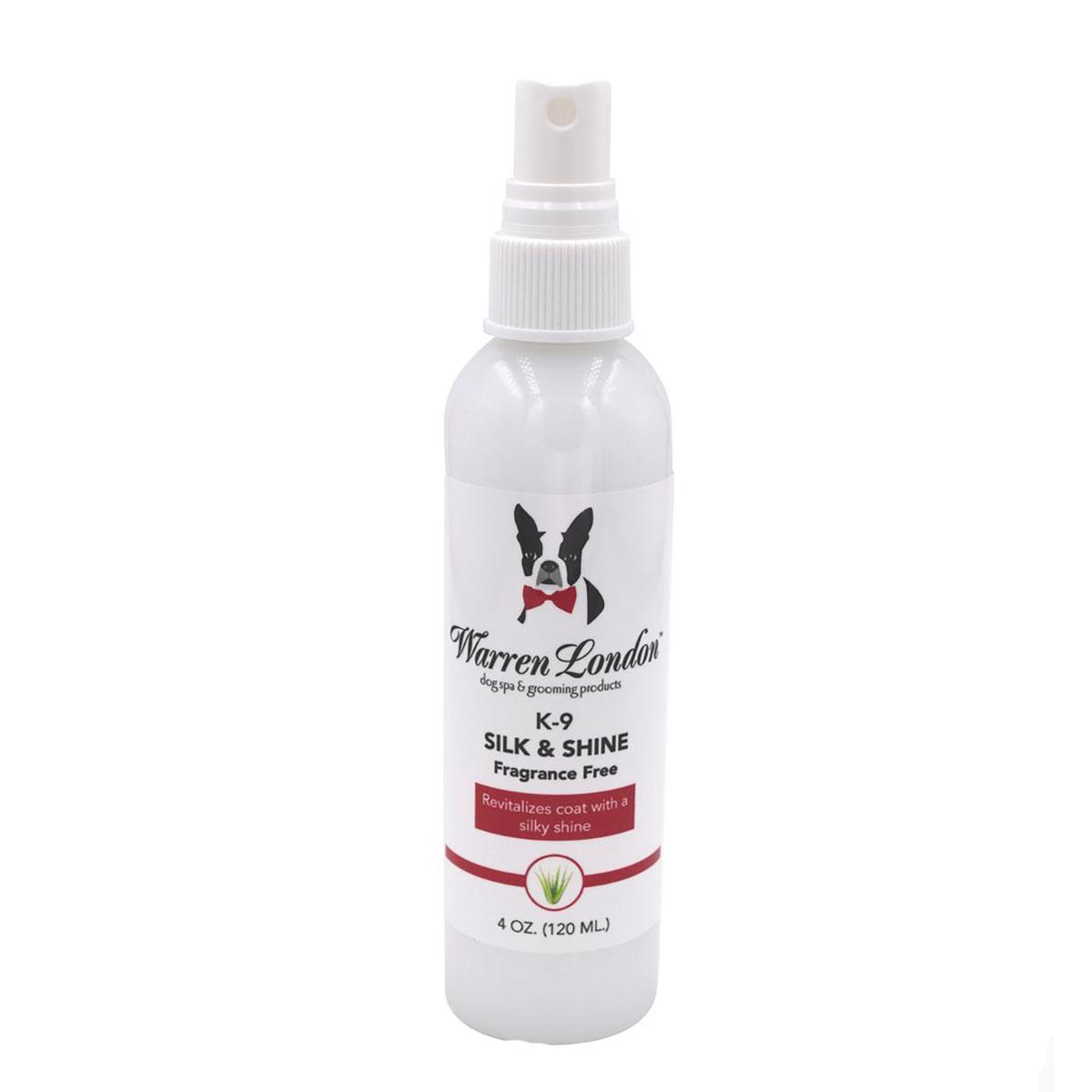
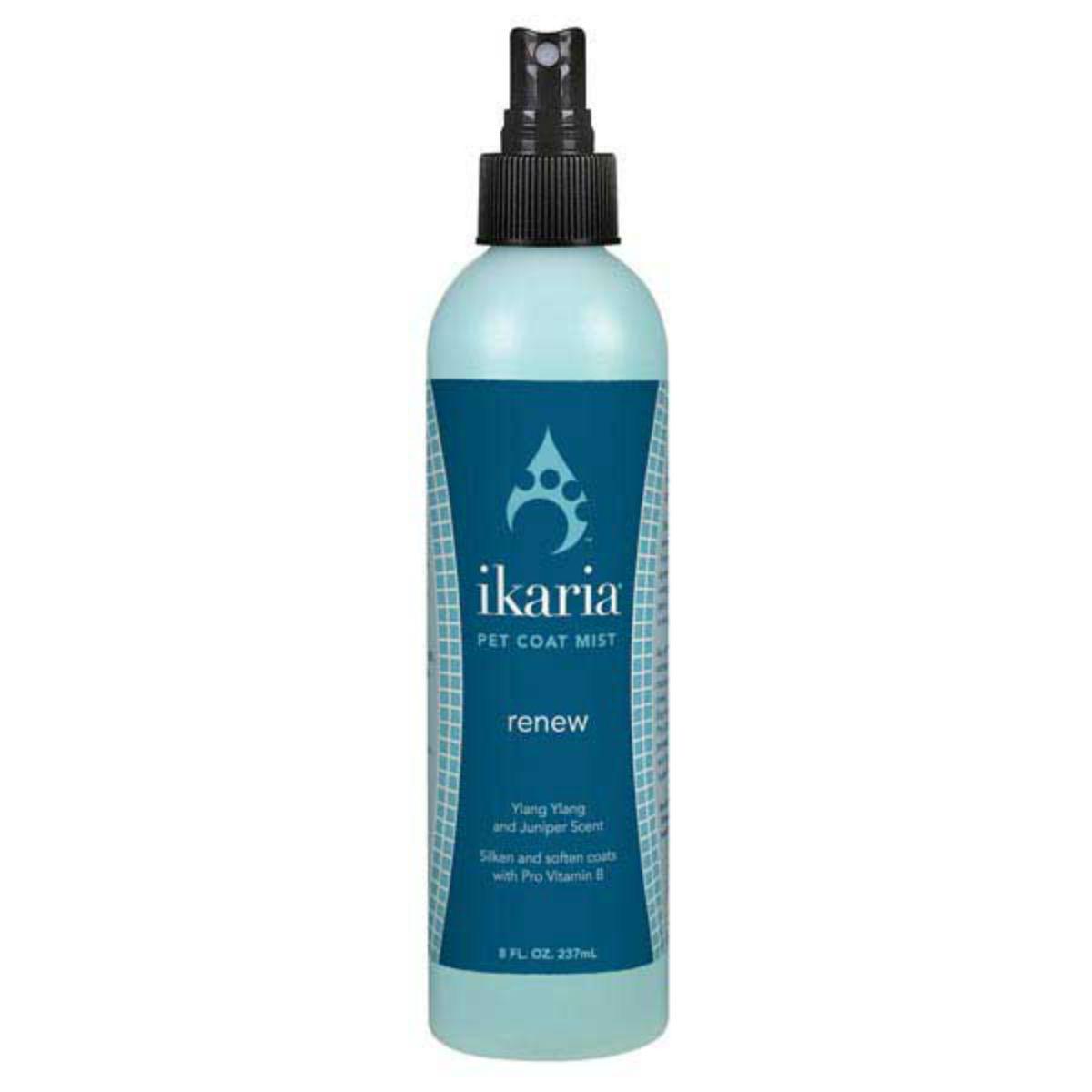
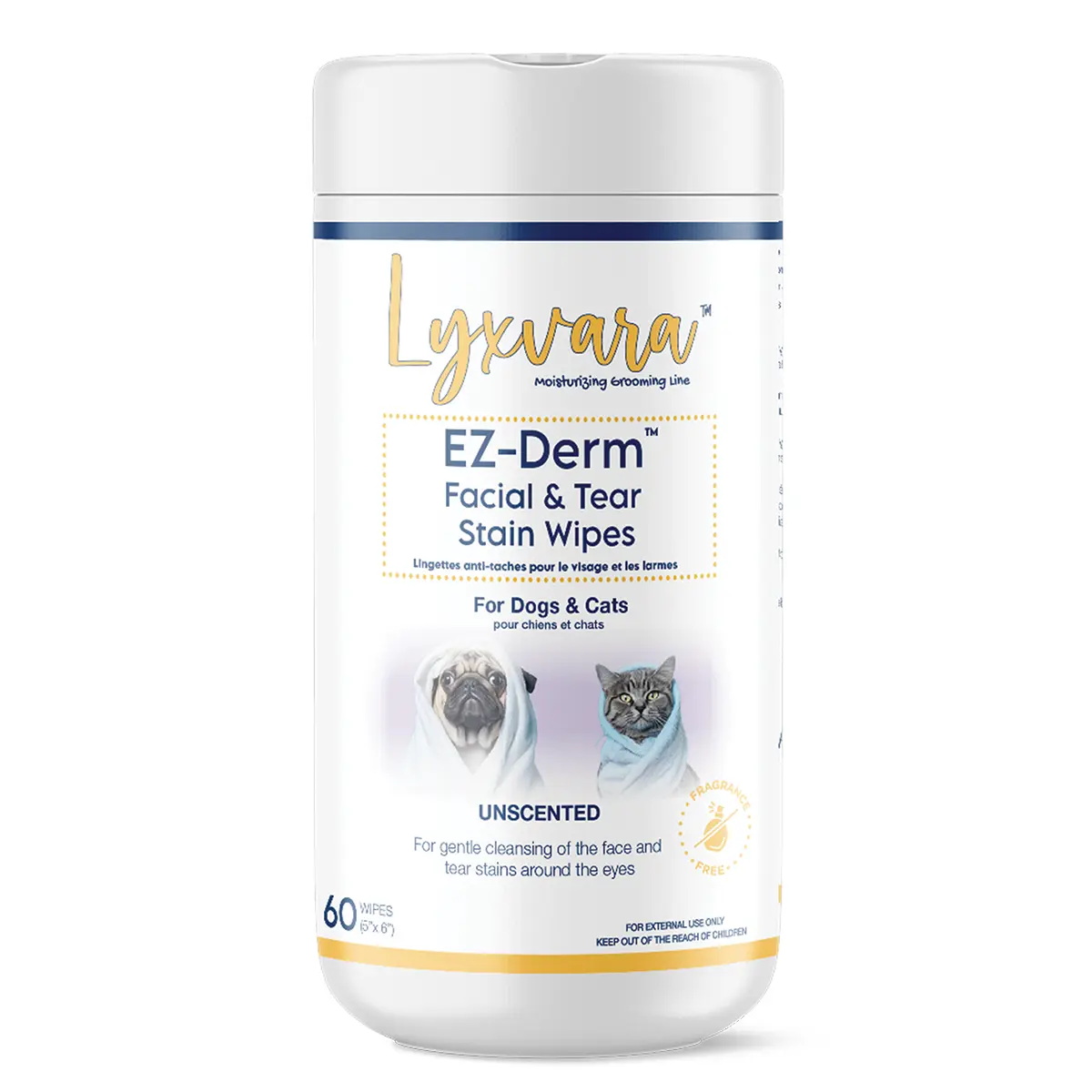
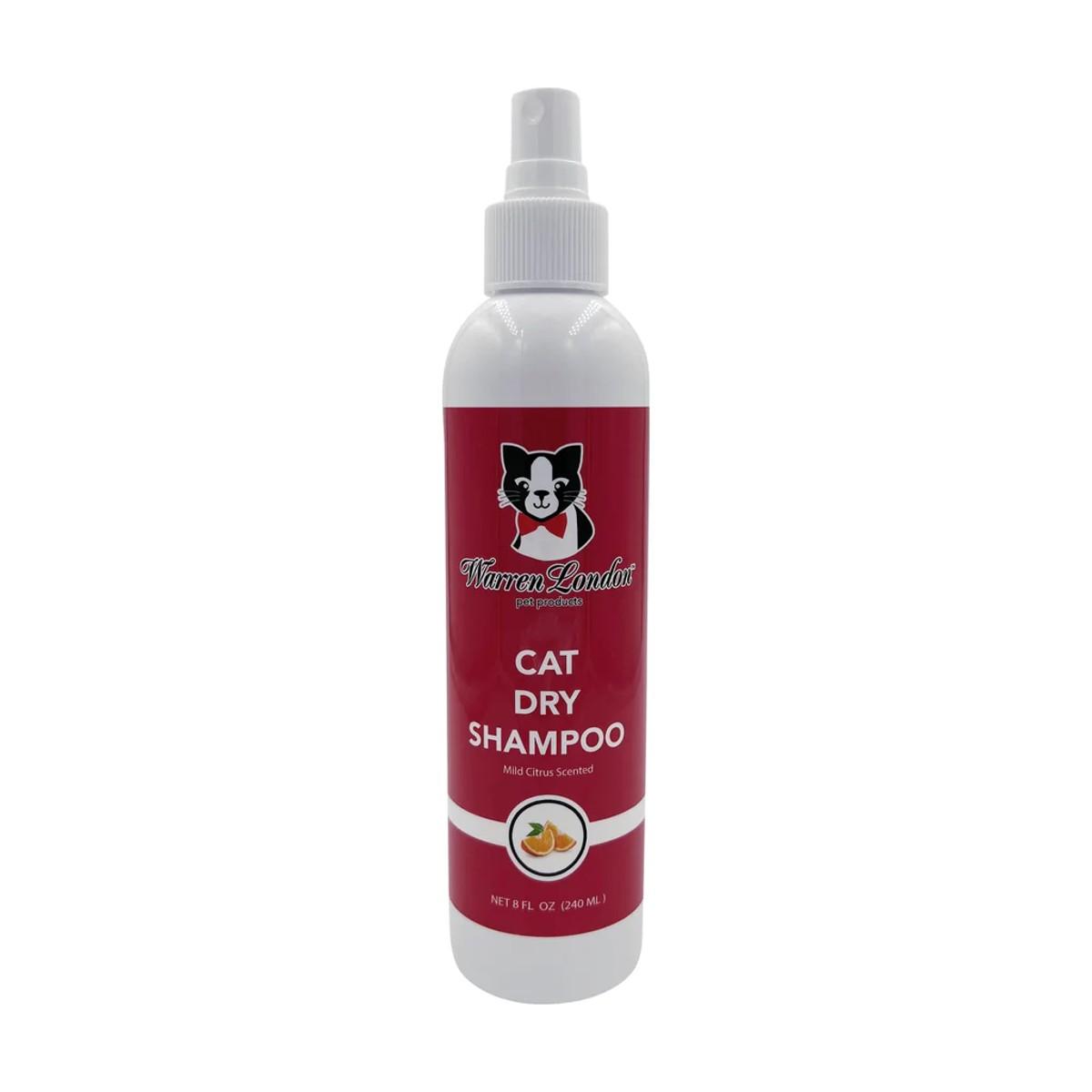
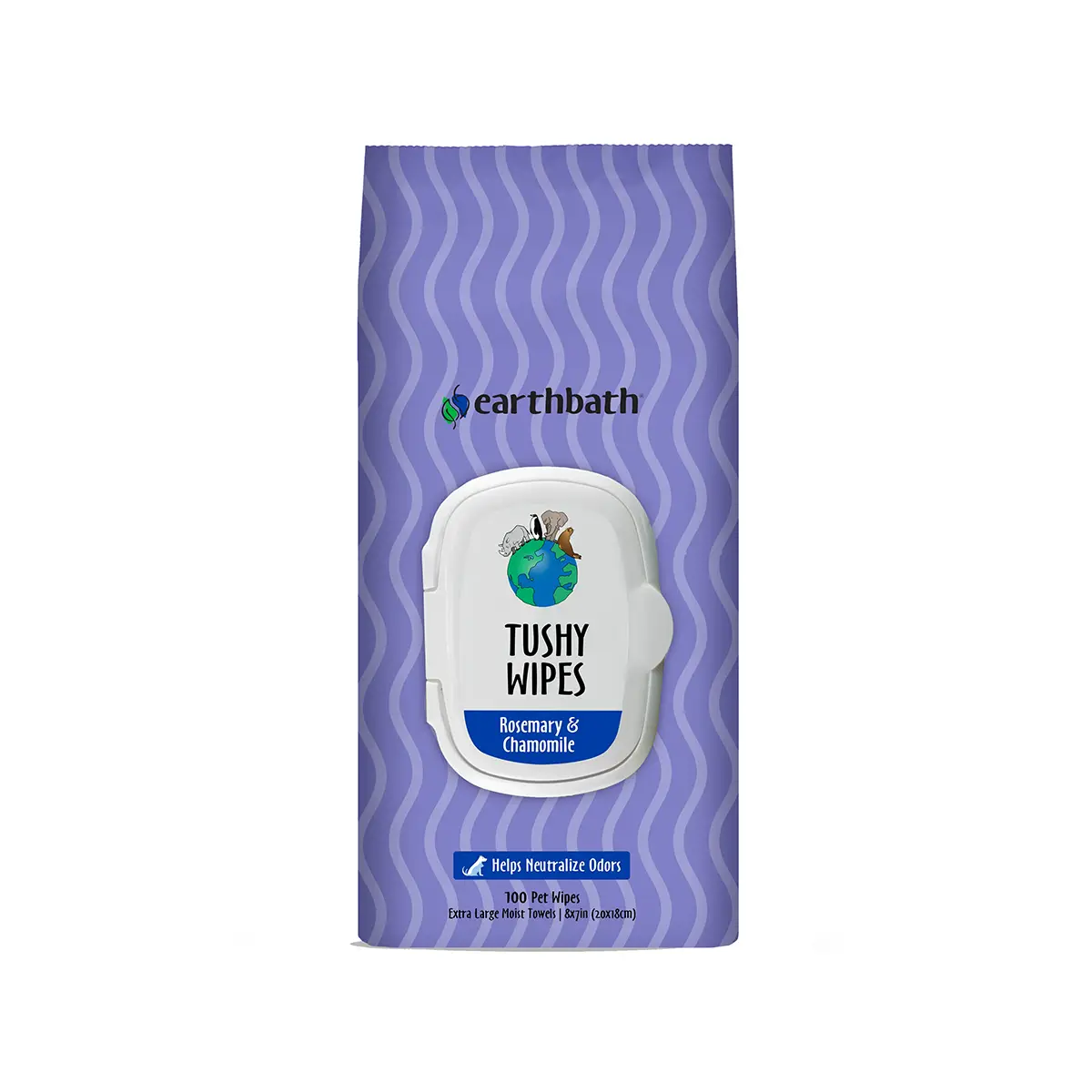
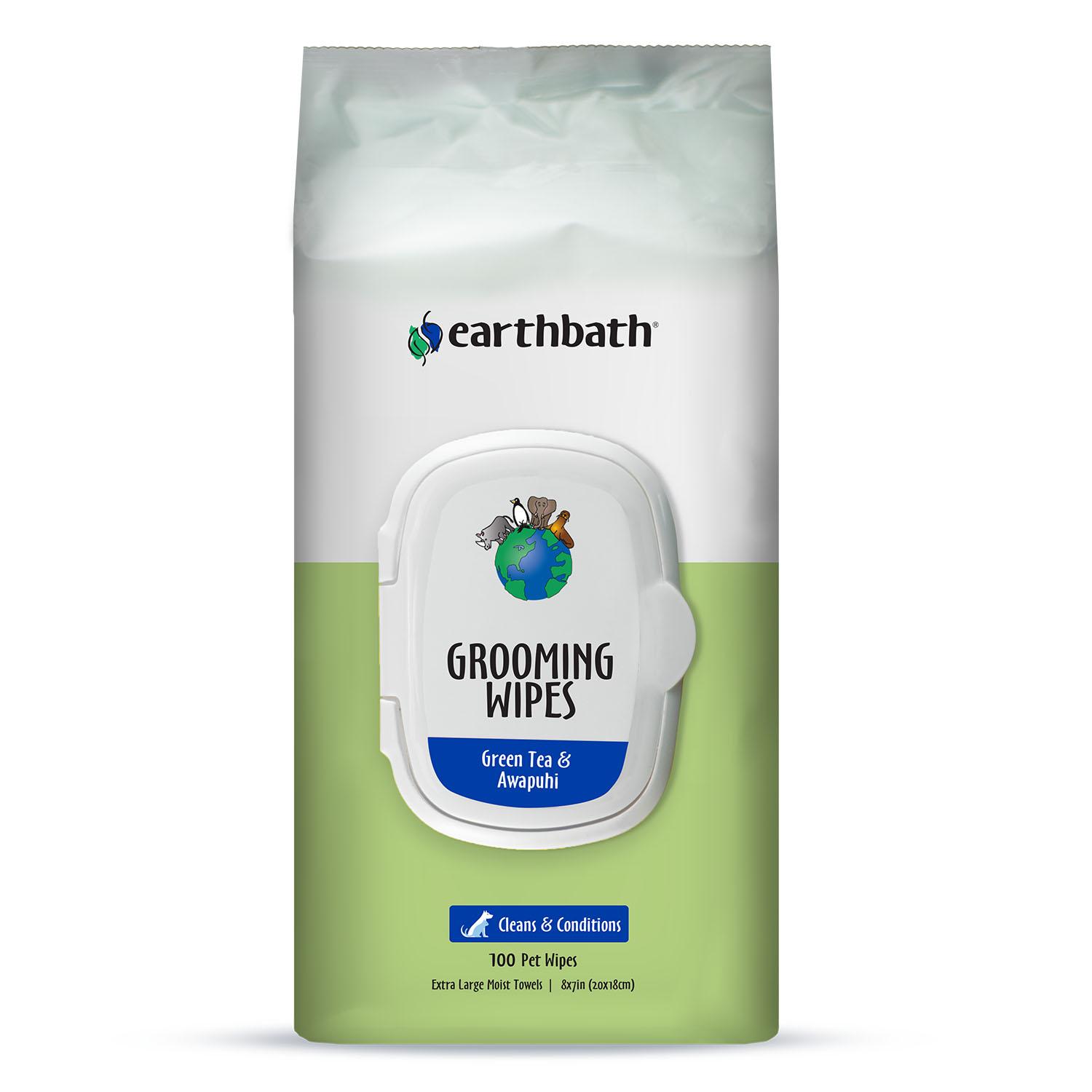
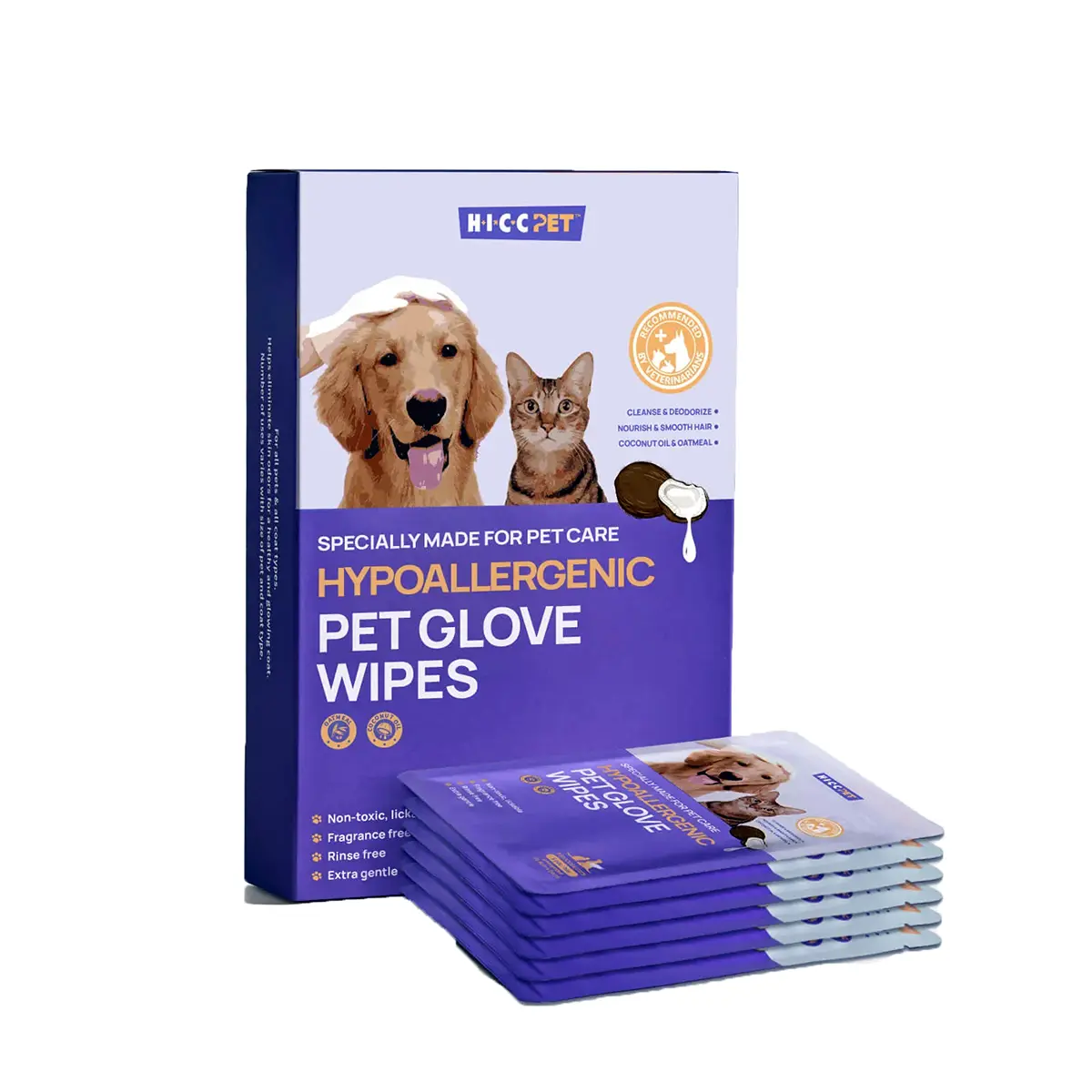
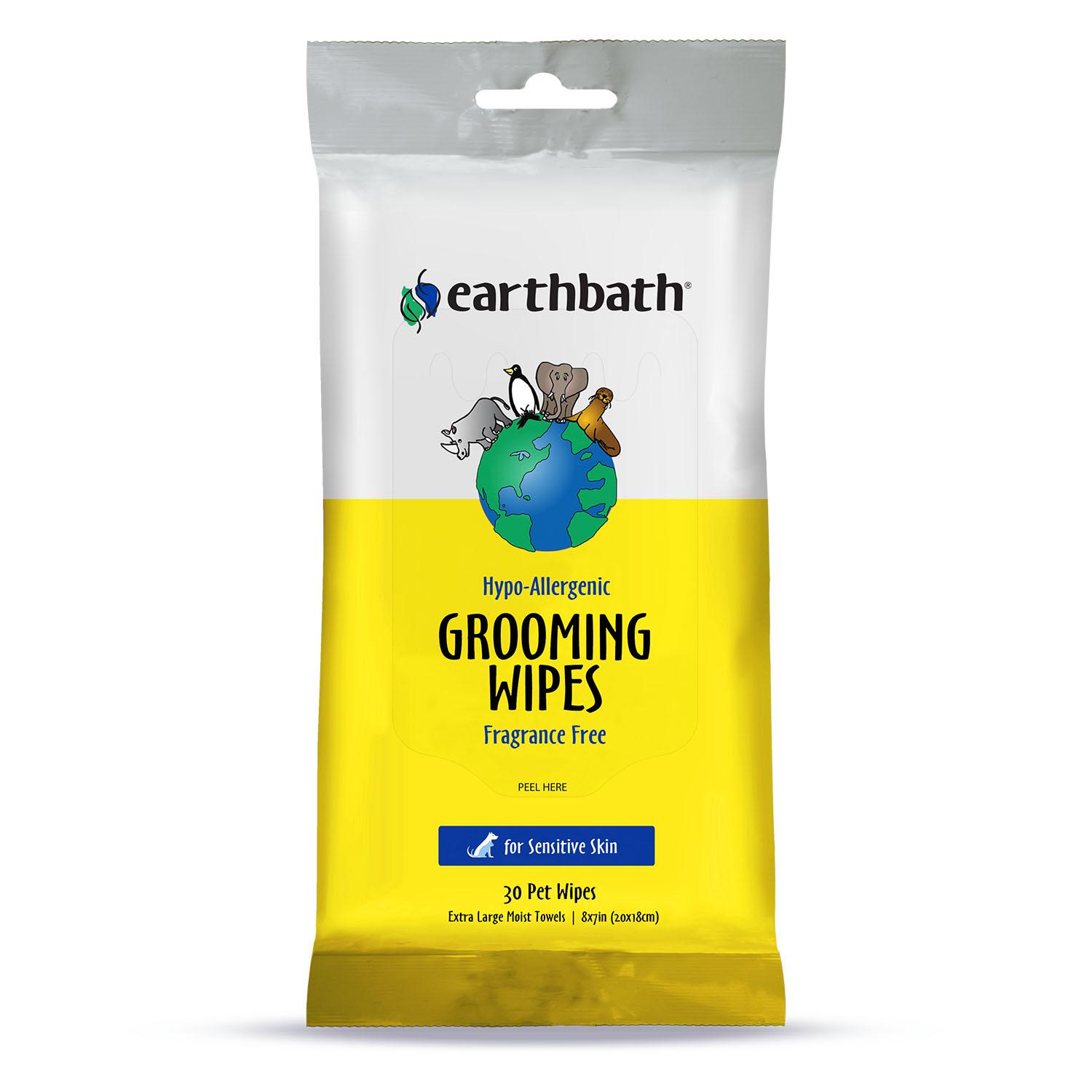
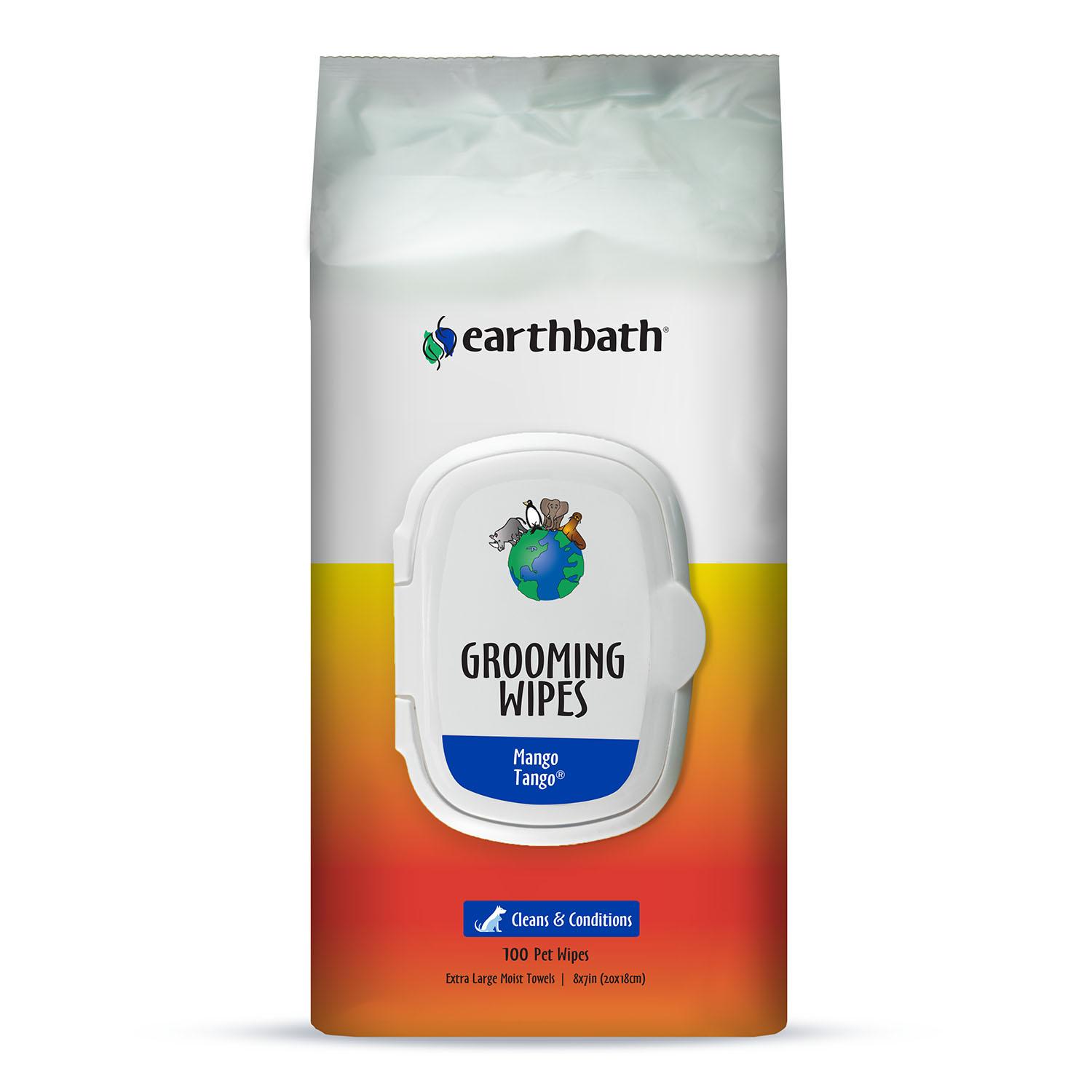
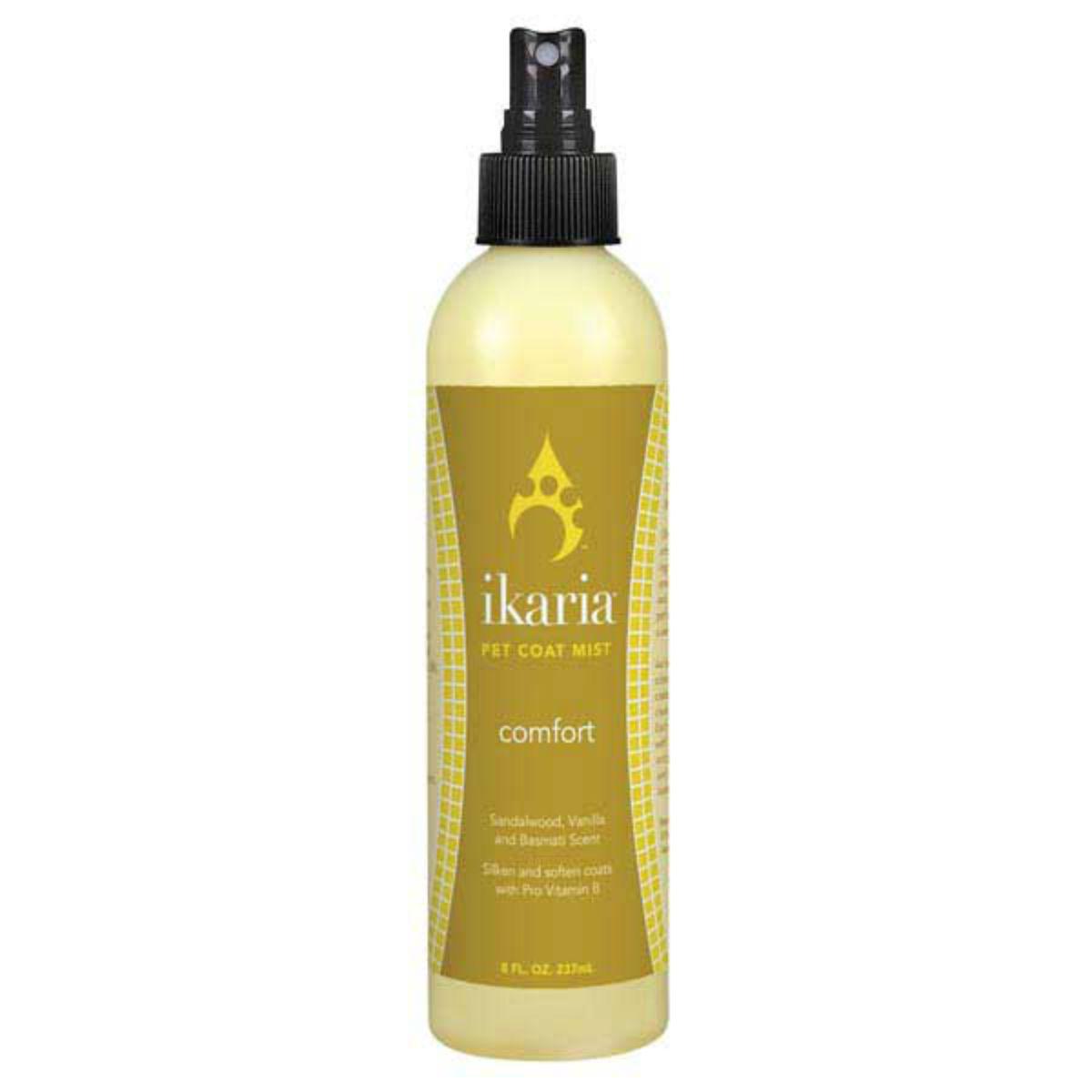
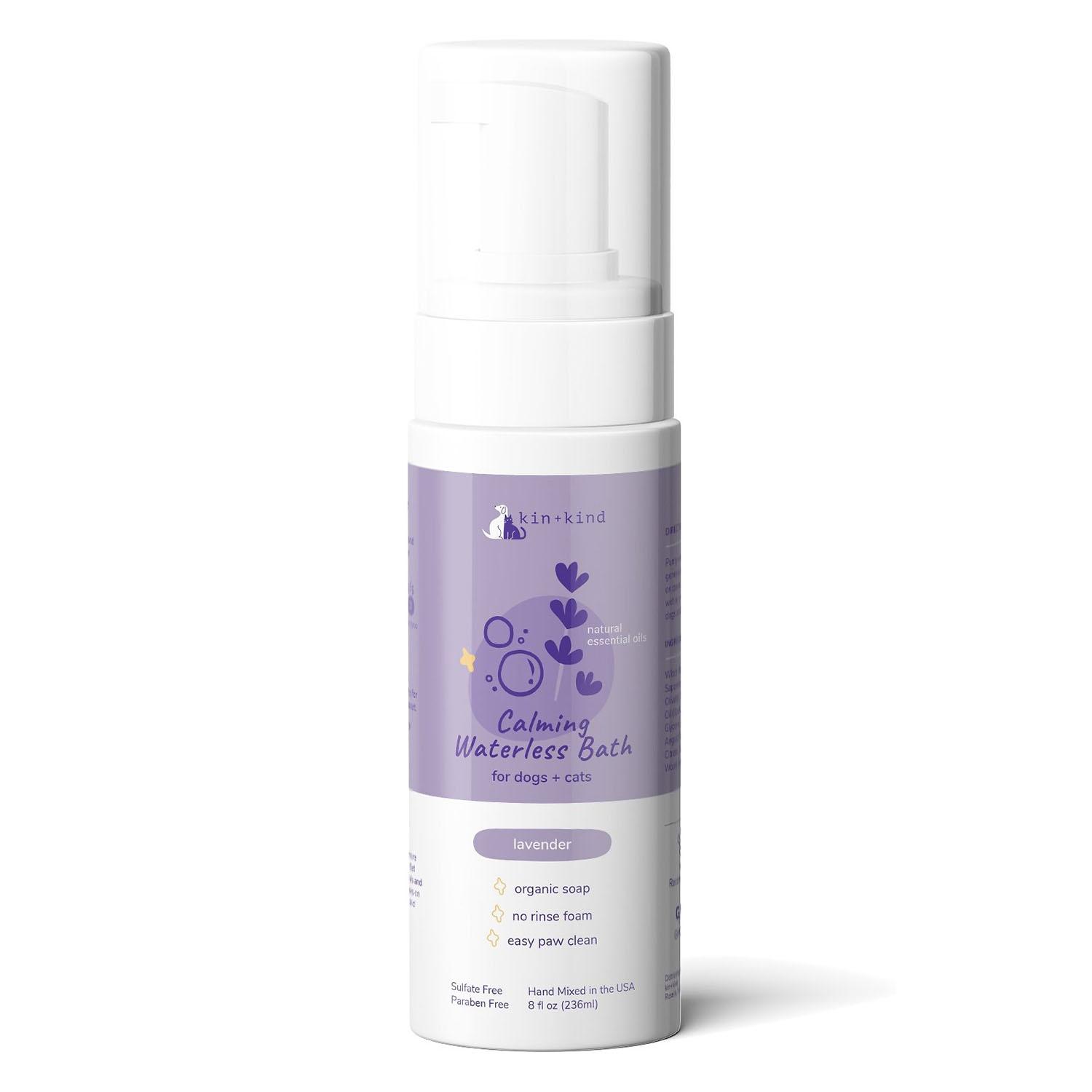
If your cat's dandruff is persistent, you might need a little extra help beyond a standard brush. This is where waterless grooming products come in. These are designed to clean and moisturize without the trauma of a full bath. Explore our cat grooming collection for brushes, wipes, shampoos, and waterless grooming options.
Waterless Foam Shampoos
These products are typically a foam or mousse that you massage into the coat. They contain ingredients like aloe vera, oatmeal, or vitamin E to soothe the skin. Once you massage the foam in, you simply towel it off and brush through. It breaks down excess oils and lifts away flakes without the need for rinsing.
Grooming Wipes
Grooming wipes are essentially large, pet-safe wet wipes. They are perfect for targeted cleaning. If your cat only has dandruff on their lower back, you can use a wipe to clean that specific area. Look for wipes that are fragrance-free and hypoallergenic to avoid irritating the skin further.
When to Use These Products
Waterless options are great for a quick "refresh." They are particularly helpful for senior cats who may find a traditional bath too physically demanding. Always test a small area first to ensure your cat does not have a reaction to the ingredients.
External Parasites and the Pharmacy
Sometimes those white flakes are not just dry skin. A condition colloquially known as "walking dandruff" is actually caused by Cheyletiella mites. These mites are small and white, and as they move under the fur, it looks like the dandruff is moving.
Additionally, flea infestations can cause skin irritation that leads to heavy flaking. Even if your cat lives entirely indoors, they can still be exposed to parasites brought in on your clothes or by other pets.
Vet Tip: Year-round flea and tick prevention is a cornerstone of skin health. Even indoor-only cats are at risk for parasites that cause itching and dandruff.
Our BaxterBoo pharmacy carries a wide range of FDA-approved flea and tick preventives through our partnership with Pet's Choice. Many of these require a prescription from your veterinarian. Using a monthly preventive ensures that your cat's dandruff is not being caused by unwanted guests. If your vet diagnoses a specific skin infection or parasite, the pharmacy is your best resource for the medications needed to clear it up. Browse our cat flea and tick collection when discussing prevention options with your veterinarian.
For additional guidance, read this overview of flea and tick prevention products.
Stress and Its Effect on Skin
It might sound surprising, but stress can manifest as skin problems in cats. When a cat is stressed, their body produces cortisol. High levels of cortisol over a long period can lead to a dull coat and flaky skin.
Common stressors for cats include:
- Moving to a new home.
- A new pet or family member.
- Changes in the household routine.
- Loud noises or construction nearby.
If you have recently had a big change in your home and your cat has suddenly developed dandruff, stress might be the cause. In these cases, focus on creating a calm environment. Pheromone diffusers can help soothe anxious cats. When the cat feels more secure, they will likely return to their normal grooming habits, and their skin health will improve.
When a Bath Is Actually Necessary
While we focus on avoiding the tub, there are rare occasions where a bath is the only way forward. If your cat has gotten into something greasy or toxic, a bath is required for their safety. Also, if they have a severe fungal infection like ringworm, your vet may prescribe a medicated dip.
If you must give a bath, use a moisturizing shampoo specifically formulated for cats. Never use human dandruff shampoo. Human skin has a different pH level than cat skin. Ingredients like zinc or salicylic acid in human shampoos can be toxic if your cat licks their fur after the bath.
Step-by-Step "No-Bath" Routine
If you want to tackle cat dandruff effectively, consistency is key. Follow this simple routine for the best results.
Step 1: Inspect the skin. / Check for redness, sores, or moving specks to rule out parasites or infections.
Step 2: Daily brushing. / Use a brush suited for your cat's hair length to remove flakes and distribute oils.
Step 3: Hydration boost. / Add wet food or a water fountain to their daily environment.
Step 4: Supplementation. / Talk to your vet about adding an Omega-3 fish oil to their meals.
Step 5: Environmental check. / Turn on a humidifier during dry months to keep the air moist.
Conclusion
Cat dandruff is a common issue that often looks worse than it is. In most cases, it is simply a sign that your cat needs a little extra help with their grooming or a boost in their nutrition. By implementing a daily brushing routine and focusing on hydration, you can get rid of those flakes without the stress of a bath.
At BaxterBoo, we believe that simple, practical changes often lead to the best results for our pets. Remember to keep an eye out for more serious symptoms like hair loss or extreme itching. If the flakes persist despite your best efforts, a quick talk with your vet is always a good idea. They can help you determine if there is an underlying medical cause that needs attention.
- Brush your cat daily to remove dead skin and spread natural oils.
- Increase moisture intake through wet food and fresh water sources.
- Use a humidifier to combat dry indoor air.
- Check our pharmacy for prescription flea prevention and specialized diets.
Bottom line: You can successfully manage most cat dandruff through better hydration, nutrition, and daily grooming.
FAQ
Is cat dandruff the same as fleas?
No, cat dandruff is made of dead skin cells, whereas fleas are small insects. However, fleas can cause skin irritation that leads to dandruff. If you see black specks along with the white flakes, those black specks are likely flea dirt, which indicates an active infestation.
Can I use human lotion on my cat's dry skin?
You should never use human lotions or creams on your cat. Many contain chemicals, fragrances, and essential oils that are toxic to cats if ingested. If your cat needs topical moisture, use a product specifically formulated for felines, such as a pet-safe waterless foam or conditioner.
Why does my cat have dandruff only on their lower back?
This is usually a sign of a mobility issue. If a cat is overweight or has arthritis, they cannot reach the area near the base of their tail to groom effectively. This causes dead skin cells and oils to build up in that specific spot, leading to visible flakes and sometimes matting.
How long does it take for cat dandruff to go away?
If the cause is environmental or nutritional, you should see an improvement within two to four weeks of making changes. It takes time for the skin to heal and for the new, healthy coat to grow in. If you see no improvement after a month of consistent care, it is time to consult your veterinarian.






- Site & Contents BaxterBoo.com. BaxterBoo is located in the United States.
- Privacy & Security
- Terms of Use
- Accessibility Statement
