
 Save 15% on your 1st Autoship learn more

 Email us
 Live Chat
 FAQs





Introduction
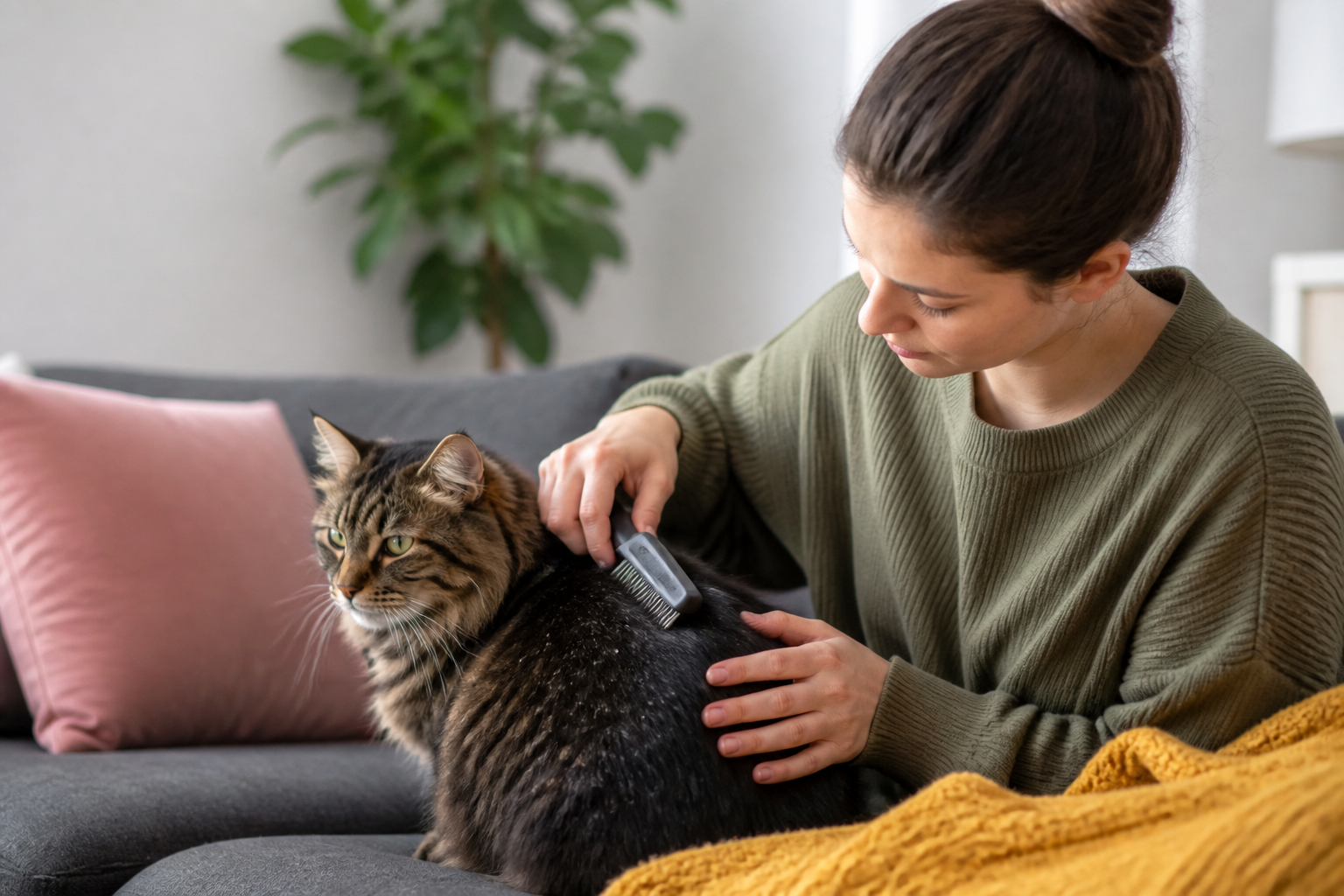
You are relaxing on the sofa with your cat when you notice a dusting of white flakes along their lower back. At first, you might think it is just a bit of dust or lint. Then you realize these flakes are coming from the skin itself. At BaxterBoo, we know that a glossy coat is more than just a beauty feature. It is often a direct reflection of your cat's internal health. Seeing flakes on the back is a common concern for pet owners, and it usually points to a few specific causes. This post covers why these flakes appear, how to tell them apart from other skin issues, and what you can do to bring back that healthy shine. Identifying the cause is the first step toward making your feline friend comfortable again.
Quick Answer: Feline dandruff is the visible shedding of dead skin cells. While a few flakes are normal, excessive dandruff on the back often points to grooming issues, parasites, or underlying health conditions like arthritis or obesity.
Understanding Feline Dandruff
Dandruff is the term for dead skin cells that have clumped together and become visible to the naked eye. In a healthy cat, skin cells regenerate constantly. The old cells usually fall off individually and are microscopic. You typically do not see them because your cat grooms them away. When the skin becomes irritated, dry, or oily, the shedding process speeds up. This creates the white or gray flakes you see sitting on the surface of the fur.
It is important to distinguish between dandruff and dander. Dander consists of the microscopic skin cells that all cats shed naturally. Dander is what often triggers allergies in humans, but you cannot see it on your cat. Dandruff is the visible flaking that indicates a disruption in the skin's normal cycle. If you see flakes, your cat's skin is likely struggling with an issue that needs attention.
Key Takeaway: Dandruff is visible flaking caused by rapid skin cell turnover or poor grooming. It is a symptom of an underlying issue rather than a standalone disease.
Cat Skin & Coat Care








Why Dandruff Appears Specifically on the Back
You might wonder why the dandruff seems concentrated on the lower back and the base of the tail. This is the most common area for feline dandruff because it is the hardest spot for a cat to reach. A healthy, flexible cat uses their tongue to groom almost every inch of their body. This grooming process removes loose hair and dead skin cells before they can accumulate.
When a cat stops grooming their back effectively, the flakes start to pile up. This lack of grooming is often the primary reason you see dandruff in this specific location. It acts as a red flag that your cat might be experiencing physical limitations. Whether it is a temporary stiffness or a long term mobility issue, the skin on the back is the first place to show the results of a skipped grooming routine.
Common Causes of Flaky Skin
There are several reasons why your cat might develop dandruff. Some are simple environmental factors, while others require medical intervention.
Mobility and Grooming Issues
If a cat is overweight, they may physically struggle to reach their lower back. The extra weight limits their flexibility and makes it difficult to turn and groom the base of the tail. Similarly, senior cats often deal with arthritis or joint stiffness. This pain makes the twisting and reaching required for grooming very uncomfortable. In these cases, the dandruff is not a skin disease but a result of a physical barrier to self care.
Environmental Factors
Low humidity is a frequent culprit, especially during the winter months. Indoor heating systems strip the moisture from the air. This dries out your cat's skin and leads to flaking. If you notice the dandruff only happens when the heater is running, the environment is likely to blame.
Nutritional Deficiencies
Skin health requires specific nutrients, particularly Omega-3 and Omega-6 fatty acids. If a cat's diet is low in these essential fats, their skin may become dry and prone to irritation. A high quality diet is the foundation of a healthy coat. We carry brands like Farmina and Open Farm that prioritize balanced nutrition for skin and coat support, including our skin and coat cat food selection.
Parasites and Infections
Fleas are a common cause of skin irritation. Some cats have a flea saliva allergy, which causes intense itching and flaking. Mites can also cause a condition called walking dandruff. This looks like moving white specks on the fur. Fungal infections like ringworm or bacterial infections can also lead to crusty or flaky skin.
Vet Tip: If your cat has dandruff along with redness, intense itching, or bald patches, consult your veterinarian. They can perform a skin scraping to rule out parasites or infections that require specific medication.
The Role of Obesity and Arthritis
As mentioned, obesity and arthritis are leading causes of dandruff on a cat's back. When a cat cannot reach the area, the natural oils on the skin build up and trap dead cells. This creates a cycle where the skin becomes more irritated over time.
For cats with joint pain, products like Cosequin can help support mobility. However, if your cat is struggling to move or groom, a veterinary exam is necessary to manage their pain. Our cat healthcare collection includes supplements and other products for ongoing wellness.
If weight is the issue, your vet might recommend a prescription weight management diet. These specialized foods help your cat lose weight safely while maintaining muscle mass. You can find many of these prescription diets through our pet pharmacy.
Bottom line: Physical limitations like excess weight or joint pain are the most frequent reasons dandruff accumulates on a cat's lower back.
Identifying Walking Dandruff
Walking dandruff is the common name for Cheyletiellosis. This is an infestation of Cheyletiella mites. These mites are large enough to be seen with the naked eye. They look like small white flakes, but if you watch closely, you may see them moving. This is a highly contagious condition that can spread to other pets and even humans.
If you suspect your cat has walking dandruff, it is vital to see a vet immediately. This condition will not resolve with simple grooming or moisturizing. It requires specific antiparasitic treatments. Because it is so contagious, you will likely need to treat all the pets in your household and deep clean your home environment.
How to Manage Cat Dandruff at Home
Once you have ruled out serious medical conditions with your vet, you can take steps to improve your cat's skin health at home.
Step 1: Improve the Grooming Routine
If your cat cannot reach their back, you must do it for them. Use a soft brush or a grooming glove to gently remove the buildup of flakes. Daily brushing distributes the natural oils along the hair shaft and keeps the skin healthy. For long haired cats, this is even more critical to prevent matting. You can find brushes, wipes, and other supplies in our cat grooming collection.
Step 2: Adjust the Environment
If dry air is the problem, consider using a humidifier in the rooms where your cat spends the most time. Increasing the moisture in the air can have a significant impact on both your skin and your cat's skin.
Step 3: Supplement the Diet
Adding an Omega-3 supplement can help nourish the skin from the inside out. We offer a variety of skin and coat supplements, including oils and soft chews from brands like Zesty Paws or Honest Paws. Always check with your vet before starting a new supplement to ensure it is appropriate for your cat's specific needs.
Step 4: Use Waterless Shampoos
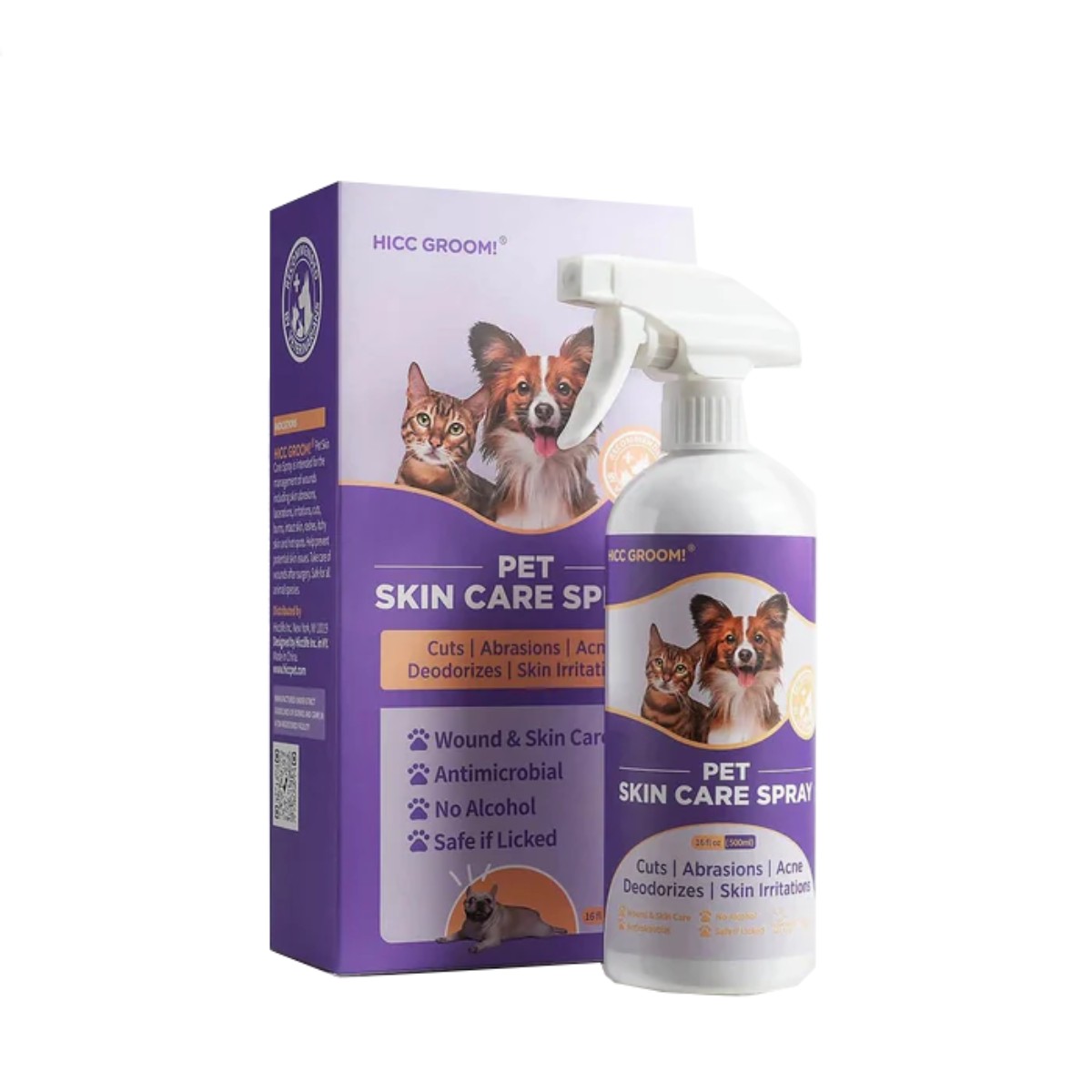
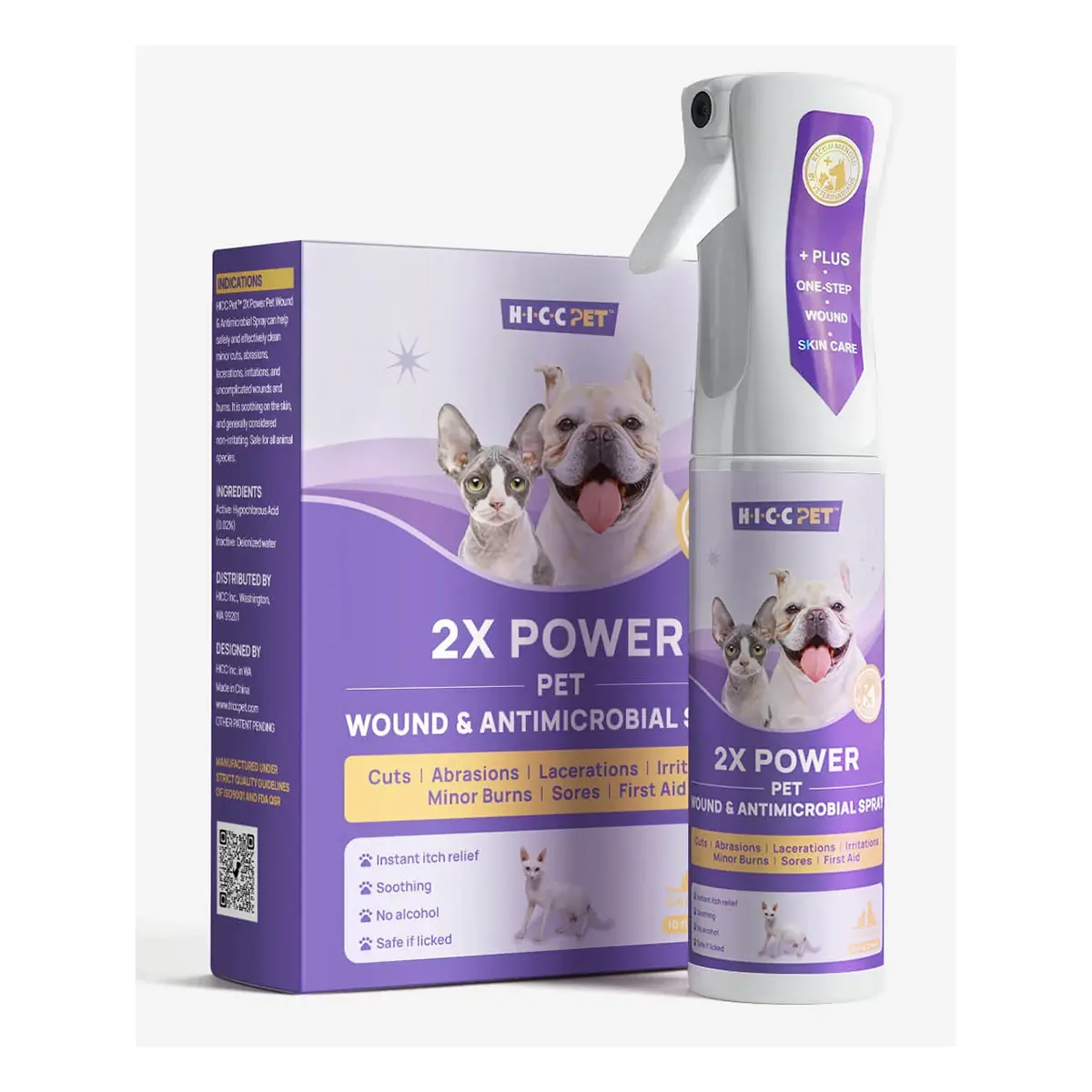
Bathing a cat can be stressful and often dries out the skin further. Instead, try a waterless shampoo or grooming wipes. These products allow you to clean the fur and moisturize the skin without the stress of a full bath. Look for formulas with soothing ingredients like aloe or oatmeal.
Checklist for At-Home Care
- Brush your cat daily, focusing on the lower back and tail.
- Ensure your cat is on a consistent flea preventive.
- Monitor your cat's weight and adjust portions if they are getting heavy.
- Add a humidifier to your home during dry seasons.
- Check the skin for any new redness or sores during every grooming session.
When to See a Veterinarian
While a few flakes can often be managed at home, certain signs indicate a deeper problem. You should schedule a veterinary visit if you notice any of the following symptoms:
- The dandruff is accompanied by hair loss or thinning fur.
- Your cat is scratching or biting at their skin constantly.
- The skin appears red, inflamed, or has open sores.
- You see evidence of fleas or mites.
- Your cat shows signs of lethargy or changes in appetite.
- The dandruff is greasy or has a strong odor.
A veterinarian can perform blood tests to check for underlying systemic issues. Conditions like diabetes, kidney disease, or hyperthyroidism can affect a cat's coat quality. Early diagnosis of these conditions is essential for your cat's long term health and comfort.
The Importance of Flea Prevention
Flea infestations are a leading cause of skin problems in cats. Even indoor cats can get fleas brought in on your clothes or by other pets. Flea bites cause irritation that leads to scratching and flaking. For cats with flea allergy dermatitis, a single bite can trigger a massive skin reaction.
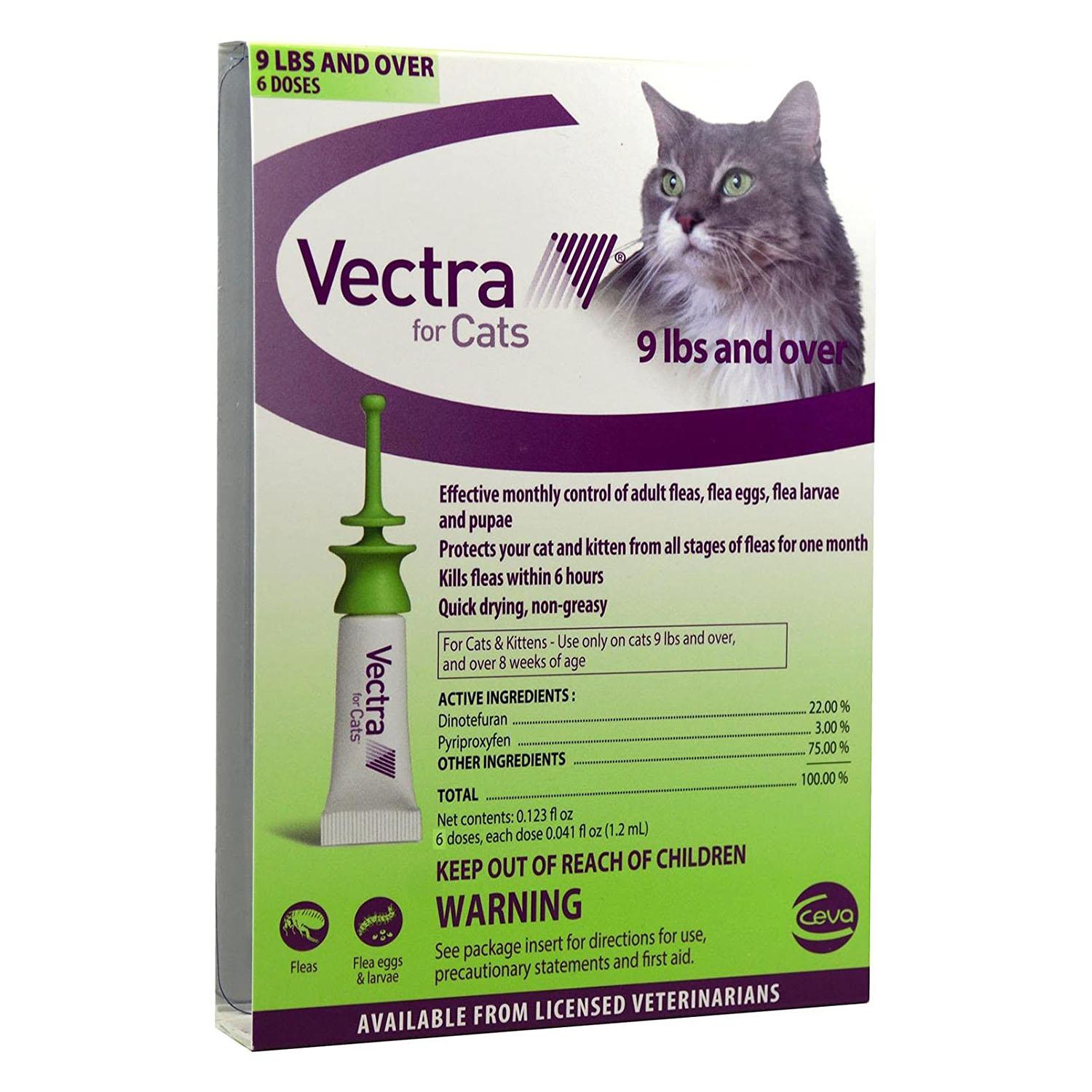
We recommend keeping your cat on a year round flea and tick preventive. Our cat flea and tick collection includes a range of options for regular prevention and household care. Using a consistent preventive is much easier and more cost effective than treating a full blown infestation.
For more information about prevention options, read our guide to choosing flea and tick protection.
Vet Tip: Never use flea products intended for dogs on a cat. Many dog products contain ingredients that are highly toxic to felines. Always use products specifically labeled for cats.
Nutrition and Skin Health
The quality of your cat's food plays a massive role in the health of their skin. Low quality foods often lack the essential fatty acids and high quality proteins needed to maintain a glossy coat. When the body is short on nutrients, it prioritizes vital organs over the skin and fur. This leads to a dull coat and flaky skin.
Switching to a premium food can often resolve mild dandruff over the course of a few weeks. Look for foods that list a specific animal protein as the first ingredient. Brands like Orijen, Acana, and Stella and Chewy's offer nutrient dense options that support overall wellness. If your vet suspects a food allergy is causing the skin issues, they may suggest a limited ingredient diet or a hydrolyzed protein diet.
Key Takeaway: Proper nutrition is the foundation of skin health. High quality proteins and essential fats help maintain the skin's moisture barrier and reduce flaking.
| Solution Type | Common Products | Best For |
|---|---|---|
| Grooming Tools | Slicker brushes, grooming gloves | Removing flakes and distributing oils |
| Supplements | Fish oil, Omega-3 soft chews | Internal skin support and moisture |
| Topical Care | Waterless shampoo, grooming wipes | Cleaning without the stress of a bath |
| Pharmacy Items | Flea preventives, arthritis meds | Addressing underlying medical causes |
Managing Stress and Skin Health
It might surprise you to learn that stress can impact a cat's skin. When a cat is stressed, their immune system can become compromised. This makes them more susceptible to skin infections and can trigger over-grooming or a total lack of grooming. Changes in the household, such as a new pet or a move, can be stressful for a sensitive cat.
If you think stress is contributing to your cat's dandruff, try to provide a stable environment. Use calming diffusers or provide extra hiding spots. Training and behavior aids can also help a cat feel more secure in their space. A happy cat is more likely to maintain their grooming routine and stay healthy.
Senior Cat Care and Skin
As cats age, their skin naturally becomes thinner and less elastic. Their grooming habits often decline due to the physical challenges mentioned earlier. Senior cats are also more prone to systemic diseases that manifest as skin issues.
Regular wellness checks are vital for senior cats. Your vet can catch issues like kidney disease or hyperthyroidism before they cause significant skin problems. For older cats, focus on very gentle grooming. Their skin can be delicate, so a soft bristle brush is often better than a metal slicker brush. Keeping them comfortable and helping them with the "hard to reach" spots will go a long way in managing senior dandruff.
Final Thoughts on Cat Dandruff
Finding dandruff on your cat's back is usually a sign that they need a little extra help. Whether it is a change in diet, a new grooming routine, or medical treatment for an underlying condition, most cases of dandruff are highly manageable. By paying attention to where the flakes are and watching for other symptoms, you can take the right steps to help your feline friend.
We are here to help you care for your pet at every stage of life. From our warehouse in Vernon Hills to your front door, we provide the products and expertise you need. To keep your cat's skin in top shape, consider setting up our Autoship programme for their favorite food or flea preventives. This ensures you never run out and helps you stay consistent with their care. You can also earn points on every purchase through the MVP Rewards programme.
- Start a daily grooming routine to help your cat reach their back.
- Ensure they are on a high quality diet rich in fatty acids.
- Maintain a strict flea prevention schedule.
- Consult your vet if you notice itching, redness, or behavioral changes.
Bottom line: Most cat dandruff is caused by mobility issues or environment, but a vet visit is always the safest way to rule out more serious health concerns.
FAQ
Why does my cat only have dandruff on their lower back?
The lower back and base of the tail are the most difficult areas for a cat to reach during grooming. If a cat is overweight or has arthritis, they may stop grooming this area entirely. This allows dead skin cells and natural oils to build up, resulting in visible flakes.
Can I use human dandruff shampoo on my cat?
No, you should never use human dandruff shampoo on a cat. These products are formulated for human skin pH and often contain ingredients that are toxic if the cat licks their fur. Always use grooming products specifically designed for felines and consult your vet before using medicated shampoos.
Is cat dandruff the same as fleas?
No, but they can look similar or happen at the same time. Dandruff is white or gray skin flakes, while flea "dirt" looks like small black specks of pepper. If you see white flakes that appear to be moving, your cat might have walking dandruff, which is actually a type of mite. For additional background, see how flea collars work.
Does my cat's diet affect their dandruff?
Yes, nutrition plays a major role in skin health. A diet lacking in essential fatty acids like Omega-3 and Omega-6 can lead to dry, flaky skin. Feeding a premium, balanced cat food and adding skin supplements can often help resolve mild cases of dandruff.






- Site & Contents BaxterBoo.com. BaxterBoo is located in the United States.
- Privacy & Security
- Terms of Use
- Accessibility Statement
