Save 15% on your 1st Autoship learn more

 Email us
 Live Chat
 FAQs
FAQs





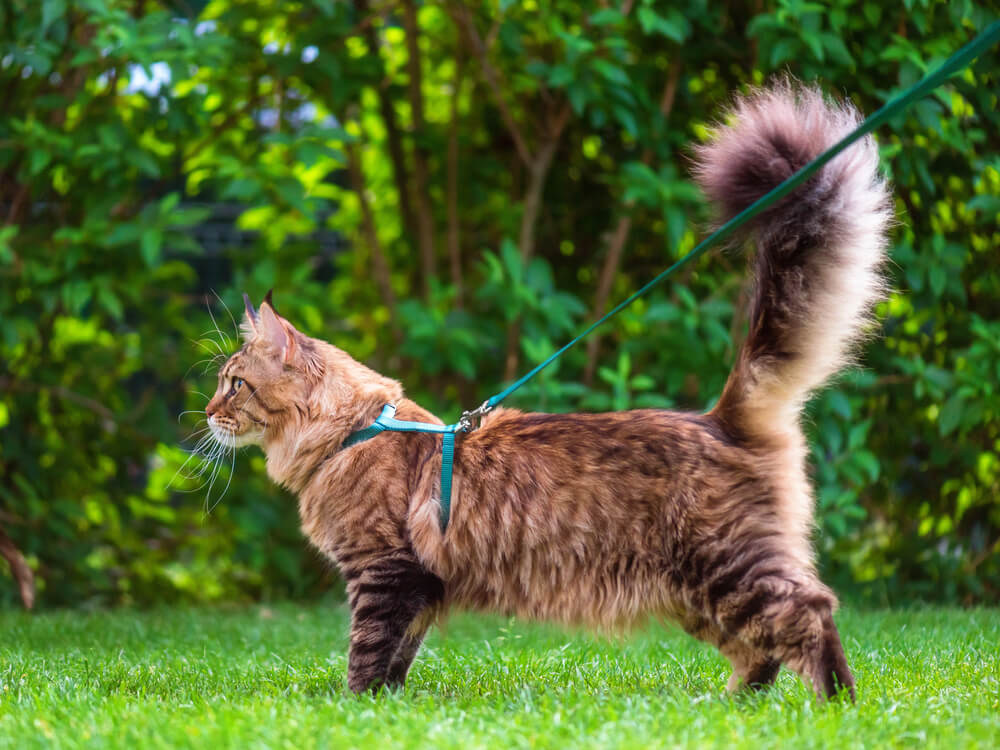
Training a pet to safely enjoy outdoor activities can be a challenge, especially if your furry friend is a cat who vehemently refuses to wear a harness. However, having your cat wear a harness is the safest way to leash them when you go outside. That is why it is so important to learn how to harness train a cat before taking them out for a walk or other adventures.
Why You Should Know How To Harness Train a Cat
Cat harness training is necessary if you want to take your cat for a walk. If you are accustomed to taking a dog for regular walks, you might think that tethering a leash to your cat’s collar is sufficient. This can actually be dangerous because it creates a choking hazard if you accidentally pull too hard on the leash or if your cat tries to pull away from you.
A properly fitting harness designed for your cat’s body shape will also provide much more security. It can guarantee that your cat will not easily escape from you, no matter how clever or curious they might be.
The training process is necessary because cats typically do not like wearing a harness at first, even if it is for their own good. It is an unfamiliar object that can feel restrictive, burdensome, and generally uncomfortable at first. When you know how to harness train a cat, though, you can slowly acclimate your pet to the harness until they are willing to put it on without a fuss.
The Four Steps of Cat Harness Training

The process of harness training a cat can differ slightly based on your pet’s unique personality and how receptive they are to new things. In general, though, there are four primary steps to successful harness training.
1. Make Sure Your Cat Is Calm
Before you even introduce a harness to your cat, make sure the animal is completely calm and relaxed. The last thing you want is to start harness training while your pet is anxious or stressed. This can immediately cause your cat to associate the new object with those negative feelings.
To make sure your cat is calm, reduce the noise level in your home and consider playing gentle music. Play with them to burn off excess energy and gauge their current mood. Respect your cat’s space and don’t force the training if your cat ever retreats to a place where they go to be alone.
2. Help Your Cat Become Accustomed to the Harness
In all likelihood, your cat will not enjoy the sensation of wearing a harness right away, especially if they are unfamiliar with this new object. Ease the kitty into the process by slowly introducing it to their environment. Show the harness to your cat, let them sniff it, and reward them with treats if they approach it on their own.
Acclimating a cat to a harness can take multiple days of gradual integration. Patiently wait until your cat accepts the harness as a normal part of their environment. If your pet can adopt the “this belongs to me” mindset when around the harness, then they may be much calmer about letting you strap it onto them.
3. Start By Having Your Cat Wear the Harness Indoors
If you are learning how to harness train a cat for the first time, then that might mean your cat has not spent much time outside yet. Being outdoors can be a wildly jarring experience for a kitty who has spent most of their life inside. You want this transition to be as comfortable as possible, and that is why you should let your cat become accustomed to wearing a harness indoors first.
4. Increase the Time Spent Wearing a Harness Gradually
When the time comes to venture outdoors, let the amount of time and distance increase gradually. Stay close to home at first and maintain short play sessions of less than 10 minutes.
Pet health experts explain that adult cats need around 30 minutes of daily exercise, while kittens may require an hour or more. Keep this in mind as you build up a routine that enables your pet to get the amount of outdoor activity they require.
Deciding Which Type of Harness To Buy for Your Cat
Cat harnesses come in a few different designs, starting with the H-style harness. As the name implies, an H-harness clips around the cat’s body with two collar-like rings and looks like the letter “H” while being worn. This type of harness is simple and adjustable, making it suitable for early training.
A vest harness loops around the neck and underside of your cat, providing maximum support and security. They leave plenty of room for mobility and flexibility, but they can be more difficult for a cat to become accustomed to.
Step-in harnesses strike a balance between security and ease of use. They are simple to strap on, especially when your cat is feeling cooperative. Consider this style if you want something snug for your cat, but keep in mind that younger kittens might still try to escape.
The Best Cat Harnesses for Leash Walking

Any style of cat harness will work well for leash walking, especially compared to a simple collar. The important thing is to choose a harness that suits your cat’s needs and preferences from among a selection of quality options.
Some of the highly-rated cat harnesses available from BaxterBoo include:
- Blue-9 Balance No-Pull Harness Buckle-Neck
- Adventure Kitty Cat Harness with Leash by RC Pets
- Pet Life Touchcat Floral Patterned Fashion Cat Harness and Leash
- Calypso Step-In Cat Harness by Catspia
Start Your Cat Harness Training With BaxterBoo
Regardless of your pet’s lifestyle or stage in life, BaxterBoo provides a personalized shopping experience that will help you every step of the way. As you learn how to harness train a cat, we will be there to deliver the products you need right to your doorstep. Browse our catalog of cat care products today.