
 Save 15% on your 1st Autoship learn more

 Email us
 Live Chat
 FAQs





Introduction
You are likely enjoying a quiet moment petting your cat when you notice small white flakes scattered across their fur. These flecks are most visible on dark-coated cats and usually cluster near the base of the tail or along the spine. While it might look like a simple grooming mishap, flaky skin often signals that your cat needs a little extra support. At BaxterBoo, we hear from many owners who feel frustrated by these persistent flakes. This guide will walk you through why these flakes appear and how you can restore your cat's coat to its glossy, healthy state. We will cover environmental triggers, nutrition, and when it is time to seek professional medical advice. Understanding the root cause is the first step toward a flake-free feline.
Understanding Cat Dandruff vs. Dander
It is easy to confuse dandruff with dander, but they are quite different. Every cat has dander. Dander consists of microscopic skin cells that shed naturally as part of the normal skin renewal process. You cannot see dander with the naked eye. It is the protein on these tiny cells that typically triggers allergies in humans.
Dandruff is different because it involves larger, visible flakes of dead skin. When the skin becomes irritated, dry, or overly oily, the shedding process speeds up. These cells clump together and become caught in the fur. While dander is a sign of a healthy body at work, dandruff usually points to an underlying issue that needs your attention.
Quick Answer: Help a cat with dandruff by increasing grooming frequency to distribute natural oils and adding moisture to their diet. Using a humidifier during winter months and ensuring they are on a consistent flea preventive can also significantly reduce skin flaking.
Cat Skin & Coat Care








Common Environmental Causes
The air inside your home plays a major role in the health of your cat's skin. During the winter, heating systems pull moisture out of the air. This dry environment can cause a cat's skin to lose its natural hydration. When the skin dries out, it becomes brittle and starts to flake.
Low humidity is one of the most common reasons for seasonal dandruff. You might notice the flakes appear as soon as the temperature drops and the furnace starts running. If your cat spends a lot of time near heat vents, their skin may dry out even faster.
Another environmental factor is stress. Cats are sensitive to changes in their routine or household. Stress can trigger a physiological response that affects skin health. This may lead to an overproduction of oils or a dull coat.
The Role of Grooming and Mobility
Cats are famous for their grooming habits. They spend a large portion of their day cleaning themselves. This process does more than just keep them clean. It removes loose hair and dead skin cells while spreading natural oils across the coat.
If a cat stops grooming effectively, dandruff will quickly build up. There are several reasons why a cat might struggle to groom:
- Obesity: Overweight cats often cannot reach their lower back or the base of their tail. This is why dandruff is frequently found in those specific spots on heavier cats.
- Arthritis: Senior cats often suffer from joint stiffness. Bending and twisting to clean their fur can become painful.
- Dental Issues: If a cat has a sore mouth or broken tooth, the act of licking their fur may be uncomfortable.
Key Takeaway: If you notice dandruff specifically on the lower back or tail area, it may be a sign that your cat has mobility issues or is struggling with their weight.
Nutritional Needs for Healthy Skin
What goes into your cat's body shows up on their coat. Skin is the largest organ of the body and requires specific nutrients to stay supple. A diet that is too low in fat is a common culprit for dry skin.
Omega-3 and Omega-6 fatty acids are essential for skin health. These fats help maintain the skin's moisture barrier. If your cat eats only dry kibble, they may also be slightly dehydrated. Cats have a low thirst drive and naturally get much of their water from their prey.
Switching to a high-quality food or adding wet cat food can improve hydration. We carry brands like Farmina, Royal Canin, and The Honest Kitchen that focus on high-quality ingredients. Proper nutrition helps the skin stay strong and prevents the irritation that leads to flaking.
Parasites and "Walking Dandruff"
Not all white flakes are simple dry skin. Some are actually caused by tiny parasites. Fleas are a common cause of skin irritation. When a cat is allergic to flea saliva, they may scratch excessively. This scratching damages the skin and causes flakes to fly.
There is also a specific mite called Cheyletiella. This condition is nicknamed "walking dandruff" because the mites are large enough to see. When they move under the scales of the skin, it looks like the dandruff is crawling. This is highly contagious between pets and requires specific treatment.
Vet Tip: If you see flakes that seem to move or if your cat is itching intensely, consult your veterinarian for a skin scraping. They can identify parasites that are not visible to the naked eye and prescribe the correct medication.
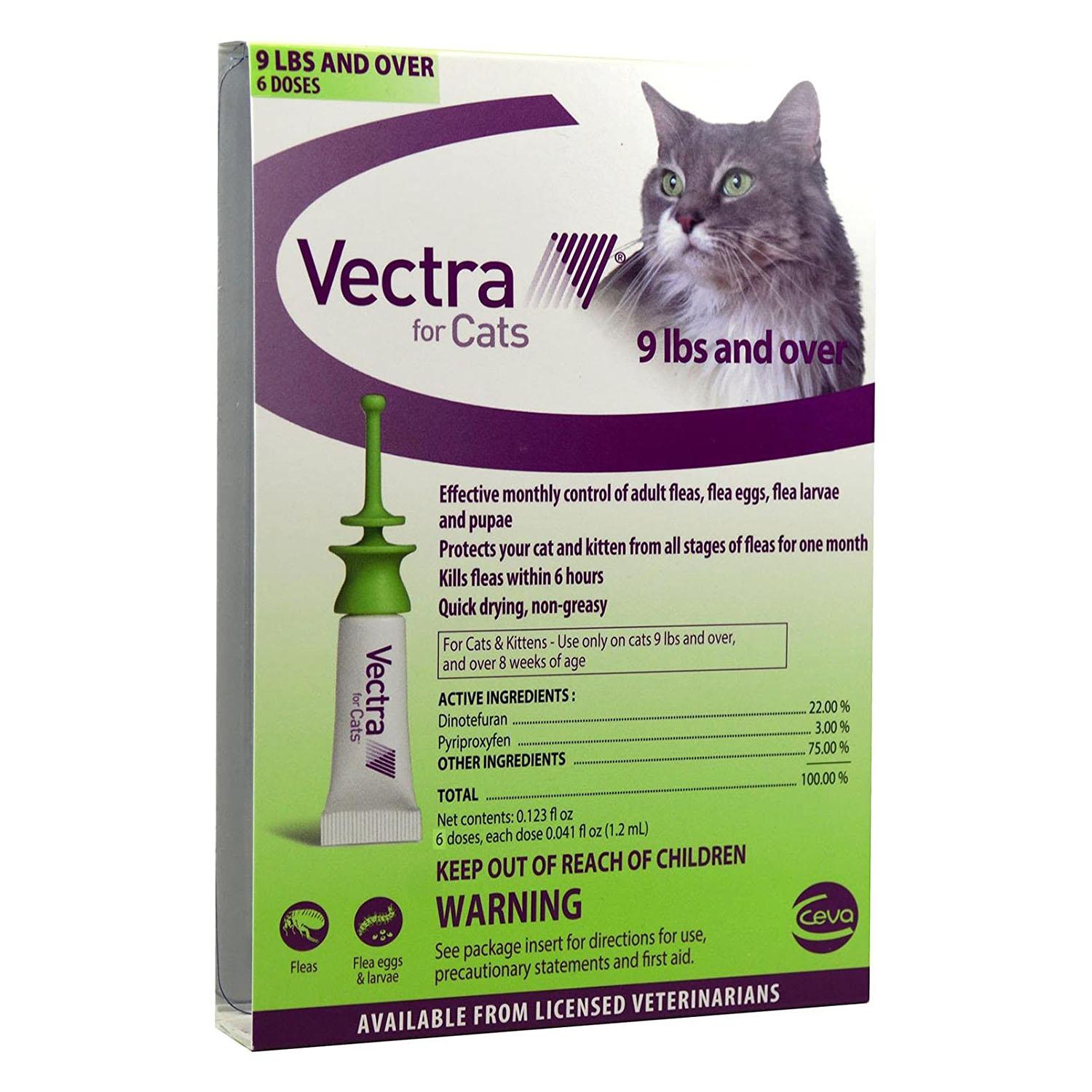
For additional prevention guidance, read our article on flea and tick prevention products.
Medical Conditions and the BaxterBoo Pharmacy
Sometimes dandruff is a symptom of an internal health problem. Conditions like hyperthyroidism or diabetes can change the quality of a cat's skin and coat. These diseases affect the metabolism and can lead to a dull, greasy, or flaky appearance.
If your vet diagnoses a chronic condition, they may prescribe a specific medical diet. Our cat pharmacy offers prescription medications and prescription pet foods, including diets specifically formulated for skin sensitivities or weight management.
Our pharmacy provides a convenient way to get the professional-grade products your cat needs. Whether it is a prescription flea treatment or a specialized kidney diet, we help you manage your cat's health from home. Always talk to your vet before starting any new medical treatment.
Practical Steps to Reduce Flakes
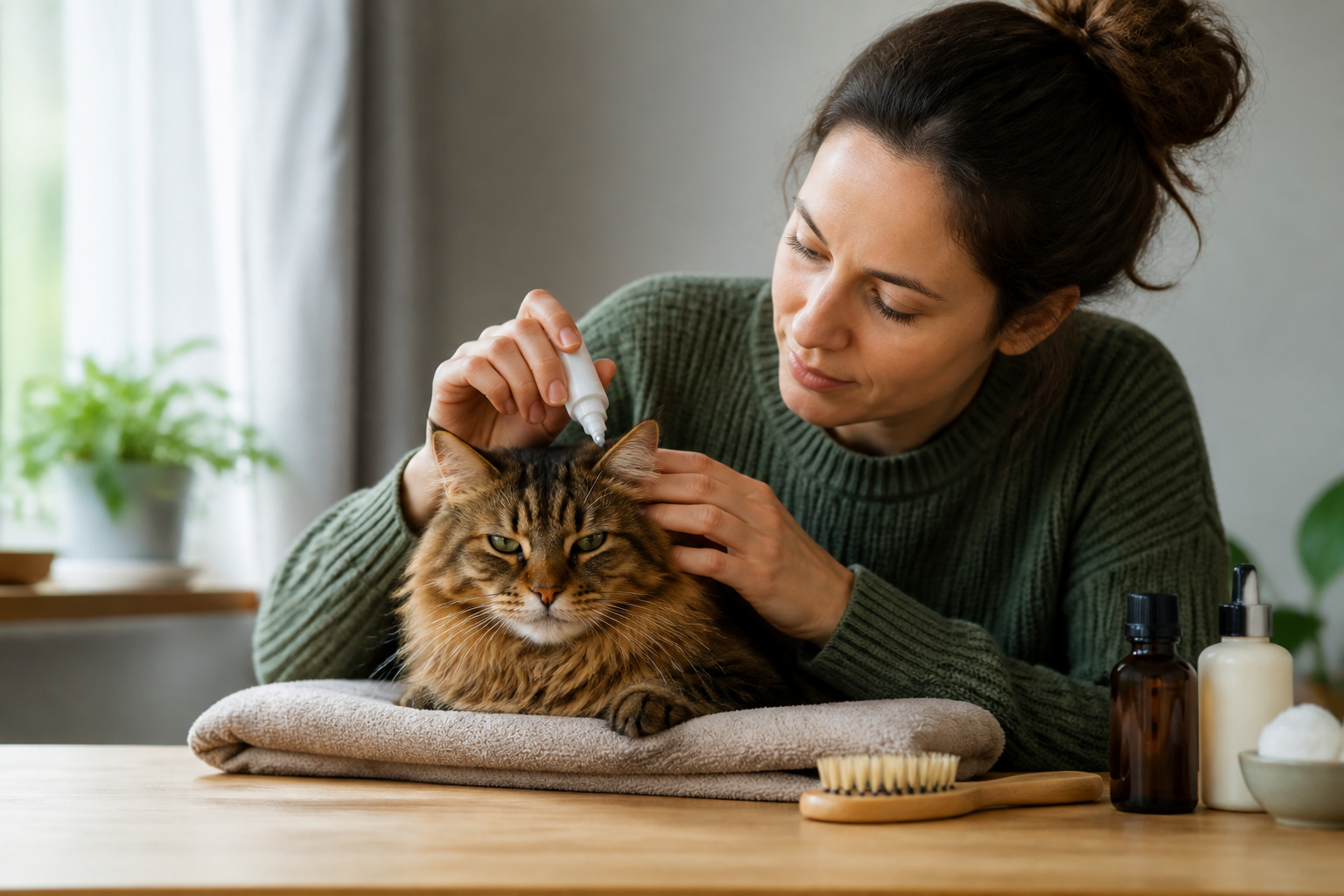
You can take several steps at home to help your cat feel more comfortable. Most of these involve simple changes to your daily routine.
Step 1: Start a daily brushing routine. Use a soft-bristled brush or a grooming glove. This mimics the cat's natural grooming and helps move oils from the skin down the hair shaft.
Step 2: Improve the air quality. Place a humidifier in the room where your cat spends the most time. Keeping the humidity between 40 and 50 percent can prevent the skin from drying out.
Step 3: Increase water intake. Use a pet water fountain to encourage more drinking. Many cats prefer running water over a still bowl.
Step 4: Evaluate the diet. Talk to your vet about adding a fish oil supplement. Zesty Paws Wild Alaskan Omega-3 Blend Pollock & Salmon Oil Supplement for Dogs & Cats offers an option to mix into food.
Bottom line: Regular grooming and proper hydration are the two most effective ways to manage mild cat dandruff at home.
Should You Bathe a Cat With Dandruff?
Most cats do not need regular baths. In fact, bathing a cat too often can make dandruff worse by stripping away natural oils. However, if your cat is very greasy or has a fungal infection like ringworm, a medicated bath might be necessary.
If you must bathe your cat, use a shampoo specifically formulated for felines. Human shampoos have the wrong pH balance for cat skin. Look for soothing ingredients like oatmeal or aloe vera. Always ensure you rinse the soap out completely. Dried soap residue will cause more irritation and flaking.
For cats that hate water, consider waterless shampoo foams. These allow you to clean the coat and moisturize the skin without the stress of a full bath. Stress can often lead to more skin issues, so keeping the process calm is vital.
A feline-formulated option is earthbath® Oatmeal & Aloe Shampoo - Fragrance Free, which is available in our grooming selection.
When to See a Veterinarian
While a few flakes are usually nothing to worry about, some signs indicate a bigger problem. You should schedule an appointment with your vet if you notice any of the following:
- Redness or sores: This suggests an infection or a severe allergic reaction.
- Hair loss: Thinning fur or bald patches often point to parasites or endocrine issues.
- Odour: A musty or foul smell from the skin can indicate a yeast or bacterial infection.
- Behavioral changes: If your cat is lethargic or has a sudden change in appetite, the dandruff may be a secondary symptom of an internal illness.
Your vet can perform blood work or skin tests to find the exact cause. It is much easier to treat a skin condition when it is caught early.
| Solution | Best For | Benefit |
|---|---|---|
| Daily Brushing | All cats | Distributes oils and removes dead hair |
| Humidifier | Winter months | Prevents environmental skin dryness |
| Omega-3 Supplements | Dry, brittle coats | Strengthens the skin's moisture barrier |
| Water Fountains | Dehydrated cats | Encourages hydration from the inside out |
| Prescription Diet | Medical conditions | Manages weight or specific allergies |
Choosing the Right Grooming Tools
Not all brushes are created equal. The right tool depends on your cat's coat length and skin sensitivity. For cats with short hair, a rubber curry brush is excellent. It massages the skin and pulls up loose flakes without being abrasive.
Long-haired cats need a metal comb or a slicker brush to get through the undercoat. If the undercoat becomes matted, it traps moisture and debris against the skin. This leads to a massive buildup of dandruff. Keeping the coat free of tangles allows the skin to breathe.
If your cat has very sensitive skin, stick to soft nylon bristles. The goal is to stimulate the skin gently. If you see your cat flinching or if the skin turns red during brushing, you are likely using too much pressure or the wrong tool.
Explore our cat grooming supplies for brushes, combs, shampoos, and other coat-care tools.
Long-Term Maintenance
Managing dandruff is not a one-time fix. It requires consistent care throughout the year. Your cat's needs will change with the seasons. You might need to increase brushing in the spring when they shed their winter coat. You may need to turn on the humidifier as soon as the leaves start to fall.
Regularly check your cat's skin during petting sessions. If you catch a few flakes early, you can adjust their diet or grooming before it becomes a major problem. Staying on top of flea and tick prevention is also a non-negotiable part of skin health. Even indoor cats can get fleas, which are a leading cause of skin irritation in the US.
We recommend using our Autoship programme for your cat's favorite food and preventives. This ensures you never run out of the essentials that keep their coat looking its best. Plus, it helps you stay on a consistent schedule with treatments.
Conclusion
Cat dandruff is a common issue that often has a simple solution. By focusing on better grooming, improved nutrition, and environmental moisture, you can help your cat feel much more comfortable. Remember that while flakes are often harmless, they can sometimes point to deeper health needs or mobility challenges. We are here to help you find the right supplies to support your pet's wellness journey. If the dandruff persists or is accompanied by itching and hair loss, please consult your veterinarian for a professional diagnosis.
Key Takeaway: A healthy coat starts from within. Combining a high-quality diet with regular grooming is the best defense against flaky skin.
Our pharmacy and wide selection of grooming gear at BaxterBoo provide everything you need to manage your cat's skin health. Explore our Skin and Coat Care category to find the best brushes, supplements, and shampoos for your feline friend.
FAQ
Why does my cat have dandruff only on their lower back?
Dandruff on the lower back is often a sign that a cat cannot reach that area to groom themselves. This is very common in cats that are overweight or those suffering from arthritis. When the cat cannot lick the area, dead skin cells and oils build up, leading to visible flakes.
Can I use human dandruff shampoo on my cat?
No, you should never use human dandruff shampoo on a cat. Human skin and cat skin have very different pH levels. The ingredients in human shampoos can be toxic to cats if ingested during grooming and can cause severe skin irritation. Always use a shampoo specifically formulated for felines.
Is cat dandruff the same thing as dander?
No, they are different. Dander consists of microscopic skin cells that all cats shed naturally and is usually invisible. Dandruff involves larger, visible white flakes that indicate the skin is dry, irritated, or that the cat is not grooming effectively.
Does wet food help with cat dandruff?
Yes, wet food can help because it significantly increases your cat's hydration levels. Many cats live in a state of mild dehydration when eating only dry food, which leads to dry, flaky skin. The extra moisture in wet food helps keep the skin supple and healthy from the inside out.






- Site & Contents BaxterBoo.com. BaxterBoo is located in the United States.
- Privacy & Security
- Terms of Use
- Accessibility Statement
