
 Save 15% on your 1st Autoship learn more

 Email us
 Live Chat
 FAQs





Introduction
You are relaxing on the sofa with your cat when you notice small white flakes scattered across their dark fur. It looks like a dusting of flour or salt. This is a common sight for many cat owners. While a few flakes might seem minor, they often signal that your cat’s skin needs a bit of extra attention. At BaxterBoo, we know that a healthy coat starts from the inside out. This article covers how to identify the cause of those flakes and the best ways to restore your cat's shine. We will look at dietary changes, grooming habits, and environmental fixes. Understanding the root of the problem is the first step toward helping your cat feel more comfortable and confident.
Quick Answer: Help cat dandruff by increasing hydration, adding Omega-3 fatty acids to their diet, and maintaining a regular grooming schedule. If the skin is red, inflamed, or itchy, a veterinary visit is necessary to rule out parasites or underlying health issues.
Understanding What Cat Dandruff Really Is
Dandruff occurs when the skin’s sebaceous glands produce too much oil. This is known as seborrhea. In other cases, it happens because the skin is too dry and the top layer sheds prematurely. These dead skin cells clump together and become visible to the naked eye. It is important to distinguish between normal shedding and a skin condition.
Every cat sheds some skin cells. However, true dandruff is usually persistent. You might see it mostly on the lower back or near the base of the tail. If you notice the flakes are moving, you are not looking at dandruff. You are likely looking at Cheyletiella mites, also called walking dandruff. This is a parasitic infection that requires immediate medical treatment.
Key Takeaway: Real dandruff is made of dead skin cells, but "walking dandruff" is actually a tiny mite that requires a trip to the vet.
Cat Skin & Coat Care








Common Causes of Flaky Skin in Cats
Several factors contribute to a dull and flaky coat. Identifying the specific cause for your pet helps you choose the right solution.
Low Humidity and Dry Air
During the winter months, indoor heating systems strip moisture from the air. This dry environment affects your cat's skin just as it affects yours. Without enough moisture in the atmosphere, the skin becomes brittle and starts to flake.
Poor Grooming Habits
Cats are famous for their cleanliness. If a cat stops grooming, oils and dead skin cells build up. This often happens to senior cats who have arthritis. They may find it painful to reach certain spots on their back. Overweight cats also struggle to groom themselves properly because they cannot reach every area of their body.
Nutritional Deficiencies
The skin is the largest organ in a cat's body. It requires a significant amount of protein and healthy fats to stay supple. If a diet is low in high-quality animal proteins or essential fatty acids, the skin is usually the first place to show signs of trouble. Cheap fillers in low-grade food can lead to poor skin health over time.
Vet Tip: If your cat is older or overweight and has dandruff, they may need help reaching their back. Regular brushing can take the place of the grooming they can no longer do themselves.
How to Help Cat Dandruff Through Nutrition
What goes into your cat’s bowl directly affects the quality of their fur. Improving nutrition is often the most effective way to solve skin issues for the long term.
The Power of Omega Fatty Acids
Omega-3 and Omega-6 fatty acids are essential for skin barrier function. They help trap moisture and reduce inflammation. Look for foods that include salmon oil, flaxseed, or menhaden fish meal. Brands like Farmina and Stella and Chewy's often prioritize these high-quality fat sources.
Switching to Premium Proteins
Cats are obligate carnivores. They need animal-based protein to produce keratin, the primary structural component of hair and skin. If your cat’s current food relies heavily on corn or soy, their skin may suffer. We carry several brands that focus on whole-prey ingredients or limited-ingredient recipes for sensitive cats, including options in our cat food category.
Hydration and Wet Food
Dehydration is a major cause of dry skin. Many cats do not have a high thirst drive. If they only eat dry kibble, they may live in a state of mild dehydration. Adding wet food to their routine increases their water intake. You can also try a pet fountain to encourage them to drink more often. Explore our wet cat food selection when adding moisture to your cat’s meals.
Step 1: Review the ingredient list on your current cat food. / Ensure a high-quality animal protein is the first ingredient listed.
Step 2: Gradually introduce a supplement. / Add a liquid Omega-3 oil to their evening meal.
Step 3: Monitor the skin for four to six weeks. / Skin cells take time to regenerate, so do not expect instant results.
Grooming Strategies for Flake-Free Fur
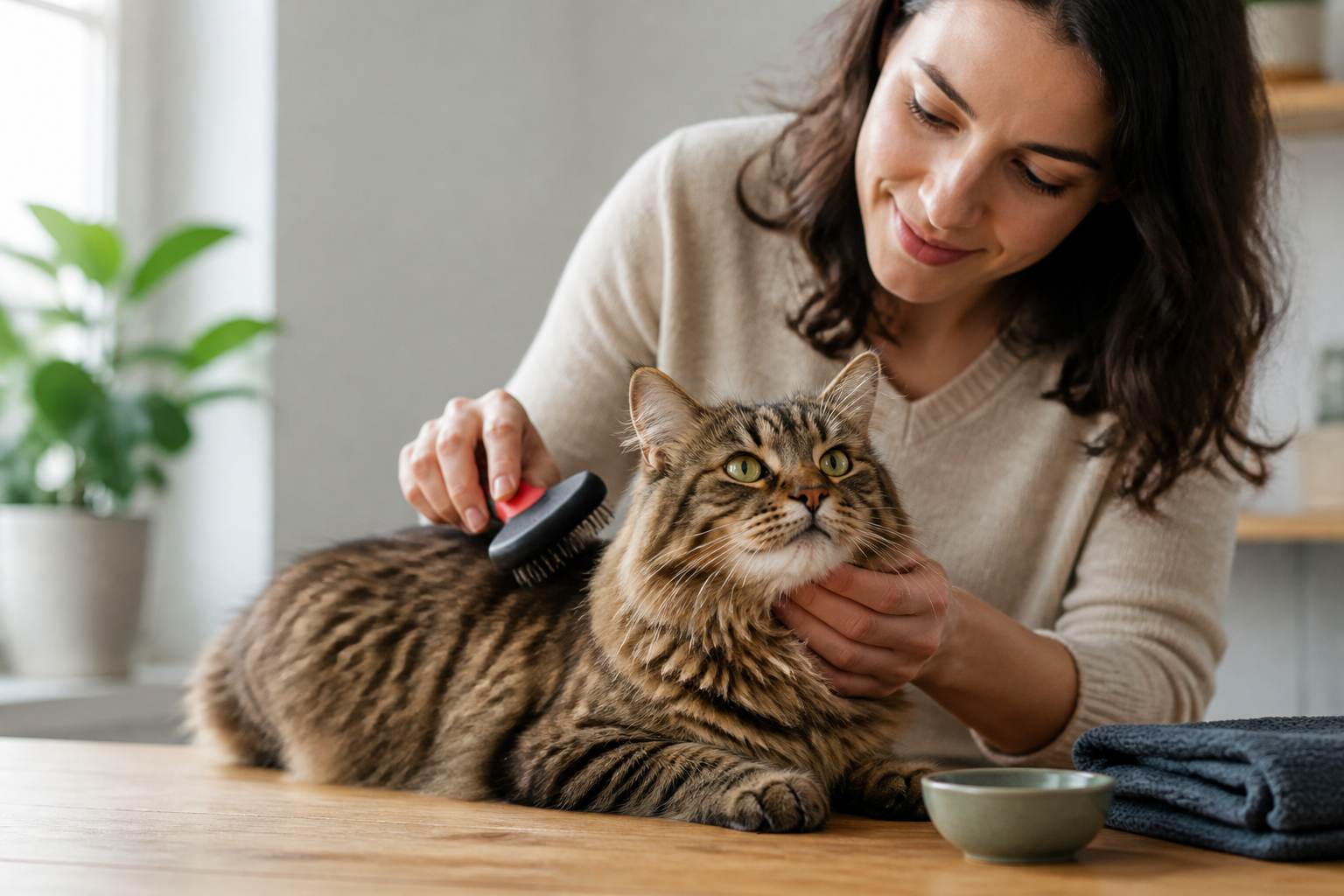
Grooming is not just about looks. It is a vital part of feline health. Regular sessions help distribute natural oils across the entire body.
Choosing the Right Brush
The type of brush you use depends on your cat's coat length. For short-haired cats, a rubber curry brush or a fine-toothed comb works well. For long-haired cats, a slicker brush or a de-shedding tool is necessary to reach the undercoat. We carry a wide range of grooming tools at BaxterBoo that are designed to be gentle on sensitive skin. Browse our cat grooming supplies for brushes, combs, and other helpful tools.
Waterless Shampoos and Wipes
Most cats do not enjoy traditional baths. Fortunately, you rarely need to submerge a cat in water to fix dandruff. Waterless shampoos or grooming wipes are much easier to use. These products help break down excess oils and lift away dead skin without the stress of a tub. Look for formulas with aloe or oatmeal to soothe the skin.
Managing the Undercoat
In some cats, dandruff is caused by a "trap" of dead undercoat hair. This trapped hair prevents air from reaching the skin. By removing the dead undercoat, you allow the skin to breathe and regenerate properly.
Bottom line: Regular brushing replaces the natural grooming a cat might be missing and moves healthy oils from the roots to the tips of the hair.
For additional grooming guidance, read about gentle grooming and keeping a cat’s whiskers clean.
Environmental Adjustments for Your Home
Sometimes the solution to how to help cat dandruff lies in the room around them. Simple changes to your home can make a big difference.
Use a Humidifier
If you live in a cold climate, a humidifier is a great investment for your pet. Placing one in the room where your cat sleeps helps keep their skin hydrated overnight. Aim for a humidity level between 40 and 50 percent.
Reduce Stress
Stress can manifest as skin problems in cats. When a cat is stressed, their immune system may not function at its peak. This can lead to a dull coat or excessive shedding. Ensure your cat has a quiet place to retreat and plenty of mental enrichment.
Clean Bedding Regularly
Dust and allergens in cat beds can irritate the skin. Wash your cat's bedding in hypoallergenic detergent. This removes dander and external irritants that might be making the flaking worse.
When to Use the Pharmacy for Skin Issues
In some cases, dandruff is a symptom of a medical condition that requires more than just a new brush. Allergies, hormonal imbalances, and skin infections all require professional intervention.
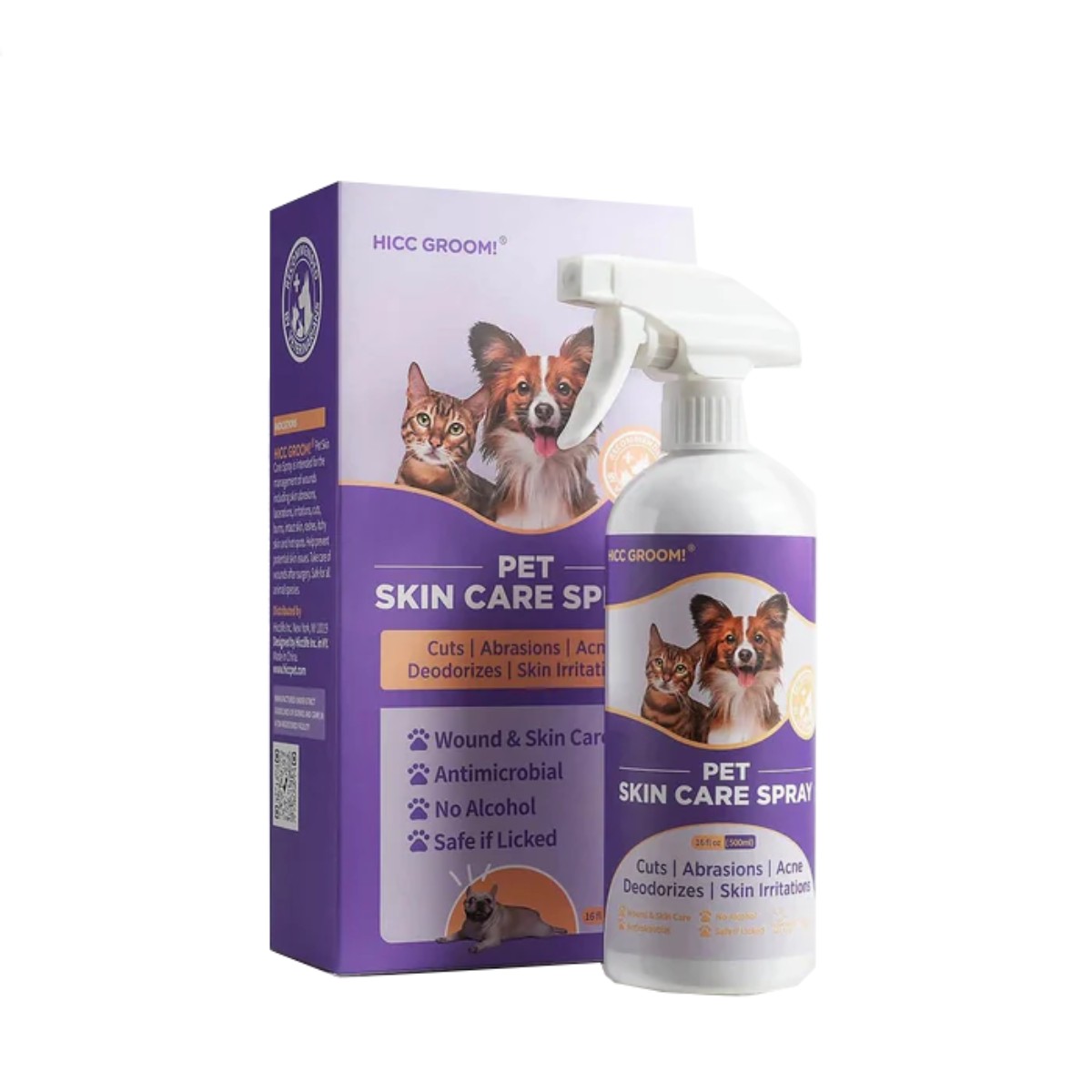
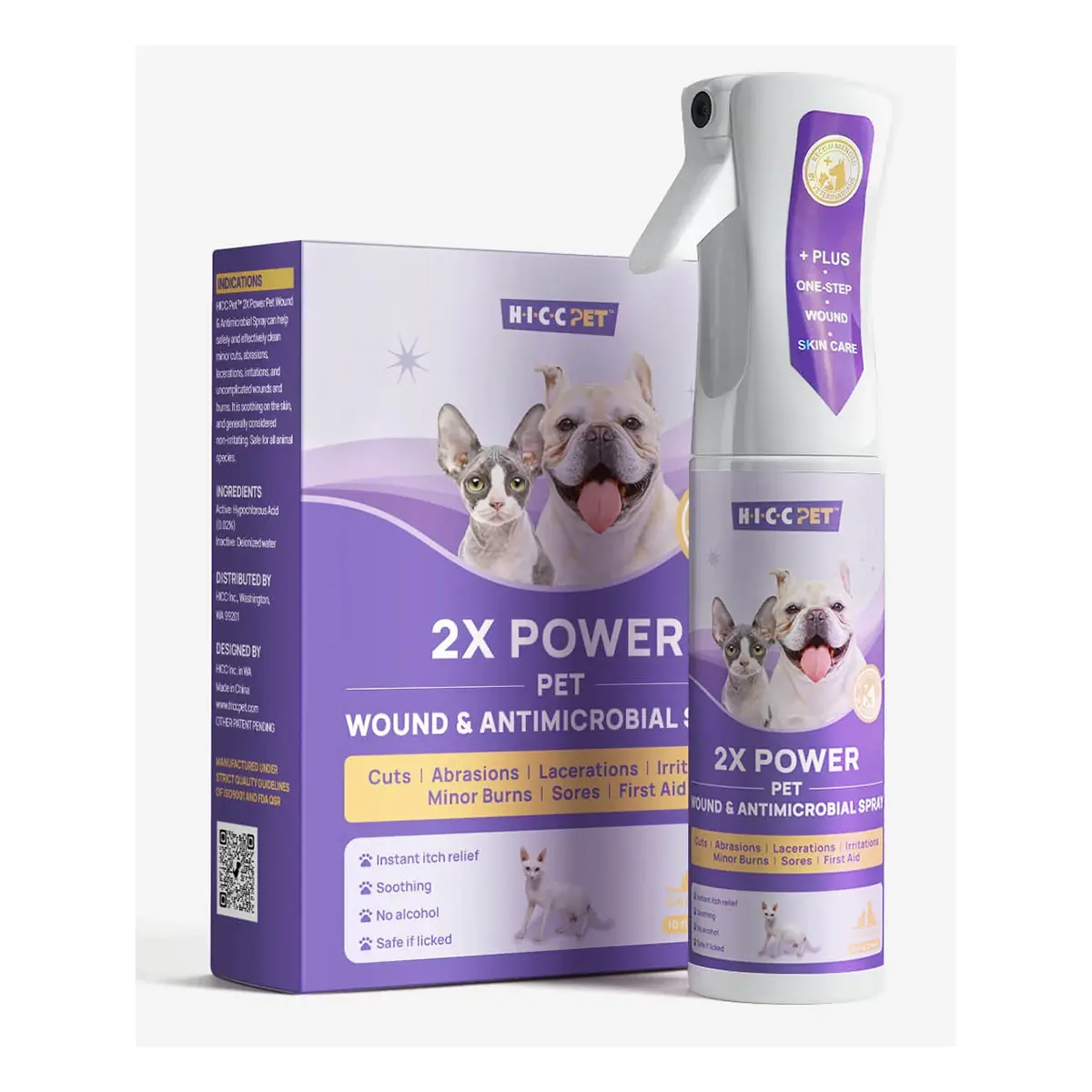
Our team at BaxterBoo carefully selects products to support pet health, but we also know that some needs are medical. Through our partnership with Pet's Choice, we offer a full pharmacy. This includes FDA-approved medications and prescription diets. You can browse our pet pharmacy for cats when your veterinarian recommends a prescription product.
If your veterinarian determines that your cat has a flea allergy or a bacterial skin infection, they may prescribe a medicated shampoo or a specific therapeutic diet. Farmina Vet Life offers formulas designed specifically for skin support. Accessing these through our pharmacy ensures you get the exact treatment your vet recommends for chronic conditions.
Vet Tip: Chronic dandruff can be a sign of hyperthyroidism or diabetes in older cats. If you notice changes in thirst or appetite along with skin flakes, schedule a veterinary checkup immediately.
Identifying External Parasites
It is a mistake to assume flakes are always just dry skin. Fleas and mites are very common causes of skin irritation. Flea dirt can sometimes look like dark flakes, while the white flakes may be a reaction to flea bites.
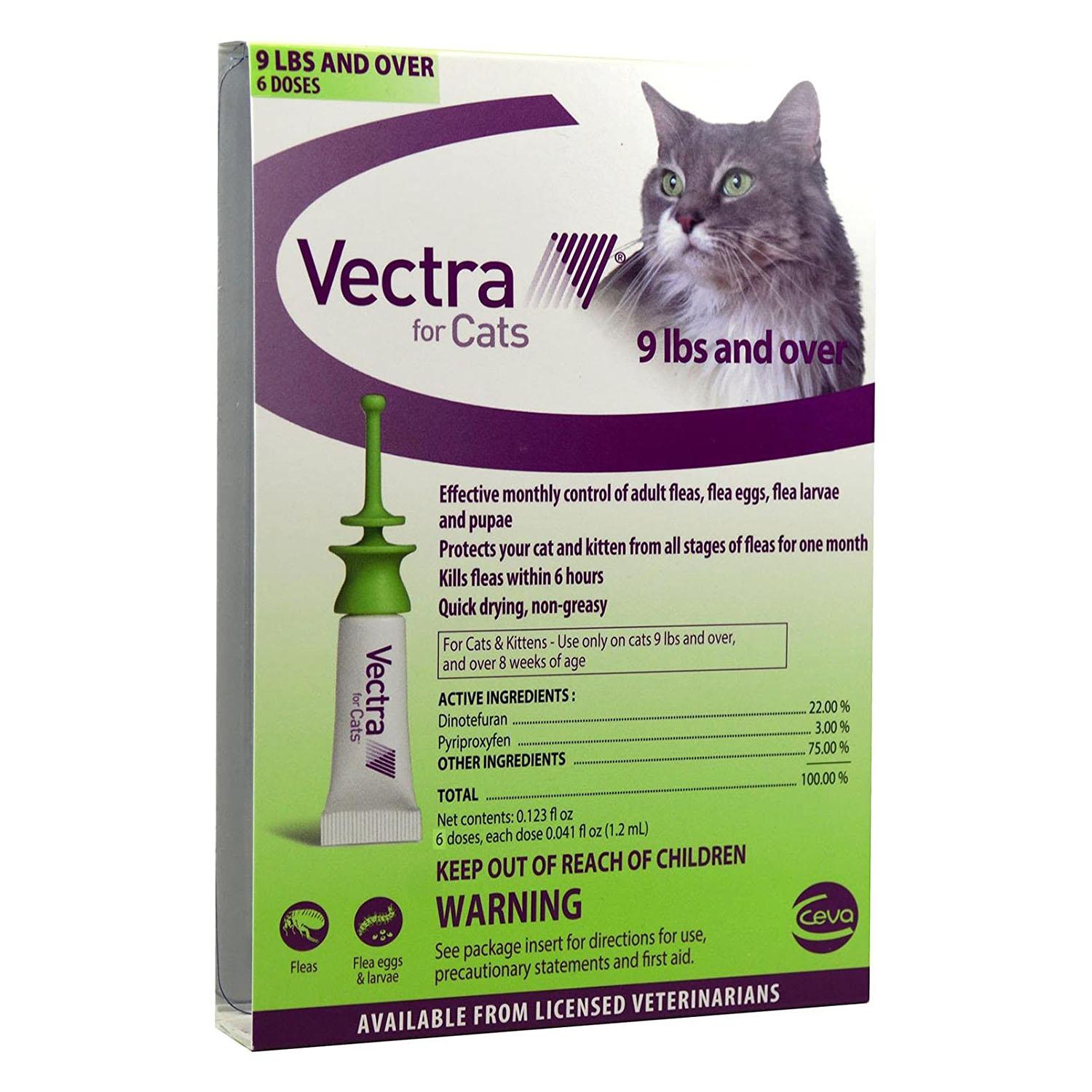
Even indoor cats need protection. Our pharmacy carries trusted brands like Frontline to help prevent infestations. If your cat is scratching frequently, check the skin for redness or small crusts. These are clear signs that parasites are the likely culprit rather than simple dry skin. See our cat flea and tick collection for preventive options.
For more information about parasite prevention, read how flea collars work.
The Role of Supplements
Supplements are an excellent way to bridge the gap between a standard diet and optimal skin health. They are easy to administer and often come in flavors cats love.
- Fish Oil: Provides high concentrations of EPA and DHA.
- Biotin: A B-vitamin that supports hair growth and skin strength.
- Vitamin E: An antioxidant that protects skin cells from damage.
- Coconut Oil: Can be used topically in small amounts or added to food to support moisture.
When starting a new supplement, always follow the weight-based instructions on the packaging. Consistency is the most important factor when using supplements for skin health.
Key Takeaway: Supplements take about a month to show visible results because the body needs time to build up nutrient levels and grow new skin cells.
Transitioning Your Cat to New Routines
Cats are creatures of habit. If you decide to change their food or start a daily brushing routine, go slow. Rapid changes can cause digestive upset or stress.
When introducing a new grooming tool, let your cat sniff it first. Start with just a few strokes and offer a high-value treat. Over time, your cat will associate the brush with a positive experience. This makes it easier to manage their dandruff as they age.
For food changes, use a transition period of at least seven days. Mix a small amount of the new food with the old food. Slowly increase the amount of new food every two days. This prevents the stomach upset that often comes with high-protein diet changes.
Maintaining Long-Term Skin Health
Once the dandruff is gone, the goal is to keep it from returning. This requires a proactive approach to wellness.
Check your cat’s skin once a week while you are petting them. Run your fingers against the grain of the fur to look for flakes or redness. Keep their water fountain clean and full to ensure they stay hydrated. Continue with regular brushing, especially during the spring and fall when shedding increases.
If you stay on top of these small tasks, you can prevent minor dryness from turning into a major skin issue. Your cat will be more comfortable, and your furniture will be free of white flakes.
Summary of Relief Steps
Helping your cat with dandruff is a multi-step process. It involves looking at their environment, their diet, and their physical comfort.
- Increase moisture: Use wet food and a home humidifier.
- Improve fats: Add Omega-3 supplements or switch to premium food brands.
- Assist with grooming: Use soft brushes and waterless shampoo.
- Check for pests: Ensure they are on a regular flea and tick preventive.
- Consult a vet: Seek help for persistent itching, redness, or behavioral changes.
Bottom line: Most cases of cat dandruff can be solved with better hydration, high-quality fats, and a helping hand with grooming.
Trust BaxterBoo to provide the supplies you need for a healthy, happy cat. Whether you need a new slicker brush or a prescription diet from our pharmacy, we are here to help you care for your pet. Our MVP Rewards program can even help you save on the premium brands that keep your cat's coat shining.
FAQ
Can I use my own dandruff shampoo on my cat?
No, you should never use human dandruff shampoo on a cat. Human skin has a different pH level than feline skin. The active ingredients in human shampoos, such as zinc pyrithione or coal tar, can be highly toxic to cats if they lick their fur after a bath. Always use products specifically formulated for cats.
Why does my cat only have dandruff on their lower back?
The lower back and the base of the tail are the hardest spots for a cat to reach during grooming. If a cat is overweight or has stiff joints from arthritis, they will often stop cleaning this area. This leads to a buildup of oils and dead skin cells. Regular brushing in this specific area can quickly clear up the flakes.
Is cat dandruff the same thing as a cat allergy?
No, they are different things. Cat dandruff is the visible flakes of skin on the cat. Cat dander, which causes human allergies, is a microscopic protein found in the cat's skin cells and saliva. However, reducing a cat's dandruff through grooming and better nutrition can also help reduce the amount of dander released into your home.
Does my cat need a bath to get rid of dandruff?
Most cats do not need a traditional water bath to resolve dandruff. In fact, frequent bathing with harsh soaps can strip away natural oils and make the skin even drier. It is usually better to use a soft brush to distribute oils and a waterless grooming foam or wipe to clean the fur without the stress of a bath.






- Site & Contents BaxterBoo.com. BaxterBoo is located in the United States.
- Privacy & Security
- Terms of Use
- Accessibility Statement
