
 Save 15% on your 1st Autoship learn more

 Email us
 Live Chat
 FAQs





Introduction
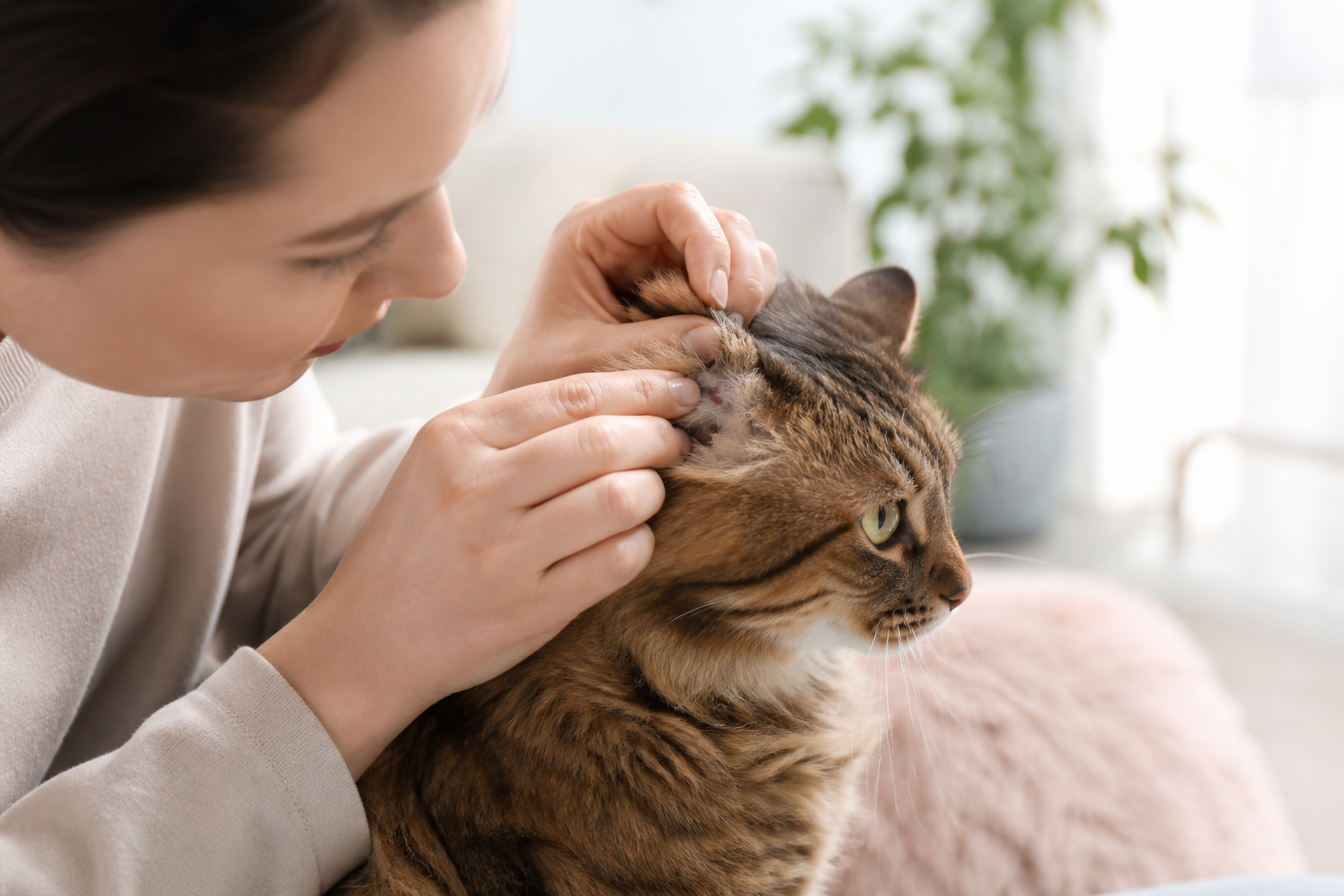
You are relaxing on the couch with your cat, running your hand down their back, when you feel something unexpected. Instead of smooth fur, your fingers catch on a small, crusty bump. You part the hair to look closer and find a tiny scab surrounded by white, flaky skin. It is a common moment of concern for many owners. Finding cat dandruff scabs can be frustrating because it is often a sign that your pet is uncomfortable or dealing with an underlying skin issue.
At BaxterBoo, we know that your cat's coat is a direct reflection of their internal health. This article covers why these scabs form, the difference between simple dry skin and more serious conditions, and how you can support your cat's recovery. Whether the issue is related to seasonal changes, diet, or pests, we have the information you need to help your feline friend feel their best again. Understanding the root cause is the first step toward clear skin and a shiny coat.
Quick Answer: Cat dandruff scabs are often caused by miliary dermatitis, which is an allergic reaction frequently triggered by flea bites. Other common causes include skin infections, nutritional deficiencies in omega fatty acids, or underlying health conditions like hyperthyroidism.
Understanding the Difference Between Dander and Dandruff
It is helpful to start by clarifying what you are seeing on your cat's skin. All cats produce dander. These are microscopic bits of dead skin that shed naturally as part of a healthy skin cycle. Dander is usually invisible to the naked eye. If you can see white or gray flakes in the fur, that is actually dandruff.
When dandruff is accompanied by scabs, it usually means the skin cycle has been disrupted. This condition is often called seborrhea. There are two main types of seborrhea that can affect your cat.
Seborrhea Sicca (Dry)
This is the most common form of dandruff. You will notice dry, white flakes that look like salt or flour sprinkled across the coat. The skin underneath may feel tight or look red. Cats with dry seborrhea often have a dull, brittle coat because the skin is not producing enough protective oils.
Seborrhea Oleosa (Oily)
This version involves an overproduction of sebum, the skin's natural oil. The flakes may look yellow or brown and feel greasy to the touch. Your cat might even have a noticeable "doggy" or musty smell. This oily environment can unfortunately lead to secondary yeast or bacterial infections, which often result in scabbing as the cat scratches at the irritation.
Key Takeaway: While a few flakes might be normal during dry winter months, the presence of scabs indicates an active irritation or infection that needs your attention.
Cat Skin & Coat Care













Common Causes of Cat Dandruff Scabs
Finding the source of the problem is essential because treating the flakes without addressing the cause will only provide temporary relief. Here are the primary reasons your cat might be developing crusty spots.
Miliary Dermatitis
This is not a specific disease but rather a skin reaction pattern. It is named because the scabs feel like small millet seeds under the fur. These bumps are extremely itchy. If your cat has these along their lower back, neck, or tail base, an allergy is the likely culprit.
Fleas and Parasites
Even if your cat stays indoors, fleas are the most frequent cause of skin scabs. Many cats have flea allergy dermatitis, meaning they are allergic to the saliva in a flea's bite. A single bite can cause a massive breakout of scabs. Other parasites like Cheyletiella mites, also known as walking dandruff, can cause heavy flaking and crusting. For additional guidance, read about flea and tick prevention products.
Nutritional Deficiencies
The skin is the largest organ in a cat's body. It requires a lot of protein and specific fats to stay healthy. If a diet is low in omega-3 and omega-6 fatty acids, the skin barrier weakens. This leads to moisture loss, flaking, and eventually scabs from the cat over-grooming the dry areas.
Environmental Factors
Low humidity in the home during winter can dry out feline skin just as it does yours. Additionally, some cats are sensitive to household cleaners, perfumes, or laundry detergents used on their bedding. These contact allergies can cause localized scabbing where the skin touches the irritant.
The Role of Grooming and Physical Limitations
Sometimes the scabs and dandruff appear because your cat simply cannot reach certain spots. Cats are meticulous groomers. They spend hours every day removing loose fur and distributing natural oils across their skin. If this process stops, skin cells build up and flakes form. A soft brush or grooming glove from our cat grooming collection can help remove loose fur and flakes.
Senior Cats and Arthritis
Older cats often suffer from joint stiffness or osteoarthritis. If it hurts to twist and reach the lower back or the base of the tail, that area will quickly develop heavy dandruff and mats. The trapped skin cells can become irritated, leading to scabs.
Obesity Issues
If a cat is carrying extra weight, they may have physical "blind spots" they cannot reach. You will often see a strip of dandruff and crusting right down the center of the back where the cat cannot groom. We carry weight management formulas like Farmina Vet Life to help pets get back to a healthy, flexible size.
Vet Tip: If you notice your cat has stopped grooming specific areas, it is time for a checkup. This change often signals underlying pain or mobility issues rather than just a skin problem.
How to Manage Skin Irritation at Home
Once you have consulted your veterinarian to rule out serious infections, there are several steps you can take to manage your cat's skin health.
Step 1: Increase Brushing Frequency.
Use a soft-bristled brush or a grooming glove. This helps distribute natural oils and removes the dead skin flakes before they can cause irritation. For long-haired cats, this may need to be a daily routine.
Step 2: Add Moisture to the Environment.
Run a humidifier in the rooms where your cat sleeps most often. This is especially helpful during the winter months when heaters strip the air of moisture.
Step 3: Review the Diet.
Look for foods that prioritize high-quality animal proteins and added omega fatty acids. Brands like Stella and Chewy's or The Honest Kitchen offer options that support skin and coat health through minimally processed ingredients. You can also browse skin and coat health cat food for additional options.
Step 4: Use Waterless Shampoos.
Most cats hate baths. A waterless foam or medicated wipe can help clean the skin and reduce oil buildup without the stress of a tub. This keeps the scabs clean and reduces the urge to scratch. Our waterless grooming options are designed for quick, no-rinse cleanups.
| Product Type | Benefit for Dandruff | Best For |
|---|---|---|
| Omega Supplements | Strengthens skin barrier | Chronic dry skin |
| Medicated Wipes | Targets bacteria/yeast | Localized scabs |
| Slicker Brush | Removes loose fur/flakes | Undercoat buildup |
| Humidifier | Adds air moisture | Seasonal dryness |
Professional Treatment and the BaxterBoo Pharmacy
If home care is not enough, your vet may prescribe specific medications to clear up the scabs. This is especially true if there is a secondary bacterial infection or a severe flea infestation.
Our pharmacy carries a wide range of FDA-approved medications through our partnership with Pet's Choice. This includes prescription flea and tick preventives like NexGard or Frontline, which are essential for cats with flea allergies. If your vet determines that the scabs are caused by an immune response, they may prescribe corticosteroids or cyclosporine to calm the inflammation.
We also offer prescription diets from brands like Royal Canin and Farmina Vet Life. These foods are specifically formulated for cats with severe skin sensitivities or food allergies. Having access to a real pharmacy means you can get your cat's specialized food and medication delivered right to your door alongside their favorite toys.
Bottom line: When home remedies are not enough, a combination of veterinary diagnosis and prescription treatment is the fastest way to stop the scratching.
Essential Nutrients for a Healthy Coat
What goes into your cat's body is just as important as what you put on their skin. To prevent dandruff from returning, focus on these key nutrients. Our cat healthcare selection includes supplements and wellness products for everyday feline care.
Omega-3 and Omega-6 Fatty Acids
These are the building blocks of healthy skin. They help the skin retain moisture and act as a natural anti-inflammatory. Look for supplements from Zesty Paws or Honest Paws that use fish oil or salmon oil. These provide EPA and DHA, which are easily absorbed by cats.
Vitamin E and Biotin
These antioxidants protect skin cells from damage and support the growth of new, healthy fur. Many premium cat foods, such as those from Orijen or Acana, include these naturally in their recipes.
Hydration
Cats have a low thirst drive. If they are slightly dehydrated, their skin is the first place it shows. Consider adding wet food toppers or using a water fountain to encourage more drinking. Increased hydration helps keep the skin elastic and less prone to flaking.
Key Takeaway: Long-term skin health starts with a diet rich in healthy fats and high-quality protein to support the skin's natural moisture barrier.
When to Seek Veterinary Care
While dandruff and minor scabs can often be managed with grooming and diet changes, some symptoms require professional help. You should make an appointment if you notice any of the following:
- The scabs are spreading rapidly across the body.
- The skin is oozing, bleeding, or has a foul odor.
- Your cat is losing large patches of hair.
- Your cat is scratching so much they are causing self-injury.
- The scabs are accompanied by lethargy or a loss of appetite.
A vet can perform a skin scraping or a fungal culture to check for ringworm. They may also suggest blood work to rule out conditions like diabetes or hyperthyroidism, which can both cause poor coat quality in older cats.
Making Care More Affordable
Managing a chronic skin condition or a senior cat's health can become expensive. We want to help you provide the best care without overpaying. Our MVP Rewards program allows you to earn points on every purchase, including food and supplements, which can be used for future discounts.
If your cat requires a specific food or supplement to keep the scabs away, consider using our Autoship program. This ensures you never run out of the supplies your cat needs and gives you a discount on recurring orders. It is a simple way to stay consistent with the care your cat requires to stay flake-free.
Summary of Next Steps
Dealing with cat dandruff scabs requires a bit of detective work. Start by checking for fleas and ensuring your cat is on a high-quality preventive. Focus on grooming and nutrition to support the skin from the inside out.
If you find that the scabs are not healing or your cat seems stressed, talk to your veterinarian about a prescription plan. You can easily manage those needs through the BaxterBoo pharmacy partnership with Pet's Choice. Keeping your cat's skin healthy is a long-term commitment, but the reward is a happy, comfortable pet who loves to be petted.
Bottom line: Consistent grooming, flea prevention, and high-quality nutrition are the three pillars of a dandruff-free life for your cat.
FAQ
Why does my indoor cat have scabs and dandruff?
Indoor cats can still get fleas brought in on your clothes or from other pets. They are also susceptible to dry air from indoor heating and food sensitivities. If the air in your home is very dry, it can lead to skin cracking and dandruff even without outdoor exposure.
Can I use human dandruff shampoo on my cat?
No, you should never use human products on a cat. Human skin has a different pH level than feline skin, and many human shampoos contain ingredients like zinc or salicylic acid that can be toxic if your cat licks them off. Always use a shampoo specifically formulated for cats.
How long does it take for cat scabs to heal?
With proper treatment, most minor scabs will begin to heal within one to two weeks. However, if the underlying cause is an allergy or a chronic health condition, it may take longer to see the dandruff disappear completely. Consistency with your vet's recommended treatment is the most important factor.
Is cat dandruff contagious to humans?
Simple dandruff is not contagious. However, if the dandruff and scabbing are caused by a parasite like Cheyletiella mites or a fungal infection like ringworm, these can be passed to humans and other pets. If you notice itchy spots on yourself, consult a doctor and your veterinarian immediately.






- Site & Contents BaxterBoo.com. BaxterBoo is located in the United States.
- Privacy & Security
- Terms of Use
- Accessibility Statement
