Save 15% on your 1st Autoship learn more

 Email us
 Live Chat
 FAQs
FAQs





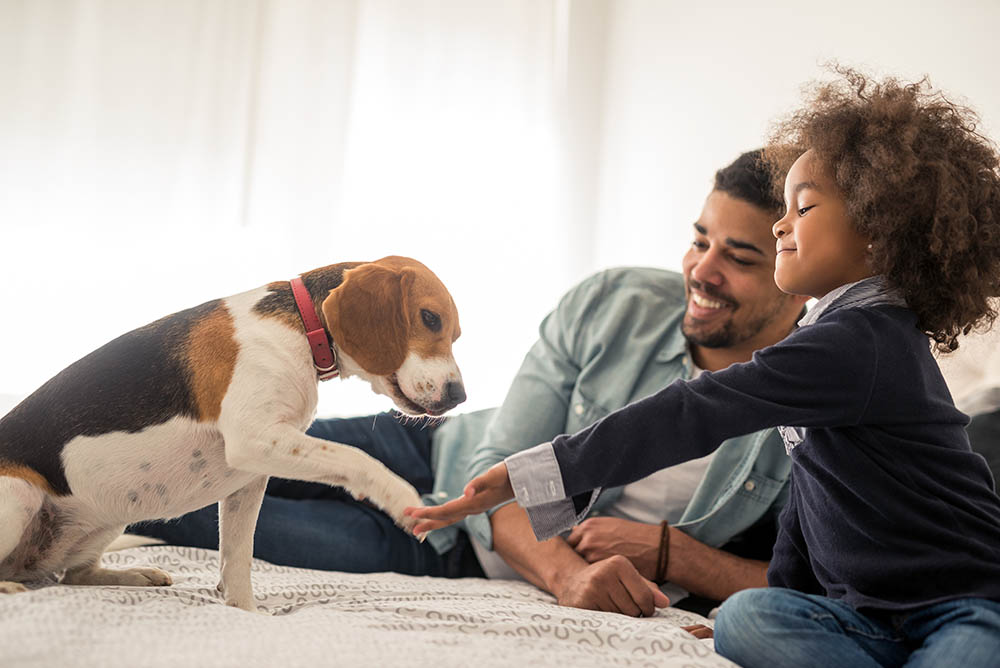
Expanding your family with a new pet is an exciting occasion, one that will be the start of some great memories for you and your loved ones. However, it can be a rocky introduction for both your young children and the cat or dog in question, as both may not know how to approach the other in the beginning.
When you're bringing home a new kitty or puppy and you're trying to encourage a smooth transition between your new fur baby and your human babies, here are some simple-to-follow ideas that can help guide you along in your new journey with pet ownership.
Coach Your Children on Being Gentle Ahead of Time
Before you bring your new furry friend home, you should sit your kids down and have a discussion with them about how they should act around animals. Depending on their age, your kids may not have had many opportunities to be around pets or animals of any kind. Therefore, they may be completely green when it comes to understanding how to approach them, how to treat them in general, and how to respond to the animal's behavior in kind.
Set up some casual lessons with your kids, showing them educational videos or animal-related, kid-friendly programs that can help guide their learning around animals. If you have family, friends or neighbors with friendly pets of their own, schedule a playdate with them and their animals so your children can personally experience being around a cat or dog. This will help them navigate their interactions with animals, giving them a personal perspective on how animals behave on their own and how pets react to their own human behavior.
Once Your Pet Arrives, Give Him or Her Space to Acclimate
Despite the sheer excitement everyone will naturally be feeling when you bring your pet home for the first time, it's essential that you all don't crowd the animal all at once. A lot of cats and dogs are timid and scared once they are brought to a new place, especially shelter pets who have potentially been through traumatic experiences already.
Create a personal oasis in your home for your new pet, starting with a cozy bed and a place specifically designated for food and water bowls. If you rescued your pet from a shelter, a comfortable crate with its door left open may be the best option to start, as your cat or dog is more used to this type of sequestered environment. Giving pets their own place in the house creates a sense of trust and comfortability, ensuring them that they have somewhere that's entirely their own where they can be calm, relaxed and alone when needed.
Meanwhile, use this moment to instruct your children not to barge into these areas that you've designed for your pet. If your kids toss the animal's bed around or try to approach it while it's eating, these spaces may no longer feel safe, for your new pet or your kids. Teach your children to leave fluffy friends alone while they eat meals or sleep, especially as they all take the time to get more comfortable around each other. Furthermore, you should offer your pet some tasty treats as positive reinforcement while your new family member becomes more familiar with its surroundings and sticks to its designated areas.
Always Supervise Interactions Between Toddlers and Pets
Kids of any age should be monitored and instructed on how to handle new pets, as the cat or dog becomes more acclimated to its environment. However, if your kids are aged five or younger, you should be supervising interactions at ALL times, regardless of how comfortable the pet and your children have become after a few weeks or months together.
The relationship between toddler-age kids and young pets takes practice, time and experience, as both parties are fickle when it comes to their behavior patterns. Various situations can cause different reactions that neither party may be expecting.
For example, maybe your child grabs for a plush chew toy that your pup is playing with, and the dog growls or snaps at the child in response. They don't intend to hurt each other, but it's a lesson in creating boundaries and enforcing rules. This is why it's important to be ready to step in and take control of the moment so neither your child or your pet gets hurt, even inadvertently.
Let Everyone Learn the Ropes Together
Becoming a pet owner for the first time can come with its own set of challenges and responsibilities for you, too. Use the opportunity to learn along with the entire family on how best to treat each other: with respect, kindness and — most of all — love.
For instance, if you're already potty training your young puppy, take the opportunity to teach him other things in this early stage of his life. Instructing your dog to listen to commands or how to roll over (while offering delicious doggy snacks as a reward!) can be a great one-on-one bonding experience for you and your fur baby.
Beyond this, you can start teaching your older children how to help take care of your animals, showing them through experience what it means to be a responsible pet owner. For example, let your child help you refill your kitty's food and water bowls.
As your family expands, it's important that you take the right steps in educating both your children and your pets on how to behave with each other. With these rules and ideas in mind, you're all on your way to a healthy, happy home.