Save 15% on your 1st Autoship learn more

 Email us
 Live Chat
 FAQs
FAQs





Introduction
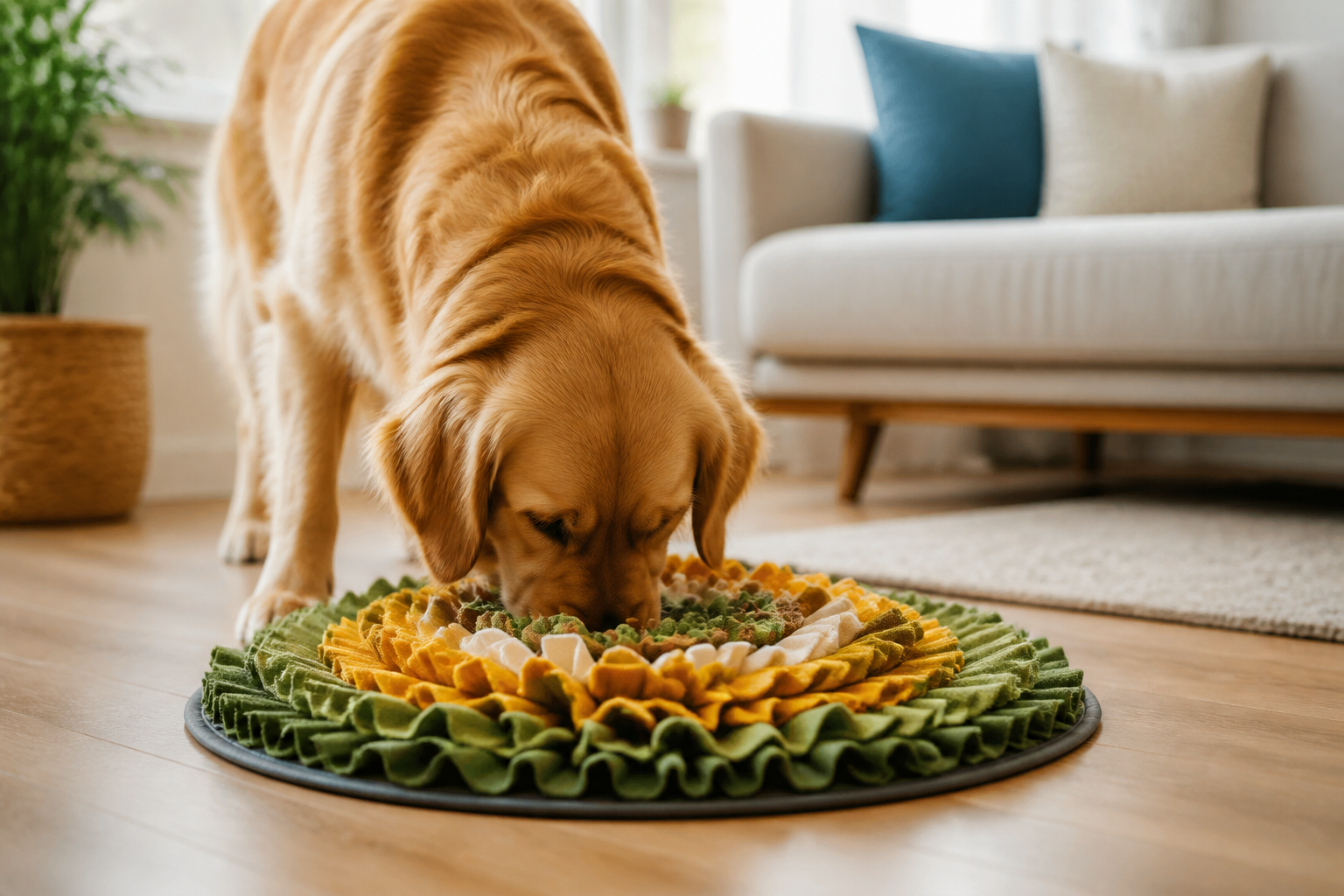
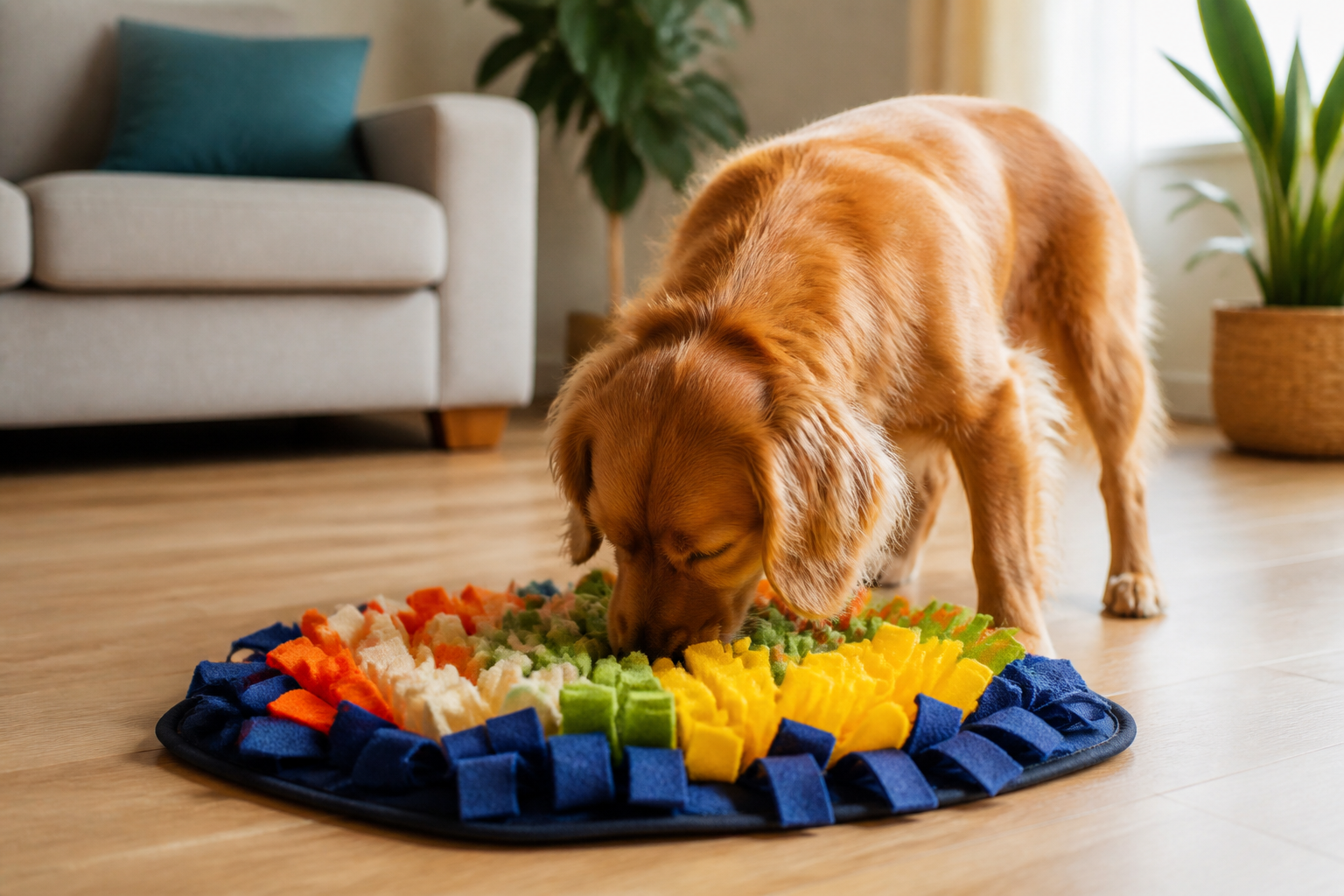
Your dog just finished their dinner in twelve seconds flat. Now they are staring at you with boundless energy while you are trying to relax after a long day. This common scenario is exactly why enrichment tools are so popular. At BaxterBoo, we believe that mental exercise is just as important as a walk around the block. A snuffle mat is one of the easiest ways to challenge your dog's brain using their most powerful tool: their nose. This article explains how to create your own DIY snuffle mat from scratch using affordable materials. You will learn the best assembly techniques and how to use the mat to slow down fast eaters. This simple project turns mealtime into a rewarding scavenger hunt for your canine companion.
Understanding the Benefits of Nose Work
Dogs experience the world primarily through scent. Their olfactory processing power is significantly greater than ours. When a dog spends ten minutes sniffing and searching, it can be as tiring as a much longer physical walk. This type of activity is often called nose work or scent work. It encourages a dog to use their natural foraging instincts. In a home environment, food is usually handed to them in a bowl. This removes the challenge of the hunt. A snuffle mat brings that challenge back into their daily routine.
Using a snuffle mat can help lower a dog's heart rate and provide a sense of calm. It is a fantastic tool for high-energy puppies or senior dogs who cannot go on long hikes anymore. It also serves a practical purpose for "gobblers." These are the dogs that inhale their kibble without chewing. Eating too fast can lead to digestive upset or even dangerous conditions like bloat. By hiding the food in fleece strips, you force the dog to find each piece individually. This naturally slows their pace and helps them realize when they are actually full.
Quick Answer: A snuffle mat is an enrichment toy made by tying strips of fleece fabric to a sturdy rubber base. It mimics the experience of foraging in long grass. You hide dry food or treats inside the fabric to provide mental stimulation and slow down fast eaters.
Gathering Your Supplies
You do not need to be an expert at crafts to build a great mat. The supplies are simple and often available at local hardware or craft stores. You might even have some of these items around your house already. We recommend choosing materials that are durable and easy to clean. Since this toy will hold food, it needs to be something you can maintain over time.
The Base Mat
The foundation of your snuffle mat should be a heavy-duty rubber or plastic mat with holes. A standard sink mat used for protecting dishes is the most popular choice. These are usually about 12 by 15 inches. If you have a very large dog, you can use zip ties to connect two or three sink mats together. Another option is a rubber doormat with a lattice or honeycomb pattern. Avoid using foam mats or anything that can be easily shredded. The weight of the rubber helps keep the mat in place on the floor while your dog is rooting around.
The Fleece Fabric
Fleece is the best material for this project because it does not fray when cut. It is soft on your dog's nose and durable enough to withstand some digging. You can buy fleece by the yard at a fabric store or repurpose old fleece blankets. For a standard sink mat, you will need about 1.5 to 2 yards of fabric. Many people like to use multiple colors to make the mat look vibrant. Your dog does not care about the color, but it can make the project more fun for you. Choose a medium-weight fleece that is easy to tie into knots.
Tools for the Job
You only need a few basic tools. A sharp pair of fabric scissors is essential. If you want to be very precise, a rotary cutter and a self-healing cutting mat can speed up the process. A ruler or measuring tape will help you keep the strips consistent. If you are joining multiple mats together, you will also need a few plastic zip ties.
- One rubber sink mat or lattice doormat.
- Two yards of anti-pill fleece fabric.
- Fabric scissors or a rotary cutter.
- A ruler or measuring tape.
Key Takeaway: Using a heavy rubber base and anti-pill fleece ensures the mat stays put during use and lasts through multiple wash cycles.
Preparing the Fabric Strips
Before you start tying, you need to prepare your "grass." This is the most time-consuming part of the project. Consistency in size helps create a dense mat where treats can be hidden effectively. If the strips are too long, they will flop over and make it too easy to find the food. If they are too short, they will be difficult to tie.
Aim for strips that are about 1 inch wide and 7 inches long. This length allows you to tie a secure knot while leaving enough fabric standing up to create a deep forest for treats. You do not need to be perfect with your measurements. Your dog will not mind if one strip is a half-inch longer than the others. If you are using a rotary cutter, you can fold the fabric to cut multiple strips at once.
Once you have a large pile of strips, you are ready to begin the assembly. For a standard 12 by 15 inch mat, you might need between 200 and 300 strips. It sounds like a lot, but the result is a thick, lush mat that provides a real challenge for your pet.
Step-by-Step Assembly Instructions
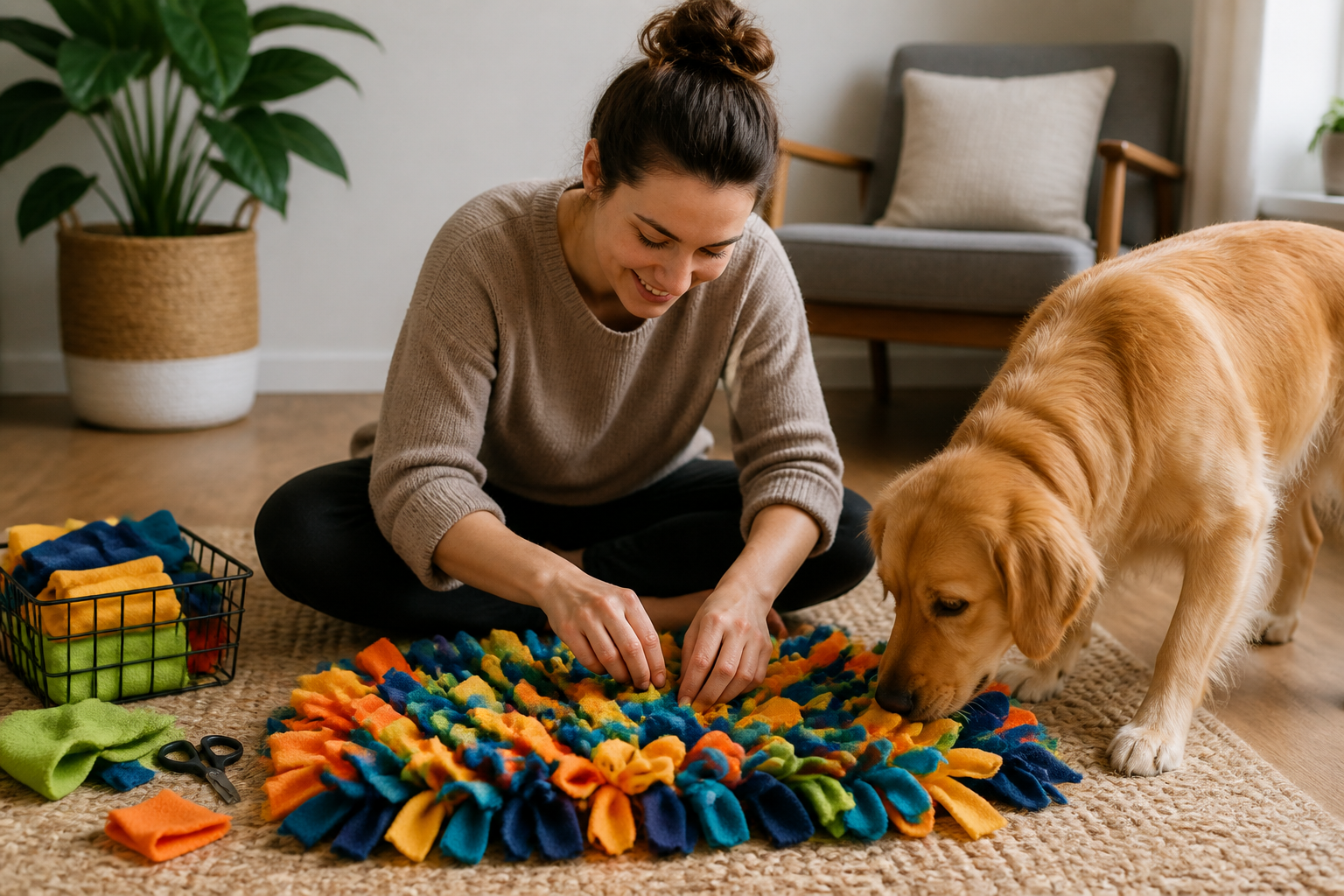
This is a great activity to do while watching a movie or listening to a podcast. It is repetitive but rewarding as you see the mat fill up.
Step 1: Start the First Row
Take your rubber mat and place it on a flat surface. Take one fleece strip and thread one end through the first hole. Thread the other end through the hole immediately next to it. Pull both ends up so they are even on the top side of the mat. Tie them into a single overhand knot. You do not need a double knot. Fleece is naturally "grippy" and will stay secure with just one tight tie.
Step 2: Fill the Horizontal Lines
Continue this process across the entire first row. Work your way through every hole in a straight line. Once the first row is finished, move to the second row. Repeat this until every horizontal pairing is tied. At this point, the mat will look a bit thin. You will still see the rubber base through the fabric. This is normal.
Step 3: Fill the Vertical Lines
Now you will repeat the process but in the vertical direction. Take a strip and thread it through the first hole in row one and the first hole in row two. Tie it just like before. This "cross-stitching" method is what creates the density. It fills in the gaps and makes the fleece strips stand up straight.
Step 4: The Diagonal Fill (Optional)
If your mat still looks a bit sparse, you can add strips diagonally. This is usually only necessary if your base mat has very large holes. Turn the mat over and look for any areas where the rubber is still clearly visible. A dense mat is better because it forces the dog to use their nose rather than just their eyes.
Vet Tip: If you are using a snuffle mat to help a dog lose weight, remember to deduct the calories of the treats used in the mat from their total daily food allowance. For dogs with chronic weight issues or specific dietary needs, we recommend talking to your veterinarian. Our pharmacy offers a range of prescription diets through our partnership with Pet's Choice that can be used effectively with enrichment tools.
Introducing the Mat to Your Dog
The first time you give the mat to your dog, you want them to succeed quickly. This builds their confidence and teaches them how the game works. If you make it too hard immediately, some dogs might get frustrated and try to chew or shake the mat instead of sniffing.
Start by placing the mat on the floor without any food. Let your dog sniff the new object. Once they are curious, sprinkle a few high-value treats directly on top of the fleece. Do not hide them yet. Let your dog eat these visible treats. Use a verbal cue like "Find it" or "Search." This associates the command with the rewarding activity.
After they finish the visible treats, take the dog out of the room or have them sit and stay. This time, tuck a few treats halfway down into the strips. Let the dog back in to find them. Gradually, you can start pushing the treats all the way to the bottom. For an advanced challenge, you can even ruffle the fleece strips to bury the food deep within the mat.
Best Treats and Foods to Use
Not all treats are suitable for a snuffle mat. You want to avoid anything wet, sticky, or crumbly. These will make the mat messy and difficult to clean. Dry, hard treats are the best option. You can browse our dog treats collection for options suited to your dog's preferences.
Many owners use the mat to feed entire meals of dry kibble. This is especially helpful for dogs that eat too fast. Brands like Stella & Chewy's or The Honest Kitchen offer high-quality kibble and freeze-dried morsels that work perfectly. These items are small enough to fall deep into the fabric but sturdy enough that they do not turn into dust. You can also explore our selection of Stella & Chewy's products when looking for suitable food or treats.
If you are using treats for a training session, choose something with a strong scent. Freeze-dried liver or salmon treats are usually very motivating. The stronger the smell, the more your dog will be encouraged to use their nose.
Bottom line: Stick to dry, non-crumbly treats or kibble to keep the mat clean and provide a better sniffing experience.
Safety and Supervision
While snuffle mats are generally safe, they are not chew toys. You should always supervise your dog while they are using the mat. The goal is for them to sniff and forage. If you notice your dog starting to bite the fleece strips or try to tear the rubber base, gently interrupt them. Redirect them back to the sniffing behavior or take the mat away for a few minutes.
Some dogs get very excited and may try to pick the mat up and shake it to get the treats out. This defeats the purpose of the enrichment. If your dog does this, you can try using a heavier rubber mat as a base. Always put the mat away once the dog has found all the treats. This keeps the item "special" and prevents the dog from chewing on the fleece out of boredom.
If your dog happens to swallow a piece of fleece or rubber, contact your veterinarian immediately. Foreign body ingestion can be serious. Monitoring your pet during enrichment time is the best way to prevent accidents.
Cleaning and Maintenance
Because your dog is putting their nose and mouth on the mat, it will eventually get dirty. Saliva and food oils can build up over time. One of the best things about using fleece and a rubber sink mat is that the project is washable.
We recommend washing the mat once every week or two, depending on how often it is used. You can put the mat in a pillowcase or a laundry bag to protect the strips. Use a mild, pet-safe detergent and run it on a gentle cycle with cold water. Do not use fabric softener, as the strong scent can be overwhelming for a dog's sensitive nose.
Avoid putting the mat in the dryer. The high heat can damage the rubber base or cause the fleece to lose its texture. Instead, shake it out and lay it flat to air dry. It may take a day to dry completely because of the density of the fabric. Having two mats allows you to rotate them while one is being cleaned.
Troubleshooting Common Issues
If your dog is not interested in the mat, you might need to use smellier treats. Some dogs are more motivated by scent than others. You can also try "loading" the mat in front of them so they see where the good stuff is going. This builds anticipation.
If the mat is sliding around too much, check the bottom of your sink mat. Some have small suction cups that work well on tile or wood floors. If yours does not, you can place the snuffle mat on a non-slip rug pad. This keeps the mat in one spot so the dog can focus on the search rather than chasing the toy across the room.
If your dog is finding the treats too quickly, you may need to add more fleece strips. A denser mat is always more challenging. You can also try using smaller pieces of food. The smaller the item, the harder it is to locate among the fabric.
DIY Snuffle Mat Maintenance Checklist
- Inspect the mat before every use for loose strips or torn rubber.
- Shake the mat out over a trash can after use to remove crumbs.
- Wash the mat every 10 to 14 days using a gentle, unscented detergent.
- Store the mat in a cupboard or high shelf when not in use to prevent chewing.
- Check your dog's teeth and gums regularly if they are frequent sniffers.
Moving Beyond the Snuffle Mat
Once your dog has mastered the snuffle mat, you can explore other types of enrichment. We carry a wide variety of dog toys for interactive play that challenge different skills. Some toys require the dog to slide panels, while others involve tipping or rolling an object to release a treat.
Rotating different types of toys keeps your dog's brain sharp. You might use the snuffle mat for breakfast and a Kong or puzzle toy for a mid-afternoon snack. This variety prevents boredom and helps reduce anxiety-based behaviors like chewing furniture or excessive barking. For more ideas, read our guide to dog boredom busters.
If you are managing a senior dog with mobility issues, these indoor games are invaluable. They provide the stimulation the dog craves without putting stress on aging joints. For dogs needing extra support, we also offer a variety of hip and joint supplements to keep them comfortable during their scent games.
Conclusion
Building a snuffle mat is a simple and inexpensive way to improve your dog's quality of life. It taps into their natural instincts and provides a healthy outlet for energy. By following our guide, you can create a durable tool that lasts for years. Remember to supervise your pet and keep the experience positive. Whether you are slowing down a fast eater or entertaining a bored puppy, this DIY project is a win for both you and your dog. For more enrichment ideas and high-quality treats to fill your new mat, explore our full collection of dog toys and supplies.
FAQ
Can I use a snuffle mat for a cat?
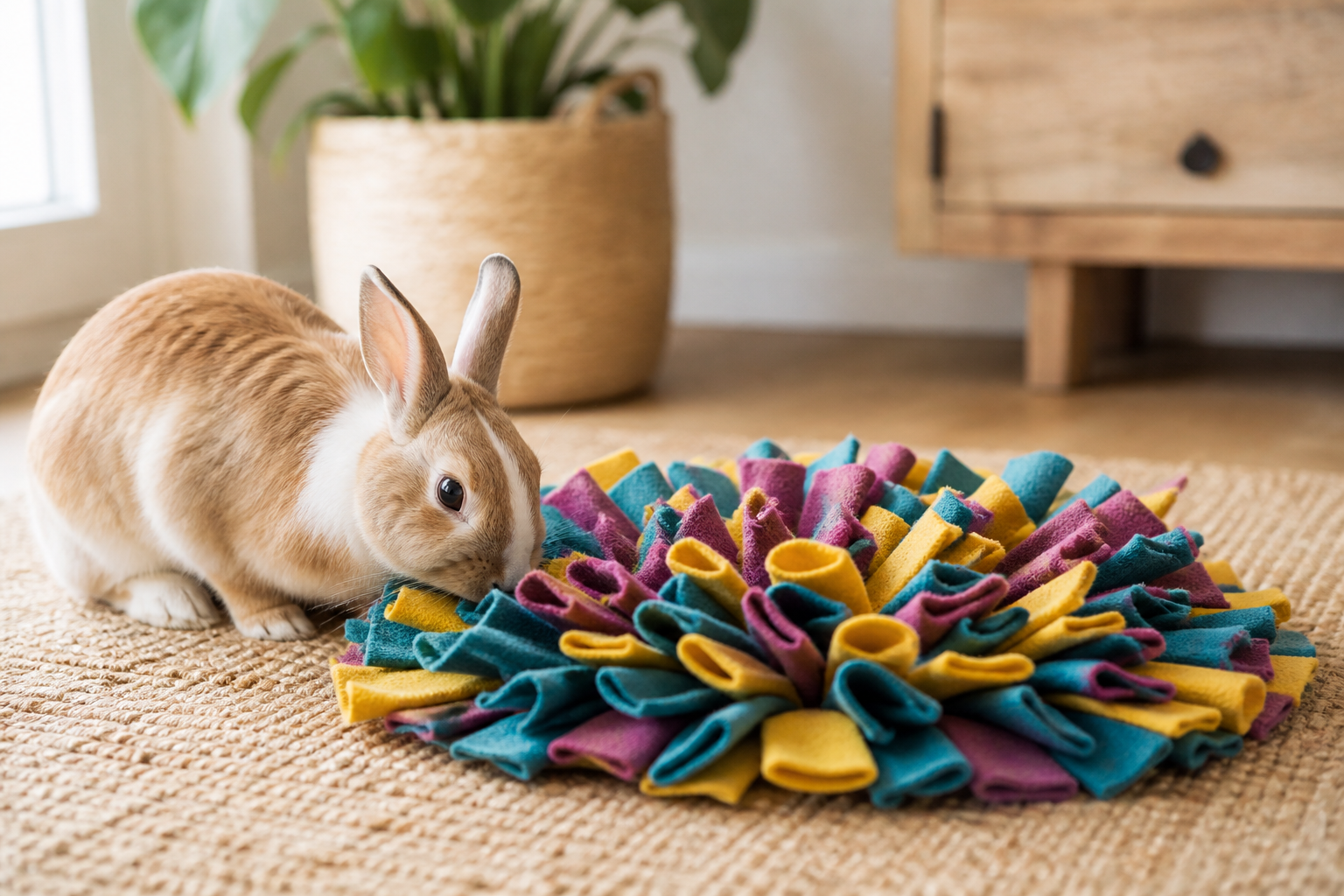
Yes, cats can benefit from snuffle mats just as much as dogs. Many cats enjoy foraging for dry kibble or specialized cat treats hidden in the fleece. It is a great way to provide indoor enrichment for cats that have a high prey drive or those that need to lose a little weight.
What should I do if my dog tries to rip the fleece out?
If your dog starts tugging on the strips, say a firm "No" and take the mat away for a few minutes. This teaches them that the fun stops when they use their teeth. Make sure you are using high-value treats so they stay focused on sniffing rather than destructive play.
How many strips of fleece do I really need?
For a standard 12 by 15 inch mat, you should aim for at least 200 to 250 strips. This sounds like a lot of cutting, but density is the key to a good mat. If the mat is too thin, the treats will just sit on the bottom and the dog will find them instantly without using their nose.
Is it safe to leave my dog alone with a snuffle mat?
We do not recommend leaving your dog unsupervised with any fabric-based toy. While fleece is durable, a determined chewer can still rip it off and swallow it. Always put the mat away once the treats are gone to ensure it remains a safe and special activity for your pet.