
 Save 15% on your 1st Autoship learn more

 Email us
 Live Chat
 FAQs





Introduction
You are relaxing on the sofa with your cat when you notice small white flakes scattered across their dark fur. It looks like a dusting of powdered sugar. You try to brush it away, but more flakes appear the next day. This is a common sight for many pet owners. At BaxterBoo, we know that cat dandruff is more than just a grooming nuisance. It is often a signal that your cat needs a change in their environment or diet. This post covers the specific steps you can take to stop these flakes before they start. We will look at grooming habits, nutritional choices, and home adjustments. Our goal is to help you keep your cat’s skin hydrated and their coat shining.
Quick Answer: Preventing cat dandruff requires a mix of regular brushing, high moisture diets, and proper humidity. If flakes are accompanied by redness or hair loss, you should consult your veterinarian. They can rule out underlying health issues like parasites or allergies.
Understanding the Difference Between Dander and Dandruff
Before you can prevent the problem, you must know what you are looking at. Many people use the terms dander and dandruff interchangeably. They are actually two different things.
Dander is a normal part of a healthy cat's life. It consists of microscopic skin cells that shed naturally. Every cat produces dander. You usually cannot see it with the naked eye. It is the protein in this dander that often triggers allergies in humans.
Dandruff is different. It is made of larger, visible flakes. These flakes are dead skin cells that have clumped together. They often appear when the skin is too dry or too oily. While dander is healthy, dandruff is a sign of an imbalance.
| Feature | Cat Dander | Cat Dandruff |
|---|---|---|
| Visibility | Microscopic (Invisible) | Visible white or gray flakes |
| Texture | Fine and powdery | Larger clumps or scales |
| Health Status | Normal and healthy | Indicates skin irritation or dryness |
| Location | Throughout the home | Primarily on the cat's fur and bedding |
Cat Skin & Coat Care








Environmental Factors That Cause Dry Skin
Your home environment plays a massive role in skin health. During the winter months, indoor heating strips moisture from the air. This dry air pulls moisture from your cat's skin. This often leads to seasonal dandruff.
Low humidity is the most common environmental trigger. You can help by using a humidifier in the rooms where your cat spends the most time. Aim for a humidity level between 40 and 50 percent. This keeps the skin barrier intact.
Stress is another factor that many owners overlook. Cats are sensitive to changes in their routine. Anxiety can lead to a flare-up of skin issues. When a cat is stressed, their body may produce more oil or shed skin cells faster. Keeping a calm environment is a practical way to support skin health.
Key Takeaway: Environmental moisture is just as important as internal hydration. Use a humidifier during winter to prevent the air from drying out your cat’s skin.
The Role of Nutrition in Skin Health
What your cat eats shows up on their coat. The skin is the largest organ in a cat's body. It requires specific nutrients to stay supple and flake-free.
Essential Fatty Acids
Omega-3 and Omega-6 fatty acids are vital. These fats help maintain the skin's natural moisture barrier. Most high quality cat foods include these, but some cats need a boost. Look for fish-based recipes or supplements from brands like Zesty Paws or Honest Paws. These can help reduce inflammation and keep the skin hydrated. Explore our cat healthcare collection for skin and coat support products.
Moisture and Hydration
Cats have a low thirst drive. In the wild, they get most of their water from their prey. A diet consisting only of dry kibble can leave a cat mildly dehydrated. This dehydration often manifests as dry, flaky skin.
To prevent this, try adding wet food to their daily routine. Brands like Tiki Cat wet food or Fussie Cat offer high moisture options that cats love. You can also use a water fountain instead of a still bowl. Many cats prefer running water and will drink more often from a fountain.
Identifying Food Allergies
Sometimes dandruff is an allergic reaction. If your cat has itchy skin along with flakes, they might be sensitive to an ingredient in their food. This usually requires a conversation with your vet. Our pharmacy carries prescription diets for cats with severe skin sensitivities. You can review our cat pharmacy when your veterinarian recommends a prescription diet.
Grooming Rituals for Flake Prevention
Regular grooming is the best way to manage skin oils. When a cat grooms themselves, they spread natural oils across their fur. If they cannot groom properly, or if they need extra help, dandruff can build up.
Brushing Techniques
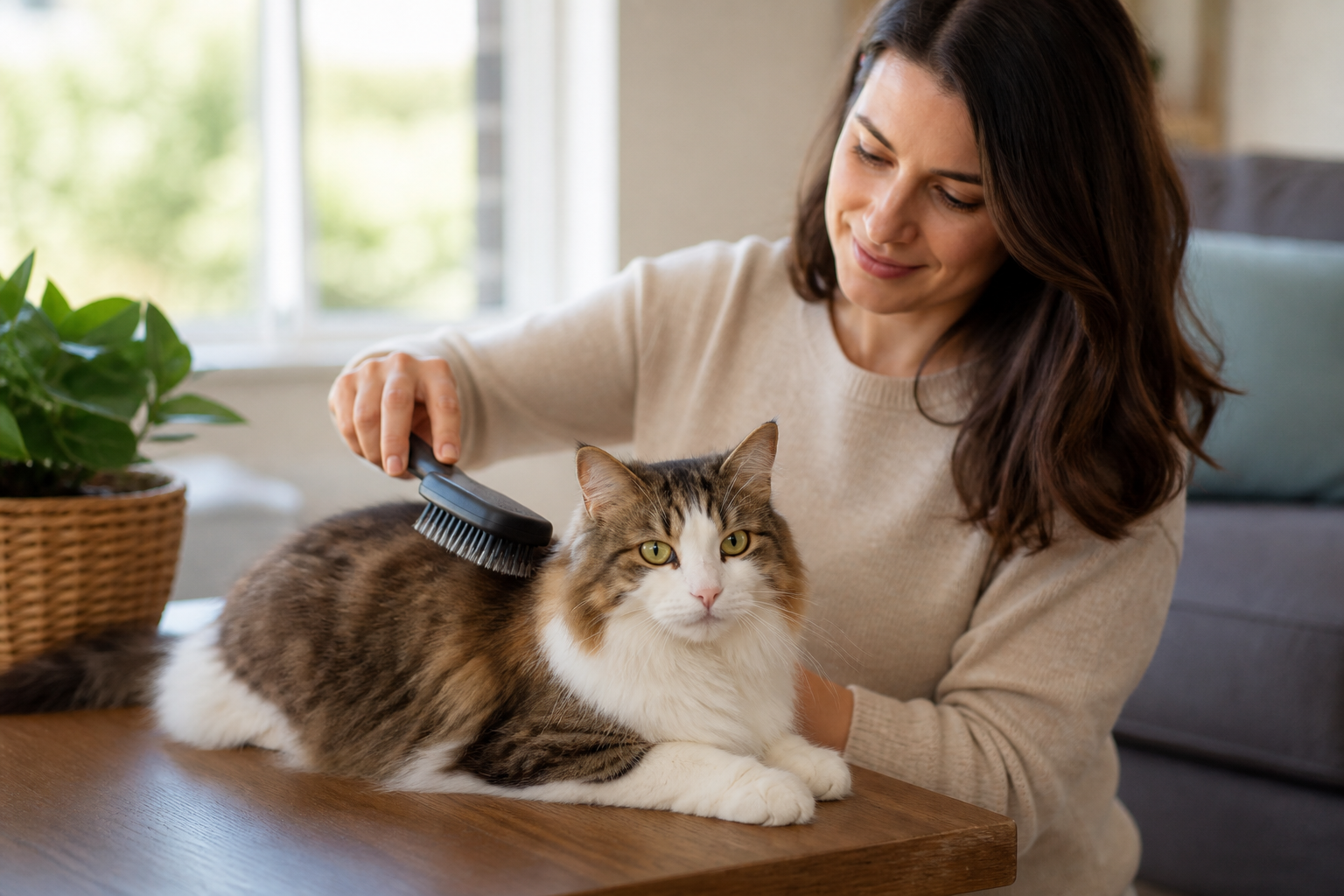
You should brush your cat at least two to three times a week. For long-haired cats, daily brushing is better. This removes dead hair and loose skin cells before they can clump into dandruff. It also stimulates blood flow to the skin surface.
Use a brush that matches your cat's coat type. A soft slicker brush or a grooming glove is excellent for short-haired cats. Long-haired cats may need a stainless steel comb to get through the undercoat. Brands like RC Pets offer durable grooming tools that make the process easier. Browse our cat grooming supplies for brushes, combs, and coat-care products.
Should You Bathe Your Cat?
Most cats do not need regular baths. In fact, bathing them too often can strip away necessary oils and make dandruff worse. If your cat is particularly dirty or oily, use a moisturizing shampoo. Look for ingredients like oatmeal or aloe vera. Always choose a formula specifically made for cats. Human shampoos have a different pH level and can cause severe irritation.
Waterless Shampoo Options
If your cat hates water, consider a waterless foam shampoo. You apply the foam to their coat and towel it off. This helps clean the fur and hydrate the skin without the stress of a full bath. It is a great middle ground for preventing flakes in nervous cats.
Step 1: Choose a calm time. Wait until your cat is relaxed or sleepy.
Step 2: Brush first. Remove any mats or loose fur before applying products.
Step 3: Apply foam. Use a small amount of waterless shampoo and massage it into the skin.
Step 4: Wipe down. Use a soft towel to remove excess moisture and debris.
For more gentle grooming ideas, read how to care for your cat’s whiskers during grooming.
Weight Management and Mobility
Obesity is a leading cause of dandruff in cats. If a cat is overweight, they simply cannot reach certain parts of their body. You will often see dandruff concentrated at the base of the tail or along the lower back. This is because the cat cannot physically turn around to groom those spots.
As cats age, arthritis can also play a role. Joint pain makes the contortions of grooming difficult. If you notice your senior cat has more flakes on their back, they may be struggling with mobility.
Vet Tip: If your cat has stopped grooming their back or tail, check their weight and joint health. Obesity and arthritis often prevent cats from reaching these areas. Your vet may recommend a weight management plan or joint supplements like Cosequin to help them stay mobile.
For cats who need to lose weight, we offer specialized foods like Farmina Vet Life feline diets through our pharmacy. Managing their weight allows them to return to their normal grooming habits. This is often the simplest way to clear up stubborn flakes on the lower back.
Parasite Control and Skin Health
External parasites are a common cause of skin irritation. Fleas and mites can cause a condition known as miliary dermatitis. This results in small crusts and dandruff-like flakes.
One specific parasite is even nicknamed walking dandruff. These are Cheyletiella mites. They are white and move across the skin, making the flakes appear to move. This requires medical treatment from a veterinarian.
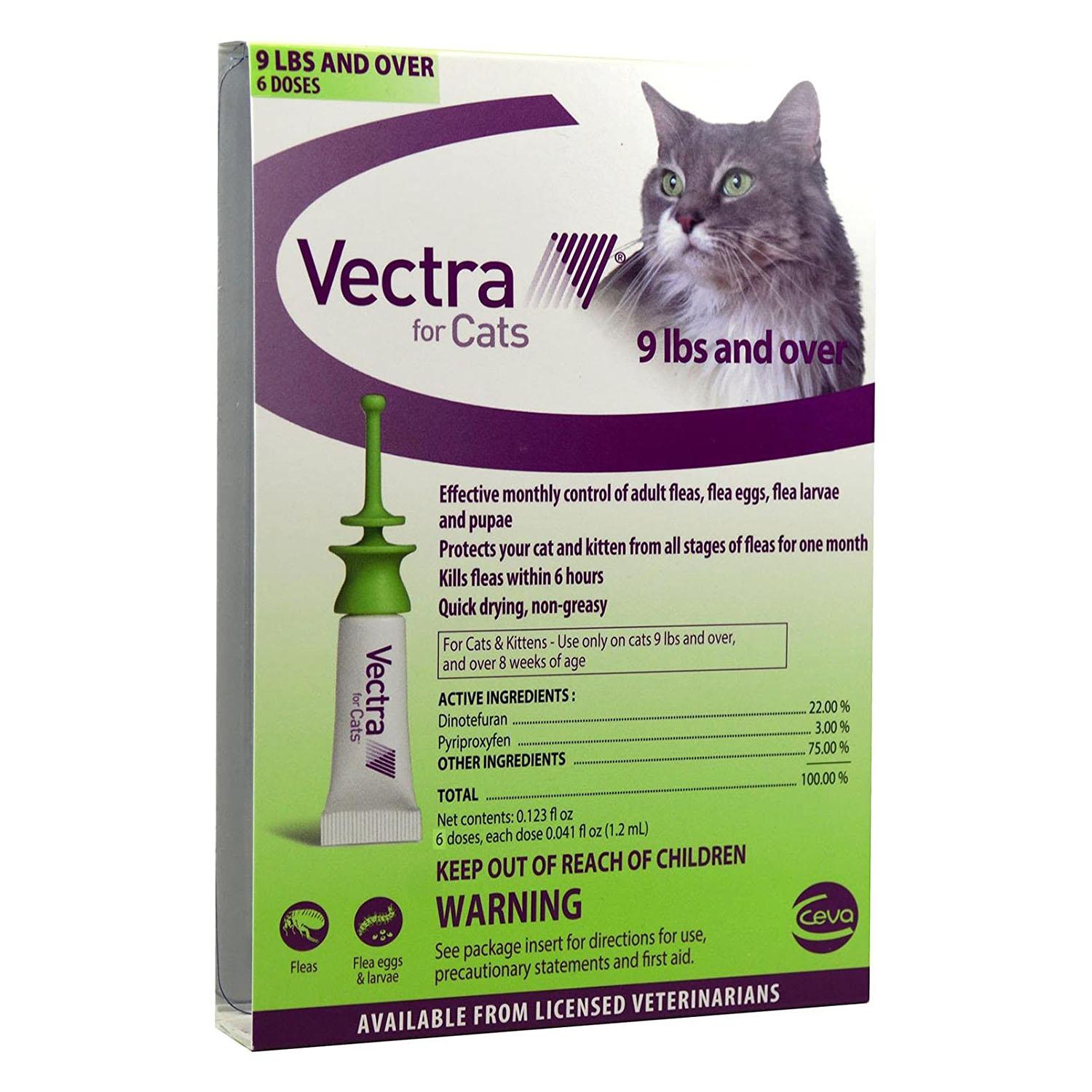
The best prevention is a consistent flea and tick routine. Even indoor cats can get fleas from other pets or from your clothing. We carry trusted brands like Frontline and NexGard. Our pharmacy ensures you have access to appropriate preventives for your cat. See our cat flea and tick collection for available options.
Bottom line: Consistent parasite prevention protects the skin barrier from inflammatory bites and infestations.
For additional guidance, read how flea collars work and support parasite prevention.
When to Consult Your Veterinarian
While a few flakes are usually fine, some symptoms require a professional opinion. You should not try to treat severe skin issues at home without a diagnosis.
Schedule a vet visit if you notice:
- Red, inflamed, or bloody skin under the flakes
- Large patches of hair loss
- Constant scratching or biting at the skin
- A foul odor coming from the fur
- Lethargy or changes in appetite
A vet can perform a skin scraping to look for mites or fungal infections like ringworm. They can also run blood tests to check for underlying issues. Conditions like hyperthyroidism or diabetes can sometimes affect coat quality. Finding the root cause is the only way to ensure the dandruff does not return.
Creating a Prevention Checklist
Keeping your cat flake-free is about consistency. You can use this checklist to stay on top of their skin health:
- Brush short-haired cats twice a week and long-haired cats daily.
- Monitor your home's humidity and use a humidifier if the air feels dry.
- Check the base of the tail for flakes, which may indicate weight or mobility issues.
- Provide a mix of wet and dry food to ensure high hydration levels.
- Stay current on flea and tick preventives every single month.
- Watch for signs of over-grooming or stress-related licking.
Conclusion
Preventing cat dandruff is a journey that involves diet, grooming, and environment. By keeping the air moist and the diet rich in fatty acids, you provide the building blocks for a healthy coat. Regular brushing sessions not only remove flakes but also strengthen the bond between you and your pet. Remember that a sudden increase in dandruff is often a signal to check in with a professional. Our pharmacy at BaxterBoo is here to support you if your vet prescribes a medicated treatment or a prescription diet. Whether you are looking for a new slicker brush or starting a hydration routine with wet food, small changes make a big difference for your cat's comfort. Sign up for our Autoship programme to help ensure you never run out of the skin-supporting foods and supplements your cat needs.
FAQ
Can I use human dandruff shampoo on my cat?
No, you should never use human products on your cat. Human shampoos have a pH level designed for human skin, which is much more acidic than a cat's skin. Using these products can strip away natural oils and cause severe irritation or chemical burns. Always use a formula specifically labeled for felines.
Why does my cat only have dandruff on their lower back?
Dandruff on the lower back is often a sign that a cat cannot reach that area to groom. This is very common in cats that are overweight or those suffering from arthritis. If your cat cannot reach the base of their tail, dead skin cells and oils will build up. Helping them with regular brushing and managing their weight can solve this issue.
Will switching to wet food help with my cat's dry skin?
Yes, increasing moisture in the diet is one of the most effective ways to prevent dry skin. Many cats live in a state of mild dehydration because they do not drink enough water from a bowl. Wet food provides the hydration they need to keep their skin cells plump and healthy. This helps the skin maintain its natural barrier against flakes.
Is cat dandruff contagious to humans or other pets?
Simple dandruff caused by dry skin or poor grooming is not contagious. However, if the flakes are caused by parasites like Cheyletiella mites or fungal infections like ringworm, these can spread to other pets and even humans. If you see moving flakes or circular patches of hair loss, keep your pets separated and see a vet immediately.






- Site & Contents BaxterBoo.com. BaxterBoo is located in the United States.
- Privacy & Security
- Terms of Use
- Accessibility Statement
