
 Save 15% on your 1st Autoship learn more

 Email us
 Live Chat
 FAQs
FAQs





Introduction
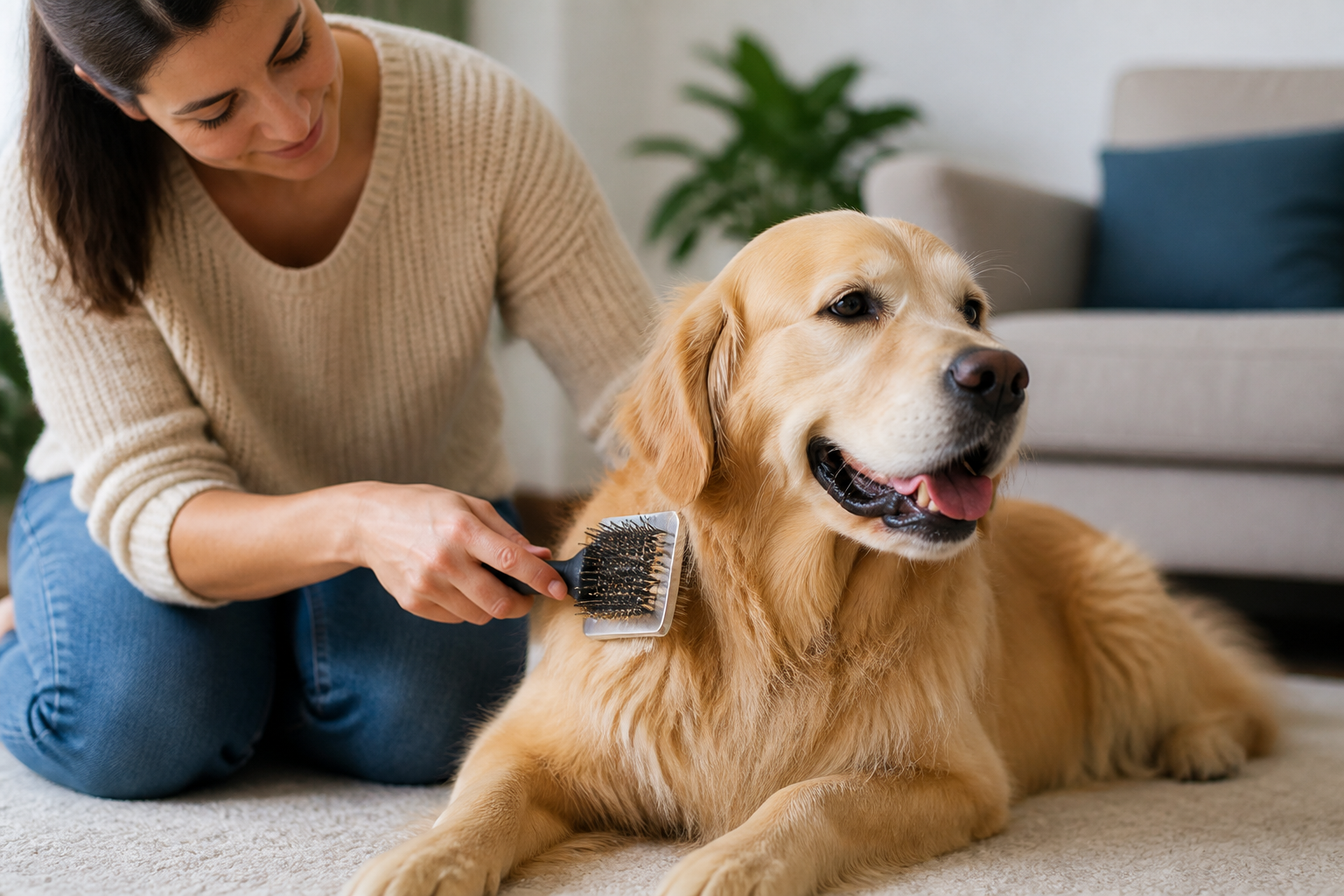
You are sitting on the rug with your dog when your fingers catch a hard, tight clump of fur behind their ear. These mats often seem to appear overnight, even if you feel like you are brushing regularly. At BaxterBoo, we hear from pet owners every day who want to keep their dogs comfortable but struggle with tangles and shedding. Learning how to properly brush a dog is about more than just aesthetics. It is a vital part of health care that prevents skin irritation and allows you to spot medical issues early. This guide will walk you through the specific tools and techniques needed for every coat type. Whether you have a short-haired Boxer or a fluffy Goldendoodle, the right approach makes all the difference for your pet.
Why Regular Brushing Is Essential
Many people view brushing as a chore meant to keep the house clean. While reducing the amount of fur on your sofa is a great perk, the biological benefits for your dog are even more important. Brushing acts like a massage that stimulates blood flow to the skin. This encourages the production of natural oils. As you brush, you distribute those oils along the hair shaft, which gives the coat a healthy shine and provides a natural barrier against moisture.
Brushing also helps you monitor your dog’s health. It is the best time to check for unusual lumps, skin redness, or parasites like fleas and ticks. If you notice persistent skin issues or signs of an allergic reaction during your grooming sessions, our dog pharmacy offers a range of FDA-approved treatments. Through our partnership with Pet's Choice, we provide prescription medications and medicated shampoos that can help manage chronic skin conditions.
Key Takeaway: Brushing is a health check as much as a beauty routine. It distributes oils, prevents painful mats, and gives you a chance to inspect the skin for any abnormalities.
Choosing the Right Tools for the Job
You cannot use the same brush for a German Shepherd that you use for a Yorkie. Using the wrong tool can be ineffective at best and painful for your dog at worst. We carry over 500 trusted brands to ensure you have exactly what you need for your specific breed. Browse our dog brushes and combs to compare tools for different coat types.
The Slicker Brush
This is the most versatile tool in your kit. It features fine, short wires placed close together on a flat or curved surface. It is ideal for removing mats and tangles in medium to long-haired dogs. Brands like Safari and Evolution make high-quality slicker brushes that are staples in professional grooming shops.
The Pin Brush
A pin brush looks similar to a human hairbrush. It has tipped metal pins that are usually spaced further apart. This is best for dogs with long, silky coats like Setters or Maltese. It helps finish the coat and provides a gentle touch for pets with sensitive skin.
Rubber Brushes and Curry Combs
If your dog has short, smooth hair, a rubber brush like the Kong ZoomGroom is your best friend. These tools act like a magnet for loose fur while the rubber nubs provide a deep massage. They are also excellent for use during bath time to work shampoo down to the skin.
Undercoat Rakes and Deshedding Tools
For double-coated breeds that "blow" their coat twice a year, an undercoat rake is necessary. These tools reach through the topcoat to pull out the dead, fuzzy hair underneath. The FURminator is a popular choice for this task. It can significantly reduce the amount of hair in your home when used correctly.
Vet Tip: If your dog has extremely sensitive skin or a history of allergies, consult your veterinarian before using heavy deshedding tools. Some skin types are prone to "brush burn" if the tool is used too vigorously.
Understanding Your Dog's Coat Type
The first step in learning how to properly brush a dog is identifying what kind of fur they have. Dogs have evolved various coat types to handle different climates and jobs.
Short and Smooth Coats
Breeds like Boxers, Great Danes, and Doberman Pinschers have it relatively easy. Their hair stays close to the body and does not mat. However, they still shed. Use a rubber curry brush once a week in a circular motion to loosen dead hair. Follow up with a soft bristle brush to polish the coat and remove any lingering debris.
Short to Medium Double Coats
Labrador Retrievers and Pugs might have short hair, but they have a lot of it. They possess a soft undercoat for insulation and a coarser topcoat for protection. These dogs require brushing at least twice a week. During the spring and fall shedding seasons, you may need to brush them daily to keep up with the volume of falling fur.
Long Double Coats
Golden Retrievers, Huskies, and Pomeranians fall into this category. These coats are prone to heavy matting, especially in high-friction areas like the armpits and behind the ears. You will need a slicker brush and a metal comb to keep these coats in check.
Curly and Wavy Coats
Poodles and Doodles have hair that grows continuously rather than shedding out. This means dead hair gets trapped in the curls, leading to instant matting. These dogs require daily brushing down to the skin. If you can only see the top of the coat, your dog is likely matted underneath. For more guidance, read about grooming a dog with curly hair.
Quick Answer: The best way to brush a dog depends on their coat type. Short coats need rubber brushes, double coats need rakes, and curly coats require daily slicker brushing and combing to prevent mats.
The Line Brushing Technique
Most pet owners make the mistake of only brushing the very top layer of the fur. This leaves the hair near the skin to tangle and felt. Professionals use a method called "line brushing" to ensure every inch is covered.
Step 1: Start at the bottom of a leg or the base of the tail. Use one hand to push the hair up, exposing a "line" of skin.
Step 2: Use your brush in the other hand to brush the hair downward away from the skin.
Step 3: Gradually move your hand up an inch at a time, creating a new line of skin and brushing that section down.
Step 4: Once a section is brushed, run a metal Greyhound comb through it. If the comb catches, go back with the brush.
Bottom line: If a metal comb cannot pass smoothly from the skin to the ends of the hair, the dog is not fully brushed.
Handling Mats and Tangles Safely
Mats are more than just a nuisance. They pull on the skin every time your dog moves, which can cause bruising and open sores. If you find a mat, do not reach for the kitchen scissors. A dog's skin is incredibly thin and can easily be pulled into the mat. Cutting a mat often leads to an accidental trip to the emergency vet for stitches.
If the mat is small, apply a detangling spray or a little bit of cornstarch to help the hair fibers slide apart. Use the end tooth of a metal comb to slowly pick the mat apart from the outside in. For large, tight mats that are close to the skin, the most humane option is often to have a professional groomer shave them. A tool such as the Master Grooming Tools Coat Mat and Tangle Splitter may help with appropriate grooming jobs.
If the skin underneath a mat looks red, raw, or appears to have a rash, it may be infected. This is a common occurrence because mats trap moisture and bacteria against the skin. You should contact your veterinarian if you notice any foul odors or discharge. Our pharmacy carries prescription skin treatments that can address these infections once a vet has made a diagnosis.
Brushing and the Bathing Routine
A common mistake is bathing a dog before brushing them. Water acts like a glue for mats. If your dog has tangles and you get them wet, those tangles will shrink and tighten as they dry. This can turn a manageable knot into a solid "felted" mass that must be shaved.
Always follow this order:
- Brush and comb the dog thoroughly to remove all loose hair and tangles.
- Bathe the dog using a high-quality shampoo.
- Dry the dog completely.
- Brush the dog one more time to fluff the coat and remove any hair loosened by the bathing process.
If your dog has a persistent odor even after a bath, the issue might be deeper than just dirty fur. Check their ears and teeth for signs of infection. You can also talk to your vet about specialized diets. We carry premium brands like Farmina Vet Life and Royal Canin that offer prescription formulas for dogs with skin and coat sensitivities.
Training Your Dog to Enjoy Brushing
Not every dog loves being groomed. If your dog hides when they see the brush, you need to change their association with the activity. Start by letting them sniff the brush and giving them a high-value treat.
Keep your initial sessions very short. You do not have to brush the whole dog in one sitting. Spend five minutes on one leg, then stop while the experience is still positive. Use plenty of rewards and praise. For dogs that are particularly anxious, consider using calming supplements or pheromone sprays. We carry a wide selection of anxiety and calming products, including brands like Zesty Paws and Honest Paws, to help make grooming a relaxing experience.
Seasonal Grooming Needs
In the United States, most dogs experience significant coat changes in the spring and fall. As the daylight hours change, their bodies prepare for the coming weather. In the spring, they drop their heavy winter undercoat. This is often called "blowing coat," and it can result in tufts of fur hanging off your dog.
During these times, you should increase your brushing frequency. Removing the dead undercoat allows the skin to breathe and helps the dog stay cool as temperatures rise. In the winter, regular brushing is equally important. Snow and salt can get trapped in long leg hair and between toes, leading to ice balls and irritation.
Caring for Senior Dogs During Grooming
As dogs age, they may develop arthritis or cognitive decline that makes standing for long grooming sessions difficult. If you have a senior dog, be mindful of their comfort. You might need to brush them while they are lying down on a supportive orthopedic bed.
Be extra gentle around joints and thinning skin. Senior dogs are also more prone to developing fatty lipomas or skin tags. Always feel the skin carefully as you brush so you do not accidentally catch a new growth with the teeth of the brush. If your senior dog is struggling with mobility, we offer a variety of hip and joint supplements, like Cosequin, to help keep them comfortable.
The Role of Nutrition in Coat Health
You can brush every day, but if your dog is not getting the right nutrients, their coat will still look dull and brittle. High-quality proteins and Omega-3 and Omega-6 fatty acids are the building blocks of healthy fur.
Look for foods that list a specific animal protein as the first ingredient. Brands like Acana, Orijen, and Stella and Chewy's focus on nutrient-dense ingredients that support skin health from the inside out. If you notice excessive shedding or a dry, flaky coat despite good grooming habits, consult your veterinarian to see if a change in diet or a specific supplement is needed.
When to Seek Professional Help
While home brushing is essential, there are times when a professional is necessary. If your dog is severely matted, extremely aggressive during grooming, or has medical needs that make grooming dangerous, a professional groomer has the equipment and training to handle the situation safely.
Groomers can also perform tasks that are difficult for owners, such as expressing anal glands or safely trimming hair around the eyes and paw pads. Regular professional visits combined with your at-home brushing routine will keep your dog in peak condition.
Managing Shedding Around the House
Even with perfect brushing, you will still find some hair around your home. To minimize the impact, use the right tools for your furniture and clothing. Rubber squeegees or specialized pet hair rakes work wonders on carpets and upholstery.
Keep your dog's bedding clean by washing it weekly. This prevents the buildup of dander and loose fur that can irritate your dog's skin and your own allergies. If you use our Autoship programme for your dog’s food and flea prevention, you can also add grooming supplies and cleaning products to your recurring order so you never run out.
Checking for Parasites
Brushing is your primary defense against flea and tick infestations. As you move the hair aside, look for "flea dirt," which looks like small specks of black pepper. If these specks turn red when placed on a wet paper towel, your dog has fleas.
Check carefully around the neck, the base of the tail, and the armpits for ticks. If you find parasites, it is important to treat the dog and the environment immediately. Our pharmacy offers a variety of FDA-approved flea and tick preventives, including NexGard and Frontline. These can be delivered directly to your door, ensuring your dog stays protected year-round.
Vet Tip: If you find a tick that is already attached, use a tick removal tool to pull it out straight and steady. Do not use matches or petroleum jelly. If your dog develops a fever or lethargy after a tick bite, see your vet immediately.
Summary of Brushing Best Practices
Proper grooming takes time, but it is one of the most important things you can do for your pet. By choosing the right tools and staying consistent, you can prevent discomfort and catch health issues before they become serious.
- Match the brush to your dog's coat type.
- Always brush before giving a bath.
- Use the line brushing technique to reach the skin.
- Never use scissors to cut out mats.
- Make the experience positive with high-value treats.
- Increase brushing during seasonal changes.
At BaxterBoo, we have been helping pet owners since 2006. We take pride in handpicking products that truly benefit your animals. From the best slicker brushes to prescription skin care in our pharmacy, we are here to support your grooming journey.
Key Takeaway: Consistency is more important than the length of the grooming session. Brushing for ten minutes three times a week is much more effective than one long session once a month.
Conclusion
Mastering the art of brushing your dog is a fundamental part of being a great pet owner. It keeps their coat shiny, their skin healthy, and their stress levels low. By understanding your dog's specific needs and using the correct tools like those found at BaxterBoo, you turn a routine chore into a bonding experience. Remember to keep sessions light and rewarding, and always check the skin for any signs of trouble. If you do find skin irritation or need a more powerful flea preventive, remember that our pharmacy is a great resource for FDA-approved medications through our Pet's Choice partnership. Your dog relies on you for their comfort, and a well-brushed coat is the first step toward a happy, healthy life. To get started with the right equipment, browse our dog grooming supplies or check out our full selection of grooming tools today.
FAQ
How often should I brush my dog?
The frequency depends on your dog's coat type and lifestyle. Smooth-coated dogs like Boxers only need a weekly brushing, while curly-coated breeds like Poodles or Doodles require daily attention to prevent mats. If your dog spends a lot of time outdoors or is currently in a heavy shedding season, you should increase your brushing schedule accordingly.
Can I brush my dog's hair when it is wet?
It is generally best to brush your dog when their coat is dry. Brushing wet hair can cause it to stretch and break, and water often causes existing mats to tighten and become impossible to remove. Always thoroughly brush and detangle your dog before they get into the bathtub to ensure the best results.
What should I do if my dog has a very tight mat?
Never try to cut a tight mat out with scissors, as you risk slicing the dog's thin skin. Instead, try to gently pick it apart using a metal comb and a detangling spray. If the mat is solid and close to the skin, it is safest to have a professional groomer remove it with electric clippers to avoid injury.
My dog hates being brushed, how can I make it easier?
Start with very short sessions and use high-value treats to create a positive association with the brush. Let your dog sniff the tools first, and only brush for a minute or two before stopping and giving a reward. Gradually increase the time as your dog becomes more comfortable, and always remain calm and patient during the process.






