
 Save 15% on your 1st Autoship learn more

 Email us
 Live Chat
 FAQs
FAQs





Introduction
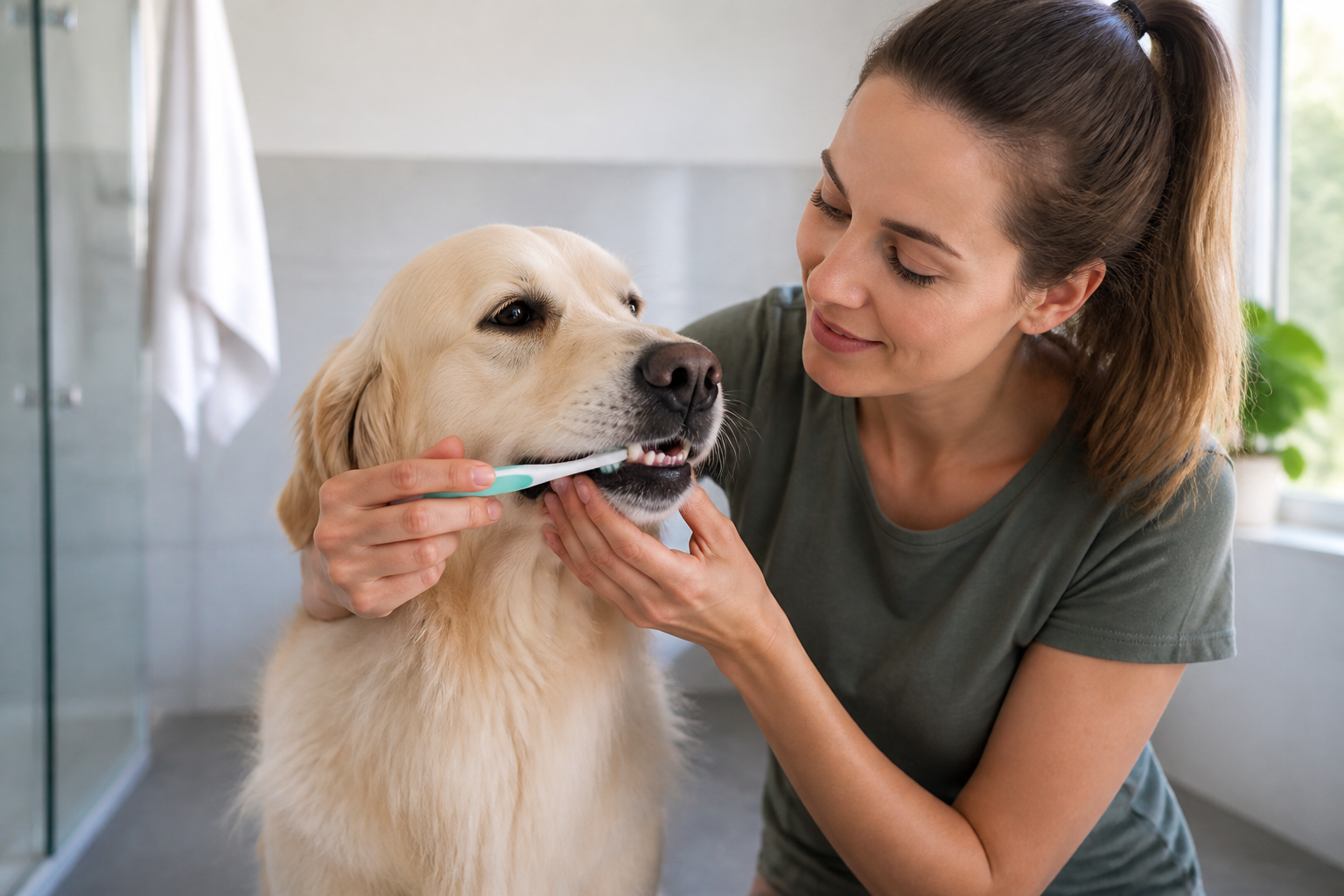
You are sitting on the couch after a long day when your dog jumps up to give you a big, sloppy greeting. Instead of a happy moment, you are met with a breath so strong it makes you pull away. This is a common experience for many pet owners. While we often focus on coat care or exercise, dental health is a part of grooming that frequently gets pushed to the side. At BaxterBoo, we know that a clean mouth is about much more than just fresh breath. It is a vital part of your dog's overall longevity and comfort. This guide will walk you through the tools, techniques, and routines needed to maintain your dog's pearly whites. By the end, you will feel confident managing your pet's oral care at home.
Quick Answer: Proper dental cleaning requires using a dog-specific toothbrush and enzymatic toothpaste at least three times per week. Focus on the outer surfaces of the teeth near the gumline where plaque builds up fastest.
Why Dog Dental Health Cannot Be Ignored
Many owners assume that "dog breath" is just a natural part of being a canine. In reality, persistent bad breath is often the first sign of dental disease. Statistics show that nearly 80 percent of dogs show signs of oral health issues by the age of three. This starts with plaque, which is a soft film of bacteria that forms on the teeth after eating.
If plaque is not removed, it combines with minerals in the saliva to become tartar. Tartar is a hard, brown substance that sticks firmly to the tooth enamel. You cannot brush tartar away at home. Once it forms, it requires a professional cleaning by a veterinarian. This buildup leads to gingivitis, which is inflammation of the gums. If left alone, it can progress to periodontal disease. This stage involves the loss of bone and tissue supporting the teeth.
Beyond the mouth, dental health impacts the entire body. Bacteria from infected gums can enter the bloodstream. From there, it can travel to the heart, liver, and kidneys, causing serious internal damage. Keeping the mouth clean is one of the easiest ways to protect your pet's internal organs.
Key Takeaway: Oral health is a full-body concern. Preventing tartar buildup at home protects your dog from painful infections and potential organ damage.
Essential Tools for the Job
You should never use human products on your pet. Human toothpaste often contains fluoride or xylitol. Xylitol is an artificial sweetener that is highly toxic to dogs, even in small amounts. It can cause a dangerous drop in blood sugar and liver failure. Human toothpaste also foams, which can upset a dog's stomach since they do not know how to spit.
Choosing the Right Toothbrush
There are several types of brushes designed specifically for a dog's mouth. The right one for you depends on your dog's size and comfort level. For more options, explore our dog dental care category.
- Finger Brushes: These are small silicone or rubber caps that slip over your pointer finger. They are excellent for puppies or dogs that are nervous about long objects in their mouth.
- Dual-Headed Brushes: These have a long handle with a large brush on one end and a small brush on the other. They allow you to reach back molars easily.
- 360-Degree Brushes: These have bristles all the way around the head. They are helpful for dogs that move their heads a lot during the process.
Selecting Pet Toothpaste
Pet toothpastes are usually enzymatic. This means they contain enzymes that help break down plaque chemically even after you stop brushing. They come in flavors that dogs actually enjoy, such as poultry, beef, or peanut butter. At BaxterBoo, we carry a wide selection of these pastes to make the experience a treat for your pet. If your dog loves the taste of the paste, they will be much more willing to participate in the routine. A ready-to-use option is the OxyFresh Pet Dental Kit, which includes gel toothpaste, a water additive, and finger brushes.
Step-By-Step Brushing Guide
Brushing a dog's teeth is a skill that takes time to master. Do not expect to do a full cleaning on the first day. The goal is to make the process positive so your dog does not hide when they see the toothbrush.
Step 1: Get them comfortable / Choose a quiet time when your dog is relaxed. Sit on the floor with them rather than standing over them. Gently rub your finger along their gums for a few seconds to get them used to having their mouth handled.
Step 2: The taste test / Put a small dab of the enzymatic toothpaste on your finger. Let your dog lick it off. This creates a positive association with the flavor.
Step 3: Introduce the brush / Put some toothpaste on the brush. Lift your dog's lip and gently touch the brush to their front teeth. Do not scrub yet. Just let them feel the texture of the bristles.
Step 4: The circular motion / Once they are calm, start brushing in small circles. Focus on the area where the tooth meets the gumline. This is where bacteria hide. You mostly need to focus on the outside of the teeth. A dog's tongue usually does a decent job of cleaning the inside surfaces.
Step 5: The reward / End every session with a lot of praise or a dental-friendly treat. Even if you only brushed two teeth, stop while the dog is still behaving well.
Vet Tip: If your dog has red, swollen, or bleeding gums, stop brushing and call your veterinarian. These are signs of advanced gingivitis or infection that may be painful to the touch. A professional assessment is necessary before starting a home routine.
Managing the Routine for Different Life Stages
A dog's dental needs change as they age. Starting early is the best way to prevent problems, but you can teach an old dog new tricks with enough patience.
Puppies
Puppies have very sharp baby teeth that eventually fall out. You should still start "brushing" now. You are not trying to prevent tartar yet. You are training them to accept having their mouth touched. By the time their adult teeth come in around six months of age, they should be pros at the routine.
Adult Dogs
This is the stage where consistency matters most. Aim to brush at least three times a week. Daily is the gold standard because plaque begins to harden into tartar within 24 to 48 hours. If you miss a few days, that plaque stays on the teeth and becomes much harder to remove.
Senior Dogs
Older dogs are more likely to have existing dental issues. They may have cracked teeth or sensitive spots. Be very gentle and watch for signs of pain, such as pulling away or whimpering. Seniors also need more frequent professional checkups. We often suggest dental exams every six months for older pets to catch problems before they become severe.
Supplements and Alternatives to Brushing
Some dogs simply will not tolerate a toothbrush. While brushing is the most effective method, there are other tools that can help keep the mouth clean. These are also great for use on the days you do not have time for a full brushing session.
Dental Wipes
These are textured pads treated with cleaning agents. You wrap the wipe around your finger and rub the surfaces of the teeth. They are less invasive than a brush and are great for removing soft plaque. TrueBlue Fast & Fresh Dog Dental Wipes are one option for a simpler cleaning routine.
Dental Chews and Toys
Specific treats are designed to scrape the teeth as the dog chews. Look for the Veterinary Oral Health Council (VOHC) seal on the packaging. This seal means the product has been tested and proven to reduce plaque or tartar. Rubber toys with nubs or ridges can also massage the gums and help clean the teeth during playtime. You can compare options in our dental chews collection, including Virbac C.E.T. Enzymatic Oral Hygiene Chews for Dogs.
Water Additives
These are liquids you add to your dog's water bowl. They contain enzymes or mild antiseptics that help reduce the bacterial load in the mouth. They are the easiest option for busy owners, though they are the least effective when used alone. Think of these as a mouthwash for dogs.
Key Takeaway: Wipes, chews, and water additives are helpful supplements, but they cannot replace the mechanical action of a toothbrush for removing plaque.
Signs Your Dog Needs a Professional Cleaning
Even with the best home care, most dogs will eventually need a professional cleaning. It is like how humans brush every day but still go to the dentist for a deep clean. You should monitor your dog's mouth weekly for any changes. For broader at-home grooming supplies, visit our dog grooming supplies.
- Discoloration: Yellow or brown deposits on the teeth near the gumline.
- Bad Breath: A strong, foul odor that does not go away.
- Change in Eating Habits: Dropping food, chewing on one side, or refusing dry kibble.
- Physical Signs: Pawing at the face, excessive drooling, or bleeding gums.
- Loose Teeth: Any movement in the teeth is a sign of advanced bone loss.
If you notice these signs, your vet may recommend a professional dental procedure. This usually involves anesthesia. Anesthesia allows the vet to take X-rays to see what is happening beneath the gumline. It also allows for scaling and polishing without causing stress or pain to the pet.
How the BaxterBoo Pharmacy Can Help
Sometimes, dental health requires more than just a toothbrush. If your dog is diagnosed with a mouth infection or severe gum disease, your vet might prescribe specialized medications. This could include antibiotics or medicated oral rinses.
Our pharmacy provides a convenient way to get these items delivered to your door. Through our partnership with Pet's Choice, we offer FDA-approved medications and prescription dental diets. These specialized foods are often shaped into larger, textured kibbles that act like a toothbrush as the dog eats. Since we cannot run ads for these products, our blog is the best place to learn about these pharmacy options. If your vet provides a prescription for dental health, we are here to help you fill it easily. Visit our pet pharmacy to explore the available options.
Note: Prescription dental diets and medications require a valid prescription from your veterinarian. Always follow your vet's specific instructions for treating oral infections or advanced disease.
Creating a Long-Term Dental Plan
Consistency is the most important part of "how to properly clean dogs teeth." It is better to brush for thirty seconds every other day than to do a ten-minute session once a month.
- Set a Trigger: Brush their teeth right after you brush yours, or right before their evening walk.
- Track Progress: Look for a reduction in redness and fresher breath over time.
- Stay Stocked: Keep your supplies in a visible place so you do not forget.
- Reward Yourself: Remember that every minute spent brushing is likely saving you money on future veterinary bills.
We are proud to be a hybrid retailer. You can visit our warehouse in Vernon Hills, Illinois, to see these products in person. Our staff can help you pick the right size brush or the most popular toothpaste flavor. If you prefer to shop from home, our website offers the same expert-curated selection.
Conclusion
Properly cleaning your dog's teeth is one of the best things you can do for their long-term health. It starts with the right tools, like a dog-safe brush and enzymatic paste. By introducing the routine slowly and staying consistent, you can prevent the pain and complications of dental disease. Remember to watch for signs of trouble and consult your vet for professional cleanings when needed.
- Use only pet-safe toothpaste and brushes.
- Aim for at least three brushing sessions per week.
- Supplement with VOHC-approved chews or wipes.
- Watch for red gums or bad breath as warning signs.
To stay on top of your pet's oral care, consider signing up for our Autoship programme. You can get your favorite toothpaste and dental chews delivered on a schedule while saving on your first order. If you have a prescription for a dental diet, visit our pharmacy section to see how we can assist with your pet's health needs.
FAQ
Can I use baking soda to clean my dog's teeth?
It is best to avoid using baking soda regularly. While it is not as toxic as human toothpaste, it has a very high alkaline content that can upset your dog's stomach if swallowed. It also has a salty taste that most dogs dislike, which can make them fight the brushing process. A flavored, enzymatic pet toothpaste is a much safer and more effective choice.
How often do dogs really need their teeth cleaned?
At home, you should aim to brush your dog's teeth every day, or at least three times a week. Professionally, most dogs need a veterinary cleaning every one to two years. Some breeds, especially smaller dogs with crowded teeth, may require a professional cleaning every six to twelve months. Your veterinarian can give you a specific recommendation based on your dog's oral health during their annual exam.
My dog's gums bleed a little when I brush. Is this normal?
Small amounts of bleeding can happen if your dog has mild gingivitis and you are just starting a routine. However, it is not something to ignore. If the bleeding is persistent or the gums look very red and angry, you should stop brushing and see a vet. This usually indicates that there is tartar under the gumline that needs to be professionally removed before you can safely continue home care.
Are dental chews as good as brushing?
Dental chews are a helpful tool, but they are not a replacement for brushing. Chews mostly clean the tips of the teeth and the chewing surfaces. They often miss the gumline, which is where the most dangerous bacteria live. Think of dental chews like a human chewing gum: it can help freshen breath and remove some debris, but you still need to brush your teeth at the end of the day.






