
 Save 15% on your 1st Autoship learn more

 Email us
 Live Chat
 FAQs
FAQs





Introduction
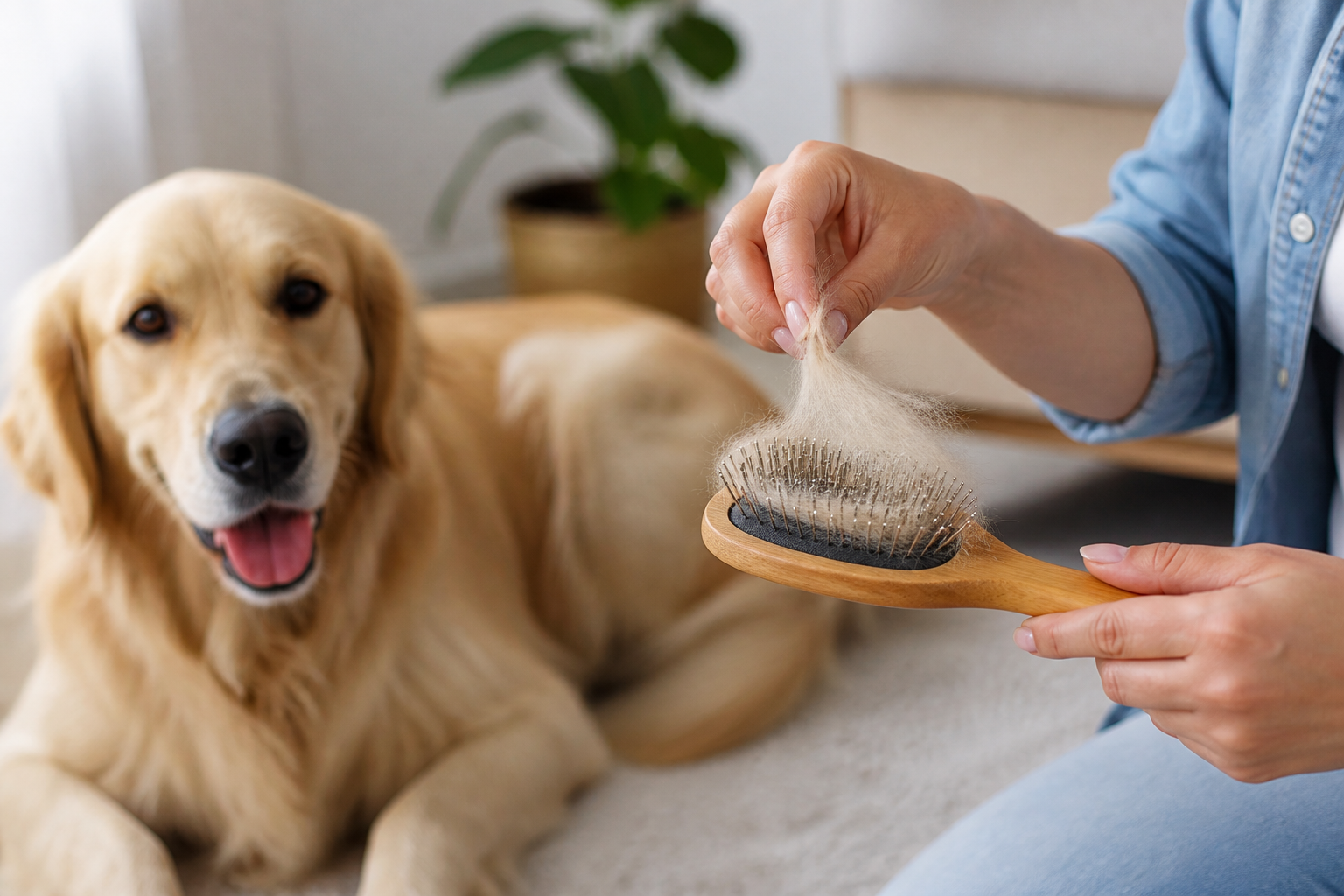
You have just finished a long grooming session. Your dog looks sleek and smells fresh, but your favorite slicker brush is now a solid mat of tangled fur. It is a common sight for any pet owner who takes coat maintenance seriously. Leaving that hair trapped in the bristles does more than just look messy. It actually makes the brush less effective and can trap skin oils, dander, and bacteria against the pins. At BaxterBoo, we know that the right tools make a world of difference in your routine. Keeping those tools clean is just as important as the grooming itself. This guide covers the best ways to clear out different types of brushes and how to deep clean them for better hygiene. You will learn specific techniques for slicker brushes, bristle brushes, and rubber tools to keep your grooming kit in top shape.
Quick Answer: To remove hair from a grooming brush, use a fine-tooth comb to lift the fur from the base of the bristles and pull it away. For deep cleaning, soak the brush in warm water with a drop of pet-safe shampoo, then air dry with the bristles facing down.
Why Regular Brush Cleaning Matters
A clean brush is a functional brush. When a brush is clogged with old hair, the bristles cannot reach down to the skin. This means you are mostly just moving surface hair around rather than removing the loose undercoat. This can lead to more shedding around your house and more mats forming in your dog's coat.
Hygiene is another major factor. Every time you brush your dog, you pick up skin cells, natural oils, and environmental allergens like pollen. These stay trapped in the brush. If you use a dirty brush on a dog with sensitive skin, you might accidentally irritate their skin or spread bacteria. This is especially true for dogs prone to hot spots or seasonal allergies.
Regular maintenance also helps your gear last longer. High-quality brushes from brands like Kong or RC Pets are an investment in your dog's comfort. Hair and oils can eventually weaken the glue or the rubber backing of a brush. By clearing it out after every use, you ensure the pins stay straight and the handle remains sturdy.
Tools You Will Need for Cleaning
You do not need fancy equipment to keep your grooming kit clean. Most of the best tools are items you likely already have in your home or your grooming bag.
- A fine-tooth metal comb: This is the most effective tool for lifting hair out of slicker and pin brushes.
- A dedicated "brush cleaner" tool: These small rake-like devices are specifically designed to pull hair from the base of a brush.
- A toothbrush: An old, clean toothbrush is perfect for scrubbing the base of the brush and getting between tight bristles.
- Pet-safe shampoo or mild dish soap: This breaks down the oils and dander that accumulate on the pins.
- A lint roller: This is surprisingly helpful for removing fine hairs from the outer edges or the handle of the brush.
For additional options, browse our dog brushes and combs.
Key Takeaway: Using a metal comb to "rake" out your brushes is the fastest way to maintain them between deep cleanings. It saves your fingers from getting poked by sharp slicker pins.
Cleaning a Slicker Brush
Slicker brushes have fine, wire bristles that are often angled. They are excellent for removing mats, but they are notorious for trapping hair. If you pull the hair out with your fingers, you risk bending the wires or scratching your skin.
Step 1: Use a metal comb. / Gently slide the teeth of the comb under the layer of hair at the base of the brush. Step 2: Lift upward. / Pull the comb toward the ends of the bristles to lift the entire mat of hair away in one piece. Step 3: Check the corners. / Use your fingers to pluck away any remaining tufts that the comb missed.
If you have a self-cleaning slicker brush, the process is much easier. These models have a button that retracts the pins, leaving the hair sitting on a flat plastic surface. You simply wipe the hair off and release the button. If you find manual cleaning frustrating, we often recommend these retractable models for owners of heavy shedders. One available option is the Master Grooming Tools Ergonomic Slicker Dog and Cat Brush.
Vet Tip: If your dog has a skin condition or a fungal infection, clean your slicker brush after every single use. Bacteria and spores can hide in the fine wires and reinfect the skin during the next grooming session.
Handling Bristle and Pin Brushes
Bristle brushes are often used for short-haired dogs or for finishing a coat. Because the bristles are dense and soft, hair gets deeply embedded. Pin brushes have wider gaps, but the hair often wraps around the base of each pin.
To clean a pin brush, the comb technique works best. Simply run the comb through the pins starting from the bottom. For a bristle brush, you may need a bit more friction. Use a brush cleaning rake or even another bristle brush. Rub the two brushes together with the bristles facing each other. This creates enough tension to pull the trapped hair out of both.
Once the bulk of the hair is gone, you might notice a greyish film at the base of the bristles. This is a mix of dust, dander, and skin oil. This is a sign that a manual "de-hairing" is not enough and the brush needs a wash.
Deep Cleaning and Washing Your Brushes
Removing the hair is only half the battle. To truly sanitize your tools, you need to wash them. We suggest doing this once a month, or more often if your dog has oily skin or spends a lot of time outdoors.
The Soaking Process
Fill a small basin with warm water. Add a small amount of the same pet shampoo you use on your dog. This ensures that any residue left on the brush will not irritate your dog's skin later. Avoid using harsh household chemicals or bleach, as these can damage the materials of the brush.
Dip the bristles into the water. If the brush has a wooden handle or a cloth backing, try not to submerge the entire thing. Excess water can cause wood to crack or mold to grow behind the cushion. Use a toothbrush to gently scrub the base.
For shampoos and other bath-time supplies, visit our dog grooming category.
Rinsing and Drying
Rinse the brush thoroughly under running warm water. It is vital to remove all soap residue. If soap stays on the bristles, it can dry out your dog’s coat or cause itching during the next grooming session.
Bottom line: Always dry your brushes with the bristles facing down on a clean towel to prevent water from trapped in the handle or cushion.
Managing Hair on Furniture and Clothing Brushes
While most of your focus is on the grooming tools, you may also use upholstery brushes to keep your home clean. These rubber or silicone brushes are designed to create static electricity. This pulls hair out of carpets and car seats.
The great thing about rubber brushes, like those from Kong, is that they are incredibly easy to clean. Most of the hair will clump together into a roll as you use it. You can simply pick this roll off. For the fine hairs that remain, a quick rinse under the tap is usually sufficient. Rubber does not trap oils like natural or nylon bristles do, so they stay cleaner for longer.
Skin Health and the Role of the Pharmacy
Grooming is about more than just looking good. It is a vital part of monitoring your pet's health. While you are removing hair from the brush, take a moment to look at what else came off. Excessive dandruff, crusty skin flakes, or an unusual odor can indicate underlying health issues.
Sometimes, a clean brush and regular grooming are not enough to manage skin irritation. If your dog is constantly itchy or has red, inflamed skin, it might be time for a professional opinion. Our pharmacy carries FDA-approved medications through our partnership with Pet's Choice. These include treatments for allergies and skin infections that can help manage chronic conditions.
If you notice your brush is consistently filled with an alarming amount of hair, your dog might be experiencing seasonal thinning or a nutritional deficiency. We carry premium brands like Farmina and Open Farm that focus on skin and coat health. Always consult your veterinarian if you notice sudden hair loss or skin changes that seem beyond normal shedding.
For additional products related to your dog’s coat, explore our skin and coat care selection.
Maintenance Habits for Longevity
The best way to keep a brush clean is to never let it get too dirty in the first place. This sounds simple, but it is easy to forget.
- Clean as you go: Every few passes through your dog's coat, pull the hair out of the brush. This prevents the hair from being packed down into the base.
- Store brushes properly: Do not toss them into a cluttered drawer where the pins can bend. A hanging rack or a dedicated grooming bag keeps the bristles protected.
- Check for wear: Inspect the tips of the pins. If the protective "balls" on the ends of a pin brush have fallen off, the sharp metal can scratch your dog.
- De-grease: If you use grooming sprays or leave-in conditioners, your brushes will need more frequent washing to prevent a sticky buildup.
Key Takeaway: A five-second cleaning after every use saves you thirty minutes of deep cleaning later in the month.
When to Replace Your Brush
No brush lasts forever. Even with perfect cleaning habits, materials eventually break down. You should look for a new brush if you see any of the following:
- Missing bristles or pins: This creates uneven pressure and can hurt your dog.
- Cracked handles: This can pinch your hand or break during a heavy grooming session.
- Mold or mildew: If water gets trapped in a rubber cushion, it can grow mold. If you see black spots or smell a musty odor, toss the brush immediately.
- Bent wires: On a slicker brush, bent wires can snag on the coat and cause painful pulling.
Our team handpicks every grooming tool we carry to ensure they meet high standards for durability. If your current brush has seen better days, it might be time to browse our grooming tools for a replacement.
Conclusion
Keeping your dog's brush clean is a simple task that has a big impact on their comfort and health. By using a metal comb to clear hair after every session and performing a deep wash once a month, you ensure your tools stay effective for years. Remember to dry your brushes properly and watch for signs of wear that could cause skin irritation. Clean tools lead to a healthier coat and a much happier dog.
- Remove hair after every grooming session using a metal comb.
- Deep clean once a month with warm water and pet-safe soap.
- Always dry brushes face down to protect the handle and cushion.
- Replace tools that show signs of damage or mold.
Bottom line: A clean brush makes grooming faster and keeps your dog's skin free from unnecessary irritation.
For more expert-curated grooming tools and skin health supports, visit our grooming and health categories. If your dog needs specialized care for skin conditions, remember that our pharmacy is available to fulfill prescriptions from your veterinarian. For more guidance on managing loose fur, read our tips for managing seasonal dog shedding.
FAQ
Can I put my dog's grooming brush in the dishwasher?
We do not recommend putting pet brushes in the dishwasher. The high heat can warp plastic handles, melt the glue holding the bristles, and damage the protective coating on the pins. The harsh detergents used in dishwashers may also leave a residue that could irritate your dog's skin.
How do I get the "dog smell" out of a bristle brush?
The smell is caused by a buildup of skin oils and bacteria. Soak the brush in a mixture of warm water and a few drops of pet shampoo or a mild, unscented dish soap. For stubborn odors, a tiny amount of baking soda can be added to the water, but ensure you rinse it out completely to avoid drying out the coat.
What is the best tool for removing hair from a slicker brush?
A fine-tooth metal greyhound comb is generally the best tool for this job. You can slide the teeth of the comb under the mat of hair and lift it away without damaging the delicate, angled wires of the slicker brush. Some owners also prefer dedicated brush cleaning rakes which have stiff wire loops.
How often should I sanitize my dog's brushes?
A general rule is to remove the hair after every use and deep clean the brush once a month. However, if your dog is currently being treated for a skin condition, fleas, or allergies, you should sanitize the brush after every single use to prevent the spread of irritants. Always check with your vet for guidance on skin health routines.






