
 Save 15% on your 1st Autoship learn more

 Email us
 Live Chat
 FAQs
FAQs





Introduction
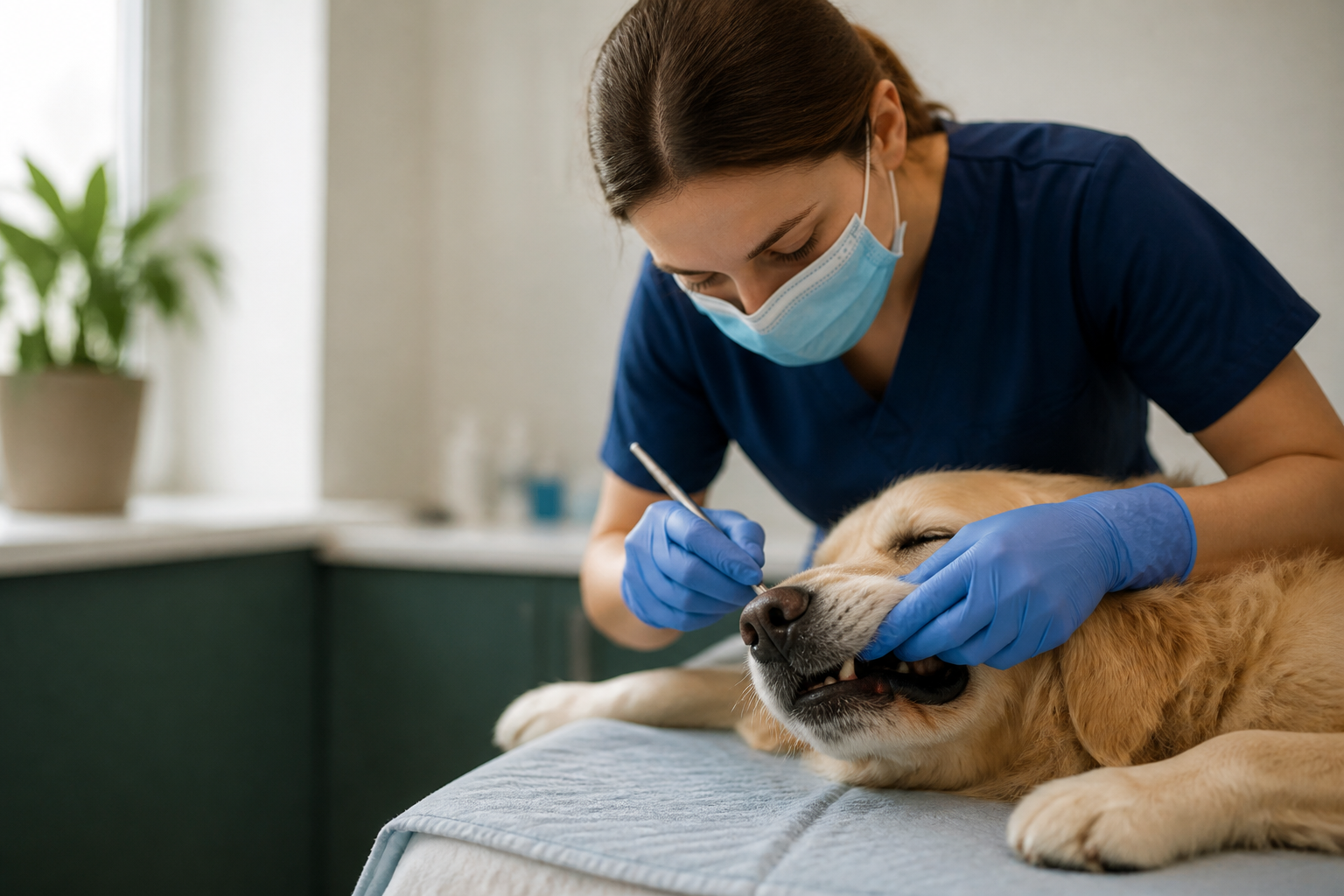
The moment you lean in for a pup kiss and realize your dog’s breath has taken a sharp turn toward the "swampy" side is a wake-up call for many owners. You look at their teeth and see that telltale yellow-brown buildup along the gumline. While you know a professional cleaning is necessary, the idea of your dog being "put under" can be incredibly stressful. We understand that worry because we are pet parents too. At BaxterBoo, we believe that being informed is the best way to advocate for your dog's health. This post covers the different levels of sedation used during dental cleanings, why they are necessary for safety, and how to prepare your dog for the procedure. Understanding the nuances of dental sedation helps you make the best choice for your dog's long-term wellness.
Why Dogs Need Sedation for Dental Work
Humans can sit in a reclining chair, keep their mouths open, and tolerate the high-pitched whine of a scaler. Dogs simply cannot. Even the most well-behaved dog has a limit to how long they will let someone poke at their sensitive gums. Sedation is not just about making the dog stay still. It is about preventing a "fight or flight" response that could lead to injury for both the pet and the veterinary staff.
There is also the physical aspect of the cleaning itself. A professional dental involves scaling above and below the gumline. This process is often uncomfortable. If a dog flinches while a sharp metal tool is near their gums, it can cause significant trauma. Furthermore, dogs do not understand how to "rinse and spit." Without a way to manage the airway, they are at risk of inhaling the water, bacteria, and debris being loosened from their teeth.
Quick Answer: Dogs are sedated to ensure their safety, comfort, and the effectiveness of the cleaning. Sedation allows the vet to clean beneath the gumline and perform a full oral exam without the dog feeling pain or anxiety.
The Different Levels of Dental Sedation
Not every "sedation" is the same. Your veterinarian might use different terms depending on your dog's age, health status, and the severity of their dental disease. It is helpful to know what these terms mean before you drop your dog off at the clinic.
General Anesthesia
This is the gold standard for pet dental care. Under general anesthesia, your dog is completely unconscious. They are intubated with an endotracheal tube, which serves two vital purposes. First, it delivers oxygen and anesthetic gas. Second, it protects the lungs from the water and bacteria used during the cleaning. This is the only way a veterinarian can safely take X-rays and clean the deep pockets under the gums where most dental disease hides.
Conscious Sedation or "Twilight" Sedation
Sometimes called "heavy sedation," this is a step below general anesthesia. The dog is very sleepy but may still have some reflexes. While this can work for very minor, quick checks or for pets who cannot undergo full anesthesia due to specific health risks, it is rarely enough for a thorough cleaning. It does not provide the same airway protection as general anesthesia.
Calming Meds for the Trip
Many vets prescribe a mild sedative to be given at home before you even leave for the appointment. This helps high-anxiety dogs remain calm during the car ride and the initial check-in. Our pet pharmacy carries these types of medications through our partnership with Pet's Choice. If your dog gets "white coat syndrome," ask your vet if a pre-visit calming aid is right for them.
Vet Tip: Always follow your veterinarian's instructions regarding fasting before sedation. Most clinics require no food after midnight the night before to prevent complications like vomiting or aspiration while the dog is sleepy.
Steps in a Sedated Dental Procedure
A professional dental cleaning is a multi-step medical procedure. It is much more involved than just "scraping off the brown stuff." When you understand the steps, it is easier to see why sedation is the only safe way to get the job done right.
Step 1: The Pre-Anesthetic Exam. / Your vet will listen to your dog’s heart and lungs. They also review recent blood work to ensure the liver and kidneys can process the sedative.
Step 2: Induction. / The dog is given an initial sedative to help them relax. Once they are calm, the vet administers the primary anesthetic and places the breathing tube.
Step 3: Full Oral Assessment. / The vet or a dental technician probes every tooth. They look for "pockets" where the gum has detached from the tooth. This is when they decide if any extractions are needed.
Step 4: Ultrasonic Scaling. / A high-speed vibrating tool removes the hard tartar (calculus) from the surface of the teeth. This includes the hidden areas under the gumline.
Step 5: Polishing and Rinsing. / Scaling leaves tiny scratches on the tooth enamel. Polishing smooths these out so bacteria have a harder time sticking to the teeth in the future.
Managing the Risks of Sedation
Any medical procedure involving sedation carries some level of risk. However, modern veterinary medicine has made the process incredibly safe. Clinics use the same monitoring equipment found in human hospitals.
- Heart Rate and Rhythm: An EKG monitors the heart throughout the procedure.
- Oxygen Levels: A pulse oximeter ensures the blood is getting enough oxygen.
- Blood Pressure: Regular checks ensure the dog’s internal organs are getting proper blood flow.
- Temperature: Dogs can get chilly under anesthesia, so clinics use heated blankets or warm air pads.
By using these tools, the veterinary team can adjust the levels of sedation in real-time. If a dog’s heart rate slows down too much, the vet can turn the gas down or provide medications to stabilize them immediately.
Key Takeaway: The risk of untreated dental disease, which can lead to heart and kidney infections, is almost always higher than the risk of modern, monitored anesthesia.
The Problem with Anesthesia-Free Cleaning
You may see "anesthesia-free" dental cleanings offered at grooming salons or boutique shops. While this sounds like a safer and cheaper alternative, it is often a purely cosmetic service. It is basically the equivalent of you brushing your teeth but never flossing or going to the dentist.
When a dog is awake, it is impossible to clean under the gumline. The tartar you see on the crown of the tooth is not what causes tooth loss. The damage happens in the dark, moist areas under the gums where bacteria thrive. Anesthesia-free cleaning removes the visible stains, making the teeth look white, but it leaves the infection underneath. This can give owners a false sense of security while their dog's oral health continues to decline.
Furthermore, an awake dog is often stressed by the physical restraint required. They may also accidentally inhale the debris being scraped off, which can lead to pneumonia. For these reasons, major veterinary organizations do not recommend anesthesia-free cleanings.
For more information about warning signs, read what to do when your dog has damaged teeth.
How the BaxterBoo Pharmacy Can Help
We know that managing your dog's health often requires a combination of home care and professional medical help. Our pharmacy at BaxterBoo offers a streamlined way to get the medications your vet prescribes for dental health. Through our partnership with Pet's Choice, we can fulfill prescriptions for:
- Pre-procedure calming medications to reduce stress
- Antibiotics for oral infections or post-extraction care
- Pain management for the recovery period
- Prescription dental diets designed to scrub teeth as the dog chews
Having these medications delivered to your door makes the entire dental process much more manageable. You can focus on comforting your pup while we handle the logistics of their prescription needs.
Preparing Your Dog for Sedation Day
Preparation starts several days before the appointment. Making sure your dog is in the best possible physical condition helps the sedation process go smoothly.
- Confirm Blood Work: If your dog is a senior, ensure your vet has a recent "senior panel." This checks the organ function needed to process anesthesia.
- Clear the Schedule: Plan to be home on the evening of the procedure. Your dog will be groggy and may need help getting in and out of the car or going up stairs.
- Set Up a Recovery Zone: Create a quiet, warm spot with their favorite bed. Keep other pets and noisy children away for at least 24 hours.
- Follow the Fasting Rules: This is the most important step. A dog with an empty stomach is a much safer candidate for sedation.
Bottom line: Preparation is the key to a low-stress dental day for both you and your dog.
Home Care Between Professional Cleanings
The best way to extend the time between sedated cleanings is a solid home routine. Once your vet has given your dog a "clean slate" with a professional cleaning, your job is to maintain it.
- Daily Brushing: This is the single most effective thing you can do. Use a dog-specific toothpaste, as human versions can be toxic if swallowed.
- Dental Chews: High-quality dental treats can help scrape away soft plaque before it hardens into tartar.
- Water Additives: These can help break down the biofilm that leads to plaque.
- Dental Toys: Toys with nubby textures or rope fibers act as a natural toothbrush during play.
For additional guidance, explore the top pet dental care tips and our dog dental care collection. Many of our customers use our Autoship programme for dental treats and toothpaste so they never run out and can save on every order.
Recovery After Sedation
When you pick your dog up from the vet, they might seem a bit "out of it." This is completely normal. The sedative effects can take 12 to 24 hours to fully wear off. You might notice your dog is more vocal, whining or barking as they wake up. This is usually due to the lingering effects of the meds rather than pain.
Offer a small amount of water first. If they keep that down, you can offer a half-portion of their normal food. If your dog had extractions, your vet may recommend soft food for several days. Follow all medication schedules for pain relief exactly as prescribed. If you notice any extreme lethargy, pale gums, or persistent vomiting, contact your vet immediately.
Vet Tip: If your dog had teeth pulled, avoid giving them hard treats or chew toys for at least a week. Their gums need time to heal, and hard objects can dislodge the protective blood clots in the empty sockets.
Summary Checklist for Dental Sedation
- Schedule a pre-exam and blood work with your vet.
- Confirm the fasting requirements (usually no food after midnight).
- Order any pre-visit calming meds from our pharmacy.
- Arrange for a quiet day at home for the recovery period.
- Have soft food or recovery treats ready.
- Update your home brushing kit for post-procedure maintenance.
FAQ
Can I sedate my dog at home to clean their teeth myself?
No, you should never attempt to sedate your dog for dental work at home. Professional sedation requires constant monitoring of vital signs and specialized equipment to protect the airway. Attempting to scrape your dog's teeth at home while they are drowsy can lead to severe injury, aspiration, or a medical emergency.
How long does it take for a dog to wake up after dental sedation?
Most dogs are awake and able to walk within 30 to 60 minutes after the gas is turned off, though they will remain groggy for several hours. By the time you pick them up from the clinic, they should be alert enough to recognize you, but they may still be clumsy or sleepy until the following morning.
Is sedation safer than full anesthesia for a dental cleaning?
While "sedation" sounds less intense, it is often less safe for dental work because it does not include intubation. Intubation is what protects your dog’s lungs from inhaling water and bacteria. For a thorough and safe cleaning, general anesthesia with a breathing tube is the preferred method for most veterinarians.
What happens if my dog is too old for sedation?
Age is not a disease, and many senior dogs undergo dental sedation safely every day. Your vet will perform extra health screenings, like a heart ultrasound or advanced blood work, to ensure your senior pet is a good candidate. If the risks are truly too high, your vet will work with you on a specialized home care and medication plan to manage pain and infection.






