
 Save 15% on your 1st Autoship learn more

 Email us
 Live Chat
 FAQs





Introduction
You are relaxing on the sofa with your cat when you notice a sprinkling of tiny white specks across their fur. At first, you might think they just rolled in some dust or tracked in a bit of salt. Then you start to wonder if those specks are moving or if they mean your cat has a skin condition. Identifying the difference between flea eggs and dandruff is a common challenge for cat owners because both look remarkably similar to the naked eye.
At BaxterBoo, we know that these small details can cause big worries for pet parents. This article will help you distinguish between harmless skin flakes and a potential parasite infestation. We will look at the physical characteristics of each and the simple tests you can do at home to find the answer. Understanding whether you are dealing with flea eggs or dandruff cat issues is the first step toward getting your feline friend back to their comfortable, itch-free self.
Quick Answer: Flea eggs are uniform, oval shaped, and smooth like tiny grains of salt. They fall off the fur easily. Dandruff consists of irregular, flat, flaky skin cells that often cling to the hair shafts or skin.
The Visual Identity of Flea Eggs
Flea eggs are incredibly small and can be very difficult to see without a magnifying glass. They are roughly 0.5 millimeters long. This is about the size of a grain of fine table salt or a speck of sand. When you look at them closely, you will notice they have a very consistent shape. They are oval with rounded ends rather than being flat or jagged.
The color of a flea egg is typically a translucent white or an off-white pearly shade. Because the shell is smooth and does not have a sticky coating, these eggs do not stay on your cat for very long. A flea lays eggs on the host, but those eggs quickly slide off as the cat moves, jumps, or grooms. You are actually more likely to find flea eggs in your cat's favorite sleeping spots or inside the fibers of your carpet than you are to see them stuck deep in the fur.
Cat Flea & Tick Care









Understanding Cat Dandruff
Dandruff is composed of dead skin cells that have shed from the top layer of your cat's skin. This is a natural process, but it becomes noticeable when the skin is dry, irritated, or oily. Unlike flea eggs, dandruff flakes are not uniform. They come in various sizes and have irregular, jagged edges. They look more like tiny bits of torn paper than rounded grains.
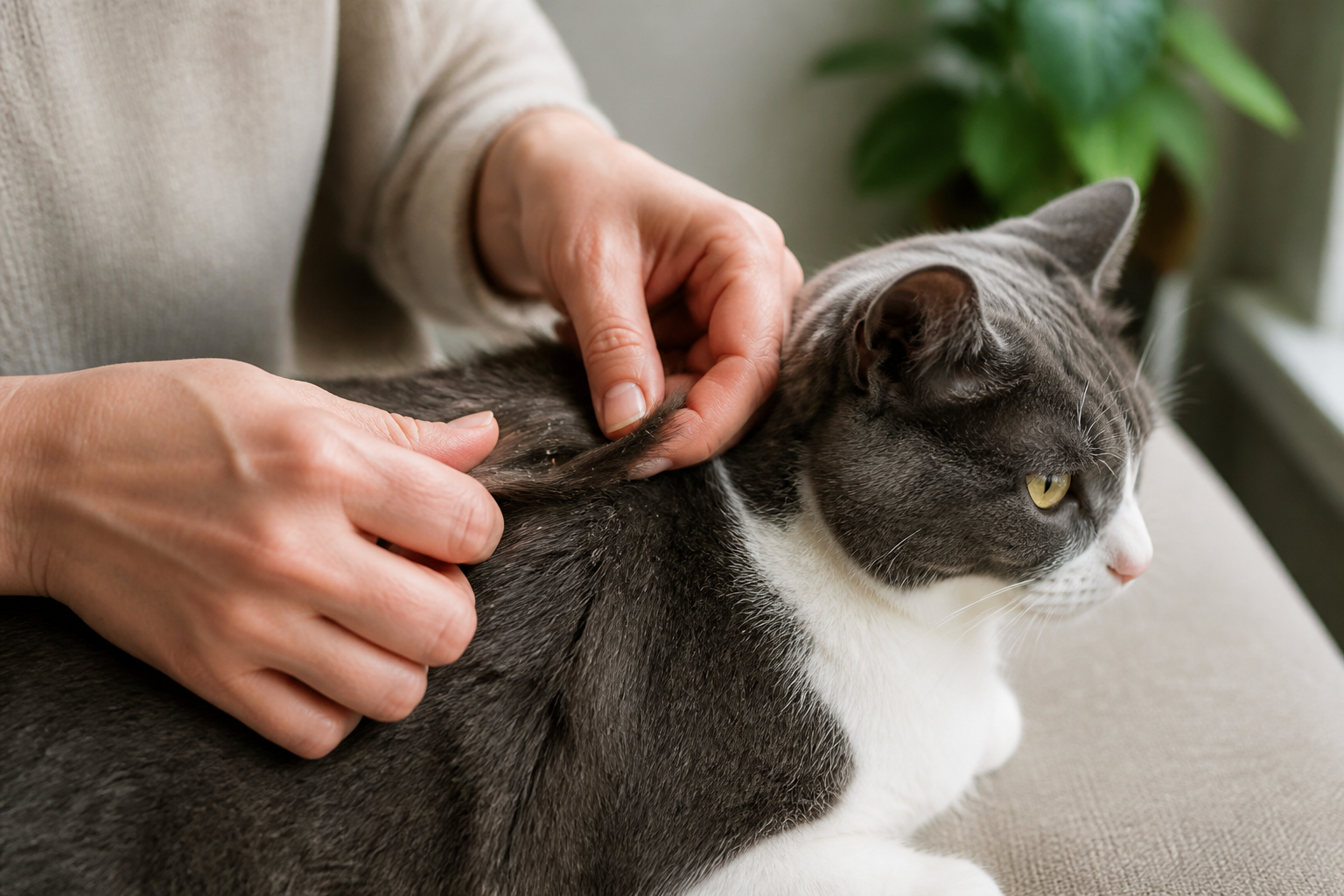
Dandruff tends to be flatter than flea eggs. It also has a different relationship with your cat's fur. Because skin flakes are often slightly oily or have rough edges, they tend to get caught in the hair. You will often see dandruff clinging to the base of the hair near the skin. It is most common along the lower back and near the base of the tail. If you brush your hand over the fur, dandruff might stay put, whereas flea eggs would tumble right off.
The "White Speck" Tests You Can Do at Home
If you are staring at your cat's back and cannot tell what you are seeing, there are a few simple tests to help you decide. These tests rely on the physical properties of the specks rather than just their appearance.
The Brush and Paper Test
Find a piece of dark construction paper or a dark towel. Place it underneath your cat and gently brush their fur with a fine-tooth comb. If the white specks fall onto the paper and look like tiny, uniform white ovals, they are likely flea eggs. If the specks look like flat, uneven flakes that vary in size, you are likely looking at dandruff.
The Wet Paper Towel Test
This is the most reliable way to check for fleas. Fleas leave behind more than just eggs. They also leave "flea dirt," which is actually digested blood. Flea dirt looks like tiny black pepper specks.
Step 1: Collect some of the black and white specks from your cat's fur using a flea comb.
Step 2: Place the debris onto a white paper towel that has been slightly dampened with water.
Step 3: Wait about sixty seconds and watch the specks.
If the black specks begin to dissolve and create a reddish-brown or rusty stain on the towel, that is flea dirt. Since flea eggs and flea dirt almost always go together, a positive result for flea dirt confirms that the white specks are flea eggs. Dandruff will not change color or "bleed" when it touches a wet towel.
The Texture Test
If you feel brave enough to touch the specks, try to pinch one between your fingernails. A flea egg is surprisingly hard and firm for its size. It feels like a tiny seed. A dandruff flake will usually crumble or break apart easily because it is just a thin layer of dried skin.
Key Takeaway: Flea eggs act like tiny marbles that roll off the coat, while dandruff acts like flakes of dry paint that get trapped in the hair.
Why Your Cat Might Have Dandruff
If you have ruled out fleas, you are left with the question of why your cat has flaky skin. Feline dandruff is usually a sign that something is slightly off with the cat's environment or internal health. It is rarely a medical emergency, but it is a signal that your cat needs a little extra care.
Low Humidity and Dry Air
This is the most common cause of dandruff in the winter months. When we turn on the heat in our homes, the air becomes very dry. This sucks the moisture right out of a cat's skin. Cats that spend a lot of time near heat vents are particularly prone to "winter flakes." You can often help this by using a humidifier in the rooms where your cat spends the most time.
Nutritional Deficiencies
A cat's skin and coat are often the first places to show signs of a poor diet. Skin health requires specific nutrients, particularly Omega-3 and Omega-6 fatty acids. If a cat is eating low-quality food that lacks these essential fats, their skin can become brittle and scaly. We carry several premium brands like Farmina, Acana, and The Honest Kitchen that focus on high-quality proteins and healthy fats to support skin health.
Grooming Struggles and Obesity
Cats are usually fastidious groomers, but some cats cannot reach their whole body. If a cat is overweight, they may have trouble reaching their lower back and the base of their tail. This leads to a buildup of dead skin and natural oils, which eventually turns into visible dandruff. Similarly, senior cats with arthritis may find it painful to twist and groom themselves, leading to a duller coat and more flakes.
For help with brushing and coat care, explore our cat grooming supplies.
Underlying Medical Issues
In some cases, dandruff is a secondary symptom of a bigger problem. Conditions like diabetes, hyperthyroidism, or skin infections can all cause changes in skin quality. If the dandruff is accompanied by excessive thirst, weight changes, or a very greasy coat, it is time for a veterinary checkup.
Vet Tip: If your cat’s dandruff is accompanied by redness, a foul odor, or bald patches, please consult your veterinarian. These can be signs of a fungal infection like ringworm or a bacterial skin condition that requires prescription treatment.
The Reality of a Flea Infestation
Finding flea eggs is a different kind of problem. It means there are adult fleas living on your cat and laying hundreds of eggs every day. Only about five percent of a flea population is made up of adult fleas. The other ninety-five percent consists of eggs, larvae, and pupae hiding in your home.
The Flea Life Cycle
When an adult flea finds your cat, it begins feeding immediately. Within twenty-four hours, it starts laying eggs. A single female flea can lay up to fifty eggs per day. These eggs are smooth, so they fall off your cat and land in your carpet, between floorboards, and in your cat's bedding.
Within a few days, these eggs hatch into larvae. Larvae hate light and crawl deep into the base of your carpet or under your furniture. They eventually spin a cocoon and become pupae. This cocoon is very tough and protects them from many household cleaners. Finally, they emerge as new adult fleas, ready to jump back onto your cat and start the cycle over. This is why you must treat both the pet and the environment.
For an overview of prevention options, read our guide to flea and tick prevention products.
Solutions for Feline Dandruff
Treating dandruff is usually about adding moisture back into the cat's life. This can be done through grooming, diet, and topical treatments.
Improved Grooming Habits
Regular brushing is the best way to manage dandruff. It stimulates the skin to produce natural oils and helps distribute those oils throughout the coat. For cats with dandruff, a soft slicker brush or a rubber grooming tool is often better than a harsh metal comb. We find that many cats actually enjoy the massage-like feel of a rubber brush, which makes the process easier for everyone.
Skin and Coat Supplements
Adding a supplement can make a dramatic difference in skin health. Look for products containing fish oil, such as salmon or pollock oil. These are rich in EPA and DHA, which are the building blocks of healthy skin cells. Brands like Zesty Paws or Honest Paws offer oils and chews that are easy to mix into your cat's daily meals.
Specialized Shampoos
While most cats are not fans of baths, a moisturizing shampoo can provide immediate relief for very dry skin. Look for ingredients like oatmeal, aloe vera, or honey. Avoid human shampoos, as they have the wrong pH balance for a cat's skin and can actually make the dryness worse.
Bottom line: Most cases of cat dandruff can be managed at home by improving humidity, nutrition, and grooming frequency.
How to Handle Flea Eggs and Infestations
If you have confirmed that the white specks are flea eggs, you need a coordinated plan of attack. You cannot just wash the eggs away. You have to kill the adults and stop the eggs from hatching.
Use an Effective Flea Preventive
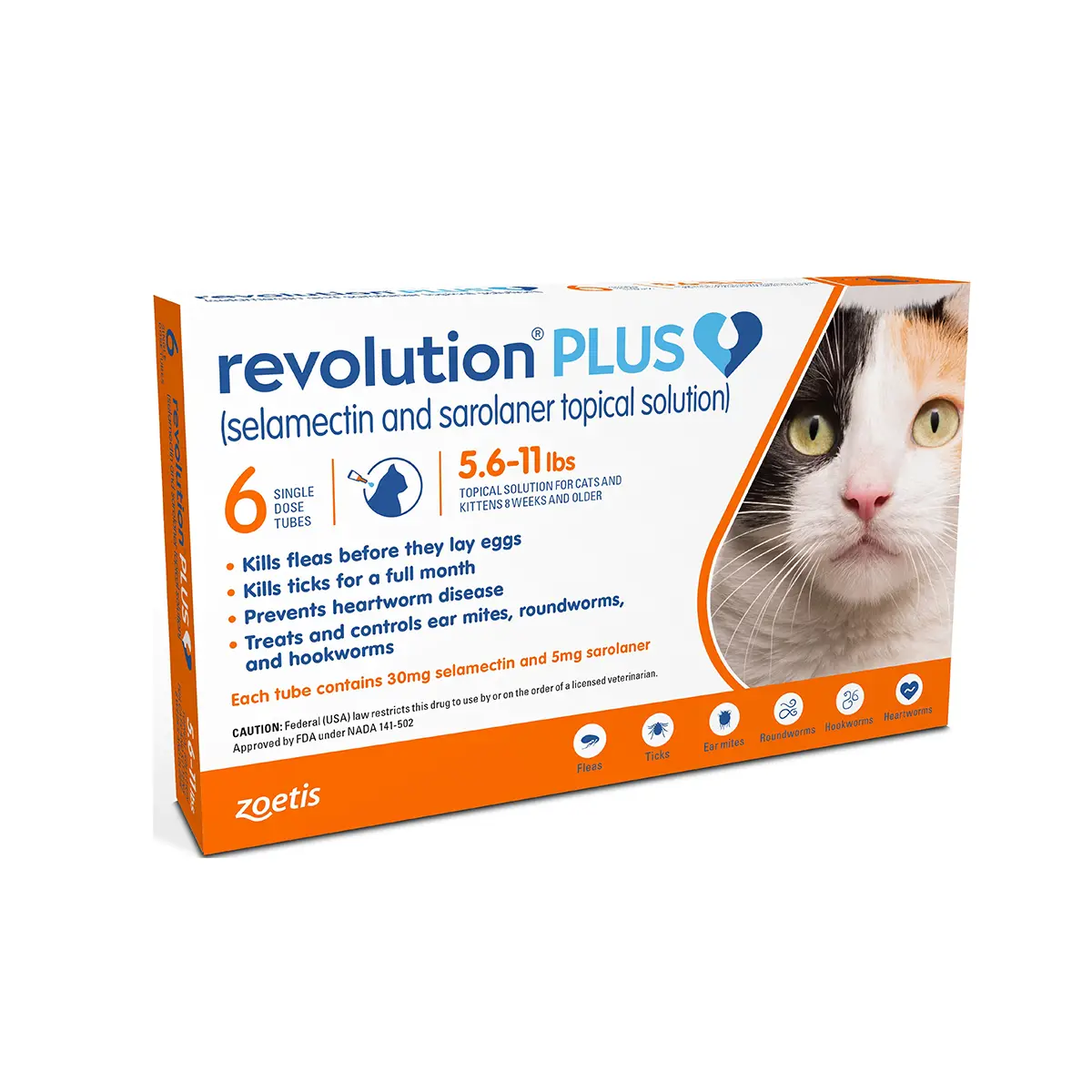
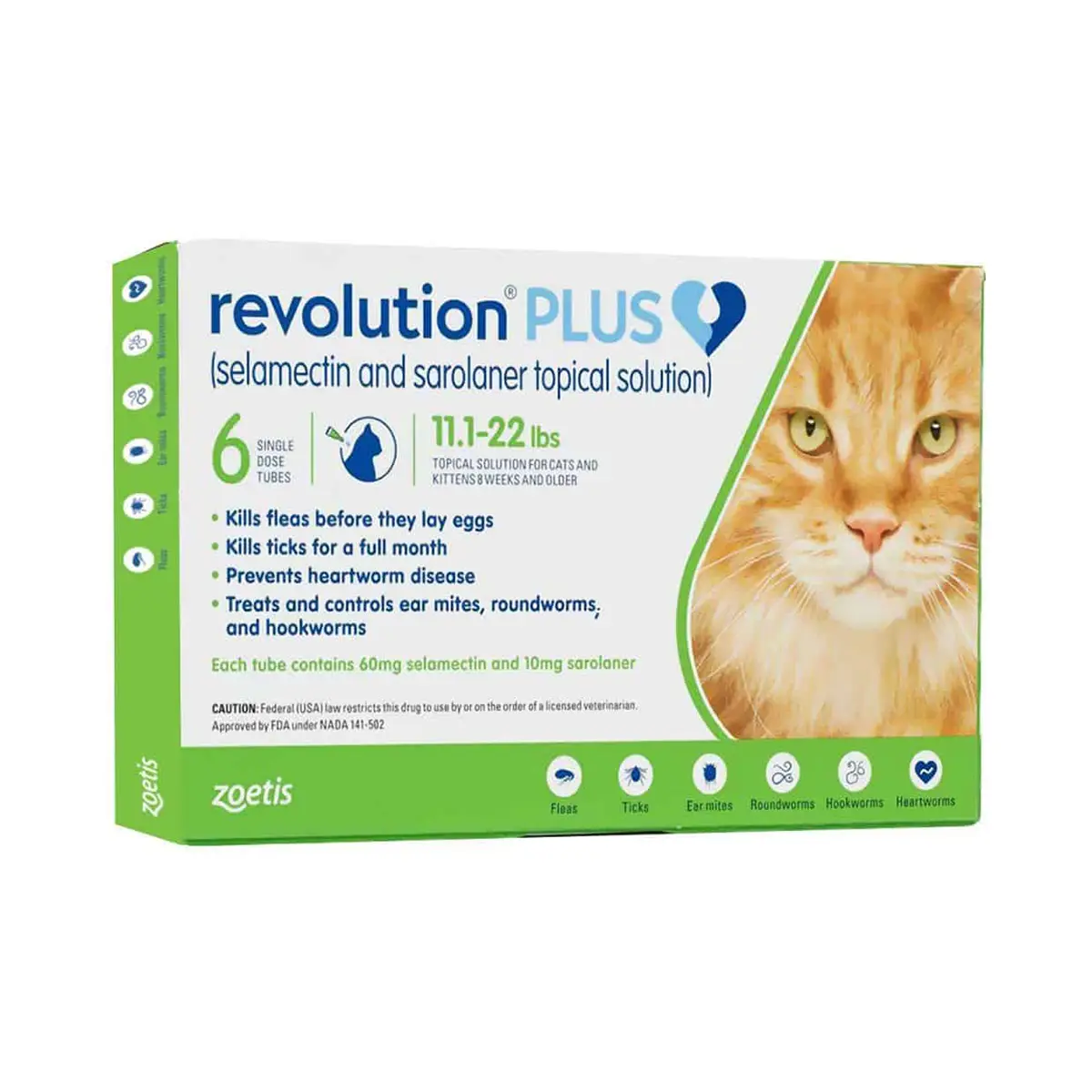
The first step is applying a flea treatment to your cat. There are many over the counter options like Frontline or Advantage, but sometimes a stronger solution is needed. Our pharmacy offers a wide range of FDA-approved flea and tick preventives through our partnership with Pet's Choice. Some of the most effective treatments require a prescription from your veterinarian. These medications work by killing adult fleas and often include an insect growth regulator that prevents eggs from ever hatching.
One available option is Advantage II Flea Control Cat Treatment - 4 Month Supply.
Clean the Environment
Since the eggs are likely all over your house, you must clean thoroughly.
- Vacuum Daily: Vacuuming is one of the most effective ways to remove flea eggs and larvae. Focus on baseboards, under furniture, and any area where your cat sleeps. Empty the vacuum canister or bag outside immediately after you finish.
- Wash Bedding: Collect all of your cat's bedding, as well as any rugs or blankets they frequent. Wash them in hot water and dry them on a high-heat setting. This heat is usually enough to kill fleas in all life stages.
- Steam Clean: If you have a heavy infestation, steam cleaning your carpets can help reach the larvae hiding deep in the fibers.
Consistency is Key
Because of the flea pupae stage, you might see "new" fleas appearing a few weeks after you start treatment. These are just the fleas that were already in their cocoons. This is why it is vital to keep your cat on a monthly flea preventive for at least three consecutive months to ensure the entire life cycle is broken.
For additional context on prevention methods, see how flea collars work.
When Prescription Help is Necessary
Sometimes, flea eggs or dandruff cat problems are too stubborn for home remedies. This is especially true if your cat has a flea allergy. For these cats, a single flea bite can cause a massive skin reaction called Flea Allergy Dermatitis. This leads to intense itching, scabbing, and secondary skin infections.
In these cases, your vet might prescribe more than just flea meds. They may recommend a prescription diet like Farmina Vet Life for skin sensitivities or medications to stop the itching and heal the skin. Our pharmacy at BaxterBoo makes it easy to get these prescription items delivered right to your door. By working with Pet's Choice, we ensure you have access to the exact medications your vet recommends for chronic skin issues or severe infestations.
You can browse our cat flea and tick collection when looking for prevention and treatment options.
Comparing Flea Eggs and Dandruff
| Feature | Flea Eggs | Cat Dandruff |
|---|---|---|
| Shape | Uniform, oval, rounded ends | Irregular, flat, jagged edges |
| Texture | Hard and smooth, like a seed | Soft and flaky, easily crumbles |
| Adhesion | Slides off fur very easily | Often clings to hair or skin |
| Location | Mostly in bedding and carpet | Mostly on the cat's back and tail |
| Associated Signs | Black specks (flea dirt), itching | Dry skin, seasonal changes, obesity |
Dietary Support for Skin Health
Nutrition is the foundation of your cat's skin. If the skin barrier is weak, it becomes prone to both dandruff and irritation from parasites. We recommend looking for foods that prioritize animal-based proteins rather than heavy fillers. Cats are obligate carnivores, and their bodies process nutrients best when they come from meat sources.
Brands like Royal Canin and NutriSource offer formulas specifically designed for skin and coat health. These diets often contain extra biotin, chelated minerals, and specific amino acids like tyrosine and phenylalanine that help maintain coat color and skin strength. If you are noticing persistent dandruff, a slow transition to a higher-quality diet might be the most effective long-term solution.
Creating a Pest-Free and Flake-Free Home
The best way to deal with flea eggs or dandruff cat concerns is to prevent them from happening in the first place. This involves a year-round approach to both grooming and parasite protection.
Year-Round Prevention
Many owners stop flea treatments in the winter, but fleas can survive quite easily inside a climate-controlled house. Keeping your cat on a preventive through our Autoship programme ensures you never miss a dose. This program also gives you a discount on your orders and saves you the trip to the store.
Regular Skin Checks
Make it a habit to check your cat's skin once a week. This is easiest to do during a grooming session. Part the fur in several places, especially along the spine and the neck. Look for any changes in skin color, new flakes, or the presence of any debris. Early detection makes any skin issue much easier to manage.
Key Takeaway: Consistent grooming and year-round flea prevention are the two most powerful tools for maintaining your cat's skin health.
Conclusion
Whether you find flea eggs or dandruff, the most important thing is that you noticed a change and are taking action. Dandruff is often a simple fix involving better food, more brushing, or a humidifier. Flea eggs require a bit more work to clear the environment, but they are completely manageable with the right products.
Remember to watch for the signs of flea dirt and use the wet paper towel test if you are ever in doubt. If the skin looks angry or your cat seems miserable, do not hesitate to reach out to your veterinarian for a professional diagnosis.
We are here to help you through every stage of your cat's life. From our specialized shampoos and grooming tools to our cat pharmacy, you can find everything required to keep your cat’s coat shiny and their skin healthy.
FAQ
Can I get fleas from the flea eggs on my cat?
Fleas do not live on humans, but they will certainly bite you if they are in your home. While the eggs themselves do not bite, they will hatch into adult fleas that may jump on you for a quick meal if they cannot find a cat or dog nearby. Cleaning your environment is the best way to protect both yourself and your pets.
Does my indoor cat really need flea prevention?
Yes, indoor cats can still get fleas. Fleas can hitch a ride into your home on your own clothing, or they can be brought in by other pets that go outside. If a single female flea gets inside, she can quickly produce hundreds of eggs in your carpets and furniture.
Why is my cat's dandruff only at the base of the tail?
This area is the hardest for cats to reach, especially if they have any flexibility issues or are carrying a little extra weight. When a cat cannot groom an area, dead skin cells and oils build up, leading to concentrated dandruff. Helping them with daily brushing in those hard-to-reach spots can solve the problem.
Will a flea bath kill all the flea eggs?
A flea bath will kill the adult fleas currently on your cat and may wash away some eggs, but it has no lasting effect. It does not kill the eggs and larvae already in your carpet or bedding. To truly solve the problem, you need a long-term preventive that breaks the flea life cycle and a thorough cleaning of your home.






- Site & Contents BaxterBoo.com. BaxterBoo is located in the United States.
- Privacy & Security
- Terms of Use
- Accessibility Statement
