
 Save 15% on your 1st Autoship learn more

 Email us
 Live Chat
 FAQs





Introduction
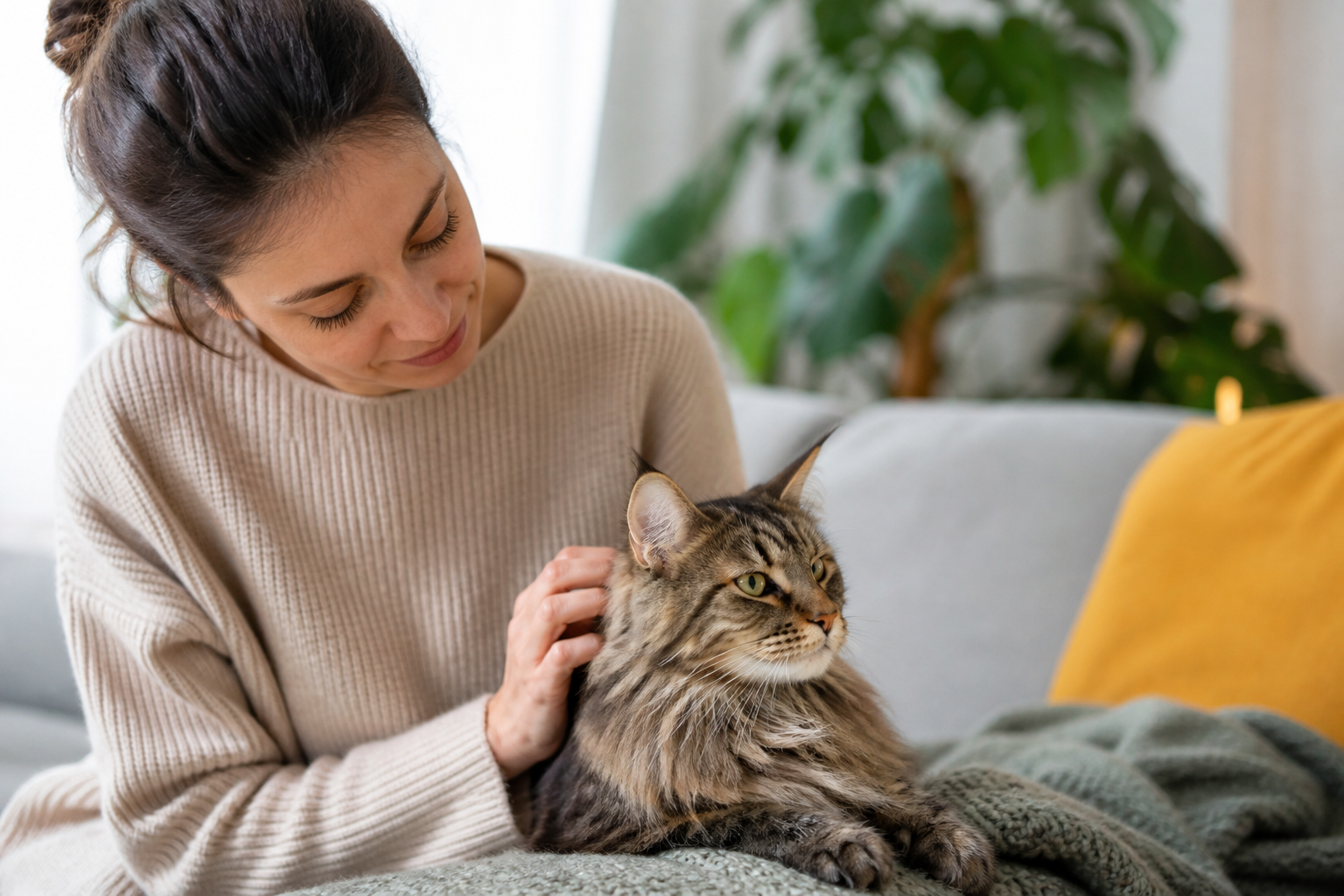
You are relaxing on the sofa with your cat when you notice a dusting of white specks across their glossy coat. At first, you might think it is just dust or perhaps a bit of litter. When you look closer, you realize those flakes are coming from the skin itself. Feline dandruff is a common issue that many pet owners face, and while it often looks like a minor cosmetic nuisance, it usually tells a story about your cat's internal health or environment.
At BaxterBoo, we know that a healthy coat starts from the inside out. This post covers the various reasons why your cat might be flaking and provides practical steps to restore their skin to its supple, healthy state. Whether the issue is simple dry air or a sign of a more complex health condition, understanding the root cause is the first step toward clear skin.
Quick Answer: To stop cat dandruff, you must identify the underlying cause, which is often related to poor hydration, lack of grooming, or inadequate nutrition. Regular brushing, adding omega-3 fatty acids to the diet, and using a humidifier can often resolve mild cases, though persistent flakes require a veterinary consultation to rule out parasites or medical issues.
Understanding the Difference Between Dandruff and Dander
It is important to distinguish between dandruff and dander because they represent two very different things. Dander consists of microscopic skin cells that all cats shed as part of a normal, healthy skin cycle. You cannot see dander with the naked eye, but it is often the culprit behind human allergies because it carries proteins from a cat’s saliva.
Dandruff, on the other hand, consists of visible flakes of dead skin that have clumped together. While dander is a sign of a functioning body, dandruff is an indication that something is out of balance. It might mean the skin is too dry, or it could mean the skin is too oily, leading to a buildup that eventually sloughs off in large pieces.
Sometimes pet owners also confuse dandruff with flea dirt. Flea dirt looks like tiny specks of black pepper and is actually flea waste. If you see white flakes, it is likely dandruff. If you see dark specks, you are likely dealing with a parasite issue that requires immediate attention.
Key Takeaway: Dander is microscopic and normal for all cats, while dandruff is visible and usually indicates an underlying health or environmental issue.
Cat Skin & Coat Care












Why Poor Grooming Leads to Flakes
Cats are famously fastidious groomers. They spend a large portion of their waking hours licking their fur to remove loose hair and dead skin. When a cat stops grooming effectively, those dead skin cells build up and become visible dandruff. This is particularly common on the lower back and near the base of the tail, where it is hardest for a cat to reach.
Two of the most common reasons for a decline in grooming are obesity and arthritis. If a cat is carrying extra weight, they simply may not be able to reach certain parts of their body. In senior cats, the stiffness and pain associated with arthritis can make the twisting and turning required for grooming nearly impossible.
If you notice your cat has greasy fur or mats along with dandruff, it is a strong signal that they need help with their daily maintenance. We carry a variety of supplements like Cosequin that support joint health, which may help senior cats regain the mobility they need to groom themselves.
How to Help a Cat With Limited Mobility
If your cat cannot reach their back, you must step in as their personal groomer. Brushing them daily helps distribute natural oils across the skin, which prevents dryness and removes the flakes before they become a problem. You can explore our cat grooming supplies for brushes and other maintenance tools.
- Use a soft-bristled brush or a grooming glove to avoid irritating sensitive skin.
- Focus on the base of the tail and the lower back.
- Check for mats or tangles that might be trapping dead skin against the body.
- Consider a waterless shampoo or grooming wipes if your cat cannot tolerate a bath.
Vet Tip: If your cat suddenly stops grooming, it is rarely just a sign of laziness. Sudden changes in grooming habits often point to dental pain, joint stiffness, or internal discomfort and should be discussed with your veterinarian.
The Role of Nutrition and Hydration
What your cat eats has a direct impact on the quality of their skin and coat. Felines require a specific balance of fatty acids, particularly omega-3 and omega-6, to maintain a healthy skin barrier. If their diet is lacking in these essential nutrients, the skin can become brittle, dry, and prone to flaking.
Hydration is equally important. Cats have a low thirst drive because their ancestors obtained most of their moisture from prey. If your cat eats only dry kibble, they may be in a state of chronic mild dehydration. This lack of internal moisture often manifests as dry, flaky skin.
Switching to a high-quality food or incorporating more wet food can make a significant difference. Brands like Tiki Cat, Fussie Cat, and Weruva offer moisture-rich options that help keep your cat hydrated from the inside out. You can also try a pet fountain to encourage more frequent drinking. Browse our cat food selection when comparing moisture-rich options.
Choosing the Right Supplements
If your current food is nutritionally complete but your cat still has dry skin, a supplement might be the answer. Fish oil is a popular choice because it is packed with DHA and EPA fatty acids. These nutrients support the skin's moisture barrier and can reduce the inflammation that often accompanies dandruff. You can also review our cat skin and coat care options for supplements and topical products.
Before adding any supplement to your cat's routine, it is a good idea to talk to your vet. They can help you determine the right dosage and ensure the supplement will not interfere with any other health management.
Bottom line: A diet rich in omega fatty acids and high moisture levels is the foundation of flake-free skin for most cats.
For additional guidance on choosing supplements, read our pet supplement guide.
Environmental Factors and Seasonal Changes
Just like humans, cats are susceptible to changes in the weather. During the winter months, the air inside our homes becomes very dry due to heating systems. This low humidity strips moisture from a cat’s skin, leading to seasonal dandruff.
You might notice that the flakes disappear in the spring and summer and return as soon as you turn the furnace on. This is a clear indicator that the environment is the primary cause. Using a humidifier in the rooms where your cat spends the most time can significantly improve their skin health.
Stress is another environmental factor that can affect the skin. Cats are sensitive to changes in their routine or household. When a cat is stressed, their body may produce more oil or shed skin cells more rapidly. If you have recently moved, added a new pet, or changed your schedule, your cat’s dandruff might be a physical manifestation of their anxiety.
When Parasites and Infections are the Cause
In some cases, dandruff is caused by external parasites. Fleas are the most common culprit, as many cats have an allergy to flea saliva. This condition, called flea allergy dermatitis, causes intense itching, redness, and flaky skin. Even one or two flea bites can trigger a massive reaction in a sensitive cat.
Another parasite to be aware of is the Cheyletiella mite, often called "walking dandruff." These mites are large enough to be seen with the naked eye, and as they move under the scales of the skin, it looks like the dandruff itself is moving. This is a highly contagious condition that requires specific medical treatment.
Fungal infections like ringworm can also cause scaly, flaky patches. Ringworm usually presents as circular areas of hair loss and can be passed from pets to humans. If you suspect a parasite or a fungal infection, your cat will need a professional diagnosis.
Treating Parasites Through the Pharmacy
If parasites are the cause of your cat's skin issues, you will need effective preventatives or treatments. Our pet pharmacy offers prescription medications with veterinary authorization, including options for parasite prevention and other feline health needs.
- Ensure all pets in the household are treated for fleas simultaneously.
- Wash bedding in hot water to remove eggs and larvae.
- Follow the full course of any prescribed antifungal or antiparasitic medication.
Vet Tip: Never use human dandruff shampoos or over-the-counter flea treatments intended for dogs on your cat. Many of these products contain ingredients like permethrin or coal tar that are highly toxic to felines.
For more information about prevention options, read this guide to flea and tick prevention.
Medical Conditions Linked to Cat Dandruff
If you have improved your cat's diet, added a humidifier, and ruled out parasites, but the dandruff remains, there may be an underlying medical issue. Several systemic diseases can affect the quality of your cat’s skin and coat.
Hyperthyroidism is common in senior cats and often results in a greasy, unkempt coat with plenty of dandruff. Diabetes can also affect skin health because it alters the way the body processes nutrients and manages hydration. In rare cases, severe or sudden dandruff can be a sign of internal issues like kidney disease or even certain types of cancer.
When dandruff is accompanied by other symptoms, it is time for a veterinary visit. Look out for:
- Increased thirst or urination
- Unexplained weight loss
- Lethargy or changes in appetite
- Patches of red, inflamed skin or sores
- Excessive scratching or over-grooming
A veterinarian can run blood tests to check organ function and hormone levels. If a medical condition is diagnosed, our pharmacy at BaxterBoo can help you manage it with prescription medications and specialized therapeutic diets like Farmina Vet Life.
Practical Steps to Restore Your Cat's Coat
Stopping cat dandruff is usually a multi-step process. Once you have a better idea of the cause, you can implement a routine to clear the flakes and prevent them from returning.
Step 1: Increase Brushing Frequency / Set aside five to ten minutes every day to brush your cat. This removes dead skin before it flakes and stimulates the production of natural oils.
Step 2: Evaluate the Diet / Look for foods that list a specific animal protein as the first ingredient and include omega fatty acids. Transitioning to more wet food can also provide much-needed hydration.
Step 3: Manage the Environment / Place a humidifier in your cat's favorite sleeping area. Keep their stress levels low by providing plenty of vertical space and a consistent routine.
Step 4: Maintain Parasite Prevention / Use a monthly flea and tick preventative year-round, even for indoor cats. Our pharmacy can provide the prescription options your vet recommends.
Step 5: Consult a Professional / if the dandruff persists for more than a few weeks or is accompanied by skin irritation, make an appointment with your vet.
Bottom line: Consistency is key when treating skin issues; it can take several weeks for the skin to heal and for the visible flakes to disappear.
Grooming Tools and Shampoo Advice
While most cats do not need regular baths, a soothing bath can sometimes help clear a severe buildup of dandruff. It is crucial to use a shampoo specifically formulated for cats. Look for ingredients like oatmeal, aloe vera, or salicylic acid, which can help moisturize the skin and break down excess scales.
Always rinse your cat thoroughly. Leftover soap residue can dry on the skin and actually make dandruff worse. If your cat finds baths too stressful, stick to grooming wipes or a waterless foam. These allow you to clean the fur and moisturize the skin without the trauma of a tub.
When it comes to tools, choose a brush that reaches the undercoat without scratching the skin. For short-haired cats, a rubber curry brush is excellent for massage and oil distribution. For long-haired cats, a slicker brush or a stainless steel comb is better for preventing the mats that trap dandruff.
For more feline grooming guidance, read our article about caring for cats during grooming.
The BaxterBoo Approach to Skin Health
We believe that every pet deserves to feel comfortable in their own skin. At BaxterBoo, we have spent years curating a selection of over 500 brands to ensure you have access to the best skin and coat care products available. From premium foods like Acana and Orijen to specialized supplements and grooming gear, we handpick products that we would use for our own pets.
If your cat's dandruff requires more than just a new brush, our partnership with Pet's Choice gives you access to a full pharmacy. Whether you need a prescription diet for weight management or a medicated shampoo for a skin infection, we can help you get those essentials delivered right to your door.
By joining the MVP Rewards programme, you can also earn points on every purchase, making it easier to afford the high-quality care your cat needs. Managing a chronic skin condition or a senior cat's mobility can be a long journey, and we are here to support you every step of the way.
Conclusion
Cat dandruff is often a signal from the body that something needs to change. Whether it is a need for more water, better nutrition, or help with a grooming routine that has become too difficult, most cases of feline flakes are highly treatable. By paying close attention to your cat's environment and physical comfort, you can help them return to the soft, glossy, and flake-free coat they were meant to have.
Remember to keep your cat's parasite prevention up to date and consult your veterinarian if you notice any changes in their behavior or health. For all your skin care needs, from humidifiers to omega-3 supplements, explore our full collection of cat supplies and our pharmacy for specialized care.
Key Takeaway: Managing cat dandruff requires a holistic approach that includes proper nutrition, environmental moisture, and regular grooming to maintain a healthy skin barrier.
FAQ
Is it normal for my cat to have a little bit of dandruff?
A very small amount of flaking can be normal, especially during seasonal transitions when the air becomes dry. However, if the flakes are persistent, cover a large area of the body, or are accompanied by itching and redness, it usually indicates an underlying issue like dehydration or a poor diet.
Can I use human dandruff shampoo on my cat?
No, you should never use human dandruff shampoos on cats. Many of these products contain chemicals like zinc pyrithione or selenium sulfide that are toxic to felines if ingested during grooming. Always use a shampoo specifically formulated for cats, or consult your vet for a medicated recommendation.
Why does my cat have dandruff only on the base of their tail?
Dandruff concentrated at the base of the tail or the lower back is often a sign of a mobility issue. If a cat is overweight or has arthritis, they cannot reach these areas to groom properly, leading to a buildup of dead skin cells. It can also be a sign of flea allergy dermatitis, as fleas often congregate in that area.
Will adding fish oil to my cat's food help with dandruff?
Adding fish oil rich in omega-3 fatty acids can be very helpful for cats with dry, flaky skin. These fats help strengthen the skin's moisture barrier and reduce inflammation. However, you should always check with your veterinarian before starting a new supplement to ensure it is appropriate for your cat's specific health needs.






- Site & Contents BaxterBoo.com. BaxterBoo is located in the United States.
- Privacy & Security
- Terms of Use
- Accessibility Statement
