
 Save 15% on your 1st Autoship learn more

 Email us
 Live Chat
 FAQs
FAQs





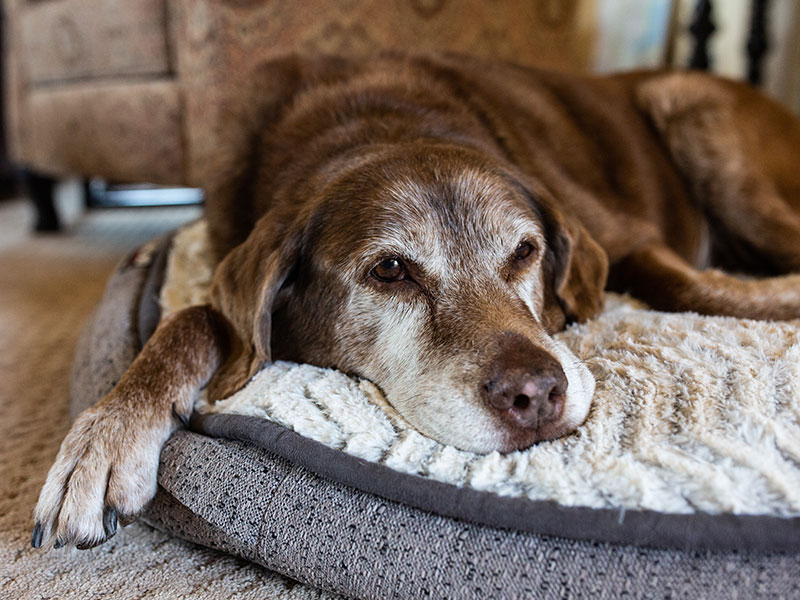
If you got your dog when he was a puppy, you probably have a good idea of how old he is in human years. If you rescued him from a shelter, though, the answer may not be as clear-cut. Many dogs come into shelters from the street, which means the shelter and you can only provide an approximate guess on his age. If you've always wondered how old your pet really is, there are several ways to tell. Once you have an idea of how old he is in human years, you can even take an educated guess on how old he is in dog years.
Look at Your Dog's Teeth
Checking your dog's teeth is one of the most reliable ways to tell how old he is. Puppies who are younger than four weeks old are not likely to have any teeth at all, which is why it's suggested that they don't leave their mother until they are at least eight weeks old. After four weeks, your puppy should begin to grow baby teeth. These temporary teeth are often very sharp, which you know if you've ever been his "victim" during playtime.
When a dog is 3-4 months old, he'll begin to grow his permanent teeth. You may find puppy teeth around the house, as much like humans, the baby teeth fall out to make room for permanent teeth. A dog's teeth naturally stay clean and white until they are about a year old.
As your dog ages, he'll need proper dental care. After a year old, permanent teeth begin to show wear and tear. There may be plaque or stains, especially in the back where he chews most of his food. Around three years old, your dog's teeth may be yellowed, and by the age of five, they won't be as pointy. Dogs need regular dental care to prevent decay and dental diseases, just like humans. When a dog reaches 10 years old, he may begin to have teeth that are loose, cracked, or fall out.
Check Your Dog's Eyes
Eyes are another way to tell how old your dog might be. As a dog ages, his eyes may develop more discharge than when he was younger. They may also begin to get cloudy. This is normal for a dog once he is 6-8 years old and doesn't necessarily indicate a problem. However, your pet still needs regular veterinarian care. Your vet can check his eyes at each appointment to ensure an older dog isn't developing cataracts or otherwise dealing with eyesight changes that lead to discomfort.
Consider Your Dog's Fur
Your dog's coloring is another way to tell how old he could be and how he is aging. As dogs age, they begin to go gray. When a dog reaches 7-10 years of age, his muzzle, haunches, and chest may begin to go gray. As he ages, more of his face and body will go gray as well. However, checking your dog's fur is not as reliable as looking at his eyes or teeth. This is because just like humans, dogs can go gray prematurely if they are anxious or stressed. This means a rescue dog from a shelter is more likely to be gray even if he is young. Regardless of how old your dog is, keeping his fur clean and brushed will help him to look and feel good. Remember to use shampoo made especially for your dog when you give him a bath.
Pay Attention To Activity Levels
Young dogs move easily, are eager to play, and tend to be a lot more energetic than senior dogs. Aging dogs won't have as much energy. Dogs reaching their senior years won't run as often and may need help going up or downstairs or getting on and off the couch or bed. Older dogs often sleep more than they play, too. If your dog seems stiff when he walks, that could be another indication that he is reaching his senior years.
Remember That Genetics Play a Role
Not all dog breeds age the same way. Even dogs within the same breed won't age the same way. Smaller breeds tend to age more slowly than larger ones, and your dog's diet, overall activity level, and medical history could factor into his age as well. Some dogs will age earlier than others of their breed while others will live much longer than others of their breed. Your vet can help you get the most accurate guesstimate of how old your dog is.
Human Years vs. Dog Years
Another thing to keep in mind is that dogs don't age the same way that humans do. When a human is 20 years old, he or she is often in the physical prime of life and is just beginning adulthood. When a dog is 20 years old, he is likely very elderly and may not be mobile at all. Once you know how old your dog likely is in human years, you can estimate how old he is in dog years as well.
The old belief is that one human year is the same as seven dog years. However, new research indicates that these calculations are incorrect. In July 2020, some researchers came up with a new equation. To determine your dog's age, use this equation:
Human Age = 16ln(dog age) + 31
If you own an Iphone, head over to the calculator app, turn your phone horizontal and find the "LN" button! Type in 16, hit LN, multiply by your dog's age, then add 31. Scientists do state they expect some variance based on your dog's breed, but that the equation is more accurate overall.
Regardless of how old your pup is, there are ways to prolong his life. Feed him healthy foods, take him to the vet regularly, and ensure he gets plenty of exercise to help your pup live a long, active, and loved life.








- Site & Contents BaxterBoo.com. BaxterBoo is located in the United States.
- Privacy & Security
- Terms of Use
- Accessibility Statement
