
 Save 15% on your 1st Autoship learn more

 Email us
 Live Chat
 FAQs
FAQs





Introduction
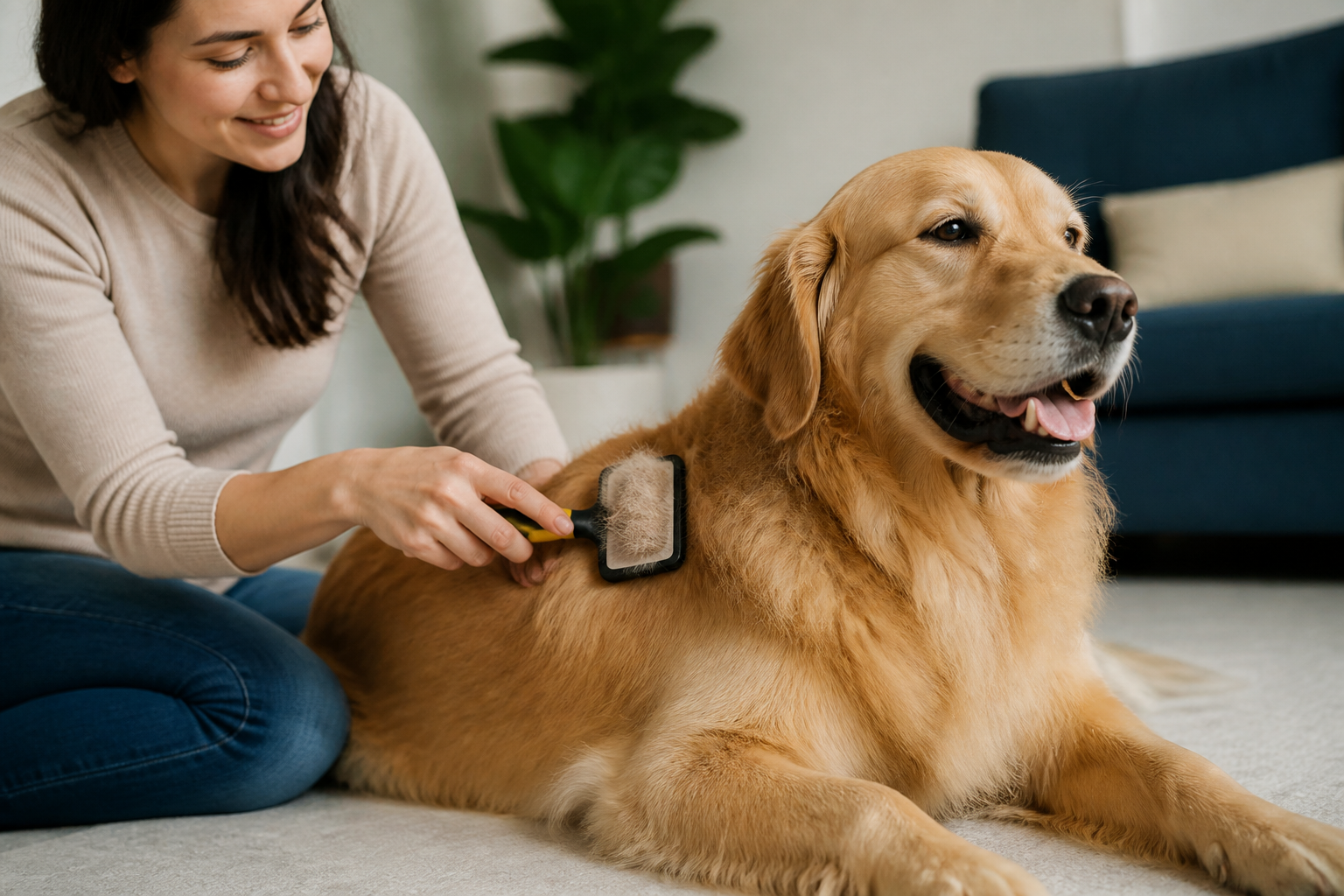
You finally sit down on the sofa after a long day. You look down and notice your black pants are now covered in a layer of tan fur. It is a scene every dog owner knows well. Whether it is seasonal coat blowing or year-round shedding, managing loose fur can feel like a full-time job. At BaxterBoo, we know that the right tools make all the difference. Learning how to use a dog shedding brush correctly does more than just save your vacuum cleaner. It keeps your dog comfortable and their skin healthy. This guide will walk you through the types of brushes available and the best techniques for every coat type. We want to help you turn a messy chore into a bonding moment with your pet.
Identifying Your Dog's Coat Type
Before you pick up a tool, you must understand what you are brushing. Not all fur is the same. Using the wrong brush can be ineffective or even painful for your pet. Most dogs fall into two main categories: single-coated or double-coated.
Single-Coated Dogs
Single-coated dogs have one layer of hair that grows continuously or sheds very little. Breeds like Poodles, Yorkies, and Greyhounds fit here. These dogs do not have a thick undercoat to "blow" out. They still need grooming, but a heavy-duty deshedding blade is usually unnecessary. For these dogs, brushing is more about removing debris and preventing mats.
Double-Coated Dogs
Double-coated dogs are the ones that leave "tumbleweeds" of fur around your house. They have a tough outer layer of guard hairs and a soft, dense undercoat. Breeds like Golden Retrievers, German Shepherds, and Huskies have this setup. The undercoat acts as insulation for both heat and cold. When this hair dies and falls out, it often gets trapped under the topcoat. That is where a deshedding brush becomes a vital tool.
Smooth and Short Coats
Short-haired dogs like Labradors or Beagles might look like they do not shed much, but they are often the heaviest shedders. Their hair follicles have a short life cycle. This means they are constantly dropping old hair. Because their fur is so short, it can be hard to grab with a traditional comb.
Quick Answer: To use a dog shedding brush, always work in the direction of hair growth using short, gentle strokes. Focus on one section at a time and avoid pressing the tool into the skin to prevent irritation.
Choosing the Right Shedding Tool
At our warehouse in Vernon Hills, we see hundreds of different grooming products. It can be overwhelming to choose just one. The best tool for your dog depends entirely on their hair length and density. Browse our dog brushes and combs to compare options for different coat types.
Undercoat Rakes
These tools look like a tiny garden rake with rounded metal teeth. They are designed to reach through the topcoat and pull out the loose undercoat without cutting the guard hairs. This is the gold standard for heavy shedders like Malamutes or Great Pyrenees.
Deshedding Blades and Tools
Tools like the Furminator use a fine-toothed stainless steel edge. These are excellent for grabbing the tiny, fuzzy hairs of the undercoat. They are very efficient, but you must use them with a light hand. They are best for dogs with thick, dense fur where a standard brush just slides over the surface.
Rubber Curry Brushes
The Kong Zoom Groom is a classic example of this style. These are made of soft rubber and are perfect for short-haired breeds. The rubber nubs act like a magnet for loose fur. They also massage the skin, which helps distribute natural oils. These are the safest option because they have no sharp edges.
Slicker Brushes
A slicker brush has fine, short wires close together on a flat or curved surface. It is great for removing tangles and finishing the coat after you have used a heavier deshedding tool. Our slicker brushes and grooming tools include options for daily maintenance.
Key Takeaway: Match the tool to the coat. Use rakes for thick undercoats, blades for dense shedding, and rubber brushes for short or sensitive coats.
How to Prepare Your Dog for Brushing
Success starts before the brush even touches the fur. If your dog is stressed or dirty, the experience will be a struggle for both of you.
Start with a Clean Coat
It is much easier to remove loose hair from a clean dog. Dirt and grit can cause the brush to snag. This pulls on the skin and makes the dog dislike grooming. If your dog is particularly dirty, give them a bath first. Ensure they are completely dry before using a metal deshedding tool. Water can make the hair heavy and prone to breakage.
Check for Mats and Skin Issues
Run your hands over your dog's body. Look for any tangles or hard lumps of fur. These are mats. If you hit a mat with a deshedding blade, it will pull painfully. You should also look for any red spots, scratches, or hot spots. Never use a shedding tool over irritated skin.
Vet Tip: If you notice your dog is shedding excessively and has bald patches or very red skin, consult your veterinarian. While shedding is normal, sudden hair loss can indicate underlying health issues like allergies or thyroid problems.
Create a Calm Environment
Choose a quiet spot with good lighting. If you have a small dog, putting them on a non-slip table can save your back. For larger dogs, a rug or a grooming mat on the floor works best. Have some high-value treats ready to reward your dog for staying still.
Step-by-Step Guide to Using a Shedding Brush
Now that you have the right tool and a prepared pet, it is time to get to work. Following a specific order ensures you do not miss any spots.
Step 1: Start at the head and neck. Move slowly down the back toward the tail. Use very light pressure around the ears and throat. These areas have thin skin and are very sensitive.
Step 2: Follow the grain of the fur. Never brush against the way the hair grows. This is uncomfortable for the dog and can cause the tool to catch on the skin. Use long, smooth strokes for long-haired dogs and shorter strokes for thick-coated breeds.
Step 3: Handle the sensitive zones with care. The belly, "armpits," and legs require a gentle touch. Use a softer brush like a rubber curry or a soft slicker in these areas. If your dog pulls away, stop and give them a treat before trying again.
Step 4: Clean the brush frequently. Deshedding tools fill up with hair very fast. A full brush will not grab any more fur and will just slide over the coat. Many modern tools have a button to eject the hair, making this step much faster.
Step 5: Finishing touches. Once you have removed the bulk of the undercoat, run a standard comb or a soft bristle brush over the dog. This picks up any remaining stray hairs and smooths the topcoat for a polished look.
Understanding the Shedding Cycle
It helps to know why your dog is shedding so much at certain times of the year. All hair goes through a growth cycle.
- Anagen Phase: This is the active growth phase.
- Catagen Phase: The hair stops growing and the follicle shrinks.
- Telogen Phase: The hair is resting but still attached.
- Exogen Phase: This is when the hair falls out to make room for new growth.
Most double-coated dogs "blow" their coats twice a year, usually in the spring and fall. This is a massive shedding event triggered by changes in daylight and temperature. During these weeks, you may need to use your shedding brush every single day.
For more information about seasonal undercoat changes, read our guide to Australian Shepherd shedding.
Bottom line: Regular deshedding sessions prevent the "exogen" phase from covering your entire house in loose fur.
Avoiding Common Grooming Mistakes
Even with the best intentions, it is easy to make mistakes that can hurt your dog or damage their coat.
The Danger of Brush Burn
Brush burn is a common skin irritation caused by over-brushing one spot or using too much pressure. The skin will look red and may feel warm to the touch. To avoid this, keep the tool moving. Do not spend more than a few minutes on a single area. If the skin looks pink, move to a different part of the body.
Never Shave a Double Coat
It is a common myth that shaving a shedding dog will keep them cool or stop the mess. In reality, shaving a double-coated dog is harmful. The undercoat grows back faster than the topcoat, which can lead to permanent coat damage and matting. It also removes their natural insulation, making them more likely to overheat in the summer. Instead of shaving, use your deshedding tools to remove the dead undercoat and let the skin breathe.
Using a Metal Tool on a Wet Dog
Some people think brushing a wet dog helps remove more hair. However, wet hair is more elastic and prone to stretching and snapping. Metal teeth can also scratch the skin more easily when the fur is damp and clumped together. Always wait until the coat is bone-dry unless you are using a specific rubber brush during a bath.
Supporting Skin and Coat Health from Within
A good grooming routine is only half the battle. If your dog's skin is dry and brittle, they will shed more. We carry a variety of supplements that can help strengthen the coat. You can browse our dog skin and coat care selection for grooming-support products and supplements.
Essential Fatty Acids
Omega-3 and Omega-6 fatty acids are crucial for skin health. They help create a shiny, resilient coat and reduce inflammation. Brands like Zesty Paws or Honest Paws offer salmon oil or chews that are easy to add to your dog's daily routine.
Proper Nutrition
The quality of your dog's food shows in their fur. Premium brands like Farmina, Open Farm, or Orijen use high-quality proteins that provide the amino acids needed for hair growth. If your dog has persistent skin issues or excessive shedding despite good grooming, they might benefit from a prescription diet. Our pharmacy offers a wide range of prescription foods through our partnership with Pet's Choice. This is a great option for dogs with food sensitivities that affect their skin.
Key Takeaway: Healthy skin sheds less. Combine regular brushing with a high-quality diet and omega-3 supplements for the best results.
Making Grooming a Positive Experience
Many dogs are fearful of brushes. If your dog runs away when they see the grooming kit, you need to change their perspective.
- Introduce the tool slowly: Let them sniff the brush while it is on the floor. Give them a treat just for being near it.
- Touch without brushing: Rub the back of the brush against their side. If they stay calm, reward them.
- Keep sessions short: Start with just two or three minutes. End the session while the dog is still behaving well.
- Use a "lick mat": Spread some peanut butter or yogurt on a silicone mat. This keeps the dog distracted and happy while you work on their coat.
Professional Care and Advanced Solutions
Sometimes, the shedding is more than you can handle at home. Professional groomers use high-velocity dryers to "blow out" the undercoat. This is very effective for breeds like Huskies. If your dog is prone to skin infections or has a chronic condition that causes coat changes, we can help. Our pharmacy carries medications for allergies and skin conditions that require a veterinarian's prescription. Using these in conjunction with a solid grooming routine can make a massive difference in your dog's quality of life.
The Role of Our Pharmacy
If your vet prescribes a medicated shampoo or a specific treatment for a skin condition, we make it easy to get what you need. Our partnership with Pet's Choice ensures you get authentic medications delivered to your door. This is especially helpful for managing ongoing conditions like atopic dermatitis, which can lead to excessive scratching and hair loss.
Keeping Your Home Clean
Even with the best brushing routine, some hair will escape. Here are a few quick tips for managing the fur that does land on your furniture:
- Use a damp rubber glove: Run a damp glove over fabric surfaces to pick up stubborn hairs.
- Try a lint roller: Keep one near the door for quick touch-ups on your clothes before you leave.
- Wash bedding regularly: Using a pet-safe detergent helps remove trapped allergens and hair from your dog's favorite sleeping spots.
- Consider Autoship: If you find a specific brush or supplement that works, our Autoship programme ensures you never run out of supplies. You also save on your first order and get a free MVP Gold membership.
Summary of Best Practices
Grooming is a vital part of pet ownership. It keeps your home cleaner and helps you spot health issues early. When you use a shedding brush correctly, you are caring for your dog's largest organ: their skin.
- Identify the coat type before choosing a tool.
- Always brush in the direction of hair growth.
- Watch for signs of skin irritation or "brush burn."
- Support the coat with a high-quality diet and omega-3 supplements.
- Consult your vet for any unusual hair loss or skin redness.
Vet Tip: During your grooming sessions, take the time to check for lumps, bumps, or ticks. Regular brushing is the best way to monitor your dog's physical health between vet visits.
We have been helping pet owners since 2006, and we know that every dog is unique. Whether you visit our warehouse in Illinois or shop with us online, our goal is to provide the expert guidance you need. A well-groomed dog is a happy dog, and a hair-free sofa is a nice bonus for you.
FAQ
How often should I use a deshedding brush on my dog?
For most dogs, once or twice a week is enough to keep shedding under control. During the heavy shedding seasons of spring and fall, you may need to brush double-coated breeds every day. Always monitor the skin for redness to ensure you are not over-brushing.
Can I use a shedding brush on a puppy?
Yes, but you must be extremely gentle. Puppies have very sensitive skin and their adult coat has not fully developed yet. Use a soft brush or a rubber curry tool to get them used to the sensation of grooming without causing any discomfort.
Is it better to brush a dog before or after a bath?
It is usually best to brush your dog before a bath to remove as much loose hair as possible. However, many owners find that a second brushing session after the dog is completely dry is very effective. The bath helps loosen the dead undercoat, making it easier to remove with a shedding tool.
Why does my dog still shed even after I brush them?
Brushing removes dead hair, but it does not stop the natural growth cycle of the fur. Factors like indoor heating, diet, and stress can also influence how much a dog sheds. If the shedding seems excessive despite regular grooming, it might be worth discussing a high-quality diet or supplements with your veterinarian.






