Save 15% on your 1st Autoship learn more

 Email us
 Live Chat
 FAQs
FAQs





Introduction
Finding white flakes on your cat’s glossy coat can be a bit of a surprise. You might notice them while petting your cat or see them scattered on a favorite dark blanket. While we often think of dandruff as a minor cosmetic issue, for felines, it is frequently a sign of an underlying health or lifestyle concern. At BaxterBoo, we know that your cat’s coat is a window into their overall wellness. This post covers the differences between normal shedding and dandruff, the common causes of flaky skin, and how you can support your pet’s skin health. We will also help you identify when those flakes mean it is time for a professional medical opinion. Understanding why these flakes appear is the first step toward restoring your cat’s coat to its natural, silky shine.
Quick Answer: Cat dandruff consists of visible skin flakes often caused by dry air, poor grooming, or underlying health issues. While a few flakes might be normal, excessive dandruff usually requires a change in diet, better grooming habits, or a veterinary checkup to rule out parasites and infections.
What Exactly Is Cat Dandruff?
It is important to distinguish between dandruff and dander. Every healthy cat produces dander. These are microscopic skin cells that shed naturally as part of the body's renewal process. You generally cannot see dander with the naked eye. It is the material that often triggers allergies in humans, but it is a sign of healthy skin turnover.
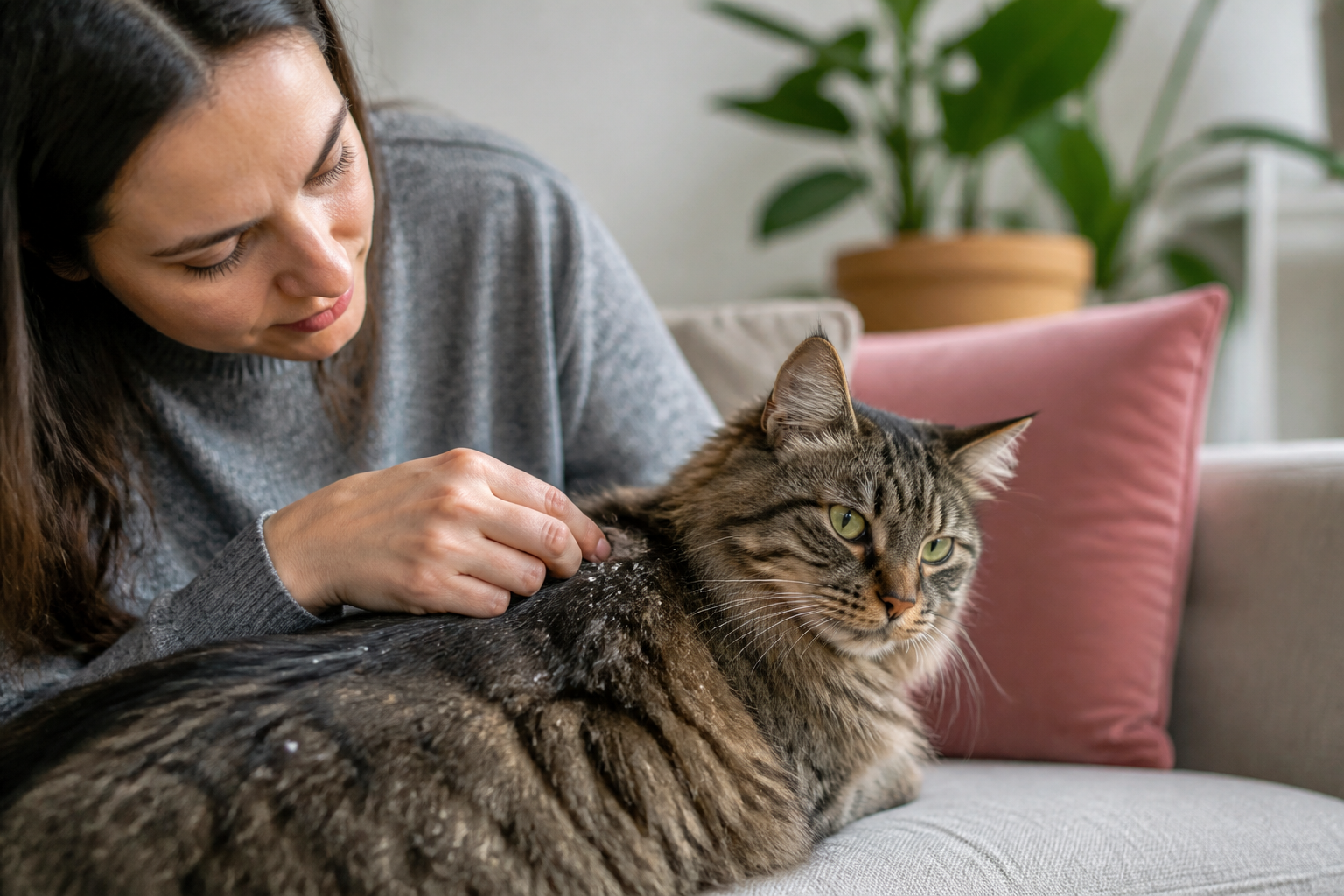
Dandruff is different. These are larger, visible flakes of dead skin that have clumped together. They might look white, gray, or yellowish. You will often see them along the lower back or at the base of the tail. If you see these flakes, it means the skin is either too dry or too oily. It can also mean the cat is not able to groom those cells away effectively.
Signs to Watch For
Dandruff rarely travels alone. If your cat has flaky skin, you should look for other symptoms that suggest a bigger problem.
- Persistent itching or over-grooming in specific spots
- Redness or inflammation on the skin surface
- Patches of thinning hair or total hair loss
- A coat that feels excessively greasy or very brittle
- Small black specks that could indicate flea dirt
Key Takeaway: Dandruff is visible and often indicates an imbalance in skin health, whereas dander is microscopic and part of a normal, healthy shedding cycle.
Why Does My Cat Have Flaky Skin?
There is rarely just one cause for a flaky coat. It is usually a combination of environment, biology, and habit. By narrowing down the cause, you can find the right solution faster.
Environmental Factors and Dry Air
Just like humans, cats suffer when the humidity drops. During the winter, indoor heating systems strip moisture from the air. This parches the skin and leads to irritation. If you notice the flakes only during the colder months, the environment is likely the culprit. Using a humidifier in the rooms where your cat spends the most time can make a massive difference.
Nutritional Deficiencies
A dull, flaky coat is often the first sign that a cat’s diet is lacking. Cats require specific nutrients to maintain the skin barrier. Omega-3 and Omega-6 fatty acids are essential for this. If their food is low in these fats, the skin becomes brittle. We carry several brands like Tiki Cat and Fussie Cat that focus on high-quality proteins and healthy fats to support skin health. You can explore our cat food category when reviewing your cat’s diet.
Difficulty with Self-Grooming
Cats are famous for their cleanliness. If a cat stops grooming, skin cells and oils build up and flake off. Several factors can prevent a cat from reaching certain spots.
- Obesity: If a cat is overweight, they simply cannot reach their lower back or tail base.
- Arthritis: Joint pain makes the twisting and stretching required for grooming very uncomfortable.
- Dental Pain: If a cat’s mouth hurts, they will stop using their tongue to clean themselves.
Vet Tip: if you notice your cat is no longer grooming or is struggling to reach their back, schedule a visit with your veterinarian. They can check for underlying mobility issues or pain that might be making self-care difficult.
Health Conditions Linked to Dandruff
Sometimes, those white flakes are a symptom of a medical condition that needs professional treatment. It is always better to rule these out early.
Parasites and Fungal Infections
External parasites are a common cause of skin irritation. Fleas are the most frequent offenders. Some cats have a specific allergy to flea saliva, which causes extreme flaking and scabbing. There is also a specific mite called Cheyletiella. This is often called walking dandruff because the mites are large enough to see moving under the flakes.
Fungal infections like ringworm can also cause flaky, crusty patches. Ringworm is contagious to humans and other pets. If the dandruff appears in circular patches or is accompanied by crusting, see a vet immediately. Our pharmacy carries FDA-approved flea and tick preventives through our partnership with Pet's Choice. You can also review our cat flea and tick collection for prevention options.
Allergies and Internal Health
Cats can develop allergies to their food or environmental triggers like pollen and dust. These allergies often manifest as skin problems. Additionally, systemic issues like hyperthyroidism, diabetes, or kidney disease can change the quality of a cat's skin. When the body is focused on managing a chronic illness, skin and coat health often take a backseat.
How to Manage Cat Dandruff at Home
If your vet has ruled out serious illness, you can take several steps to clear up the flakes and prevent them from returning.
Step-by-Step Grooming Routine
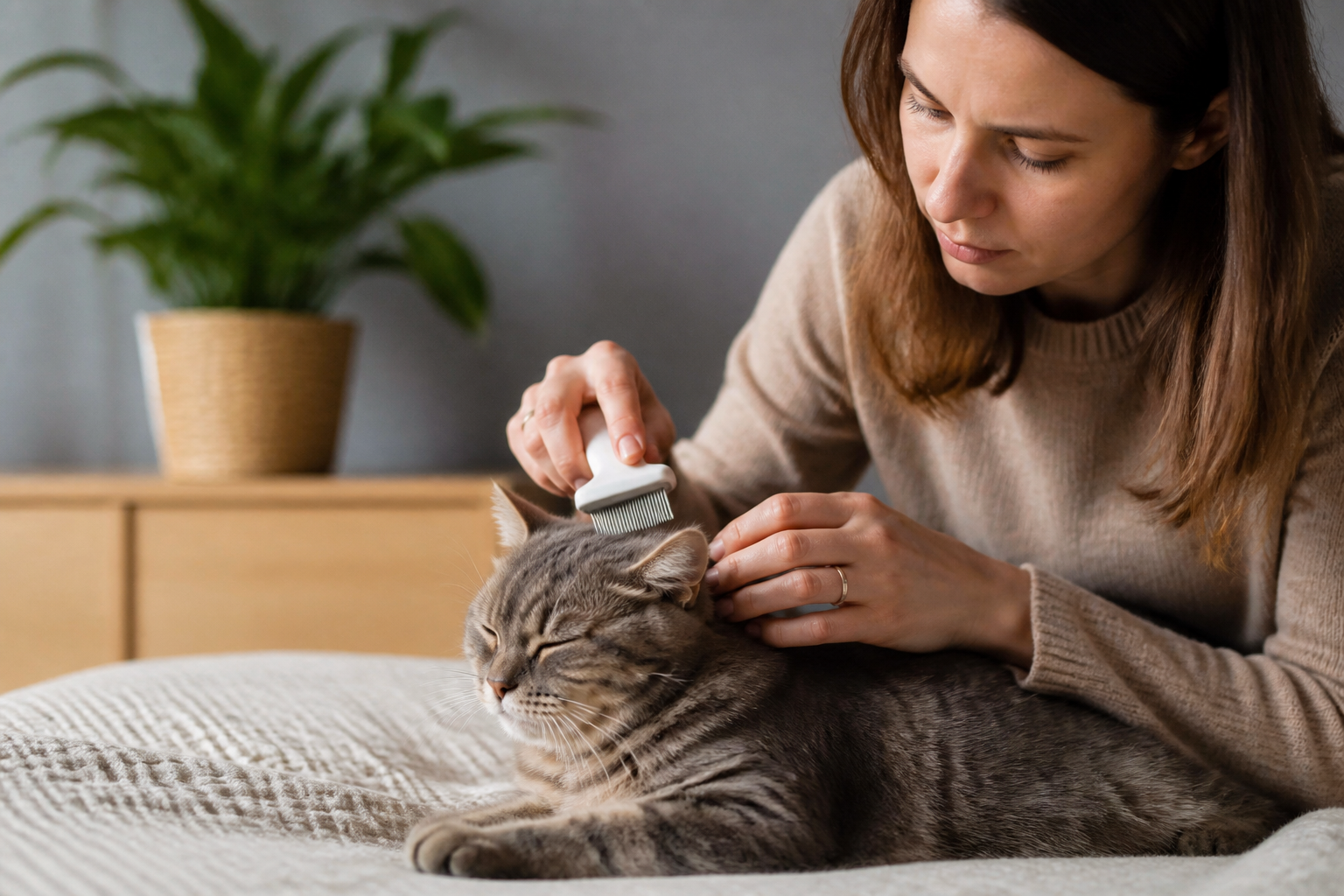
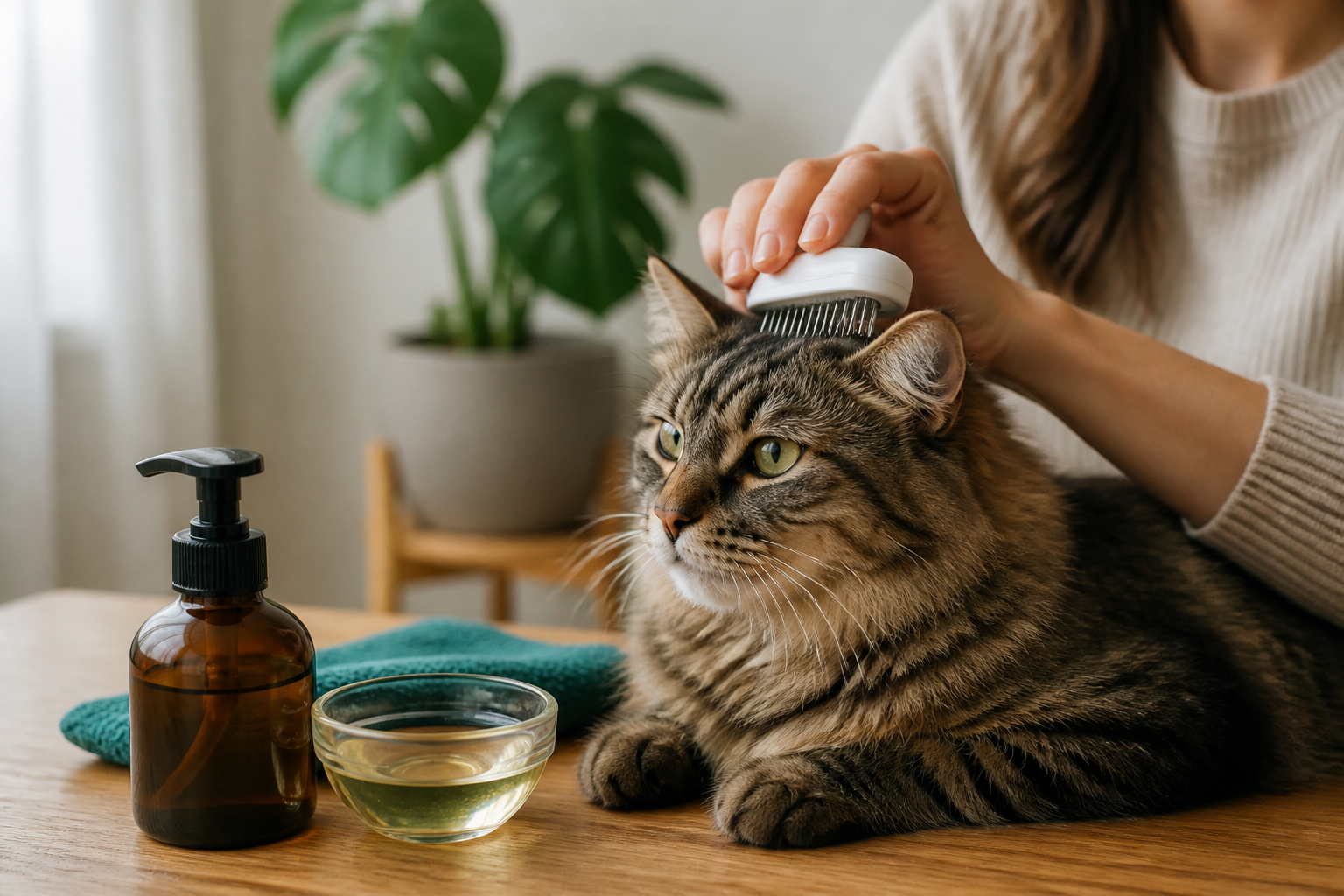
Grooming is the most effective way to manage mild dandruff. It removes dead cells and distributes natural oils across the hair shaft. For additional guidance on feline grooming, read our guide to caring for cat whiskers during grooming.
- Choose the right tool: Use a soft slicker brush for long-haired cats or a grooming mitt for short-haired cats.
- Start slow: Brush your cat for just a few minutes a day to get them used to the feeling.
- Target the problem areas: Focus on the lower back and the base of the tail where flakes accumulate.
- Be gentle: Do not tug on mats or press too hard, as flaky skin is often sensitive.
- Finish with a reward: Give a small, healthy treat to make the experience positive.
Improving Hydration
Hydration starts from the inside out. Many cats do not drink enough water, leading to chronically dry skin. Switching part of their diet to wet food can significantly increase their water intake. You can also try a pet water fountain. Many cats prefer moving water over a stagnant bowl.
Supplements and Topicals
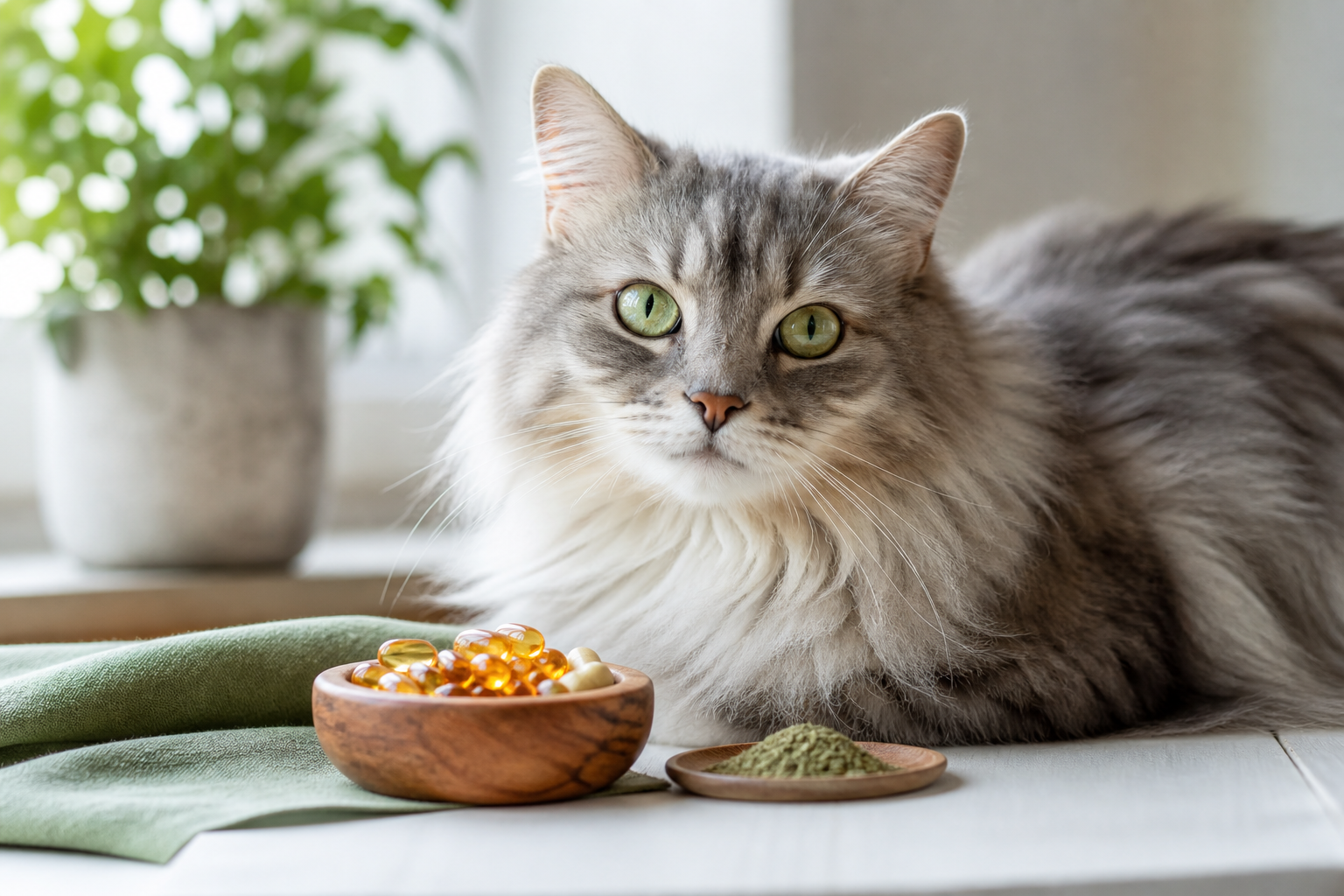
Adding a skin and coat supplement can provide the extra fatty acids your cat needs. Products containing wild Alaskan salmon oil or other fish oils are excellent choices. Our cat skin and coat care category includes supplements and topical care options. We offer various supplements like Zesty Paws or Cosequin that support different aspects of feline health. Always check with your vet before adding a new supplement to your cat's routine to ensure it is appropriate for their specific needs.
Bottom line: Consistent grooming and high-quality nutrition are the foundations of a flake-free coat.
When to Contact the BaxterBoo Pharmacy
When a vet determines that your cat’s dandruff is caused by an infection or a chronic condition, they may prescribe specific medications. Our pharmacy offers a convenient way to get these essential treatments delivered to your door.
Through our partnership with Pet's Choice, we provide access to prescription diets and FDA-approved medications. This includes treatments for:
- Flea and mite infestations
- Bacterial or fungal skin infections
- Chronic conditions like hyperthyroidism or diabetes
- Prescription-strength shampoos for severe seborrhea
Managing a health condition is easier when you have a reliable source for your pet's needs. Our Autoship program is a great way to ensure you never run out of the food or supplements that keep your cat's skin healthy.
Choosing the Best Food for Skin Health
Nutrition is not just about calories. It is about the specific building blocks of healthy tissue. Look for foods that list a specific animal protein as the first ingredient. Avoid foods with excessive fillers or artificial dyes, which can sometimes trigger sensitivities.
Brands like Farmina and Open Farm focus on high-quality ingredients that support the skin barrier. If your cat is overweight, look for weight management formulas. Helping your cat reach a healthy weight will allow them to resume their own grooming habits, which often clears up dandruff naturally.
- Omega Fatty Acids: Look for labels that highlight Omega-3 and Omega-6.
- Vitamin E: This antioxidant helps protect skin cells from damage.
- Biotin: A B-vitamin that is essential for hair and skin growth.
- Moisture Content: Higher moisture in the diet leads to better skin elasticity.
Summary of Next Steps
Dealing with cat dandruff requires a bit of detective work. Start by looking at your cat's environment and their ability to groom. If the flakes are accompanied by itching or redness, a vet visit is the most important step. Once you have a plan, consistency is key.
- Increase the humidity in your home during winter.
- Establish a daily or weekly grooming routine.
- Review your cat's diet for essential fatty acids.
- Consult your vet for any signs of parasites or infection.
Key Takeaway: Most cases of cat dandruff are manageable with the right combination of grooming, nutrition, and veterinary care.
To get started on your cat's skin health journey, browse our cat grooming supplies. Whether you need a new brush, a hydrating supplement, or a high-quality food, we have the tools to help your cat feel their best.
FAQ
Is cat dandruff contagious to humans or other pets?
Standard dandruff caused by dry skin or poor grooming is not contagious. However, if the "dandruff" is actually caused by Cheyletiella mites or ringworm, those can spread to other animals and people. It is important to have a vet confirm the cause if you have multiple pets or if you notice skin irritation on yourself.
Can I use human dandruff shampoo on my cat?
No, you should never use human dandruff shampoo on a cat. These products often contain ingredients like zinc pyrithione or selenium sulfide which can be toxic if a cat licks their fur. The pH level of human skin is also different from feline skin. Always use a shampoo specifically formulated for cats and approved by your veterinarian.
How often should I brush my cat to get rid of dandruff?
For most cats, a thorough brushing two to three times a week is sufficient to manage flakes. If your cat has long hair or is struggling to groom themselves due to age or weight, daily brushing is better. Regular sessions help distribute natural oils that act as a built-in moisturizer for the skin.
Will a humidifier really help my cat's dry skin?
Yes, a humidifier can be very effective, especially if you live in a cold climate where indoor heating is used frequently. Dry air pulls moisture out of the skin, leading to cracks and flakes. Keeping the humidity between 40 and 50 percent can help both you and your pet maintain better skin and respiratory health.