
 Save 15% on your 1st Autoship learn more

 Email us
 Live Chat
 FAQs





Introduction
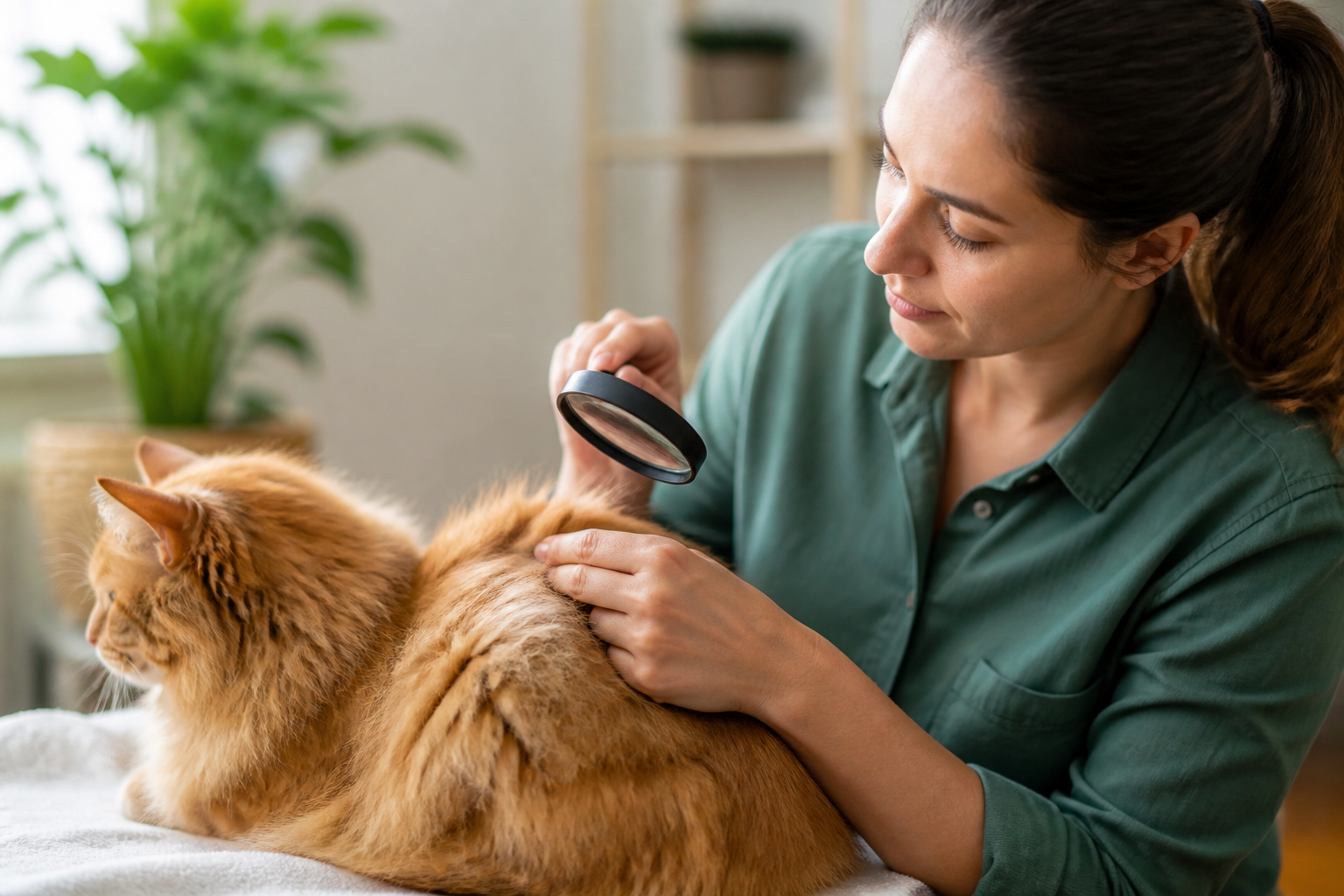
You are brushing your cat when you notice tiny white specks scattered across their dark fur. Your first thought might be a simple case of dry skin. However, you might also worry about parasites like lice or mites. Telling the difference between cat dandruff vs lice is important for choosing the right care routine. At BaxterBoo, we understand that any change in your pet's coat can cause concern. This guide will help you distinguish between harmless skin flakes and a parasitic infestation. We will cover the visual markers, common causes, and effective management strategies for both conditions. By the end, you will feel confident in identifying what is affecting your cat's skin and knowing the next steps to take.
Understanding Cat Dandruff
Dandruff is a common skin condition where the top layer of skin sheds more quickly than usual. This process creates visible white or yellowish flakes. While all cats shed microscopic skin cells called dander, dandruff consists of larger flakes you can see with the naked eye. It often appears on the lower back and near the base of the tail.
Dandruff is generally a symptom of an underlying issue rather than a primary disease. It can result from dry air during the winter or a lack of humidity in your home. Some cats develop flakes because they cannot groom themselves properly. This happens often with senior cats or those with limited mobility.
The texture of dandruff is usually irregular. The flakes come in various sizes and shapes. They are not uniform and do not have a specific structure. If you run your hand through your cat's fur, these flakes will move freely and fall away easily.
Quick Answer: Cat dandruff consists of loose skin flakes that fall away when the fur is moved. Cat lice are parasites that lay sticky eggs called nits, which stay firmly attached to individual hair shafts.
Cat Flea & Tick Care










What Are Cat Lice?
Cat lice are small, wingless insects that live on the skin and feed on skin debris. The most common species found on cats is Felicola subrostratus. These parasites are species-specific. This means cat lice cannot live on humans or dogs. They are highly contagious between cats, spreading through direct contact or shared bedding.
Lice go through three stages: egg, nymph, and adult. The eggs are known as nits. These are teardrop-shaped and usually white or off-white. Unlike dandruff, nits are cemented to the hair shaft with a strong biological glue. They will not fall off if you shake the fur or brush the cat.
Adult lice are very small, usually about the size of a sesame seed. They are tan or grayish-white. They move slowly across the skin, but they can be difficult to spot because they hide deep in the coat. If you see movement among the white specks, you are likely looking at a parasite rather than dandruff.
Vet Tip: If you suspect your cat has lice, consult your veterinarian for a formal diagnosis. They can use a microscope to identify the specific parasite and recommend safe, effective medications from a trusted pharmacy.
Key Differences: Cat Dandruff vs Lice
The easiest way to tell these two apart is the "Slide Test." Try to move one of the white particles with your fingernail or a fine-tooth comb. If the particle slides easily down the hair or falls off onto the floor, it is likely dandruff. If it stays firmly stuck to the hair and requires significant effort to remove, it is likely a nit.
Location also provides a clue. Dandruff often appears broadly across the back. Lice and their nits tend to cluster in warm, hidden areas. Look closely behind the ears, around the neck, and near the groin.
| Feature | Cat Dandruff | Cat Lice (Nits) |
|---|---|---|
| Attachment | Loose; falls away easily | Firmly glued to the hair shaft |
| Shape | Irregular flakes | Oval or teardrop-shaped |
| Movement | No movement | Adult lice crawl slowly |
| Contagious | No | Yes, highly contagious to other cats |
| Itching | Mild to moderate | Intense and persistent |
The Confusion of Walking Dandruff
There is a third possibility that often confuses pet owners. It is called Cheyletiellosis, or "walking dandruff." This is caused by Cheyletiella mites. These mites are large enough to see with the naked eye. They look like white flakes, but they move on their own.
When these mites crawl under the scales of the skin, the flakes appear to be walking. This condition is very itchy and highly contagious. It can also temporarily affect humans, causing a mild rash. If the "dandruff" on your cat seems to be moving, it is almost certainly a mite infestation rather than standard dry skin.
Identifying Walking Dandruff
- The white specks move independently across the fur.
- The cat experiences sudden, intense itching.
- Redness or small crusts appear on the skin surface.
- Multiple pets in the household show similar symptoms.
Key Takeaway: While standard dandruff is a skin shedding issue, lice and mites are active infestations that require specific medical treatments to eliminate the parasites and their eggs.
Common Causes of Flaky Skin in Cats
If you have ruled out lice, you should investigate why your cat has dandruff. Several factors can lead to a dry, flaky coat. Identifying the root cause is the first step toward a shiny, healthy coat.
Grooming Issues
Cats are famous for their self-cleaning habits. However, some cats may stop grooming effectively. Senior cats with arthritis might find it painful to reach their lower back. Overweight cats may have physical limitations that prevent them from cleaning certain areas. When a cat stops grooming, dead skin cells and oils build up, leading to visible dandruff.
Nutritional Deficiencies
A healthy coat starts from the inside. If a cat's diet lacks essential fatty acids like Omega-3 and Omega-6, the skin can become dry and brittle. Low-quality commercial foods may not provide enough nutrients to support skin health. We often recommend looking for foods that list specific proteins and healthy fats as primary ingredients.
Environmental Factors
Low humidity is a major cause of skin issues. During the winter, indoor heating can strip moisture from the air and your cat's skin. This leads to seasonal dandruff. Similarly, bathing your cat too frequently or using harsh shampoos can remove natural oils.
Health Conditions
In some cases, dandruff is a sign of a systemic health problem. Conditions like hyperthyroidism or diabetes can affect skin quality. Skin infections, such as ringworm, can also cause scaling and flaking that looks like dandruff.
Bottom line: Dandruff is often a sign that your cat needs help with grooming, a better diet, or a boost in environmental humidity.
How to Manage Cat Dandruff
Once you confirm your cat has dandruff, you can start a management routine. Most cases of simple dandruff respond well to home care and environmental changes.
Step 1: Increase grooming sessions. / Use a soft-bristled brush or a grooming mitt to help remove dead skin cells. This mimics the cat's natural grooming and stimulates oil production. Explore our cat grooming supplies for brushes, combs, and other routine-care tools.
Step 2: Add skin supplements. / Talk to your vet about adding fish oil or Omega-3 supplements to your cat's meals. These fats help strengthen the skin barrier and reduce flaking.
Step 3: Improve indoor humidity. / Use a humidifier in the rooms where your cat spends the most time. This is especially helpful during cold months when the air is dry.
Step 4: Evaluate the diet. / Ensure you are feeding a high-quality, complete, and balanced cat food. Proper hydration is also essential, so consider adding wet food to their routine.
Treatment for Cat Lice
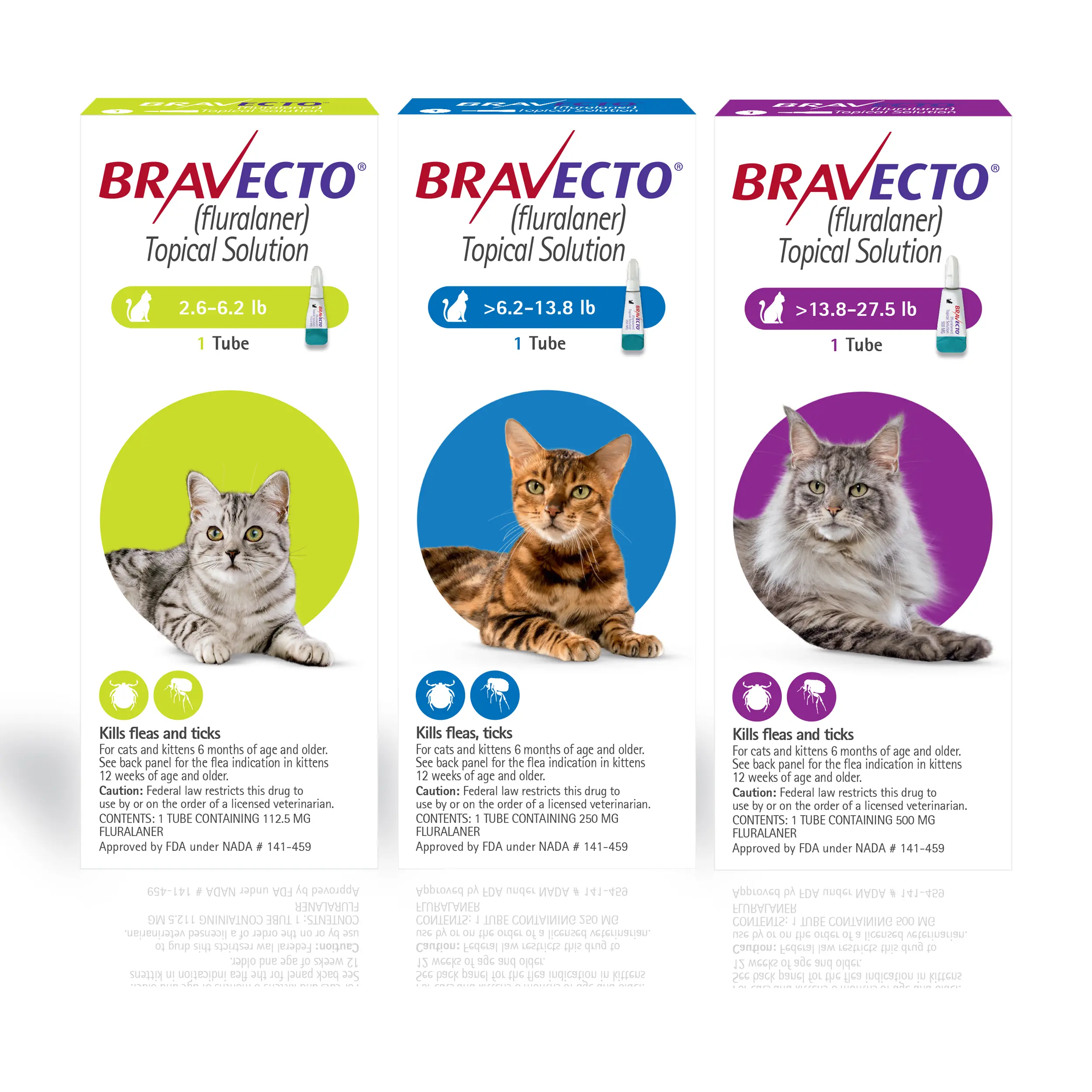
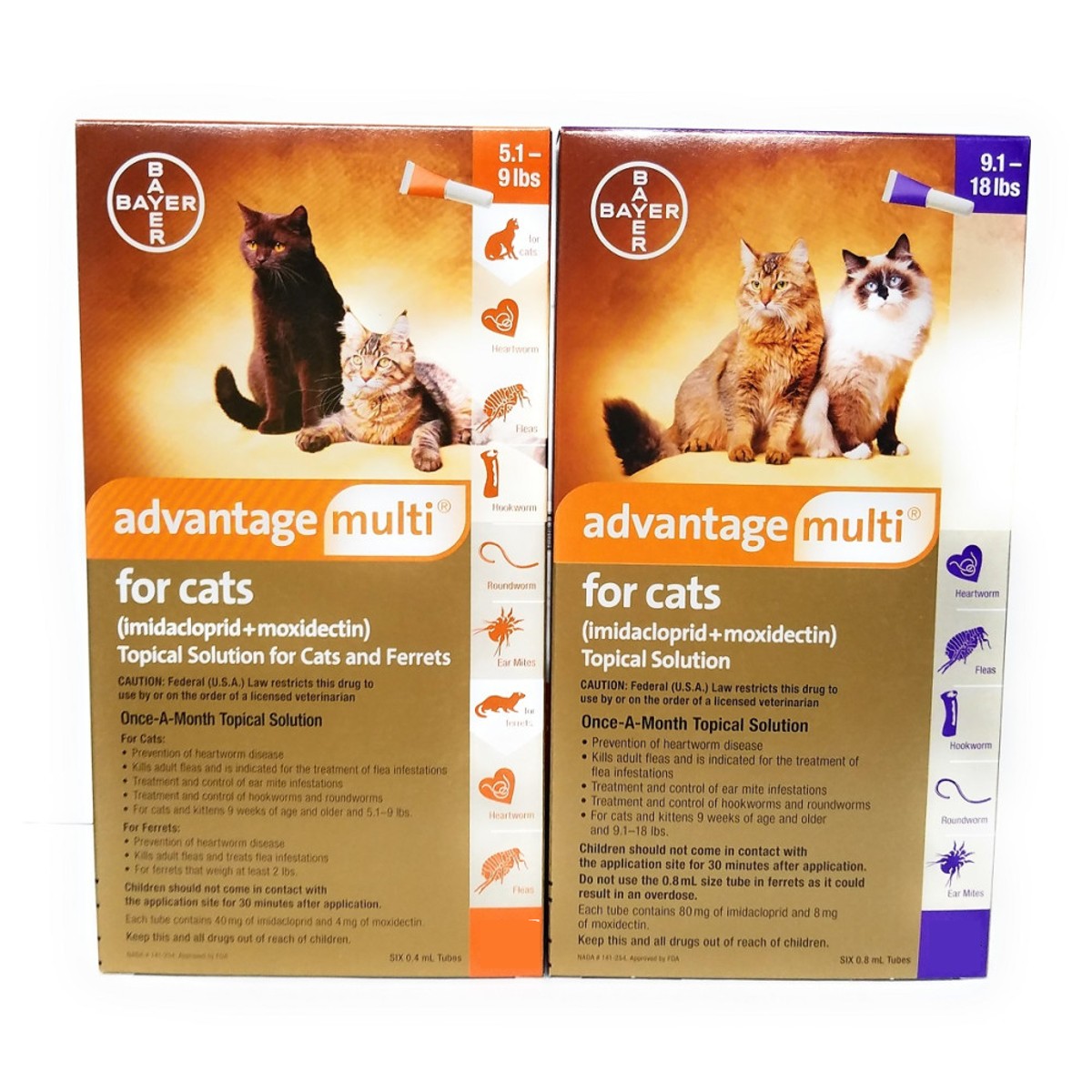
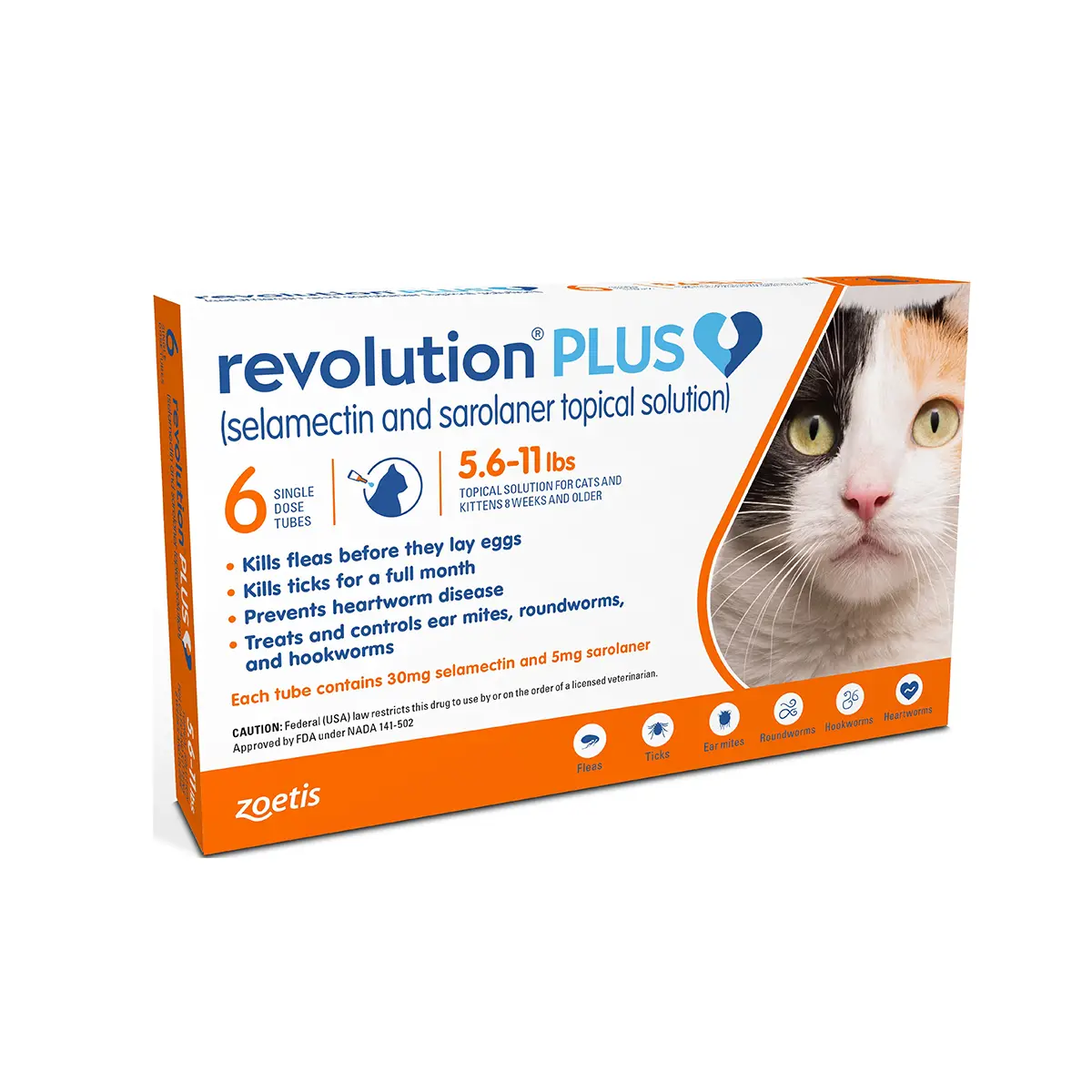
If the "dandruff" turns out to be lice, you must take a different approach. You cannot simply brush lice away. They require specific insecticidal treatments to kill both the adults and the developing nymphs.
Our cat pharmacy provides access to prescription medications when directed by your veterinarian. You will need to work with your veterinarian to get a prescription for these treatments.
It is also important to clean your home. While cat lice do not live long off the host, you should wash your cat's bedding, brushes, and favorite blankets in hot water. Vacuum your carpets and furniture thoroughly to remove any stray nits or adult lice.
Steps for Handling a Lice Infestation
- Isolate the affected cat from other feline companions.
- Consult a vet for a prescription-grade parasite treatment.
- Treat all cats in the household, as lice spread easily.
- Deep clean the environment to prevent re-infestation.
Key Takeaway: Lice require medical intervention and a strict cleaning protocol to fully eradicate the infestation and prevent it from spreading to other cats.
When to See a Veterinarian
While occasional dry skin is common, some situations require professional help. If your cat's skin appears red, inflamed, or bloody from scratching, a vet needs to intervene. Persistent dandruff that does not improve with grooming and diet changes may indicate an underlying medical condition.
If you see actual bugs moving in the fur, do not wait. Parasites can cause significant stress and lead to secondary skin infections. Your vet can provide a definitive diagnosis by looking at skin scrapings or hair samples under a microscope.
Vet Tip: Never use dog-specific lice or flea treatments on a cat. Many dog products contain permethrins, which are highly toxic to cats. Always use products specifically labeled for feline use.
Supporting Your Cat's Skin Health
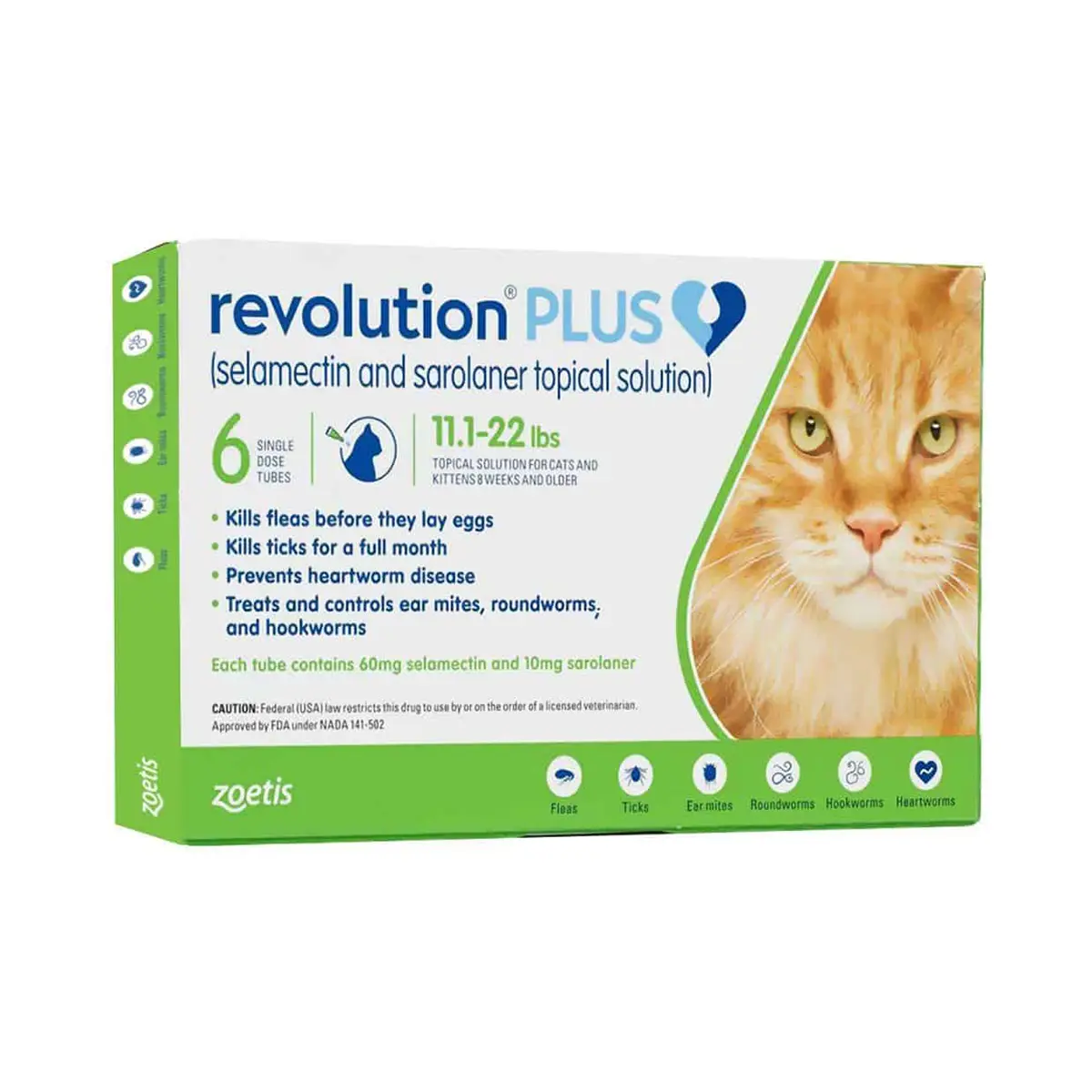
Preventing both dandruff and lice starts with regular maintenance. Keeping your cat on a year-round parasite preventive is the best way to avoid lice and mites. These products are easy to apply and provide peace of mind. For related prevention guidance, read our guide to flea and tick prevention products.
For skin health, consistency is key. Regular brushing sessions allow you to monitor your cat's skin regularly. You will notice changes early, making them easier to manage. If you see a few flakes starting to appear, you can adjust the humidity or add a supplement before the problem becomes severe.
We carry a wide range of grooming tools and supplements designed for cats of all ages. From senior cats who need extra help to kittens developing their first adult coat, we have the resources to help them thrive. Browse our cat skin and coat care collection for additional support.
Conclusion
Distinguishing between cat dandruff vs lice is the first step toward restoring your cat's comfort. Dandruff is usually a manageable skin condition caused by environment, diet, or grooming habits. Lice are sticky parasites that require medical treatment and environmental cleaning. By checking for attachment and movement, you can determine which issue your cat is facing. If your cat is struggling with persistent itching or heavy flaking, we recommend consulting your veterinarian. Our pharmacy and Pet's Choice partnership offer the medications you need to handle infestations. You can also explore our skin and coat health options to support your cat's daily care routine.
FAQ
Can humans catch lice from their cats?
No, cat lice are species-specific and cannot live on human skin. They are adapted to survive only on the specific environment provided by a cat's body and fur. If you find lice on your cat, you do not need to worry about them infesting your own hair.
Is cat dandruff contagious to other pets?
Standard dandruff is not contagious because it is a result of individual skin health or environmental factors. However, if the "dandruff" is actually caused by Cheyletiella mites or lice, those parasites can easily spread to other cats in the home.
Why does my cat have dandruff only on the lower back?
The lower back and base of the tail are the hardest areas for a cat to reach during grooming. If a cat is overweight, senior, or has arthritis, they may skip these spots. This leads to a buildup of dead skin and oils in that specific area.
Can I use human dandruff shampoo on my cat?
You should never use human dandruff shampoos on cats. Many of these products contain ingredients that are toxic to cats or can cause severe skin irritation. Always use a shampoo specifically formulated for felines and consult your vet before starting any new topical treatment.






- Site & Contents BaxterBoo.com. BaxterBoo is located in the United States.
- Privacy & Security
- Terms of Use
- Accessibility Statement
