
 Save 15% on your 1st Autoship learn more

 Email us
 Live Chat
 FAQs





Introduction
You are brushing your cat when you notice what looks like a heavy layer of dandruff along their spine. As you look closer, those white flakes seem to be twitching or shifting on their own. This unsettling sight is exactly why the condition is known as walking dandruff. At BaxterBoo, we know how stressful it is to find parasites on your pet. This guide covers how to identify these mites, the health risks they pose, and how to clear the infestation for good. We will also discuss how to protect your home and other pets from cross-contamination. Understanding the life cycle of these mites is the first step toward a flake free home and a comfortable, happy cat.
What is Walking Dandruff?
The medical term for walking dandruff is cheyletiellosis. It is a skin condition caused by the Cheyletiella mite. These mites are different from the ones that cause ear mites or traditional mange. They live on the surface of the skin rather than burrowing deep into the layers. They feed on skin cells and surface fluids.
The name "walking dandruff" comes from the way the mites move. They are large enough to be seen with a magnifying glass or sometimes even the naked eye. As they crawl under the layers of shed skin and dander, they carry the flakes with them. This creates the illusion that the dandruff is moving across your cat's back.
While it might look like a simple hygiene issue, it is a parasitic infestation. These mites are highly contagious. They can easily move between cats, dogs, and rabbits. Even humans can experience temporary irritation from these pests.
Quick Answer: Walking dandruff is a skin infestation caused by Cheyletiella mites that live on the skin surface. It causes excessive scaling and itching, and the "walking" appearance comes from mites moving skin flakes as they crawl.
Cat Flea & Tick Treatments












Identifying the Symptoms in Cats
Not every cat reacts to these mites in the same way. Some cats carry the mites without showing any outward signs of distress. However, most cats will show physical symptoms that worsen over time. The most common sign is a sudden increase in dandruff. This usually starts along the neck and follows the spine down to the tail.
You may also notice your cat overgrooming. They might spend hours licking or biting at their back. This can lead to hair loss and thinning patches. In some cases, the skin becomes red and inflamed. Small, crusty bumps known as miliary dermatitis may also appear.
Itching is another primary symptom. Your cat may seem restless or twitch their skin frequently. Because the mites are active, the itching can be intense and constant. If your cat has a thick coat, you might need to part the fur to see the scaling underneath.
Common Signs Checklist
- Visible white flakes moving on the fur
- Red, bumpy skin along the back and neck
- Frequent scratching or biting at the skin
- Thinning hair or bald patches
- Increased dander that does not improve with brushing
Vet Tip: If you notice your cat is scratching more than usual or has crusty sores, consult your veterinarian for a professional skin evaluation. They can perform a diagnostic test to confirm if mites or other skin issues are the cause.
The Life Cycle of the Cheyletiella Mite
To get rid of walking dandruff, you have to understand the parasite's life cycle. The entire cycle takes about three weeks. It begins when an adult female mite lays eggs on the hair shafts of the host. These eggs are attached firmly, similar to how lice attach their nits.
Once the eggs hatch, the mites go through two nymph stages before becoming adults. They spend their whole lives on the cat. However, adult females can survive for up to ten days without a host. This is a critical detail for pet owners. It means the mites can hide in your carpet, bedding, or furniture for over a week, waiting to jump back onto your cat.
The mites are very mobile. They do not jump like fleas, but they crawl quickly. They can also be transported by other insects like flies or fleas. This mobility is why an infestation can spread through a multi-pet household so fast.
How Cats Catch Walking Dandruff
The most common way a cat catches these mites is through direct contact with another infested animal. This often happens in places where many animals gather. Animal shelters, boarding facilities, and grooming salons are common spots for transmission.
Kittens are especially susceptible to walking dandruff. Their immune systems are still developing, and they are often in close contact with littermates. If one kitten in a litter has it, they all likely do. Senior cats or those with underlying health issues are also at higher risk because they may not groom as effectively.
Indirect contact is also a factor. Since the mites can live off the host for several days, they can spread through shared items. Brushes, bedding, and even your own clothing can carry the mites from one pet to another.
Key Takeaway: Cheyletiella mites are highly contagious and can live off your pet for up to ten days, making environmental cleaning just as important as treating the cat.
Professional Diagnosis
You should never try to diagnose walking dandruff on your own. Many skin conditions look similar, such as flea allergies, ringworm, or dry skin. A veterinarian will use several methods to find the mites.
The most common test is the tape test. The vet presses clear adhesive tape against your cat's skin to pick up flakes and mites. They then look at the tape under a microscope. Another method is a skin scraping, where the vet gently scrapes the top layer of skin to collect a sample.
Sometimes, the vet will use a flea comb to gather debris for examination. In cats that overgroom, the mites might be hard to find because the cat swallowed them. In these cases, a stool sample might actually reveal the mites or their eggs.
Treatment Options for Walking Dandruff
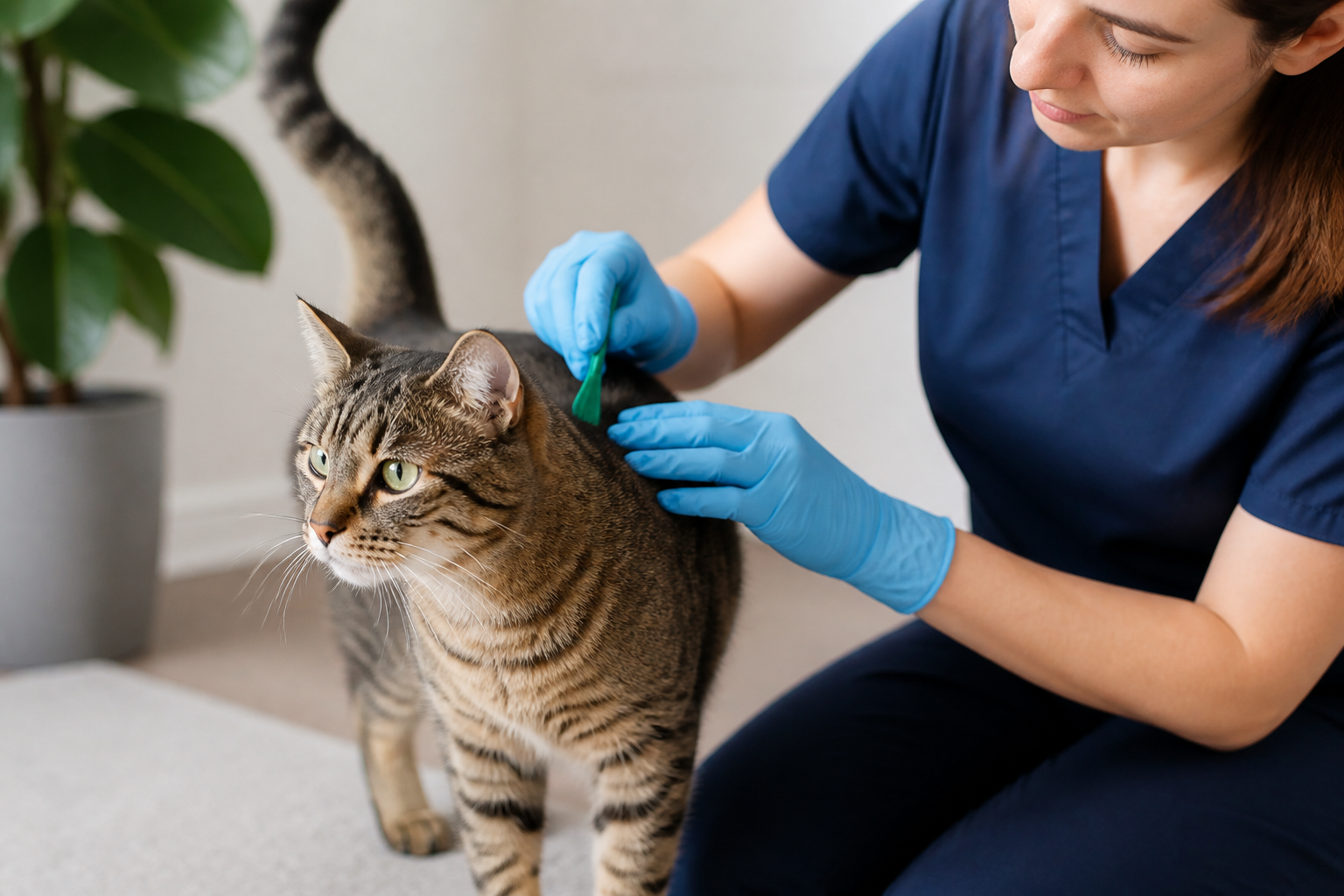
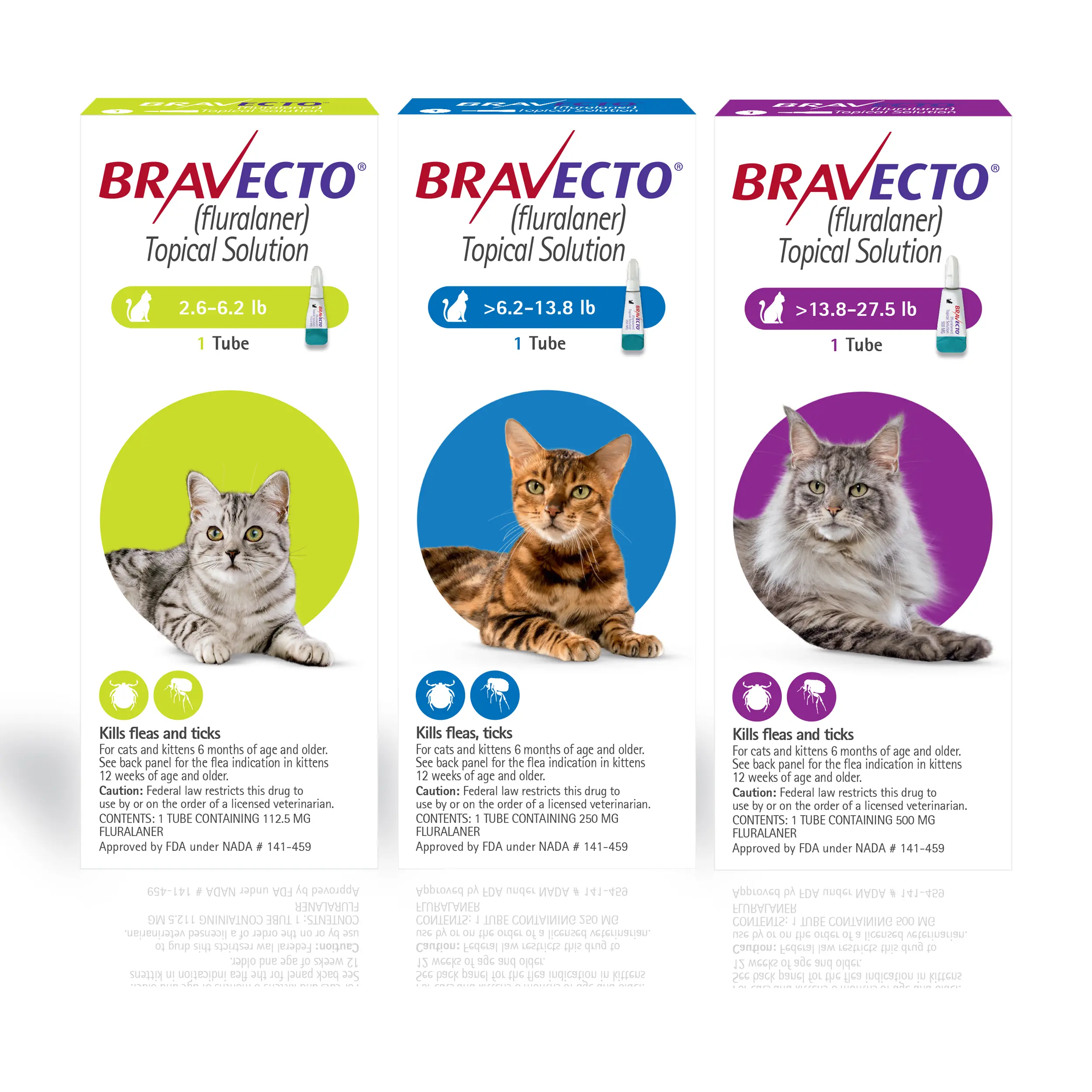
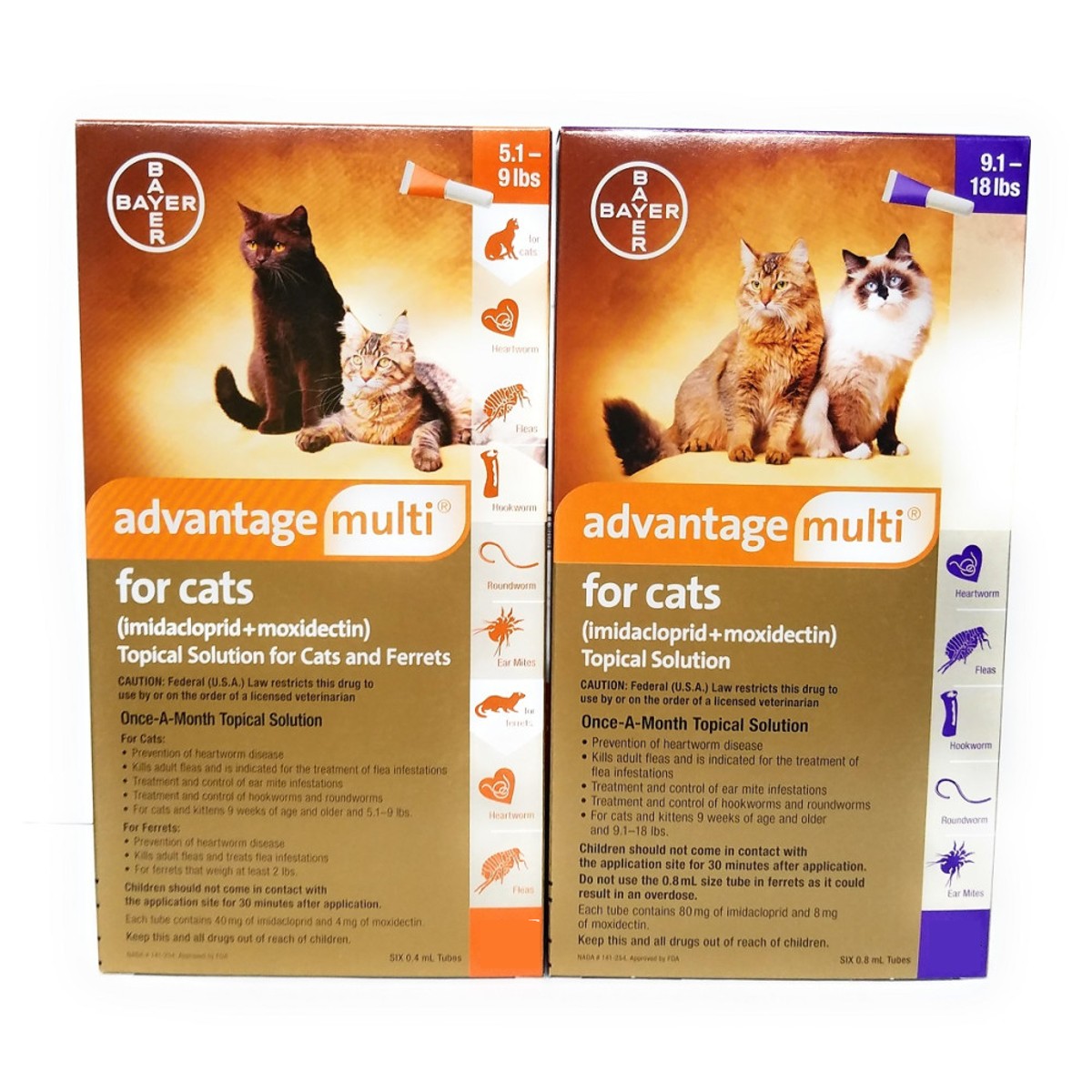
Treating walking dandruff is usually straightforward once a diagnosis is confirmed. Because there are no products specifically licensed only for Cheyletiella in some regions, vets often use flea and tick preventatives. Many common spot-on treatments are highly effective at killing these mites.
Our cat healthcare category carries a variety of FDA-approved medications that can help eliminate these mites. Through our partnership with Pet's Choice, we provide access to prescription flea and tick preventatives that often serve double duty against Cheyletiella mites. Since these products require a prescription, you will need to consult your veterinarian first to find the right strength and dosage for your cat.
In addition to spot-on treatments, some vets recommend medicated dips. Lime-sulfur dips are a traditional treatment that works well but can be messy. These dips have a strong odor and can stain fur or jewelry, so they are usually a secondary option.
Common Treatment Methods
- Topical Spot-Ons: Easy to apply and usually kills mites within a few days.
- Oral Medications: Useful for cats that do not tolerate topical liquids.
- Medicated Shampoos: Helps soothe the skin and remove excess scaling.
- Dips: Highly effective for severe infestations but labor-intensive.
Vet Tip: When treating for mites, always treat every pet in the house simultaneously. If you only treat the cat showing symptoms, the others may act as "silent carriers" and reinfect the household.
Managing Your Home Environment
Cleaning your home is a vital step in stopping the cycle of infestation. If you only treat the cat, they can get the mites right back from their favorite sleeping spot. You need to focus on areas where your cat spends the most time.
Start by washing all bedding in hot water. This includes your own sheets if your cat sleeps on the bed. Use a high heat setting in the dryer to ensure any remaining mites or eggs are destroyed. Vacuum all carpets, rugs, and upholstered furniture thoroughly. For additional household-cleaning guidance, see our article on how to clean a litter box.
For grooming tools, soak them in a disinfectant solution or very hot soapy water. If your cat has a favorite cat tree, use a pet-safe fabric spray or steam cleaner to reach into the crevices. Repeat this deep cleaning once a week for at least three weeks to match the mite's life cycle.
Step 1: Wash all fabrics
Strip the beds, wash the cat blankets, and clean any removable furniture covers in hot water.
Step 2: Vacuum and steam
Vacuum every corner of the house. Pay special attention to baseboards and under the furniture where dander collects.
Step 3: Disinfect tools
Clean all brushes, combs, and toys that could be harboring mites or eggs.
Bottom line: Total elimination of walking dandruff requires treating the environment and every animal in the home at the same time.
Walking Dandruff and Humans
It is a common concern whether humans can catch walking dandruff. The answer is yes, but only temporarily. Humans are not the natural host for Cheyletiella mites. They cannot complete their life cycle on human skin.
If you are affected, you will likely notice small, red, itchy bumps. These usually appear on the arms, chest, or stomach where you have held your cat. The itching can be quite intense. The good news is that once the cat is treated and the environment is cleaned, the symptoms in humans usually disappear on their own.
If you have persistent skin irritation, you should speak with your own doctor. However, solving the problem for your cat is the most important step in clearing the issue for yourself.
Preventing Future Outbreaks
The best way to prevent walking dandruff is to keep your cat on a consistent parasite preventative. Many of the products that protect against fleas and ticks also keep mites at bay. Regular grooming also helps. Brushing your cat allows you to see changes in their skin and coat early.
When you bring a new pet into the home, it is wise to have them checked by a vet first. Keeping a new kitten or cat separate from your other pets for a few days can prevent many contagious issues from spreading.
We recommend our Autoship program for your cat's regular preventative medications. This ensures you never miss a dose, keeping that protective barrier active year-round. Consistent protection is much easier than dealing with a full-blown infestation later.
Comparison of Prevention Methods
| Method | Ease of Use | Effectiveness | Duration |
|---|---|---|---|
| Topical Preventatives | High | Very High | 30 days |
| Regular Brushing | High | Medium (Detection only) | Daily |
| Environmental Cleaning | Medium | High | Ongoing |
| Quarantine New Pets | Medium | High | 7-14 days |
Supporting Your Cat's Skin Health
After the mites are gone, your cat's skin might still be dry or sensitive. You can help their coat recover by providing high-quality nutrition. Look for foods rich in Omega-3 and Omega-6 fatty acids. These nutrients help rebuild the skin barrier and promote a shiny, healthy coat.
Supplements can also play a role in recovery. We carry a range of cat skin and coat care products that support moisture and reduce flakiness. Always check with your vet before adding a new supplement to your cat's diet, especially if they are still recovering from an infestation.
Avoid over-bathing your cat during this time. Too much water and soap can strip away the natural oils they need to heal. If you must use a shampoo, choose one that is specifically formulated for cats with sensitive or irritated skin.
Conclusion
Walking dandruff is an uncomfortable condition, but it is very treatable with the right approach. By identifying the signs early and working with your veterinarian, you can quickly restore your cat's comfort. Remember to treat every pet in your home and deep clean your living spaces to prevent the mites from returning. Consistency with flea and tick preventatives is your best defense against these and other parasites.
Key Takeaway: Success depends on a three-pronged approach: treating the infested pet, treating all other household animals, and thoroughly cleaning the home environment.
Our pet pharmacy, in partnership with Pet's Choice, is here to help you get the prescription medications your vet recommends. Keeping your cat on a regular preventative schedule is the easiest way to ensure you never have to see "walking" flakes on their fur again.
FAQ
Can walking dandruff live in my carpet?
Yes, adult female Cheyletiella mites can survive off a host for up to ten days. They can hide in carpet fibers, furniture, and pet bedding during this time. This is why thorough vacuuming and washing of fabrics are necessary to fully clear an infestation from your home.
Is walking dandruff the same as fleas?
No, walking dandruff is caused by mites, which are different from fleas. While fleas jump and are often dark brown, these mites crawl and look like small white flakes. However, many of the same medications used to prevent fleas are also effective at killing and preventing these mites. For more information about parasite prevention, read our guide to flea and tick prevention products.
Will my cat's hair grow back after treatment?
In most cases, yes. The hair loss associated with walking dandruff is usually caused by the cat overgrooming or scratching at the itchy skin. Once the mites are eliminated and the skin heals, the hair follicles typically recover and the fur grows back to its normal state.
How long does it take to get rid of walking dandruff?
A typical treatment plan lasts between three to four weeks to ensure all mites are killed throughout their entire life cycle. You may see a reduction in symptoms within a few days of the first treatment, but it is important to complete the full course of medication and cleaning as directed by your vet. You can also learn more about ongoing parasite protection in our article about how flea collars work.






- Site & Contents BaxterBoo.com. BaxterBoo is located in the United States.
- Privacy & Security
- Terms of Use
- Accessibility Statement
