Save 15% on your 1st Autoship learn more

 Email us
 Live Chat
 FAQs
FAQs





Introduction
You are relaxing on the sofa with your cat when you notice a dusting of white flakes along her lower back. It looks like a light sprinkle of salt against her fur. Your first instinct might be to reach for the shampoo and head for the bathroom sink. At BaxterBoo, we see this situation frequently with our customers. Many owners assume a bath is the fastest way to clean up those flakes. However, cats are unique creatures with skin that reacts differently to water than human skin. This post covers why those flakes appear and whether a traditional bath is actually the right solution for your pet. We will look at grooming techniques, environmental fixes, and when a trip to the veterinarian is the best move. Understanding the root cause of the flakes is the only way to clear them for good.
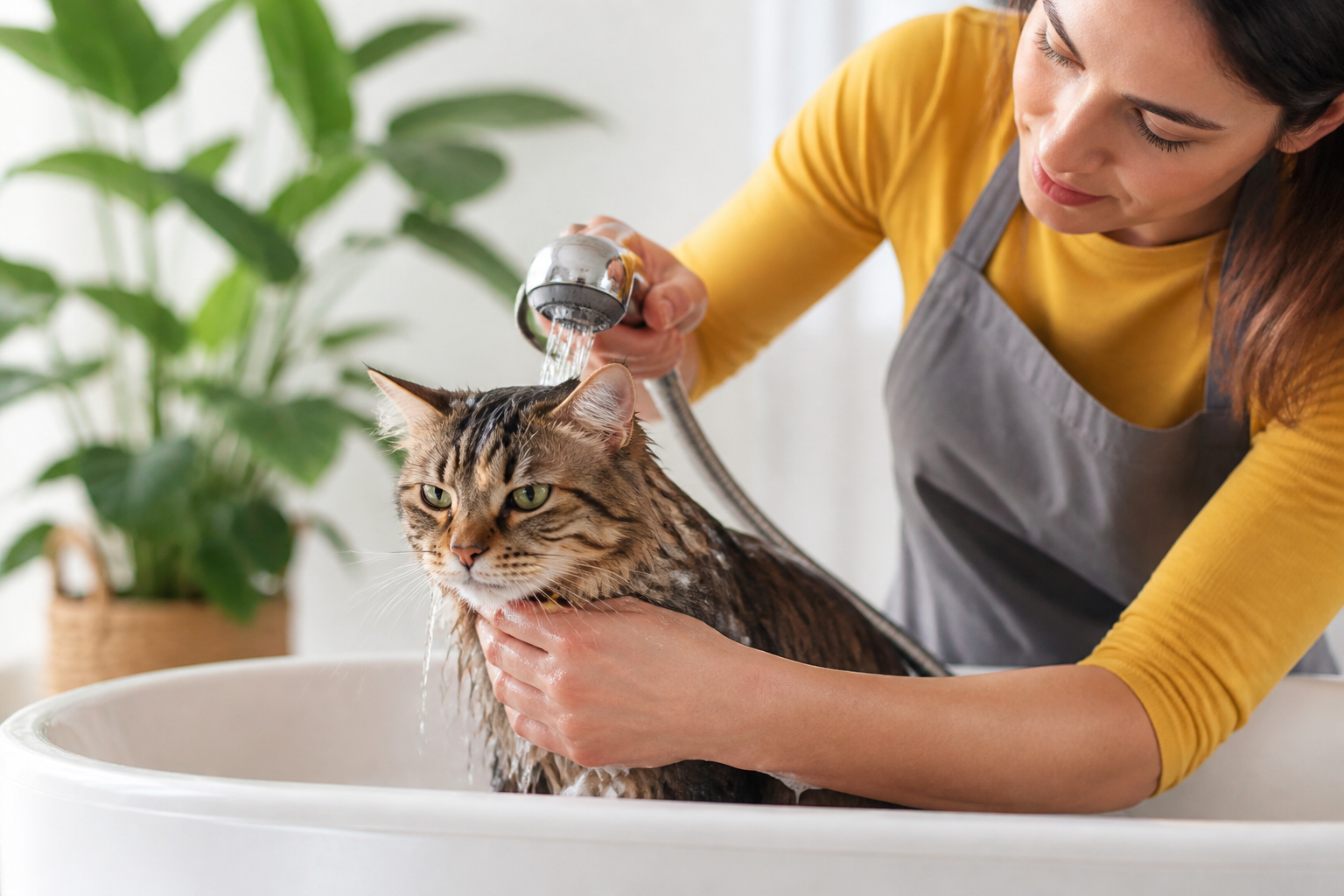
Quick Answer: In most cases, you should not bathe a cat just because she has dandruff. Baths can be stressful and may strip natural oils that keep the skin healthy. Brushing and addressing the underlying cause are usually better options.
What Exactly Is Cat Dandruff?
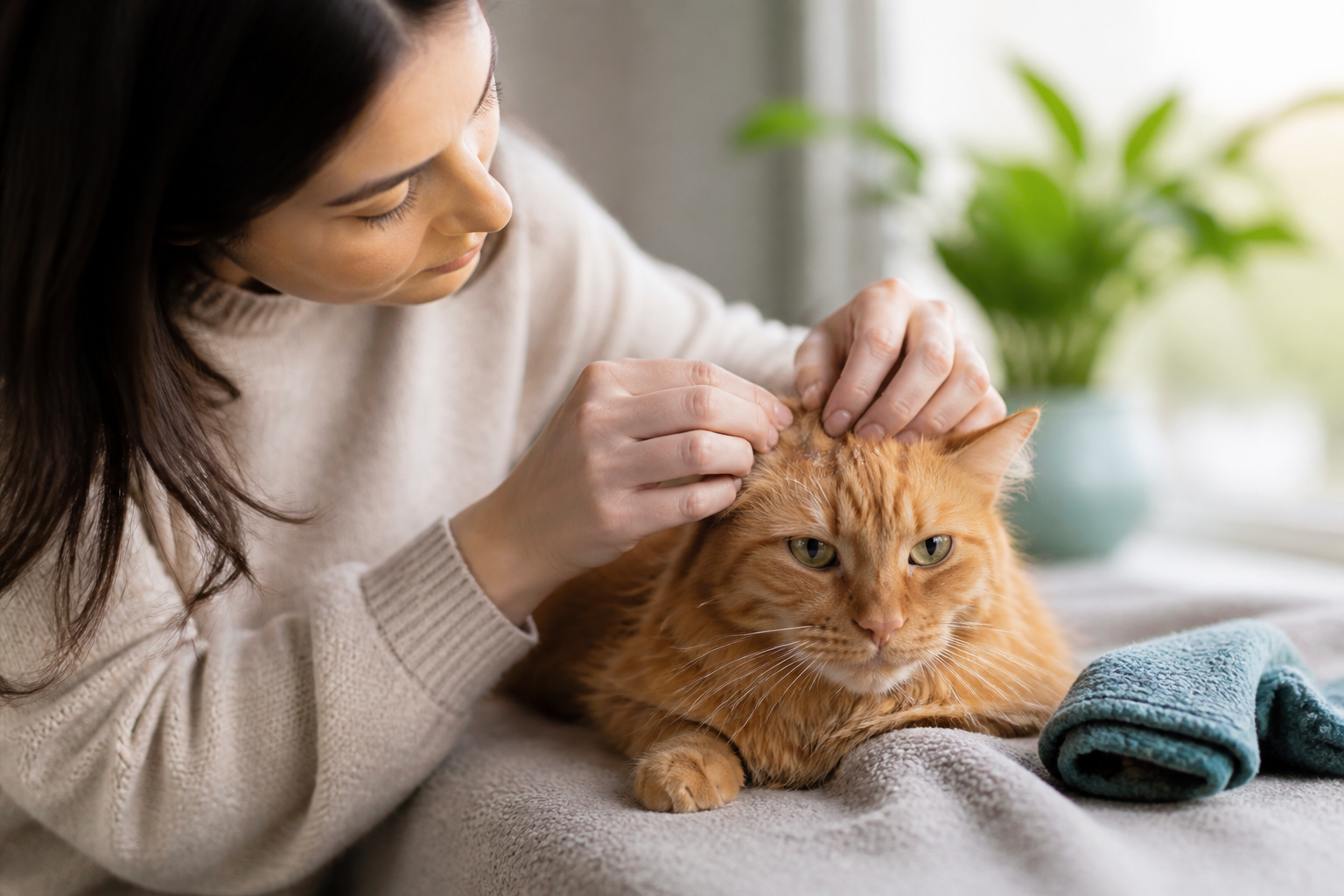
Dandruff occurs when the outer layer of skin cells dies and sheds more quickly than usual. These cells clump together and become visible to the naked eye. While every cat sheds microscopic skin cells, true dandruff is the visible evidence of an imbalance. You will typically see these flakes on the lower back, near the base of the tail, or along the spine.
It is important to distinguish dandruff from dander. Dander consists of tiny, microscopic skin cells that all cats produce naturally. It is a normal part of being a feline. Dandruff is a symptom of an issue that needs your attention. You should also check for flea dirt, which looks like black pepper flakes. If you see black specks, your cat likely has a parasite problem rather than a simple dry skin issue.
Why Does Cat Dandruff Happen?
Before you decide on a treatment, you need to know why the flakes are there. Several factors can trigger a sudden case of feline dandruff.
Environmental Factors
Dry air is one of the most common culprits. During the winter months, indoor heating systems pull moisture out of the air. This dries out your cat's skin, leading to flaking. If you live in a desert climate, this might be a year-round struggle for your pet.
Lack of Grooming
Cats are usually expert groomers. They spend hours every day cleaning themselves and distributing natural oils. If a cat stops grooming a specific area, dead skin cells build up. This often happens in older cats who have arthritis. It is difficult for them to twist and reach their lower back. Obesity is another major factor. Overweight cats physically cannot reach certain spots, which leads to a greasy, flaky mess on their rear ends.
Nutritional Deficiencies
Skin health starts from the inside. If a cat is not getting enough Omega-3 fatty acids or high quality protein, her coat will suffer. Low quality diets often lack the nutrients required to maintain a strong moisture barrier on the skin.
Parasites and Infections
Mites, fleas, and ringworm can all cause skin irritation. There is even a specific mite called Cheyletiella that looks exactly like moving flakes. This is often called walking dandruff. If the flakes seem to move on their own, your cat needs immediate medical attention. You can also review this guide to flea and tick prevention products for additional parasite-care context.
Key Takeaway: Dandruff is a symptom, not a disease. Solving the problem requires identifying whether the cause is environmental, physical, or medical.
The Big Question: Should You Bathe Her?
Most experts agree that bathing a cat for mild dandruff is unnecessary. In fact, it can often make the problem worse. Cats are not like humans who benefit from frequent hair washing. Their skin produces specific oils that maintain pH balance and hydration.
The Problem With Water
When you submerge a cat in water, you risk stripping away those essential oils. If the dandruff was caused by dry skin, a bath might leave the skin even more parched. Once the cat dries off, you might notice an increase in flaking.
The Stress Factor
Most cats find baths terrifying. High stress levels cause a spike in cortisol. This hormone can negatively impact skin health and the immune system. If your cat is already struggling with a health issue, the stress of a bath could set her back.
When a Bath Is Necessary
There are a few exceptions to the no-bath rule. If your cat has a severe fungal infection or a parasitic infestation, your veterinarian might prescribe a medicated shampoo. In these cases, the bath is a medical treatment. You must follow the instructions carefully, often leaving the shampoo on the skin for ten minutes before rinsing.
- Only bathe if the cat is covered in something toxic.
- Only bathe if a veterinarian prescribes a medicated wash.
- Avoid human shampoos as they have the wrong pH for cats.
Better Alternatives to a Full Bath
If you want to get rid of the flakes without the drama of a tub, you have several effective options. These methods are much gentler on your cat's skin and her temperament. For suitable supplies, explore our cat grooming collection.
Daily Brushing
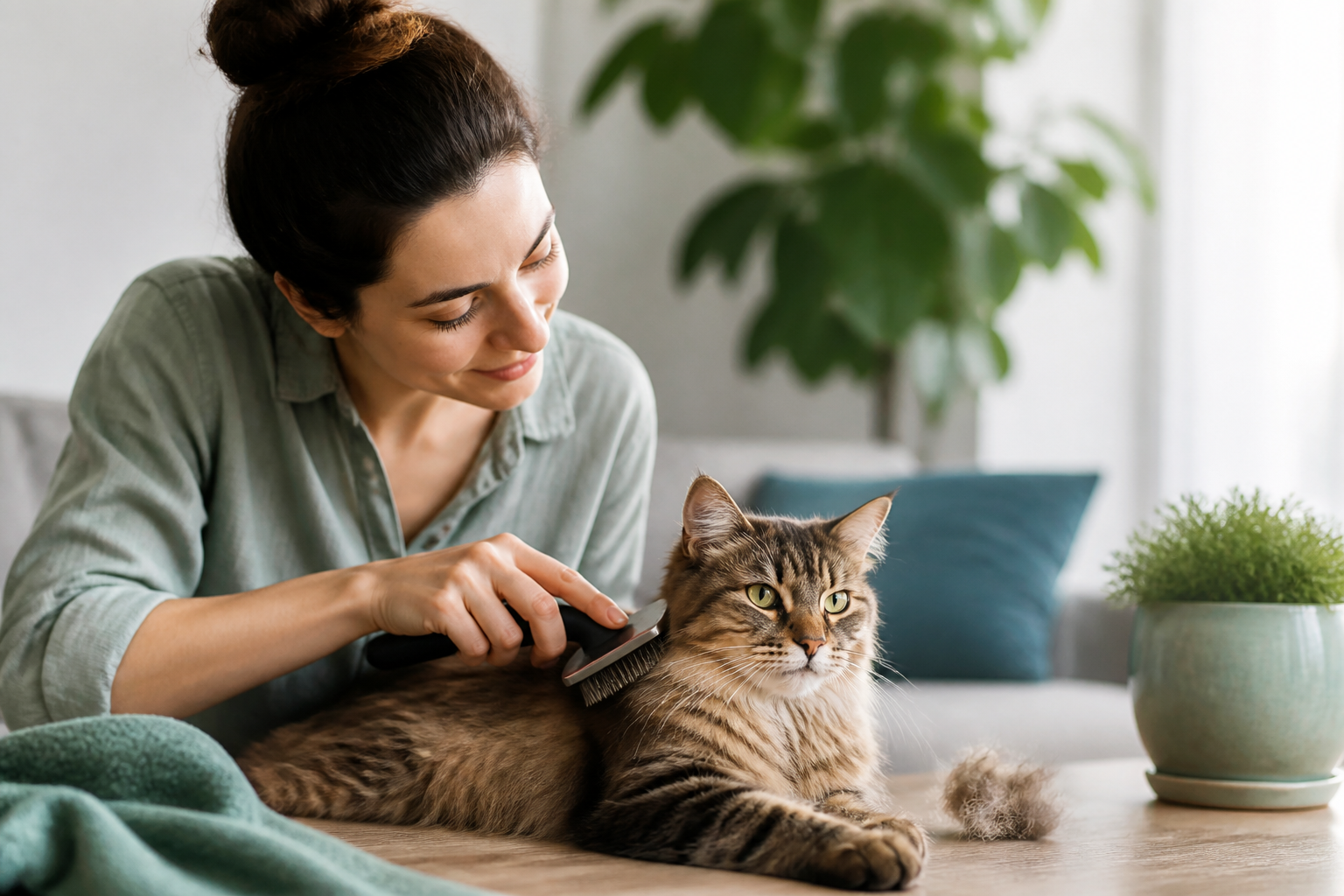
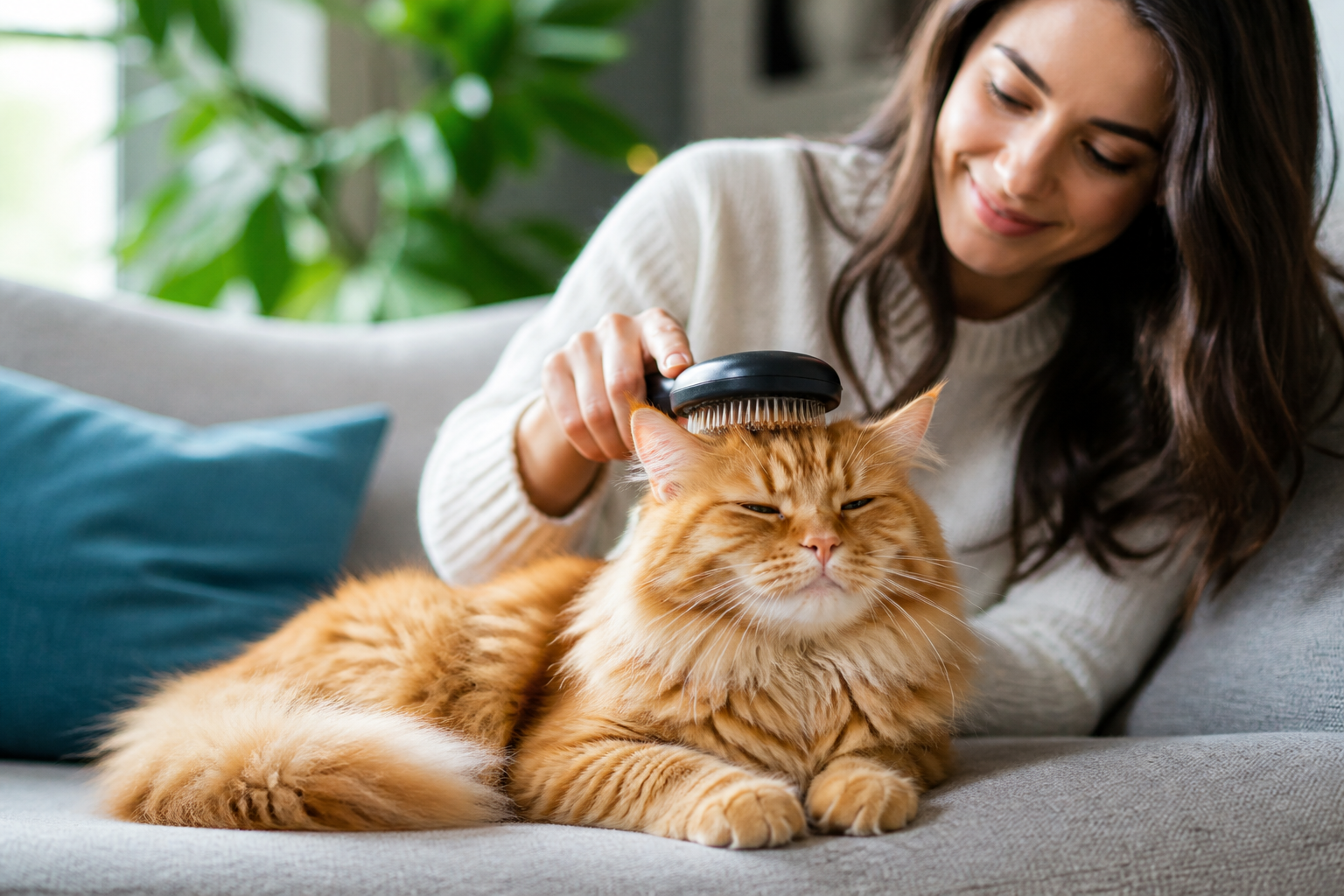
Brushing is the most effective way to manage cat dandruff. It mimics the natural grooming process. A good brush removes dead skin cells before they can clump into large flakes. It also stimulates the skin to produce those healthy oils and spreads them across the fur. For most cats, a soft bristle brush or a rubber grooming mitt works wonders. A product such as the U-Groom Combo Brush for Dogs and Cats can support a regular brushing routine.
Waterless Shampoo or Foam
If your cat is particularly greasy or dirty, try a waterless shampoo. These are foams that you massage into the fur and then towel off. They do not require rinsing, which keeps the stress levels low. Look for formulas with soothing ingredients like aloe or oatmeal.
Damp Cloth Wipe-Downs
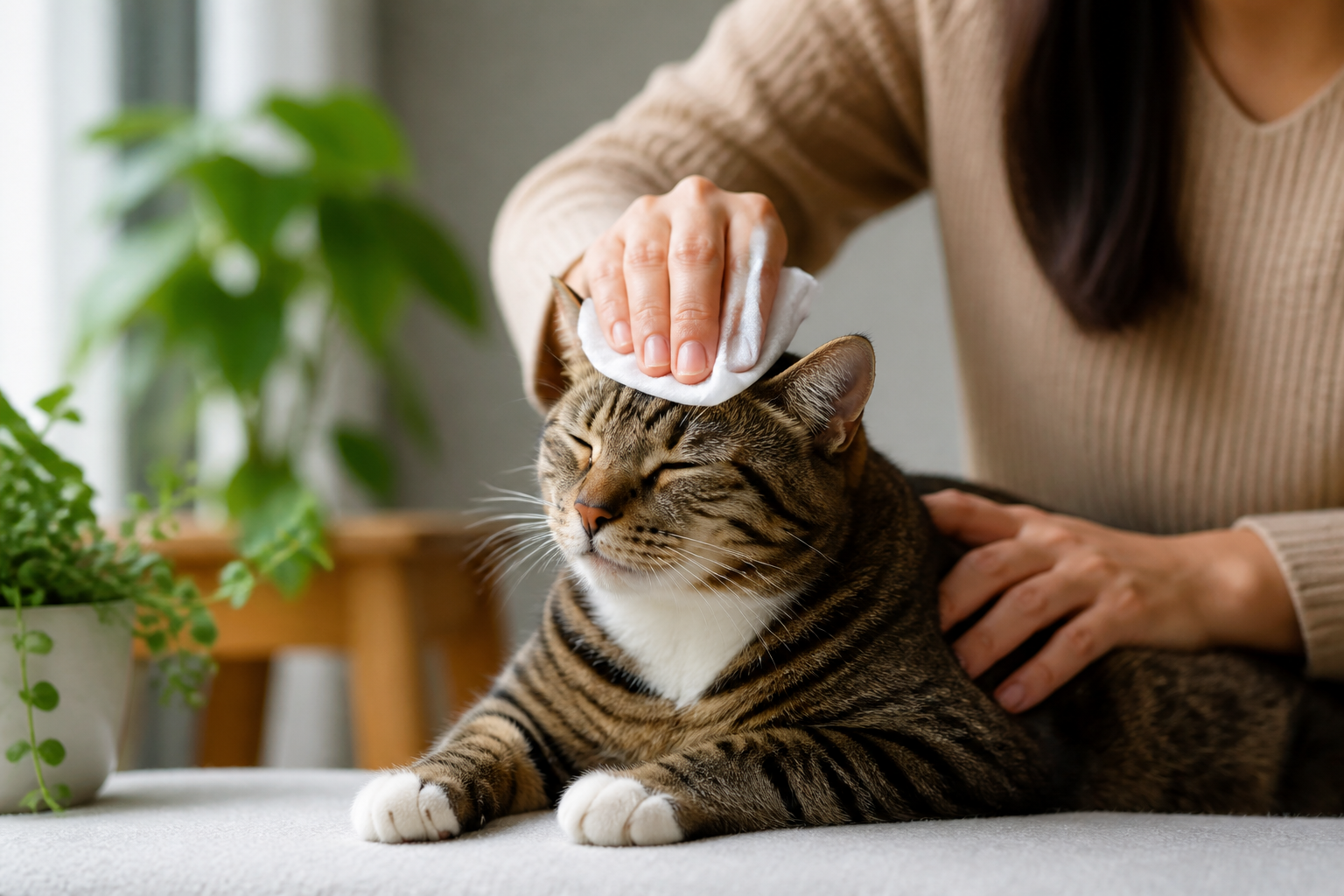
For a senior cat who cannot groom her back, a simple damp cloth is a great tool. Use warm water and a soft washcloth. Gently wipe the areas where dandruff accumulates. This removes the flakes and provides a bit of hydration to the fur without stripping the skin.
Vet Tip: If your cat has dandruff along with redness, thinning hair, or intense itching, skip the home remedies. These are signs of a skin infection or parasites that require a professional diagnosis.
When Dandruff Indicates a Health Issue
Sometimes, dandruff is a red flag for a deeper systemic problem. If you notice a sudden change in your cat's coat quality, look for other symptoms.
Metabolic Diseases
Conditions like diabetes, hyperthyroidism, and kidney disease can all change the way a cat's skin and fur look. These illnesses often cause the coat to look dull, greasy, or excessively flaky. You might also notice changes in thirst, appetite, or litter box habits.
Arthritis and Mobility
If the dandruff is only on the lower back, it is likely a mobility issue. Arthritis is very common in older cats, but they are masters at hiding pain. They simply stop doing things that hurt, like twisting to groom their tails. Managing their pain can often lead to a cleaner coat because they can finally groom themselves again. For related support, browse our cat healthcare category.
The BaxterBoo Pharmacy
Our pharmacy offers FDA-approved medications and prescription pet foods through our partnership with Pet's Choice. If your veterinarian diagnoses an underlying condition like hyperthyroidism or a flea allergy, you can manage it through our pet pharmacy. We carry the prescription diets and medications needed to address the root cause of skin issues.
Nutritional Support for Healthy Skin
What you put in the bowl shows up on the skin. If your cat's diet is lacking, no amount of brushing will fix the dandruff. Start by reviewing our cat food selection with your veterinarian.
Omega-3 Fatty Acids
These are the gold standard for skin health. Fish oil or krill oil supplements help reduce inflammation and strengthen the skin's moisture barrier. Many premium cat foods already include these, but some cats benefit from a little extra. Always check with your vet before adding a supplement to ensure the dosage is safe.
Hydration is Key
Cats are notorious for not drinking enough water. Chronic mild dehydration can lead to dry, flaky skin. Try adding wet food to your cat's diet or using a pet water fountain to encourage more drinking.
High-Quality Protein
Hair and skin are made of protein. If a food uses low-quality fillers, the cat may not have the building blocks needed for a healthy coat. Look for brands that list a specific meat as the first ingredient, such as those we carry at BaxterBoo like Royal Canin, Farmina, or Acana.
Bottom line: A combination of high-quality protein and essential fatty acids is the best defense against dry, flaky skin.
Environmental Changes to Help Your Cat
You can improve your cat's skin health by changing the world around her. This is especially important during the dry winter months.
Use a Humidifier
Placing a humidifier in the room where your cat spends the most time can make a massive difference. Increasing the moisture in the air prevents the skin from drying out in the first place. This is a simple, non-invasive fix that benefits both you and your pet.
Reduce Stress
Stress can manifest as skin problems in felines. If there has been a recent change in the house, such as a new pet or a move, your cat might be feeling the pressure. Calming diffusers or specialized toys can help lower anxiety levels, which in turn helps the skin.
Weight Management
If your cat is too heavy to groom herself, weight loss is the long-term solution. Obesity leads to many health problems beyond just dandruff, including diabetes and joint pain.
Step 1: Consult your vet about a safe calorie target for your cat.
Step 2: Transition to a high-protein, low-carb weight management food.
Step 3: Increase activity with interactive toys and daily play sessions.
Step 4: Use grooming tools to help her reach spots she currently cannot.
Choosing the Right Grooming Tools
Not all brushes are created equal. The right tool depends on your cat's coat type and how sensitive her skin is. Compare different options in our brushes and combs collection.
For Short-Haired Cats
A rubber grooming mitt or a soft bristle brush is usually enough. These tools are gentle and help massage the skin, which encourages oil production. They are excellent for removing loose hair and light dandruff.
For Long-Haired Cats
You may need a slicker brush or a long-toothed comb to get through the undercoat. Dandruff can get trapped deep near the skin in long-haired breeds. Regular combing prevents mats, which can trap moisture and bacteria against the skin.
Sensitive Skin Options
If your cat's skin is already irritated, avoid metal-toothed brushes. Look for silicone brushes or soft cloths. The goal is to remove the flakes without causing further redness or discomfort.
Summary of Action Steps
If you see dandruff, do not panic and do not head straight for the bathtub. Follow these steps to clear up the flakes and keep your cat comfortable.
- Assess the environment and add a humidifier if the air is dry.
- Start a daily brushing routine to distribute natural oils.
- Check for signs of parasites like fleas or mites.
- Evaluate her diet and consider adding an Omega-3 supplement.
- Watch for signs of illness or mobility issues that prevent grooming.
Key Takeaway: Proper nutrition and regular, gentle grooming are much more effective than a stressful bath for managing feline dandruff.
Conclusion
Dealing with cat dandruff requires a bit of detective work and a lot of patience. While it might be tempting to scrub away the flakes with a bath, most cats will benefit more from a consistent grooming routine and a high-quality diet. Focus on supporting her skin from the inside out and providing the right tools to help her stay clean. If the dandruff persists or you notice other worrying symptoms, your veterinarian is your best resource for a diagnosis.
Our pharmacy at BaxterBoo is here to support your cat's health journey with prescription diets and FDA-approved medications. Whether you are managing a weight issue or a chronic health condition, we provide the supplies you need delivered right to your door. Consider signing up for our Autoship programme to save on your cat's food and preventatives while earning points through the MVP Rewards programme.
FAQ
Can I use human dandruff shampoo on my cat?
No, you should never use human dandruff shampoo on a cat. These products are formulated for the pH of human skin and often contain ingredients like zinc or salicylic acid that can be toxic to cats if they lick their fur. Always use a product specifically designed for felines or follow your veterinarian's recommendation.
How often should I brush my cat to get rid of dandruff?
For a cat with active dandruff, daily brushing is usually the best approach. Short, five-minute sessions are better than one long session, especially if your cat is sensitive. Once the dandruff clears up, you can move to a maintenance schedule of two or three times a week.
Does wet food help with cat dandruff?
Yes, wet food can be very helpful because it significantly increases your cat's overall hydration. Many cases of dry, flaky skin are linked to mild dehydration. The extra moisture in wet food helps keep the skin supple and the moisture barrier intact.
What is "walking dandruff" in cats?
Walking dandruff is a nickname for a Cheyletiella mite infestation. These mites are large enough to be seen with the naked eye and look like small white flakes moving across the skin. If you suspect your cat has these parasites, you must visit a veterinarian for specific anti-parasitic treatment, as standard grooming will not solve the problem.