
 Save 15% on your 1st Autoship learn more

 Email us
 Live Chat
 FAQs
FAQs





Introduction
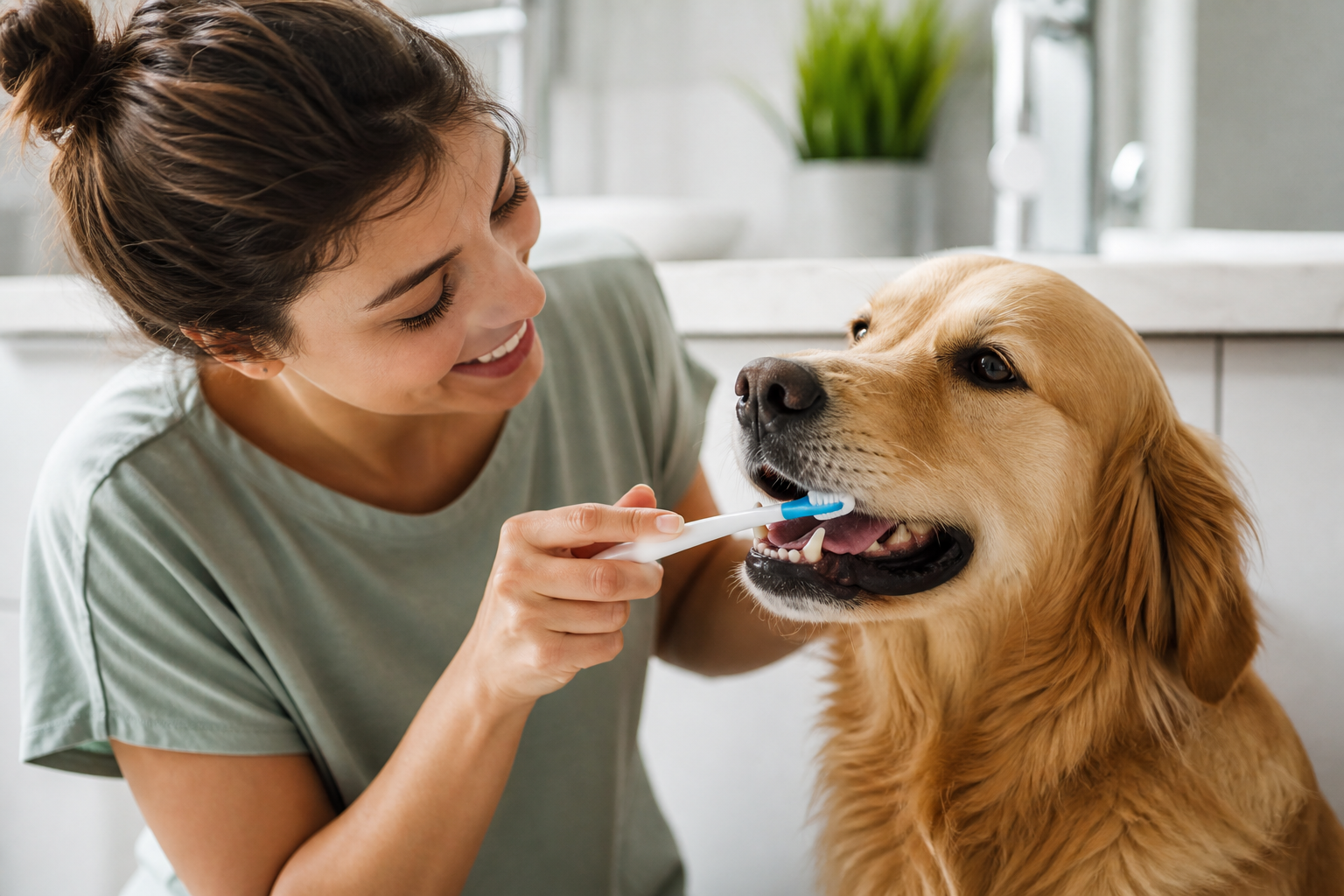
You are sitting on the sofa with your dog when they lean in for a friendly lick. Instead of a sweet greeting, you are met with a wall of "dog breath" that smells more like a trash can than a companion. Your first instinct might be to grab your own tube of minty toothpaste to freshen things up. However, reaching for your personal dental supplies can lead to a dangerous situation for your pet. At BaxterBoo, we know that keeping those pearly whites clean is a top priority for pet parents who want their dogs to live long and healthy lives. This post covers why human toothpaste is toxic to dogs, what specialized tools you actually need, and how to start a brushing routine that your dog might actually enjoy. Understanding the difference between human and pet dental care is the first step in preventing serious health complications.
Quick Answer: No, you cannot use human toothpaste on your dog. Many human brands contain xylitol, fluoride, and detergents that are toxic or can cause severe stomach upset when swallowed. Always use a specially formulated pet toothpaste that is safe for dogs to ingest.
The Hidden Dangers of Human Toothpaste
Most people do not think twice about the ingredients in their toothpaste because we are trained to spit the foam out. Dogs do not have the ability to spit. Anything you put in their mouth will be swallowed. This means every chemical and sweetener in a human formula goes directly into their system.
The Threat of Xylitol
Xylitol is perhaps the most dangerous ingredient found in many "sugar-free" human toothpastes. It is a sugar substitute that is perfectly safe for humans but deadly for dogs. Even a small amount can cause a rapid drop in blood sugar levels. This leads to seizures, loss of coordination, and potential liver failure. If you suspect your dog has swallowed anything containing xylitol, you must contact a veterinarian immediately.
Fluoride and Sodium
Fluoride is great for strengthening human enamel, but it is toxic to dogs when swallowed in large amounts. Since dogs ingest the entire portion of toothpaste used, they are at a high risk of fluoride poisoning. This can cause drooling, vomiting, and even heart palpitations. Similarly, the high sodium content in some human toothpastes can lead to salt toxicity or upset the delicate mineral balance in a dog's body.
Foaming Agents
Humans like their toothpaste to get bubbly because it feels like it is working. This foam is usually caused by Sodium Lauryl Sulfate (SLS). When a dog swallows SLS, it often leads to significant gastrointestinal distress. You might notice your dog becomes lethargic or develops diarrhea after exposure to these detergents.
Vet Tip: If your dog accidentally consumes human toothpaste, check the label for xylitol immediately. Contact your vet or an animal poison control center right away, as symptoms of poisoning can progress very quickly.
Why Dog Brushing Is Essential
It is estimated that over 80 percent of dogs over the age of three show signs of periodontal disease. This is not just about bad breath or stained teeth. Dental disease starts when plaque combines with minerals in the saliva to form tartar. If this is not removed, it can lead to painful infections under the gumline. For additional guidance, read our top pet dental care tips.
Connection to Organ Health
When a dog has significant gum disease, the bacteria in their mouth can enter the bloodstream. These bacteria often travel to major organs like the heart, liver, and kidneys. Maintaining a clean mouth is actually a way to protect your dog’s entire internal system. Regular brushing can add years to a dog's life by preventing these secondary infections.
Recognizing Dental Pain
Dogs are masters at hiding pain. They will often continue to eat even if they have a broken tooth or an abscess. You might notice them chewing on only one side of their mouth or dropping pieces of kibble. Other signs include:
- Red or bleeding gums
- Yellow or brown buildup on the teeth
- Excessive drooling
- Pawing at the mouth
- A sudden change in temperament or reluctance to play with toys
Key Takeaway: Dental hygiene is a full-body health issue for dogs. Preventing tartar buildup protects the heart and kidneys while saving you from expensive professional dental extractions later.
Choosing the Right Supplies
Since human products are off the table, you need to stock up on dog-specific gear. We carry a wide range of dental tools at BaxterBoo designed for every breed and mouth size. You can browse our dog dental care collection to compare toothpaste, gels, wipes, chews, and other oral-care supplies.
Enzymatic Toothpaste
The gold standard for dogs is enzymatic toothpaste. These formulas contain enzymes that help break down plaque chemically even if you cannot reach every single spot with the brush. They come in flavors like poultry, beef, and peanut butter. These flavors turn a "chore" into a treat that many dogs look forward to licking off the brush. One option is Virbac C.E.T. Enzymatic Pet Toothpaste, which is formulated without foaming agents.
Selecting a Toothbrush
You have several options when it comes to the hardware. A standard pet toothbrush often has a long, angled handle to reach the back molars. If you have a small dog, you might prefer a finger brush. These are soft silicone caps that fit over your fingertip. They give you a better "feel" for where you are cleaning and are often less intimidating for nervous pets.
Gauze and Wipes
For dogs that absolutely refuse a brush, dental wipes or a simple piece of gauze can work. You can wrap the gauze around your finger, apply some pet toothpaste, and rub it along the teeth. It is not as effective as bristles at reaching the gumline, but it is much better than doing nothing at all.
How to Brush Your Dog's Teeth
You should never force a toothbrush into your dog's mouth on day one. This will create a negative association that lasts a lifetime. The goal is to make it a calm, rewarding experience.
Step 1: The Taste Test
Let your dog lick some pet toothpaste off your finger. Do this for a few days without trying to brush. You want them to think of the toothpaste as a delicious snack.
Step 2: The Finger Rub
Once they like the taste, start rubbing your finger along their gums and teeth while they lick the paste. This gets them used to the sensation of someone touching their mouth.
Step 3: Introduce the Brush
Let them sniff the toothbrush. Put a little paste on the bristles and let them lick it off. Do not try to scrub yet. Just let them get comfortable with the texture of the bristles.
Step 4: The Front Teeth
Gently lift the lip and brush the large canine teeth and the front incisors. Use a circular motion and focus on the gumline. Stop after a few seconds and give them plenty of praise.
Step 5: Reaching the Back
Most tartar accumulates on the large cheek teeth in the back of the mouth. Gently slide the brush back along the inside of the cheek. You do not usually need to open their mouth wide. Just brushing the outside surfaces of the teeth is enough, as the tongue handles much of the inside cleaning.
Step 6: Reward and Repeat
Always end the session with a high-value treat or a favorite game. Aim to brush at least three times a week. Daily brushing is the ideal goal for preventing tartar. For a brushless option, OxyFresh Pet Dental Gel Toothpaste can be applied with a finger or finger brush.
Bottom line: Patience is the most important part of the process. If your dog gets stressed, stop and try again tomorrow.
Natural Alternatives and DIY Options
Some owners look for natural ways to clean teeth if their dog is sensitive to commercial ingredients. While professional pet products are the most effective, there are some safe home alternatives.
Baking Soda Warning
You may see recipes for DIY toothpaste using baking soda. While baking soda can help scrub teeth, it is very high in alkaline. If a dog swallows too much, it can upset their stomach acid balance. Only use a tiny amount if you choose this route. It also lacks the appealing flavors that make dogs cooperate, so you may find the process much harder.
Coconut Oil
Some pet parents use a small amount of coconut oil. It has mild antimicrobial properties and most dogs love the taste. It does not have the enzyme-fighting power of specialized toothpaste, but it is a safe lubricant for a finger-brushing session.
Healthy Chews
Raw carrots or apple slices (without seeds) can provide some mechanical scraping as your dog chews. However, these are supplements to brushing, not replacements for it. For more ideas, explore our guide to the best dental chews for dogs.
When Brushing Isn't Possible
We understand that some dogs, especially rescues with past mouth trauma, may never accept a toothbrush. If your dog becomes aggressive or extremely fearful, do not put yourself at risk of a bite.
Dental Treats and Toys
Look for treats and toys that are specifically designed to scrape the teeth. Rough-textured rubber toys can help rub away soft plaque as the dog plays. Many dental chews are designed to be long-lasting, forcing the dog to gnaw and reach those back molars. Our dental treats for dogs offer alternatives for dogs that resist traditional brushing.
Water Additives and Gels
There are flavorless additives you can put in your dog’s water bowl. These contain enzymes that help kill bacteria in the mouth. Dental gels can also be applied to the gums with a finger and do not require any actual scrubbing to work.
Prescription Diets
In cases of severe dental issues, your vet might recommend a prescription dental diet. These kibbles are usually larger and have a specific fiber matrix that doesn't shatter when the dog bites it. Instead, the tooth sinks into the kibble, which wipes the surface clean. Our pharmacy partnership through Pet's Choice carries many of these prescription diets if your vet provides a script.
Key Takeaway: If you cannot brush, use a combination of dental toys, water additives, and specialized treats to manage plaque.
The Role of Professional Cleanings
Even the best home care cannot remove hardened tartar. Once plaque turns into tartar, it is like concrete. A professional cleaning at the vet's office is the only way to get the mouth back to a baseline of health.
What Happens During a Cleaning?
Vets perform cleanings under general anesthesia. This allows them to clean under the gumline, take X-rays to check for bone loss, and polish the teeth to make it harder for new plaque to stick. While anesthesia can be nerve-wracking for owners, it is the safest way to ensure a thorough and pain-free procedure for the dog.
Signs You Need a Professional
If you see a thick brown crust on your dog's teeth or notice a persistent foul odor, it is time for a checkup. Brushing at this stage might actually be painful for your dog because their gums are likely inflamed. A vet needs to assess the damage first. You can also review warning signs of dental disease in dogs before your appointment.
Pharmacy and Ongoing Support
If your dog is diagnosed with a mouth infection or needs extractions, your vet may prescribe antibiotics or pain relief. The BaxterBoo pharmacy, in partnership with Pet's Choice, can fulfill these FDA-approved prescriptions to help your dog recover quickly. We also offer a range of recovery gear and soft foods for dogs who have recently had dental surgery. Visit our pet pharmacy for dogs when your veterinarian provides a prescription.
Vet Tip: Schedule a dental checkup once a year. Catching a small problem early can prevent the need for multiple extractions as your dog ages.
Setting a Routine for Success
The best way to remember to brush is to tie it to an existing habit. Many owners find that brushing their dog's teeth right after their own evening routine works best.
- Keep the dog's supplies right next to yours.
- Use a consistent "cue" word like "teeth time."
- Track your progress on a calendar to stay motivated.
- Replace the dog's toothbrush every three months.
By making dental care a standard part of your week, you are investing in your dog's comfort and longevity. It might feel a bit silly at first, but your dog will thank you with better health and much fresher kisses. If you regularly reorder dental supplies, our Autoship programme can help you maintain a consistent schedule.
Conclusion
Cleaning your dog's teeth is one of the most impactful things you can do for their long-term wellness. While it may be tempting to use what is already in your bathroom cabinet, human toothpaste is a significant health risk. Always stick to pet-safe, enzymatic options that are designed to be swallowed. Start slowly, use lots of positive reinforcement, and don't be afraid to ask your vet for help if you see signs of trouble. Whether you need a starter kit, specialized dental treats, or prescription supplies from our pharmacy, we are here to support your pet's health journey. Keeping your dog's mouth clean is a simple way to ensure they stay by your side for years to come.
Bottom line: Never use human toothpaste on a dog. Invest in quality pet-specific dental supplies and a consistent routine to prevent painful disease and expensive vet bills.
FAQ
Can I use a human toothbrush on my dog?
Yes, you can use a human toothbrush if it has very soft bristles. A child-sized toothbrush is often the perfect size for most dogs and is gentle enough not to irritate their gums. However, avoid using a human toothbrush that has already been used by a person to prevent the spread of bacteria.
What happens if my dog swallows human toothpaste?
If the toothpaste contains xylitol, your dog may experience a life-threatening drop in blood sugar or liver failure. Even without xylitol, the fluoride and detergents can cause vomiting, diarrhea, and drooling. You should contact your veterinarian immediately to determine if your dog needs emergency treatment or monitoring.
Is baking soda safe for cleaning dog teeth?
Baking soda is safe in very small amounts, but it is not ideal for regular use. It has a salty, bitter taste that most dogs dislike, and its high alkaline content can cause stomach upset if too much is swallowed. It is generally better to use a flavored pet toothpaste that encourages your dog to cooperate.
How often do I really need to brush my dog's teeth?
Ideally, you should brush your dog's teeth every day to prevent plaque from hardening into tartar. If daily brushing is not possible, aim for at least three times per week. Brushing less than once a week is rarely enough to prevent the progression of periodontal disease in most breeds.






