
 Save 15% on your 1st Autoship learn more

 Email us
 Live Chat
 FAQs





Introduction
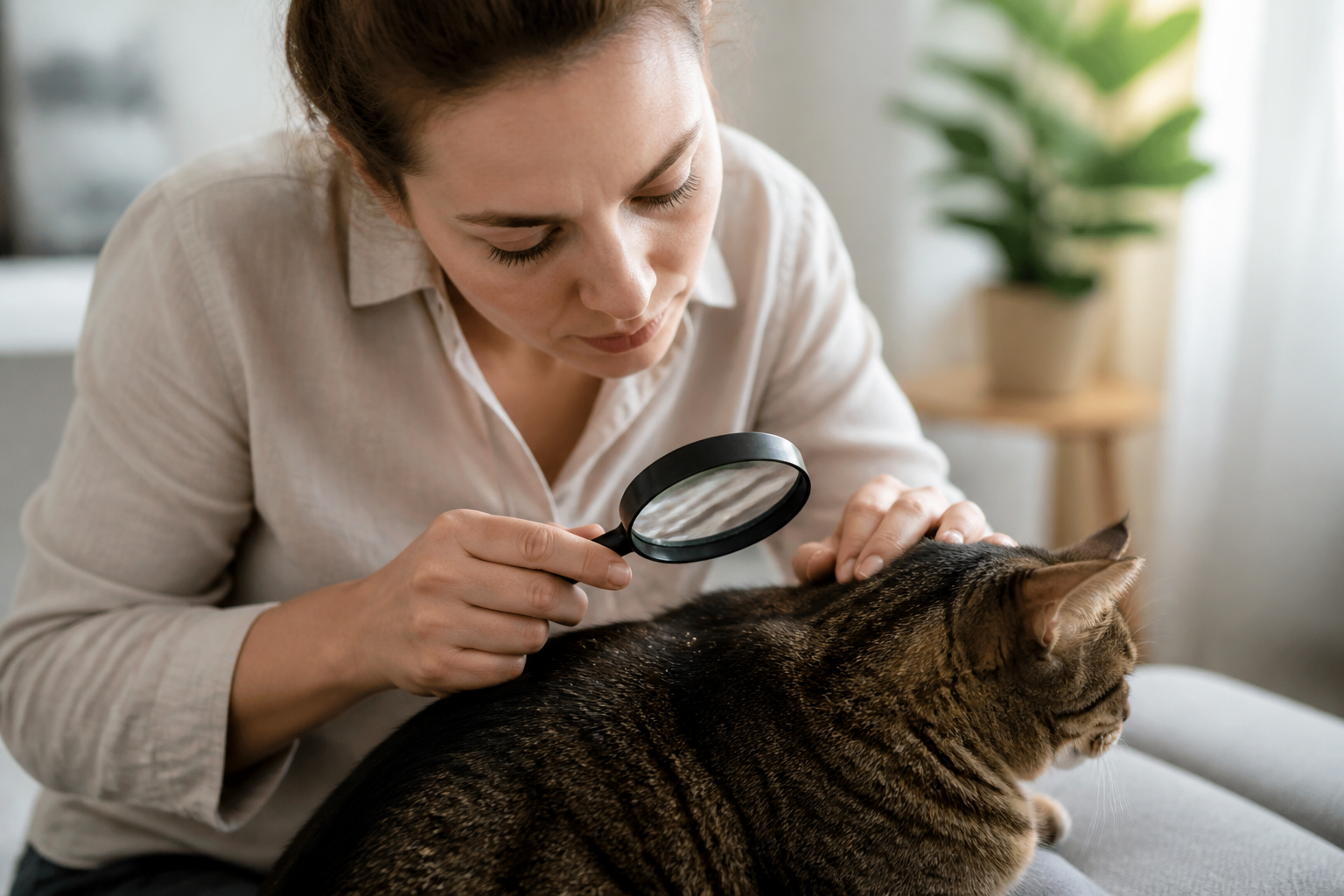
You are enjoying a quiet moment brushing your cat when you notice several tiny white specks scattered across their fur. Your mind might immediately jump to a flea infestation, but those little white dots could just as easily be dry skin. Distinguishing between cat dandruff and flea eggs is a common challenge for many pet owners. While they look similar at first glance, the causes and solutions for these two issues are very different. At BaxterBoo, we help cat parents navigate these everyday health questions with practical advice and the right supplies. This guide explains how to tell the difference between skin flakes and parasite eggs so you can take the right next step for your cat. Understanding these visual and behavioral cues will help you keep your cat comfortable and your home pest-free.
Quick Answer: Dandruff flakes are flat, irregular in shape, and often stick to the hair shafts or skin. Flea eggs are uniform, oval-shaped like tiny grains of salt, and typically fall off the cat easily because they are not sticky.
The Visual Comparison: Shape and Texture
The most reliable way to tell these two apart is to look closely at the shape of the specks. Cat dandruff consists of dead skin cells. These flakes are thin, flat, and come in various sizes with irregular, jagged edges. They often look translucent or bright white. Because they are jagged, they frequently get caught in the fur or remain clumped near the skin.
Flea eggs are much more uniform. If you could look at them under a magnifying glass, you would see they are perfect ovals with rounded ends. They are about half a millimeter long and have a smooth, pearlescent appearance. Unlike dandruff, flea eggs are not attached to the hair. They are laid on the cat but are designed to slide off into the environment, such as your carpet or furniture.
Key Takeaway: If the specks are different sizes and look like flat shavings, it is likely dandruff. If every speck is the same tiny oval shape and looks like a miniature grain of white rice, you are likely looking at flea eggs.
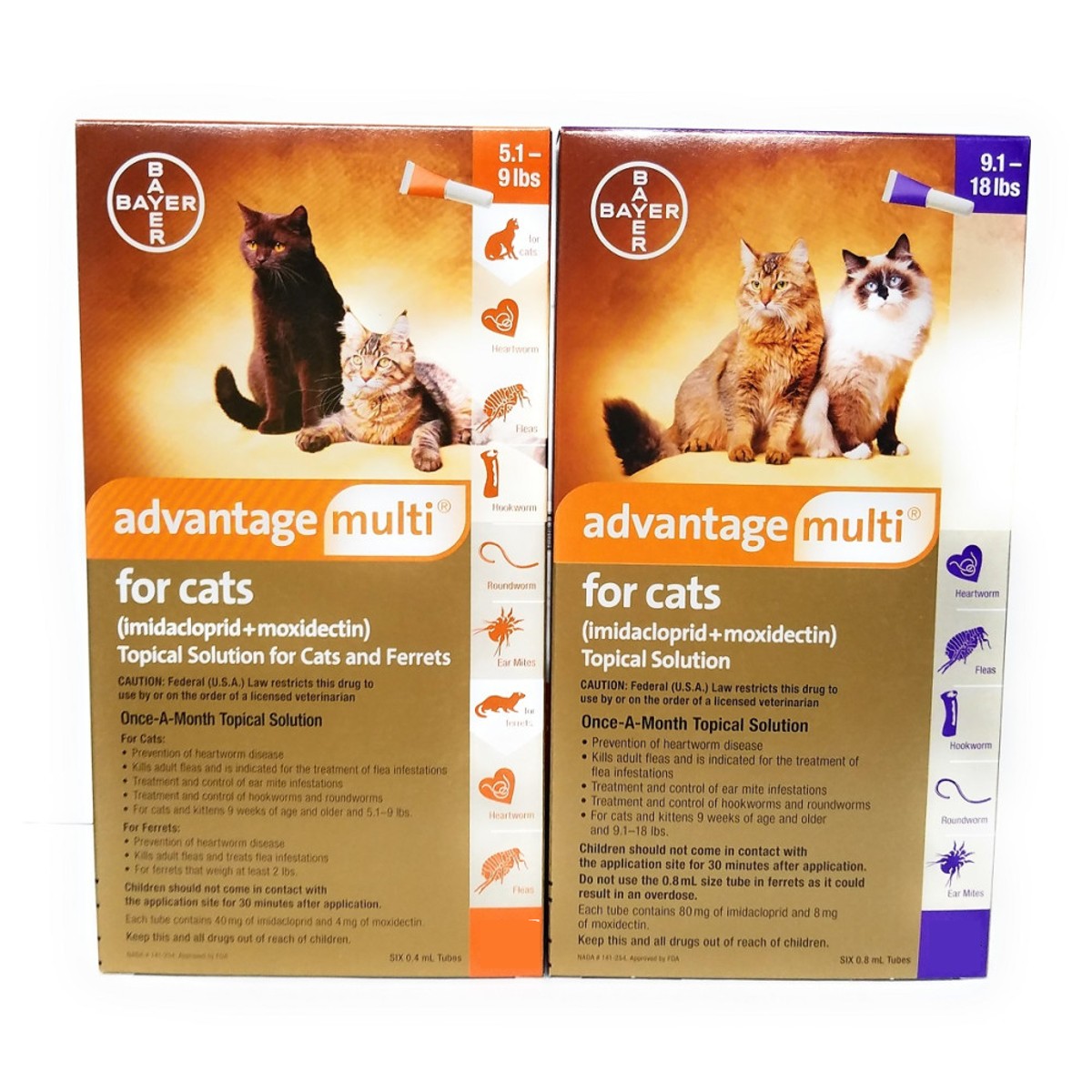
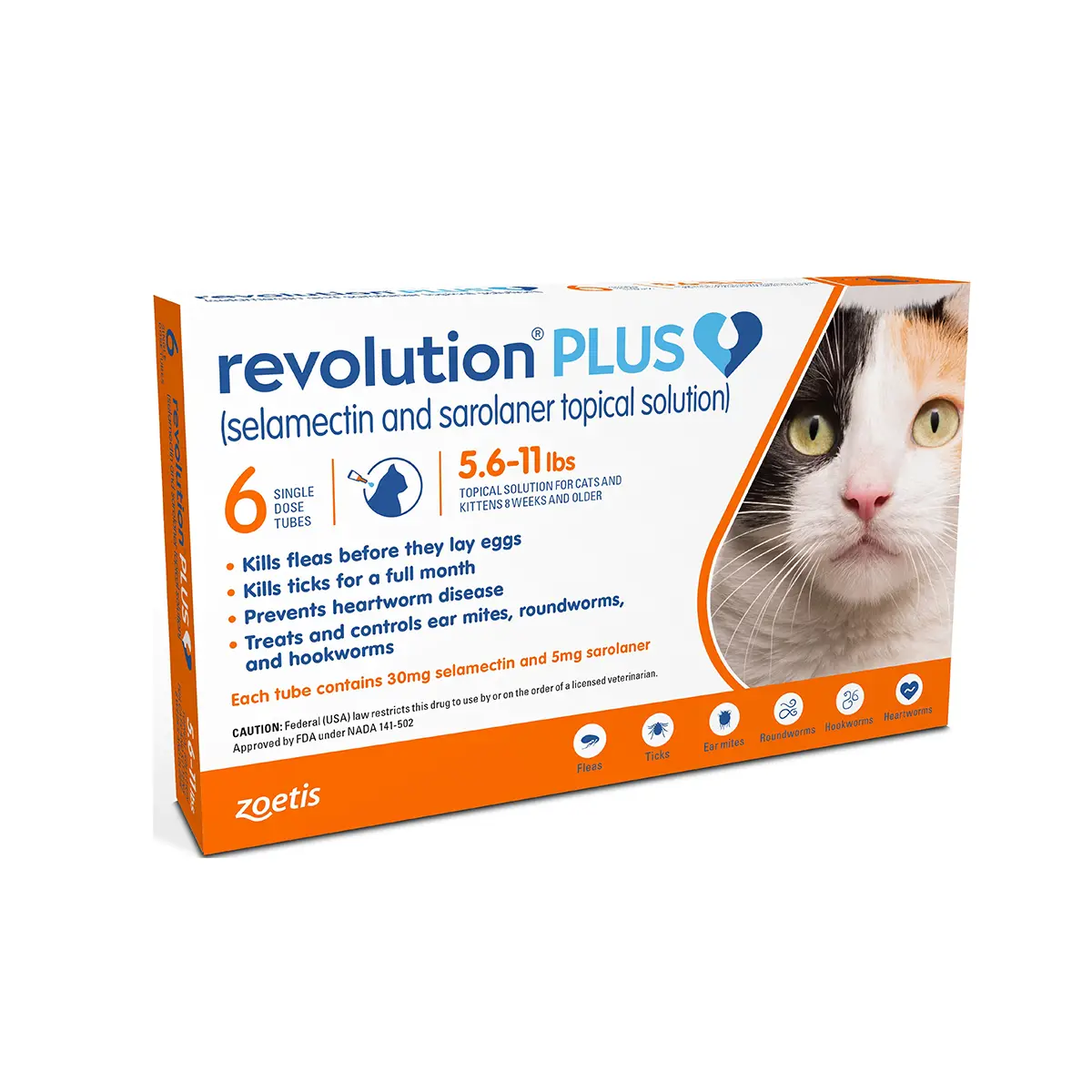
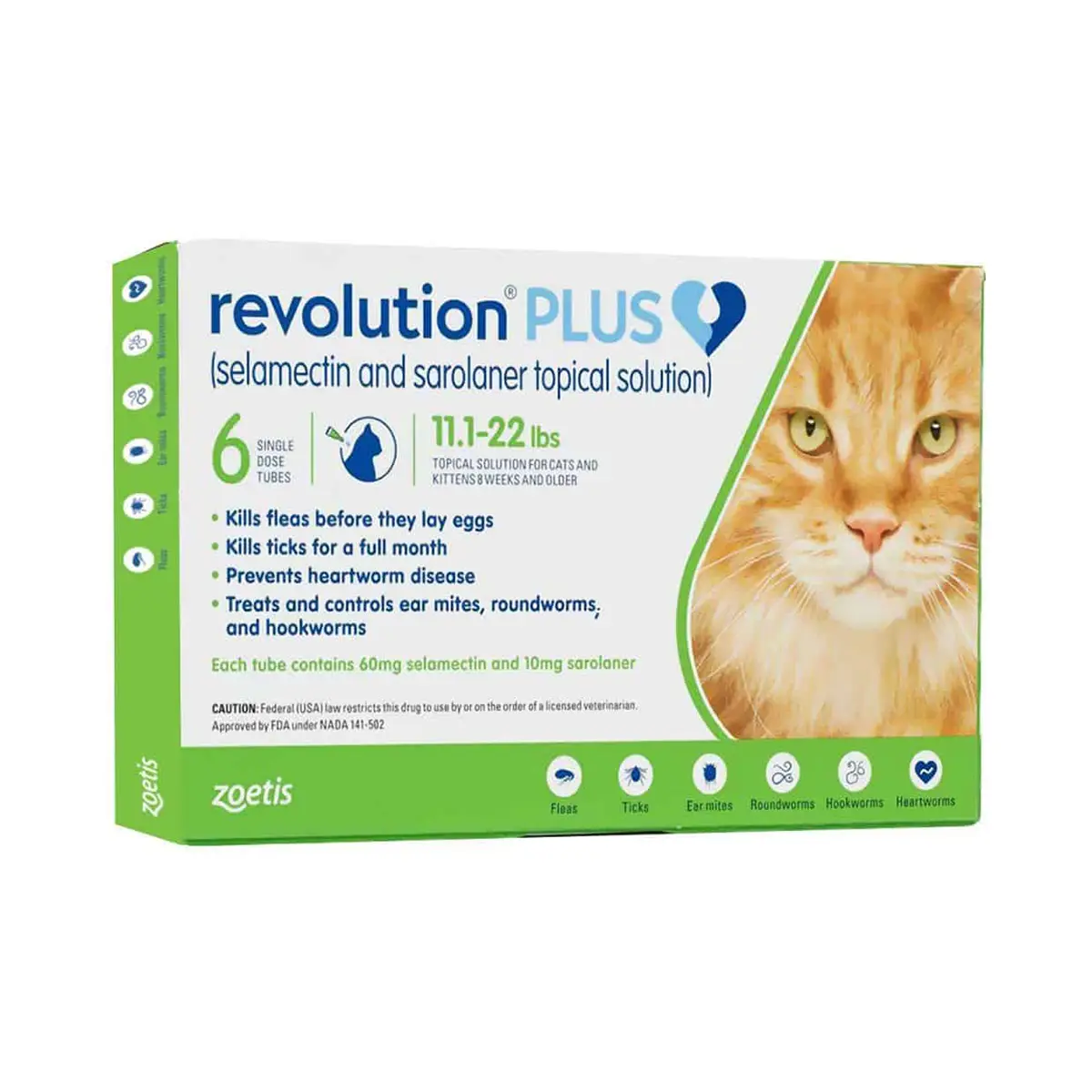
Cat Flea & Tick Care








The Wet Paper Towel Test
If you are still unsure after a visual inspection, the wet paper towel test is the gold standard for home identification. This test looks for flea dirt, which is the waste left behind by adult fleas. Flea dirt often accompanies flea eggs and provides a clear sign of an active infestation.
Step 1: Place a clean white paper towel on a flat surface. / Lightly dampen the towel with a small amount of water.
Step 2: Use a fine-tooth flea comb to brush your cat. / Focus on the base of the tail and the neck area where fleas prefer to congregate.
Step 3: Tap the debris from the comb onto the wet towel. / Wait about thirty to sixty seconds to see if the colors change.
Step 4: Observe the specks. / If the white specks remain white, they are likely dandruff or eggs. If small black specks appear and begin to bleed a reddish-brown color into the towel, that is flea dirt.
Flea dirt is actually dried blood. When it hits the moisture on the paper towel, it reconstitutes and leaves a red stain. If you find flea dirt, you can be certain that the white specks you saw are flea eggs.
Behavioral Signs to Watch For
Your cat's behavior can provide major clues about what is happening on their skin. While both dandruff and fleas can cause some itching, the intensity and type of scratching usually differ. A cat with simple dandruff might scratch occasionally because their skin feels tight or dry. They generally remain calm and do not show signs of distress during their grooming routine.
Fleas cause a much more frantic reaction. Cats with fleas often exhibit sudden, sharp biting at their skin, especially around the hindquarters. You might notice your cat twitching their skin or racing across the room suddenly as if they were bitten. If your cat has a flea allergy, the reaction will be even more severe. They may develop red, crusty bumps known as miliary dermatitis.
Vet Tip: If your cat is losing patches of fur or has red, inflamed skin from scratching, consult your veterinarian. These symptoms can indicate a flea allergy or a secondary skin infection that requires professional treatment.
Why Your Cat Might Have Dandruff
If you have ruled out fleas, the next step is figuring out why your cat has flaky skin. Dandruff is often a symptom of an environmental or internal issue rather than a disease itself. One of the most common causes is low humidity. During the winter months, indoor heating strips moisture from the air, which can dry out a cat's skin and lead to flaking.
Diet also plays a significant role in skin health. Cats require specific nutrients, including omega-3 and omega-6 fatty acids, to maintain a healthy skin barrier. If their food is lacking these essential fats, their skin may become brittle and prone to shedding cells prematurely. We carry several premium food brands, such as Farmina and Open Farm, that focus on high-quality proteins and fats to support coat health.
Another surprising cause of dandruff in cats is weight. If a cat is overweight, they may struggle to reach certain parts of their body during grooming. The lower back and the base of the tail are common spots for dandruff to accumulate because the cat simply cannot reach them to lick away the dead skin cells.
- Low humidity in the home
- Dehydration or lack of fresh water
- Nutritional deficiencies in commercial diets
- Obesity preventing proper grooming
- Allergies to dust or pollen
Bottom line: Dandruff is usually a sign of dry skin or grooming struggles, while flea eggs indicate a parasite cycle in your home.
Walking Dandruff: The Moving Speck
There is a specific condition that bridges the gap between dandruff and parasites. Cheyletiellosis, commonly known as walking dandruff, is caused by a large mite that lives on the surface of the skin. To the naked eye, these mites look exactly like large flakes of dandruff. However, if you watch closely, you will see the flakes moving.
These mites are highly contagious and can spread between cats, dogs, and even humans. Unlike normal dandruff, walking dandruff usually causes significant scaling and irritation along the topline of the back. If you see white specks that appear to be crawling, it is time for a trip to the vet. This condition requires specific anti-parasitic medication to resolve.
Managing Fleas and Their Eggs
If the specks turned out to be flea eggs, you need a comprehensive plan. Because flea eggs are not sticky, they have likely already fallen into your rugs, cat trees, and bedding. Treating the cat is only one part of the process. You must also treat the environment to prevent the eggs from hatching and jumping back onto your pet.
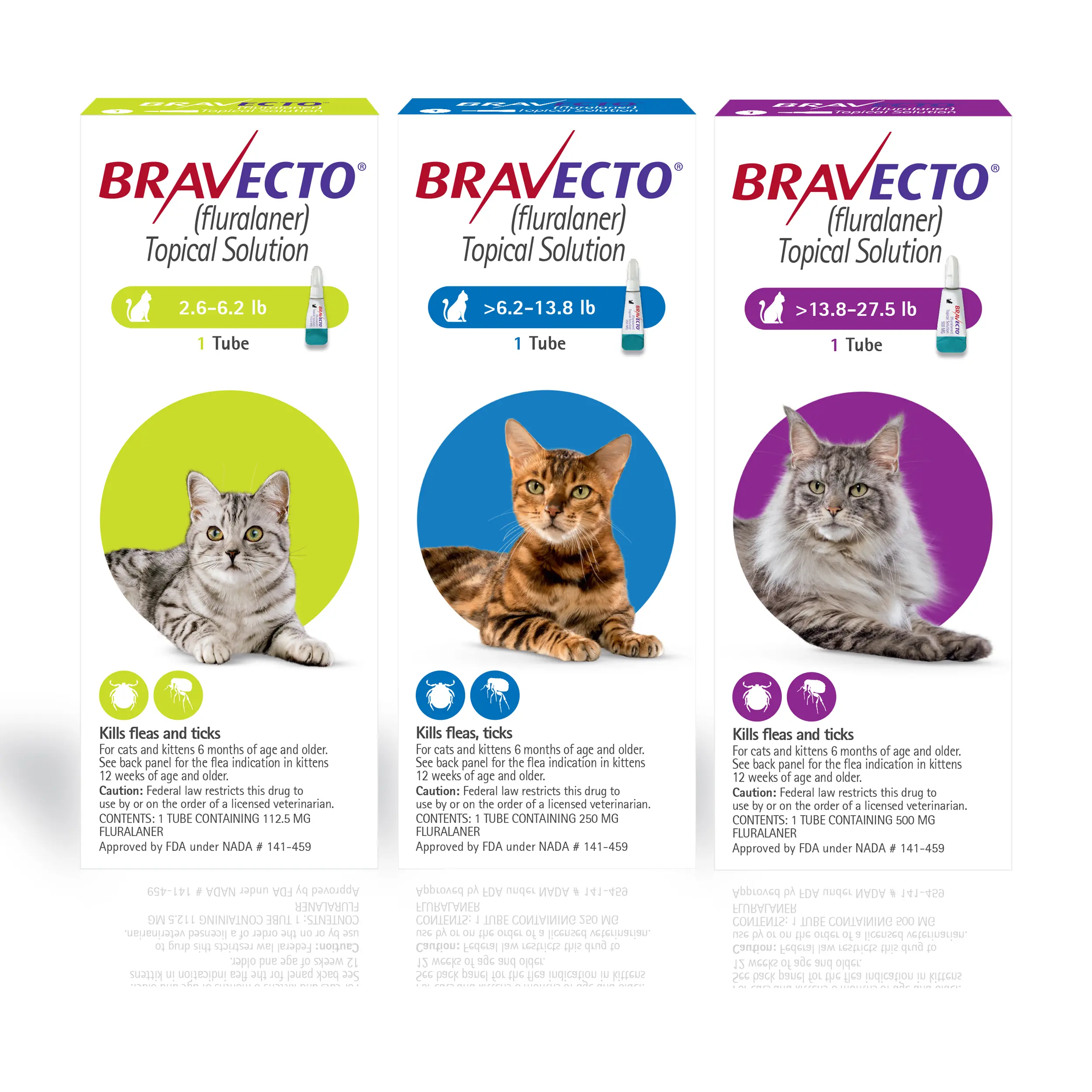
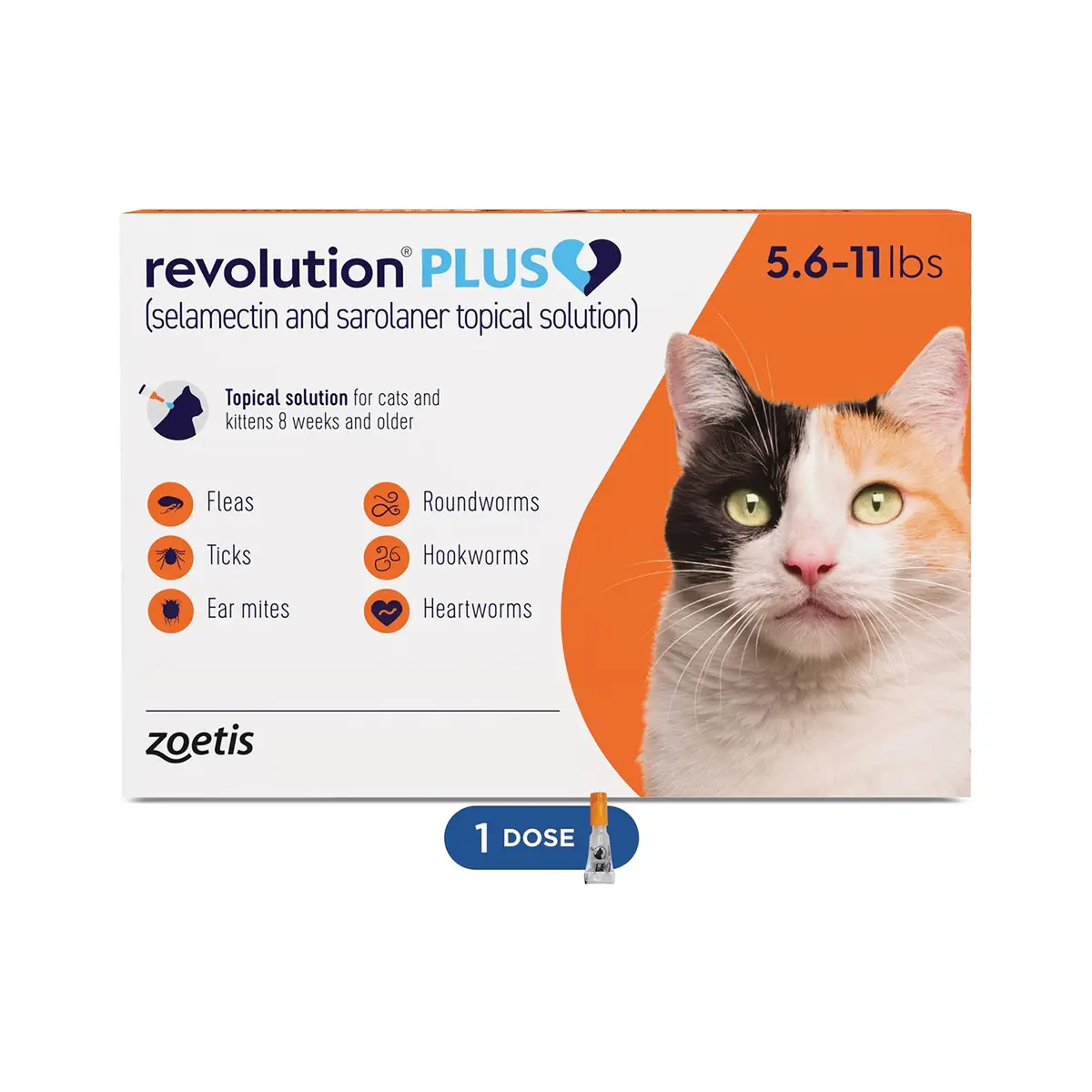
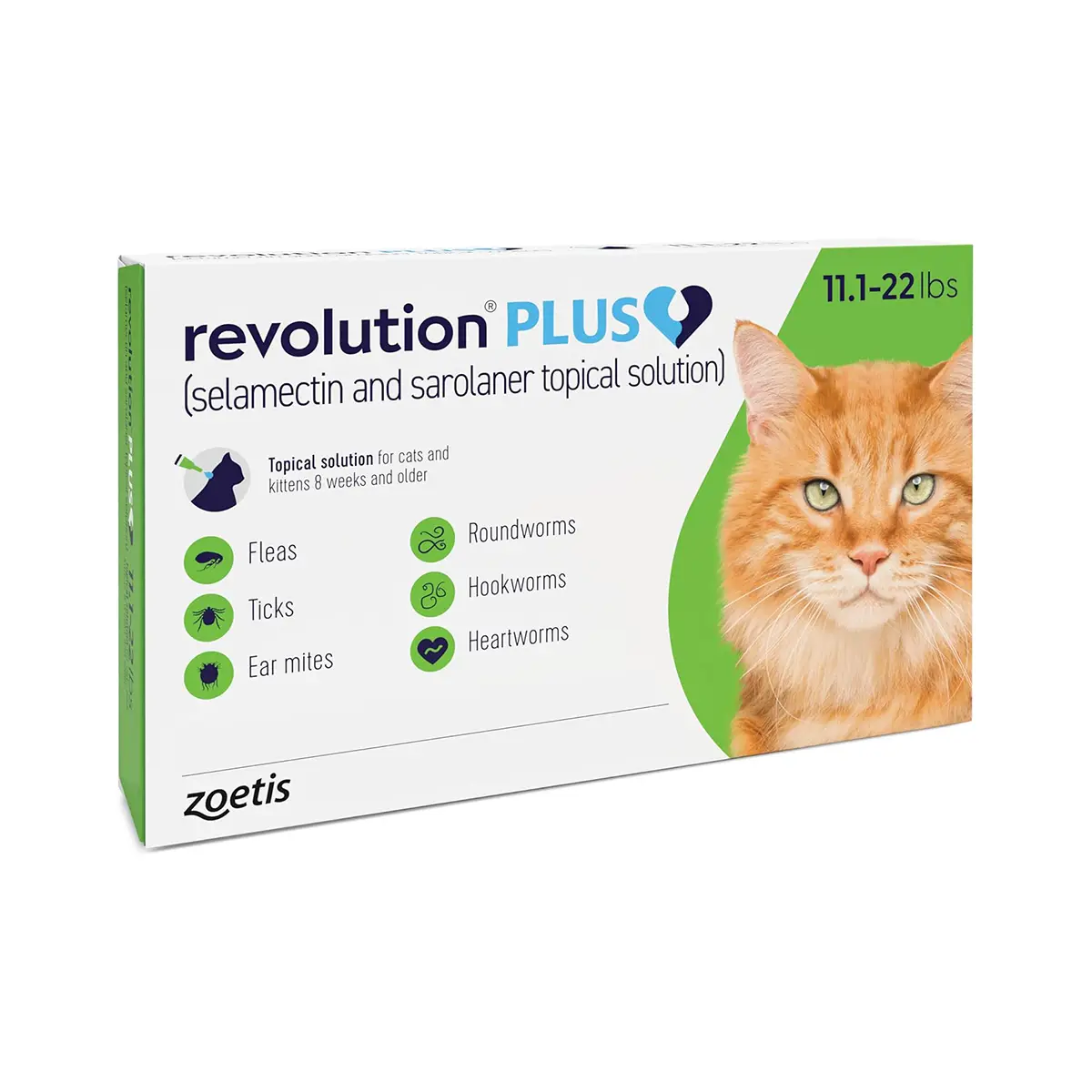
Our pharmacy offers a wide range of FDA-approved flea and tick preventives through our partnership with Pet's Choice. Some of these options are over-the-counter, while others require a prescription from your vet. Using a monthly preventive is the most effective way to break the flea life cycle and ensure that eggs never have a chance to develop into biting adults.
When dealing with an active infestation, frequent vacuuming is your best friend. Vacuuming picks up the eggs and creates heat and vibration that encourage remaining pupae to hatch, making them easier to kill with environmental sprays. Wash all cat bedding in hot water and dry it on a high heat setting to eliminate any lingering eggs.
Our cat flea and tick collection includes topical treatments, combs, sprays, shampoos, and other options for managing flea concerns.
Supporting Healthy Skin and Coat
Once you have cleared any parasites, you can focus on improving your cat's skin quality to eliminate dandruff. Regular grooming is the easiest way to manage flakes. For short-haired cats, a weekly session with a soft slicker brush or a grooming glove helps distribute natural oils and removes dead cells. Long-haired cats may need daily attention to prevent mats and skin irritation.
Adding a skin and coat supplement to your cat's routine can also make a visible difference. Look for supplements containing fish oil or biotin. Brands like Zesty Paws or Honest Paws offer options that are easy to mix into wet food. These nutrients help strengthen the skin's moisture barrier from the inside out.
Finally, consider the air quality in your home. If you notice your own skin feels dry in the winter, your cat is likely feeling it too. Placing a humidifier in the room where your cat spends the most time can provide much-needed relief for their skin.
Key Takeaway: Consistent grooming and a diet rich in fatty acids are the best defenses against a flaky, uncomfortable coat.
Practical Steps for Skin Relief
If your cat is currently struggling with dandruff, you can follow these steps to help them feel better. Always start with a gentle approach to avoid stressing your cat.
Step 1: Check the hydration levels. / Ensure your cat has access to fresh, filtered water. Many cats prefer a pet fountain over a still bowl, which can encourage more drinking.
Step 2: Start a gentle brushing routine. / Use a brush appropriate for their coat type. Brushing should be a relaxing experience, not a chore.
Step 3: Evaluate their diet. / If you are feeding a grocery store brand, consider transitioning to a higher quality formula with more animal-based fats.
Step 4: Consult the pharmacy for skin support. / Our partnership with Pet's Choice allows you to access prescription diets and medications that target chronic skin conditions if home remedies are not enough.
For additional options, explore our cat skin and coat health products.
When to See a Veterinarian
While most cases of dandruff are easy to manage at home, some skin issues require professional help. If your cat’s skin looks greasy, has an unusual odor, or shows signs of yellow crusting, they may have a yeast or bacterial infection. These conditions often produce flaking that looks like dandruff but is actually a byproduct of an infection.
Similarly, if you have applied flea treatments and still see eggs or live fleas after several weeks, you may need a different type of medication. Some flea populations have developed resistance to older over-the-counter products. Your vet can provide a prescription-strength solution from our pharmacy to handle stubborn infestations.
Vet Tip: Always consult your veterinarian before starting a new flea treatment or supplement, especially if your cat is a senior or has underlying health conditions like kidney disease or diabetes.
Conclusion
Telling the difference between cat dandruff and flea eggs is the first step toward a happy, comfortable cat. Dandruff is often an environmental or nutritional issue characterized by irregular, flat flakes that stay in the fur. Flea eggs are uniform, salt-like ovals that accompany other signs of parasites like flea dirt and intense itching. By using the wet paper towel test and observing your cat's behavior, you can accurately identify the problem. Whether you need a moisturizing supplement or a powerful flea preventive, we are here to help. Our pharmacy, operated through Pet's Choice, carries the FDA-approved treatments your cat needs to stay healthy.
- Dandruff is irregular and flat; flea eggs are uniform and oval.
- The wet paper towel test identifies flea dirt, confirming an infestation.
- Nutrition and humidity are the most common factors in cat dandruff.
- Environmental cleaning is essential for removing flea eggs from the home.
Bottom line: Accurate identification saves you time and ensures your cat gets the specific care they need, whether it is a diet change or a parasite treatment.
FAQ
Can I get rid of cat dandruff by giving my cat a bath?
While a bath with a moisturizing shampoo can help remove existing flakes, it is often a temporary fix. If the cause is dry air or a poor diet, the dandruff will return shortly after the bath. Furthermore, many cats find baths very stressful, which can actually worsen skin conditions. It is usually better to address the root cause through nutrition and environmental changes.
Why do I see flea eggs but no live fleas on my cat?
Cats are expert groomers and often lick away live fleas before you ever see them. However, fleas can lay up to fifty eggs a day, and those eggs often fall off into the environment before the cat can remove them. Seeing the eggs is a definitive sign that adult fleas are present, even if they are hiding deep in the fur or only jumping on to feed.
Are cat flea eggs dangerous to humans?
Flea eggs themselves are not dangerous to humans, but they will eventually hatch into larvae and then adult fleas. Once they become adults, they may bite humans, causing itchy red welts and potentially spreading diseases or tapeworms. It is important to treat the eggs and the environment promptly to prevent a small problem from becoming a full-blown household infestation.
Is it possible for my cat to have both dandruff and fleas at the same time?
Yes, it is quite common for cats to have both. The irritation and inflammation caused by flea bites can disrupt the skin's natural balance, leading to dryness and flaking. If you are treating fleas, it is a good idea to also provide a skin and coat supplement to help the skin recover from the stress of the infestation.






- Site & Contents BaxterBoo.com. BaxterBoo is located in the United States.
- Privacy & Security
- Terms of Use
- Accessibility Statement
