Save 15% on your 1st Autoship learn more

 Email us
 Live Chat
 FAQs
FAQs





Introduction
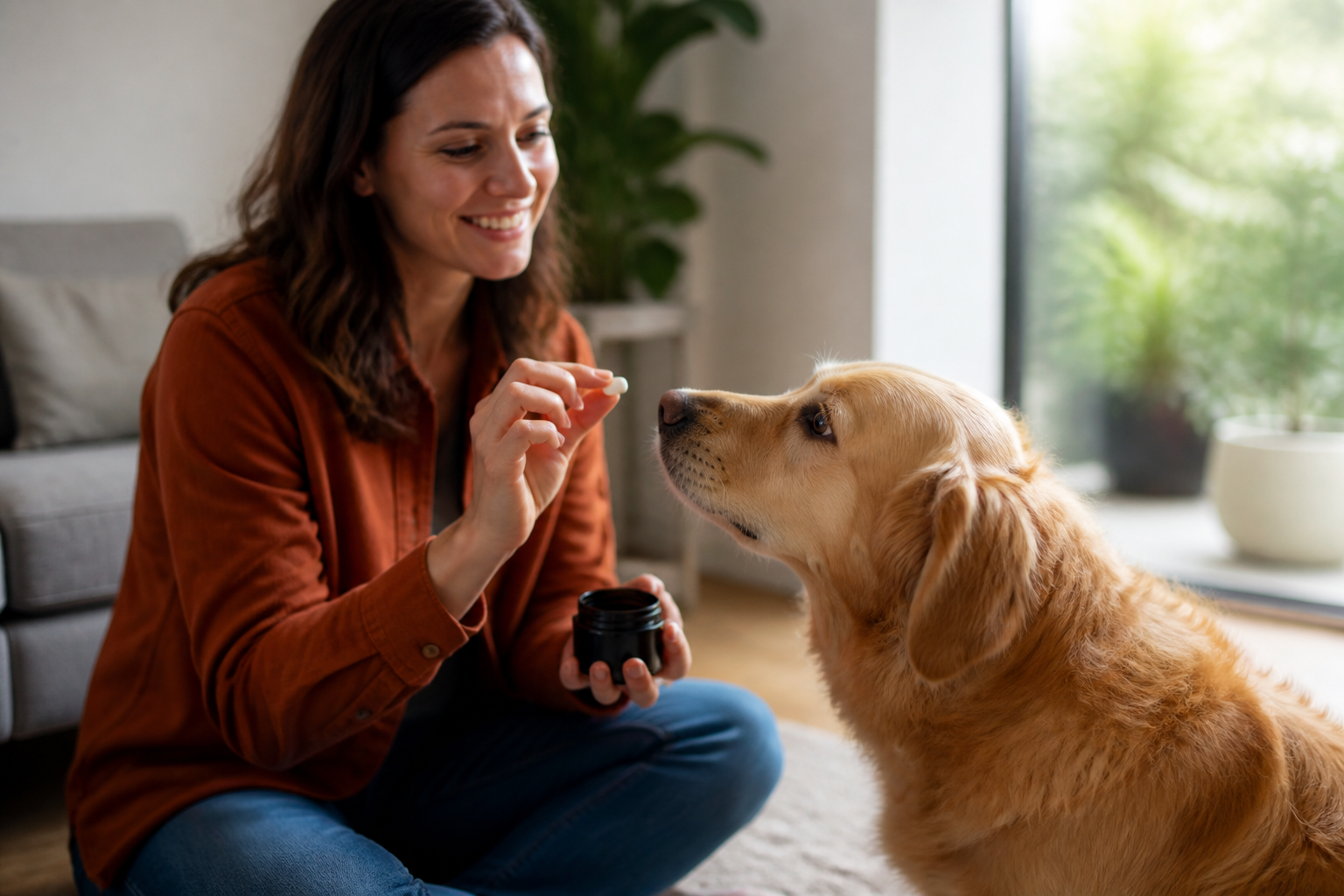
You might notice your dog frequently grazing on grass during morning walks or dealing with a rumbly stomach after dinner. These little signs often point toward a digestive system that needs a bit of balance. Many owners wonder if a daily supplement is the right move or if it might be too much for a healthy dog.
At BaxterBoo, we talk to pet parents every day who are looking for simple ways to support their dogs through every life stage. This post covers why probiotics are usually safe for daily use and how they help with more than just digestion. We will look at the best strains for dogs and how to start a routine that sticks. Consistent support is often the key to keeping your dog feeling their best.
What Are Probiotics for Dogs?
Probiotics are live, beneficial bacteria that live in your dog’s gastrointestinal tract. People often call these "good" bacteria because they help keep harmful microbes in check. Your dog’s gut is home to a complex community of microorganisms called the microbiome. When this community is balanced, your dog can digest food properly and absorb the nutrients they need.
These microorganisms do a lot of heavy lifting. They help break down food, produce essential vitamins, and support the intestinal barrier. Factors like stress, a sudden change in diet, or a course of antibiotics can wipe out these good bacteria. This often leads to issues like gas, bloating, or loose stools.
Quick Answer: Yes, it is generally safe and beneficial to give your dog probiotics every day. Consistent daily use helps maintain a stable population of good bacteria in the gut, which supports digestion and immune health.
The Benefits of Daily Supplementation
Giving a probiotic once in a while might help after a single upset stomach. However, the real benefits come from consistency. Most of a dog’s immune system is actually located in their gut. By keeping the microbiome healthy every day, you are directly supporting their ability to fight off illness.
Improved Digestive Consistency
The most obvious benefit is better bathroom habits. Daily probiotics can help firm up stools and reduce the frequency of "emergency" trips outside. They are particularly helpful for dogs with sensitive stomachs who seem to get gas or diarrhea from the slightest change in environment. You can compare options in our dog digestive health category.
Immune System Support
Since about 70 percent of the immune system lives in the gut, a healthy microbiome is a shield. Good bacteria help the body identify and respond to pathogens. This daily reinforcement can help your dog stay resilient against common environmental stressors.
Skin and Coat Health
There is a strong connection between the gut and the skin. Dogs with chronic itching or dull coats often see improvement when their internal health is addressed. When the gut is less inflamed, the skin often follows suit. This can lead to less scratching and a shinier, healthier coat over time. For related wellness ideas, read our guide to pet supplements.
Is It Safe for All Dogs?
Most healthy adult dogs can handle a daily probiotic with no issues. The beneficial bacteria are transient residents, meaning they do their work as they pass through. They do not permanently stay in the gut forever. This is why daily use is usually recommended to keep the population high enough to be effective.
Some dogs require more caution. Puppies have developing digestive systems and can benefit from probiotics, but you should always choose a formula made for their age. Senior dogs often need them to help with nutrient absorption as their systems slow down.
Vet Tip: If your dog is severely immunocompromised or has a serious underlying health condition like Inflammatory Bowel Disease (IBD), consult your veterinarian before starting probiotics. In these cases, the introduction of any bacteria needs to be carefully managed.
Starting a Daily Probiotic Routine
If you decide to start a daily routine, the "low and slow" approach is best. Even though probiotics are safe, introducing too many new bacteria at once can cause temporary gas or soft stools. This is just the microbiome adjusting to the new balance.
Step 1: Choose a dog-specific formula. Avoid human products that may contain xylitol or too much dairy.
Step 2: Start with half of the recommended daily dose for the first three to five days.
Step 3: Monitor your dog for any significant changes in gas or stool consistency.
Step 4: Increase to the full recommended dose once your dog has adjusted.
Most owners see a noticeable difference within two to four weeks. It takes time for the "good" bacteria to crowd out the "bad" ones and establish a healthy environment. One option to explore is Nutramax Proviable Digestive Health Supplement Multi-Strain Probiotics and Prebiotics for Cats and Dogs Capsules.
Understanding CFUs and Strains
When you look at a label, you will see the term CFU. This stands for Colony Forming Units. It tells you how many live, active bacteria are in each serving. For general daily maintenance, a range of 1 to 5 billion CFUs is common for many dogs.
Strains also matter. Not all bacteria do the same thing. Some of the most helpful strains for dogs include:
- Bifidobacterium animalis: Excellent for improving stool quality and helping dogs recover from diarrhea.
- Lactobacillus acidophilus: Supports general gut health and helps with nutrient absorption.
- Enterococcus faecium: Often used to help manage stress-related digestive upset.
- Bacillus coagulans: A hardy strain that can survive the acidic environment of the stomach to reach the intestines.
We handpick products at BaxterBoo that list these specific strains clearly on the label. Knowing exactly what you are giving your dog helps you track what works best for their specific needs. Our probiotic collection makes it easier to compare formats and formulas.
When a Probiotic Isn't Enough
Probiotics are wonderful support tools, but they are not a cure for serious medical conditions. If your dog has chronic vomiting, bloody stools, or sudden weight loss, a supplement will not fix the underlying issue. These symptoms require a professional diagnosis from a veterinarian.
For dogs with chronic conditions like food allergies or kidney issues, a prescription diet might be necessary. Our dog pharmacy carries FDA-approved medications and prescription pet foods through our partnership with Pet's Choice. Sometimes, a combination of a prescription diet and a specific probiotic is the most effective way to manage a long-term health goal.
Key Takeaway: Probiotics are meant for wellness support and minor digestive maintenance. Always seek veterinary care for symptoms that are severe, persistent, or accompanied by lethargy and loss of appetite.
Prebiotics vs. Probiotics
You will often see these two terms used together. While probiotics are the live bacteria, prebiotics are the fiber that feeds those bacteria. Think of probiotics as the lawn and prebiotics as the fertilizer. Without prebiotics, the good bacteria may not thrive as well.
Common prebiotics include ingredients like chicory root, inulin, and certain types of fiber found in pumpkin. Many high-quality daily supplements are "synbiotics," meaning they contain both prebiotics and probiotics in one serving. This makes the daily routine much easier for you.
Storing Your Daily Probiotics
Bacteria are living organisms. They are sensitive to heat, light, and moisture. If the bacteria die before your dog eats them, the supplement will not do much. Always check the storage instructions on the bottle.
Some probiotics require refrigeration to keep the cultures alive. Others are shelf-stable but need to stay in a cool, dry place. If you buy a large container, make sure the lid is tight. Avoid leaving the bottle on a sunny windowsill or in a humid laundry room.
Bottom line: Daily probiotics are a safe, practical way to support your dog's long-term health from the inside out.
Comparison of Probiotic Formats
There are several ways to give your dog their daily dose. The best one is the one your dog will actually eat without a struggle.
| Format | Pros | Cons |
|---|---|---|
| Soft Chews | Easy to give as a treat; very palatable. | Can contain more calories and fillers. |
| Powders | Easy to mix into wet or dry food; usually very concentrated. | Picky eaters might notice a change in food taste. |
| Capsules | Long shelf life; precise dosing. | Can be difficult to give to dogs who hate pills. |
| Pastes | Fast-acting; good for acute issues. | Not always convenient for long-term daily use. |
For a formula that combines capsules and paste, consider the Nutramax Proviable Digestive Health Supplement Kit.
Probiotics and Antibiotics
If your dog is taking antibiotics for an infection, you might wonder if you should stop the probiotics. Actually, this is one of the most important times to use them. Antibiotics are designed to kill bacteria, but they cannot tell the difference between the "bad" ones causing the infection and the "good" ones in the gut.
This often leads to "antibiotic-associated diarrhea." To help prevent this, keep giving the probiotic. Just make sure to time it correctly. Give the probiotic at least two hours before or after the antibiotic dose. This ensures the antibiotic does not immediately kill off the helpful bacteria you just introduced.
The Role of Diet in Gut Health
A probiotic can only do so much if the base diet is not a good fit for your dog. Dogs eating a diet very high in certain carbohydrates might struggle with an imbalanced microbiome regardless of supplements. High-quality protein and appropriate fiber levels are the foundation.
We suggest looking for foods with transparent ingredient lists. If you are constantly managing an upset stomach, it might be worth looking at our limited ingredient dog food options or grain-free options depending on your vet's advice. Once the base diet is solid, the daily probiotic can really shine.
Signs Your Dog's Probiotics Are Working
You won't see a change overnight. Most shifts in the microbiome happen gradually. However, after a few weeks of consistent use, you can look for these positive signs:
- Better Breath: Bad breath can sometimes start in the gut. As the bacteria balance out, the smell often improves.
- Less Gas: If your dog used to "clear the room," a reduction in flatulence is a great sign the probiotic is working.
- Solid Stools: You should see more consistency in the size and firmness of their waste.
- Consistent Energy: When a dog's gut feels good, they are often more playful and less lethargic.
For more guidance on food-related digestive upset, read Can Dry Food Cause Diarrhea in Dogs?.
Conclusion
Supporting your dog with daily probiotics is an easy and effective way to maintain their overall wellness. From better digestion to a stronger immune system, the benefits of a healthy gut extend to almost every part of their life. Most dogs transition easily into this routine, especially when you start slowly and choose a high-quality, canine-specific formula.
At BaxterBoo, we want to help you find the products that make your life as a pet owner easier and more rewarding. Whether you choose a tasty soft chew or a convenient powder, staying consistent is the best way to see results. For even more convenience, consider our Autoship programme to save on your first order and ensure you never run out of your dog's daily essentials.
Key Takeaway: Consistency is the most important part of probiotic use. A daily routine helps ensure the good bacteria can successfully support your dog’s immune system and digestive health over the long term.
FAQ
Can I give my dog human probiotics like yogurt?
While plain, unsweetened yogurt has some live cultures, it often lacks the specific strains dogs need. Many dogs also have trouble digesting the lactose in dairy, which can cause more stomach upset. It is much more effective to use a supplement formulated specifically for canine digestive systems.
Can a dog have too many probiotics?
It is very difficult to "overdose" on probiotics, but giving too much at once can cause temporary gas, bloating, or diarrhea. Always follow the weight-based dosing instructions on the packaging. If your dog accidentally eats a whole bag of probiotic treats, contact your vet, though the most likely outcome is just a few days of loose stools.
How long should my dog stay on probiotics?
Many owners choose to keep their dogs on probiotics for their entire lives as a preventative health measure. Since the beneficial bacteria are transient and leave the system quickly, stopping the supplement usually means the gut returns to its previous state. Daily use is safe for long-term health maintenance.
Will probiotics help my dog's seasonal allergies?
There is growing evidence that gut health and skin health are linked. While a probiotic is not a cure for allergies, supporting the immune system through the gut can help reduce the severity of skin inflammation. It is often used as a helpful part of a broader allergy management plan.