Save 15% on your 1st Autoship learn more

 Email us
 Live Chat
 FAQs
FAQs





Introduction
You are relaxing on the sofa with your cat when you notice small white flecks scattered across their fur. It usually happens when you pet them along the spine or near the base of the tail. While a few flakes might seem like a minor grooming slip, they often signal something deeper about your cat's skin health or internal wellness. At BaxterBoo, we know that seeing these changes can be a little worrying for any pet owner. This post covers the common reasons for feline flakes, how to tell the difference between normal shedding and medical issues, and the best ways to restore that glossy coat. Understanding the cause of your cat's dandruff is the first step toward helping them feel comfortable and look their best again.
Understanding Feline Dandruff
Feline dandruff is the visible buildup of dead skin cells that have clumped together and shed into the hair coat. While every cat sheds skin cells as part of a natural cycle, those cells are usually microscopic. When they become large enough to see with the naked eye, the balance of the skin has shifted. This condition, known as seborrhea, occurs when the skin produces too many cells too quickly or when the natural oils are not distributed correctly.
There are two main types of seborrhea in cats. Primary seborrhea is typically an inherited condition, often seen in specific breeds like Persians. Secondary seborrhea is far more common. It happens when an outside factor, such as the environment, a parasite, or an underlying health condition, triggers a change in the skin. Because most cases are secondary, the flakes are often a symptom of another problem rather than the problem itself.
Quick Answer: Cat dandruff consists of visible white flakes of dead skin trapped in the fur. It is usually a secondary symptom of issues like dry air, poor nutrition, obesity, or underlying medical conditions like allergies or parasites.
The Difference Between Dandruff and Dander
It is very common for pet owners to use the terms dandruff and dander interchangeably, but they are not the same thing. Understanding the difference helps you communicate more effectively with your veterinarian.
Dander refers to the microscopic skin cells that all healthy cats shed. You cannot see dander on your cat’s coat. It is the material that carries the proteins responsible for human cat allergies. Since every cat produces dander, it is a normal part of feline life and not a health concern for the cat.
Dandruff, however, is visible. It looks like white, gray, or tan flakes. Unlike dander, dandruff is often associated with skin irritation, itching, or an unkempt coat. If you can see the flakes, your cat has dandruff, not just dander.
| Feature | Cat Dander | Cat Dandruff |
|---|---|---|
| Visibility | Microscopic (Invisible) | Visible flakes |
| Color | N/A | White, gray, or tan |
| Health Status | Normal and healthy | Often a sign of an underlying issue |
| Association | Human allergies | Feline skin irritation |
Common Environmental and Lifestyle Causes
The environment plays a massive role in skin health. If your home has very low humidity, especially during the winter months when the heater is running, your cat’s skin can dry out quickly. This lack of moisture leads to brittle skin that flakes off easily.
Another common factor is hydration. Cats are notoriously bad at drinking enough water. If a cat is chronically dehydrated, their skin is one of the first organs to show it. The skin loses its elasticity and the coat can become dull and flaky.
Dietary gaps are also a frequent culprit. Your cat’s skin requires specific nutrients to maintain its barrier. If their food is low in essential fatty acids, particularly Omega-3 and Omega-6, the skin cannot stay moisturized from the inside out. We see this often with lower-quality commercial diets that lack the high-quality fats found in premium brands like NutriSource and PureVita cat food.
Key Takeaway: Environmental dryness and nutritional gaps are the most frequent "simple" causes of flakes. Improving indoor humidity and upgrading to a high-quality, fat-rich diet can often resolve mild cases.
Why Weight and Age Matter for Grooming
Cats are famously clean animals, spending up to half their waking hours grooming. However, if a cat cannot reach certain parts of its body, dandruff will inevitably build up. This is most common along the lower back and the base of the tail.
Obesity is a leading cause of this "missed spot" dandruff. When a cat is overweight, they simply cannot bend or reach their hindquarters. The dead skin cells and loose undercoat hair accumulate, forming a layer of flakes and mats.
Similarly, senior cats often struggle with dandruff due to osteoarthritis. If it hurts to twist and reach their back, they will stop grooming those areas. In these cases, the dandruff is a visual cue that your cat might be dealing with joint pain or mobility issues. We carry a variety of mobility aids and supplements, such as Cosequin and Senilife, to help support aging joints and cognitive function.
Vet Tip: If your cat has dandruff primarily on their lower back and seems less flexible than they used to be, consult your vet about arthritis. Managing joint pain often leads to better grooming habits and a cleaner coat.
Identifying Parasites and "Walking Dandruff"
Not all flakes are just dry skin. Some are actually alive. Cheyletiellosis, commonly known as walking dandruff, is caused by large mites that live on the surface of the skin. These mites are quite active, and if you look closely at the "dandruff" on your cat, you might actually see the flakes moving.
Other parasites can cause flakes too. Fleas are a major trigger. Many cats have a flea saliva allergy, known as flea allergy dermatitis. Even a single bite can cause a massive inflammatory reaction, leading to redness, itching, and heavy flaking. You might also see flea dirt, which looks like small grains of black pepper.
Our pharmacy, operated through a partnership with Pet's Choice, carries a wide range of FDA-approved flea and tick preventives. Brands like Frontline and NexGard are essential for keeping these pests at bay. Since some of the most effective preventives require a prescription, our pharmacy makes it easy to get exactly what your vet recommends delivered to your door. Explore our cat flea and tick collection for available prevention options.
Since prevention methods can vary, you can also read about how flea collars work before choosing an option for your cat.
How to Check for Parasites
- Use a fine-tooth flea comb to brush through the fur along the spine.
- Deposit any collected debris onto a damp white paper towel.
- If the debris turns red or rusty brown, it is flea dirt (dried blood).
- If the white flakes appear to move on their own, consult a vet for a mite check.
Medical Conditions Linked to Flaky Skin
When dandruff is accompanied by other symptoms like increased thirst, weight loss, or lethargy, it may point to a systemic health issue. Several chronic conditions affect how a cat's skin functions.
- Diabetes Mellitus: This can lead to poor coat quality and skin infections.
- Hyperthyroidism: An overactive thyroid often causes a greasy, unkempt, or flaky coat.
- Kidney Disease: Chronic dehydration from kidney issues frequently results in dry, brittle skin.
- Skin Infections: Bacterial or fungal infections, like ringworm, can cause crusting and scaling.
Managing these conditions requires professional veterinary diagnosis and often involves prescription diets. We offer various specialized foods through our pharmacy, including brands like Royal Canin and Farmina Vet Life, which are formulated to support cats with specific medical needs. For topical and nutritional support, browse our cat skin and coat care selection.
Key Takeaway: Persistent dandruff that does not respond to grooming or diet changes deserves a vet visit. It could be an early warning sign of a condition like diabetes or hyperthyroidism.
Nutritional Support and Supplements
If your vet has ruled out serious illness, the next step is often nutritional support. The skin is the body's largest organ and it uses a significant portion of a cat's daily protein intake. High-quality protein from sources like The Honest Kitchen or Open Farm provides the building blocks for healthy skin cells.
Supplements are also a powerful tool. Omega-3 fatty acids, often derived from fish oil, are excellent for reducing skin inflammation and improving moisture retention. Many owners find success adding a liquid supplement or a specialized treat like Zesty Paws or Honest Paws to the daily routine.
Selecting the Right Food
- Look for "Complete and Balanced" on the label.
- Ensure a named animal protein (like chicken or salmon) is the first ingredient.
- Check for added zinc and Vitamin E, which support skin barrier function.
- Consider a moisture-rich diet, such as Tiki Cat or Fussie Cat, to improve overall hydration.
Grooming Strategies for Flake Removal
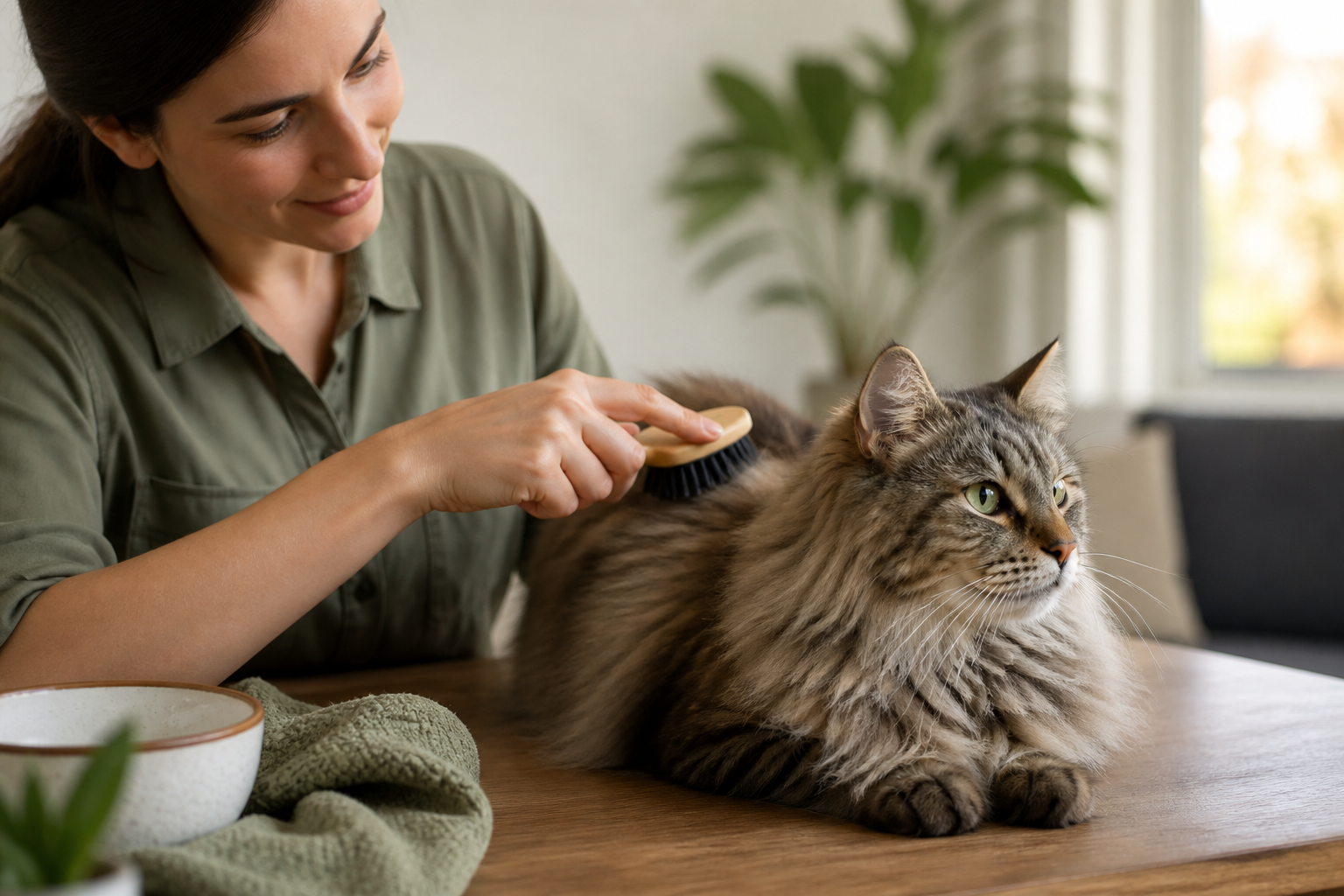
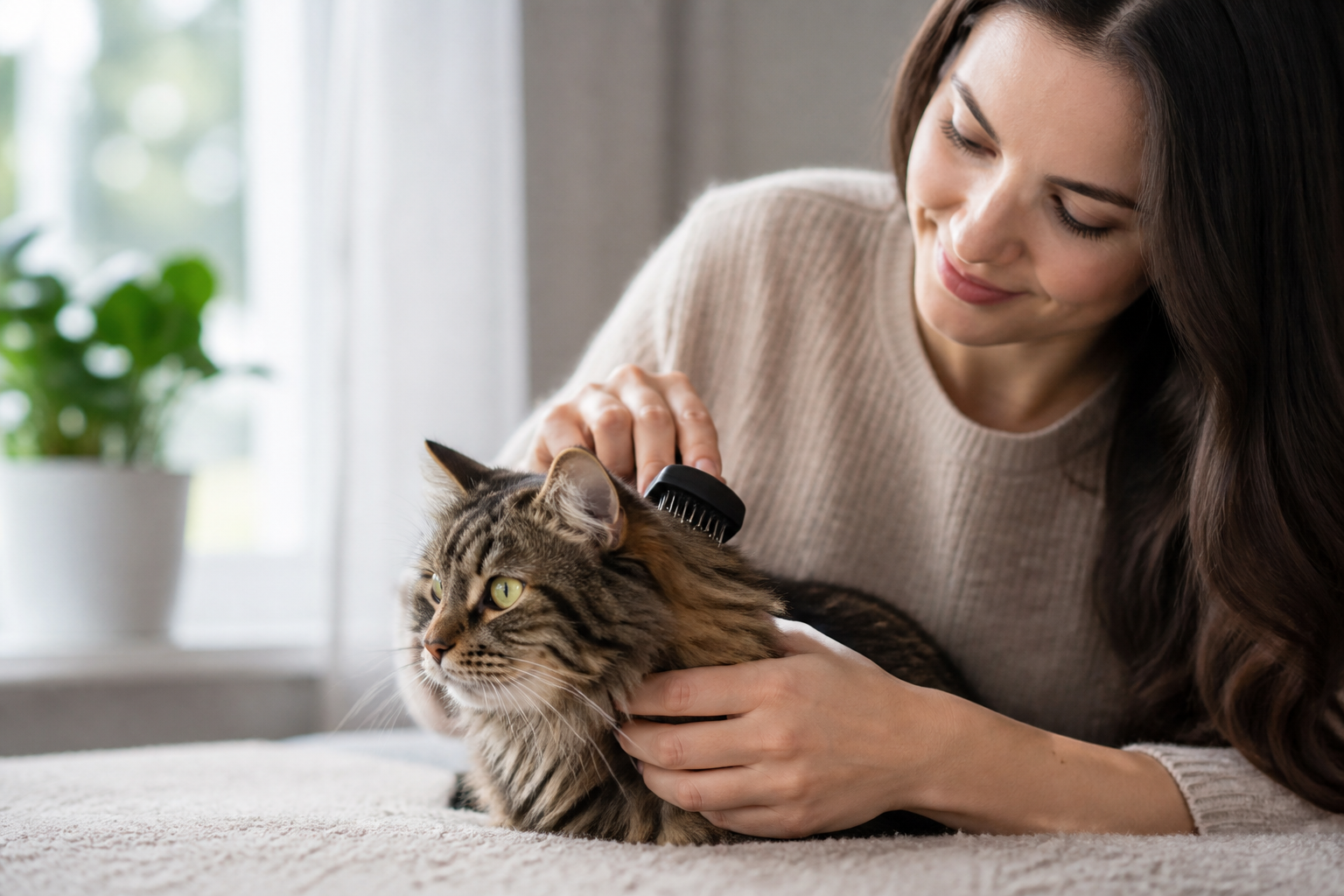
Regular brushing is the most direct way to manage dandruff. It physically removes the dead cells and loose hair while stimulating the skin to produce natural oils. For short-haired cats, a soft bristle brush or a grooming mitt once a week is usually enough. Long-haired cats or seniors who cannot groom themselves may need daily attention with a de-shedding tool or a high-quality comb. You can find brushes, combs, and other tools in our cat grooming collection.
While cats generally do not need baths as often as dogs do, a medicated shampoo can be helpful for severe dandruff. Products containing salicylic acid or sulfur can help break down the flakes. However, never use human dandruff shampoo on a cat. These products often contain ingredients like zinc pyrithione or selenium sulfide, which can be toxic if your cat licks their fur after the bath.
For routine brushing, the U-Groom Combo Brush for Dogs and Cats offers both stainless-steel pins and boar bristles for coat maintenance.
Steps for a Successful Grooming Session
Step 1: Choose a quiet time. / Pick a moment when your cat is relaxed and sleepy.
Step 2: Start gently. / Begin brushing in the areas they enjoy most, like the chin or cheeks, before moving to the flaky areas on the back.
Step 3: Use the right tools. / Use a metal comb for long hair to reach the undercoat or a rubber brush for short hair to massage the skin.
Step 4: Keep it short. / Five minutes of grooming is plenty. Stop before your cat gets frustrated or overstimulated.
When to See the Vet
While we can provide the supplies you need to manage your cat's coat, a veterinarian is the only one who can provide a definitive diagnosis. It is important to look for "red flag" symptoms that suggest the dandruff is more than just a cosmetic issue.
Vet Tip: Schedule an exam if your cat's dandruff is paired with hair loss, red or raw skin, excessive scratching, or changes in their eating and drinking habits. A simple skin scraping or blood test at the vet can save your cat months of discomfort.
Your vet might recommend specific diagnostic tests:
- Skin scraping to look for mites.
- Fungal culture to check for ringworm.
- Blood panel to check organ function and hormone levels.
- Fecal exam to rule out internal parasites that can zap nutrients.
Creating a Healthy Home Environment
Once you have identified the cause of the flakes, you can take steps to prevent them from coming back. Maintaining a consistent routine is the best way to support your cat's skin health year-round.
One simple fix is adding a humidifier to the rooms where your cat spends the most time. This is especially helpful during the winter. You should also ensure they have multiple sources of fresh, clean water. Many cats prefer moving water, so a pet fountain can be a great investment to boost their hydration.
Finally, stay consistent with parasite prevention. Even indoor cats can get fleas or mites brought in on your clothes or from other pets. Using a regular preventive ensures that "walking dandruff" and flea allergies never have a chance to start.
For more ideas about choosing prevention products, read the guide to flea and tick prevention products.
Conclusion
Managing a cat with dandruff is usually about looking at the big picture of their health. Whether the flakes are caused by a dry living room, a few extra pounds making grooming difficult, or a need for better fatty acids in their bowl, there is always a solution. By combining regular grooming, high-quality nutrition, and veterinary guidance, you can help your cat return to their sleek, shiny self.
- Check for parasites like fleas or mites using a flea comb.
- Help senior or overweight cats with daily brushing.
- Upgrade to a premium food rich in Omega fatty acids.
- Consult your vet for persistent flakes or skin redness.
Our BaxterBoo pharmacy partnership with Pet's Choice is here to help with any prescription diets or medications your vet may recommend. You can also sign up for our Autoship programme to ensure your cat’s favorite skin-supporting foods and preventives arrive exactly when you need them.
FAQ
Can I use human dandruff shampoo on my cat?
No, you should never use human dandruff products on a cat. Many of the active ingredients in human shampoos, such as selenium sulfide or certain essential oils, are toxic to felines if ingested. Cats groom themselves constantly, so any residue left on the skin will be licked off. Always use a shampoo specifically formulated for cats and approved by your veterinarian.
Is cat dandruff contagious to humans?
Simple dandruff caused by dry skin or allergies is not contagious. However, if the "dandruff" is actually caused by parasites like Cheyletiella mites (walking dandruff) or a fungal infection like ringworm, these can be passed to humans and other pets. If you or anyone in your home develops itchy skin or lesions at the same time as your cat, see a doctor and a vet immediately.
How often should I brush my cat to get rid of dandruff?
For a cat with active dandruff, daily brushing is often recommended until the flakes subside. This helps distribute natural oils and removes the buildup of dead skin cells that cause irritation. Once the skin is healthy again, you can usually scale back to once or twice a week for short-haired cats, while long-haired cats should continue to be brushed daily to prevent mats and flakes.
Does changing my cat's food help with dandruff?
Yes, diet is one of the most common factors in skin health. Foods that are low in high-quality proteins or essential fatty acids can lead to a dry, brittle coat. Switching to a premium diet or adding a fish oil supplement can provide the nutrients the skin needs to maintain its moisture barrier. It usually takes 4 to 6 weeks to see a visible difference in the coat after a diet change.