Save 15% on your 1st Autoship learn more

 Email us
 Live Chat
 FAQs
FAQs





Introduction
You are relaxing on the sofa with your cat when you notice a dusting of white flakes across their glossy fur. You might first think it is just a bit of dry skin from the winter heater. However, persistent flaking often points to something deeper like cat dandruff allergies. At BaxterBoo, we see many pet owners who are frustrated by these stubborn flakes and the itching that often follows. This article covers the difference between normal shedding and actual dandruff. We will look at how environmental triggers, food sensitivities, and parasites contribute to skin issues. You will also learn about the role of professional care and home maintenance in keeping your cat comfortable. Understanding the root cause of these skin changes is the first step toward a healthier, happier pet.
Quick Answer: Cat dandruff is often caused by skin allergies to food, fleas, or environmental triggers like pollen and dust. It can also result from poor grooming or low humidity. A combination of high quality nutrition, regular brushing, and veterinary care for underlying conditions usually resolves the issue.
Understanding the Difference Between Dander and Dandruff
It is helpful to clarify two terms that sound similar but mean very different things. Every cat produces dander. Dander consists of microscopic skin cells that shed naturally as part of the normal growth cycle. It is usually invisible to the naked eye. Dander is also the primary carrier of the Fel d 1 protein. This protein is what actually triggers allergies in humans who are sensitive to cats.
Dandruff is different because you can actually see it. These are larger, visible white flakes that clump in the fur. They often appear most clearly along the lower back and the base of the tail. While a few tiny flakes might occur during a seasonal change, a large amount of visible dandruff usually signals that the skin is irritated, oily, or excessively dry.
Signs of Irritated Skin
- Visible white or yellowish flakes in the fur.
- Red or inflamed skin underneath the coat.
- Excessive scratching or biting at the skin.
- Thinning hair or bald patches.
- A greasy or dull feeling to the coat.
Key Takeaway: Normal dander is invisible and healthy, but visible dandruff is a sign of skin irritation that needs your attention.
How Environmental Allergies Cause Flaking
Cats can be just as sensitive to their surroundings as we are. Environmental allergies occur when your cat's immune system overreacts to common substances. When a cat breathes in or touches an allergen, their body releases histamines. This often leads to "atopy," which is a skin manifestation of these allergies. Instead of just sneezing, many cats get very itchy skin that begins to flake.
Common environmental triggers include dust mites, mold spores, and seasonal pollens. Indoor air quality also plays a massive role. During the winter, home heating systems strip moisture from the air. This lack of humidity dries out the skin and makes it more prone to flaking. If your cat spends a lot of time near floor vents, they might experience more dandruff during the colder months.
Cleaning products and fragrances can also be culprits. Strong floor cleaners, laundry detergents used on pet beds, and even scented litter can cause contact dermatitis. This irritation leads to inflammation and a breakdown of the natural skin barrier, resulting in those visible white flakes.
Vet Tip: If your cat only gets dandruff during certain seasons, they likely have an environmental allergy. Consult your veterinarian about using a humidifier or air purifier to reduce indoor triggers.
The Impact of Food Sensitivities
What your cat eats directly impacts the quality of their skin and coat. Food allergies are a common cause of persistent cat dandruff allergies. Most feline food allergies are reactions to specific proteins like beef, dairy, or fish. When a cat is allergic to an ingredient, the skin is often the first place you will see a reaction.
A lack of essential fatty acids can also cause the skin to become brittle and dry. Omega-3 and Omega-6 fatty acids are vital for maintaining the lipid barrier of the skin. This barrier keeps moisture in and keeps irritants out. Without these nutrients, the skin cells die and shed prematurely. We carry many premium brands at BaxterBoo, such as Farmina and Open Farm, that prioritize high quality proteins and healthy fats to support skin health. Explore our cat food collection when reviewing your cat’s nutrition.
Identifying a Food Related Issue
- Check if the dandruff is present year round.
- Look for concurrent digestive issues like occasional vomiting.
- Note if the cat is scratching specifically around the head and neck.
- Review the ingredient label for common fillers or artificial dyes.
Bottom line: A high quality, balanced diet is the foundation of healthy skin and can often eliminate dandruff caused by nutritional gaps.
Flea Allergy Dermatitis and Parasites
One of the most common reasons for sudden skin flaking is fleas. Many cats are specifically allergic to flea saliva. This condition is called Flea Allergy Dermatitis. A single bite can cause a massive reaction that leads to intense itching, redness, and heavy dandruff. Even if you do not see fleas, they could still be the problem. Cats are very efficient groomers and often lick away the evidence of a flea infestation.
Other parasites can cause a condition known as "walking dandruff." This is actually caused by the Cheyletiella mite. These mites are large enough to see, and they look like moving flakes of skin. This condition is highly contagious between pets. It requires specific medical treatment to clear up.
Vet Tip: Persistent dandruff combined with intense itching usually warrants a professional check for parasites. Your vet can perform a skin scraping to look for mites that are invisible to the naked eye.
For additional prevention guidance, review this guide to flea and tick prevention products.
The BaxterBoo Pharmacy and Prescription Care
When home remedies like brushing and diet changes are not enough, it is time to look at medical solutions. Some cats require prescription strength help to manage their allergies. This is where our pet pharmacy can help. Through our partnership with Pet's Choice, the BaxterBoo pharmacy offers a wide range of FDA-approved medications.
Your veterinarian might prescribe antihistamines or corticosteroids to calm the initial inflammation. For cats with severe food allergies, a prescription hydrolyzed protein diet might be necessary. These diets use proteins that are broken down so small that the immune system does not recognize or react to them.
Our pharmacy also provides easy access to flea and tick preventives that require a prescription. Brands like NexGard or certain topical treatments are often more effective for cats with severe Flea Allergy Dermatitis than over-the-counter options. Having a reliable source for these medications ensures your cat gets the exact care your vet recommends without the hassle.
Key Takeaway: Our pharmacy partnership with Pet's Choice provides a seamless way to get the prescription diets and medications your cat needs to manage chronic skin conditions.
Improving the Home Environment
Managing cat dandruff allergies often requires making small changes to your living space. If the air in your home is too dry, the skin cannot stay hydrated. This is especially common in the Midwestern states during the winter. A simple room humidifier near your cat's favorite sleeping spot can make a significant difference.
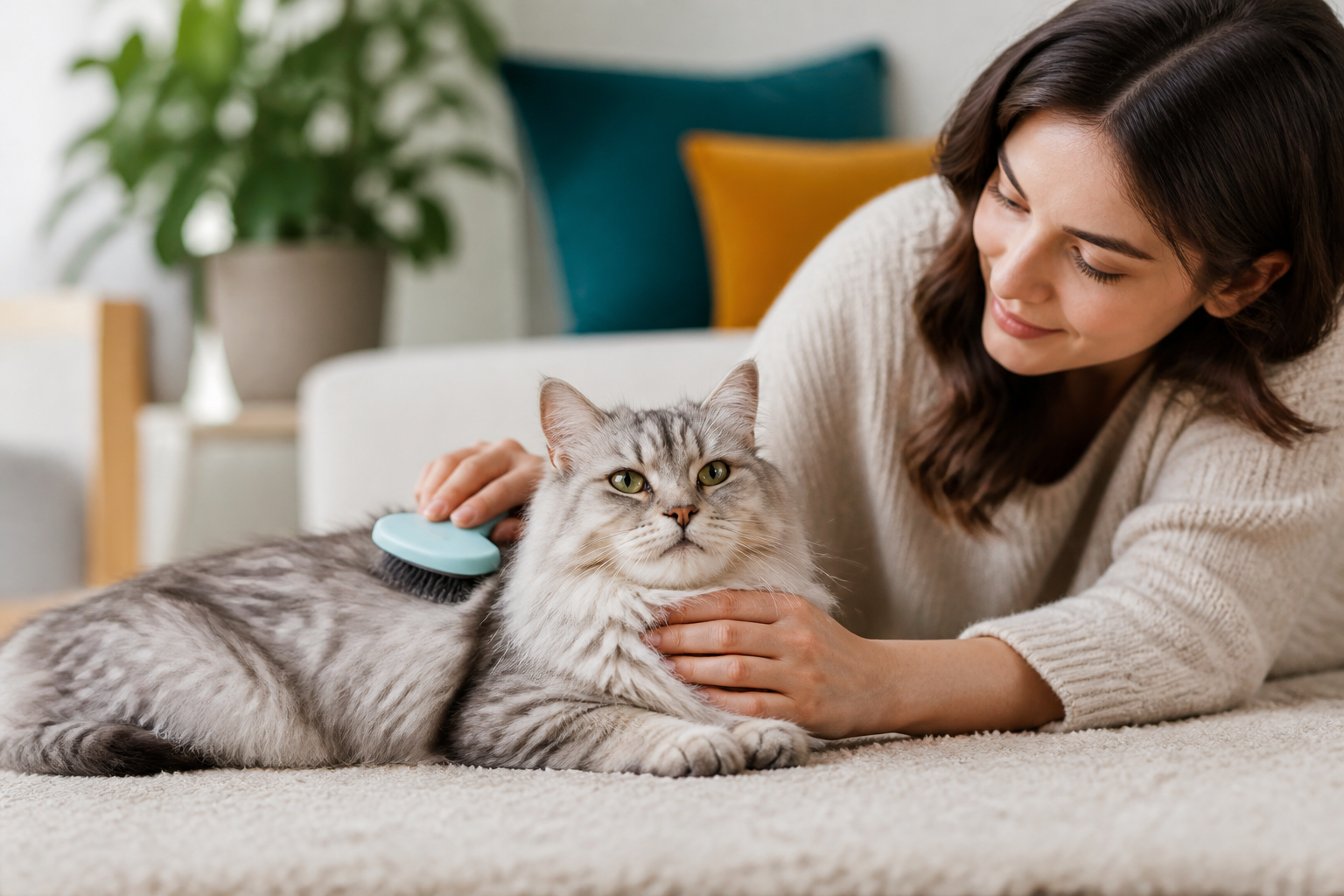
Regular grooming is also essential. Cats usually do a great job of cleaning themselves, but some need a little help. Brushing your cat helps distribute natural oils across the coat. These oils act as a natural moisturizer. Brushing also removes the dead skin cells before they can clump together and become visible dandruff. You can find suitable tools in our cat grooming collection.
Grooming Tips for Sensitive Skin
- Use a soft bristle brush or a grooming glove to avoid scratching the skin.
- Groom for short periods to keep the experience positive.
- Focus on the base of the tail where dandruff often builds up.
- Avoid over-bathing, as too many baths can strip away healthy oils.
Bottom line: Consistent grooming and moisture control in the home are the most effective non-medical ways to reduce skin flaking.
For more feline grooming guidance, read about caring for a cat’s whiskers during grooming.
Choosing the Right Supplements
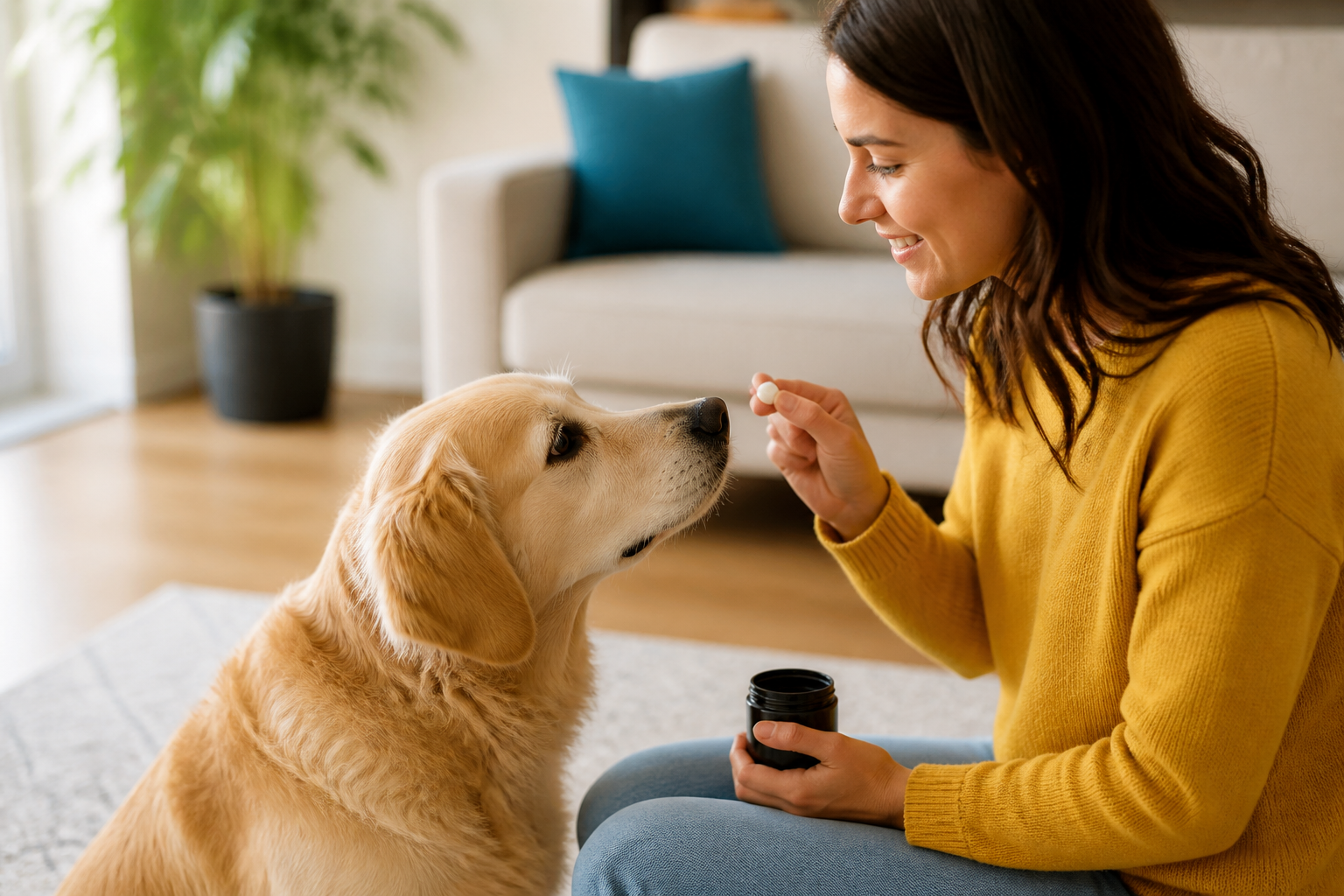
Supplements can be a powerful tool for managing skin health. Fish oil is one of the most popular choices for cats with dry, flaky skin. It is rich in EPA and DHA, which are types of Omega-3 fatty acids. These compounds help reduce inflammation throughout the body, including the skin.
We carry several trusted supplement brands like Zesty Paws and Honest Paws. These products come in oils, powders, or soft chews that are easy to add to your cat's daily routine. Always start with a small amount to make sure it does not upset your cat's stomach. It can take four to six weeks of consistent use before you see a visible improvement in the coat. Browse skin and coat care options for cats when comparing products.
| Supplement Type | Primary Benefit | Best For |
|---|---|---|
| Fish Oil (Omega-3) | Reduces inflammation and hydrates skin | Dry, itchy skin and seasonal flaking |
| Probiotics | Supports immune system and gut health | Cats with suspected food sensitivities |
| Biotin/B-Vitamins | Strengthens the hair shaft and skin barrier | Dull coats and excessive shedding |
| Quercetin | Natural antihistamine properties | Environmental and seasonal allergies |
Vet Tip: Before adding a new supplement to your cat's diet, discuss it with your veterinarian. They can help you determine the correct amount based on your cat's weight and current health status.
Weight and Mobility Issues
Sometimes dandruff is not about allergies at all. It can be a sign that your cat is physically unable to groom. If a cat is overweight, they might not be able to reach their lower back or the base of their tail. This leads to a buildup of dead skin and oils in those areas.
Senior cats with arthritis often face similar challenges. The pain and stiffness in their joints make the twisting motions of grooming very difficult. If you notice dandruff specifically on the back of a senior cat, it might be time to look into mobility support. Products like Cosequin or prescription joint diets from our pharmacy can help manage the discomfort so your cat can get back to their normal grooming routine.
Bottom line: If your cat has dandruff only in hard-to-reach places, it may be a sign of obesity or mobility issues rather than a skin allergy.
Transitioning to an Allergy Friendly Routine
If you suspect your cat has a food or environmental allergy, it is important to make changes slowly. Switching foods too fast can cause digestive upset. This adds more stress to an already irritated system. Start by mixing a small amount of the new food with the old food over a period of ten days.
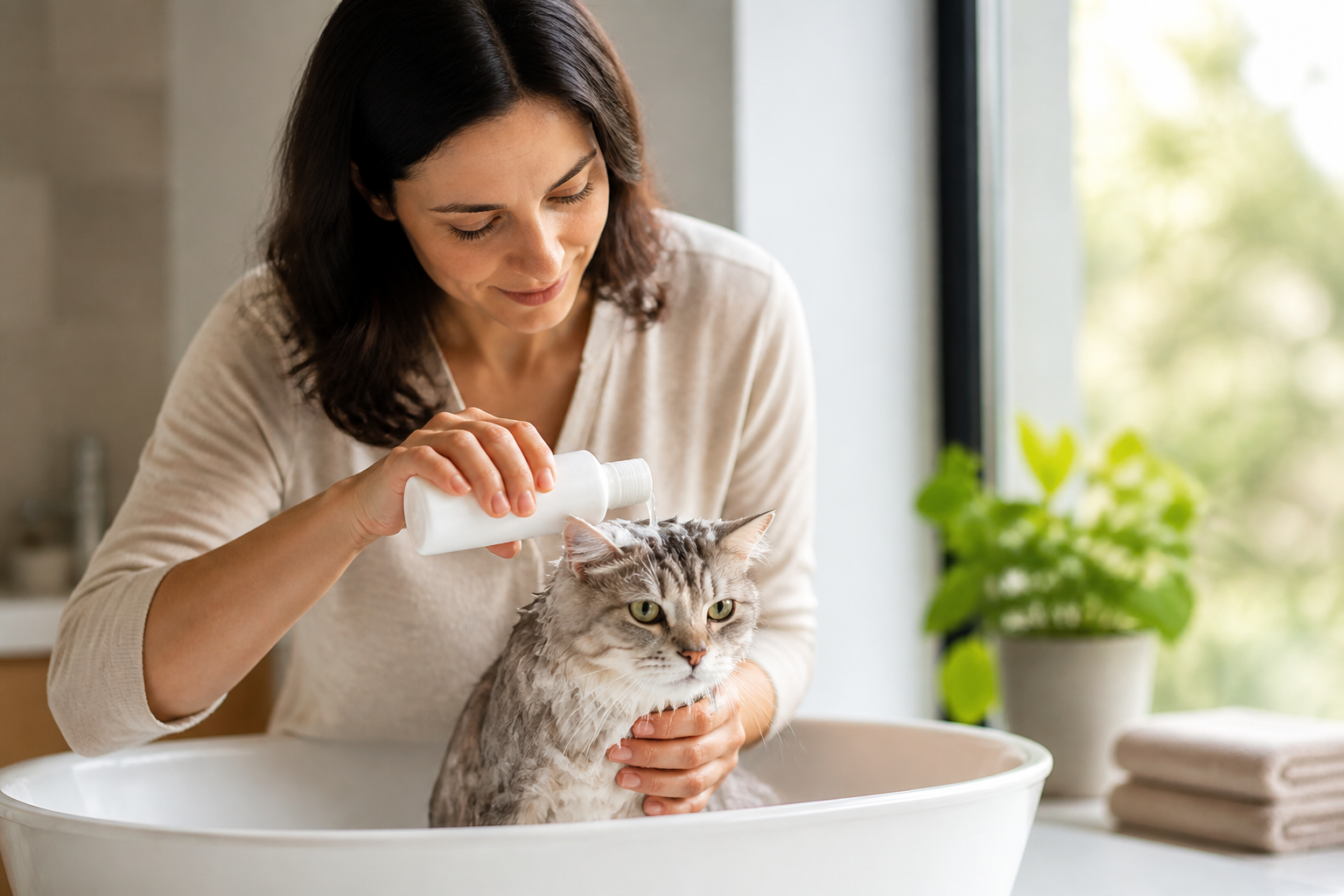
The same rule applies to new grooming products. If you are using a new waterless shampoo or grooming wipe, test it on a small area of skin first. Wait 24 hours to ensure there is no redness or irritation. By taking a slow and steady approach, you can identify what works best for your cat without causing more discomfort.
Step-by-Step Transition Plan
Step 1: Consult your veterinarian. / Get a formal diagnosis to rule out infections or mites.
Step 2: Update parasite prevention. / Ensure your cat is on a high quality flea and tick preventive from our cat flea and tick collection.
Step 3: Evaluate the diet. / Switch to a high protein, limited ingredient food if sensitivities are suspected.
Step 4: Enhance the environment. / Add a humidifier and increase the frequency of gentle brushing.
When to Call the Professional
While mild dandruff can often be managed at home, some symptoms require immediate veterinary attention. Skin issues can quickly escalate into secondary bacterial or fungal infections. Cats that scratch excessively can create open sores. These sores are prone to infection and can be very painful.
If you notice your cat has "walking dandruff" symptoms, seek care immediately. This requires specific parasiticides that you cannot find in a standard pet store. Additionally, if the dandruff is accompanied by weight loss, lethargy, or a change in thirst, it could point to systemic issues like diabetes or hyperthyroidism.
Vet Tip: Always schedule a visit if you see "stud tail" (a very oily patch at the base of the tail), open sores, or if your cat seems distressed by their itching. Early intervention prevents long term skin damage.
Supporting Your Cat Through the Seasons
Cat dandruff allergies often fluctuate with the weather. Spring brings pollen, while winter brings dry air. By staying ahead of these changes, you can keep your cat comfortable year round. We recommend keeping a "skin health kit" on hand. This might include a high quality brush, Omega-3 supplements, and hypoallergenic grooming wipes.
Our MVP Rewards program is a great way to save on these essentials. You can earn points on every purchase of food, supplements, and grooming tools. This makes it easier to provide the consistent care your cat needs to maintain a flake free coat. Between our expertly curated selection and the convenience of our pharmacy, we are here to support every stage of your cat's health journey.
Summary of Management Strategies
Managing skin health requires a multi-faceted approach. You must address the internal nutrition, the external environment, and any medical triggers. Most cats see a significant improvement within a month of consistent care and the right dietary adjustments.
- Differentiate between normal dander and problematic dandruff.
- Identify environmental and food triggers with the help of a vet.
- Use the BaxterBoo pharmacy for prescription diets and allergy medications.
- Maintain a grooming routine to distribute healthy oils.
- Add Omega-3 supplements to support the skin barrier.
Bottom line: Cat dandruff is a manageable symptom that usually points to an underlying need for better nutrition, parasite control, or environmental moisture.
FAQ
Can I use human dandruff shampoo on my cat?
No, you should never use human dandruff shampoo on a cat. Human products often contain ingredients like zinc pyrithione or selenium sulfide which are toxic to cats if swallowed during grooming. Additionally, a cat's skin has a different pH level than human skin, and these shampoos can cause severe irritation or chemical burns. Always use a product specifically formulated for felines or a medicated wash recommended by your veterinarian.
Is cat dandruff contagious to humans or other pets?
Standard dandruff caused by allergies or dry skin is not contagious. However, if the dandruff is actually "walking dandruff" caused by Cheyletiella mites, it is highly contagious to other dogs, cats, and even humans. If you notice the flakes seem to be moving or if other pets in the house start scratching, separate the animals and contact your vet for a parasite screening immediately.
How long does it take for cat dandruff to go away?
The timeline for improvement depends on the underlying cause. If the dandruff is caused by dry air, a humidifier might show results within a week. If the cause is a food allergy, it can take six to eight weeks on a new diet for the skin to fully heal and for the old flakes to clear out. Consistency is key when dealing with skin issues, so do not give up if you do not see an immediate change.
Does brushing really help with cat allergies and dandruff?
Yes, regular brushing is one of the most effective ways to manage dandruff. It physically removes the dead skin flakes and prevents them from matting into the fur. More importantly, the action of brushing stimulates the skin's blood flow and helps spread natural sebum (oils) along the hair shaft. This provides a natural protective layer that keeps the skin hydrated and less prone to flaking.