
 Save 15% on your 1st Autoship learn more

 Email us
 Live Chat
 FAQs





Introduction
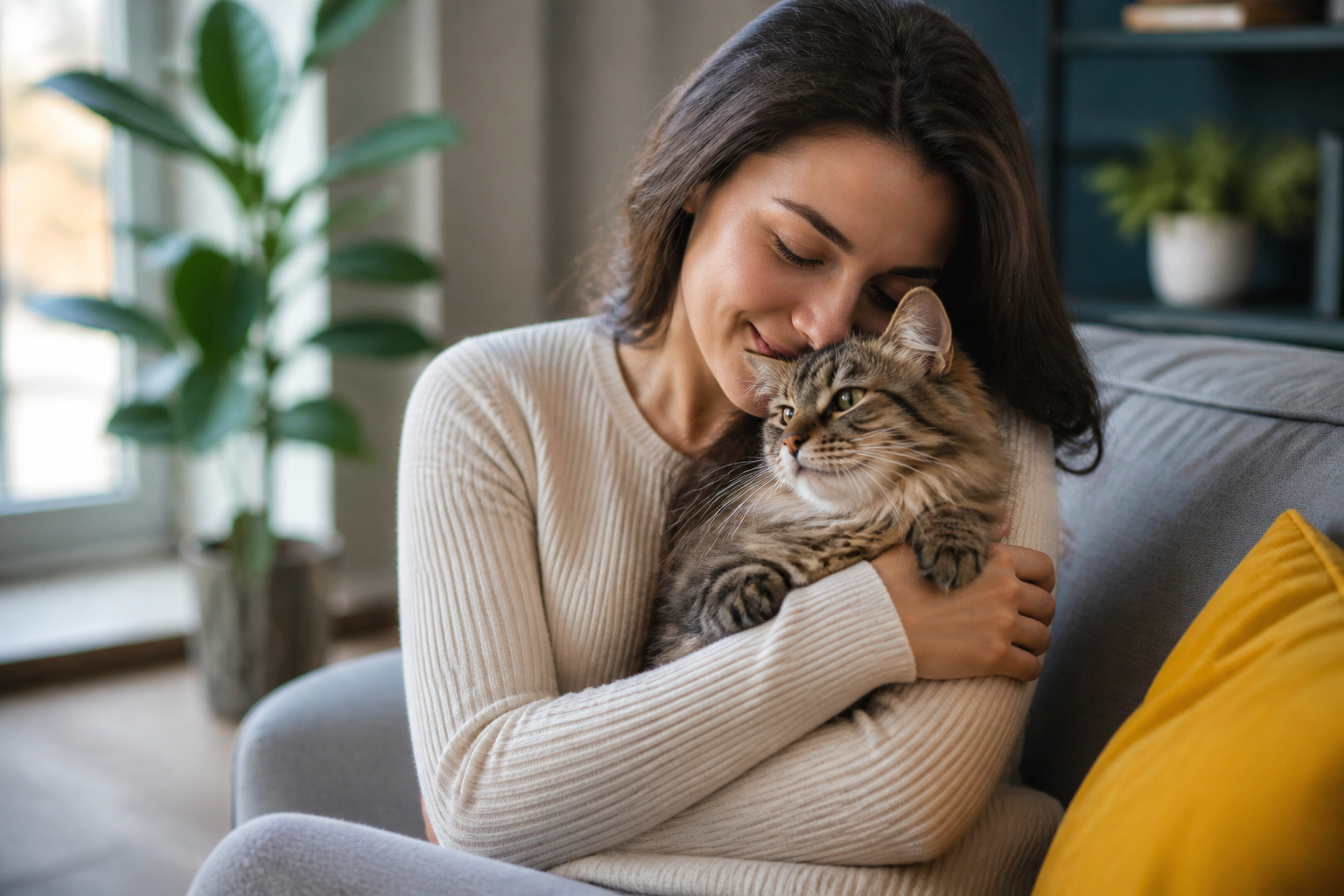
You are petting your favorite feline friend when you notice small white flakes scattered across their glossy coat. Maybe you have started sneezing more often when you snuggle, or you notice your cat is scratching their chin and back constantly. These flakes are often the first sign of a cat dandruff allergy or an underlying skin irritation. At BaxterBoo, we know that a healthy coat is more than just a cosmetic concern for your cat. It is a window into their overall wellness and comfort. This guide covers the differences between normal shedding and problematic dandruff. We will explore how allergies trigger skin issues and what you can do to clear the air for both of you. Understanding these triggers helps you provide the best care for your cat while keeping your home comfortable.
The Difference Between Dander and Dandruff
It is easy to confuse dander and dandruff, but they are not the same thing. Dander consists of microscopic skin cells that every cat sheds naturally. It is a healthy part of skin regeneration. You cannot see dander with the naked eye. However, dander is the primary carrier for the Fel d 1 protein. This protein is found in cat saliva and skin. It is the actual trigger for most human cat allergies.
Dandruff is different because the skin flakes are large enough to see. When a cat has dandruff, their skin cells are clumping together and shedding in visible white pieces. This is usually a sign that the skin is either too dry or too oily. While dander is inevitable, visible dandruff usually points to a health or environmental issue that needs your attention.
| Feature | Cat Dander | Cat Dandruff |
|---|---|---|
| Visibility | Microscopic; invisible to the eye | Visible white flakes in fur |
| Health Status | Normal and healthy process | Sign of skin irritation or illness |
| Airborne Potential | High; stays in the air for a long time | Lower; usually settles on fur or furniture |
| Human Allergy Impact | Major trigger for sneezing and itchy eyes | Can trigger allergies but is less airborne |
Quick Answer: Cat dander is microscopic and normal for all cats. Dandruff consists of visible white flakes that indicate a problem like dry skin, allergies, or poor grooming habits.
Cat Skin & Coat Care





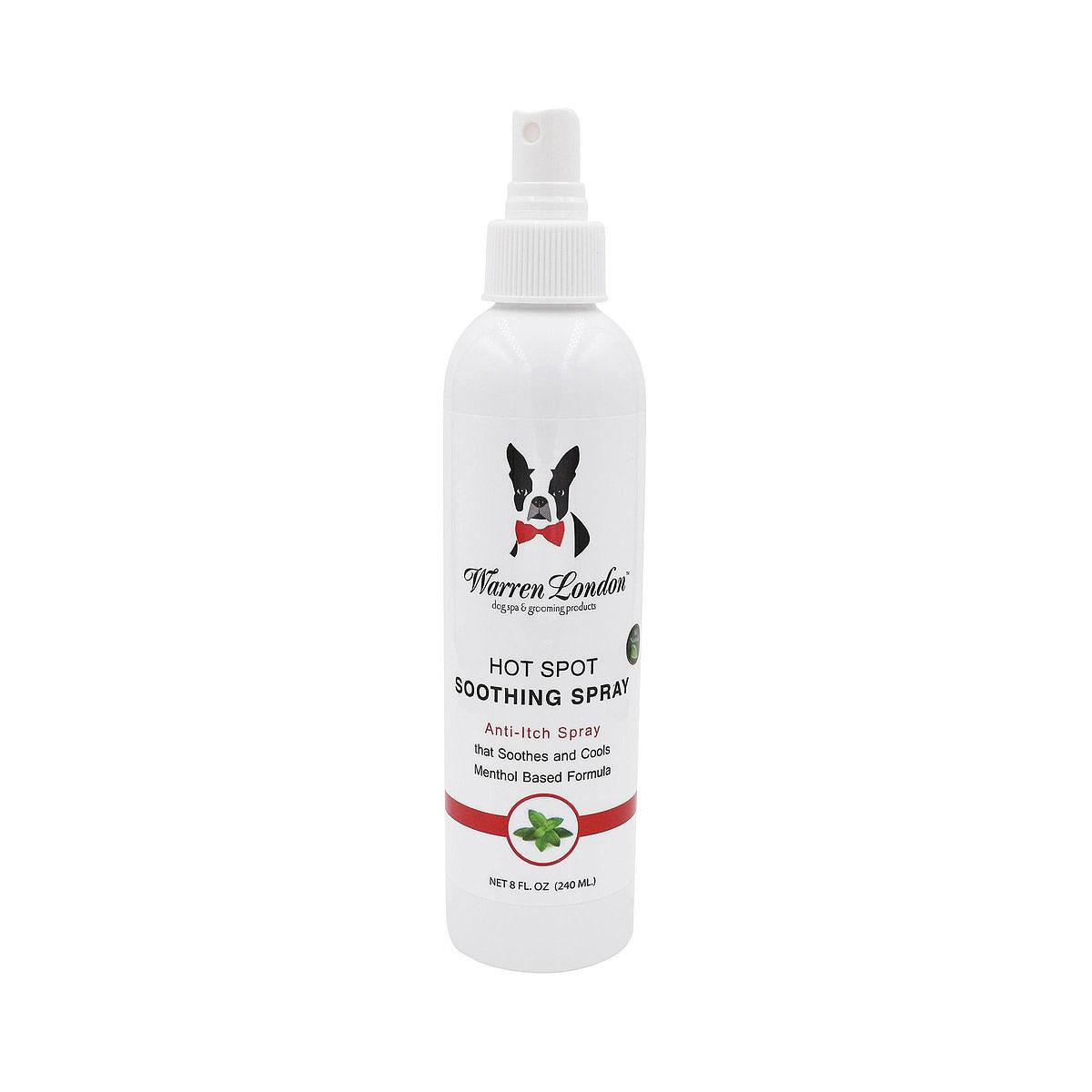

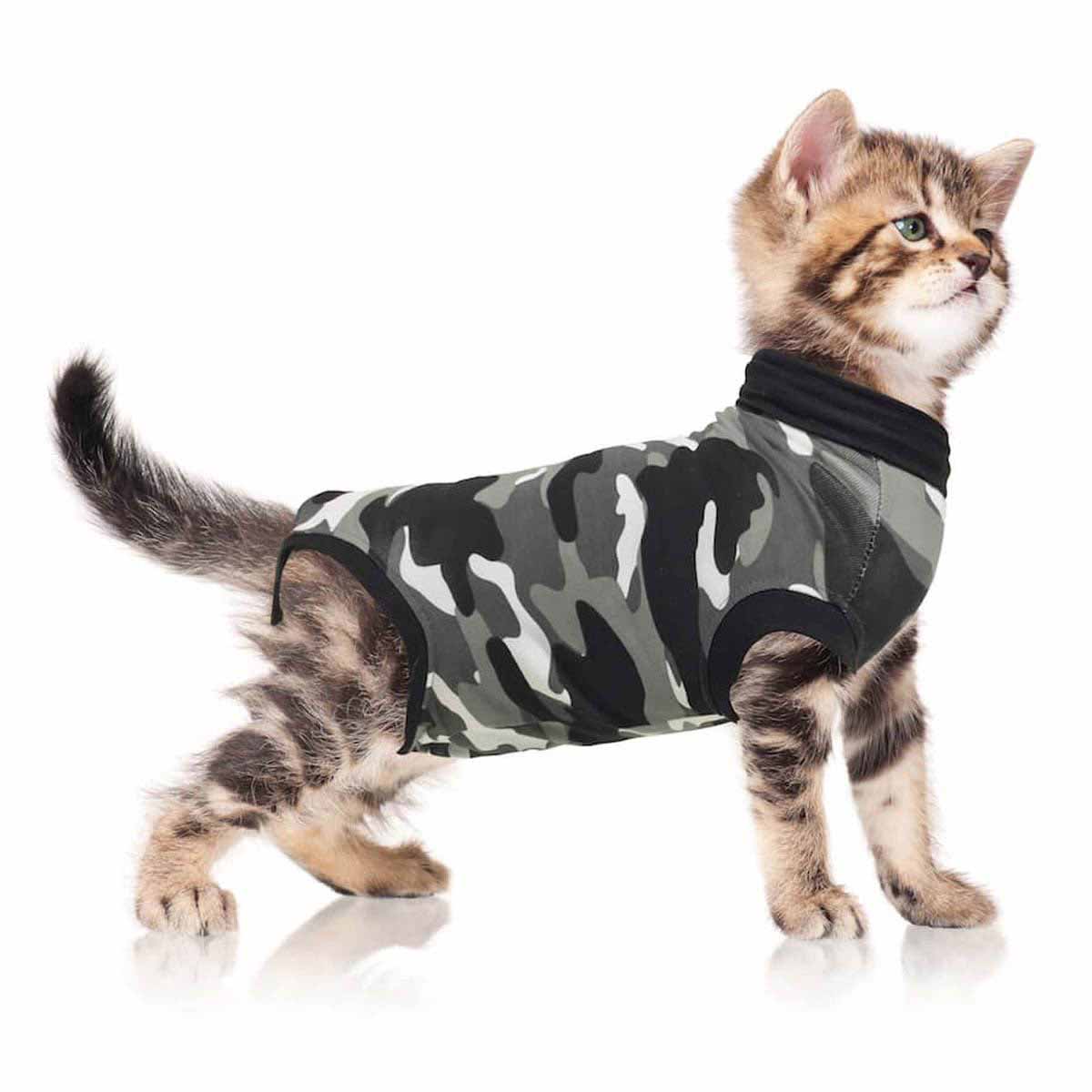


Why Allergies Cause Skin Flaking
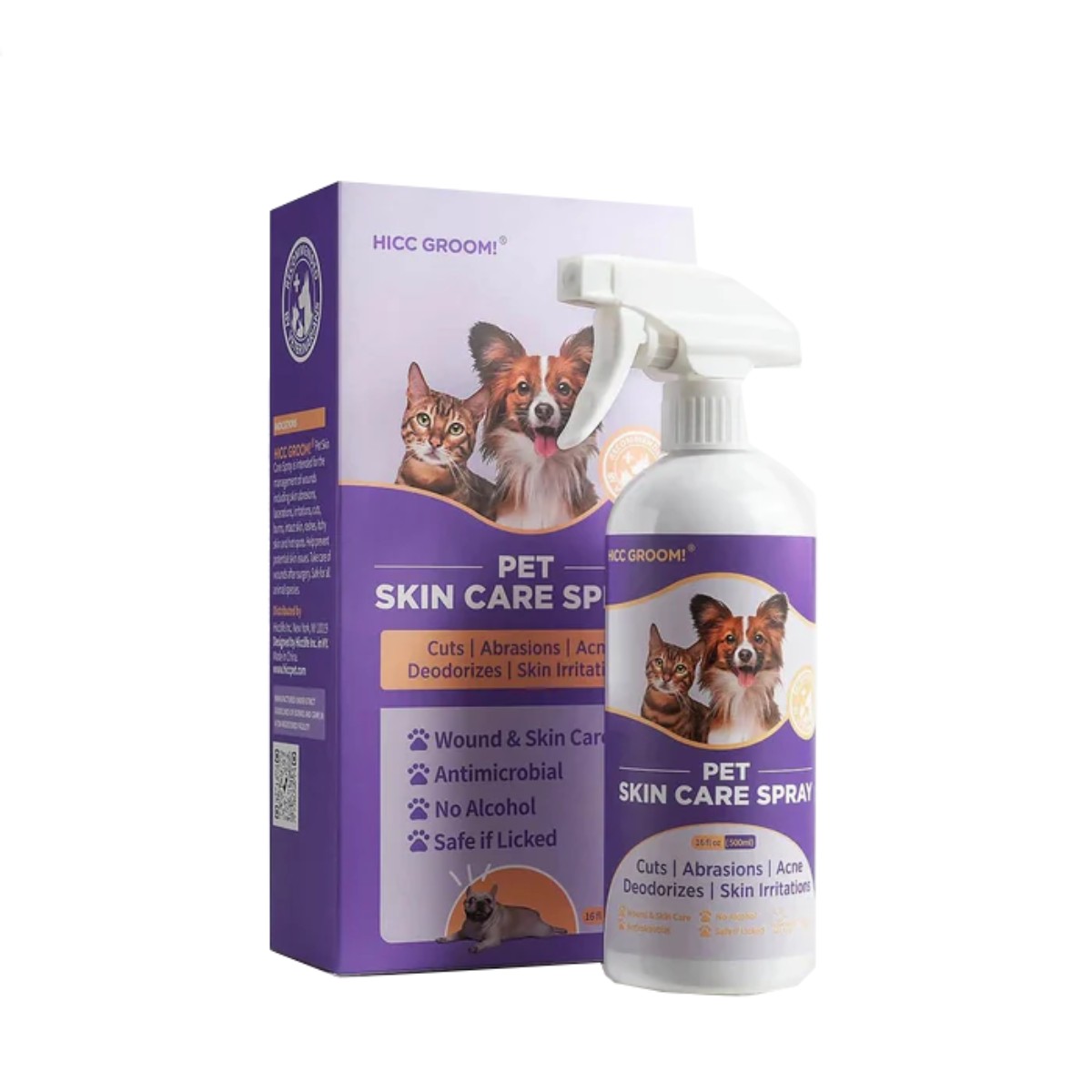
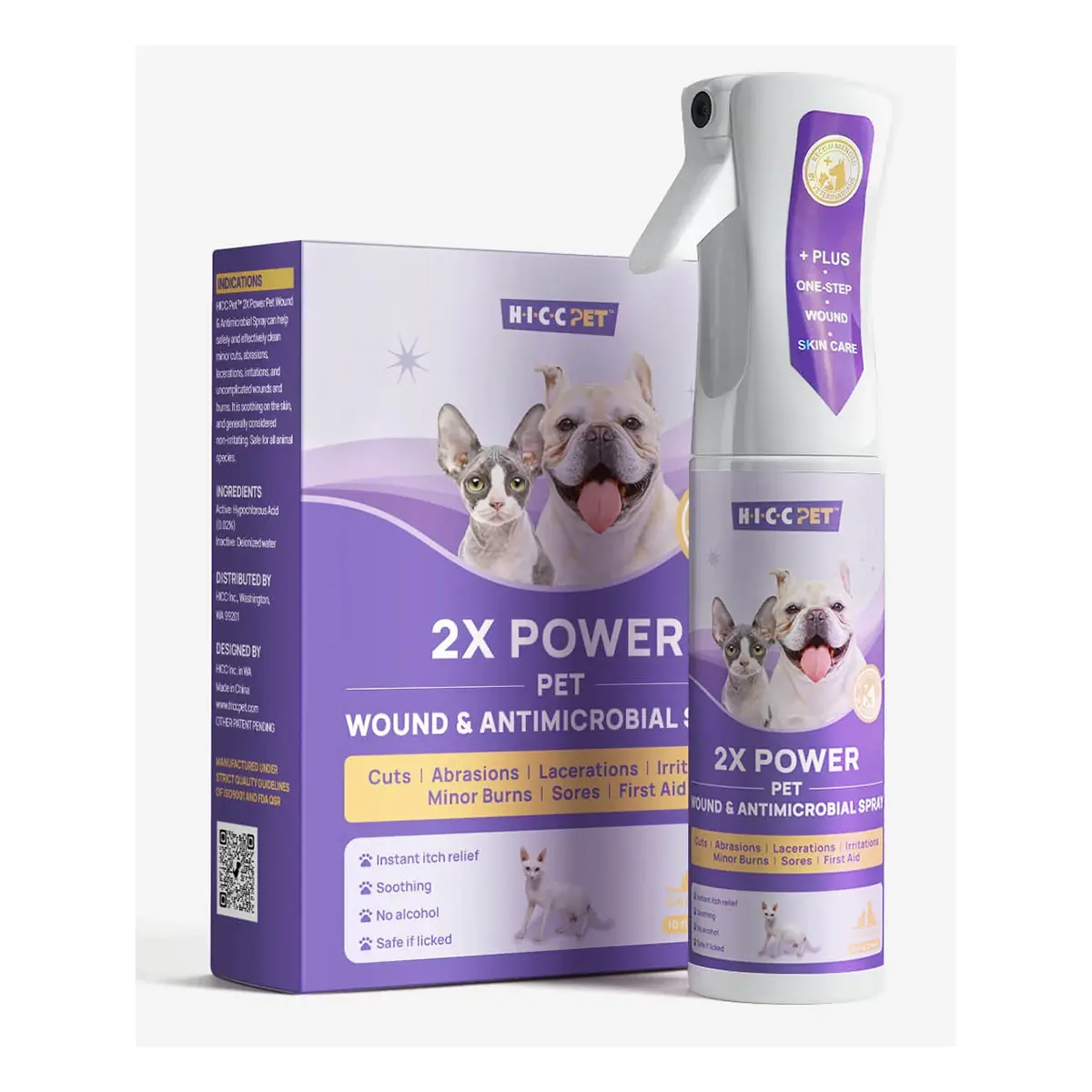
Allergies are one of the most frequent causes of visible flakes. When a cat has an allergic reaction, their immune system overreacts to a specific trigger. This often leads to inflammation in the skin. This condition is known as allergic dermatitis. The skin becomes itchy and red. As the cat scratches or as the skin becomes damaged, it sheds those telltale white flakes.
Food Allergies and Skin Health
Food sensitivities often manifest as skin problems rather than stomach issues. A cat might be sensitive to a specific protein source or a filler in their kibble. This sensitivity causes systemic inflammation. You might notice your cat scratching their head or neck more than usual. Over time, the skin becomes dry and flaky.
Switching to a high-quality diet can make a significant difference. Brands like Farmina Vet Life offer specialized formulas for cats with skin sensitivities. These diets focus on limited ingredients or novel proteins. When you remove the allergen, the skin can finally heal. Our pharmacy carries a variety of prescription pet foods through our partnership with Pet's Choice. These formulas are designed specifically for cats managing chronic skin conditions.
Environmental Allergy Triggers
Cats can be allergic to things in their environment just like humans. Common culprits include dust mites, pollen, and mold. Even certain cleaning products or laundry detergents can cause a reaction. If your cat sleeps on a blanket washed in a scented detergent, they might develop dandruff in the areas where their skin touches the fabric.
Seasonal changes also play a role. During the spring and fall, pollen counts rise. This can lead to an increase in scratching and flaking. If your cat seems to have dandruff only during certain times of the year, environmental factors are likely to blame.
Vet Tip: If your cat has itchy skin along with dandruff, consult your veterinarian for an allergy test. They can help determine if the cause is food-based or environmental and may prescribe specialized medication from a pharmacy.
Parasites and Walking Dandruff
Not all white flakes are actually skin. A specific type of mite called Cheyletiella can cause a condition known as walking dandruff. These mites are large enough to be seen with the naked eye. They look like small white specks moving across the fur. This condition is highly contagious between pets.
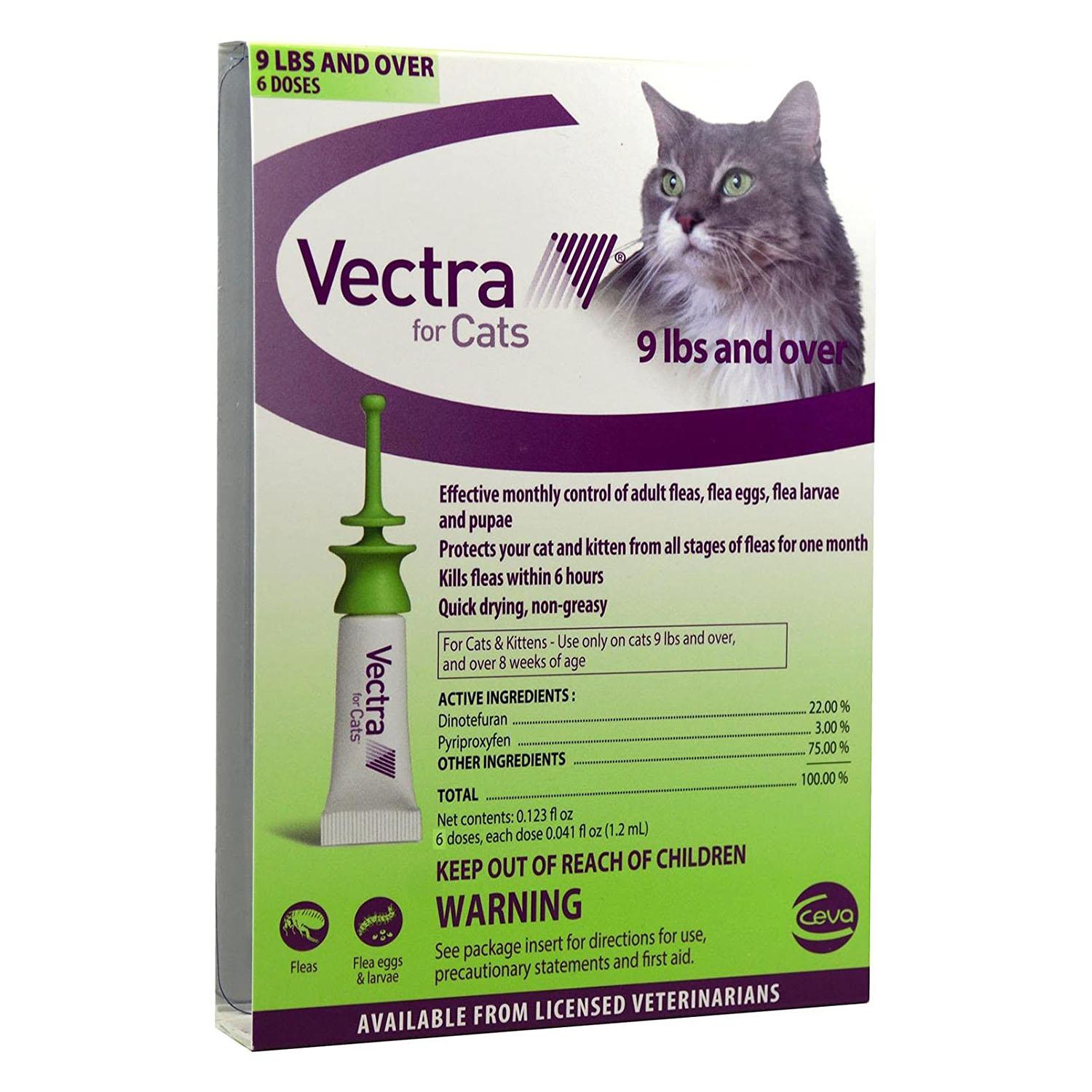
If your cat has these mites, they will likely be very itchy. The mites feed on the surface of the skin. This causes irritation and a heavy buildup of scales. Regular flea and tick prevention often helps manage or prevent these mites. Products like Frontline or NexGard are effective tools in your prevention kit. We provide access to these FDA-approved medications through our cat pharmacy.
Checking for Fleas
Flea bites can trigger a severe allergic reaction called flea allergy dermatitis. Even a single bite from one flea can cause a cat to scratch themselves raw. This intense scratching leads to skin damage and dandruff. Always check the base of the tail and the neck for signs of fleas. You might see flea dirt, which looks like small black pepper flakes. If you find fleas, you must treat the cat and the home environment to stop the cycle of irritation.
Nutritional Support for Healthy Skin
The quality of your cat’s diet directly impacts their skin and coat. Skin requires specific nutrients to maintain its moisture barrier. If a diet is low in essential fatty acids, the skin will become dry. This leads to cracking and flaking. You can explore our cat food collection when reviewing your cat’s nutritional options.
The Power of Omega Fatty Acids
Omega-3 and Omega-6 fatty acids are vital for skin health. These fats help reduce inflammation and keep the skin supple. Many premium cat foods, such as those from Orijen or Acana, include fish oils or flaxseed to provide these nutrients. You can also add supplements to their current food. Brands like Zesty Paws or Honest Paws offer oils that are easy to pump directly onto kibble or wet food.
Hydration and Skin Moisture
Cats are notoriously poor drinkers. If a cat is chronically dehydrated, their skin is often the first place it shows. Dehydrated skin loses its elasticity and becomes flaky. To encourage your cat to take in more water, try the following:
Step 1: Provide fresh water in multiple locations. / Cats may prefer drinking in areas away from their food bowl.
Step 2: Use a pet fountain. / Many cats are attracted to the sound and movement of running water.
Step 3: Incorporate wet food. / Brands like Tiki Cat or Fussie Cat have high moisture content that helps hydrate from the inside out.
Key Takeaway: A combination of high-quality protein and essential fatty acids is the foundation of a flake-free coat. Ensuring your cat stays hydrated further supports a healthy skin barrier.
Grooming Habits and Physical Limitations
Cats are famous for their grooming routines. They spend a large portion of their day cleaning themselves. This process removes loose hair and natural dander. However, some cats cannot groom themselves effectively. When grooming stops, oils and dead skin cells build up. This leads to a heavy layer of dandruff.
Obesity and Hard-to-Reach Spots
Overweight cats often struggle to reach their lower back and the base of their tail. This is why you will frequently see a strip of dandruff along the spine of an obese cat. If your cat cannot reach these areas, you must step in. Helping them maintain a healthy weight through a diet like Farmina Vet Life can restore their mobility.
Senior Cats and Arthritis
As cats age, they may develop arthritis or joint stiffness. This makes the twisting and reaching required for grooming painful. If your senior cat has suddenly developed dandruff, it might be a sign of discomfort. Using supplements like Cosequin can support joint health and make grooming easier again.
Note: Regular brushing helps distribute natural oils across the skin. For cats that cannot groom themselves, a daily session with a soft brush is essential for preventing dandruff buildup.
Environmental Factors in the Home
The air inside your home can be a major contributor to cat dandruff. This is especially true during the winter months. When you turn on the heater, the humidity in your home drops. This dry air sucks the moisture out of your cat's skin.
Using a Humidifier
Adding moisture back into the air can help soothe dry, itchy skin. A humidifier in the room where your cat spends most of their time can make a big difference. Aim for a humidity level between 30 and 50 percent. This is comfortable for humans and helpful for pets with dry skin.
Improving Air Quality
Dust and airborne pollutants can settle on your cat's fur. This irritates the skin and triggers grooming, which may worsen the flaking if the skin is already dry. Regularly changing the filters in your HVAC system helps reduce these triggers. Vacuuming with a HEPA filter also ensures that dander and allergens are removed from carpets rather than being kicked back into the air.
Bottom line: Controlling indoor humidity and air purity reduces the environmental stress on your cat's skin and your own respiratory system.
Managing Human Cat Allergies
If you have a cat dandruff allergy, the flakes you see on your pet are likely making your symptoms worse. While the dandruff itself is not the allergen, it acts as a vehicle. It carries the allergenic proteins around your home. When your cat shakes or when you brush them, these flakes and the attached proteins become airborne.
For additional reading about feline allergens and grooming, see this guide to managing cat allergies.
Creating a Low-Allergen Environment
You do not have to live in discomfort. There are several ways to manage your environment to reduce the impact of cat allergens:
- Keep cats out of the bedroom to ensure an allergen-free sleeping space.
- Wash your hands immediately after petting your cat or handling their toys.
- Use a high-quality air purifier with a HEPA filter in common areas.
- Wash cat bedding and soft toys once a week in hot water.
Bathing and Topical Treatments
While most cats hate baths, a gentle cleaning can remove a large amount of accumulated dander and dandruff. Use a shampoo specifically formulated for cats, such as those from Honest Paws. Never use human shampoo, as the pH level is wrong for a cat's skin. If a full bath is too stressful, grooming wipes are a great alternative. They allow you to wipe away flakes and saliva from the fur without the drama of the bathtub.
Key Takeaway: Reducing visible dandruff on your cat directly reduces the amount of allergen circulating in your home. This makes for a more comfortable environment for people with sensitivities.
Choosing the Right Grooming Tools
At BaxterBoo, we carry a wide range of grooming supplies to help you manage your pet's coat. The right tool depends on your cat's hair length and skin sensitivity. For cats with visible dandruff, you want a tool that removes flakes without scratching the skin. Our cat grooming supplies include brushes, combs, shampoos, and other coat-care items.
Brushes for Different Coat Types
Short-haired cats benefit from rubber grooming mitts or soft bristle brushes. These gently massage the skin and stimulate oil production. Long-haired cats require a metal comb or a slicker brush to get through the undercoat. This prevents mats where dandruff often gets trapped. Brands like Kong and RC Pets offer durable tools that make the grooming process more effective.
Step 1: Start with a gentle massage. / Use your hands to feel for any bumps or sensitive spots on the skin.
Step 2: Brush in the direction of hair growth. / This is more comfortable for the cat and effectively lifts flakes.
Step 3: Reward with a treat. / Use a high-value treat from brands like PureVita or Vital Essentials to make grooming a positive experience.
When to See the Veterinarian
While many cases of dandruff can be managed with better food and grooming, some require professional help. Dandruff can sometimes be a secondary symptom of more serious health issues.
Red Flags to Watch For
If you notice any of the following, it is time to schedule a vet visit:
- Red, inflamed, or bleeding skin.
- Large patches of hair loss.
- An unpleasant odor coming from the skin.
- Lethargy or changes in appetite.
- Excessive grooming that leads to sores.
Your vet can check for underlying conditions like hyperthyroidism, diabetes, or skin infections. These issues require specific medical treatments that go beyond home care. Our pharmacy is available to fill prescriptions for skin-related medications and therapeutic diets once your vet provides a diagnosis.
Vet Tip: Persistent dandruff that does not improve with grooming or diet changes should always be evaluated by a professional. It could be a sign of an internal health issue that needs medication.
Summary of Skin Care Steps
Managing a cat dandruff allergy requires a consistent approach. By addressing the diet, the environment, and the cat's physical needs, you can clear up the flakes.
- Evaluate the diet for high-quality proteins and fatty acids.
- Check for parasites like fleas and mites.
- Maintain a regular grooming schedule with appropriate tools.
- Monitor your home's humidity and air quality.
- Consult a vet for any persistent or painful skin issues.
Healthy skin is a long-term commitment. Small changes in your daily routine can lead to a much more comfortable life for your cat. You will also benefit from a cleaner home and fewer allergy triggers. Whether you are looking for premium food or specialized grooming tools, we are here to support your pet care journey. Our skin and coat health products can help you explore options for your cat’s daily care.
Bottom line: Clear skin starts with good nutrition and ends with a clean environment.
FAQ
Can I use human dandruff shampoo on my cat?
No, you should never use human dandruff shampoo on a cat. Human shampoos have a pH level that is too acidic for feline skin and can contain ingredients like zinc or salicylic acid that are toxic if ingested. Always use a shampoo specifically formulated for cats to ensure it is safe and effective.
Does dandruff mean my cat has fleas?
Dandruff can be a symptom of fleas, but it is not a guarantee. Fleas cause cats to scratch excessively, which damages the skin and leads to flaking. However, dandruff can also be caused by dry air, poor nutrition, or other parasites like mites. It is important to check for flea dirt or live fleas to confirm the cause.
Why does my cat only have dandruff on their lower back?
Dandruff on the lower back is often a sign that a cat cannot reach that area to groom. This is common in cats that are overweight or have arthritis. Because they cannot lick and clean that specific spot, dead skin cells and oils build up and flake off. Helping your cat with daily brushing in that area can solve the problem.
Is cat dandruff the same thing as a cat allergy?
No, cat dandruff is the visible flaking of skin, while a cat allergy in humans is a reaction to the Fel d 1 protein found in a cat's dander and saliva. However, dandruff can make human allergies worse because it traps and spreads these proteins throughout the home. Managing the dandruff helps reduce the overall allergen load in your environment.






- Site & Contents BaxterBoo.com. BaxterBoo is located in the United States.
- Privacy & Security
- Terms of Use
- Accessibility Statement
