
 Save 15% on your 1st Autoship learn more

 Email us
 Live Chat
 FAQs





Introduction
You are sitting on the sofa with your cat curled in your lap. As you reach down to stroke their back, you notice something unexpected. Instead of a smooth, glossy coat, you see tiny white flakes scattered across their fur. It is a common moment for many owners. While we often think of dandruff as a human problem, it is a frequent concern for our feline friends too. At BaxterBoo, we hear from many pet parents who are worried about these pesky flakes and what they mean for their cat's comfort.
This article covers why these flakes appear, how to distinguish them from normal shedding, and the steps you can take to restore your cat's skin health. Whether the cause is a dry winter or an underlying health issue, understanding the source is the first step toward a solution.
Quick Answer: Cat dandruff is the visible buildup of dead skin cells on a cat's fur. It can be caused by environmental factors, grooming issues, or underlying medical conditions like allergies, parasites, or systemic disease.
Understanding the Difference Between Dandruff and Dander
It is easy to use these terms interchangeably, but they represent two different things. Every cat produces dander. Dander consists of microscopic skin cells that shed naturally as part of the body's normal renewal process. These particles are so small you cannot see them with the naked eye. Dander is also the primary carrier of the proteins that trigger allergies in humans.
Dandruff is different because it is visible. When skin cells do not shed properly or when the skin is irritated, those microscopic cells clump together. They form the white or gray flakes you see on the surface of the coat. While dander is a sign of a healthy, functioning body, dandruff is usually a sign that something has shifted out of balance.
Identifying the Flakes
Dandruff often appears most clearly on cats with dark fur. You might see it concentrated along the spine or near the base of the tail. If you notice these flakes, take a closer look at the skin underneath. Healthy skin should be pink and supple. If you see redness, scaling, or oily patches, the dandruff is likely a symptom of a larger skin concern.
Key Takeaway: All cats have dander, but visible dandruff indicates an interruption in the skin's natural oil balance or shedding cycle.
Cat Skin & Coat Care








Common Environmental Causes
Sometimes the cause of flaky skin is as simple as the world around your cat. Like humans, cats can react to changes in their environment that strip moisture from their skin.
Low Humidity and Indoor Heating
During the winter months, indoor heating systems pull moisture out of the air. This dry environment can cause a cat's skin to become brittle and flaky. This is especially common in the US, where central heating is a staple of many homes. If your cat only seems to have dandruff when the temperature drops and the heater kicks on, the environment is a likely culprit.
Seasonal Changes
The transition between seasons can also lead to temporary skin issues. As cats shed their summer or winter coats, the skin is working overtime to produce new fur and maintain its protective barrier. During these periods of heavy shedding, dead skin cells can get trapped in the undercoat, making dandruff more visible.
Grooming Habits and Physical Limitations
Cats are famous for their cleanliness. They spend a significant portion of their waking hours grooming themselves. Their sandpaper-like tongues are designed to remove loose fur, dirt, and dead skin. When a cat stops grooming effectively, dandruff is often the first visible sign.
Mobility Issues and Arthritis
As cats age, they may develop joint stiffness or osteoarthritis. This can make it painful for them to reach certain parts of their body, particularly the lower back and the base of the tail. If a cat cannot reach these areas, the dead skin cells will accumulate rather than being groomed away.
The Impact of Obesity
Weight management is a significant factor in coat health. If a cat is overweight, they may physically lack the flexibility to reach their entire body. This leads to a buildup of the undercoat and a noticeable increase in dandruff on the areas they cannot access. If you notice flakes specifically on the lower half of your cat's back, it may be time to discuss a weight management plan with your veterinarian.
Vet Tip: If your cat has suddenly stopped grooming or seems stiff when moving, a veterinary exam can determine if arthritis or pain is the underlying cause. Our cat healthcare collection includes products that may support your veterinarian-recommended care plan.
Nutritional Factors and Skin Health
What goes into your cat's body directly impacts what shows up on their coat. The skin is the largest organ in the body, and it requires a high amount of nutrients to stay healthy.
Essential Fatty Acids
Omega-3 and Omega-6 fatty acids are critical for maintaining the skin's moisture barrier. These healthy fats help keep the skin supple and the coat shiny. If a diet is lacking in these nutrients, the skin can become dry, leading to chronic flaking. Many premium brands we carry, such as Stella & Chewy's, Farmina, and Orijen, include these essential fats in their recipes.
Complete and Balanced Nutrition
Malnutrition or a diet that is not properly balanced can lead to poor coat quality. Cats need high-quality animal proteins to build healthy skin cells. A diet that is too high in fillers or lacks vitamins like Vitamin A and Vitamin E may result in a dull, flaky coat.
- Look for food with EPA and DHA listed on the label.
- Ensure the first ingredient is a high-quality animal protein.
- Consider rotational feeding or adding wet food to increase hydration.
Medical Conditions That Cause Flaking
While many cases of dandruff are related to grooming or the environment, some are linked to internal health conditions. In these cases, the dandruff is a secondary symptom of a primary illness.
Endocrine and Systemic Diseases
Hormonal imbalances can drastically change the texture and health of a cat's skin. Two common conditions in older cats are hyperthyroidism and diabetes mellitus. Both of these can lead to changes in skin cell turnover and oil production. Additionally, kidney disease can cause dehydration, which manifests as dry, flaky skin.
Allergies
Cats can suffer from food allergies or environmental allergies. When a cat has an allergic reaction, their skin often becomes inflamed and itchy. This inflammation leads to excessive scratching and over-grooming, which irritates the skin further and creates dandruff. If your vet suspects a food allergy, they may recommend a prescription diet. Through the BaxterBoo cat pharmacy, you can fulfill these prescriptions for specialized veterinary diets designed to manage sensitivities.
Parasites and "Walking Dandruff"
Not all flakes are dead skin. Some parasites can mimic the appearance of dandruff, or cause it through irritation.
Cheyletiella Mites
There is a specific condition called Cheyletiellosis, which is caused by the Cheyletiella mite. These mites are large enough to be seen with the naked eye, and as they move under the scales of the skin, the flakes appear to be moving. This is why it is commonly called "walking dandruff." This condition is highly contagious among pets and requires medical treatment.
Fleas and Ticks
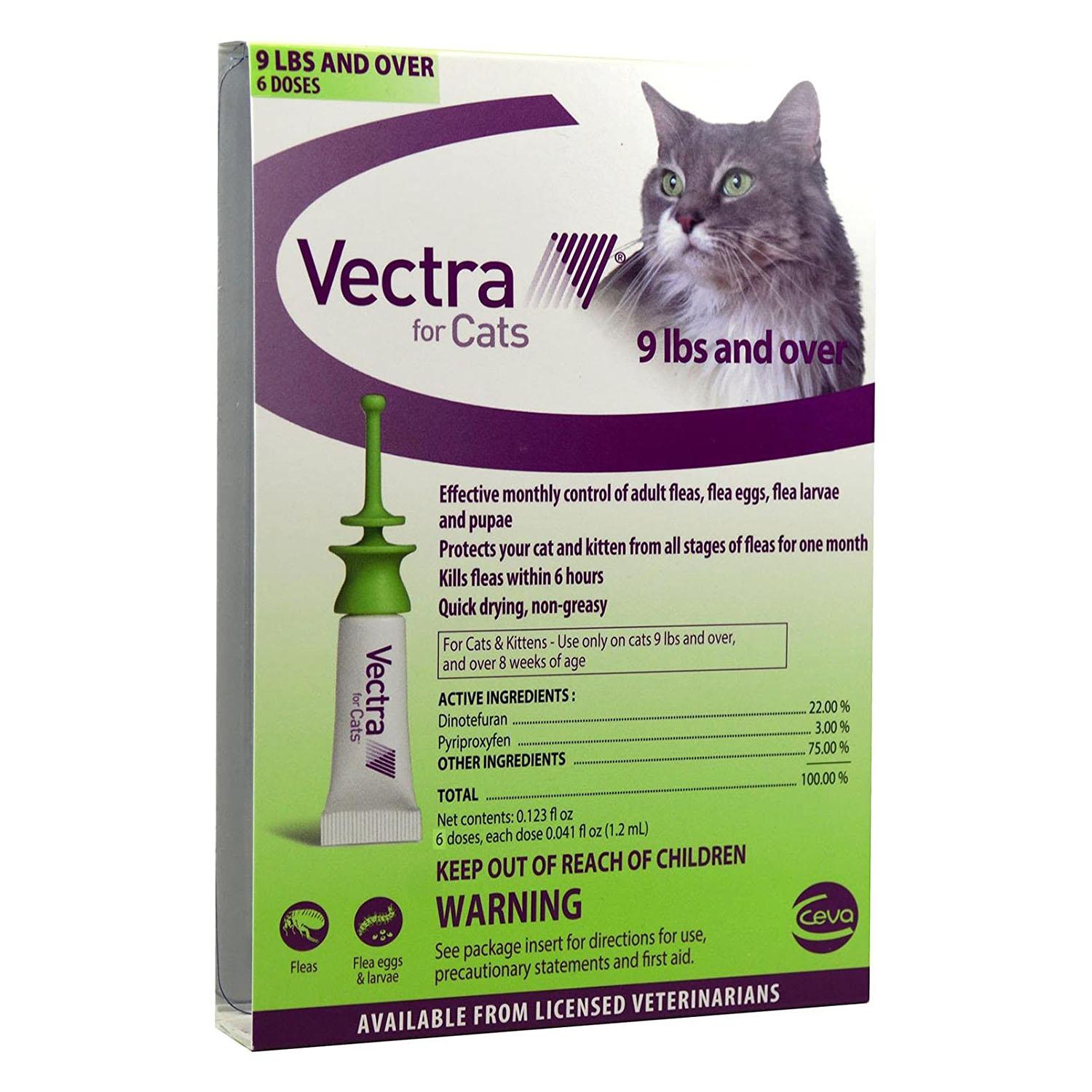
Flea infestations are a major cause of skin irritation. Many cats have an allergy to flea saliva, known as flea allergy dermatitis. Even a single bite can cause intense itching, redness, and flaking. Maintaining a year-round preventive schedule is the best way to avoid this. We offer a wide range of cat flea and tick preventives, including oral and topical options like Frontline and NexGard, some of which are available through our pharmacy partnership.
- Check for "flea dirt" (small black specks) at the base of the tail.
- Look for movement among the white flakes.
- Monitor for excessive scratching or biting at the skin.
- Check for patchy hair loss or red bumps.
Managing Dandruff at Home
Once your veterinarian has ruled out serious medical conditions, there are several steps you can take to improve your cat's coat at home.
Regular Brushing
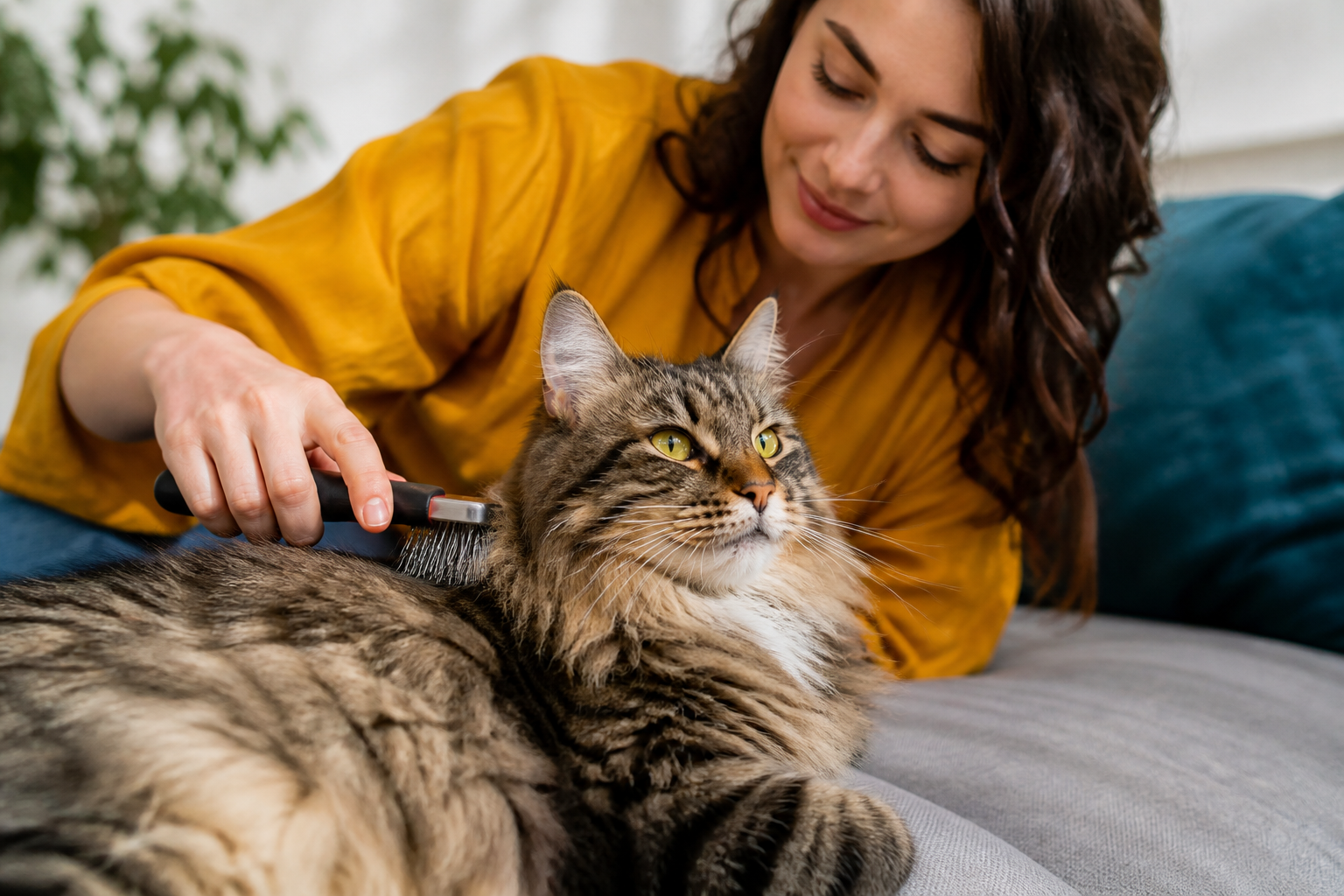
Brushing is the most effective way to manage dandruff manually. It helps in three ways: it removes dead skin cells, it thins out the undercoat to allow the skin to breathe, and it distributes the cat's natural oils across the entire coat.
Step 1: Choose the right tool. / A soft-bristle brush is good for short-haired cats, while a slicker brush or undercoat rake is better for long-haired breeds.
Step 2: Start slowly. / Focus on one area at a time and keep the sessions short so your cat remains comfortable.
Step 3: Brush in the direction of hair growth. / This prevents pulling and makes the experience more pleasant for your cat.
Environmental Adjustments
If dry air is the cause, a humidifier can make a world of difference. Adding moisture to the air helps both you and your cat. Place the humidifier in the room where your cat spends the most time. Also, ensure your cat has multiple sources of fresh water to help them stay hydrated from the inside out.
Supplements for Skin Support
If your cat's diet needs a boost, skin and coat supplements can help. Look for products containing fish oil or flaxseed oil. Brands like Zesty Paws and Honest Paws offer supplements specifically formulated to support the skin's moisture barrier. Always introduce new supplements gradually and under the guidance of your vet.
Bottom line: Consistent grooming and proper hydration are the foundations of a flake-free coat.
When to Schedule a Vet Visit
While a few flakes might not be an emergency, dandruff should not be ignored if it occurs alongside other symptoms. The skin is often a window into a cat's overall health.
You should consult a professional if you notice:
- The dandruff is accompanied by intense itching or over-grooming.
- There are bald patches or areas where the fur is thinning.
- The skin appears red, inflamed, or has open sores.
- Your cat's behavior has changed, such as a loss of appetite or lethargy.
- The flakes appear to be moving (potential mites).
Your veterinarian may perform a skin scraping or blood work to identify the root cause. This ensures that you are treating the actual problem rather than just the symptoms.
Vet Tip: Never use human dandruff shampoo on your cat. Many of these products contain ingredients that are toxic to felines if ingested during grooming. Only use products specifically labeled for cats or those recommended by your veterinarian.
The Role of the BaxterBoo Pharmacy
Managing chronic skin conditions often requires more than just a new brush. For cats with underlying health issues like hyperthyroidism, severe allergies, or chronic infections, prescription medications are necessary. We have simplified this process through our pet pharmacy partnership.
By partnering with Pet's Choice, we provide a reliable way for you to get FDA-approved medications and prescription diets. If your vet prescribes a specialized food like Farmina Vet Life or a specific skin medication, you can manage these needs directly through us. This ensures your cat gets the exact care they need without extra trips to the clinic.
Nutrition and Weight Management
Since obesity is a primary driver of grooming issues, managing your cat's weight is a practical way to resolve dandruff. Switching to a high-quality, protein-rich diet can help your cat reach a healthy weight while still providing the nutrients needed for a glossy coat.
When choosing a food for weight management, look for recipes that maintain high protein levels while reducing unnecessary fats and fillers. This helps your cat maintain muscle mass while losing fat, making it easier for them to return to their normal grooming routine.
Conclusion
Cat dandruff is more than just a cosmetic nuisance. It is a sign that your cat's skin needs a little extra attention, whether through better nutrition, increased grooming, or medical intervention. By paying attention to the environment, maintaining a regular brushing schedule, and choosing high-quality food, you can help your cat feel more comfortable in their own skin.
At BaxterBoo, we are committed to providing the tools you need for every stage of your pet's life. From cat grooming supplies to prescription medications through our pharmacy, we are here to support your cat's wellness journey.
- Identify if the cause is environmental or physical.
- Establish a daily or weekly brushing routine.
- Consult your vet for any persistent or itchy flakes.
- Consider the BaxterBoo pharmacy for prescription skin support.
Key Takeaway: Healthy skin starts with a combination of proper grooming, high-quality nutrition, and proactive veterinary care.
FAQ
Is cat dandruff contagious to humans?
Standard dandruff caused by dry skin or grooming issues is not contagious. However, if the "dandruff" is actually caused by the Cheyletiella mite, also known as walking dandruff, those mites can temporarily jump to humans and cause a mild, itchy rash. If you suspect mites, both the pet and the environment need treatment.
Can I give my cat a bath to get rid of dandruff?
While a bath can wash away existing flakes, it may actually make dry skin worse by stripping away natural oils. Most cats do not require regular bathing. It is usually better to focus on daily brushing and improving the cat's diet unless your veterinarian has specifically prescribed a medicated shampoo.
Why does my cat only have dandruff at the base of their tail?
The base of the tail is one of the hardest places for a cat to reach, especially if they are senior, overweight, or have arthritis. When a cat cannot groom this area effectively, dead skin cells and loose fur build up quickly. This localized dandruff is often a sign that your cat needs help with their daily grooming routine.
How long does it take for a cat's dandruff to go away after changing their diet?
Skin cells take time to renew, so you likely will not see a change overnight. It typically takes about 4 to 6 weeks for a change in nutrition to manifest in the coat. If you are adding omega fatty acid supplements or switching to a high-quality food, stay consistent for at least a month before evaluating the results.






- Site & Contents BaxterBoo.com. BaxterBoo is located in the United States.
- Privacy & Security
- Terms of Use
- Accessibility Statement
