Save 15% on your 1st Autoship learn more

 Email us
 Live Chat
 FAQs
FAQs





Introduction
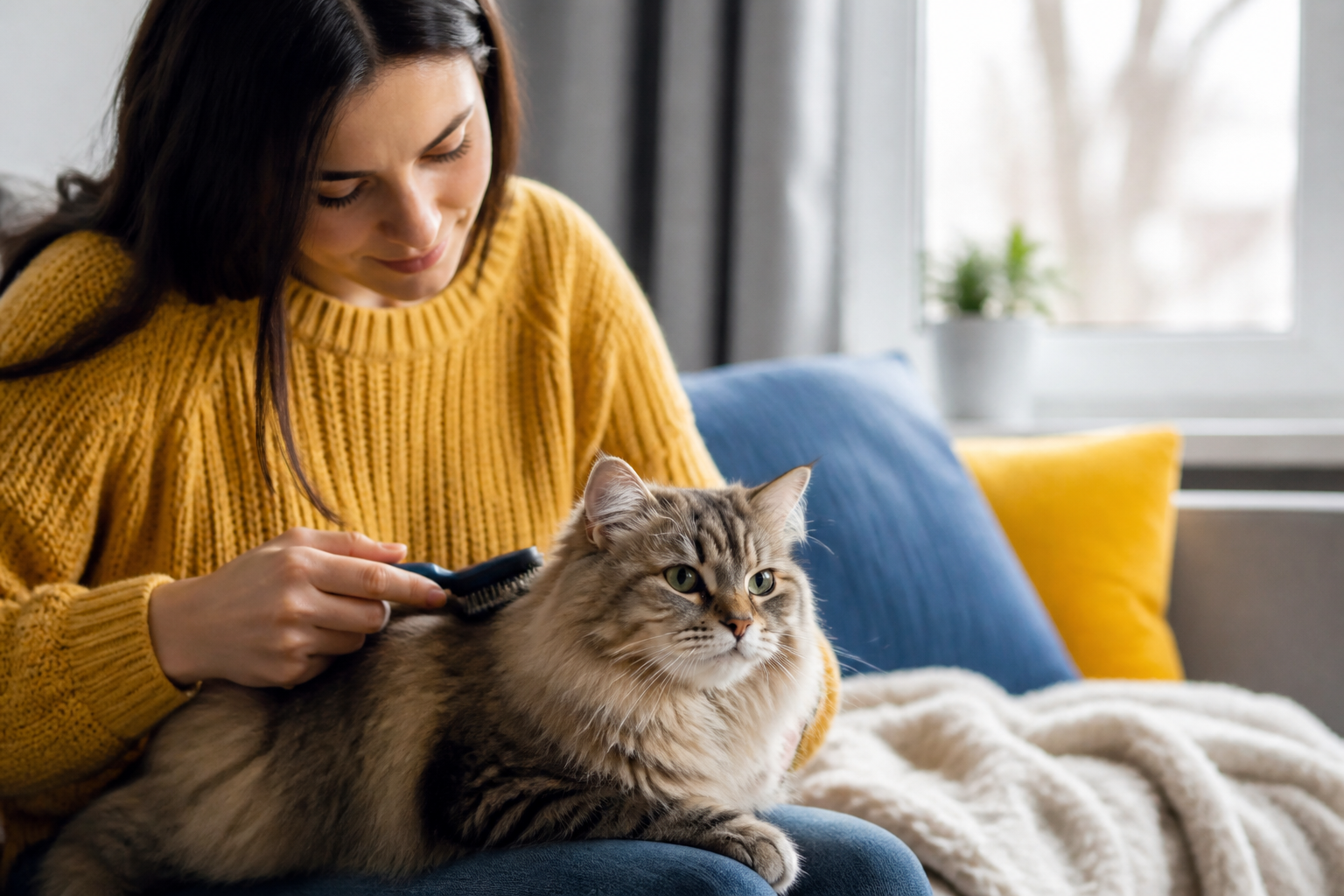
You are sitting on the sofa with your cat during a cold January evening. As you stroke their back, you notice a dusting of white flakes appearing on their fur. It looks a bit like the snow falling outside, but it is actually a sign that the dry air is taking a toll. At BaxterBoo, we know that winter brings unique challenges for feline skin and coat health. This time of year often leads to "winter itch" and visible flaking that can make your pet uncomfortable. This post covers the causes of seasonal dryness, how to adjust your grooming routine, and when those flakes might signal a need for medical attention. Our goal is to help you understand why these changes happen so you can keep your cat comfortable until spring.
Quick Answer: Cat dandruff in winter is typically caused by low humidity and indoor heating stripping moisture from the skin. You can manage it by using a humidifier, increasing brushing to distribute natural oils, and ensuring your cat stays hydrated and well-nourished.
What Exactly Is Cat Dandruff?
Many owners use the terms dander and dandruff interchangeably. However, they are quite different. Dander consists of microscopic skin cells that every cat sheds naturally. It is a normal part of their biology. You generally cannot see dander with the naked eye. It is the protein on these tiny cells that often triggers allergies in humans.
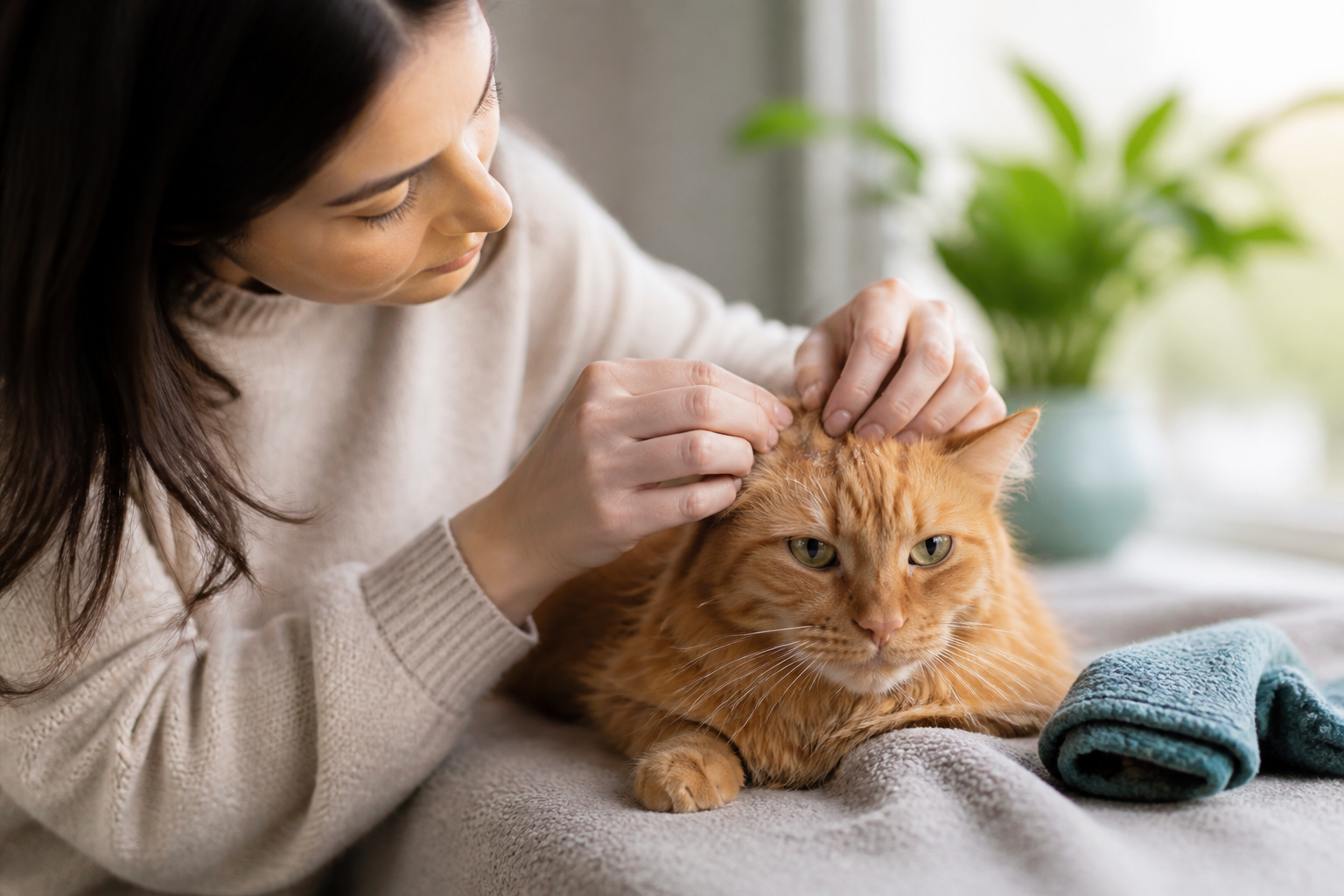
Dandruff is a different story. These are larger, visible flakes of dead skin that have clumped together. In the veterinary world, this is often called seborrhea. While it is normal for skin cells to die and be replaced, dandruff happens when this process speeds up or when the skin is too dry to hold itself together. It often shows up most clearly on cats with dark fur. You will usually see it along the lower back and toward the base of the tail.
Key Takeaway: While dander is a normal, invisible part of feline life, dandruff is a visible sign of skin irritation or environmental stress.
Why Winter Makes Feline Skin Flaky
The drop in temperature outside is only half the battle. The real culprit for most cats is what happens inside the home. When we turn on our furnaces and space heaters, the humidity in the air plummets. This dry air acts like a sponge. It pulls moisture right out of your cat's skin and coat.
Cats also tend to be less active in the winter. They may spend hours curled up right next to a heat vent or a radiator. This direct, dry heat can localize drying of the skin. If your cat has a favorite sleeping spot near a heater, you might notice more flakes in that specific area.
Another factor is hydration. Cats have a naturally low thirst drive. During the summer, they might drink more due to the heat. In the winter, they may not feel as thirsty, even though the dry air is dehydrating them. Dehydration shows up quickly in the skin. It loses its elasticity and starts to flake.
The Role of Grooming in the Cold Months
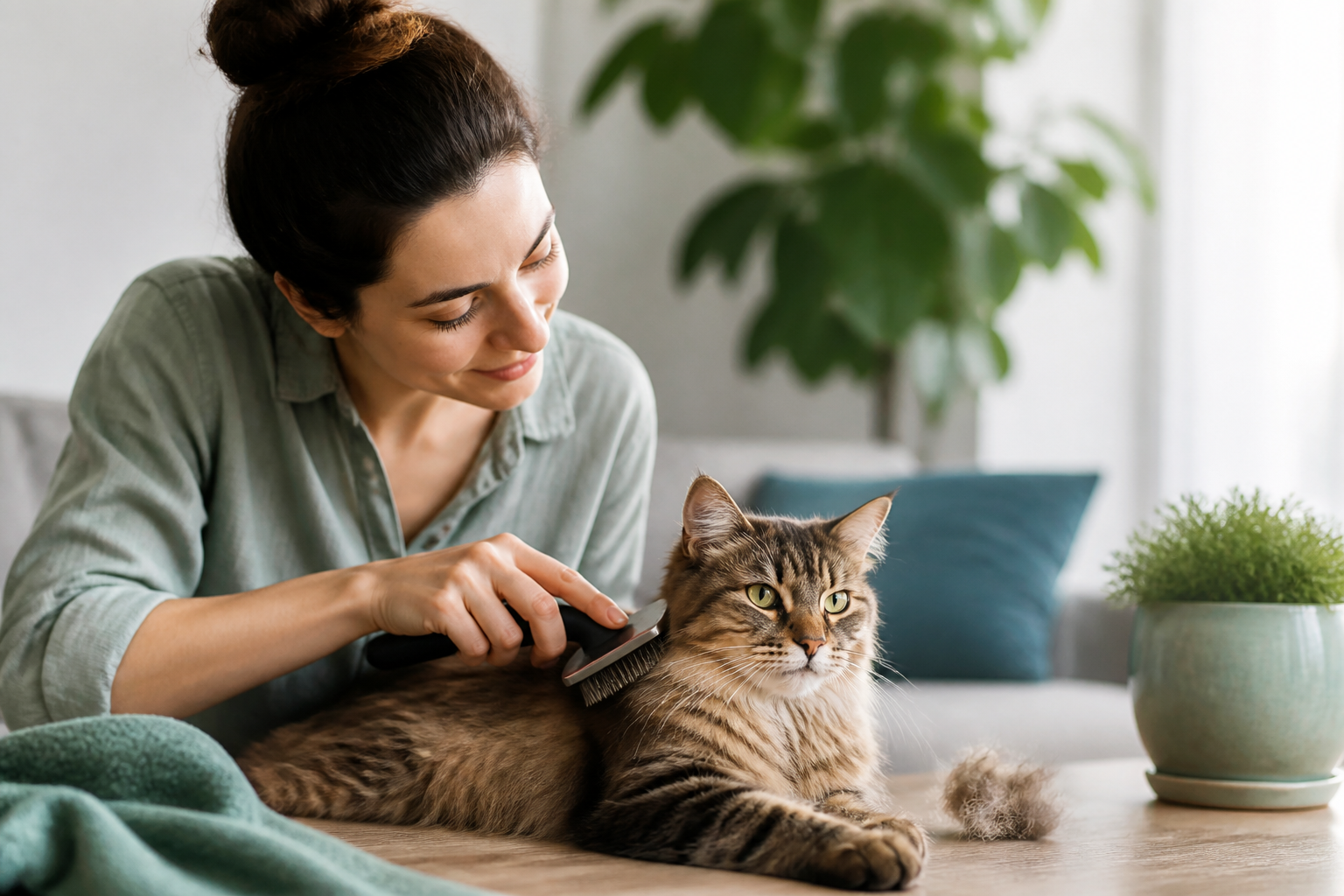
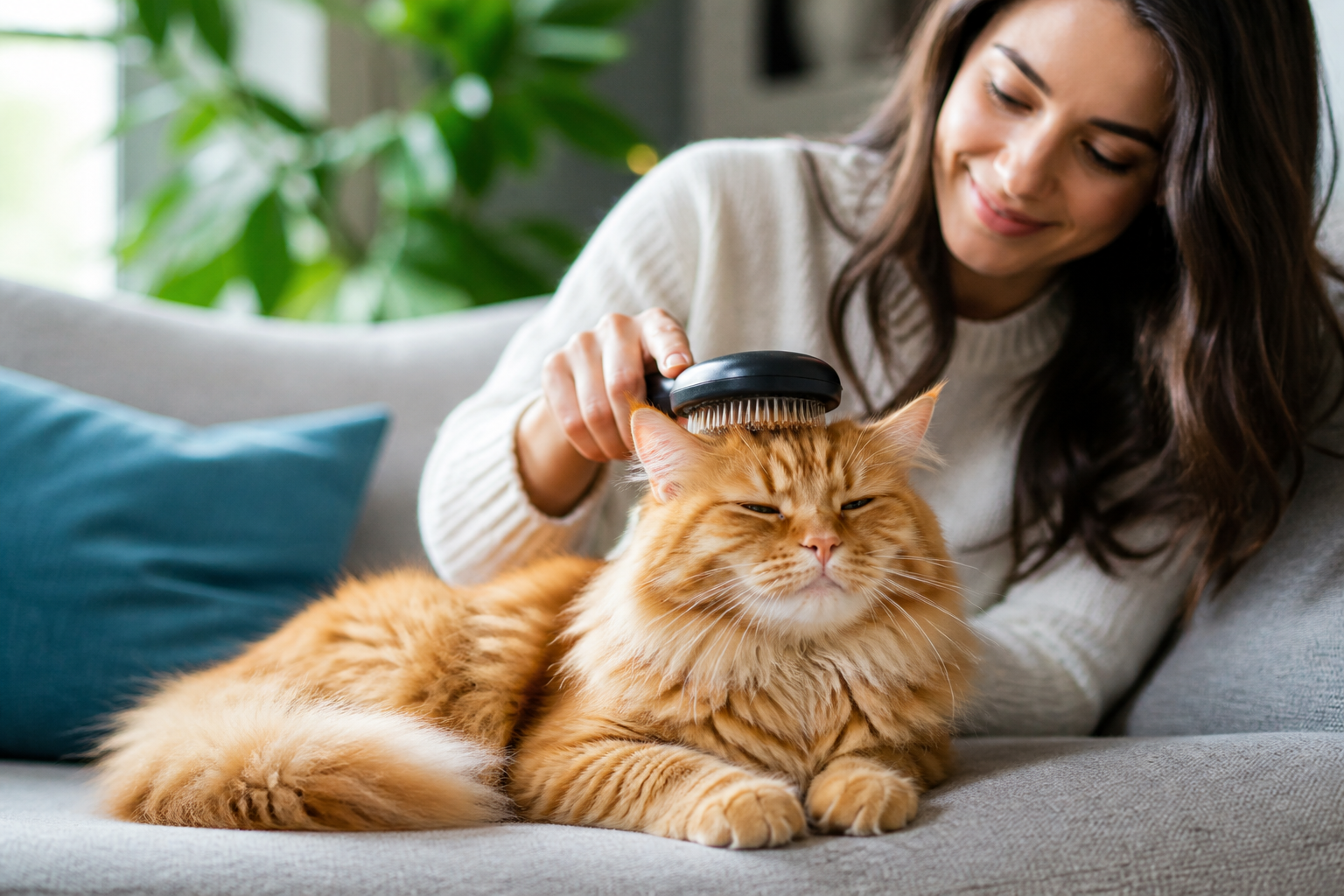
Some owners think they should groom their cats less in the winter to let the "winter coat" stay thick. This is a mistake. Regular grooming is actually more important when the air is dry. Brushing does more than just remove loose hair. It stimulates the skin and helps distribute natural oils.
These oils act as a waterproof barrier for the skin. They trap moisture inside and keep irritants out. When a cat is not brushed regularly, those oils can sit at the base of the hair follicle while the tips of the fur stay dry. For older cats, winter can be especially tough. Cold weather can make joints feel stiff. If a cat has a bit of arthritis, they might stop reaching around to groom their lower back. This leads to a buildup of dead skin and fur, which quickly turns into a "dandruff zone."
For more ideas about gentle feline grooming, read our guide to why cats need whiskers.
Choosing the Right Tools
You do not need a dozen different brushes to manage winter skin. You just need the right ones for your cat's specific coat type. Our cat grooming supplies include brushes, combs, wipes, and other tools for regular coat care.
- Slicker Brushes: These have fine wire bristles. They are great for removing loose undercoat fur before it mats.
- Rubber Curry Brushes: These are perfect for short-haired cats. They massage the skin and effectively pull up loose flakes.
- Stainless Steel Combs: These help you reach down to the skin on long-haired cats to ensure no mats are forming.
Vet Tip: If your cat has become "lazy" about grooming in the winter, it may not be laziness at all. Joint stiffness from the cold can make twisting and reaching painful. Consult your veterinarian if you notice a sudden drop in self-grooming.
Nutritional Support for Winter Skin
Healthy skin starts from the inside. Your cat's body uses a massive amount of its daily protein intake just to maintain its skin and coat. If the diet is lacking in essential nutrients, the coat is often the first thing to suffer.
Omega-3 and Omega-6 fatty acids are the building blocks of healthy skin cell membranes. In the winter, your cat might need a little extra boost of these healthy fats. Brands like Zesty Paws or Honest Paws offer targeted supplements that are easy to add to a meal. Our skin and coat care collection includes options such as salmon oil and other coat-support products.
We carry many high-quality food brands, such as Farmina and Stella and Chewy's, that prioritize these essential fats in their recipes. Checking the label of your cat's food is a great first step. Look for specific protein sources like salmon or chicken as the first ingredient. Avoid foods with excessive fillers that do not provide the amino acids your cat needs for skin repair.
Hydration Strategies
Since dehydration is a major cause of winter dandruff, getting your cat to drink more is vital. If your cat only eats dry kibble, they are getting very little moisture from their food. Consider adding a "topper" of wet food or a splash of pet-safe bone broth to their meals.
Using a pet fountain can also help. Many cats prefer running water over a stagnant bowl. The sound and movement can encourage them to visit the water station more often. Also, keep the water bowl away from the food bowl. In the wild, cats often look for water away from their "kill" to avoid contamination. This instinct still exists in many domestic cats today.
Our cat food collection includes wet food options that can add moisture to your cat's daily routine.
Step 1: Fresh Water Daily / Empty and scrub the water bowl every morning to prevent biofilm buildup.
Step 2: Multiple Stations / Place water bowls on different floors of the home so your cat never has to go far to drink.
Step 3: Moisture-Rich Foods / Introduce canned food or pouches from brands like Tiki Cat or Fussie Cat to increase daily water intake.
When Dandruff Is Not Just Dry Skin
While the winter air is a common cause, it is not the only reason for flakes. Sometimes, what looks like dandruff is actually a sign of a medical issue. It is important to look closely at those flakes.
Walking Dandruff (Cheyletiella Mites)
There is a specific parasite called the Cheyletiella mite. These mites are large enough to see with the naked eye. They look exactly like moving flakes of dandruff. If you see the "flakes" on your cat moving, you are likely dealing with a mite infestation. This requires specific medication from a veterinarian.
Allergic Reactions
Cats can have allergies just like we do. They can be allergic to dust mites, which thrive in warm houses during the winter. They can also have food sensitivities. Allergic skin is often red, itchy, and flaky. If your cat is scratching constantly or has bald patches, it is time for a vet visit.
Systemic Issues
Conditions like hyperthyroidism or diabetes can change the way a cat's skin functions. These diseases often cause the coat to look dull, greasy, or excessively flaky. In older cats, a sudden change in coat quality is often a reason for a blood panel at the vet's office.
Vet Tip: Never use human dandruff shampoos on your cat. Many of these products contain zinc or salicylic acid. These ingredients can be highly toxic to cats if they lick their fur after a bath. Always use products specifically formulated for felines.
The BaxterBoo Pharmacy Connection
Managing chronic skin conditions often requires more than just a better brush. If your veterinarian diagnoses your cat with an allergy or a skin infection, they may prescribe a medicated shampoo or a specific prescription diet. Through our partnership with Pet's Choice, our cat pharmacy offers a wide range of FDA-approved medications and prescription pet foods.
We carry brands like Farmina Vet Life and Royal Canin that offer specialized formulas for skin and coat support. Our pharmacy can also fulfill prescriptions for flea and tick preventives. Parasites are a year-round threat, even for indoor cats. A single flea can cause an allergic reaction that leads to massive flaking and discomfort. Having access to a trusted pharmacy means you can get the exact treatment your vet recommends delivered right to your door.
Environmental Adjustments for Your Home
You can take several steps to make your home a more skin-friendly environment for your cat during the winter. The most effective tool is a humidifier. By keeping the indoor humidity between 40% and 50%, you can prevent the air from stealing moisture from your pet.
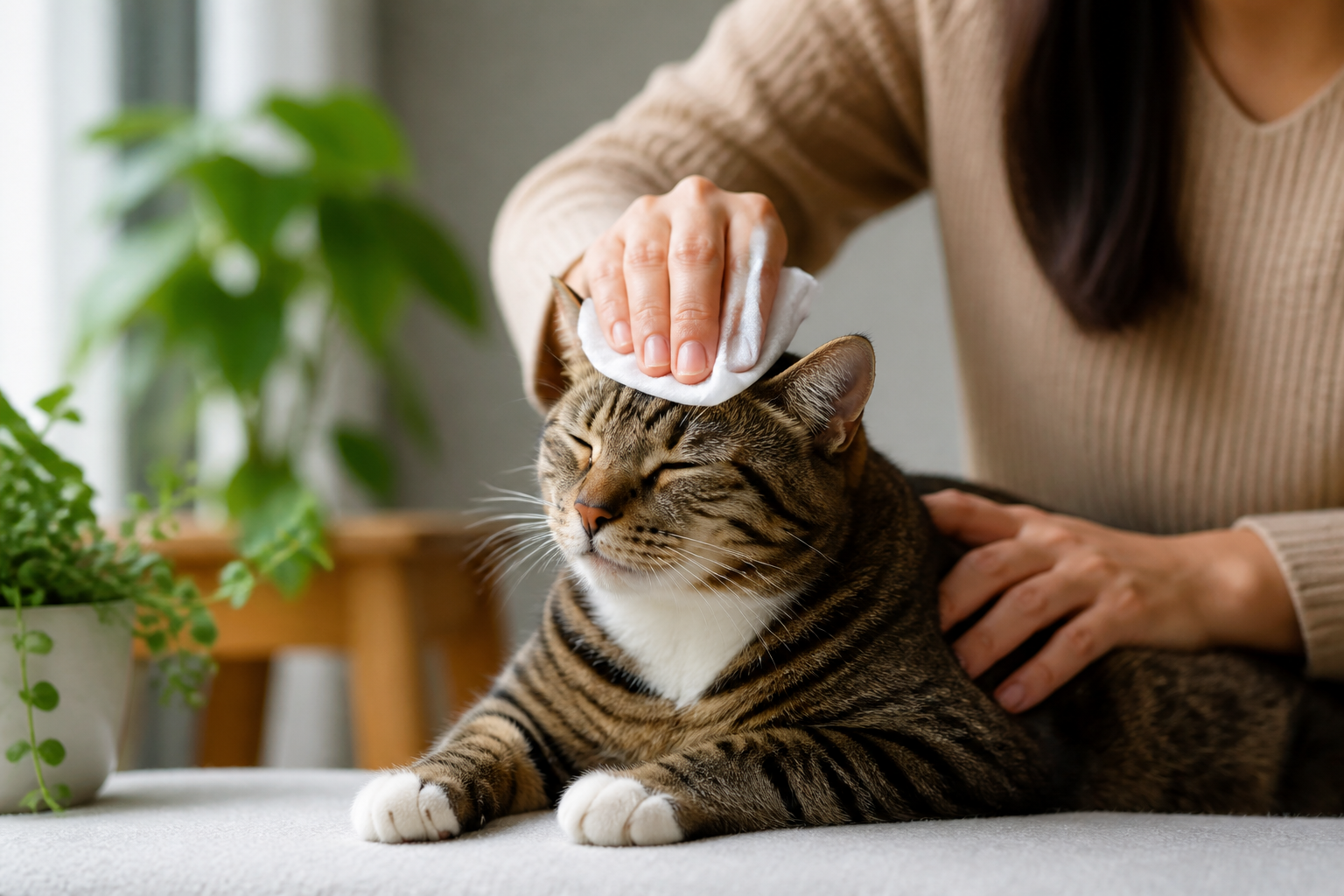
You should also be careful about bathing. It is a common instinct to want to wash away the flakes. However, bathing too often can actually make the problem worse. Soap and water can strip away those vital natural oils we talked about earlier. If your cat gets actually dirty, use a very gentle, moisturizing shampoo or even a waterless foam cleanser.
Bottom line: Focus on adding moisture to the environment and the diet rather than trying to wash the dandruff away with frequent baths.
Summary of Winter Skin Care
Taking care of your cat's skin in the winter does not have to be a full-time job. It is about making small, consistent changes to their routine.
- Daily Brushing: Spend five minutes a day brushing your cat to move oils and remove dead skin.
- Humidify: Use a room humidifier in the area where your cat sleeps most often.
- Supplement: Talk to your vet about adding a high-quality fish oil to their meals.
- Hydrate: Encourage water intake with fountains and wet food.
- Monitor: Keep an eye out for redness or "walking" flakes that indicate a bigger problem.
Winter can be a cozy time for you and your cat. By paying a little extra attention to their skin health, you can ensure they stay comfortable and flake-free until the spring thaw arrives.
Moving Forward with Your Cat's Care
Dealing with cat dandruff in the winter is usually a matter of environmental management and proper nutrition. By adjusting your grooming habits and keeping an eye on indoor humidity, you can solve most minor flaking issues. We are proud to have been helping pet owners since 2006 with expert advice and a curated selection of over 500 brands.
If your cat's skin issues persist or seem severe, always consult your veterinarian for a professional diagnosis. They can help rule out parasites or underlying health conditions. For those who need prescription support, our pharmacy partnership is here to provide the medications your vet recommends.
Key Takeaway: Winter dandruff is often a sign of dry air, but consistency in grooming and nutrition can restore your cat's coat to its natural shine.
Explore our collection of grooming tools and skin supplements to get started on your cat's winter wellness routine. If you want to save on your regular supplies, our Autoship programme offers a convenient way to stay stocked up while earning rewards.
FAQ
Can indoor heating cause cat dandruff?
Yes, indoor heating is one of the primary causes of cat dandruff during the winter. Furnaces and heaters significantly lower the humidity in your home, which dries out your cat's skin and leads to flaking. Using a humidifier and keeping your cat away from direct heat vents can help alleviate this issue.
Is cat dandruff the same as dander?
No, cat dander and dandruff are different. Dander is made of microscopic skin cells that are shed naturally by all cats and are usually invisible to the naked eye. Dandruff consists of larger, visible white flakes that indicate the skin is overly dry or irritated.
How can I get rid of cat dandruff in the winter?
The best way to eliminate winter dandruff is to increase the moisture in your cat's life. This includes using a humidifier in your home, brushing your cat daily to distribute natural skin oils, and ensuring they stay hydrated. Adding Omega-3 supplements to their diet can also help improve skin health from the inside out.
When should I worry about my cat's dandruff?
You should consult a veterinarian if the dandruff is accompanied by redness, sores, or intense itching. If you see the "flakes" moving, it may be a sign of mites. Additionally, if your cat has bald patches or seems lethargic, the dandruff could be a symptom of an underlying medical condition like an allergy or a systemic disease.