
 Save 15% on your 1st Autoship learn more

 Email us
 Live Chat
 FAQs





Introduction
You are relaxing on the sofa with your cat when you notice a dusting of white specks along their lower back. As you run your hand through their fur, a small cloud of hair and flakes lifts into the air. It is a common moment for many cat owners, but it often brings up questions about what is normal and what might be a sign of a health problem. At BaxterBoo, we know that a shiny, flake free coat is more than just a matter of appearance. It is one of the clearest signs of your cat’s overall wellbeing. This post covers the differences between normal dander and dandruff, why excessive shedding happens, and how you can support your cat’s skin health through grooming and nutrition. Understanding these basics helps you decide when a simple brush will do and when it is time to call the veterinarian.
Quick Answer: Cat dandruff consists of visible white flakes caused by dry skin or health issues, while dander is microscopic and part of normal shedding. Most cases improve with better hydration, omega fatty acids, and regular brushing, but persistent flaking may require a veterinary checkup to rule out parasites or internal conditions.
Understanding the Difference Between Dandruff and Dander
Many people use the terms dander and dandruff as if they mean the same thing. They are actually quite different. Every healthy cat produces dander. Dander consists of microscopic dead skin cells that shed naturally as the skin renews itself. Because these cells are so small, you cannot see them with the naked eye. Dander is also the primary cause of cat allergies in humans because it carries a specific protein found in feline saliva.
Dandruff is visible. When you see white or gray flakes sitting on top of the fur or clinging to the hair shafts, you are looking at dandruff. This happens when the sebaceous glands in the skin produce too much or too little oil. This imbalance causes skin cells to clump together and flake off in large, visible pieces. While every cat has dander, not every cat should have dandruff. If you can see the flakes, it is usually a sign that something in the environment, diet, or body is out of balance.
Why Shedding and Dandruff Often Appear Together
Cats are famous for their grooming habits. A healthy cat spends a large portion of their day cleaning themselves. This process removes loose hair and stimulates the skin to produce natural oils. When a cat has dandruff, the skin is often irritated or dry. This can lead to a weaker hair follicle, which causes more hair to fall out than usual.
If your cat stops grooming effectively, the dead hair stays trapped in the coat. This trapped hair holds onto dead skin cells, making the dandruff look much worse. You might notice that the fur feels greasy or matted in addition to being flaky. This cycle of shedding and flaking is why many owners notice both problems at the same time.
Key Takeaway: Dander is a microscopic part of a healthy cat’s life, but visible dandruff flakes indicate an underlying issue with skin oil production or grooming habits.
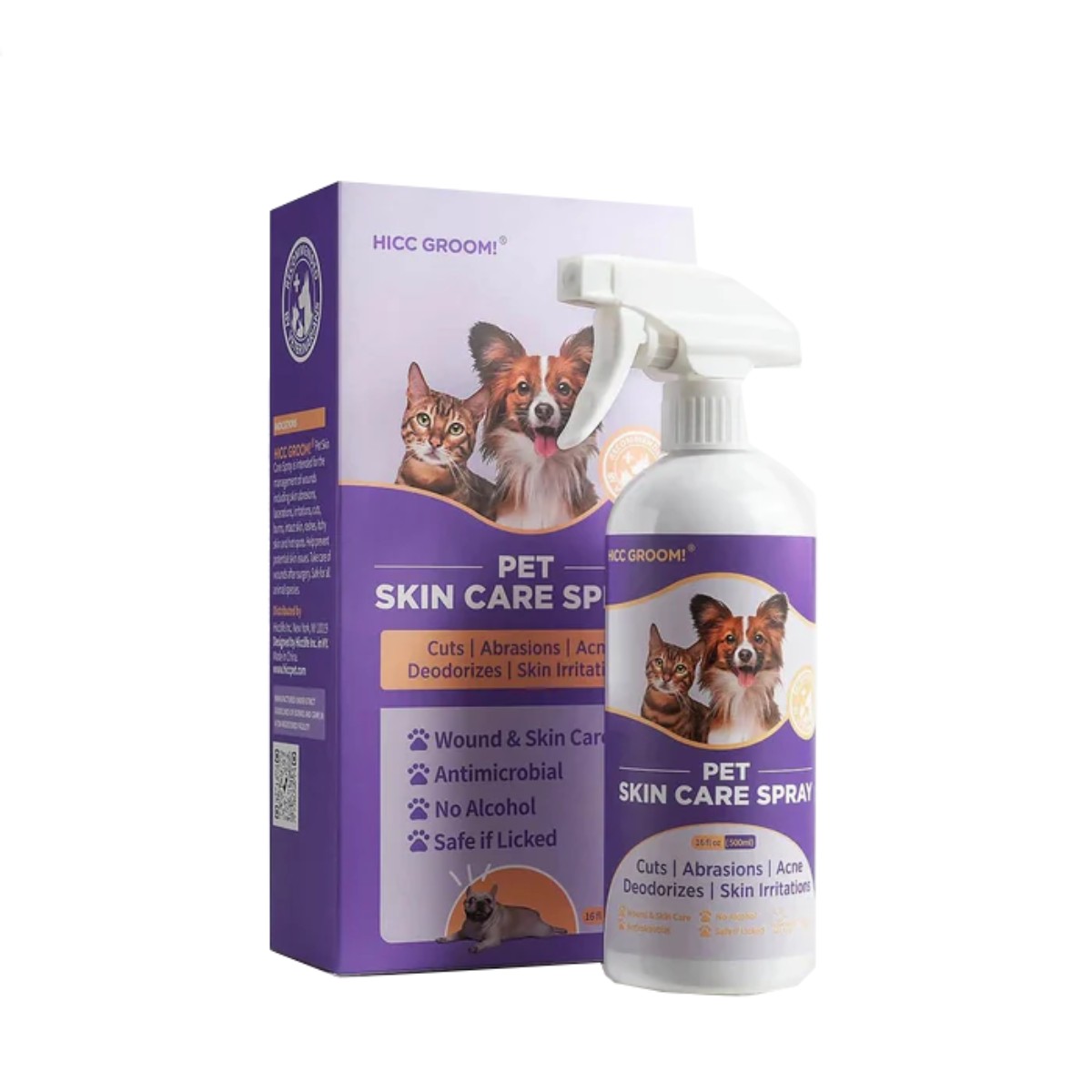
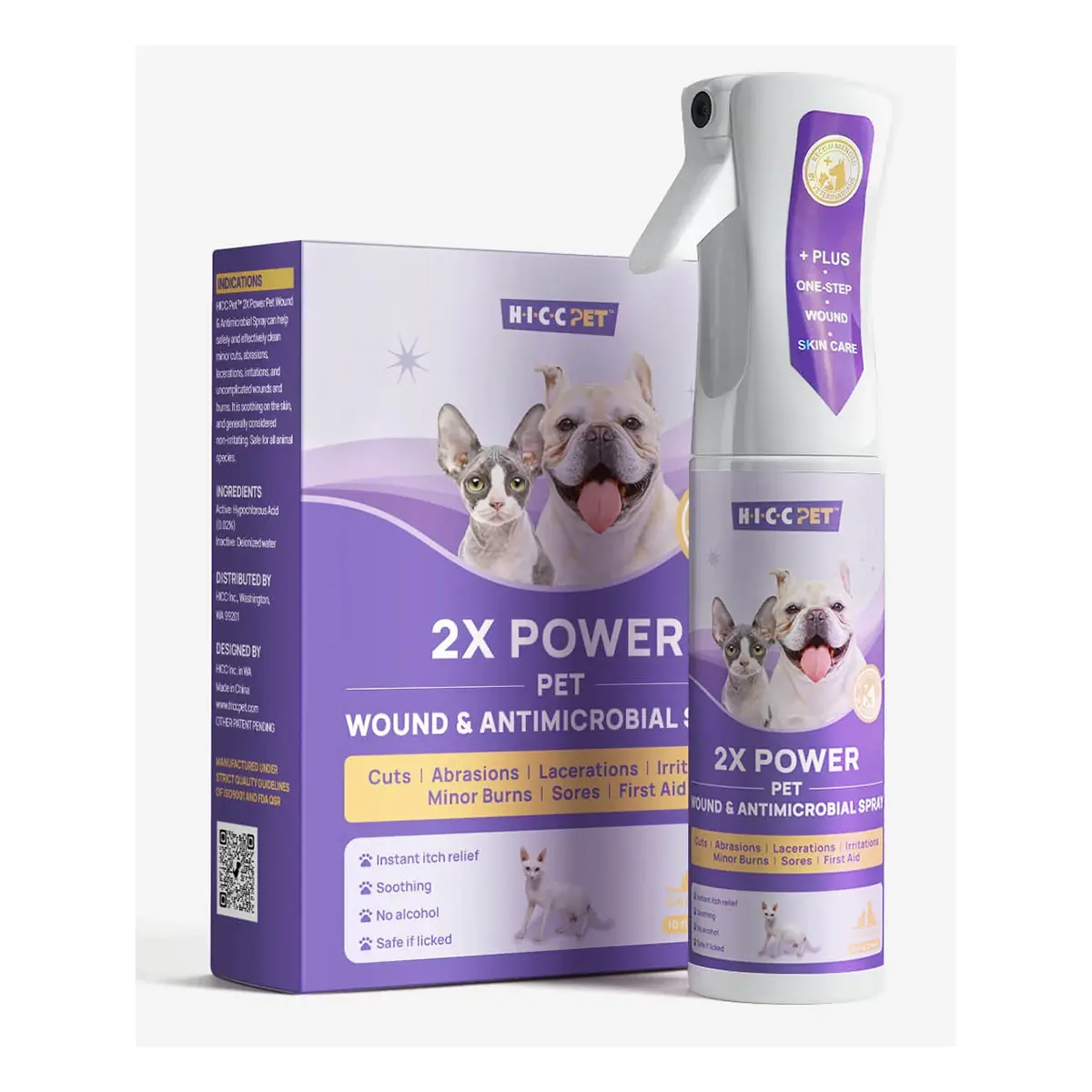
Cat Skin & Coat Care





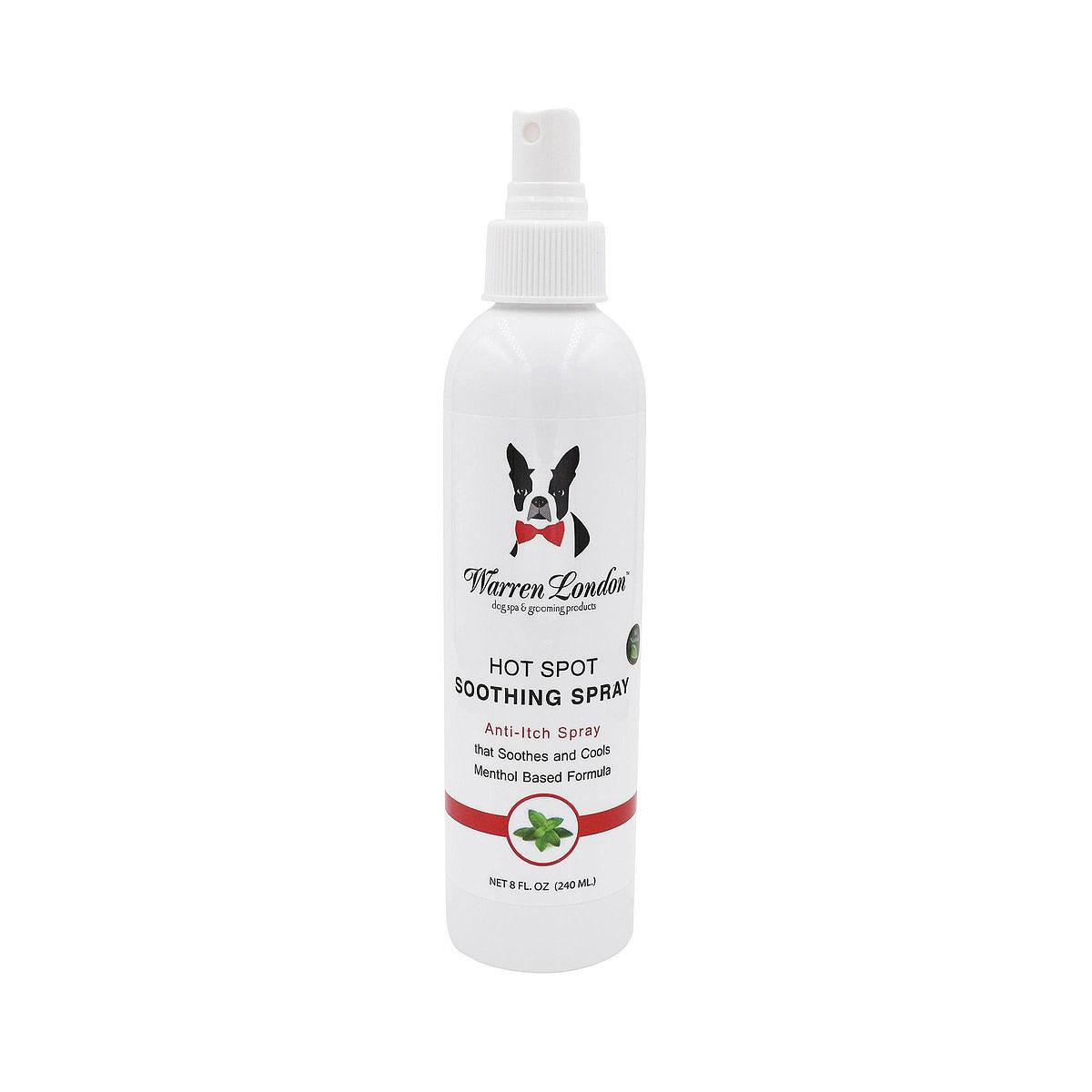

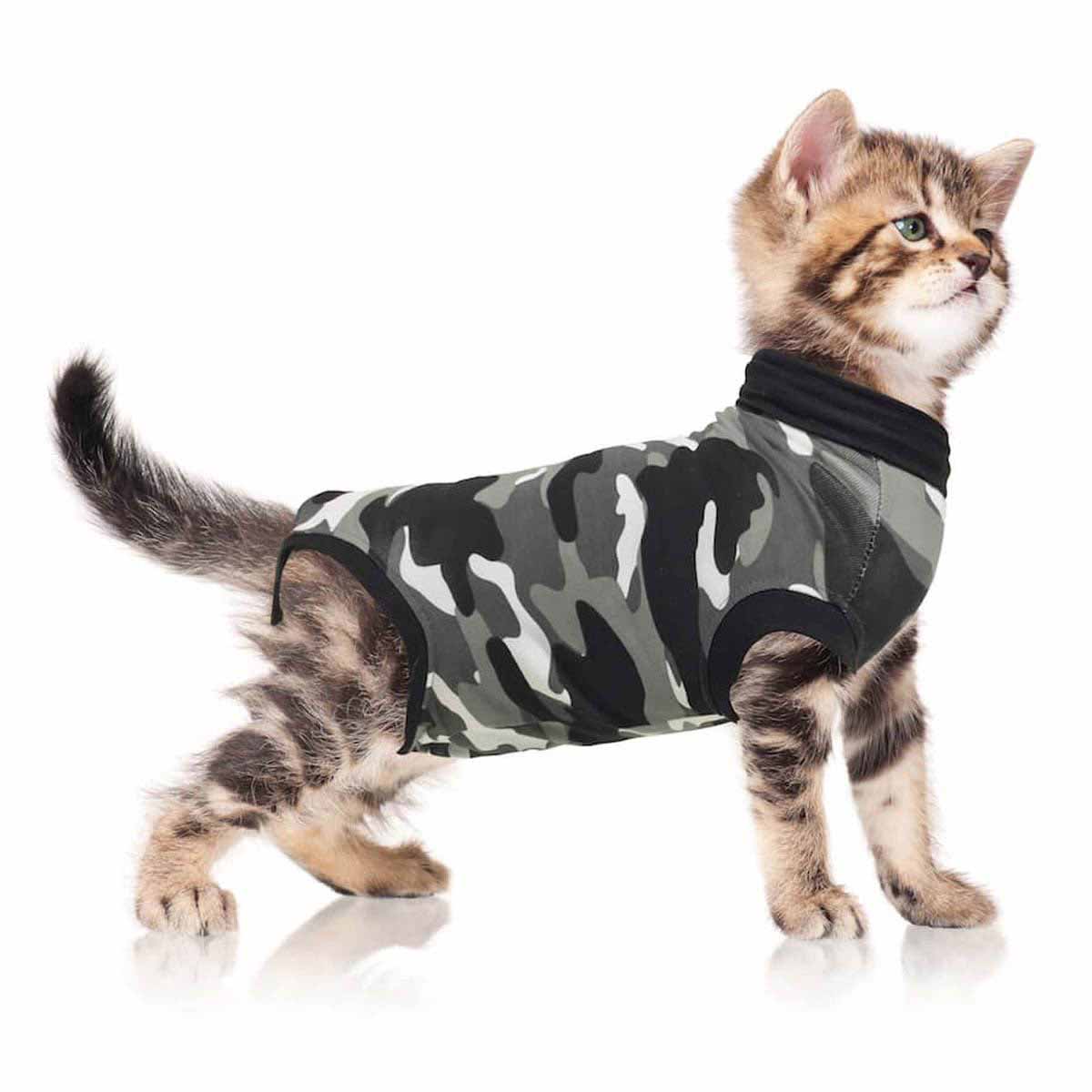


Common Environmental and Lifestyle Triggers
The air inside your home plays a major role in how your cat’s skin feels. During the winter, indoor heating systems strip moisture from the air. This dry environment can cause your cat’s skin to lose hydration, leading to seasonal dandruff. You might notice the flaking starts in late autumn and clears up once the humidity rises in the spring.
Hydration also comes from within. Many cats have a low thirst drive and do not drink enough water on their own. If a cat is mildly dehydrated, their skin is often the first place to show it. Adding more moisture to their day can make a significant difference.
- Use a humidifier in the rooms where your cat sleeps most.
- Switch to or add wet cat food from our cat food collection to increase water intake.
- Place multiple water bowls around the house or use a fountain to encourage drinking.
The Impact of Age and Mobility
As cats get older, they may develop stiffness in their joints. Arthritis can make it painful for a cat to reach certain areas of their body, especially the base of the tail and the middle of the back. When a cat cannot reach these spots to groom, dandruff and loose hair build up quickly.
Obesity causes similar issues. If a cat is carrying extra weight, they simply cannot bend enough to clean their entire coat. In these cases, the dandruff is a secondary symptom of a physical limitation. Helping your cat reach a healthy weight or managing joint discomfort can often clear up the skin issues by allowing them to return to their normal grooming routine.
Nutritional Support for Skin and Coat
What your cat eats is the foundation of their skin health. The skin is the largest organ in the body, and it requires a huge amount of protein and specific fats to stay healthy. In fact, a cat may use up to thirty percent of their daily protein intake just to maintain their skin and coat. If their food is low quality or lacks essential nutrients, the coat will look dull and flaky.
Omega-3 and Omega-6 fatty acids are vital. These fats act as a natural moisturizer for the skin and help reduce inflammation. Brands like Farmina and The Honest Kitchen focus on high quality ingredients that provide these essential nutrients. If your cat is already on a good diet but still has dry skin, you might consider a supplement.
Supplements and Additives
Supplements can provide a concentrated dose of the nutrients the skin needs. Look for products containing fish oil or flaxseed oil. Brands like Zesty Paws or Honest Paws offer options specifically formulated for feline skin support. Always start with a small amount to make sure it does not upset your cat's stomach.
Vet Tip: If your cat has persistent dandruff along with weight loss, increased thirst, or changes in appetite, consult your veterinarian. These can be signs of internal issues like diabetes or hyperthyroidism that require medical management through our cat pharmacy.
Managing External Parasites and Mites
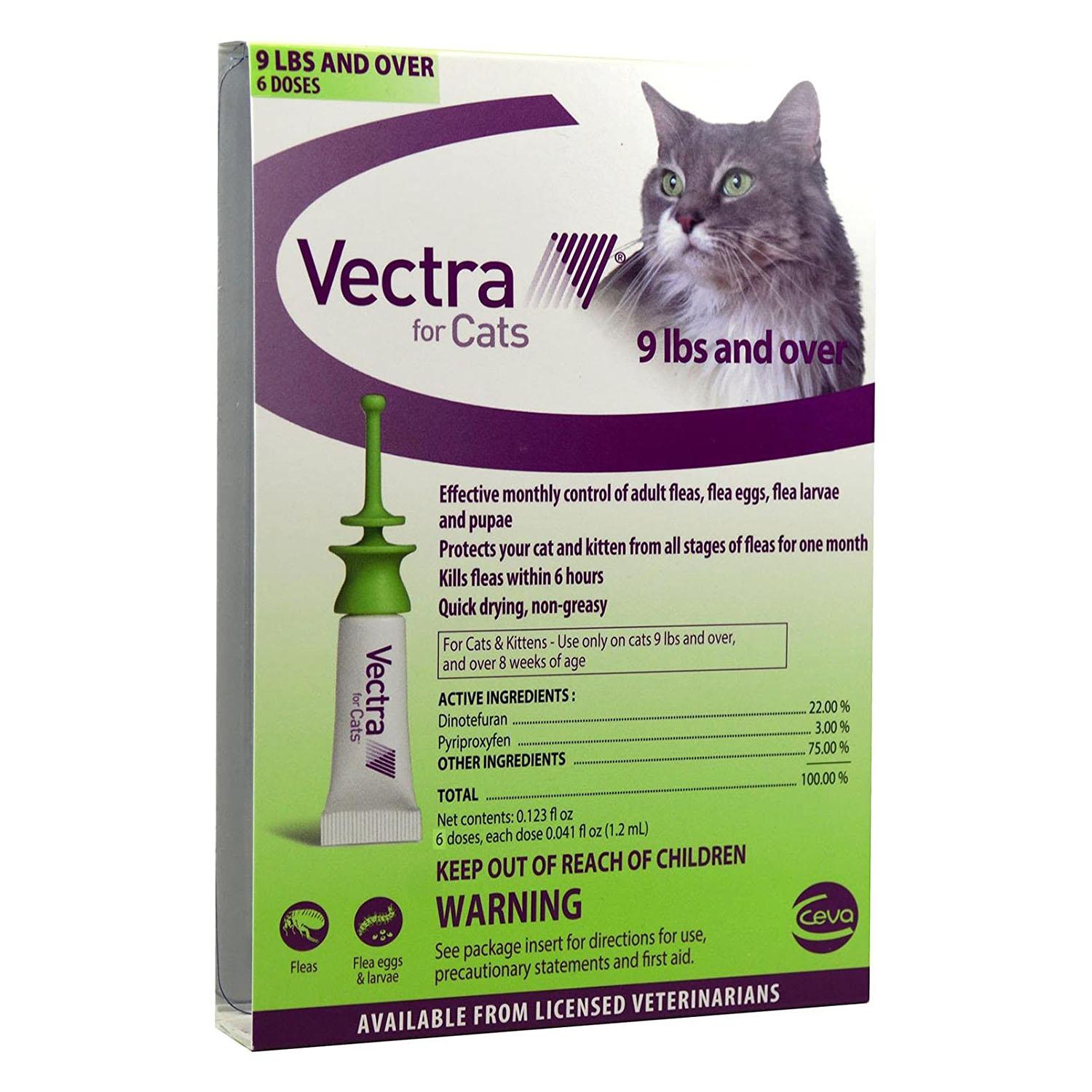
Sometimes, what looks like simple dandruff is actually a sign of uninvited guests. Fleas are a common cause of skin irritation. When a cat is allergic to flea saliva, they develop crusty, flaky skin and may lose hair from over-grooming the itchy spots. You can protect your cat with trusted preventives like Frontline or NexGard.
There is also a specific mite called Cheyletiella, often nicknamed walking dandruff. To the naked eye, these mites look like small white flakes moving across the fur. This condition is highly contagious between pets. If you suspect your cat has mites or if the dandruff seems to be moving, a trip to the vet is necessary for a definitive diagnosis and treatment plan.
For additional guidance on parasite prevention, see our article about flea and tick prevention products.
Using the BaxterBoo Pharmacy
When environmental changes and grooming are not enough, your vet might prescribe medical treatments. Our pharmacy provides access to FDA approved medications and prescription diets through our partnership with Pet's Choice. This is especially helpful for cats with chronic skin conditions or those who need specialized formulas like Farmina Vet Life or Royal Canin prescription diets to manage underlying health issues.
Grooming Strategies to Reduce Flaking
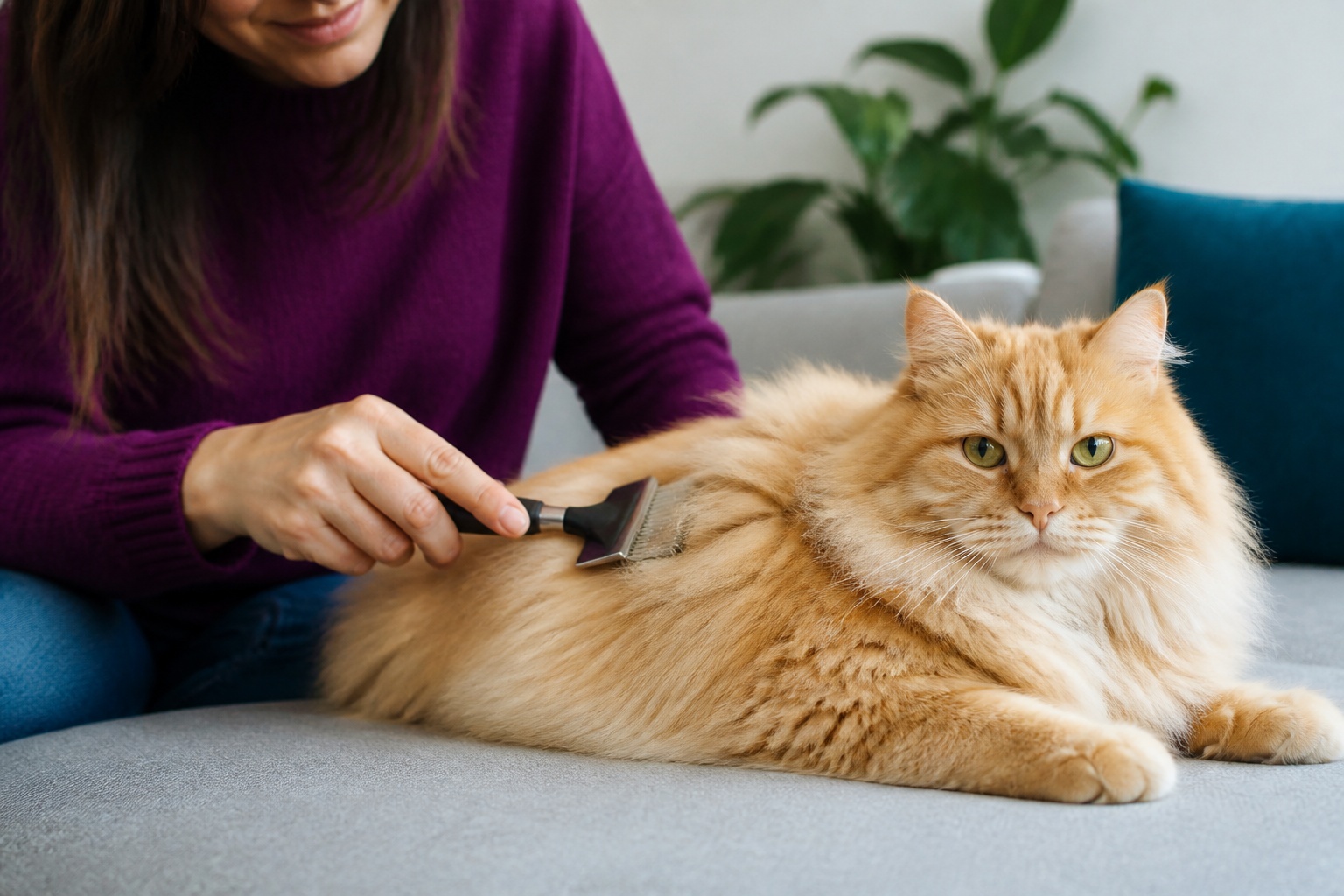
Regular brushing is the most effective way to manage shedding and dandruff at home. It does more than just remove loose hair. Brushing massages the skin and helps spread natural oils throughout the coat. This prevents the oils from pooling in one spot and causing greasiness, while also moisturizing the dry ends of the hair.
For brushes, combs, and other supplies, explore our cat grooming collection.
Step 1: Choose the right tool. / Use a soft slicker brush for general grooming and a fine toothed comb for reaching the undercoat where flakes hide. Step 2: Establish a routine. / Brush your cat for five to ten minutes at least three times a week. Long haired cats may need daily attention. Step 3: Be gentle with flakes. / Do not scrub at the skin to remove dandruff. Gentle, repetitive strokes are more effective and less irritating for the cat. Step 4: Check the skin. / While brushing, look for redness, bumps, or bald patches that might indicate a more serious skin infection.
Bathing Your Cat
Most cats do not need regular baths. In fact, bathing a cat too often can strip away natural oils and make dandruff worse. However, if your cat has a greasy coat or a fungal infection, your vet might recommend a therapeutic shampoo. Always use a shampoo formulated specifically for cats. Human shampoos have a different pH balance and can cause severe skin irritation for felines.
Key Takeaway: Consistent, gentle brushing is the best way to distribute natural oils and remove the trapped hair that makes dandruff visible.
For more coat-care ideas, read about grooming routines that help reduce shedding and dander.
Identifying Underlying Health Concerns
If you have tried changing the diet and increasing grooming but the dandruff persists, it may be a sign of an internal health issue. The skin often reflects what is happening inside the body. Several systemic conditions can cause changes in a cat’s skin and coat.
Diabetes and hyperthyroidism are two common conditions in middle aged and senior cats that can lead to a poor coat. These diseases affect the body's metabolism and hydration levels. Kidney disease can also cause the skin to lose its elasticity and become flaky. When these conditions are managed with the help of a veterinarian, the skin usually improves as the body returns to a state of balance.
Allergy Management
Cats can have allergies just like humans. They can be allergic to ingredients in their food, dust in the house, or even certain types of plastic water bowls. Feline allergies often manifest as skin problems rather than sneezing. If your cat is constantly itching or has red, inflamed skin alongside dandruff, an allergy might be the culprit.
Your vet may suggest a food trial using a limited ingredient diet from brands like Stella and Chewy's or Acana. These diets remove common allergens to help pinpoint what is bothering your cat. For severe cases, prescription allergy medications available through our pharmacy can provide the relief your cat needs to stop scratching and let their skin heal.
Products for supplements, skin support, and coat care are available in our cat skin and coat health category.
Creating a Healthy Environment at Home
Beyond diet and grooming, you can make small changes in your home to support your cat's skin. Since stress can lead to over-grooming or a dull coat, providing a calm environment is helpful. Products like those from Jackson Galaxy can help reduce anxiety in multi-pet households or during changes like a move.
Keep your cat's bedding clean. Wash blankets and bed covers in fragrance free detergents to avoid irritating sensitive skin. If your cat spends time in a specific sunny window, make sure they have a soft spot to lay on. Constant contact with hard surfaces can lead to calluses or dry patches on the elbows and hocks.
Bottom line: A combination of high quality nutrition, regular grooming, and a stress free environment is the most effective way to prevent and manage cat dandruff and excessive shedding.
Conclusion
Seeing flakes on your cat can be worrying, but most cases of cat shedding and dandruff are manageable with the right approach. Start by assessing your cat's environment and diet. Ensure they are getting enough moisture and essential fatty acids from premium brands like Royal Canin or Open Farm. Regular brushing session will help remove loose hair and distribute the oils that keep skin healthy. If the flaking is accompanied by itching, redness, or changes in behavior, a visit to the veterinarian is the best next step. Our pharmacy, in partnership with Pet's Choice, is here to help with any prescription medications or specialized diets your vet recommends. We also encourage you to join our MVP Rewards program to earn back on your favorite grooming supplies and food. Taking these proactive steps ensures your cat stays comfortable and their coat remains as vibrant as ever.
For repeat purchases such as food and supplements, consider our Autoship programme.
FAQ
Is it normal for my cat to have some dandruff?
A few small flakes can be normal, especially during seasonal changes when the air in your home becomes very dry. However, a coat covered in visible white specks or skin that looks red and irritated is not normal and usually suggests an issue with nutrition, grooming, or health. If the dandruff is persistent, it is a good idea to check with a vet to rule out underlying causes.
How can I tell the difference between dandruff and fleas?
Dandruff looks like flat white or gray flakes that stay on the fur or skin. Flea dirt looks like tiny black specks, which are actually flea droppings. You can tell the difference by placing the specks on a wet white paper towel. If they turn reddish brown, it is flea dirt, which contains digested blood.
Can I use human dandruff shampoo on my cat?
No, you should never use human dandruff shampoo on a cat. These products are formulated for the pH of human skin and often contain ingredients that are toxic to cats if they lick their fur after a bath. Always use a shampoo specifically designed for felines or follow your veterinarian's recommendation for a medicated wash.
Does wet food help with cat dandruff?
Yes, wet food can be very helpful because it significantly increases your cat's daily water intake. Better hydration leads to more elastic, moisturized skin. Many cats on a strictly dry food diet live in a state of mild dehydration, which is a common contributor to dry, flaky skin.






- Site & Contents BaxterBoo.com. BaxterBoo is located in the United States.
- Privacy & Security
- Terms of Use
- Accessibility Statement
