
 Save 15% on your 1st Autoship learn more

 Email us
 Live Chat
 FAQs





Introduction
Few things are as striking as the sleek, midnight coat of a healthy black cat. However, that dark fur makes it very easy to spot even the smallest white flakes. If you notice what looks like salt or dust scattered across your cat's back, you are likely dealing with feline dandruff. While a few flakes are common during seasonal changes, persistent dandruff often points to skin health, grooming habits, or nutritional needs. At BaxterBoo, we see this often and know how frustrating it can be for both you and your cat. This article covers the primary causes of flaky skin and provides practical steps to restore your cat's coat to its natural shine. Understanding these triggers is the first step toward keeping your pet comfortable and flake-free.
Quick Answer: Feline dandruff consists of visible white flakes of dead skin that accumulate when the skin becomes dry or irritated. While sometimes caused by low humidity, it can also signal poor nutrition, obesity, or underlying medical issues like parasites.
The Difference Between Dander and Dandruff
It is easy to use the terms dander and dandruff interchangeably. However, they are quite different in the world of feline health. Every cat has dander. These are microscopic skin cells that shed naturally as part of the normal skin renewal cycle. You generally cannot see dander with the naked eye, though it is a primary trigger for human allergies.
Dandruff is a different story. These are larger, visible clusters of dead skin cells. On a black cat, these flakes stand out clearly against the dark fur. When you see these white specks, it means the skin is shedding cells faster than normal or the cat is not removing them through grooming.
Why Black Cats Show More Flakes
The physiology of a black cat's skin is not necessarily different from a tabby or a white cat. The issue is purely visual. On a light-colored cat, white flakes blend into the fur. On a black cat, the contrast is stark. This often leads owners of black cats to worry more quickly. This visibility can actually be a benefit. It allows you to catch skin issues or parasites much earlier than you might on a cat with a lighter coat.
Cat Skin & Coat Care





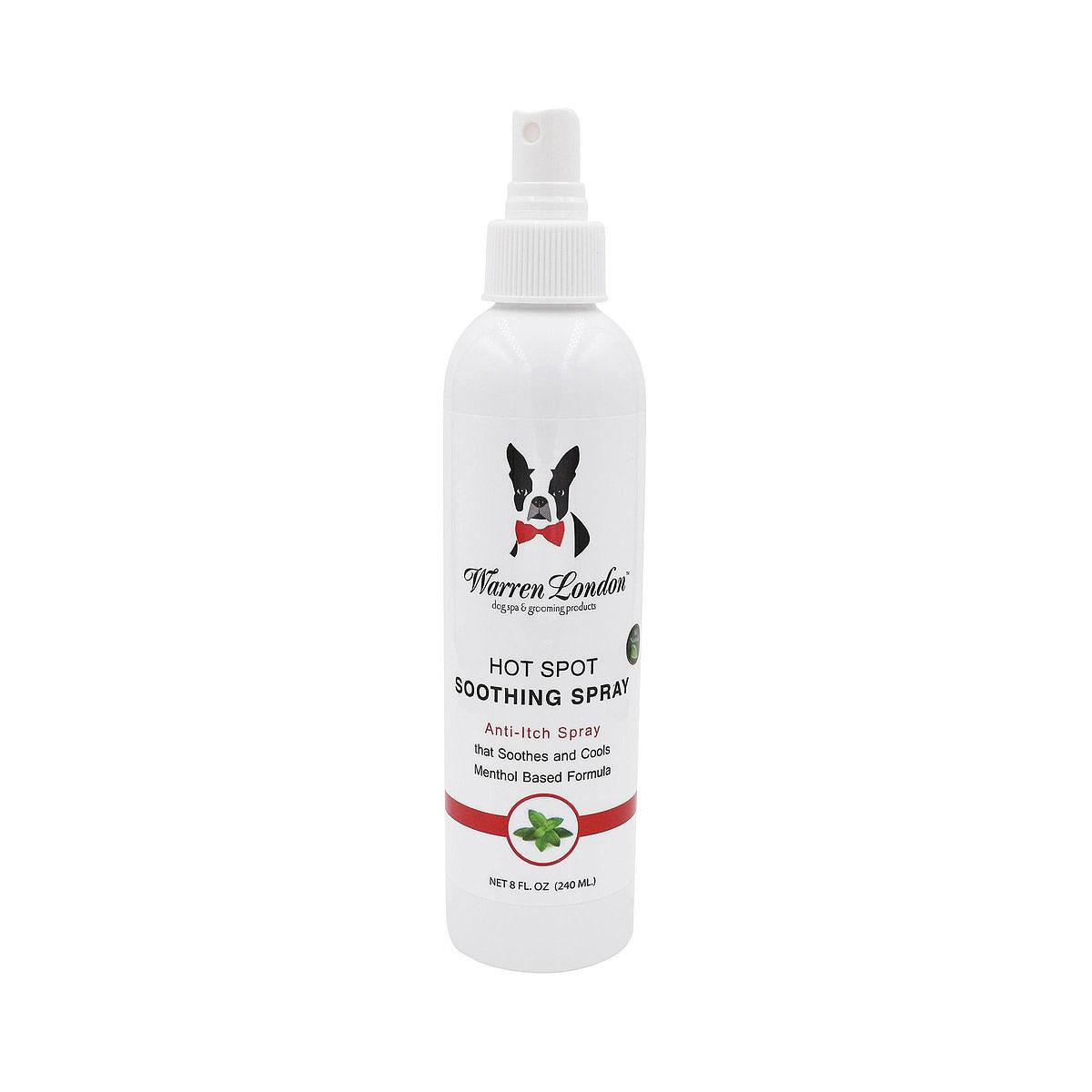

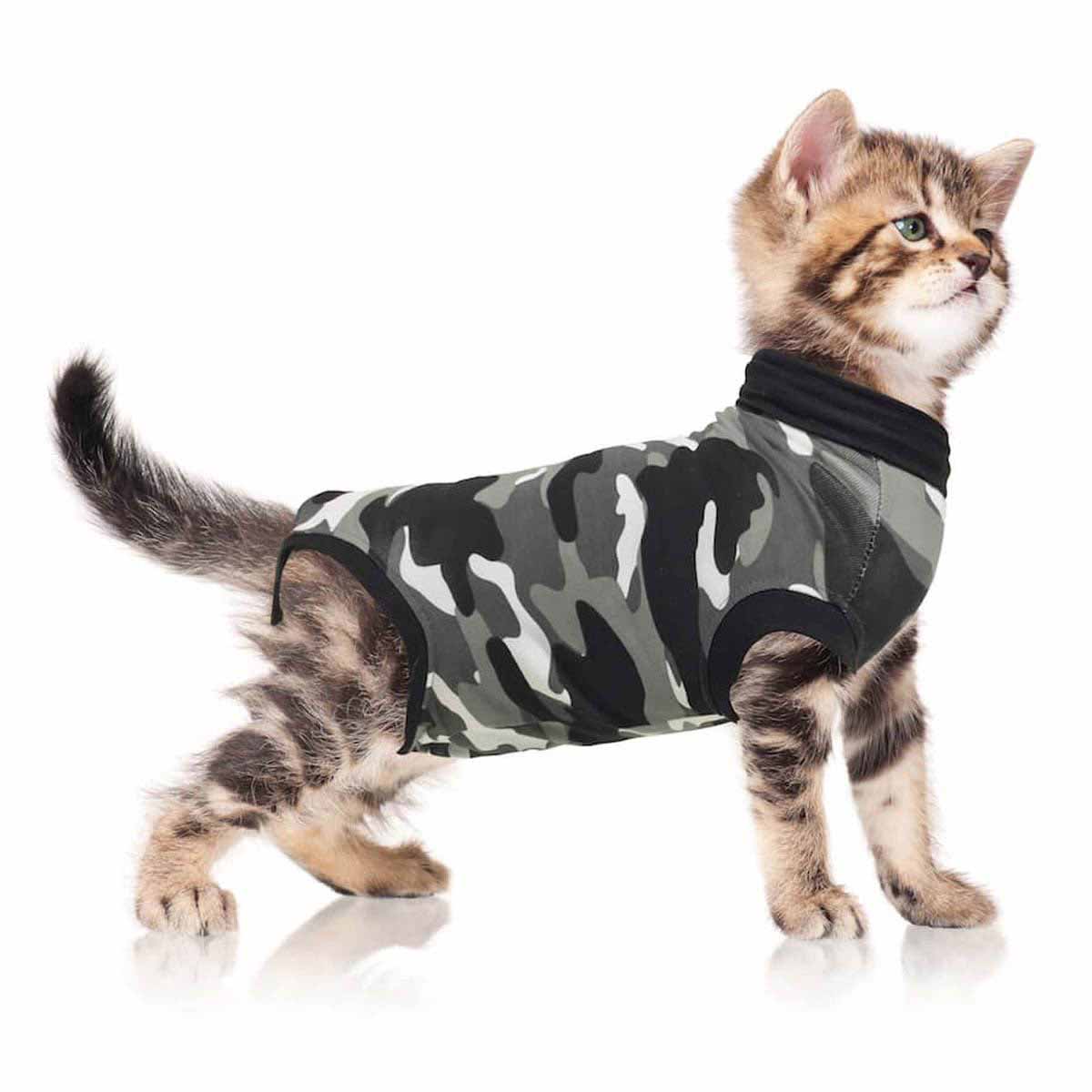


Environmental Triggers for Flaky Skin
The environment inside your home plays a major role in your cat's skin health. This is particularly true during the winter months. When the heat comes on, the humidity levels in most homes drop significantly. This dry air pulls moisture from your cat's skin.
Low humidity causes the skin to lose its natural elasticity. It becomes brittle and begins to flake. You might notice your cat's dandruff gets worse near a favorite sunny window or a heating vent. These "hot spots" can rapidly dehydrate the skin surface.
Improving Your Home Environment
There are several ways to combat dry air. Using a humidifier in the rooms where your cat spends the most time can make a massive difference. You should aim for a humidity level between 30 and 50 percent.
You can also encourage hydration by placing multiple water bowls around the house. Many cats prefer moving water. A cat fountain can encourage them to drink more often. Proper internal hydration is just as important as external moisture for healthy skin.
Key Takeaway: Environmental dandruff is often seasonal. If the flakes appear only when the heater is running, increasing indoor humidity and hydration can usually solve the problem.
The Connection Between Nutrition and Coat Health
What goes into your cat's body shows up on their coat. The skin is the largest organ of the body. It requires a significant amount of protein and specific fats to remain healthy. If your cat's diet is lacking, the skin is often the first place to show signs of trouble.
Essential Fatty Acids
Omega-3 and Omega-6 fatty acids are crucial for maintaining the skin's moisture barrier. These fats help the skin retain water and stay supple. Many commercial cat foods contain these, but they can degrade over time. If your cat eats mostly dry kibble, they may not be getting enough moisture or high-quality fats.
We carry several brands that prioritize skin health, such as Open Farm, Stella & Chewy's, and Farmina. These foods often include high-quality fish oils or flaxseed. Adding a supplement like Zesty Paws Wild Alaskan Omega-3 Blend Pollock & Salmon Oil or Honest Paws can also provide a targeted boost of Omega fatty acids.
High-Quality Protein
Cats are obligate carnivores. Their skin and fur are made almost entirely of protein. If a diet is heavy on fillers or low-quality grains, the coat will often look dull and flaky. Switching to a high-protein, limited-ingredient diet can sometimes clear up dandruff in a few weeks.
For additional ideas about moisture-rich meals, you can also explore our wet cat food category.
Grooming Habits and Physical Obstacles
Cats are famous for their grooming. They spend a large portion of their waking hours cleaning themselves. When a cat stops grooming effectively, dead skin cells and natural oils build up. This results in dandruff and a greasy or matted coat.
Obesity and Accessibility
One of the most common reasons for dandruff on a cat's back is obesity. If a cat is overweight, they simply cannot reach the base of their tail or the middle of their back. You will often see a "strip" of dandruff and mats running down the spine of an overweight cat.
Weight management is critical for more than just skin health. If your cat is struggling with weight, we recommend consulting your veterinarian about a weight management plan. Our pharmacy offers prescription weight management diets through our partnership with Pet's Choice. These specialized foods are designed to help cats lose weight safely while still receiving the nutrients needed for a healthy coat.
Arthritis and Senior Cats
Senior cats often develop arthritis. This makes the twisting and reaching required for grooming painful. If your older cat has suddenly developed dandruff, it might be a sign of joint stiffness. In these cases, your cat needs your help. Daily, gentle brushing can remove the flakes that they can no longer reach.
Vet Tip: If your cat has dandruff specifically on their lower back and also seems less active, it is worth a vet visit to check for arthritis or mobility issues. Addressing the pain often leads to better grooming habits.
Identifying Parasites and Infections
Sometimes those white flakes are not actually skin. Certain parasites can mimic the appearance of dandruff.
Walking Dandruff (Cheyletiella Mites)
The Cheyletiella mite is a parasite that looks exactly like dandruff to the naked eye. However, if you look closely, you may see the "flakes" moving. This is why it is often called walking dandruff. These mites are highly contagious and cause intense itching and irritation.
Fleas and Flea Dirt
While flea dirt is usually black, the irritation from fleas can cause the skin to flake. If your black cat is scratching constantly and you see both white flakes and tiny black specks, fleas are the likely culprit. Even indoor cats can get fleas brought in on your clothes or from other pets.
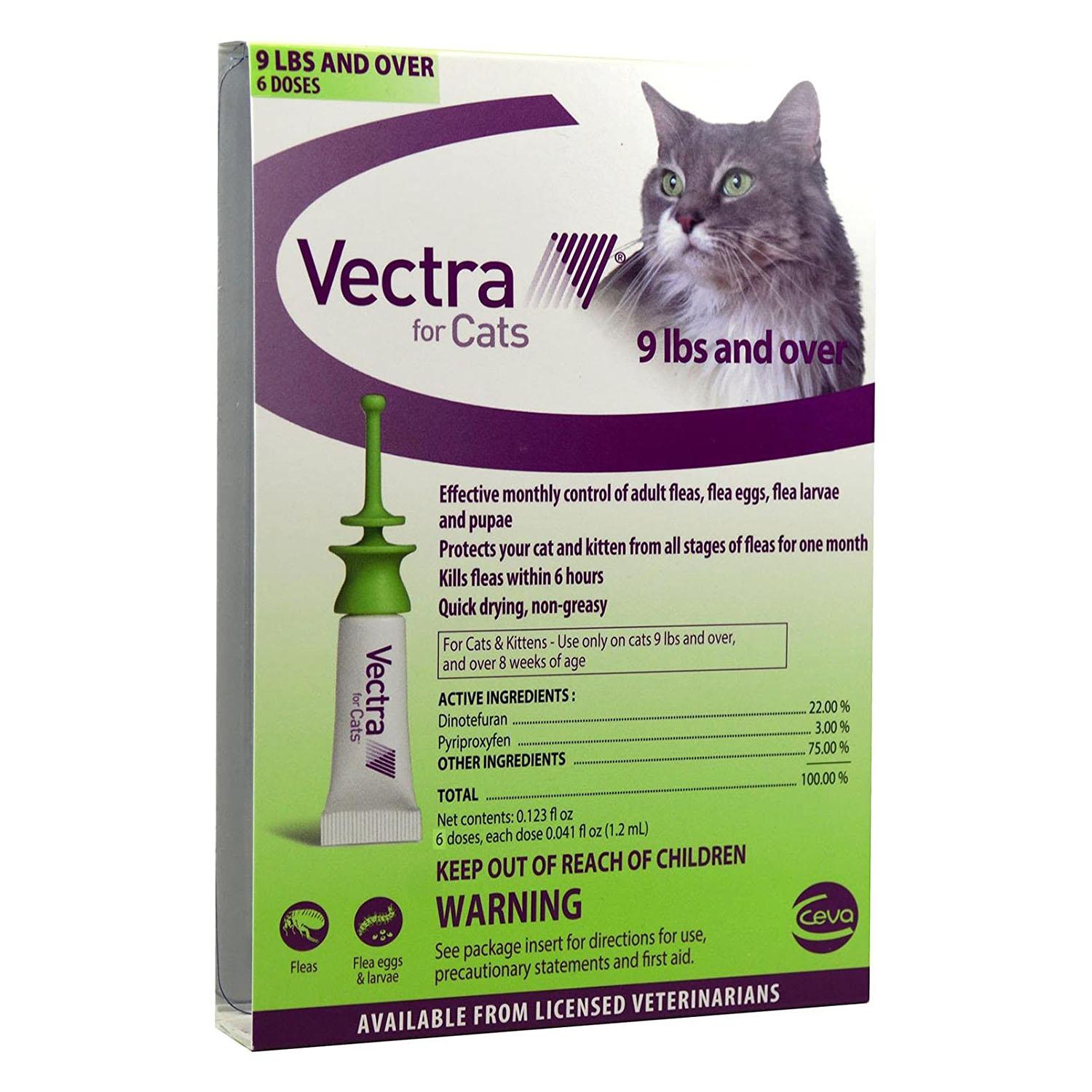
Our cat flea and tick collection includes products designed to help support routine parasite prevention. Through our partnership with Pet's Choice, we can help you fulfill prescriptions for powerful preventives like NexGard or Frontline. Regular prevention is the best way to ensure parasites do not ruin your cat's coat.
For more information about flea protection, read how flea collars work.
Fungal and Bacterial Infections
Ringworm is a common fungal infection that can cause localized dandruff. It often appears as circular patches of hair loss with flaky or crusty skin. Ringworm is zoonotic, meaning it can spread to humans and other pets. If you see patches of hair loss along with flakes, contact your vet immediately.
Home Care and Remedy Steps
If your cat's dandruff is mild and not accompanied by itching or hair loss, you can often manage it at home. Consistency is key when trying to improve skin health.
Step 1: Increase Brushing Frequency.
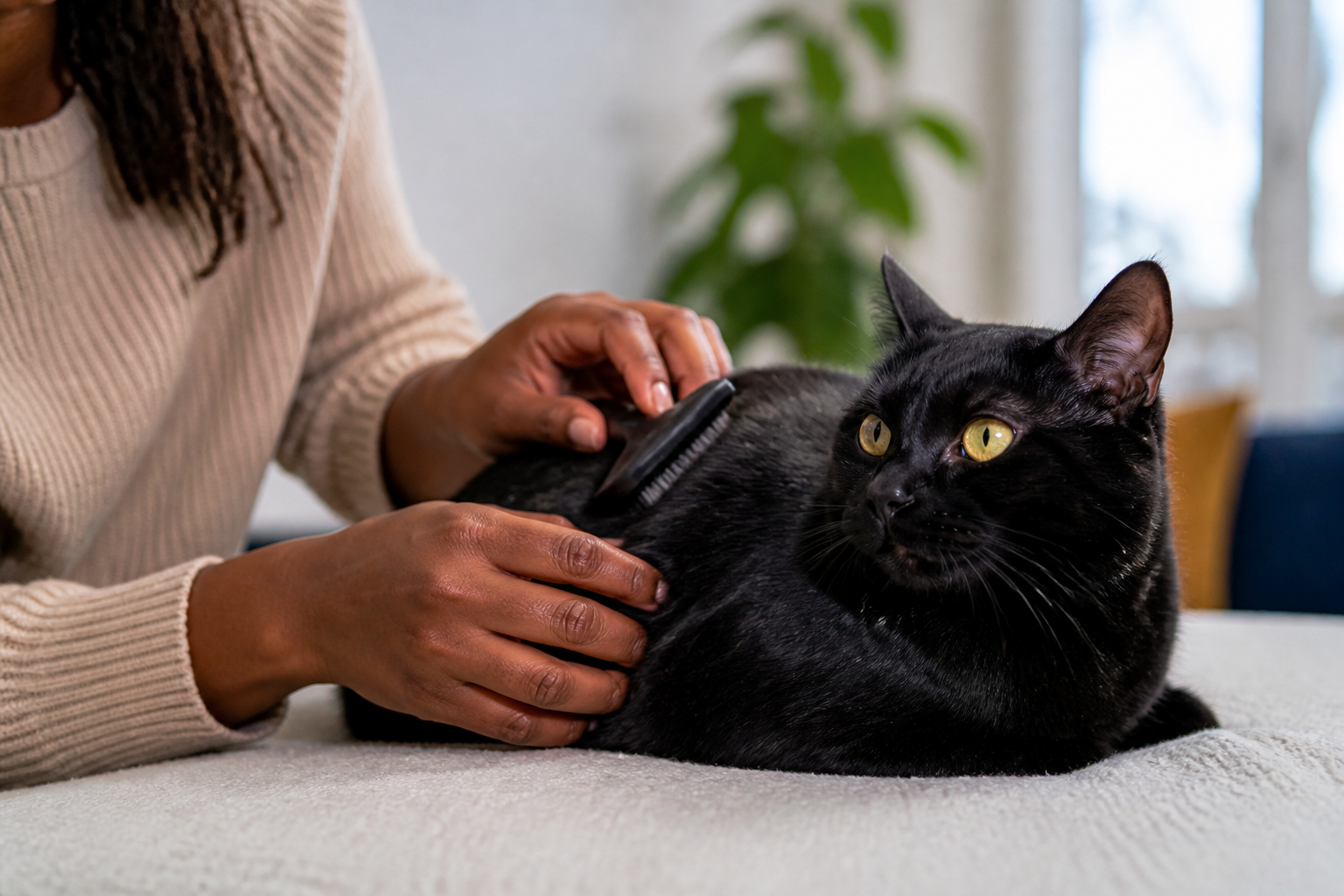
Brush your cat for five to ten minutes every day. This distributes natural oils across the coat and manually removes dead skin cells. For a black cat, a soft bristle brush or a grooming mitt works well to add shine without irritating the skin.
Step 2: Add a Skin and Coat Supplement.
Introduce an Omega-3 supplement to their daily routine. Look for products containing salmon oil or pollock oil. Always start with a small dose to ensure it does not upset their stomach.
Step 3: Switch to Wet Food.
If your cat primarily eats dry food, try adding wet food to their diet. The extra moisture helps hydrate the skin from the inside out. You can also add a splash of water or plain bone broth to their meals.
Step 4: Use a Waterless Shampoo.
Most cats hate baths, and traditional bathing can actually dry out the skin further. A waterless foam shampoo or grooming wipes can help clean the coat and remove flakes without the stress of a tub.
Bottom line: Daily brushing and improved hydration are the two most effective home remedies for non-medical cat dandruff.
When to Consult a Veterinarian
While many cases of dandruff are environmental, some indicate serious internal health issues. You should not ignore dandruff if it is paired with other behavioral or physical changes.
Potential Medical Concerns
Certain metabolic diseases can change the quality of a cat's skin. Hyperthyroidism and diabetes are two common conditions in middle-aged and senior cats that often lead to a poor, flaky coat. These diseases affect how the body processes nutrients and maintains its organs, including the skin.
Signs That Require a Vet Visit
- Excessive scratching or biting at the skin.
- Red, inflamed, or bleeding skin beneath the flakes.
- Patches of hair loss or thinning fur.
- A foul odor coming from the skin or ears.
- Changes in thirst, appetite, or litter box habits.
If your vet determines that the dandruff is a symptom of a medical condition, they may prescribe a therapeutic diet or medication. BaxterBoo makes it easy to manage these ongoing needs. Our pharmacy partnership allows you to have prescription medications and veterinary diets delivered directly to your door. This is especially helpful for managing chronic conditions that require long-term care.
Grooming Tools for Black Cats
Choosing the right tools can make grooming more effective and more enjoyable for your cat. Since black cats have such visible dandruff, you want a tool that captures the flakes rather than just moving them around.
Soft Bristle Brushes
These are excellent for short-haired black cats. They help smooth the fur and stimulate the oil glands. The soft bristles are gentle on sensitive skin and help pull the white flakes away from the dark undercoat.
Grooming Mitts
Mitts are a great choice for cats that are nervous about traditional brushes. You simply pet your cat while wearing the textured glove. The rubber nubs catch loose hair and flakes easily. It is a low-stress way to keep the coat clean.
Fine-Toothed Combs
If you suspect parasites, a fine-toothed flea comb is essential. The teeth are close together, allowing you to trap mites, fleas, and large flakes of dandruff. It is a good idea to keep a bowl of soapy water nearby to dip the comb into if you find any pests.
You can find brushes, combs, wipes, and other tools in our cat grooming collection.
For another grooming-related resource, read why cats need whiskers.
Maintaining a Flake-Free Coat
Consistency is the most important factor in managing dandruff on a black cat. A single brushing session will not solve the problem forever. You must make skin health a part of your regular pet care routine.
The Role of Autoship
Keeping up with supplements, high-quality food, and flea preventives is easier when you do not have to remember to reorder. Our Autoship programme ensures you never run out of the supplies that keep your cat's skin healthy. Plus, you save on your orders and get a free MVP Gold membership. This makes it affordable to provide the premium nutrition that black cats need for a shiny, deep-black coat.
Rewards for Care
When you shop for grooming supplies or skin-friendly foods at BaxterBoo, you can earn up to 5% back through our MVP Rewards programme. Caring for a cat with skin issues often requires trying a few different products to see what works best. Our rewards program and frequent buyer options help you get the best value while finding the right solution for your pet.
Summary of Best Practices
Caring for a black cat with dandruff requires a multi-faceted approach. You must look at the environment, the diet, and the cat's physical ability to groom. By addressing each of these areas, you can significantly reduce or eliminate those pesky white flakes.
- Monitor indoor humidity levels, especially in winter.
- Ensure your cat is at a healthy weight to allow for full-body grooming.
- Provide a diet rich in high-quality proteins and Omega fatty acids.
- Maintain a strict flea and parasite prevention schedule.
- Help senior cats with daily brushing to reach difficult spots.
Key Takeaway: Dandruff on a black cat is highly visible but usually manageable with improved nutrition, hydration, and regular grooming. Always rule out parasites or medical issues with your vet if the flaking is severe.
Helping your cat feel comfortable is our top priority at BaxterBoo. Whether you need a better brush, a new water fountain, or prescription support through our pharmacy, we are here to help. A healthy coat is a sign of a healthy cat, and with a little extra attention, your black cat's fur can be as dark and glossy as it was meant to be.
FAQ
Why does my black cat have white flakes only on their lower back?
The lower back and base of the tail are the hardest areas for a cat to reach. If your cat is overweight, has arthritis, or is simply feeling less flexible, they may stop grooming this specific area. This leads to a buildup of dead skin cells and natural oils, resulting in visible dandruff. Helping your cat with daily brushing in this area can resolve the buildup.
Can I use human dandruff shampoo on my cat?
No, you should never use human dandruff shampoo on a cat. Human skin has a different pH level than cat skin, and many human products contain ingredients that are toxic to cats if swallowed during grooming. Always use a shampoo specifically formulated for felines. If the dandruff is severe, ask your vet for a recommendation or check our cat grooming supplies for appropriate options.
Is cat dandruff contagious to humans or other pets?
Regular dandruff caused by dry skin or nutrition is not contagious. However, if the "dandruff" is actually caused by parasites like Cheyletiella mites or a fungal infection like ringworm, it can absolutely spread to other pets and even humans. If you notice other pets scratching or if you develop itchy spots yourself, see a professional immediately to rule out contagious issues.
Will switching to wet food help my cat's dandruff?
It often helps. Many cats live in a state of mild dehydration because they do not have a strong natural thirst drive. Dry kibble has very little moisture, which can lead to dry skin. Wet food provides significant hydration, which supports skin elasticity and health from the inside out. Adding a moisture-rich food to their diet is a simple and effective first step in treating flaky skin.






- Site & Contents BaxterBoo.com. BaxterBoo is located in the United States.
- Privacy & Security
- Terms of Use
- Accessibility Statement
