
 Save 15% on your 1st Autoship learn more

 Email us
 Live Chat
 FAQs





Introduction
You are relaxing on the sofa with your cat when you notice a dusting of white specks across their dark fur. At first, you might think it is just dust or perhaps a bit of debris from the litter box. But as you pet them, more flakes appear. Seeing these "snowflakes" on your cat can be a bit startling. You might wonder if they have dry skin, a parasite problem, or if they simply stopped grooming as well as they used to.
At BaxterBoo, we know that a healthy coat is more than just a matter of vanity. It is a sign of overall wellness. This guide explains what feline dandruff really is and why it happens. We will cover how to choose the right anti-dandruff cat shampoo and when a trip to the veterinarian is the most important next step. We want to help you understand the difference between normal shedding and skin conditions that need extra care.
Quick Answer: Cat dandruff consists of visible dead skin cells that flake off onto the coat. It is often caused by dry air, poor nutrition, or underlying health issues like arthritis that prevent a cat from grooming properly. Treatment usually involves a combination of regular brushing, improved hydration, and specialized moisturizing or medicated shampoos.
Understanding Feline Dandruff Versus Dander
It is common to hear the terms dandruff and dander used interchangeably. However, they are quite different. Dander is a normal part of a healthy cat. It consists of microscopic skin cells that shed naturally. These cells are so small you cannot see them with the naked eye. Dander is often what triggers allergies in humans because it carries proteins from the cat's saliva.
Dandruff is different because it is visible. If you see white or grayish flakes sitting on top of the fur, you are looking at dandruff. It is a symptom, not a disease itself. It tells you that the skin is either too dry, too oily, or that the skin cells are turning over much faster than they should.
Why Does Dandruff Appear?
Healthy skin creates a protective barrier. When that barrier is disrupted, skin cells die and clump together. On a cat, this often looks like fine white powder or larger scales. You will most likely see it along the base of the tail and down the center of the back. These are the areas where many cats have the hardest time reaching during their daily tongue-baths.
Key Takeaway: While dander is invisible and normal for all cats, dandruff is a visible sign that your cat's skin needs attention or their grooming routine is failing.
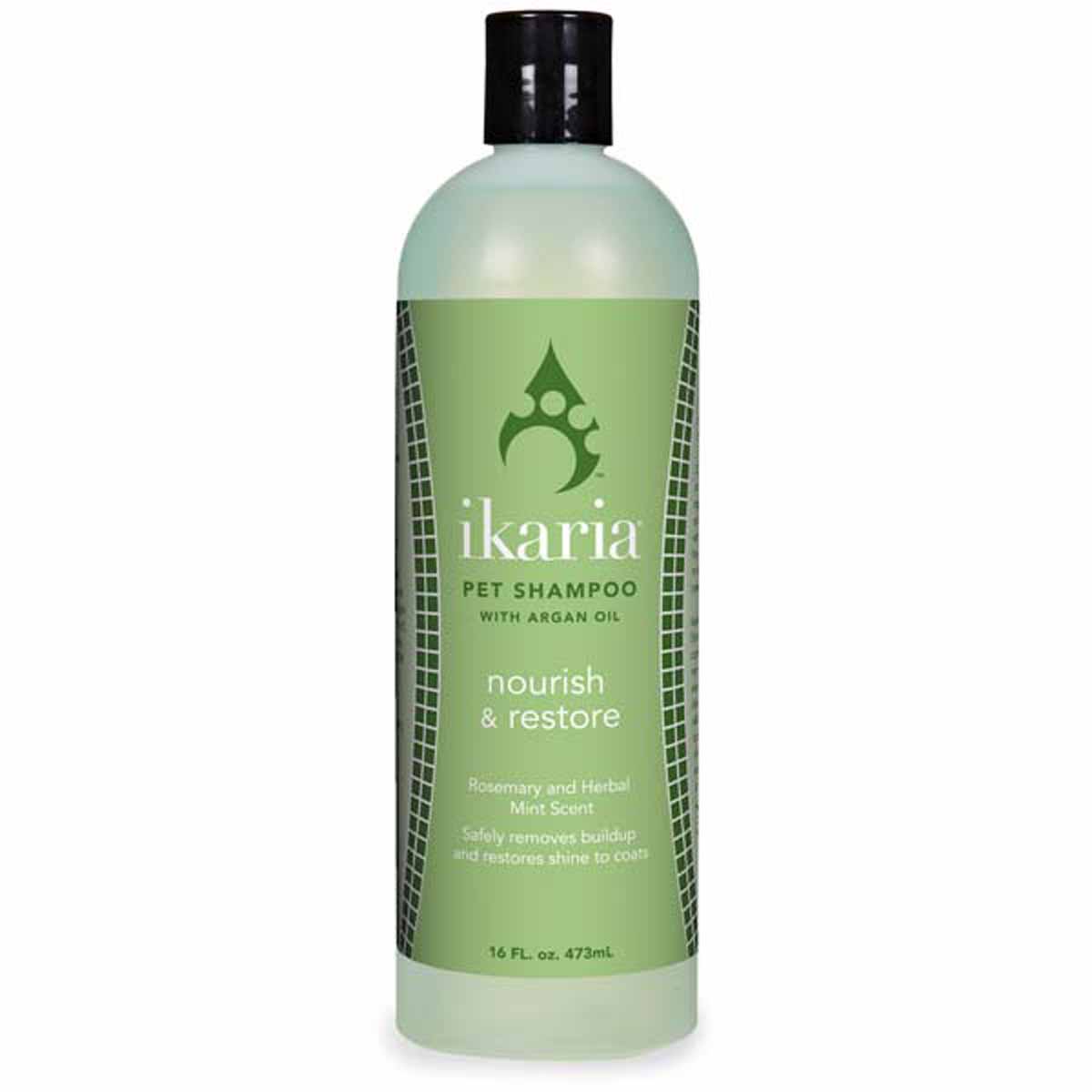
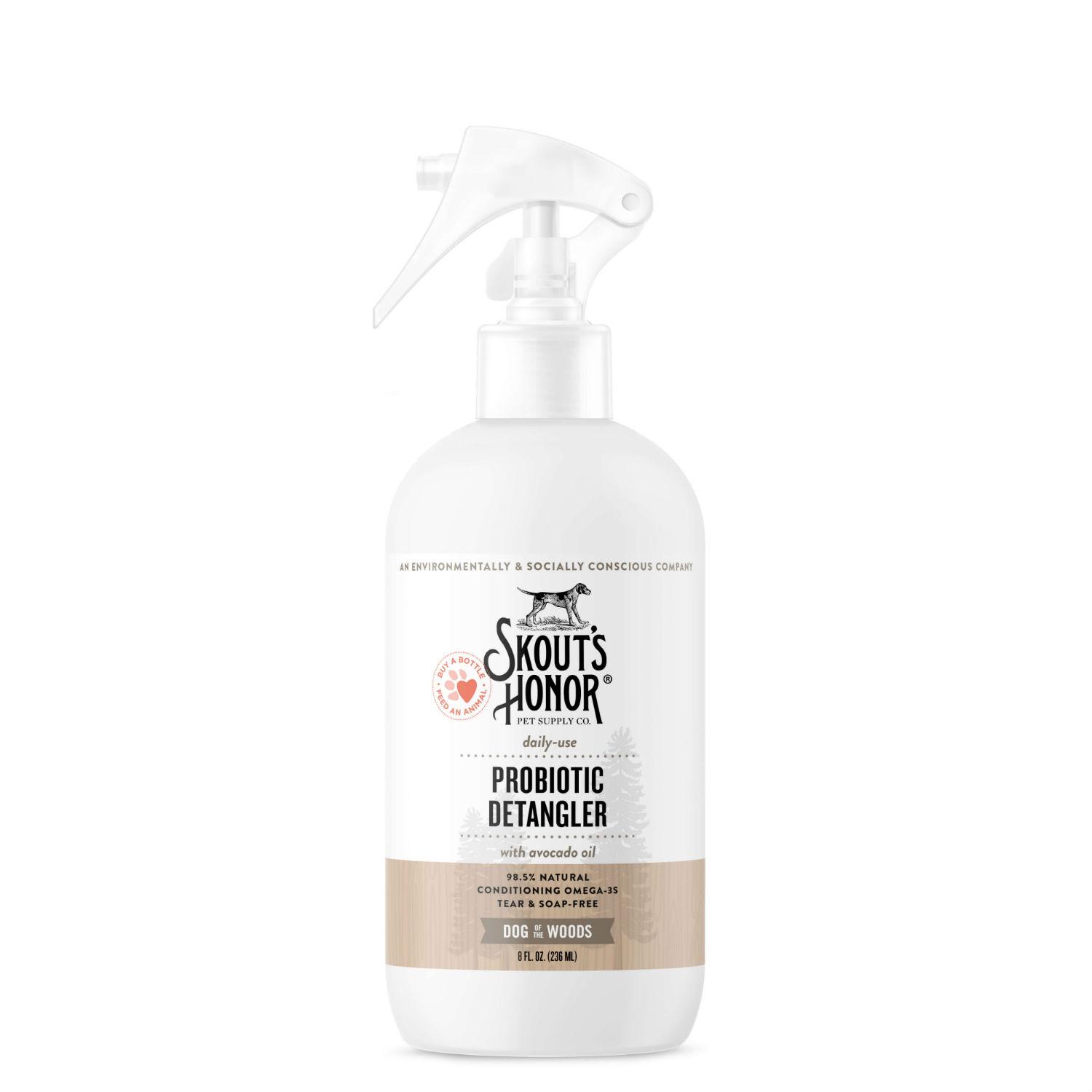
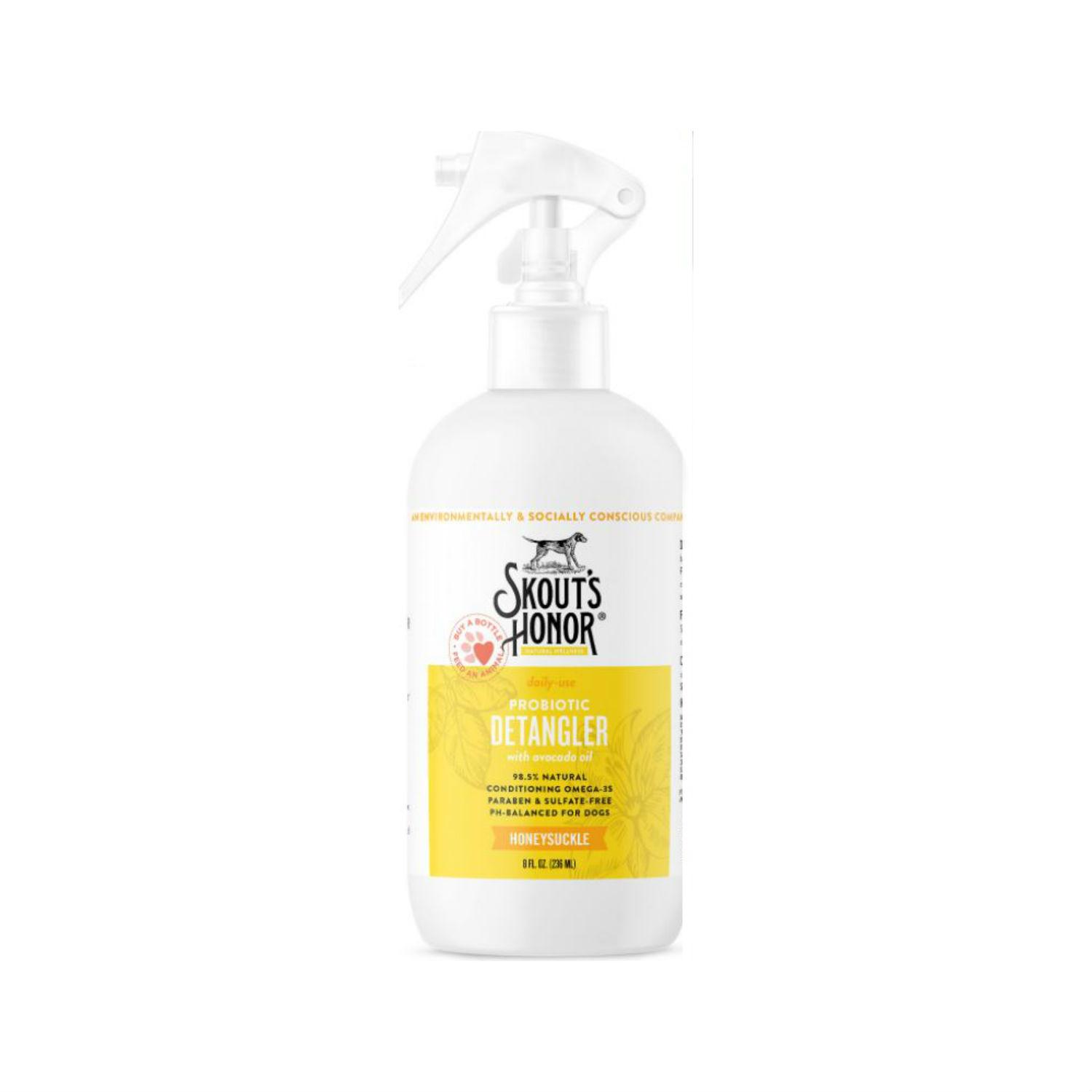
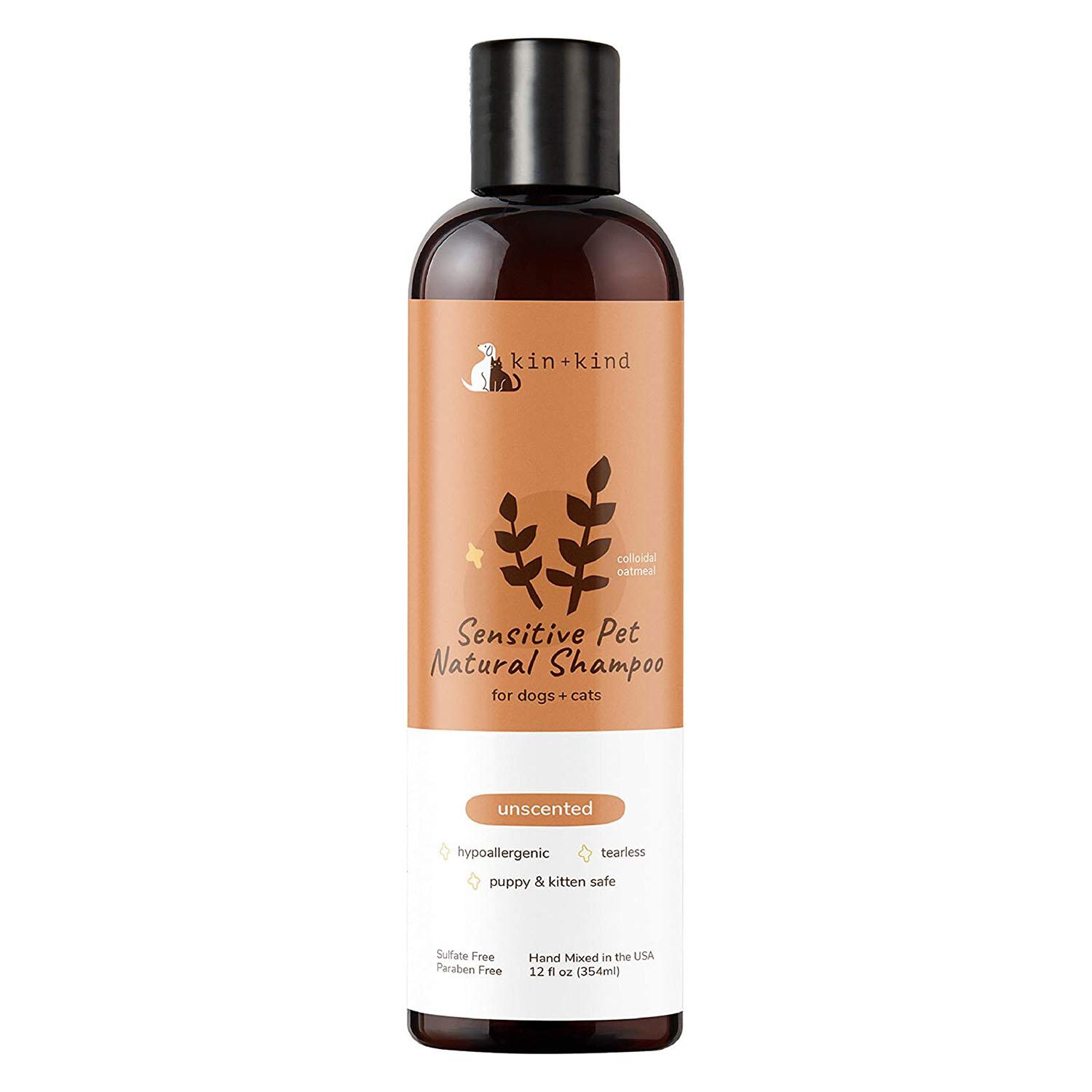
Cat Shampoos & Conditioners
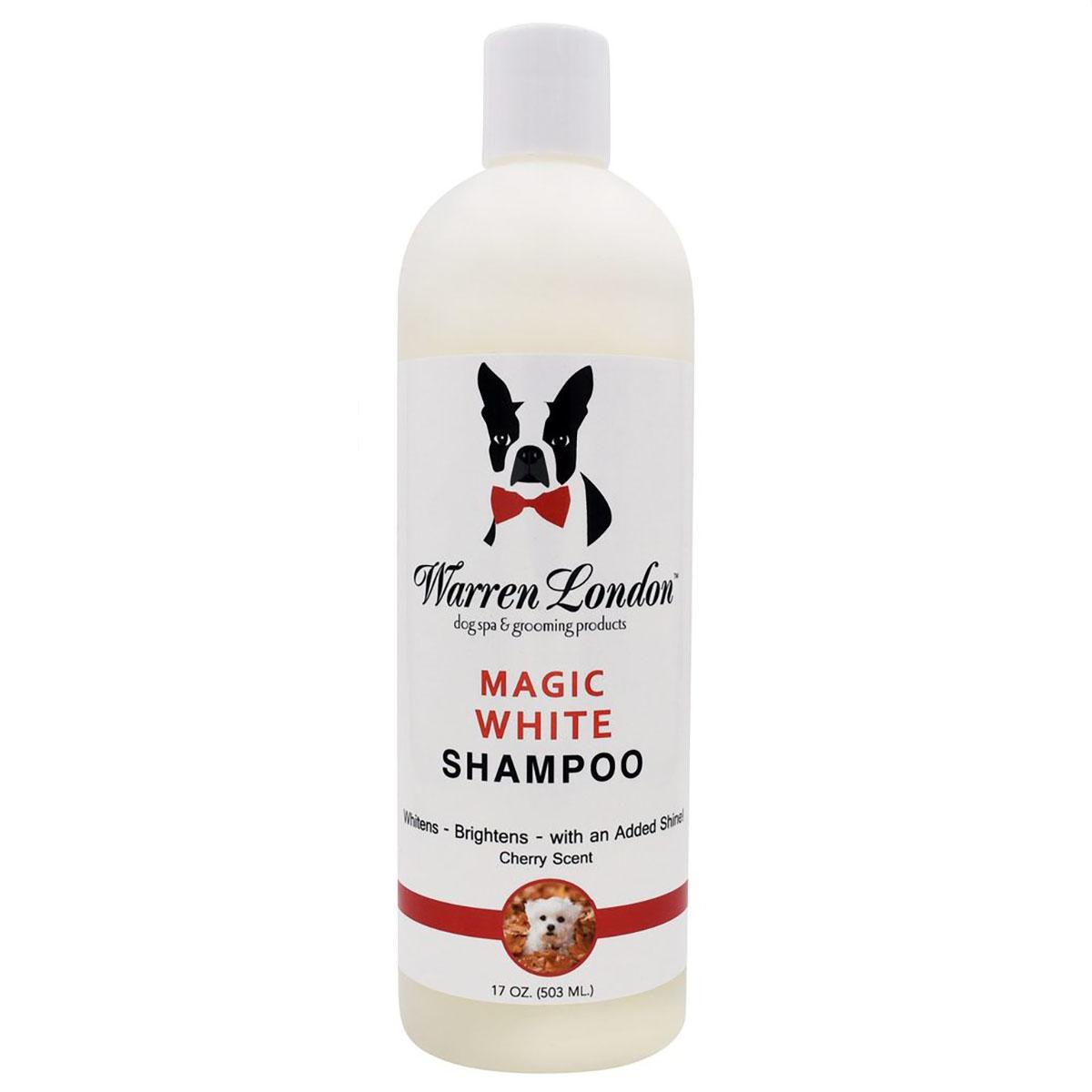
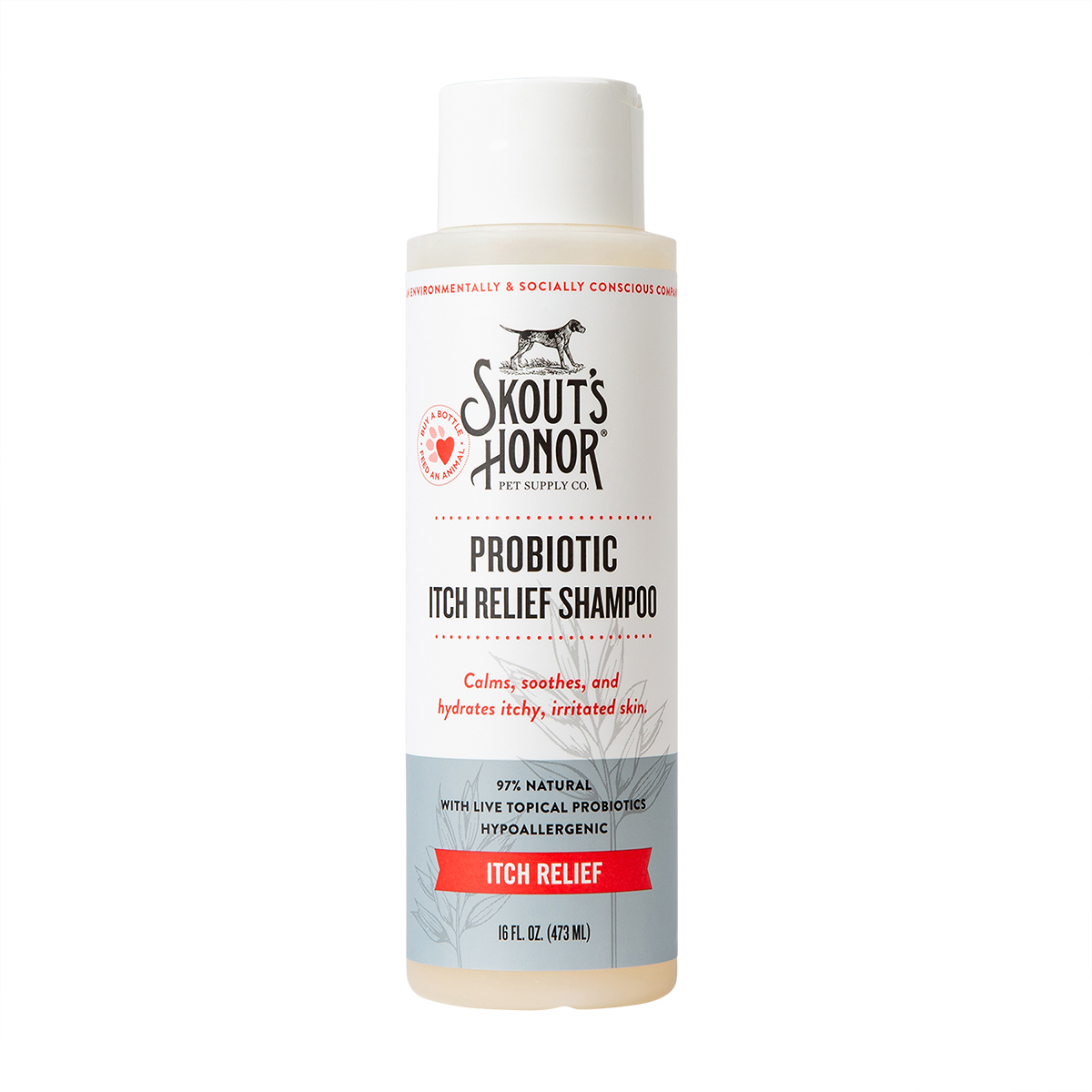


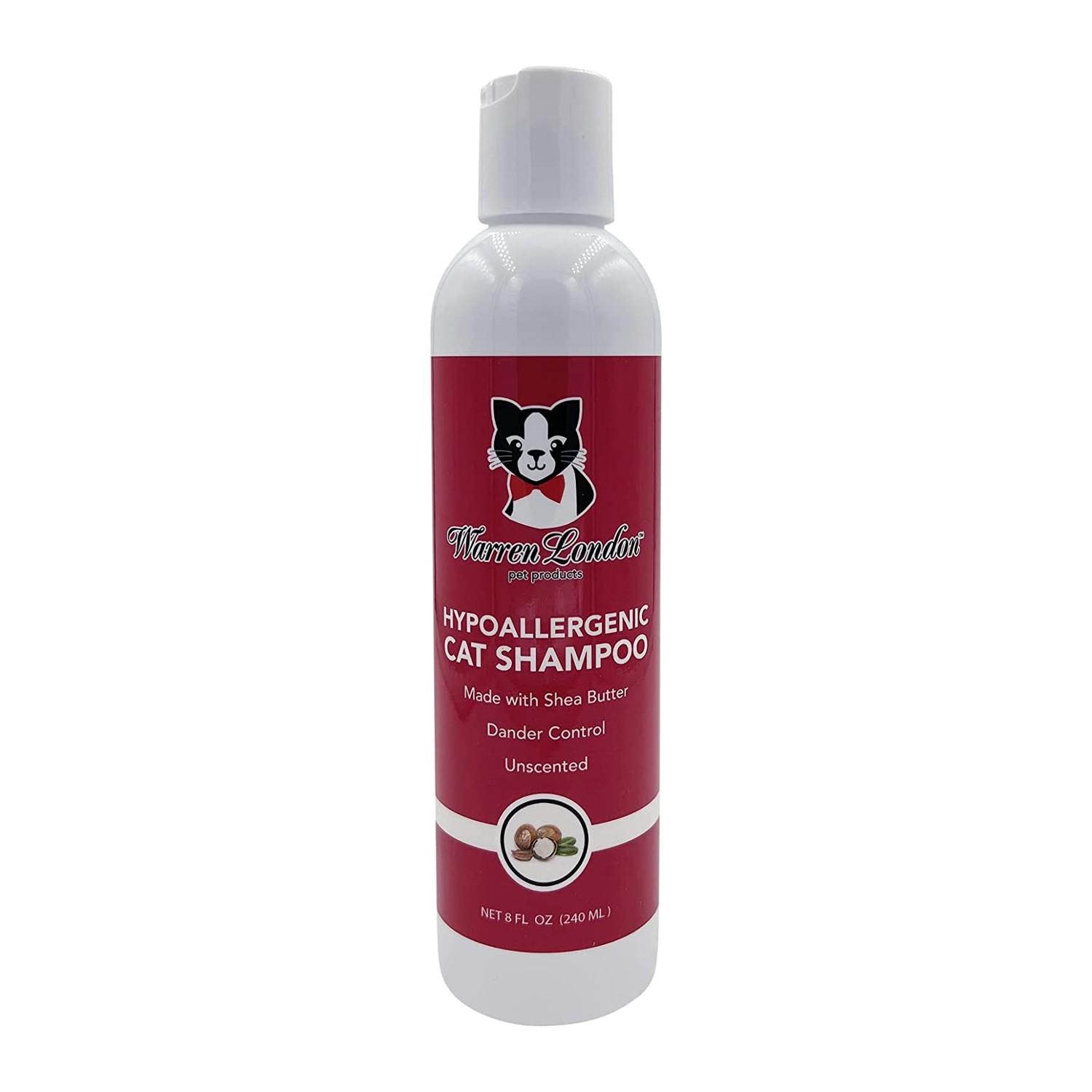

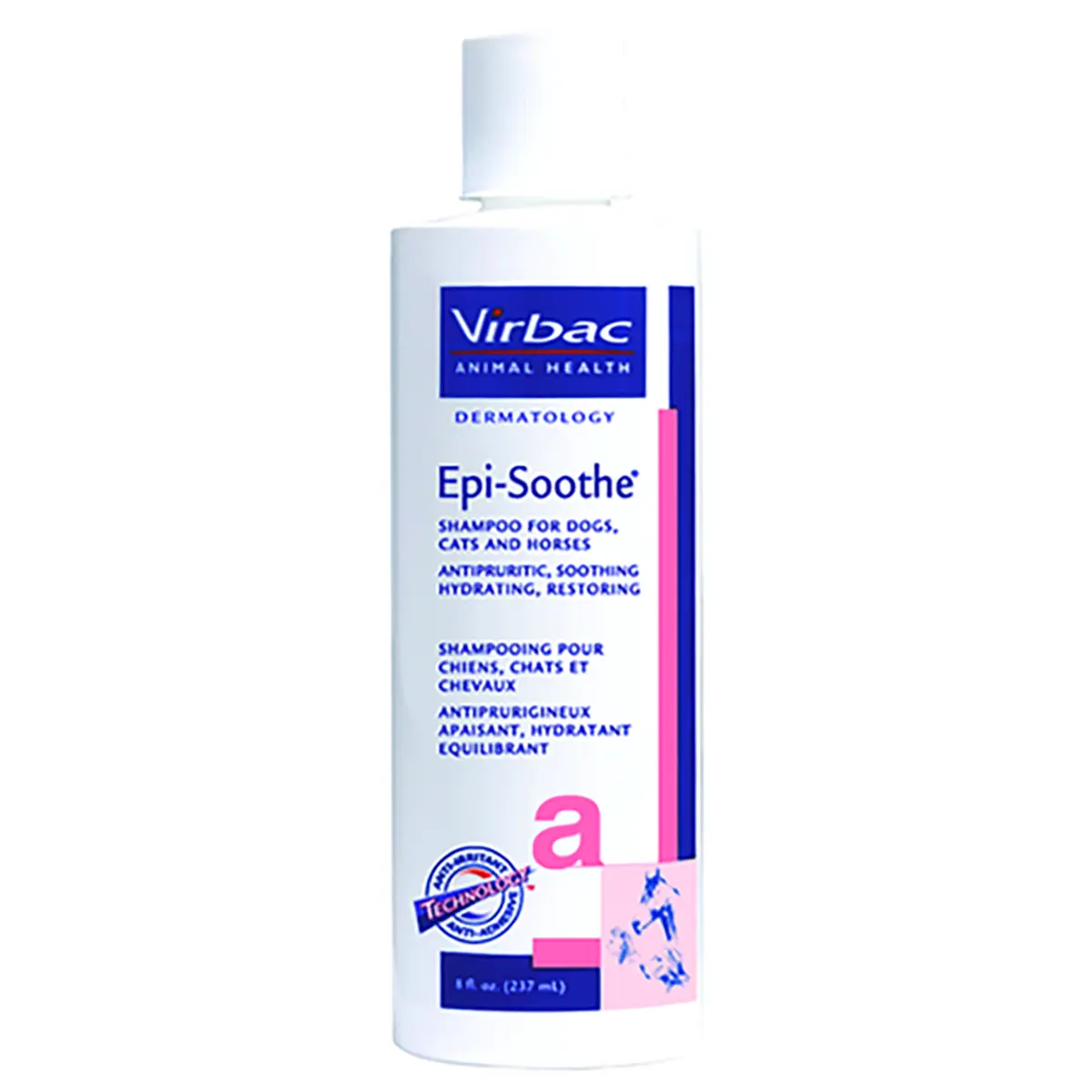
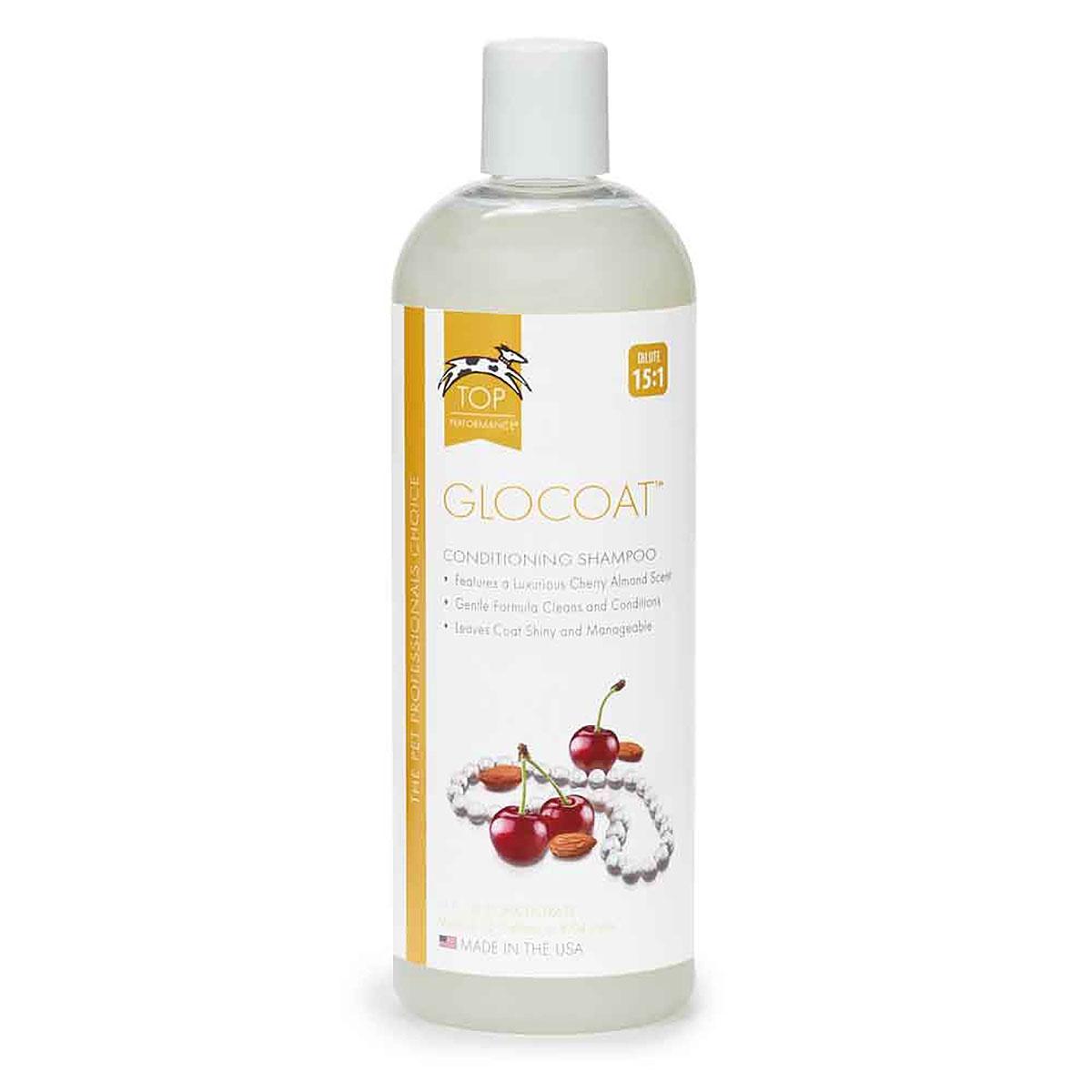
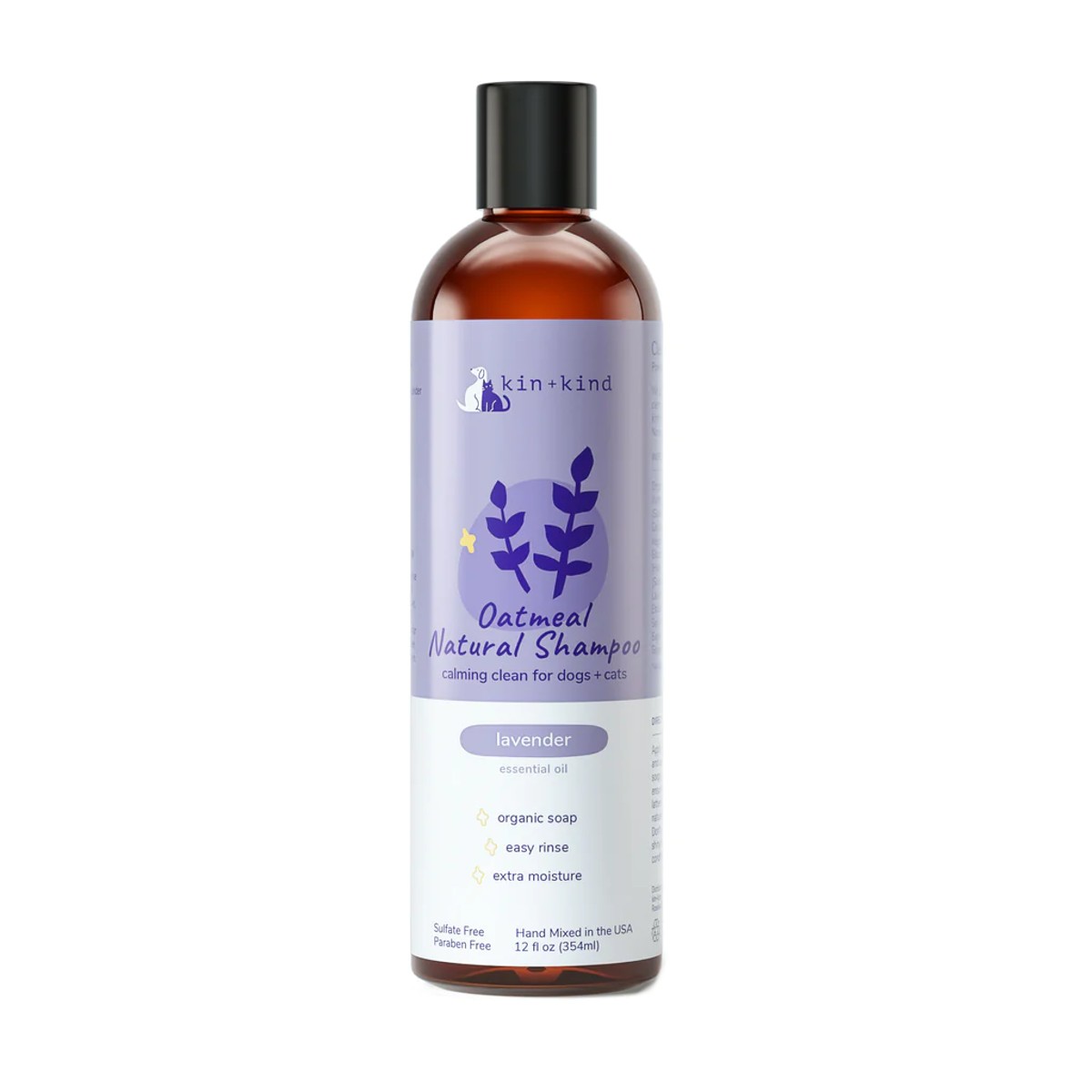
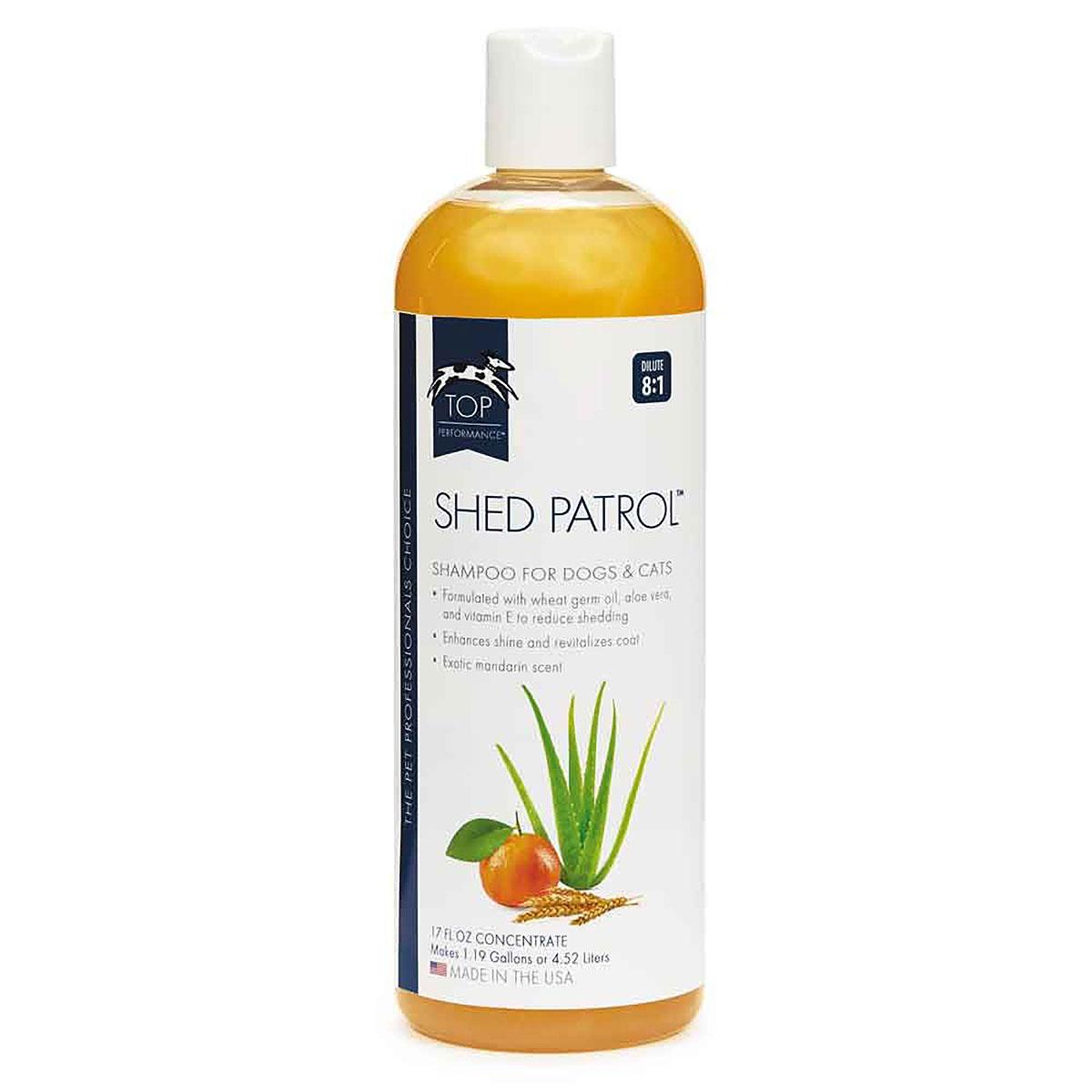
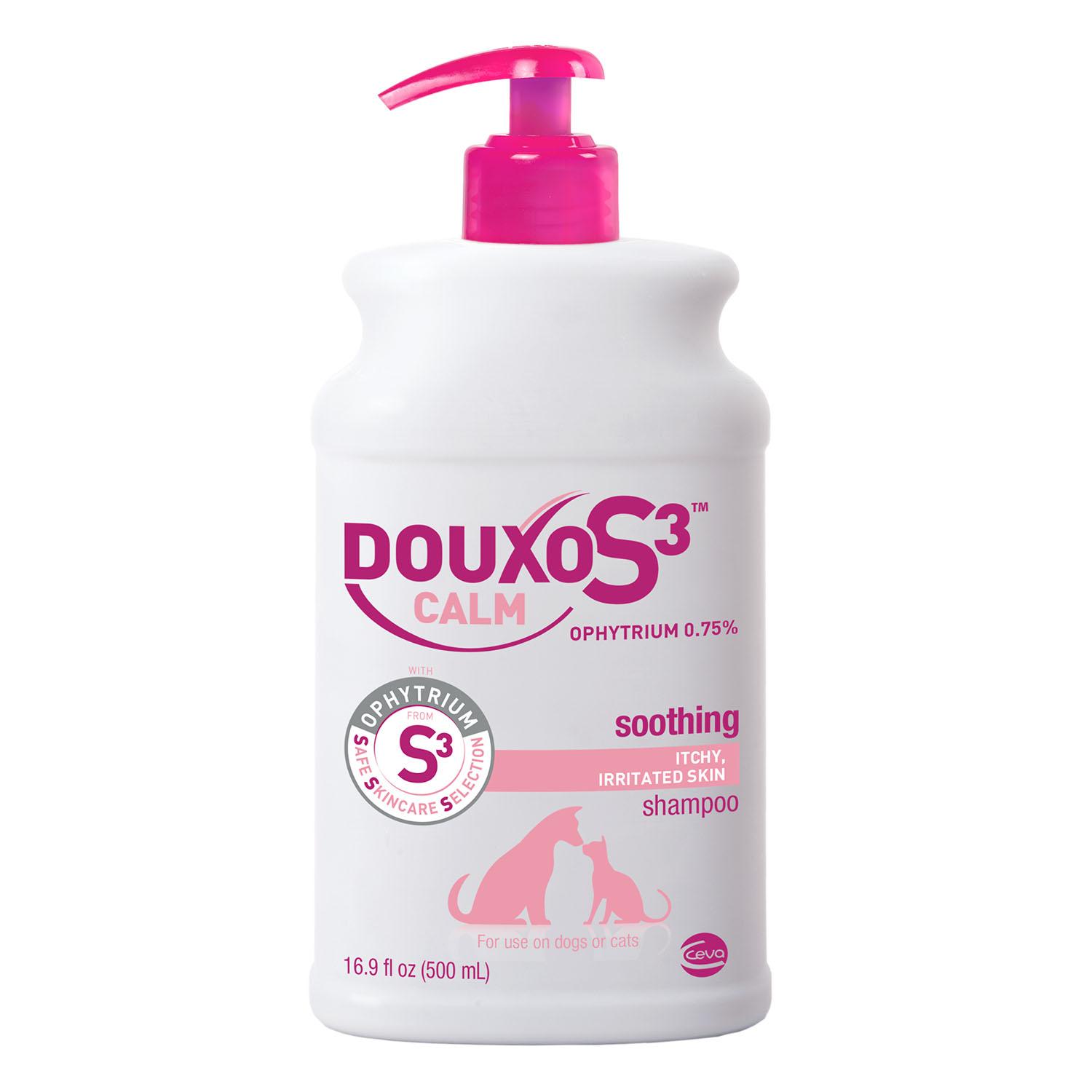
Common Causes of Flaky Skin in Cats
Before you reach for a bottle of anti-dandruff cat shampoo, it helps to know why the flakes are there. Treating the symptom without addressing the cause usually means the dandruff will come right back.
Age and Mobility Issues
Senior cats are the most likely group to develop dandruff. As cats age, they often develop arthritis or general stiffness. This makes it painful to twist and reach their back or hindquarters. If a cat stops grooming an area, dead skin and natural oils build up. This eventually turns into a layer of flakes and dull fur.
Nutritional Deficiencies
Skin health starts from the inside. Cats need specific nutrients to maintain a supple skin barrier. Omega-3 and Omega-6 fatty acids are essential for this. If a cat's diet is too low in fat or missing key vitamins like Vitamin A or E, the skin can become brittle. We often see improvement when owners switch to a high-quality diet or add a vet-recommended supplement.
Environmental Factors
Just like humans, cats suffer when the air is dry. During the winter months, indoor heating strips moisture from the air and your cat's skin. This leads to seasonal dandruff that often disappears once the humidity rises in the spring.
Weight Management
Obesity is a major contributor to skin problems. If a cat is overweight, they physically cannot reach certain parts of their body to groom. The skin in these "hard to reach" zones becomes neglected, leading to a buildup of flakes.
When to Consult Your Veterinarian
Dandruff is rarely an emergency, but it can be a red flag for internal health problems. Some metabolic diseases like hyperthyroidism, diabetes, or kidney issues can change the quality of a coat. For products that support feline skin and coat care, explore our cat skin and coat health collection.
Vet Tip: If your cat's dandruff is accompanied by hair loss, scabs, redness, or intense itching, schedule a veterinary exam. These symptoms can indicate a fungal infection like ringworm or a parasitic infestation that requires prescription treatment.
You should also watch for "walking dandruff." This is not actually dandruff at all, but a specific type of mite called Cheyletiella. If you look closely at the flakes and they appear to be moving, your cat needs immediate medical treatment. Our cat pharmacy carries prescription medications and medicated treatments through our pharmacy service. These options often require a prescription from your vet to ensure the right dosage and safety for your cat.
Choosing the Best Anti-Dandruff Cat Shampoo
Once you have ruled out serious medical issues, a specialized bath can help reset your cat's skin. You should never use human dandruff shampoo on a cat. Human skin has a different pH level than feline skin. Products designed for people are often too acidic and contain chemicals that are toxic to cats if they lick their fur after the bath.
For gentle feline bathing, Pure and Natural Pet Tearless Cat Shampoo - Unscented is a cat-specific option listed in our grooming selection.
Medicated vs. Non-Medicated
The right choice depends on the type of dandruff your cat has.
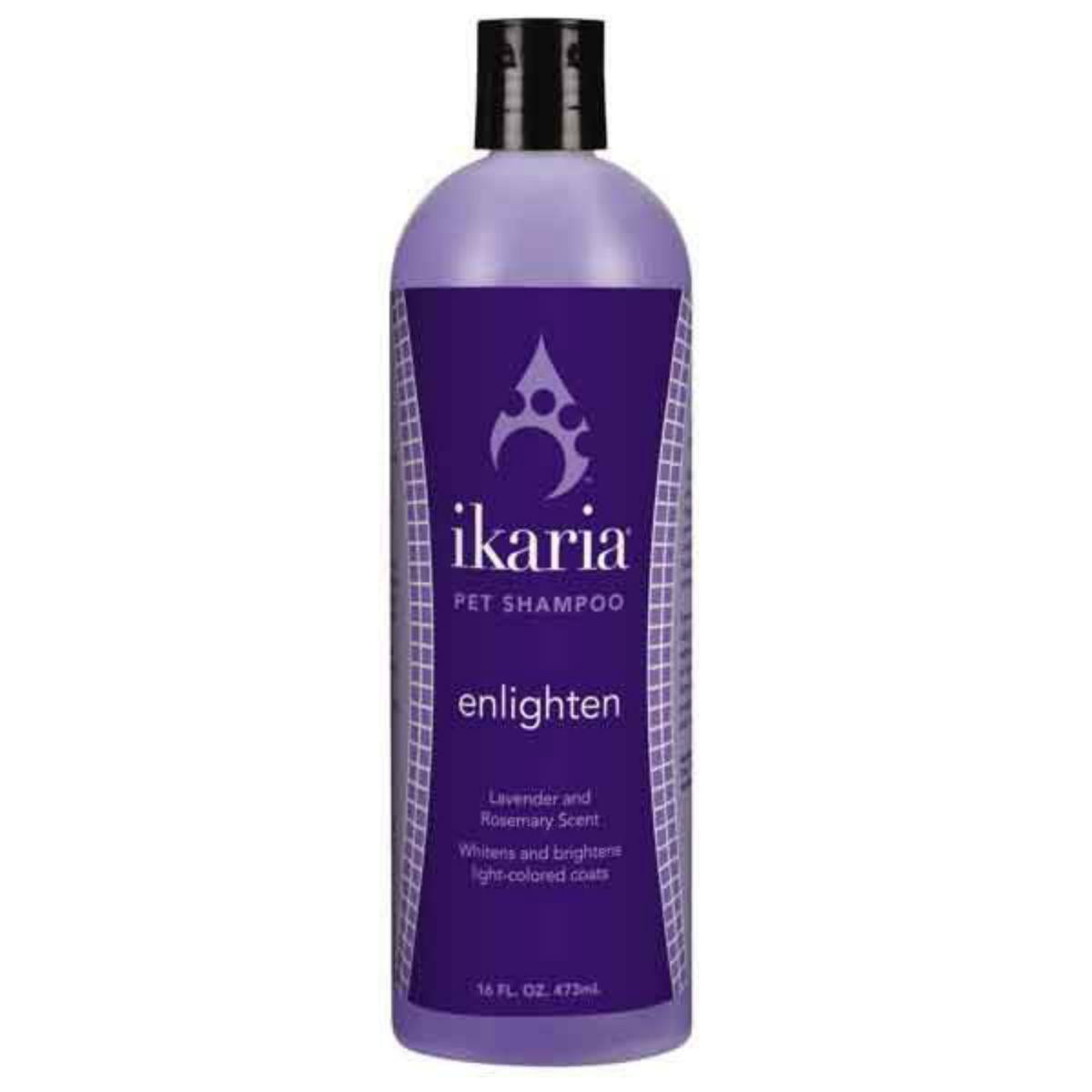
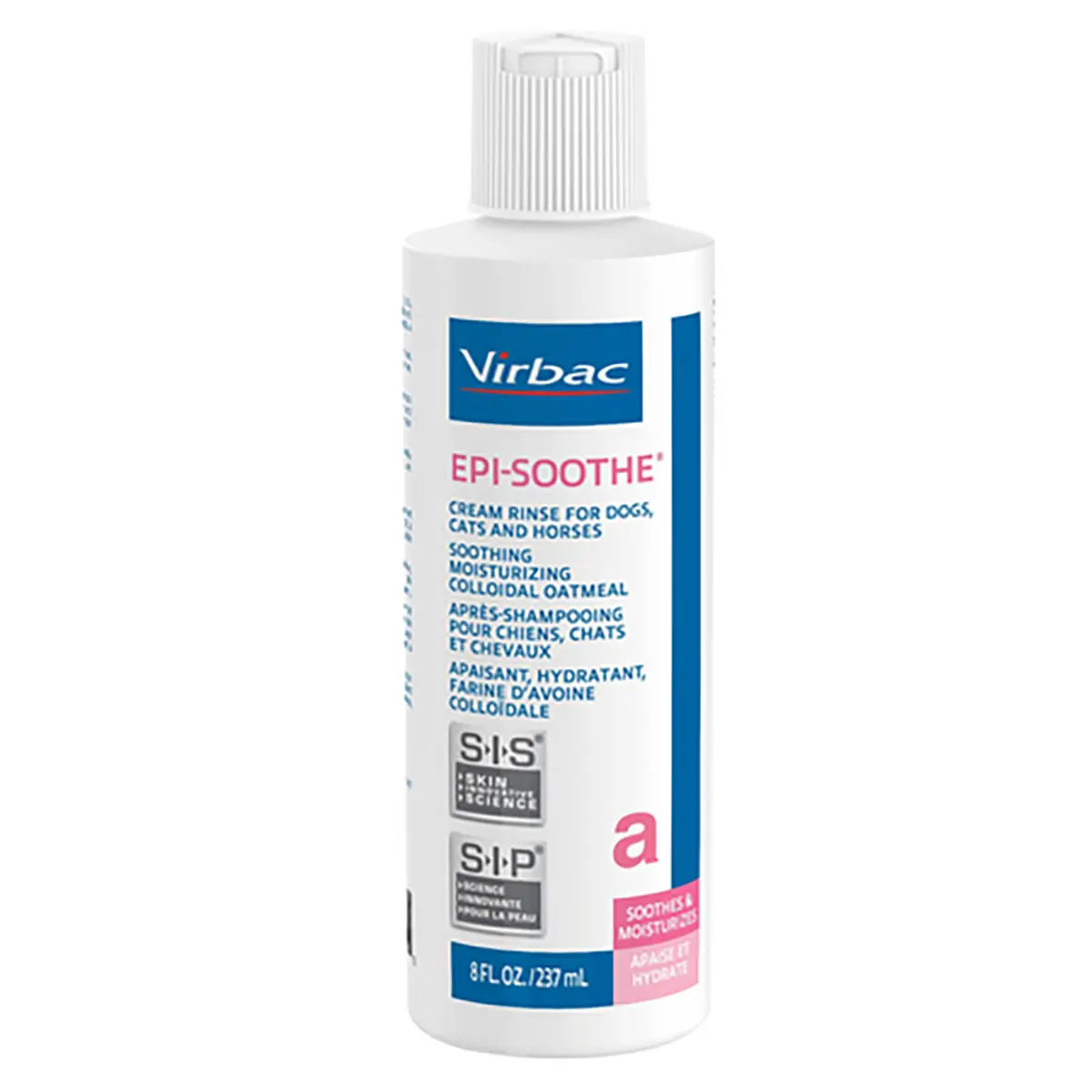
- For Dry, Flaky Skin: Look for moisturizing shampoos. Ingredients like oatmeal, aloe vera, and vitamin E are excellent. These help soothe the skin and lock in moisture without stripping away natural oils.
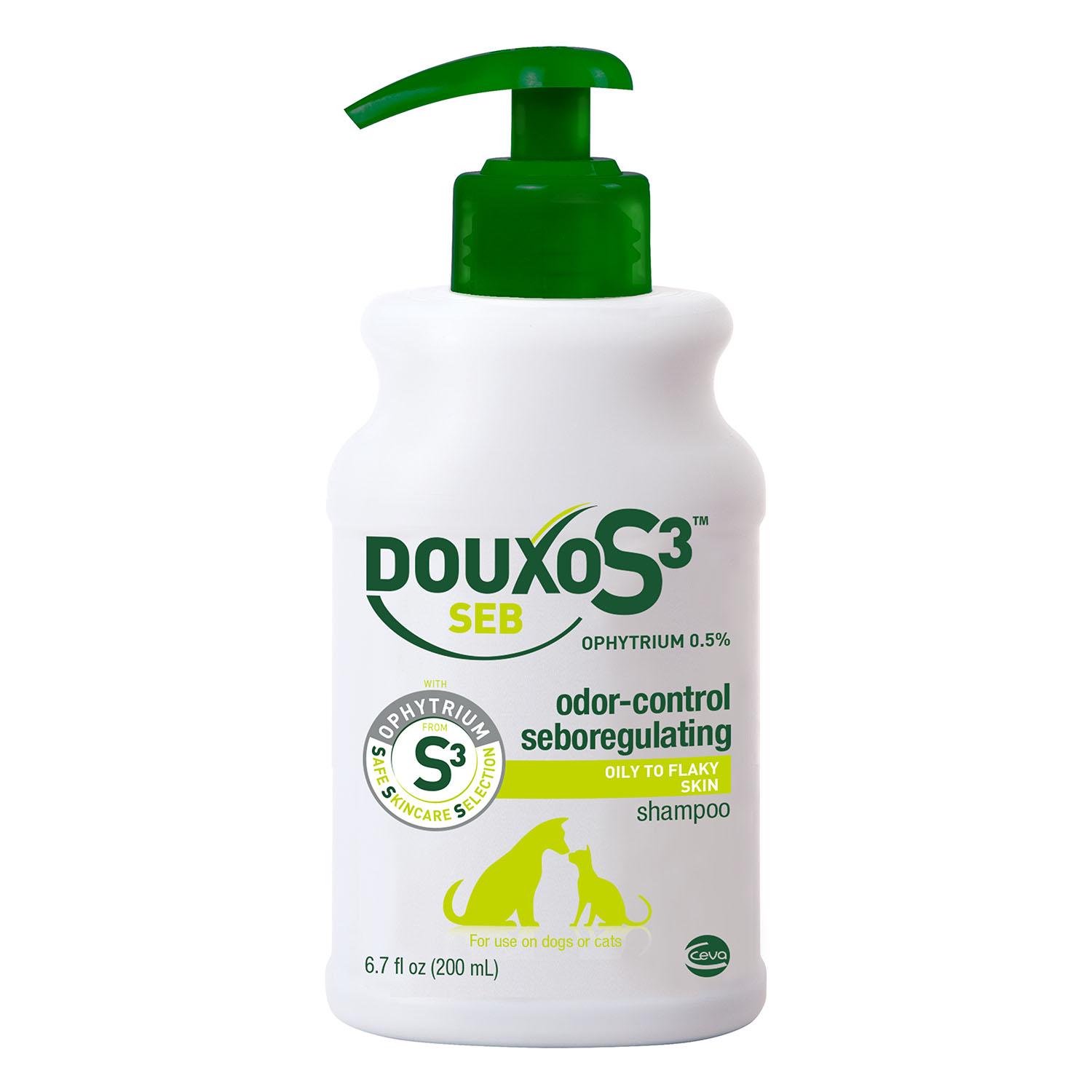
- For Oily Dandruff (Seborrhea): Some cats have "greasy" dandruff. This usually requires a degreasing shampoo. Look for ingredients like salicylic acid or sulfur. These help break down excess oil and encourage the skin to shed dead cells properly.
- For Irritated Skin: If the skin looks red or slightly inflamed, a hypoallergenic shampoo is best. These are usually free of fragrances and dyes that can make itching worse.
Important Ingredients to Check
- Omega Fatty Acids: Helps support the skin barrier.
- Colloidal Oatmeal: Provides immediate relief for itchy or dry skin.
- Salicylic Acid: Gently exfoliates dead skin cells.
- Benzoyl Peroxide: Useful for oily skin or clogged pores, but should only be used if recommended for specific conditions.
Bottom line: Choose a shampoo based on whether your cat's skin feels dry and papery or oily and heavy.
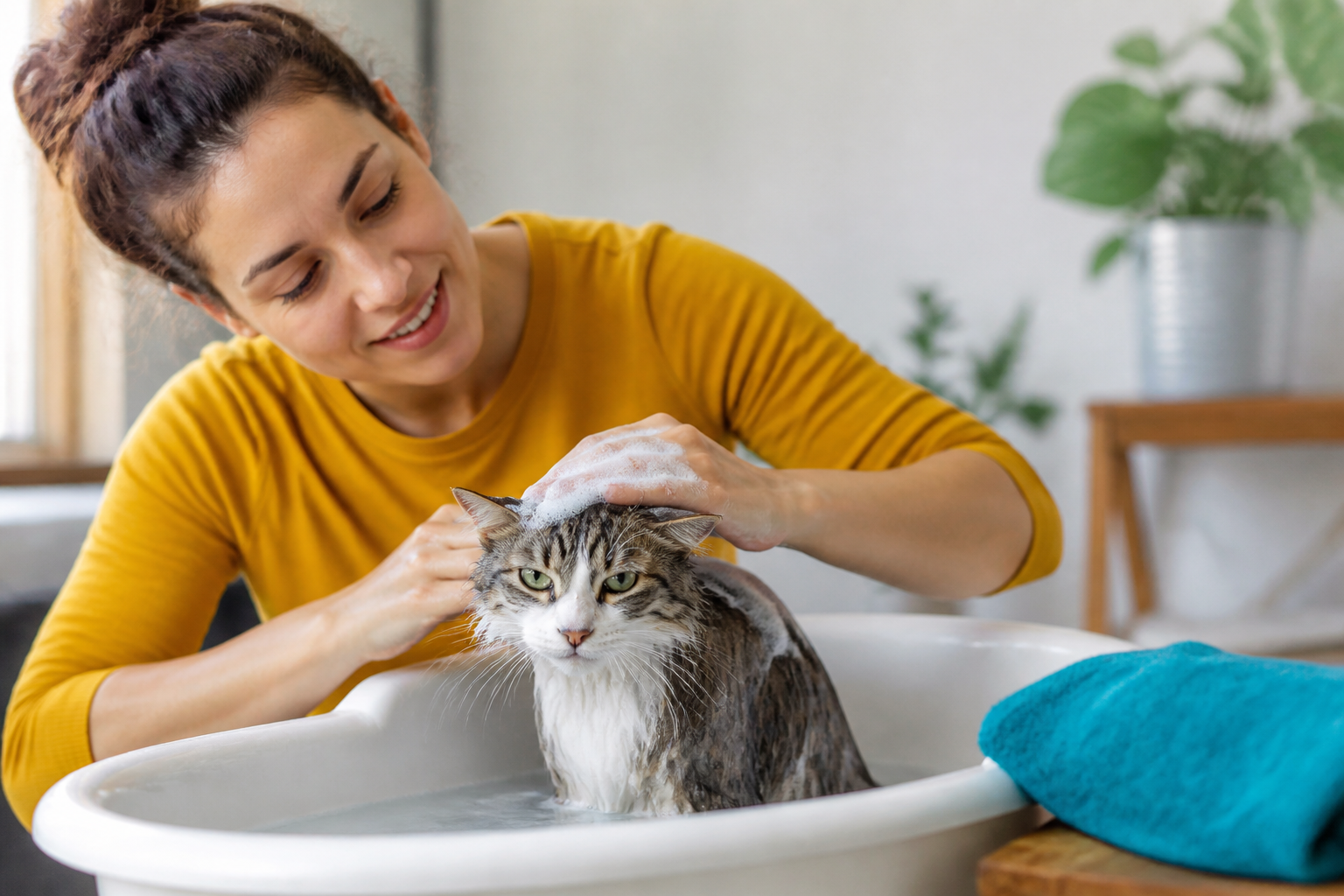
How to Bathe a Cat for Dandruff Relief
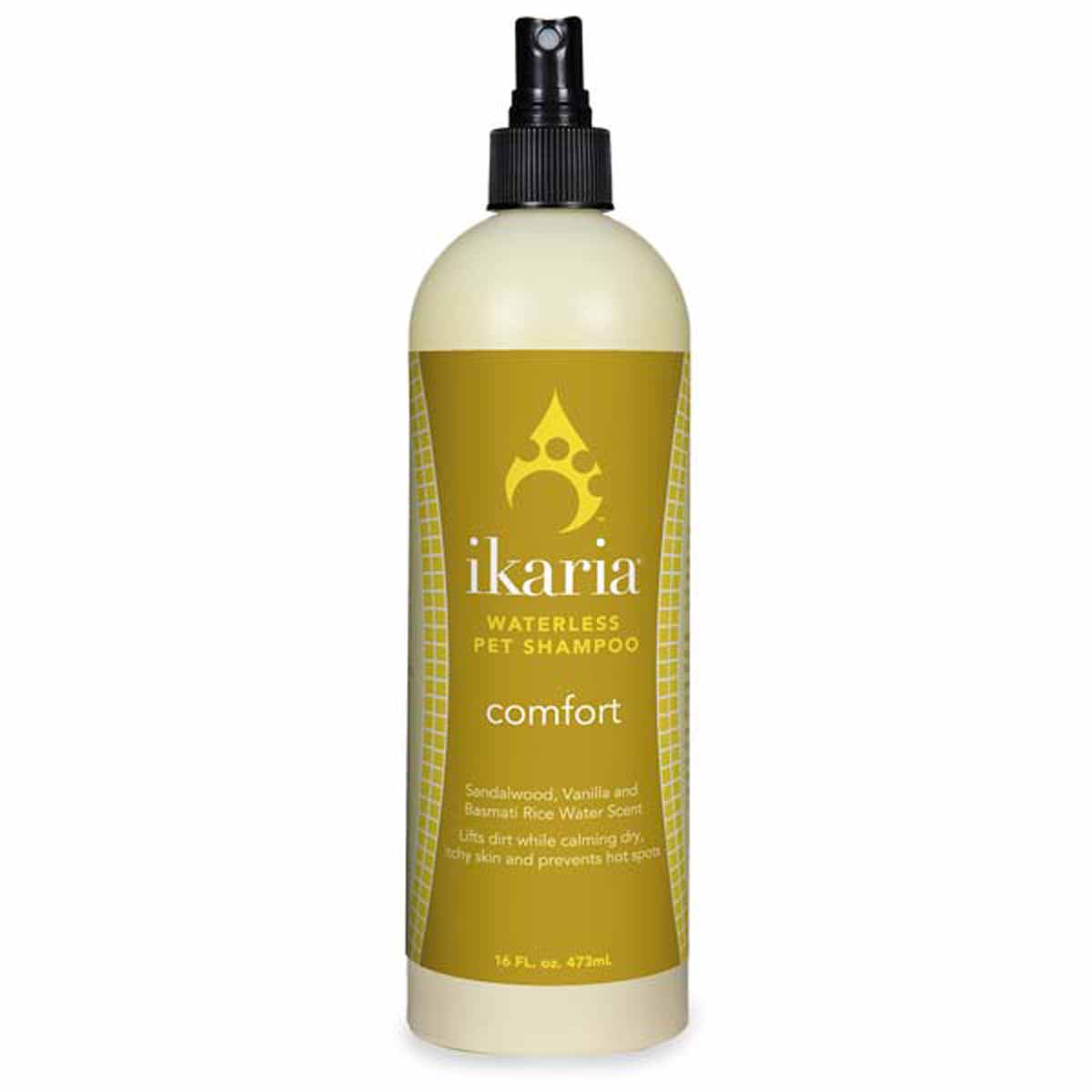
Most cats are not fans of the bathtub. However, if your cat's dandruff is severe or oily, a water-based bath is the most effective way to remove the buildup. If the dandruff is mild and caused by a lack of grooming, a damp cloth or a waterless foam might be enough.
Step 1: Prepare the area. / Place a rubber mat in the sink or tub so your cat does not slip. Have all your supplies, including the anti-dandruff cat shampoo and several towels, within arm's reach.
Step 2: Brush before the bath. / Removing loose fur and mats before the hair gets wet makes the process much easier. It also allows the shampoo to reach the skin more effectively.
Step 3: Use lukewarm water. / Avoid hot water, which can further dry out the skin. Use a low-pressure sprayer or a cup to gently wet the cat from the neck down. Avoid the face and ears entirely.
Step 4: Massage and wait. / Apply the shampoo and work it into a lather. If you are using a medicated shampoo, it often needs to sit on the skin for 5 to 10 minutes to be effective. Keep your cat warm during this time.
Step 5: Rinse thoroughly. / This is the most important step. Any leftover soap residue can cause more irritation and itching once the hair dries. Rinse until the water runs completely clear.
Step 6: Dry gently. / Blot the fur with a towel. Avoid using a blow dryer unless your cat is used to it, as the heat can dry out the skin you just tried to moisturize.
Practical Steps to Prevent Future Dandruff
Bathing is a temporary fix. To keep the flakes away long-term, you need a proactive routine. This is especially true for senior cats or those with long hair who cannot maintain themselves perfectly.
Daily Brushing
Brushing is the best way to prevent dandruff. It mimics the natural grooming process. A fine-tooth comb or a soft slicker brush removes dead skin cells before they can clump into visible flakes. It also distributes natural oils across the coat, which keeps the skin hydrated. Find brushes, combs, shampoos, and other supplies in our cat grooming collection.
Improve Hydration
Dry skin is often a sign of mild dehydration. Most cats do not have a high thirst drive. Adding wet food to their diet or using a pet water fountain can encourage them to consume more moisture. Proper hydration keeps the skin elastic and healthy.
Use a Humidifier
If you notice your cat only gets dandruff during the winter, the air in your home is likely too dry. Running a humidifier in the room where your cat sleeps can make a significant difference in their skin quality.
Maintain a Healthy Weight
Helping your cat stay at a lean weight ensures they can reach every part of their body. If your cat is currently struggling with weight, talk to your vet about a weight-management plan. Our cat healthcare selection includes products for cats with a range of wellness needs.
- Checklist for Skin Health:
- Brush for at least 5 minutes daily.
- Add a splash of water or tuna juice to dry food.
- Monitor the base of the tail for oil buildup.
- Check for fleas or mites once a month.
- Schedule an annual senior wellness exam for cats over seven.
The Role of Supplements and Pharmacy Care
Sometimes, even the best anti-dandruff cat shampoo and a perfect diet aren't enough. In these cases, targeted supplements can help. Fish oil or flaxseed oil supplements are popular choices for improving skin health. However, you should always consult your vet before adding supplements, as too much of certain vitamins can be harmful. One option is Zesty Paws Wild Alaskan Omega-3 Blend Pollock & Salmon Oil Supplement.
If the dandruff is caused by an underlying condition like an allergy, your vet might prescribe a specific medicated wash or an oral medication. We provide a convenient way to manage these needs. Through our pharmacy partnership, you can have prescription shampoos and medications delivered right to your door. This is a helpful resource for owners managing chronic skin conditions that require long-term care.
Key Takeaway: Long-term dandruff control requires a mix of proper grooming, hydration, and sometimes medical support from a veterinarian or pharmacist.
Summary of Feline Skin Care
Dealing with cat dandruff requires patience. It is often a process of trial and error to find the exact cause. Start by improving your cat's grooming routine and checking their diet. If the flakes persist, a gentle bath with an anti-dandruff cat shampoo can provide much-needed relief.
We are committed to helping you find the right tools for the job. Whether you need a high-quality brush, a moisturizing shampoo, or a prescription treatment from our pharmacy, we have the expertise to guide you. Remember that your cat's skin is their largest organ. Keeping it healthy is a vital part of keeping them happy.
To make sure you never run out of your favorite grooming supplies or skin-supportive foods, consider signing up for our Autoship programme. It saves you time and ensures your cat always has what they need to stay flake-free. Plus, our MVP Rewards programme lets you earn points on every purchase, from brushes to flea preventatives.
Bottom line: Consistent grooming and a watchful eye on your cat's mobility are the best defenses against a flaky coat.
FAQ
Can I use human dandruff shampoo on my cat?
No, you should never use human dandruff shampoos on cats. These products are formulated for a human's skin pH and often contain ingredients like zinc pyrithione or selenium sulfide, which can be toxic to cats. Always use a shampoo specifically labeled for feline use to ensure it is safe if they lick their fur.
How often should I bathe a cat with dandruff?
Most cats do not need frequent baths, and over-bathing can actually dry out the skin further and make dandruff worse. Generally, a medicated bath every 2 to 4 weeks is sufficient for treating a flare-up. Once the skin is healthy, you should transition to preventative care like daily brushing instead of regular bathing.
Is cat dandruff the same thing as fleas?
No, dandruff and fleas are different, but flea infestations can cause dandruff. Fleas are small, dark insects that move quickly through the fur, while dandruff consists of stationary white or gray skin flakes. If your cat has "flea dirt," which looks like black pepper, they have fleas, and the scratching caused by the bites is likely leading to skin flaking.
Why does my cat only have dandruff on their lower back?
The lower back and base of the tail are the most common spots for dandruff because they are the hardest areas for a cat to reach. If a cat is overweight, senior, or has arthritis, they may stop grooming these spots entirely. Regular brushing by the owner in these specific areas can usually clear up the flakes.






- Site & Contents BaxterBoo.com. BaxterBoo is located in the United States.
- Privacy & Security
- Terms of Use
- Accessibility Statement
