
 Save 15% on your 1st Autoship learn more

 Email us
 Live Chat
 FAQs
FAQs





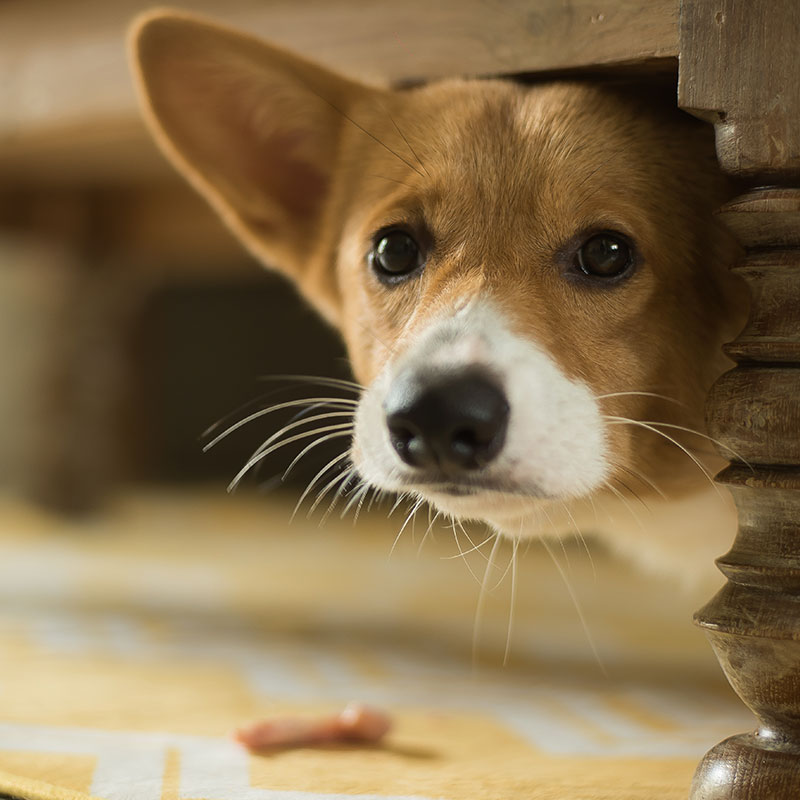
Anxiety isn't unique to humans—dogs experience it, too. As with humans, anxiety is a normal response to stress and keeps dogs alert to possible danger. However, constant or disproportionate anxiety can overwhelm your dog, cause them to act out or even take a toll on their health over time. It's also heartbreaking to watch a dog react in fear to well-meaning owners. Fortunately, there are ways to identify and address anxiety issues, both short- and long-term. If you have a dog that's prone to self-isolation, avoiding eye contact, fidgeting with nervous energy or exaggerated fight-or-flight responses, here is some advice to consider.
Common Signs of Anxiety
Dogs have distinctive tells in their behavior and body language for any emotion they're feeling at the time, from joy and curiosity to apprehension and anger. Individual tells can have various meanings, but taken together they portray a clear image of a dog's mental state. Anxiety is no different—the signs and symptoms are numerous, and while any one sign can indicate a usual anxiety response or even something entirely different, context clues are significant. These signs include:
-
Hiding or avoiding interactions
-
Pacing and fidgeting
-
Compulsive behaviors like licking, grooming, sniffing or shaking off
-
Trembling
-
Whining, whimpering or barking
-
Cowering or tucking tail between legs
-
Dilated pupils
-
Excessive drooling
-
Increased heart rate and panting
When many of the above signs happen concurrently or disproportionately, there's likely something more serious at work. Additionally, extreme symptoms—spontaneous urination or defecation, aggression, destructive behavior, self-trauma or refusal to eat—clearly indicate an unhealthy level of anxiety.
What Makes Dogs Anxious
Some common stressors are obvious—things that prompt a fear response. Many of these stem from unpredictability or unfamiliarity: loud noises, visual stimuli, new environments and strange people or animals. These stressors are easier for dog owners to manage by avoiding them or offering comfort. Separation anxiety is also common when dogs are unable to find comfort when left alone.
Illness is a root cause for many anxious behaviors, as well. This can result from the physical and mental decline that comes with aging; such anxiety responses have a gradual onset. For dogs that suddenly become more noticeably anxious when they usually aren't, disease can be the culprit, usually identified by related symptoms. Loss or weakness in one or more senses is a strong cause of anxiety, too, as afflicted dogs struggle to navigate their surroundings.
Unfortunately, sometimes a dog's anxiety has no apparent source. It could be a past event that went unnoticed or occurred before they joined your family—rescue and shelter dogs are frequently susceptible to anxiety because of this. High-energy breeds can be more susceptible to general anxiety, as well. Sometimes, it just comes down to personality quirks.
Tips For Easing Your Dog's Anxiety
Alleviating a dog's anxiety problems can be done in various ways, ranging from short-term responses to stressors to long-term lifestyle changes. Learning to identify and recognize your dog's anxiety triggers and body language is an important first step—this lets you plan ahead to avoid triggers or quickly step in to remove them when they arise. Physical contact is often a good way to ease fears, from petting and hugging to giving massages and brushing fur. Weighted blankets and anxiety jackets can soothe as well, provided you make sure your dog is comfortable in them. When out and about, a well-fitted harness is a must to help keep them reined in without choking or discomfort.
Physical and mental health are strongly linked in animals and humans alike. Regular exercise aids proper development in younger dogs and helps maintain fitness in older ones. Additionally, stimulation lifts the spirit and turns a dog away from destructive behaviors. Toys that you can hide treats in are especially exciting, and interactive toys can stimulate the mind and entertain dogs even when you're away. Combine these with proper nutrition for a happy, healthy and well-mannered dog.
Creating an accommodating environment is also crucial to mitigating anxiety. Start with a crate or playpen stocked with comfort items, a space that your dog can return to for peace and quiet. Add calming music or soft background noise and remove any unpleasant stimuli.
Professional Treatment
While many methods of addressing anxiety issues are easy to do yourself at home, sometimes you should consult a veterinarian, behaviorist or professional dog trainer when attempting treatment. Even if you stick to measures like the above, a professional can identify the nature of your dog's anxiety and advise you on a course of action, usually employing multiple strategies instead of relying on just one. Additionally, there is no one-size-fits-all treatment for dogs, and professional testing and insight is key to planning out the right treatment for yours.
Anti-anxiety medications exist for dogs , just like the ones for humans. Because these medications, and the types of anxiety they're used for, vary greatly, a board-certified expert must write a prescription tailored to your dog. This includes tests to determine which medications are safe for your dog, and in what dosage. The right medication can make a world of difference for severe cases of anxiety, though.
Medication is rarely taken alone, and a veterinary behaviorist will typically develop training to help your dog cope with stressful stimuli. Some training strategies include counterconditioning, which aims to teach the dog to respond to stress in other, less harmful ways; and desensitization, which is designed to gradually introduce the dog to a stressor so they can adjust to it. Because this training is not easy to perform, it's best to turn to a professional.
Understanding and managing anxiety in dogs is vital as an owner to ensure that your dog is able to live its best life. If you believe your dog suffers from severe anxiety, turn to a professional veterinarian for diagnosis and treatment plans.






