
 Save 15% on your 1st Autoship learn more

 Email us
 Live Chat
 FAQs
FAQs





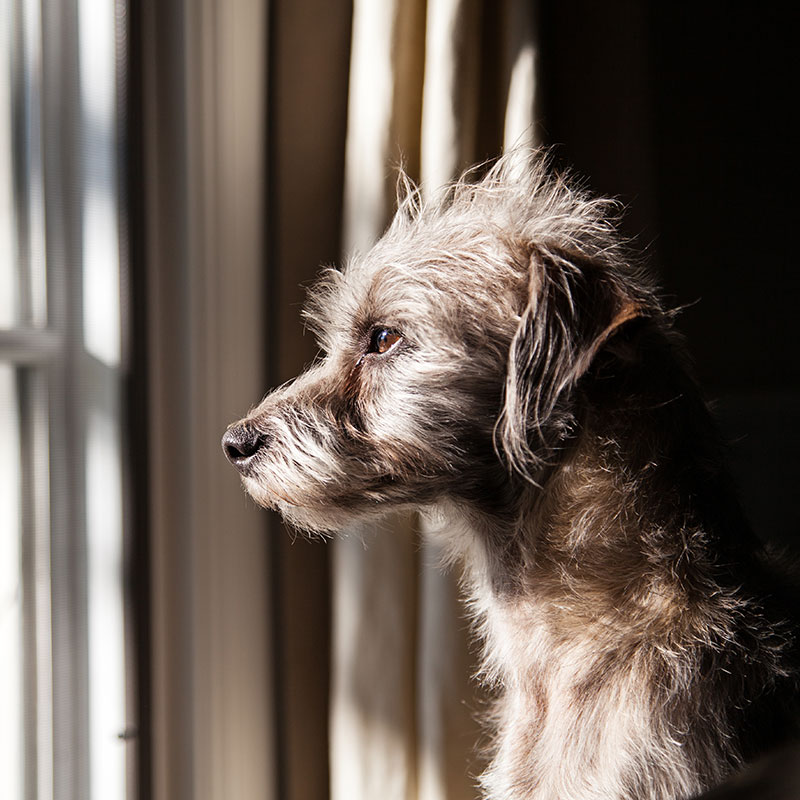
It is important to recognize that dogs, much like humans, can experience fear and anxiety. Dog Anxiety Awareness Week occurs annually from May 3-9, and it brings much-needed attention to the emotional well-being of your furry friend. In support of this initiative, this article can help provide some insight and help you recognize anxiety in your animal, in addition to understanding its similarities to human mental health response.
Think about nervousness from your own lens and experiences as a human, then consider a generally even-keel, friendly pup named Harry. Harry is representing your fur baby who may be experiencing some apprehensions. You can be a mental health helper for Harry.
Presumably, your dog does not speak English, so how does he express fear? Throughout Dog Anxiety Awareness Week (and every week, forever) you can look for these signs that may indicate uneasiness:
-
Behavioral reaction: like a human, your dog may visibly tense up and choose a fight or flight reaction to fear. If Harry prefers to fight, he may show aggression by showing his teeth, growling, and arching his back. If he chooses the flight reaction, Harry may hide under the bed, sleep more, act generally lethargic, and give less attention to his grooming habits. Humans can certainly relate!
-
Eating patterns: if Harry normally eats every ounce of food in his bowl, but now he barely touches his kibble, he may be fearful or nervous. He may also vomit or try to eat grass or irregular, non-edible diet choices. (Again, human, have you ever chewed your nails or a pen?)
-
Bathroom habits: your dog’s daily poop at 5:00pm may change. Harry might also experience an upset stomach, diarrhea, or constipation.
There are endless factors that may evoke anxiety in your pup, as every dog has different genetics and environmental influences, but it is helpful to be aware of the most common issues. What can trigger anxiety in your pet (and, essentially, in yourself)?
-
Physical location: would you feel comfortable mingling around an active construction zone? Chances are, if you would not feel secure, your dog would likely share your sentiments. Pay attention to large, intimidating machinery and objects in your local environments and within your own home (cue the monstrous vacuum cleaner sitting in the closet).
-
Loud noises: for dogs, the most anxiety-provoking holidays include New Years Eve and July 4th. Fireworks, gun shots, a knock on your front door can all be super scary for Harry.
-
Weather: Speaking of loud noises, have you ever been watching TV on your couch and you hear a terrifyingly deafening clap of thunder outside your window? Storms can be devastating to your home, your yard, and, potentially, your pet’s mental health. Some research also claims that animals can sense storms before they arrive! Hint: a compression wrap may help ease his thunderstorm fears.
-
Life changes: Have you recently welcomed a new baby, furry or otherwise, into your family? Humans go through emotional changes with the addition and/or loss of a loved one, and this significant change could impact Harry in a similar way. Consider other life changes that may change your mental health, too (Harry might not be as happy with your new job as you are).
-
Past experiences: perhaps you rescued your pup from a foster family with a misbehaving child. Unbeknownst to you, the child had aggressively pulled Harry’s tail in the past. Now, Harry may feel nervous around other children, or when anyone approaches his tail, as he could translate his past experiences to his current situation.
Now that you recognize Harry’s signs and causes for his anxious behavior, it is crucial to understand ways to adequately support him. Additionally, bear in mind how you prefer to be treated by your helpers; informed action yields pup-positive results!
Show Compassion
Allow your pet to stay in his or her safe zone, and do not try to force your affection onto him; Harry will let you know if snuggles and back scratches are welcomed or not. Providing a quiet, secure space and comfortable sleeping arrangement for your canine may allow him to calm his nerves and his racing mind.
Establish a Routine
Try to keep your animal’s schedule relatively unchanged. Consider your daily walks, playing ball in the back yard, and sticking to your feeding schedule. Hungry Harry is not a happy Harry! Though, remember that humans undergo changes frequently; perhaps you are planning a vacation at your friend’s beach house. Consider Harry’s needs for space, feeding, and exercise and how you can keep his daily processes as regular as possible.
Practice Patience
Consider a past event that made you fearful; maybe you stepped on a bee’s nest as a child. After being stung 12 times, did you wake up the next morning and think, “I feel fine! Bees don’t scare me.” Or, conversely, did you hold onto your fear and convert those feelings to future bee encounter terrors? Rebuilding your emotional health takes time. Be patient with Harry’s healing as you would with your own.
Ask the Experts
Your veterinarian has completed countless hours of research and training to learn how to positively impact your dog’s physical and mental health. Harry’s doctor may suggest some nutritional supplements, calming treats , mentally stimulating activity, toys, a warm and comfy bath , or other remedies and advice.
Remember, your dog’s mental stability should not only exist in the forefront of your thoughts during Dog Anxiety Awareness Week. Emotional well-being is vital for humans and dogs alike, and it requires consistent, positive effort. If and when life feels hairy for Harry, he will certainly be happy to have such a caring, compassionate mental health helper as his human.






