Save 15% on your 1st Autoship learn more

 Email us
 Live Chat
 FAQs
FAQs





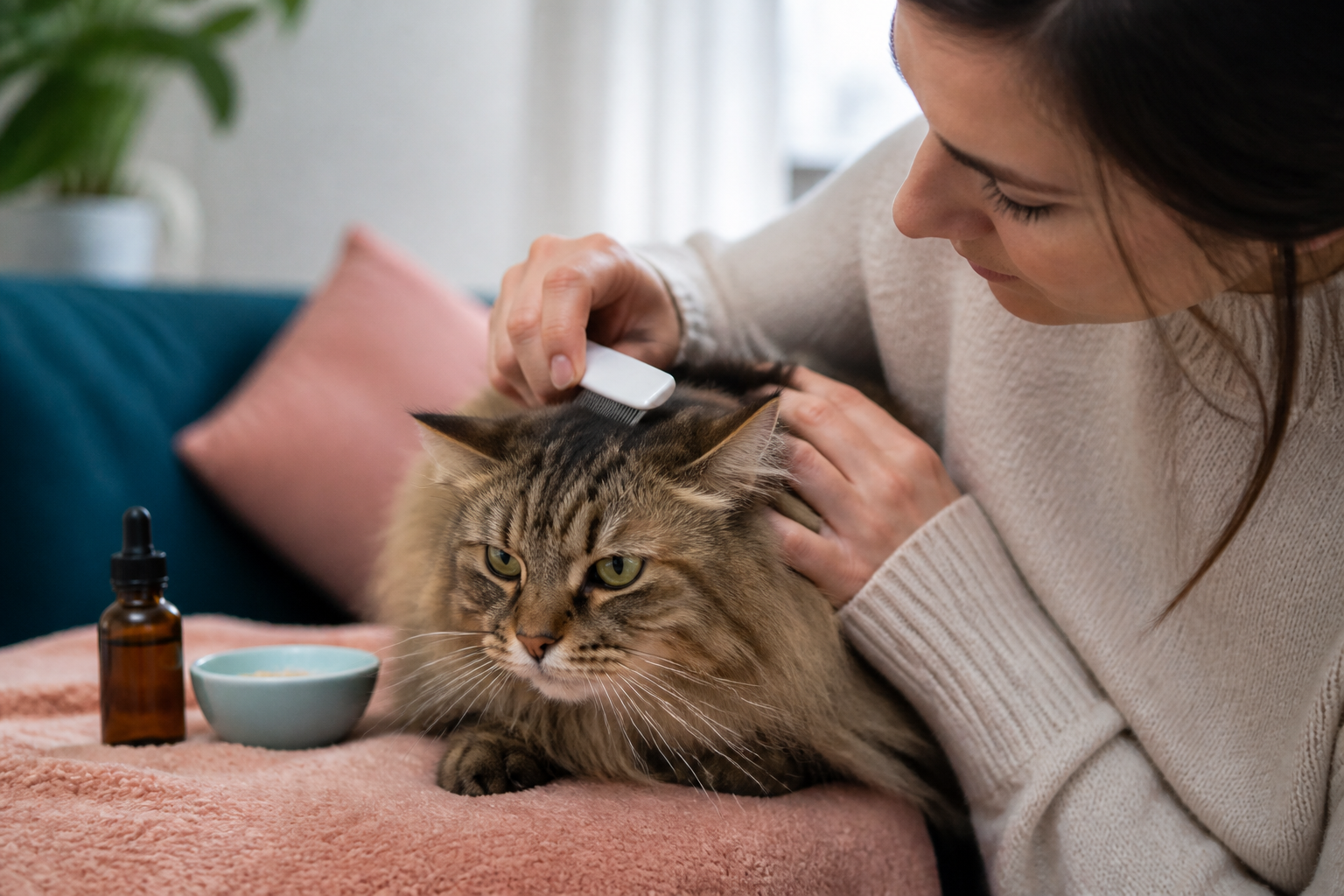
Introduction
You are relaxing on the sofa with your cat when you notice small white flakes scattered across their dark fur. Maybe you see them gathered at the base of the tail or left behind on a favorite blanket. While cats are famous for being meticulous groomers, even the most fastidious feline can struggle with flaky skin. At BaxterBoo, we talk to cat owners every day who are surprised to find that dandruff is not just a human problem. It is a common issue that can stem from simple environmental factors or more complex internal health changes. This guide will help you identify why those flakes are appearing and how you can support your cat's skin health. Understanding the root cause is the first step toward restoring that soft, glossy coat.
Quick Answer: Cat dandruff is the visible buildup of dead skin cells on the fur. It is often caused by low humidity, poor nutrition, or mobility issues like obesity and arthritis that prevent thorough grooming. Persistent or heavy flaking requires a veterinary visit to rule out parasites or underlying medical conditions.
Defining Feline Dandruff
It is important to distinguish between normal skin shedding and actual dandruff. All cats shed microscopic skin cells as part of a healthy growth cycle. This is known as dander. Dander is generally invisible to the naked eye, though it is the primary source of allergens for humans. Dandruff is different. It consists of larger, visible flakes that cling to the hair shafts or settle on the skin surface.
When you see these flakes, it means the natural process of skin cell turnover has sped up or the cells are not being cleared away. In a healthy cat, the grooming process removes these dead cells before they become noticeable. When you start seeing white specks, it is a signal that the skin barrier is stressed or the cat cannot keep up with their self-care routine.
Dandruff can appear dry and powdery or oily and waxy. Dry flakes are common in winter or arid climates. Oily dandruff often points to a condition called seborrhea, where the skin produces too much sebum. Both types suggest that the balance of oils and moisture in the skin has shifted.
The Role of Grooming and Mobility
One of the most common reasons we see for dandruff is a breakdown in the grooming routine. If a cat stops reaching certain parts of their body, dead skin and loose hair begin to accumulate. This buildup quickly turns into visible flakes.
Obesity and Accessibility
If a cat is carrying extra weight, they often lose the flexibility needed to reach their lower back and the base of their tail. These are the most common areas for dandruff to appear. The skin in these hard-to-reach spots becomes congested with dead cells and oils. Over time, this can lead to matting and further skin irritation. Helping your cat reach a healthy weight is often the most effective long-term cure for this type of flaking.
Arthritis and Senior Cats
Senior cats often suffer from osteoarthritis, which makes the twisting and contorting of grooming painful. A cat who used to be perfectly clean might start showing flakes along their spine because it hurts to reach back there. If you notice your older cat is less active or moving stiffly, their dandruff might actually be a sign of joint discomfort.
Dental Health
A cat uses their tongue and teeth to groom. If they have dental pain, gingivitis, or broken teeth, they may avoid grooming altogether. A sudden decline in coat quality often follows a decline in oral health. We recommend checking your cat's mouth if you notice they have stopped cleaning themselves as thoroughly as they used to.
Key Takeaway: Dandruff is frequently a secondary symptom of a mobility or comfort issue. If your cat cannot physically reach a spot to groom it, skin cells will build up and flake.
Environmental and Seasonal Triggers
The environment inside your home plays a massive role in your cat's skin health. Cats have sensitive skin that reacts quickly to changes in temperature and moisture levels.
Low Humidity
During the winter months, indoor heating systems strip the moisture out of the air. This dry air pulls hydration from your cat's skin, leading to a brittle coat and fine, powdery dandruff. You might notice your cat gets more "static" shocks during this time as well. Using a humidifier in the rooms where your cat spends the most time can make a significant difference.
Seasonal Transitions
As the seasons change, your cat’s coat undergoes a shedding cycle. During heavy shedding periods, the skin is working overtime to produce new hair and shed the old. This increased metabolic activity can lead to temporary flaking. Regular brushing during these transitions helps the skin breathe and prevents the undercoat from trapping dead cells.
Nutritional Foundations for Skin Health
Healthy skin starts from the inside. If a cat is not getting the right balance of nutrients, their skin barrier will be the first thing to suffer. The skin is the largest organ in the body, and it requires a significant amount of protein and fat to maintain itself.
Essential Fatty Acids
Omega-3 and Omega-6 fatty acids are the building blocks of healthy skin oils. Many commercial diets contain these, but some cats require higher levels to keep their skin supple. A deficiency in these fats often results in a dull, dry coat and persistent flaking. We carry several high-quality supplements that can be added to your cat's meals to bolster their intake of these vital nutrients, including options in our cat skin and coat care collection.
Protein Quality
Cats are obligate carnivores, meaning they require animal-based protein to thrive. Amino acids from protein are used to create keratin, the primary component of hair and skin. Diets that are too low in protein or use low-quality sources can lead to thin skin and a ragged coat. Brands like Farmina and Royal Canin focus on high-quality protein structures that support dermatological health.
Hydration
Cats often have a low thirst drive. If they eat only dry kibble, they may live in a state of mild, chronic dehydration. This lack of moisture shows up in the skin. Adding wet food to their diet or using a pet fountain to encourage drinking can help keep the skin hydrated from the inside out. Explore our cat food selection for options that can support your cat’s mealtime routine.
Vet Tip: If you notice your cat has dandruff alongside a sudden increase in thirst or urination, consult your veterinarian. These can be signs of systemic issues like diabetes or kidney disease that affect skin hydration.
Parasites and "Walking Dandruff"
Sometimes, what looks like dandruff is actually a living organism. Several parasites can cause scaling and flaking that mimic simple dry skin.
Cheyletiella Mites
There is a specific condition known as Cheyletiella, or walking dandruff. These large, light-colored mites move around under the scales of the skin. From a distance, it looks like your cat has a bad case of flakes. Up close, you might actually see the flakes moving. These mites are highly contagious to other pets and can cause itchy red bumps on humans.
Fleas and Flea Dirt
Flea infestations often cause skin irritation and allergic reactions called flea allergy dermatitis. This inflammation leads to rapid skin cell turnover and flaking. You may also see flea dirt, which looks like small black pepper flakes. If you see white flakes mixed with black specks, fleas are likely the culprit. For more information, read our guide to flea and tick prevention products.
Ringworm
Despite the name, ringworm is a fungal infection. It often causes circular patches of hair loss with crusty, flaky skin in the center. Ringworm is zoonotic, meaning it can spread to you and your family. It requires specific antifungal treatment from a veterinarian.
Underlying Medical Conditions
In some cases, dandruff is a "canary in the coal mine" for internal health problems. When the body is stressed by a chronic illness, it redirects resources away from non-essential functions like maintaining a shiny coat.
Endocrine Disorders
Hyperthyroidism and diabetes are common in middle-aged and senior cats. Both conditions can cause changes in skin texture, coat oiliness, and grooming habits. A cat with hyperthyroidism might have a greasy, unkempt coat with heavy dandruff, while a diabetic cat might have very dry, thinning skin.
Allergies
Cats can develop allergies to things in their environment or ingredients in their food. This allergic response often manifests as itchy, inflamed skin. As the skin tries to heal from the inflammation, it produces excess cells, leading to a cycle of itching and flaking.
The BaxterBoo Pharmacy
When a vet diagnoses an underlying condition or a parasitic infection, they will often prescribe specific medications or therapeutic diets. Our cat pharmacy offers FDA-approved medications and prescription pet foods through our partnership with Pet's Choice. This includes treatments for allergies, thyroid management, and prescription-strength flea and tick preventives. Having access to these products in one place makes it easier to manage your cat's long-term health.
At-Home Management and Grooming
If your vet has ruled out serious medical issues, you can manage most cases of dandruff with a consistent home care routine.
Step-By-Step: Improving the Coat
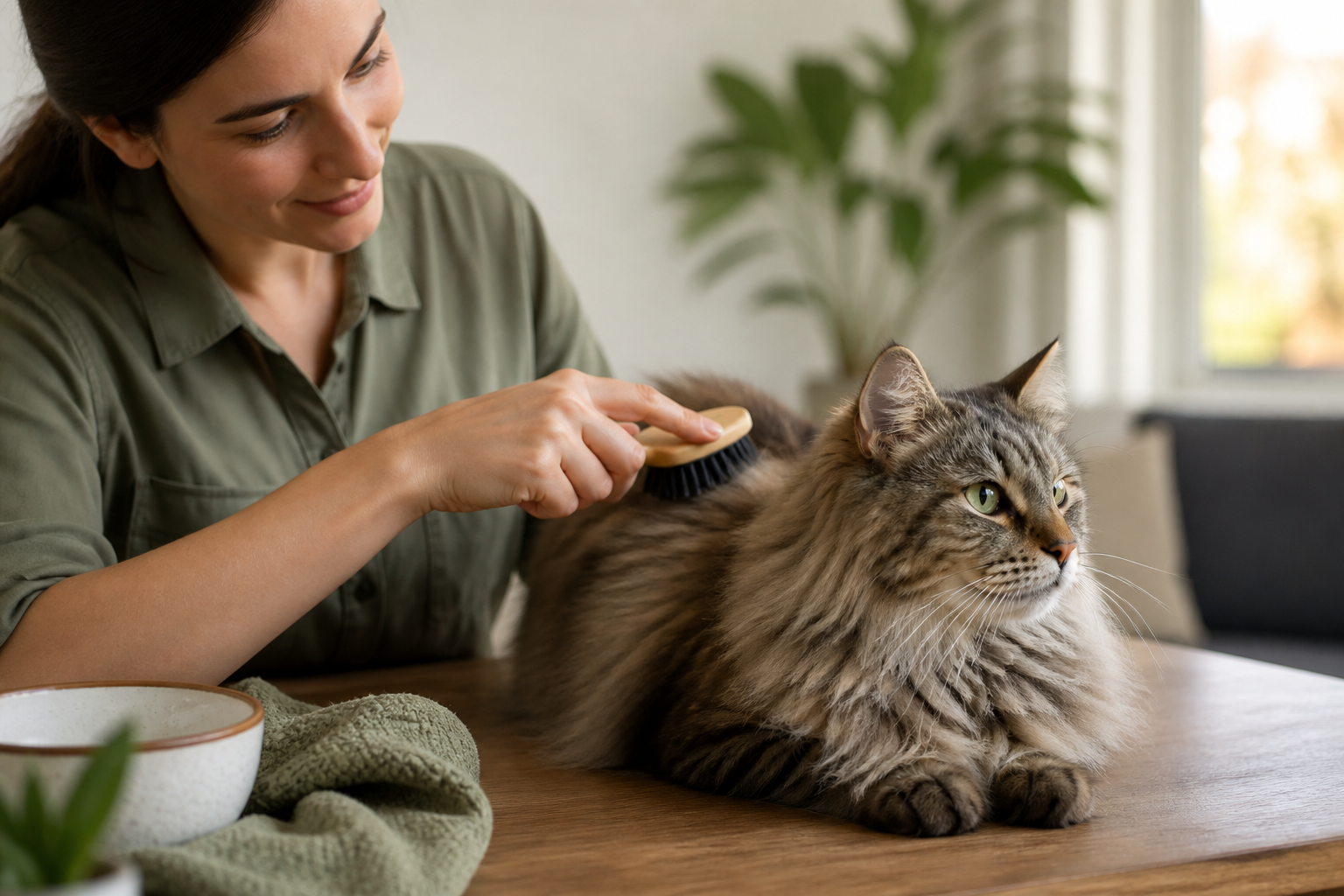
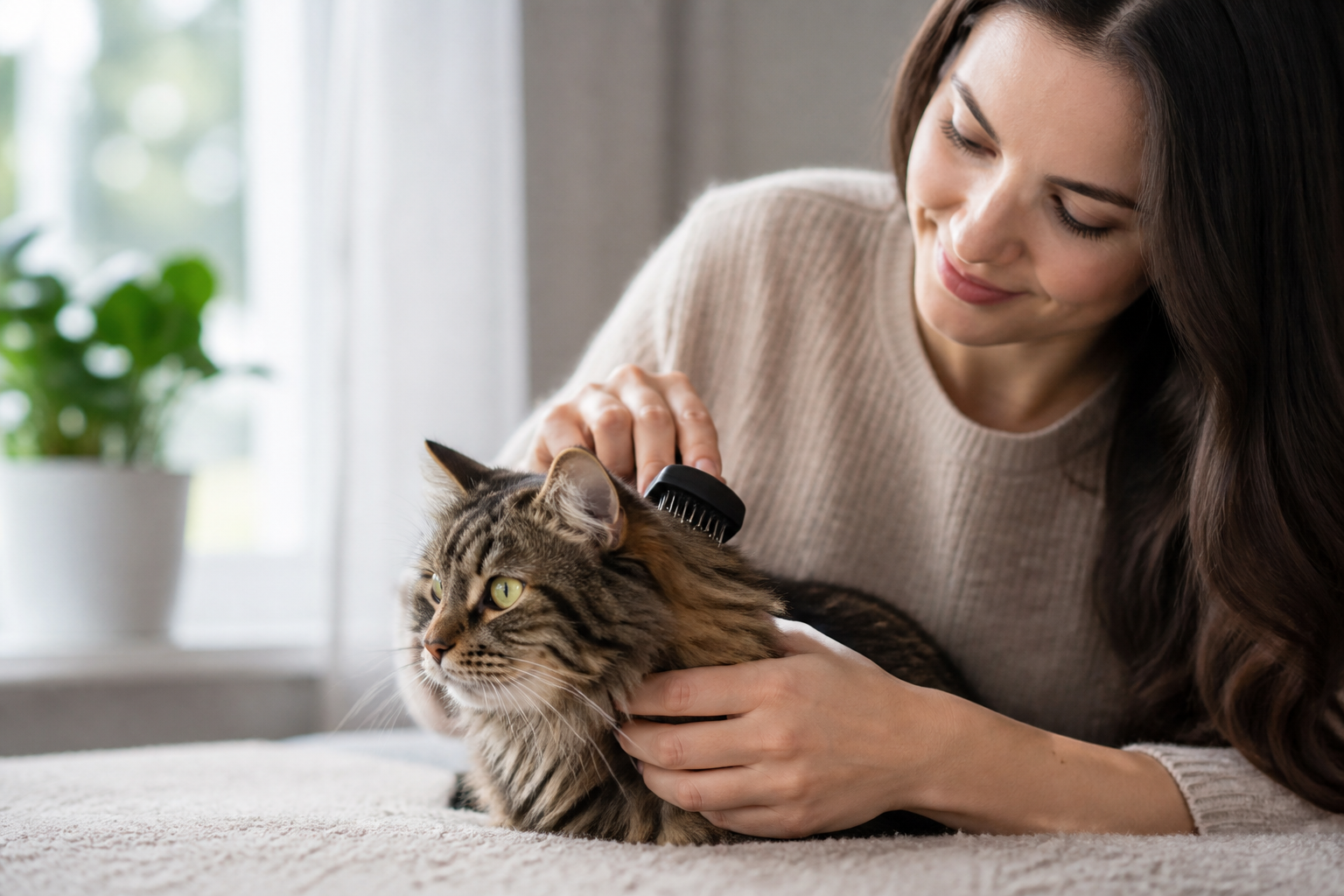
Step 1: Choose the right brush. / Use a soft slicker brush or a rubber grooming tool like a ZoomGroom to gently lift dead skin and loose hair.
Step 2: Establish a daily routine. / Brush your cat for five to ten minutes every day to distribute natural oils across the coat.
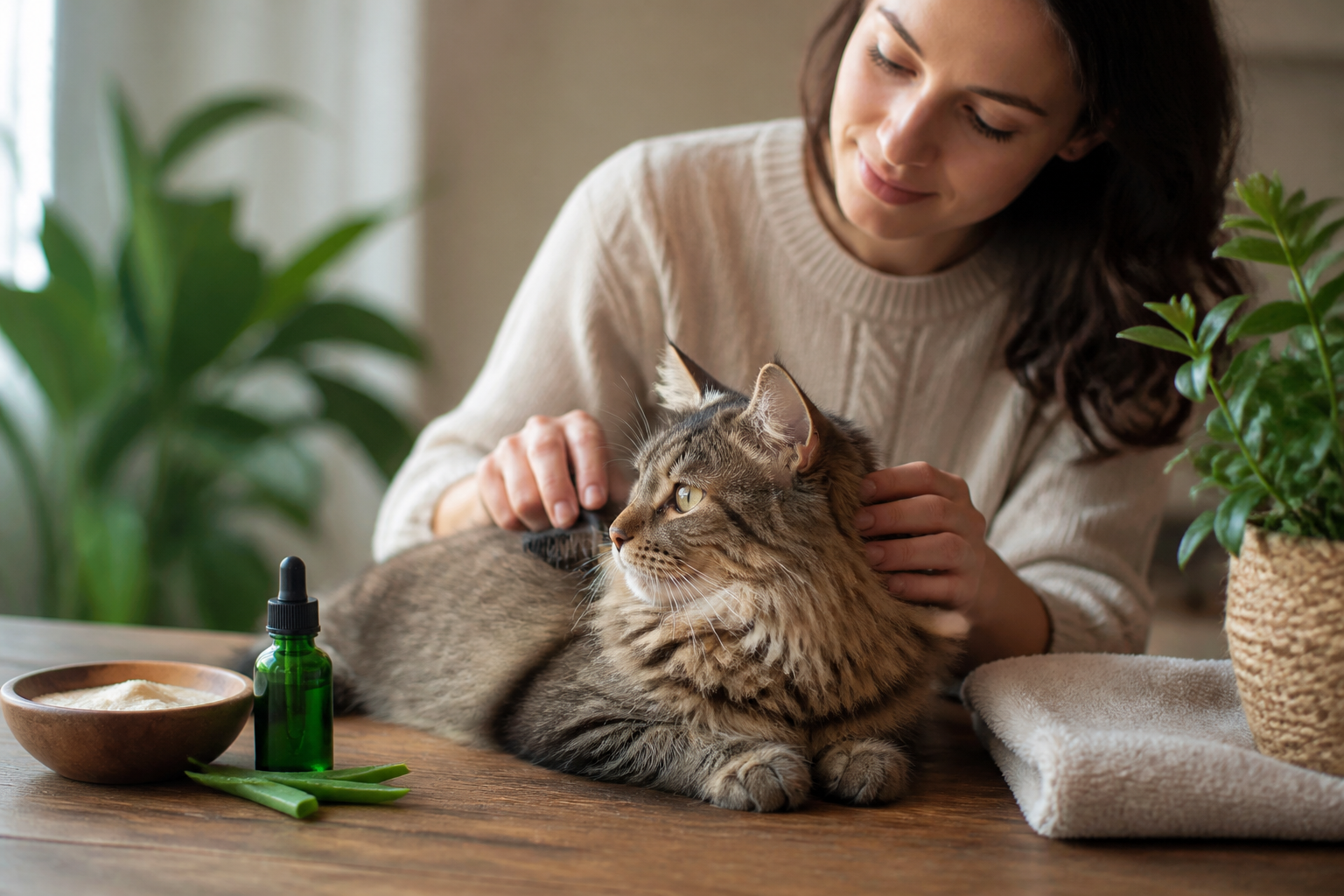
Step 3: Use a waterless shampoo. / If your cat hates baths, a moisturizing foam or feline-safe grooming wipe can help remove flakes and hydrate the skin without the stress of a tub.
Step 4: Monitor the environment. / Keep your home's humidity levels stable and ensure your cat has a quiet, stress-free place to rest.
Choosing the Right Supplies
Avoid using human dandruff shampoos on your cat. Many human products contain ingredients like zinc or salicylic acid that can be toxic to felines if ingested during grooming. Stick to products specifically formulated for cats. We carry a wide range of gentle, soap-free shampoos and conditioners in our cat grooming and skin care collection that support the feline skin pH.
Key Takeaway: Consistent, gentle brushing is the most effective way to clear away dandruff and encourage the production of healthy skin oils.
When to See the Veterinarian
While a few flakes might just be a sign of dry winter air, you should not ignore persistent dandruff. We recommend a veterinary visit if you notice any of the following:
- Intense itching or over-grooming
- Red, inflamed, or bleeding skin
- Patches of hair loss
- A foul odor coming from the skin or coat
- The flakes appear to be moving (potential mites)
- Changes in appetite, thirst, or litter box habits
A vet can perform a skin scraping to look for mites or run blood work to check organ function. Identifying the cause early can prevent a minor skin issue from becoming a painful infection.
Vet Tip: Always consult your vet before starting any new supplement or medicated shampoo, especially if your cat has a history of sensitive skin or other health conditions.
Summary of Solutions
Managing cat dandruff is often a multi-pronged approach. By addressing the environment, nutrition, and physical ability to groom, you can usually clear up the flakes and get your cat's coat back to its best.
- Environmental: Increase humidity and reduce stress.
- Nutritional: Ensure high-quality protein and consider Omega-3 fatty acid supplements.
- Physical: Help overweight or senior cats with daily brushing in hard-to-reach areas.
- Medical: Use flea prevention year-round and treat any underlying infections through our pharmacy.
Bottom line: Feline dandruff is a visible sign of an invisible imbalance, and most cases respond well to improved grooming and better nutrition.
Conclusion
Seeing dandruff on your cat can be worrying, but it is usually a manageable condition with the right approach. Whether the flakes are caused by the dry winter air or a senior cat needing a little extra help with their beauty routine, your attention makes a difference. By focusing on high-quality nutrition, regular grooming, and routine veterinary care, you can keep your cat's skin healthy and their coat gleaming. At BaxterBoo, we are here to support you with the expert-curated food, grooming tools, and pharmacy services your cat needs to thrive. Consider signing up for our Autoship program to ensure you never run out of the supplements or flea preventives that keep your cat flake-free.
FAQ
Is cat dandruff the same as human dandruff?
While they look similar, the causes are often different. Human dandruff is frequently linked to a yeast-like fungus, whereas cat dandruff is more commonly caused by environmental dryness, poor grooming, or underlying health issues. You should never use human dandruff products on a cat because the ingredients can be toxic to them.
Can I get rid of cat dandruff by giving my cat a bath?
Bathing can help remove existing flakes, but it often dries out the skin further if done too frequently or with the wrong products. It is usually better to use a feline-specific moisturizing spray or waterless foam. Focus on daily brushing to distribute natural oils rather than relying on baths.
Does my cat have dandruff because of their food?
Diet plays a huge role in skin health, and a lack of essential fatty acids or low-quality protein can definitely lead to flaking. Switching to a premium food or adding a high-quality fish oil supplement can often resolve dandruff caused by nutritional gaps. Always transition to a new food slowly to avoid digestive upset.
What is the black "dandruff" I see on my cat?
If the flakes are black rather than white, it is likely flea dirt rather than dandruff. Flea dirt is actually digested blood from fleas and will turn reddish-brown if placed on a wet paper towel. If you see black specks, you should start a flea treatment immediately and consult our pharmacy for prescription-strength options.