Save 15% on your 1st Autoship learn more

 Email us
 Live Chat
 FAQs
FAQs





Introduction
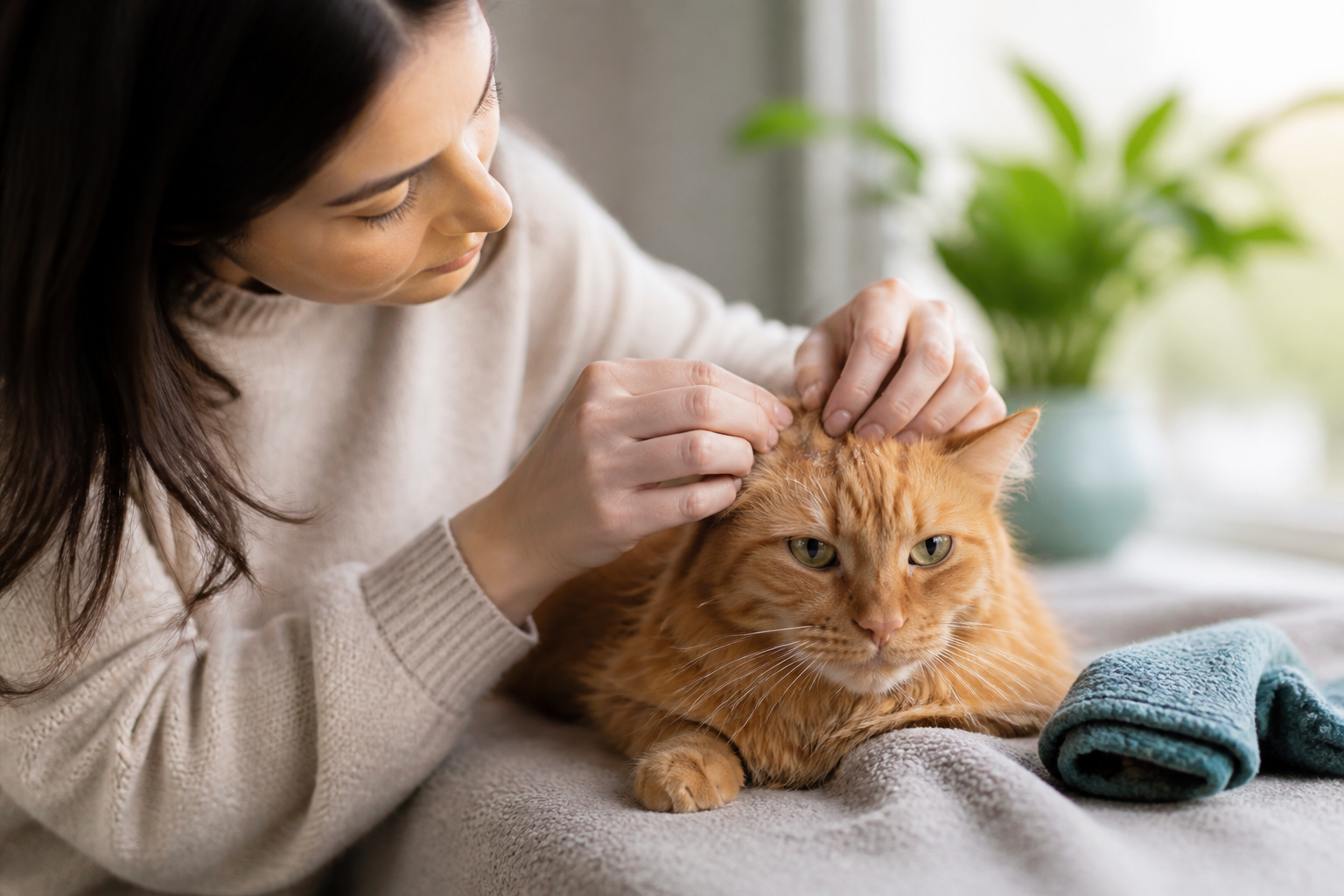
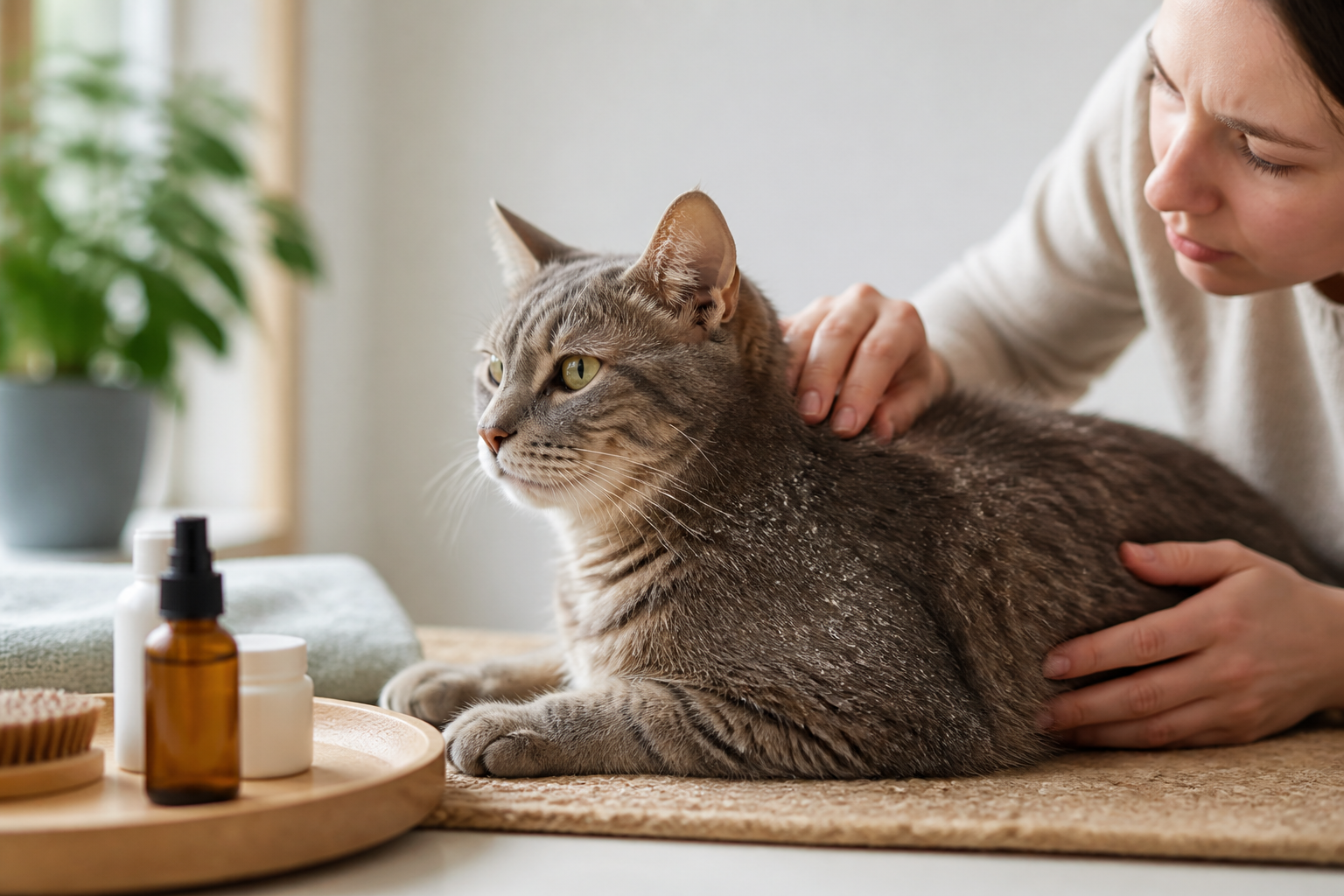
You are relaxing on the sofa with your cat when you notice a dusting of white flakes on their dark fur. It looks exactly like human dandruff. This is a common sight for many pet owners. It often signals that your cat's skin needs a little extra attention. At BaxterBoo, we know that a healthy coat starts from the inside out. While a few flakes might seem like a minor grooming issue, they can sometimes point to underlying health concerns or environmental stressors. This post covers the most frequent causes of feline skin flakes and practical ways to restore your cat's shiny coat. Understanding why your cat has dry skin and dandruff is the first step toward helping them feel comfortable again.
Quick Answer: Cat dandruff is the excessive shedding of dead skin cells. It is usually caused by low humidity, poor nutrition, or difficulty grooming due to age or weight. While often manageable at home, persistent flakes may require a veterinary checkup to rule out parasites or health conditions.
Understanding Feline Dandruff vs. Dander
It is important to distinguish between dandruff and dander. Every healthy cat produces dander. Dander consists of microscopic skin cells that shed naturally as the skin renews itself. You generally cannot see dander with the naked eye. It is the substance that often triggers allergies in humans.
Dandruff is different because it is visible. These are the larger white or gray flakes you see sitting on top of the fur. When the skin's natural cycle of regeneration speeds up, these cells clump together. This creates the visible debris you notice during a petting session.
| Feature | Cat Dander | Cat Dandruff |
|---|---|---|
| Visibility | Microscopic and invisible | Large visible white or gray flakes |
| Status | Normal and healthy | Sign of skin irritation or imbalance |
| Detection | Noticed by allergy sufferers | Seen on fur, bedding, or furniture |
| Cause | Natural skin cell turnover | Dryness, diet, or medical issues |
Key Takeaway: Dander is a normal biological process, but visible dandruff is a sign that your cat's skin barrier is struggling.
Environmental Triggers for Dry Skin
The environment inside your home plays a major role in your cat's skin health. Dry air is one of the most common culprits. During the winter, indoor heating systems strip moisture from the air. This causes your cat's skin to lose water. The result is itchy, flaky skin that persists until the humidity levels rise.
Low humidity does more than just cause flakes. It can make your cat's coat feel brittle and static-prone. You might notice your cat twitching their skin more often or grooming excessively to find relief.
To help your cat through dry seasons:
- Place a humidifier in the rooms where your cat spends the most time.
- Keep your cat away from direct heat vents or radiators.
- Provide multiple fresh water sources to encourage hydration.
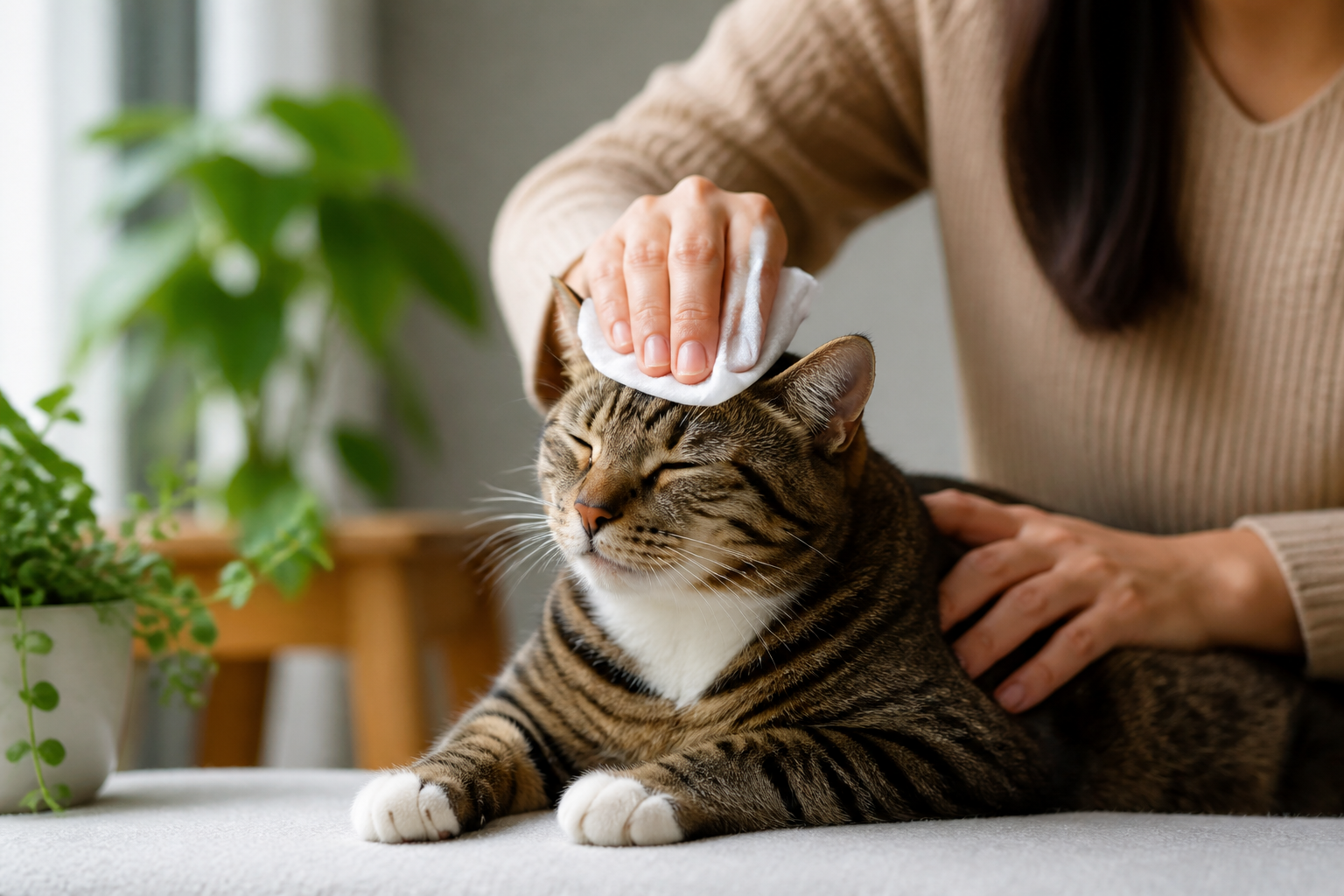
- Use a damp cloth to wipe down their fur and reduce static.
If your cat's skin improves when the weather changes, the environment is likely the main factor. However, if the flakes remain during humid months, you should look closer at their diet or health.
The Role of Nutrition and Hydration
A cat's skin and coat require a significant amount of the protein and fat they consume. If their diet is lacking in essential fatty acids, the skin is often the first place to show signs of trouble. Omega-3 and Omega-6 fatty acids are vital for maintaining a healthy skin barrier. These nutrients help lock in moisture and reduce inflammation.
Many cats also struggle with chronic low-level dehydration. Cats have a low thirst drive. In the wild, they get most of their moisture from their prey. A diet consisting only of dry kibble can leave them slightly dehydrated. This lack of internal moisture leads directly to dry, flaky skin.
Consider these dietary adjustments:
- Incorporate high-quality wet food to increase daily water intake.
- Add a fish oil supplement to their meals after consulting your vet.
- Check your cat food label for named fat sources like salmon oil or chicken fat.
- Avoid foods with excessive fillers that provide little nutritional value.
For moisture-rich meal options, explore our cat food selection.
Bottom line: Healthy skin starts with proper hydration and a diet rich in essential fatty acids.
Why Some Cats Cannot Groom Properly
Cats are famous for their meticulous grooming habits. They spend a large portion of their day cleaning themselves. This process removes loose hair and dead skin cells. When a cat stops grooming effectively, dandruff quickly builds up.
Obesity is a major reason for poor grooming. Overweight cats often cannot reach their lower back or the base of their tail. This leads to a concentrated patch of dandruff and matted fur in those areas. Weight management is essential for more than just heart health. It is a critical part of skin care.
Senior cats often face similar struggles. Conditions like osteoarthritis make it painful for them to twist and reach certain spots. If you notice dandruff specifically on the lower back of an older cat, it may be a sign of joint stiffness.
Vet Tip: If your cat is struggling to groom, a veterinary exam can help identify if pain or weight is the cause. Our pharmacy carries prescription diets and medications for joint support and weight management through our partnership with Pet's Choice.
Identifying Parasites and Infections
Sometimes, what looks like dry skin is actually a sign of uninvited guests. Several parasites cause flaking and irritation. The most notable is the Cheyletiella mite. This condition is often called walking dandruff. The mites are large enough to be seen moving under the flakes.
Fleas can also lead to dandruff. Some cats have a flea saliva allergy. A single bite can cause intense itching and skin inflammation. This leads to scratching, which creates more flakes and sometimes sores or scabs.
Fungal infections like ringworm are another possibility. Ringworm usually presents as circular patches of hair loss with flaky, red skin. This is a contagious condition that can spread to humans and other pets. If you see localized patches of flakes combined with hair loss, see your veterinarian immediately.
For prevention options, browse the cat flea and tick collection.
- Check for tiny black specks in the fur (flea dirt).
- Watch for intense scratching or biting at the skin.
- Look for any redness, bumps, or crusty patches.
- Inspect other pets in the house for similar symptoms.
Health Conditions Linked to Dandruff
Persistent dandruff can sometimes be a symptom of a systemic health issue. When the body is fighting an internal problem, skin health often suffers. Several common feline diseases are linked to changes in the coat.
Diabetes mellitus and hyperthyroidism are two frequent culprits. These conditions can change the way a cat's body processes nutrients and maintains its skin. You might notice a greasy or dull coat alongside the dandruff. Kidney disease can also cause dehydration, which leads to dry skin.
Allergies are another major factor. Cats can be allergic to ingredients in their food or environmental triggers like pollen and dust. These allergies often manifest as skin irritation. If your cat is itchy and flaky year-round, an allergy trial might be necessary.
Key Takeaway: Skin is a window into your cat's overall health, and persistent dandruff deserves a professional medical look.
Home Care and Grooming Solutions
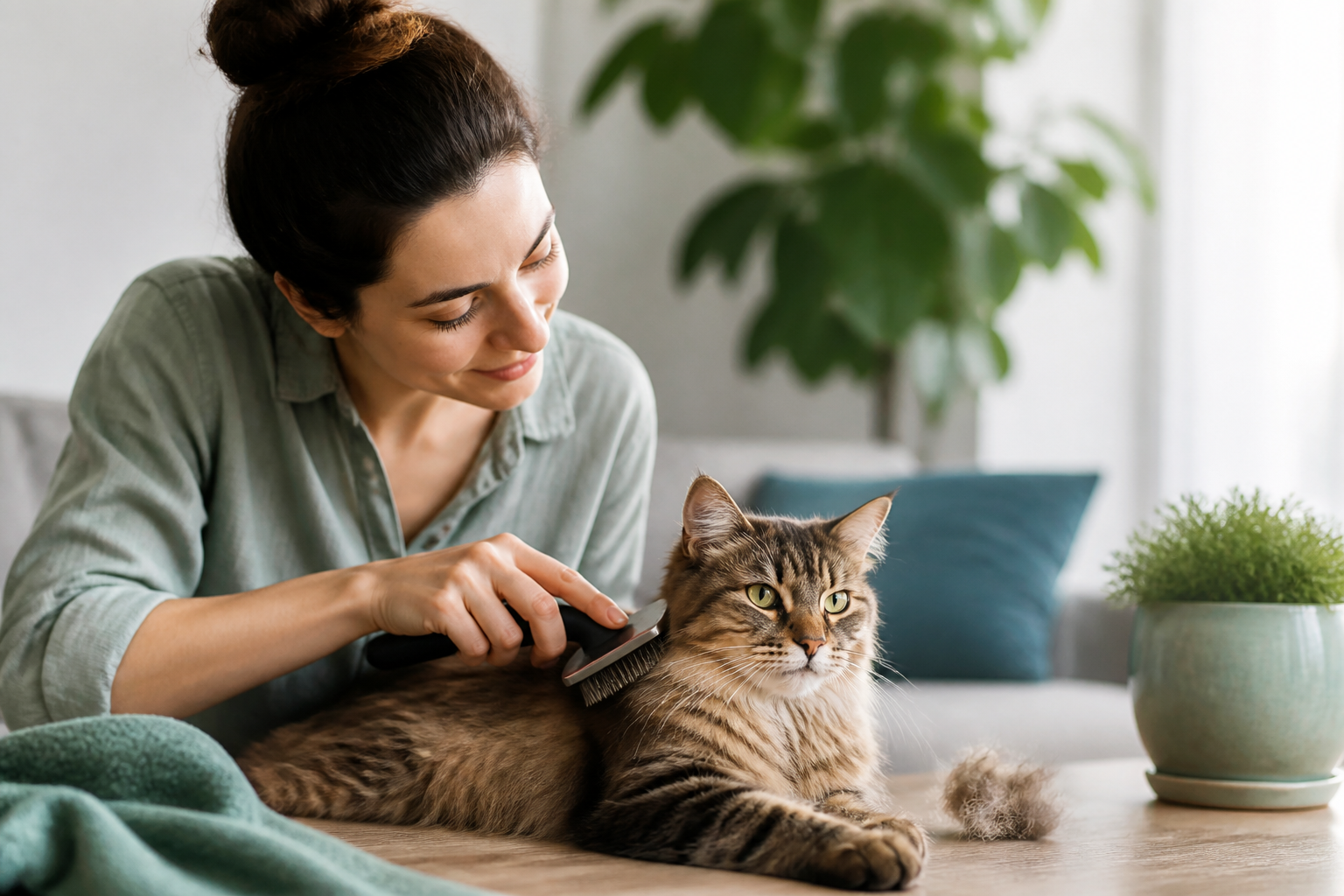
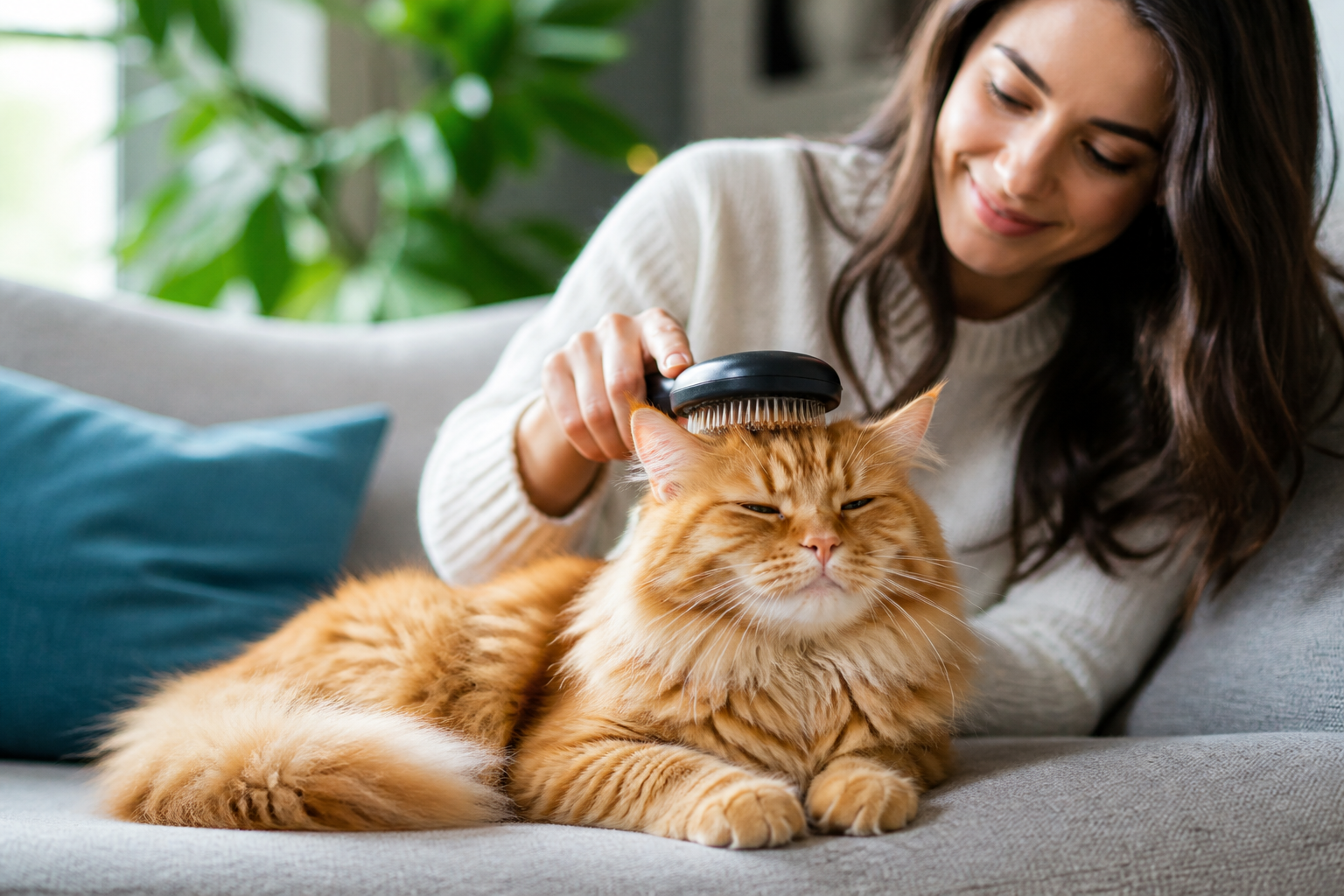
If your vet has ruled out serious medical issues, you can manage most dandruff with a good home care routine. Regular brushing is the most effective tool in your kit. At BaxterBoo, we recommend choosing a brush that matches your cat's coat type.
Brushing does three things:
- It physically removes the dead skin flakes.
- It distributes natural oils from the skin across the hair shaft.
- It stimulates blood flow to the skin surface.
For long-haired cats, a metal comb or a de-shedding tool helps reach the undercoat where flakes hide. For short-haired cats, a soft bristle brush or a rubber grooming mitt works well.
You can find tools for different coat types in our cat grooming supplies, including brushes, combs, and cat-safe shampoos.
Bathing a cat is usually not necessary and can sometimes make dry skin worse. If you must bathe them, use a soap-free, moisturizing shampoo specifically formulated for cats. Never use human dandruff shampoo. These products are often toxic to cats or too harsh for their delicate skin pH.
Step 1: Choose the right tool. Use a soft brush for sensitive skin or a comb for thick coats.
Step 2: Brush in the direction of hair growth. Be gentle over bony areas like the spine.
Step 3: Offer treats. Make the experience positive so your cat stays relaxed.
Step 4: Increase frequency. Brush daily during dry winter months to keep flakes at bay.
For a closer look at choosing a brush, see the U-Groom Combo Brush for Dogs and Cats.
Bottom line: A consistent grooming routine is the best way to keep your cat's skin healthy and flake-free.
When to Schedule a Veterinary Visit
While a few flakes are common, certain signs indicate a more serious problem. You should not try to treat severe skin issues at home without a diagnosis. A vet can perform skin scrapes or blood tests to find the exact cause.
Schedule an appointment if you notice:
- Intense itching or over-grooming that causes bald spots.
- Red, inflamed, or bleeding skin.
- A foul odor coming from the skin or ears.
- The flakes appear to be moving (walking dandruff).
- Changes in appetite, thirst, or litter box habits.
Early intervention is key for conditions like mites or ringworm. It also ensures your cat does not develop a secondary bacterial infection from scratching. Your vet may prescribe medicated shampoos, topical treatments, or specific medications. Our pharmacy offers FDA-approved flea and tick preventives and prescription skin treatments through our partnership with Pet's Choice.
For additional guidance on parasite prevention, read Protecting Your Pet: The Best Flea & Tick Prevention Products.
Supporting Your Cat Through the Seasons
Maintaining a healthy coat is a year-round job. During the summer, ensure your cat has plenty of shade and water. In the winter, focus on humidity and fatty acid supplements. If you have a senior cat, they may need you to take over the grooming tasks they can no longer handle.
We also suggest looking into FIGO pet insurance. Skin conditions can sometimes become chronic. Having insurance helps cover the cost of repeated vet visits or long-term allergy management.
Our MVP Rewards program is another great way to save on the essentials. You can earn points on every purchase of high-quality cat food, grooming tools, and supplements. This makes it easier to provide the best care for your cat's skin without breaking your budget.
Key Takeaway: Proactive care, including proper nutrition and regular grooming, prevents most minor dandruff issues from becoming major problems.
Conclusion
Seeing dandruff on your cat can be worrying, but it is usually a manageable issue. By focusing on hydration, high-quality nutrition, and a regular grooming schedule, you can help your cat regain their healthy glow. Remember that environmental factors like dry air often play a big role. If home care does not solve the problem, or if your cat seems uncomfortable, always consult your veterinarian. They can rule out parasites or underlying illnesses that require medical treatment.
To keep your cat's coat in top shape, follow these steps:
- Switch to a moisture-rich diet or add Omega fatty acid supplements.
- Brush your cat daily to remove flakes and spread natural oils.
- Use a humidifier during the dry winter months.
- Stay up to date on flea and tick prevention.
For prescription diets or medications, our pharmacy is here to help through our Pet's Choice partnership. You can also set up an Autoship order for your favorite grooming supplies and food to ensure you never run out.
FAQ
Can I use my own dandruff shampoo on my cat?
No, you should never use human dandruff shampoo on a cat. These products contain ingredients like zinc pyrithione or selenium sulfide which can be toxic if your cat licks their fur. Human shampoos also have a different pH level that can strip a cat's skin of essential oils and cause further irritation.
Is cat dandruff the same as an allergy to cats?
No, they are different things. Cat dandruff is visible flakes of dead skin, while the primary allergen for humans is a protein found in a cat's saliva called Fel d 1. However, dandruff can carry this protein and spread it around your home, which may make your allergy symptoms feel worse.
Why does my cat only have dandruff on their lower back?
Dandruff concentrated on the lower back often indicates a grooming problem. This area is hard to reach for cats that are overweight or suffering from arthritis. If your cat cannot twist around to clean that specific spot, dead skin cells and oils will build up and create visible flakes.
Does bathing my cat help with dry skin?
In most cases, frequent bathing actually makes dry skin worse by stripping away natural protective oils. Unless your vet prescribes a specific medicated bath for an infection, it is better to focus on regular brushing and improving your cat's diet. If you must wash them, use a very mild, cat-specific moisturizing formula.