Save 15% on your 1st Autoship learn more

 Email us
 Live Chat
 FAQs
FAQs





Introduction
You are relaxing on the sofa with your cat when you notice a dusting of white flakes across their dark fur. As you run your hand down their back, more "snow" appears, especially near the base of the tail. It is a common moment for many owners. You start to wonder if the air is too dry or if something more serious is happening. While humans deal with dandruff as a minor annoyance, feline flakes often tell a deeper story about your cat's health, mobility, or nutrition.
At BaxterBoo, we have helped pet parents navigate skin and coat issues since 2006. We know that "my cat has terrible dandruff" is rarely just about the skin surface. This post covers the most common causes of feline flakes, from simple grooming hurdles to underlying medical conditions. We will also look at how nutrition, environmental changes, and targeted treatments can help. Understanding the root cause is the first step toward restoring that glossy, healthy shine to your cat's coat.
Quick Answer: If your cat has terrible dandruff, it is usually a sign they cannot groom themselves properly or have an underlying health issue like allergies, parasites, or dry skin. Start by increasing brushing frequency and consult a veterinarian to rule out medical conditions like diabetes or arthritis.
What Exactly Is Feline Dandruff?
Feline dandruff consists of dead skin cells that have clumped together and shed into the fur. In a healthy cat, skin cells regenerate and shed naturally, but the process is usually invisible because the cat grooms them away. When the cycle is disrupted, or the cat stops grooming, those white flakes become very noticeable.
It is important to distinguish between dandruff and dander. Every cat has dander. Dander consists of microscopic skin cells that are a normal part of shedding. You cannot usually see dander with the naked eye. Dandruff, however, is visible. It often looks like white or gray flecks, though it can sometimes feel oily or appear yellowish depending on the cause.
The Appearance of Flaky Skin
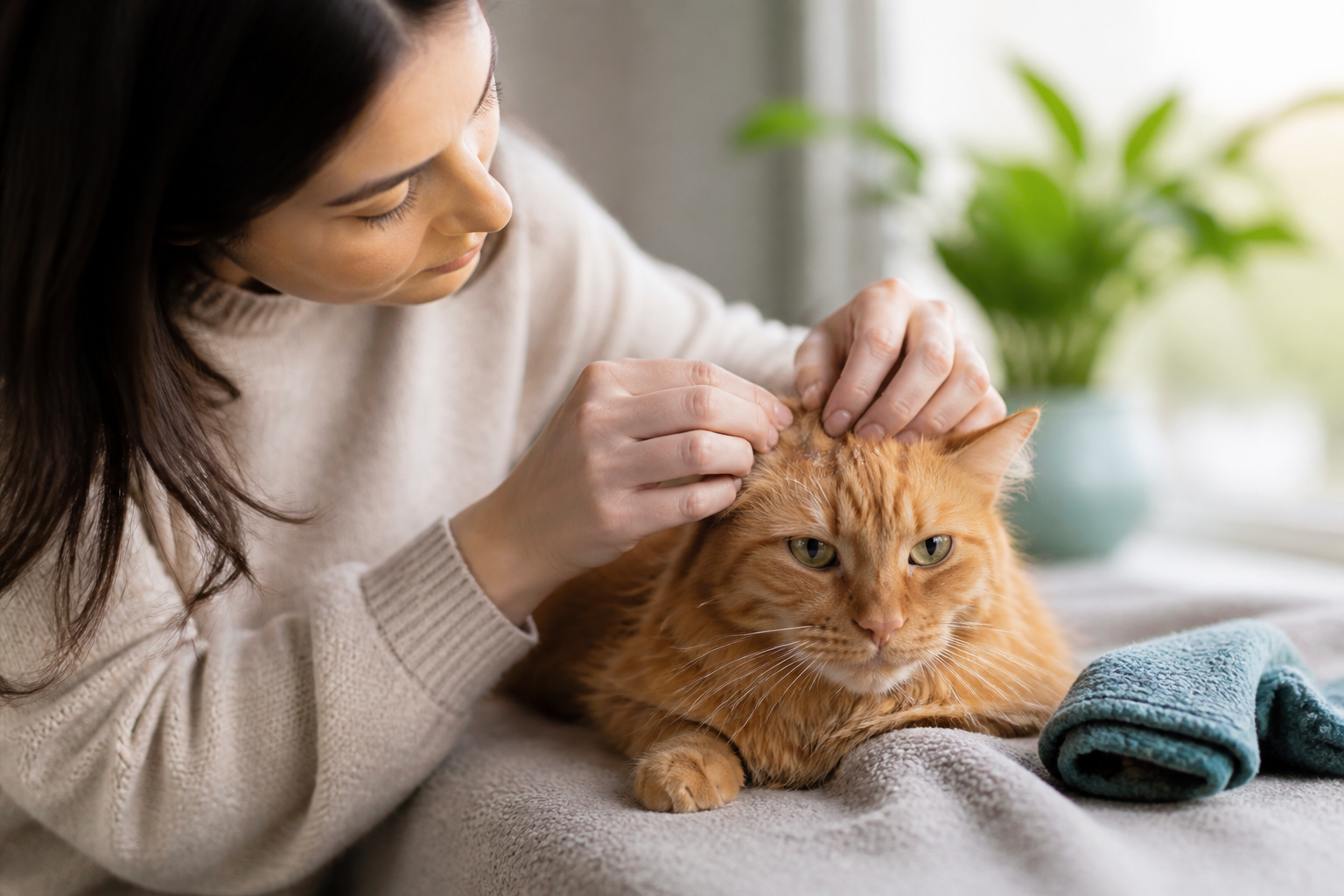
You might see dandruff concentrated in specific areas. The lower back and the base of the tail are the most common spots. This is often because these areas are harder for cats to reach during their daily tongue-baths. If the flakes are accompanied by red skin, thinning hair, or a greasy texture, it suggests a more significant imbalance in the skin barrier.
Common Reasons for Feline Flakes
If you find yourself saying my cat has terrible dandruff, the cause usually falls into one of three buckets: lifestyle, environment, or medical. Identifying which one fits your cat will help you choose the right path forward.
Obesity and Mobility Issues
This is one of the most frequent causes we see at our BaxterBoo warehouse store. If a cat is overweight, they simply cannot reach every part of their body. They might be able to clean their front legs and chest, but their lower back remains untouched. Dead skin cells and natural oils build up, leading to heavy flaking.
Similarly, senior cats with arthritis may find the twisting and stretching required for grooming to be painful. If your cat has stopped cleaning their back, dandruff is often the first visible sign of joint discomfort. Our cat healthcare products include supplements and wellness products for cats with changing health needs.
Environmental Dryness
During the winter months, indoor heating strips the moisture from the air. This dries out your cat's skin just as it does yours. Without enough humidity, the skin becomes brittle and flakes off easily. This is usually a seasonal issue and tends to improve once the weather warms up or humidity increases.
Parasites and "Walking Dandruff"
Not all dandruff is just skin. A specific mite called Cheyletiella can cause a condition known as walking dandruff. If you look closely at the flakes, they might actually appear to move. These mites are highly contagious and cause intense itching.
Other parasites like fleas and lice can also lead to skin irritation and flaking. Even if your cat stays indoors, fleas can hitch a ride on your clothes or other pets. Our cat flea and tick collection carries a variety of preventives to help manage these pests. You can also read about flea and tick prevention options for additional guidance.
Nutritional Deficiencies
Skin is the body's largest organ. It requires a significant amount of protein and healthy fats to stay supple. If a cat is eating a low-quality diet, their skin is often the first thing to suffer. They specifically need Omega-3 and Omega-6 fatty acids to maintain the moisture barrier of the skin.
Key Takeaway: Dandruff is a symptom, not a primary disease. It usually indicates that the skin's natural renewal process is off balance or the cat is physically unable to maintain their coat.
Identifying When It Is a Medical Concern
While some flakes are just a sign of dry air, "terrible" dandruff often points toward internal health changes. Cats are masters at hiding illness, but their coat quality often gives them away.
Internal Health Conditions
Several systemic diseases can manifest as poor skin health.
- Diabetes and Kidney Disease: These conditions can lead to dehydration, which makes the skin dry and flaky.
- Hyperthyroidism: This hormonal imbalance often causes a greasy, unkempt coat and excessive shedding.
- Allergies: Cats can be allergic to ingredients in their food or environmental triggers like pollen and dust. This usually results in itchy, inflamed skin and secondary dandruff.
Skin Infections
Bacterial or fungal infections, such as ringworm, can cause localized or widespread flaking. These often come with other signs like circular bald patches or crusty sores. If you notice your cat is losing clumps of hair along with the dandruff, a vet visit is necessary.
Vet Tip: If your cat’s dandruff is accompanied by increased thirst, changes in appetite, lethargy, or excessive scratching, schedule a veterinary exam. These can be signs of metabolic issues like diabetes or hyperthyroidism that require professional diagnosis and management.
The Role of Nutrition and Supplements
What goes into your cat's bowl directly impacts the flakes on their back. Many commercial foods provide basic nutrition, but some cats require higher levels of specific nutrients to keep their skin healthy.
Essential Fatty Acids
Omega fatty acids are the building blocks of healthy skin oils. If your cat has chronic dry skin, look for foods or supplements that feature salmon oil or green-lipped mussel. Brands like Zesty Paws or Honest Paws offer targeted supplements that can be easily added to your cat's daily meals. Our skin and coat health products for cats include supplements and topical care options.
High-Quality Proteins
The skin and coat use up to 30 percent of a cat's daily protein intake. If the protein source is difficult to digest, the skin will not get the nutrients it needs. Premium brands like Farmina, Royal Canin, or Stella and Chewy's focus on high-bioavailability proteins that support overall organ health and skin integrity.
Hydration Matters
Cats are notorious for having a low thirst drive. Chronic mild dehydration can lead to less elastic, flakier skin. If your cat only eats dry kibble, consider incorporating wet food from brands like Tiki Cat or Fussie Cat to increase their moisture intake. You can also try a pet water fountain to encourage more frequent drinking.
Grooming Strategies for Flake-Free Fur
If your cat has stopped grooming due to age or weight, you must step in and help. A regular grooming routine can significantly reduce the amount of dandruff you see. Our cat grooming supplies include brushes, combs, shampoos, wipes, and other care products.
The Power of Brushing
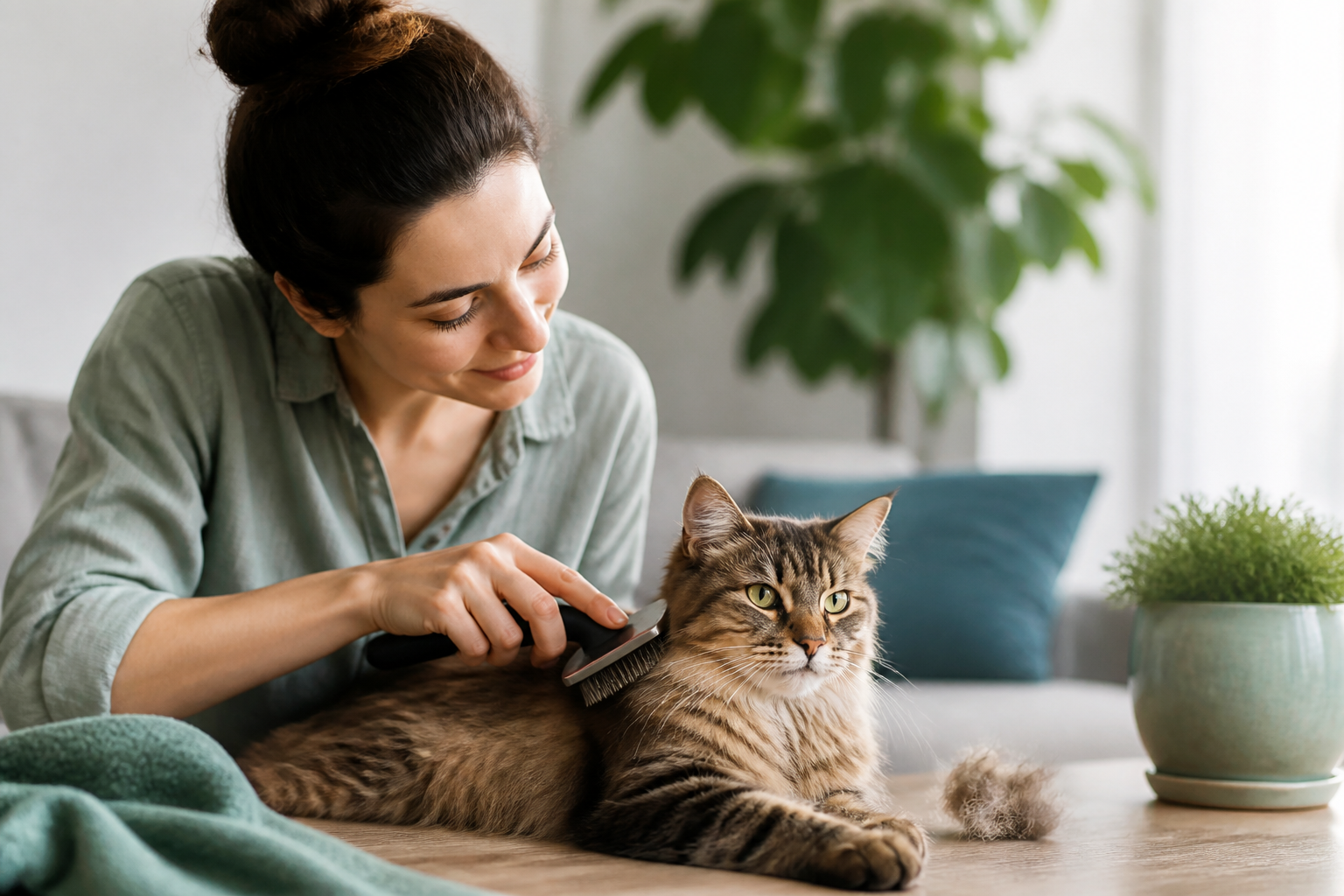
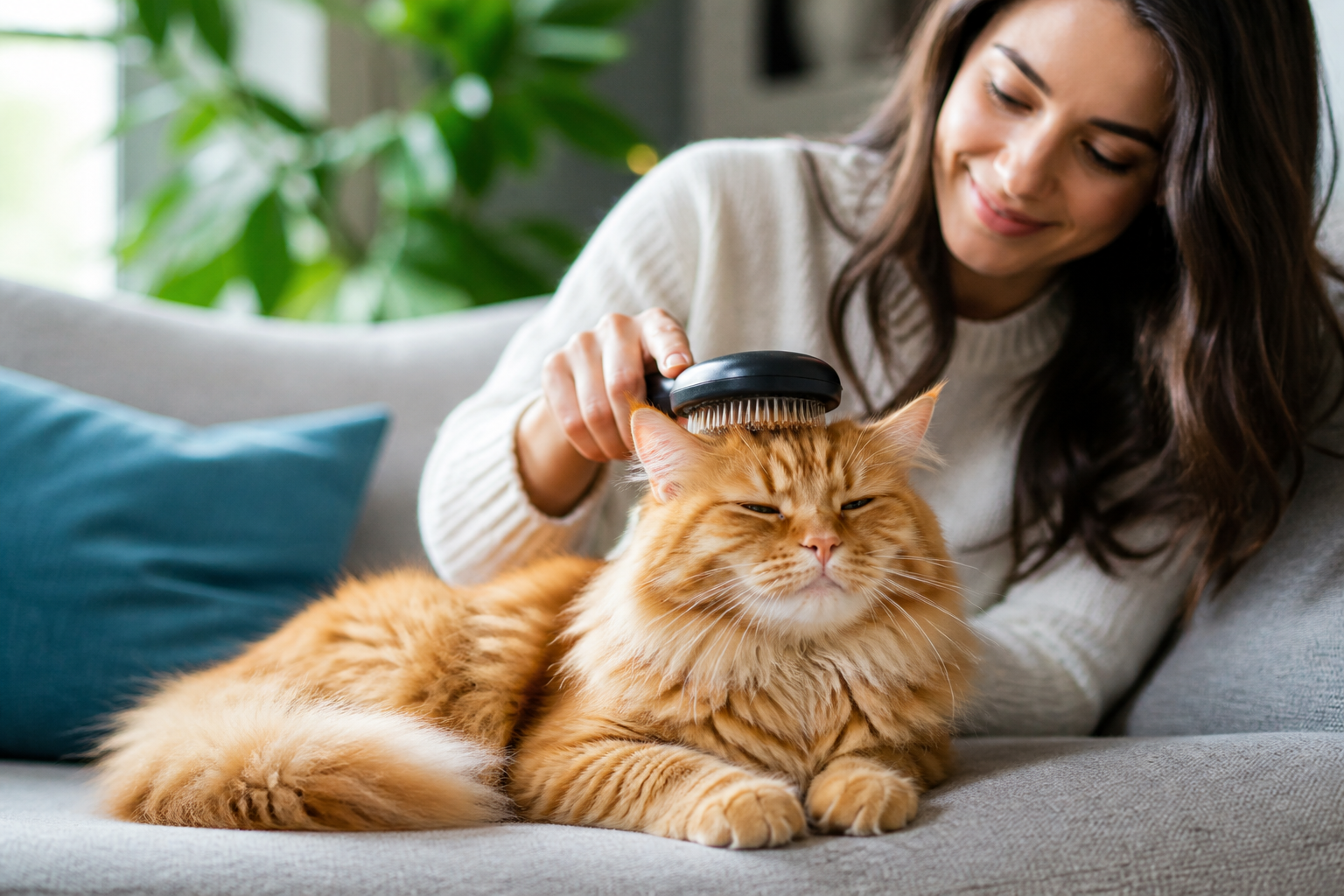
Brushing does more than just remove loose fur. It stimulates the skin to produce natural oils and then helps distribute those oils down the hair shaft. For cats with heavy dandruff, you may need to brush them once or twice a day.
Step 1: Choose the right tool. / Use a soft bristle brush for sensitive skin or a slicker brush to remove a dense undercoat.
Step 2: Be gentle. / If the skin is already irritated, heavy-handed brushing can make it worse. Use light, long strokes.
Step 3: Focus on the "problem zones." / Pay extra attention to the lower back and base of the tail where flakes accumulate.
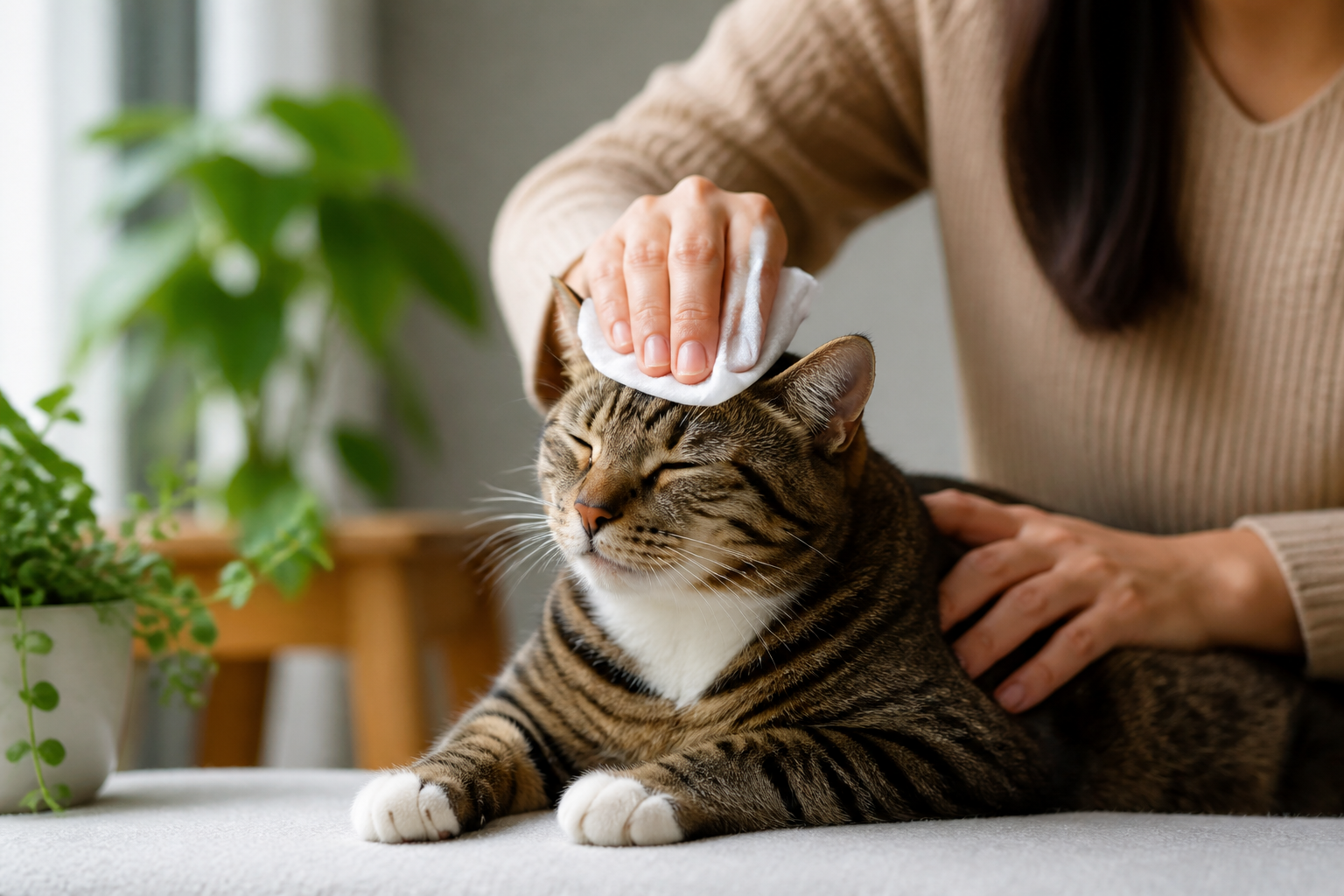
Step 4: Wipe them down. / Use a damp, pet-safe grooming wipe after brushing to pick up the loose flakes you have disturbed.
Should You Bathe Your Cat?
Most cats do not need regular baths. In fact, over-bathing can strip away the very oils you are trying to preserve. However, if the dandruff is caused by a fungal infection or heavy oil buildup, your vet might recommend a medicated shampoo. Always use products specifically formulated for felines. Human dandruff shampoos are often toxic to cats and should never be used.
Medical Treatments and the BaxterBoo Pharmacy
When home grooming and diet changes are not enough, medical intervention is the next step. Some causes of dandruff require prescription-strength solutions.
Through our partnership with Pet's Choice, the BaxterBoo pharmacy provides access to FDA-approved medications and prescription pet foods. This is particularly helpful for managing the underlying causes of dandruff.
Prescription Diets
If your vet diagnoses a food allergy or a condition like kidney disease, they may prescribe a therapeutic diet. Brands like Royal Canin and Farmina Vet Life offer specialized formulas designed to manage these chronic issues. These foods are formulated to be highly digestible and often include boosted levels of skin-supporting nutrients.
Allergy and Parasite Management
For cats with severe allergies, your vet might prescribe antihistamines or immunosuppressants to calm the skin. If parasites are the culprit, prescription-strength flea and mite treatments are often more effective than over-the-counter options for clearing up a "terrible" case of flaking.
Managing Joint Pain
If your senior cat has dandruff because they are too stiff to groom, managing their arthritis is the best cure. Your vet might suggest supplements like Cosequin or prescription pain relief. Once the pain is managed, most cats will naturally return to their grooming habits, and the dandruff will resolve on its own.
Environmental Fixes for Your Home
Sometimes the problem is not the cat, but the house. If the dandruff is purely a result of dry air, you can make a few changes to your environment.
Humidifiers
Placing a humidifier in the room where your cat spends the most time can make a big difference. Aim to keep the humidity level between 40 and 50 percent. This helps keep the skin hydrated and reduces the static electricity that often accompanies dry fur.
Clean Bedding
Skin flakes and oils can accumulate in your cat's favorite sleeping spots. This can harbor bacteria or mites that contribute to skin irritation. Wash your cat's bedding regularly in hot water with a fragrance-free, pet-safe detergent.
Bottom line: Combining better humidity with regular brushing is the most effective way to manage seasonal, non-medical dandruff.
Selecting the Right Products
When you browse the aisles at BaxterBoo or shop our online store, the sheer number of skin and coat products can be overwhelming. We focus on curated selection so you do not have to guess what works.
Brushes and Combs
For cats with thick undercoats, a de-shedding tool can help remove the "trapped" flakes. For cats with thin hair or sensitive skin, a rubber curry brush provides a gentle massage that stimulates oil production without scratching the skin surface.
Topical Conditioners
There are various leave-in foams and conditioners designed for cats. These can provide immediate relief for itchy skin and help loosen stuck-on dandruff. Look for ingredients like oatmeal, aloe vera, or vitamin E. Avoid anything with strong synthetic fragrances, as these can trigger further allergic reactions in sensitive cats.
How to Introduce New Routines
If your cat is not used to being brushed or having their diet changed, take it slow. Sudden changes can cause stress, and stress itself can sometimes lead to skin flare-ups.
- Food Transitions: If you are switching to a high-omega diet, mix the new food with the old over 7 to 10 days. This prevents digestive upset.
- Grooming Training: Start with very short brushing sessions (1-2 minutes). Offer high-value treats from brands like Vital Essentials or PureVita to create a positive association.
- Supplement Consistency: Supplements like fish oil take time to work. You likely will not see a change in the skin for at least 3 to 4 weeks, as that is how long it takes for a new cycle of skin cells to grow.
Key Takeaway: Patience is vital. Skin conditions often take a full month of consistent care before you see a visible reduction in flakes.
Summary of Solutions
Managing "terrible" cat dandruff requires a multi-pronged approach. You have to address the immediate flakes on the surface while investigating the reason they appeared in the first place.
- Check for parasites and update flea prevention.
- Increase the frequency of brushing to distribute natural oils.
- Evaluate the diet for protein quality and omega fatty acids.
- Increase hydration through wet food or water fountains.
- Add a humidifier to the home during dry seasons.
- Consult a veterinarian to rule out underlying medical issues like diabetes, arthritis, or infections.
We are committed to helping you provide the best care for your feline friends. Whether you need a new grooming tool, a high-quality skin supplement, or a prescription diet through our pharmacy, our team is here to support you.
Bottom line: Feline dandruff is almost always manageable once you identify whether the cause is environmental, nutritional, or medical.
The best next step for a cat with significant dandruff is a consultation with your veterinarian to ensure no underlying illnesses are present. Once you have a plan, you can explore the BaxterBoo pharmacy or our wide selection of skin and coat supplements to support your cat's journey back to a healthy, flake-free coat. Our Autoship programme can help with regularly needed supplies, while the MVP Rewards program can help you earn points on eligible purchases.
FAQ
Is it normal for my cat to have a little bit of dandruff?
A few small flakes can be normal, especially during seasonal transitions or in very dry climates. However, if the dandruff is visible across the entire coat, looks oily, or is accompanied by itching and redness, it usually indicates an underlying issue. Healthy cats are typically very efficient at grooming away normal skin cell turnover.
Can I use human dandruff shampoo on my cat?
No, you should never use human dandruff shampoo on a cat unless specifically directed by a veterinarian. Many human products contain ingredients like zinc pyrithione or salicylic acid, which can be toxic if a cat licks them off their fur. Cats have a different skin pH than humans, and human products can cause severe irritation or chemical burns.
Why is the dandruff only on my cat's lower back?
Dandruff is most common on the lower back and base of the tail because these are the hardest areas for a cat to reach. If a cat is overweight, senior, or arthritic, they may stop grooming these spots entirely. This leads to a buildup of dead skin cells and oils that would normally be removed during their daily cleaning routine.
Will changing my cat's food help with dandruff?
Yes, nutrition plays a major role in skin health. Foods rich in Omega-3 and Omega-6 fatty acids, high-quality proteins, and proper vitamins can strengthen the skin barrier and reduce flaking. It often takes 3 to 4 weeks of a consistent new diet to see a visible improvement in the coat.