Save 15% on your 1st Autoship learn more

 Email us
 Live Chat
 FAQs
FAQs





Introduction
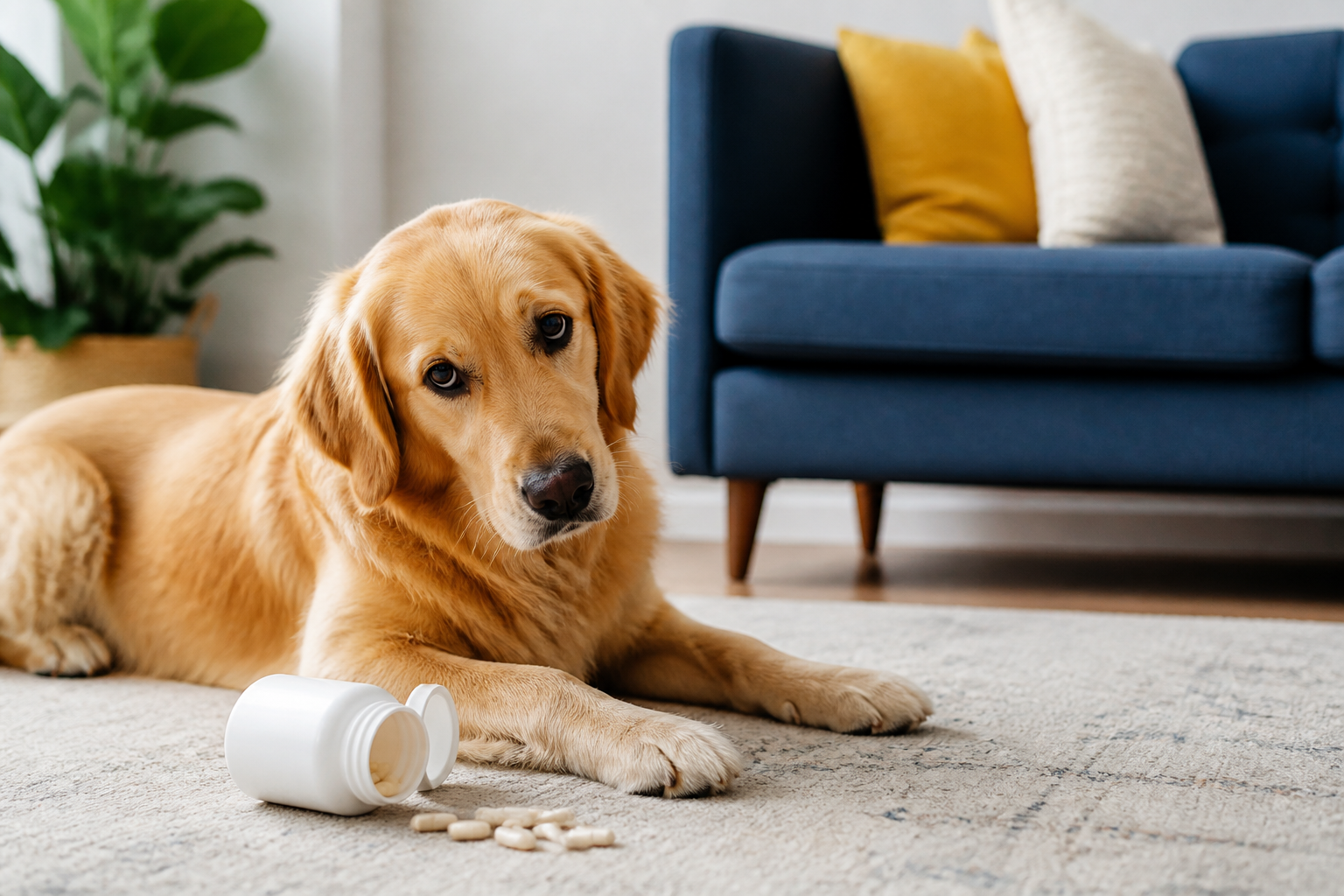
It is a familiar scene for many pet owners: you return home to find an open cabinet or a chewed bottle on the floor. If you just discovered your dog ate probiotics meant for humans or snagged a whole bag of their own tasty supplements, you are likely feeling a mix of worry and confusion. While these "good bacteria" are designed to support health, an accidental overdose or the ingestion of human-grade ingredients can lead to unexpected reactions. At BaxterBoo, we have helped thousands of pet parents navigate the complexities of supplement safety and gut health since 2006. This guide covers exactly what to look for after your dog eats probiotics, which ingredients are dangerous, and how to support your dog's recovery. Understanding the difference between a mild stomach ache and a medical emergency is the first step in providing the best care for your pet.
Quick Answer: If your dog ate a few dog-specific probiotics, they will likely only experience mild gas or loose stools. However, if they ate human probiotics containing xylitol or an extremely high dose of any supplement, contact your veterinarian or an animal poison control center immediately.
What Happens When a Dog Eats Too Many Probiotics
Probiotics are live microorganisms that provide health benefits by balancing the bacteria in the digestive tract. Under normal circumstances, they are very safe. When a dog consumes a large quantity at once, the sheer volume of new bacteria can overwhelm the digestive system. This does not usually lead to a toxic "overdose" in the traditional sense, but it does cause significant microbial shifts.
The most common result of a probiotic binge is digestive upset. The dog's gut is a finely tuned ecosystem. When you flood that system with billions of colony-forming units (CFUs) all at once, the balance of the microbiome is disrupted. This often leads to temporary inflammation of the intestinal lining.
For healthy adult dogs, the body typically manages this by flushing the excess bacteria out through the stool. You might notice your dog's stomach making loud gurgling noises, which is known as borborygmi. This is simply the sound of gas and fluid moving through the intestines as the body works to process the sudden influx of microbes.
Potential Risks of Human Probiotics for Dogs
If the probiotics your dog ate were formulated for humans, the situation requires a closer look at the ingredient label. Human supplements are not designed with canine physiology in mind. While many of the bacterial strains are similar, the inactive ingredients used to make the pills or gummies can be hazardous.
The Danger of Xylitol
The most critical risk with human probiotics is the presence of xylitol. This is an artificial sweetener often found in chewable vitamins, gummies, and "melt-away" tablets. While safe for people, xylitol causes a rapid, life-threatening insulin release in dogs. This leads to a dangerous drop in blood sugar and can cause acute liver failure. Even a small amount of xylitol can be fatal if not treated immediately.
Dairy and Fillers
Many human probiotics are cultured in dairy or contain lactose as a filler. Most adult dogs are lactose intolerant to some degree. If your dog ate a large number of capsules containing dairy-based fillers, the resulting diarrhea might be caused by the lactose rather than the bacteria itself. Other fillers like maltodextrin or certain fibers can also cause bloating and discomfort in sensitive canine stomachs.
Concentration and Dosage
Human probiotics often contain much higher concentrations of bacteria than those made for pets. A single human capsule might contain 50 billion CFUs, whereas a standard dog supplement might only have 1 billion to 5 billion. For a small breed dog, eating several human-strength capsules is a massive dose that can lead to more severe gastrointestinal distress than a dog-specific product would.
Vet Tip: Always check the ingredient list of any human supplement for xylitol (sometimes listed as birch sugar). If you see this ingredient, treat the situation as an emergency and head to a veterinary clinic right away.
Common Symptoms to Watch For
After your dog eats probiotics, you should monitor them closely for the next 24 to 48 hours. Most symptoms will appear within the first six to twelve hours as the supplements move through the digestive tract.
- Loose Stools or Diarrhea: This is the most frequent side effect. The stool may be very soft or entirely liquid.
- Increased Gas: You may notice your dog is more flatulent than usual.
- Vomiting: Some dogs may vomit if the supplements irritate the stomach lining or if they ate the plastic packaging.
- Reduced Appetite: Your dog may skip a meal because their stomach feels uncomfortable or bloated.
- Lethargy: A mild decrease in energy is common if the dog is experiencing cramping or nausea.
In most cases, these symptoms remain mild and resolve on their own. However, you should stay alert for "red flag" symptoms that suggest a more serious reaction.
When to Call the Veterinarian
While a few loose stools are expected, certain signs indicate your dog needs professional help. If your dog shows any of the following, do not wait for the symptoms to pass:
- Repeated, forceful vomiting.
- Blood in the stool or black, tarry stools.
- Signs of extreme pain, such as panting, pacing, or a "hunched" posture.
- Weakness, stumbling, or collapse (potential signs of xylitol poisoning).
- Pale or yellowish gums.
Key Takeaway: Most probiotic incidents result in short-term digestive upset. The main priority is ensuring there were no toxic additives like xylitol and keeping the dog hydrated during their recovery.
Understanding the Canine Microbiome
To understand why an overdose or the wrong type of probiotic matters, it helps to look at how a dog's gut works. The canine microbiome is a complex community of bacteria, fungi, and viruses. It plays a role in everything from food digestion to immune system function.
The primary bacteria found in a healthy dog's gut include Firmicutes, Bacteroidetes, and Proteobacteria. While humans share some of these groups, the specific strains and the way they interact with the host are different. Dogs have a much shorter and more acidic digestive tract than humans. This environment is designed to process proteins and fats quickly while neutralising harmful bacteria found in raw meat or dirt.
Because of this high acidity, probiotics must be hardy enough to survive the trip through the stomach to the intestines. Dog-specific supplements often use spore-forming bacteria like Bacillus coagulans or specific strains like Enterococcus faecium that are known to thrive in the canine gut. Human probiotics may not use these specific strains, meaning they might not provide any benefit to your dog even if they don't cause harm.
How to Manage the Situation at Home
If you have confirmed that the probiotics did not contain toxic ingredients and your dog is only showing mild signs of upset, you can take several steps to help them feel better.
Step 1: Remove the source. / Make sure all remaining supplements are moved to a high shelf or a locked cabinet. Clear away any chewed bottles or plastic remnants that could cause a choking hazard or an intestinal blockage.
Step 2: Check the packaging. / Look closely at the bottle to see exactly how many capsules or chews are missing. Note the concentration of CFUs per serving. This information will be vital if you need to call your vet.
Step 3: Monitor hydration. / Diarrhea and vomiting can lead to dehydration. Ensure your dog has constant access to fresh, clean water. If they are not drinking, you can offer a small amount of low-sodium chicken broth to encourage them.
Step 4: Consider a bland diet. / If your dog is experiencing significant diarrhea, your vet might recommend a temporary bland diet. This usually consists of boiled chicken breast and white rice. This is easy on the digestive system and helps firm up the stool. For additional guidance, read what to know about diarrhea and digestive upset in dogs.
Step 5: Watch for packaging ingestion. / If your dog ate the plastic bottle or the lid, the risk is not just the probiotics. Plastic shards can cause tears in the digestive tract or a physical obstruction. Watch for straining to defecate or persistent vomiting.
The Role of the BaxterBoo Pharmacy in Gut Health
When a dog experiences severe or chronic digestive issues after an accidental ingestion, a veterinarian may recommend more than just a bland diet. In some cases, your pet may need prescription-strength support to get their microbiome back on track. This is where our pet pharmacy can be a valuable resource for your family.
Through our partnership with Pet's Choice, the BaxterBoo pharmacy offers access to FDA-approved medications and prescription pet foods. If your veterinarian determines that your dog has developed a condition like colitis or severe gastroenteritis from the incident, they may prescribe specific diets like Farmina Vet Life or Royal Canin Veterinary Diet. These foods are formulated to be highly digestible and provide the exact nutrient balance needed for a healing gut.
Having a pharmacy integrated into our warehouse model means you can get these essential health items along with your regular supplies. We understand that managing a pet's health can be stressful, so we aim to make the process of getting prescription items as straightforward as possible.
Bottom line: While over-the-counter supplements are great for daily maintenance, acute digestive crises often require the specialised support found in our pharmacy and prescription food collections.
Choosing the Right Probiotic for Future Use
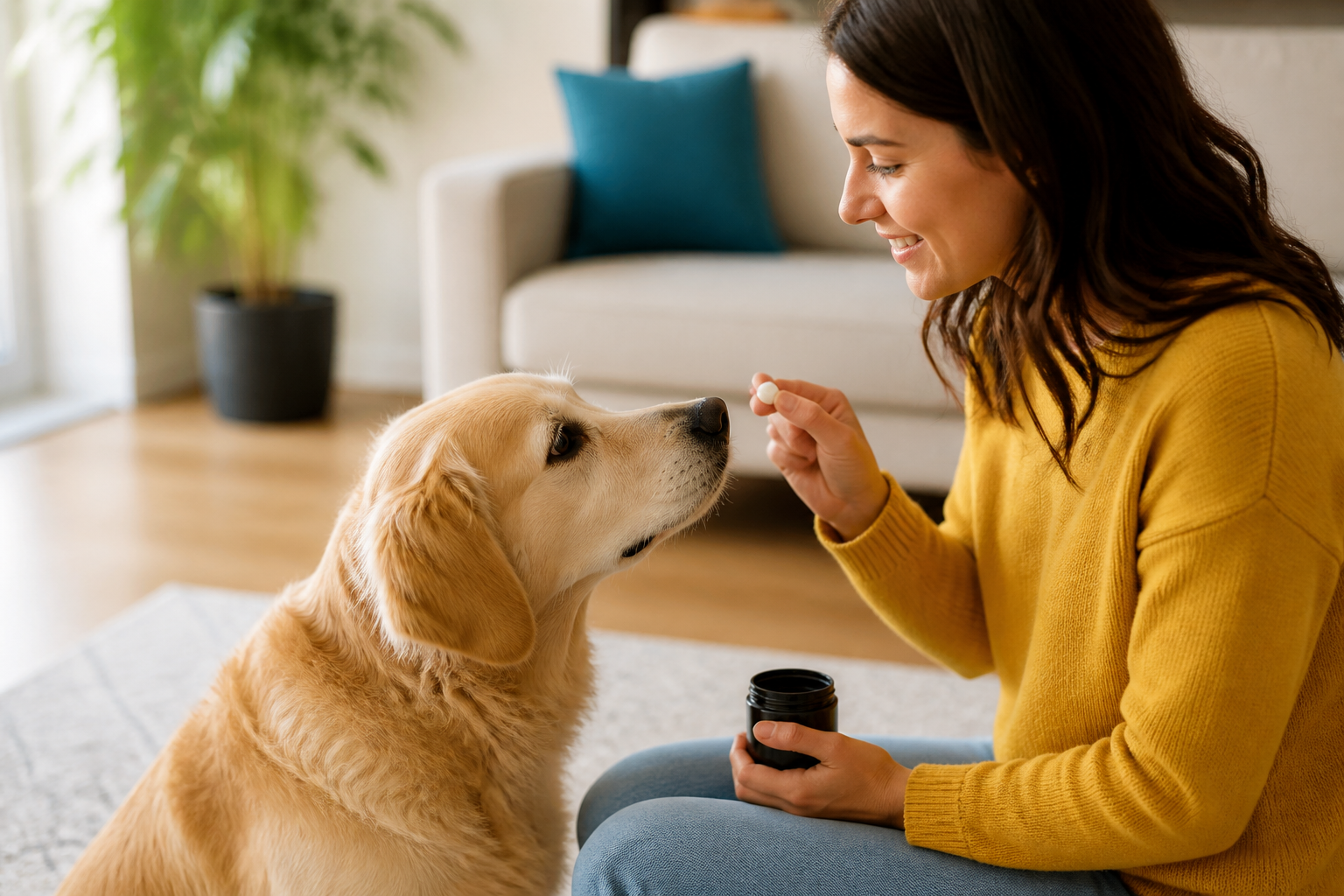
Once your dog has recovered, you might still want to use probiotics as part of their daily wellness routine. When used correctly, these supplements support regular bowel movements, reduce gas, and may even improve skin and coat health. However, it is important to choose products specifically designed for dogs. You can browse our dog digestive health category to compare available options.
Look for Quality Certifications
When shopping at BaxterBoo, look for brands that carry the National Animal Supplement Council (NASC) Quality Seal. This seal indicates that the company has undergone a comprehensive audit and maintains high standards for ingredient sourcing and labeling. Brands like Zesty Paws, Honest Paws, and NutriSource are known for their commitment to quality and safety.
Species-Specific Strains
Ensure the supplement contains strains that have been studied in dogs. Common beneficial strains include:
- Enterococcus faecium: Helps improve stool quality and supports the immune system.
- Lactobacillus acidophilus: Aids in nutrient absorption and helps balance gut flora.
- Bifidobacterium animalis: Useful for managing diarrhea and supporting digestion during times of stress.
- Bacillus coagulans: A hardy, spore-forming bacterium that survives the acidic stomach environment well.
For a specific multi-strain option, review Nutramax Proviable Digestive Health Supplement Multi-Strain Probiotics and Prebiotics.
Proper Storage and Handling
Probiotics are living organisms, and they can be sensitive to heat, light, and moisture. Always follow the storage instructions on the label. Some probiotics require refrigeration to remain viable, while others are "shelf-stable" and can be kept in a cool, dry pantry. Using an expired or improperly stored probiotic may not harm your dog, but it won't provide the benefits you are looking for.
Transitioning to New Supplements Safely
If you are introducing a new probiotic after your dog’s accidental overdose, it is best to wait until their stomach has been completely normal for at least a week. When you do start, follow a slow transition plan.
Start with a half-dose for the first few days to see how your dog reacts. If their stool remains firm and they seem comfortable, you can move up to the full recommended dose. This gradual approach allows the microbiome to adjust without causing a "rebound" of gas or diarrhea. Many pet owners find that our Autoship programme is a convenient way to keep these supplements in stock, ensuring that the dog gets a consistent daily dose rather than a sudden high dose after a period of no supplements.
The Importance of Veterinary Guidance
While this guide provides general information about probiotic ingestion, it is never a substitute for professional medical advice. Every dog is an individual. Factors like age, weight, existing health conditions, and current medications can all change how a dog reacts to a probiotic overdose.
Puppies and senior dogs are particularly vulnerable to the dehydration caused by diarrhea. Dogs with compromised immune systems or those undergoing chemotherapy should only take probiotics under the direct supervision of a vet, as the introduction of live bacteria could potentially lead to infection in very rare cases.
If your dog is currently taking antibiotics, the timing of probiotics is also important. Antibiotics are designed to kill bacteria, and they don't distinguish between the "bad" ones causing an infection and the "good" ones in a supplement. Most vets recommend giving probiotics a few hours after the antibiotic dose to give the beneficial bacteria a better chance of survival.
Conclusion
Finding out your dog ate probiotics can be a stressful moment, but in the vast majority of cases, the outcome is positive. By checking for dangerous human ingredients like xylitol and monitoring for signs of digestive upset, you can manage most situations at home. Remember that the canine gut is unique and requires species-specific support to function at its best. We are proud to offer a wide selection of trusted probiotic brands and a full-service pharmacy to help your pet through every stage of their life. Whether you need a daily supplement to keep things moving or a prescription diet for a sensitive stomach, our dog probiotic collection is here to support your search.
Key Takeaway: Accidental probiotic ingestion usually leads to minor stomach issues. Your main tasks are confirming the absence of xylitol, providing plenty of water, and consulting your vet if symptoms like vomiting or lethargy occur.
FAQ
Can a dog die from eating too many probiotics? It is extremely rare for a dog to die from the bacteria in probiotics alone. The primary life-threatening risk comes from artificial sweeteners like xylitol found in human supplements, or from severe dehydration if the dog experiences prolonged vomiting and diarrhea without medical intervention.
How long does it take for a probiotic overdose to clear a dog's system? Most dogs will recover from the digestive symptoms of a probiotic overdose within 24 to 48 hours. If your dog is still having diarrhea or refusing food after two days, you should contact your veterinarian to rule out other issues or secondary infections.
Should I induce vomiting if my dog ate a bottle of probiotics? You should never induce vomiting without first consulting a veterinarian or poison control expert. In some cases, inducing vomiting can cause more harm, especially if the dog ate the plastic bottle or if they are already showing signs of lethargy or distress.
Are human probiotics effective for dogs at all? While some strains like Lactobacillus acidophilus are used in both human and canine supplements, human products are generally less effective for dogs. The higher pH of a dog's stomach and the different balance of their natural gut flora mean that human-grade supplements may not survive or colonise the canine digestive tract effectively.