Save 15% on your 1st Autoship learn more

 Email us
 Live Chat
 FAQs
FAQs





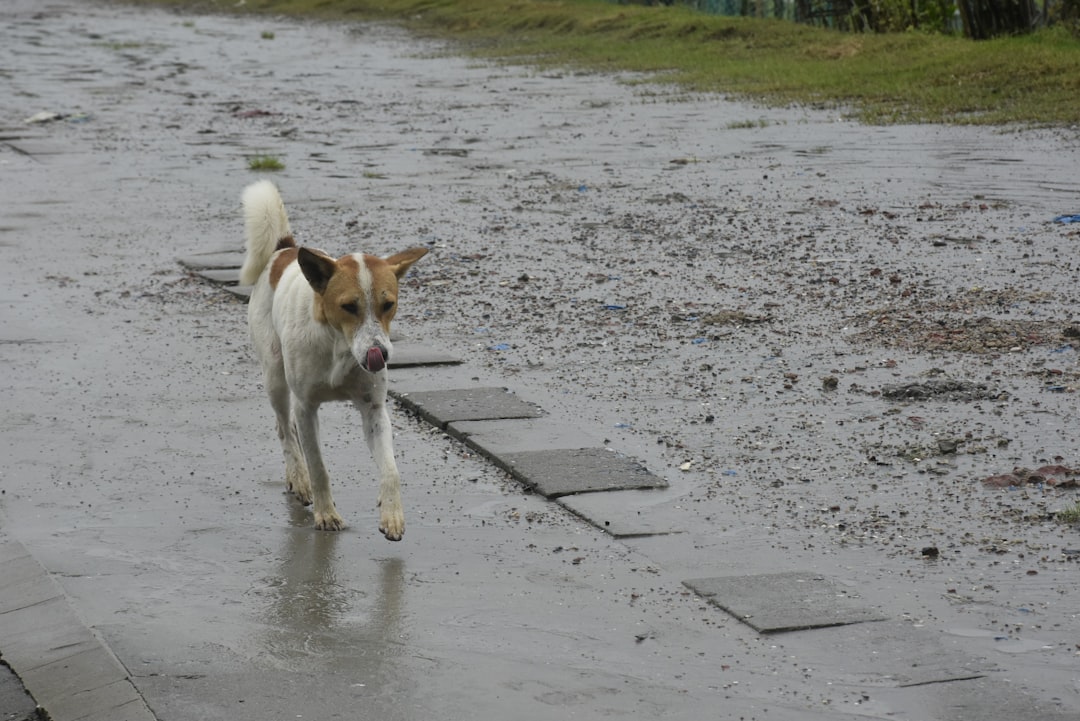
Why Every Pup Needs Protection from the Elements
Waterproof dog coats are protective garments designed to keep your dog dry and comfortable during wet weather. Here's what makes them essential:
Top Features to Look For:
- Waterproof rating of 3,000mm or higher (10,000-15,000mm for heavy rain)
- Proper coverage from neck to tail base without restricting movement
- Adjustable straps at neck, chest, and belly for a secure fit
- Reflective trim for visibility in low-light conditions
- Harness portal for leash attachment convenience
Best For:
- Dogs with short or thin coats who get cold when wet
- Long-haired breeds prone to matting and mud
- Senior dogs or puppies more vulnerable to chills
- Any dog who dislikes getting wet
Most dogs don't love wet weather. A simple walk in the rain can leave your pup soaked, shivering, and tracking mud throughout your home. Long-haired dogs develop mats that take hours to comb out. Short-haired dogs shiver uncomfortably. And you're left with a wet dog smell and a mess to clean.
The good news? A quality waterproof coat solves all these problems. It keeps your dog dry, reduces post-walk cleanup, and makes rainy day exercise actually enjoyable for both of you. Whether you have a puppy who needs extra warmth, a senior dog with sensitive joints, or a water-averse pup who refuses to go outside when it drizzles, the right raincoat transforms wet weather walks from a chore into an adventure.
With waterproof ratings ranging from 2,000mm to 15,000mm, materials from lightweight nylon to insulated polyester, and designs for every breed size and body type, finding the perfect coat means understanding what features matter most for your specific dog.
Why Your Dog Deserves a Raincoat: More Than Just Staying Dry
We all know the feeling of stepping outside into a sudden downpour, and for our canine companions, it can be just as unpleasant. But beyond simply avoiding a soggy stroll, a waterproof dog coat offers a wealth of benefits that contribute to your dog’s overall health, happiness, and even your peace of mind.
One of the primary advantages is the direct impact on your dog's health. Wearing a waterproof dog coat helps prevent their fur from becoming completely soaked, which significantly reduces the likelihood of them feeling chilly. This is especially crucial for puppies and older dogs, who are more vulnerable to cold and wet weather. For dogs with sensitive skin, a wet coat can lead to irritation or even hot spots, so keeping them dry is a vital preventative measure.
Beyond health, these coats are a game-changer for cleanliness. If you have a long-haired or curly-coated breed, you know the struggle of trying to de-tangle muddy, matted fur after a rainy walk. A good raincoat prevents this, drastically reducing the effort needed for post-walk cleanup. It also means less water and mud tracked into your home, cutting down on bathing frequency and keeping your living space cleaner. We've all experienced the "wet dog smell," and a waterproof coat helps minimize that too!
Safety is another key factor. Many waterproof dog coats come equipped with reflective elements, such as reflective trim or piping. These features significantly improve your dog's visibility in low-light conditions, like early morning or evening walks, or during heavy rain. This added visibility can be life-saving, making your dog more noticeable to drivers and pedestrians.
Finally, a quality raincoat encourages consistent exercise, no matter what the weather throws your way. Don’t let bad weather keep you from getting outdoors with your four-legged best friend! A comfortable and protective coat increases your dog's motivation for walks in colder, wetter weather, ensuring they maintain their physical and mental well-being year-round. For short-haired dogs, small breeds, and senior dogs who often need extra help staying warm, a waterproof coat makes all the difference between an enjoyable outing and shivering discomfort.
Decoding the Details: Key Features of Quality Waterproof Dog Coats
Choosing the right waterproof dog coat involves looking beyond just the cute design. We want to ensure your pup is truly protected and comfortable. This means understanding the technical aspects that make a coat effective.
First, let's clarify an important distinction: the difference between a waterproof and a water-resistant dog coat. A water-resistant coat offers some protection against light drizzle or splashes, often achieved with a DWR (Durable Water Repellent) coating. However, in sustained rain, water-resistant fabrics will eventually wet out. A truly waterproof coat, on the other hand, is designed to keep water out entirely, even in heavy downpours. This is achieved through specialized fabric technology, often with a waterproof membrane, and critically, sealed seams that prevent water from seeping through stitching. We’ll dig more into this difference later.
The level of waterproofing is often measured by a "waterproof rating," expressed in millimeters (mm). This refers to the height of a column of water the fabric can withstand before water begins to penetrate. For minimal protection against light rain, a rating of 0-5,000mm might suffice. However, for occasional thunderstorms or more significant wet weather, we recommend looking for coats with a rating of 10,000-15,000mm. Some high-performing coats have even reached ratings as high as 15,000mm in tests, offering exceptional protection. While very few dog jackets reach 20,000mm+, generally, a higher rating means better waterproofing.
Beyond keeping water out, breathability is key. A good waterproof coat should allow moisture vapor (sweat) from your dog's body to escape, preventing them from feeling clammy or overheating, especially during active use. Breathable fabrics ensure comfort in all conditions.
Durability is another crucial feature. Your dog's coat should withstand their adventures, whether it's a romp in the park or a hike through brush. Look for robust materials that resist tears and abrasions.
For practicality, consider harness and leash access points. A well-designed coat will have a convenient opening, often a portal with a zipper or flap, that allows you to easily attach your leash to your dog's harness or collar without compromising the coat's waterproof integrity.
Finally, for your dog's safety, especially during those gloomy, wet days, reflective elements are a must. Reflective trim or panels improve visibility, making your dog stand out to drivers and cyclists in low-light conditions.
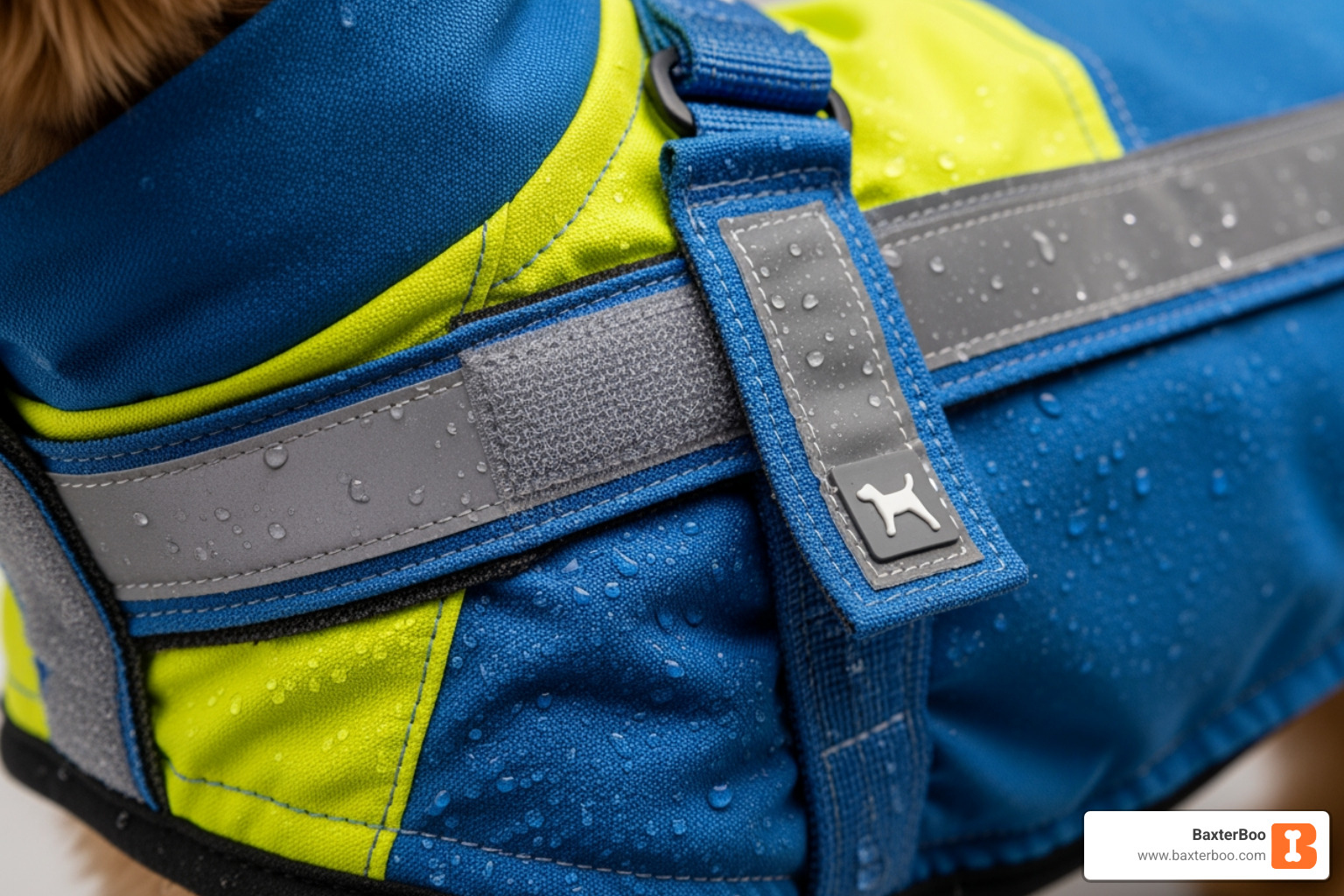
Understanding Materials in Waterproof Dog Coats
The choice of material is fundamental to a waterproof dog coat's performance. Many effective coats use synthetic fabrics like ripstop nylon or coated polyester. Ripstop nylon is woven in a way that makes it resistant to tearing and ripping, which is great for active dogs. Coated polyester often features a polyurethane (PU) coating that provides an excellent waterproof barrier. Some advanced coats might use laminated fabrics, which involve bonding multiple layers, including a waterproof membrane, for superior protection and breathability.
For comfort and warmth, the inner lining matters. Fleece linings offer excellent insulation, making them ideal for colder climates. For warmer weather or more active dogs, mesh linings can promote airflow and breathability, preventing overheating. When it comes to insulation, some coats are simply shell layers, while others incorporate padding, fiber fill, or even specialized therapeutic fabrics like Welltex® FIR Fabric, which is claimed to improve blood circulation and joint suppleness.
Closures and Adjustability
A waterproof dog coat is only effective if it stays on and fits correctly. This is where closures and adjustability come into play.
- Velcro:This is a common and convenient closure type.
- Pros: Easy to put on and take off, which is great for head-shy dogs. Offers quick adjustments.
- Cons: Can collect fur and debris over time, reducing its effectiveness. May offer less comprehensive chest/belly coverage compared to other types.
- Buckles:Often found on more rugged or adjustable coats.
- Pros: Very secure and durable. Less prone to collecting fur than Velcro.
- Cons: Can be a bit bulkier. Some dogs might find the clicking sound startling initially.
- Zippers:Typically used for full-body suits or for securing a more form-fitting design.
- Pros: Provides a very secure and streamlined fit. Offers excellent protection against water entry.
- Cons: Can sometimes snag fur if not carefully designed with a protective flap. May be more challenging to put on a wriggly dog.
Beyond the main closure, look for additional adjustability features. Cinch cords around the neck or belly allow for a customized fit, sealing out rain and wind. Elastic leg straps, often found on the rear, help keep the coat from shifting or flying up in windy conditions, ensuring full coverage. The importance of a snug, yet comfortable, fit cannot be overstated – it prevents water from seeping in and ensures your dog can move freely without the coat impeding their natural gait.
Finding the Perfect Fit: How to Measure Your Dog for a Raincoat
Getting the right size is paramount for both comfort and effectiveness. A coat that's too tight will restrict movement, while one that's too loose will allow rain and wind to sneak in, defeating its purpose. We've found that accurately measuring your dog is the most crucial step in choosing their new waterproof dog coat.
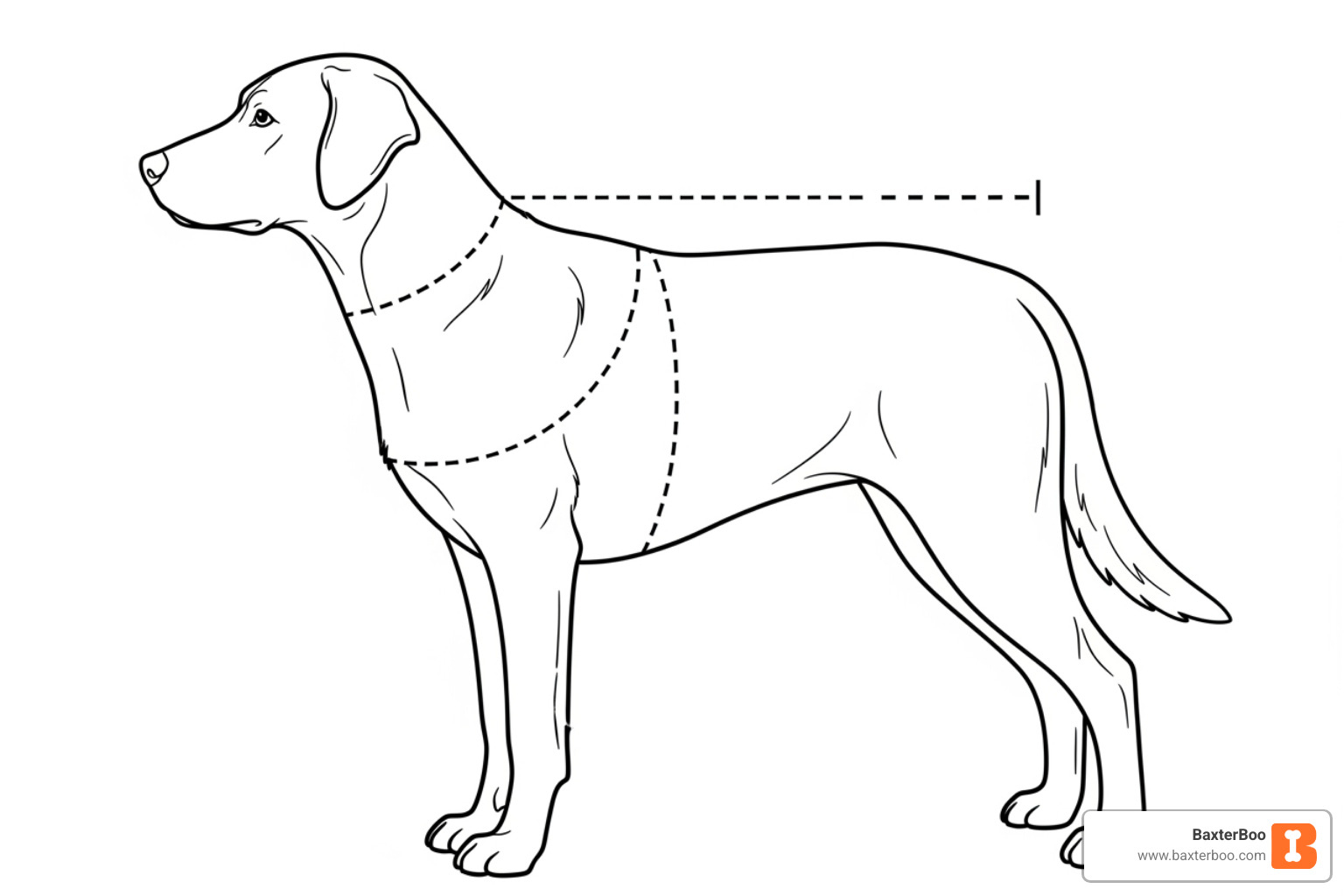
Here’s our step-by-step guide to measuring your dog for a raincoat:
- Gather Your Tools: You'll need a soft tape measure (the kind tailors use) and perhaps a treat to keep your dog cooperative!
- Measure the Neck: Locate the widest part of your dog's neck, usually where their collar naturally sits or just below. Measure around this circumference. For breeds with particularly large or blocky heads, measuring the head circumference might also be helpful to ensure the neck opening can fit over their head comfortably.
- Measure the Back Length: This is a key measurement. Start from the point between your dog's shoulder blades and measure straight along their spine to the base of their tail (where the tail meets the body). Do not include the tail itself.
- Measure the Chest Girth: Find the widest part of your dog's rib cage, typically just behind their front legs. Measure all the way around this circumference. This is often the most critical measurement for a good fit, as it determines how comfortably the coat will wrap around their body.
Once you have these measurements, compare them to the size charts provided by the manufacturer. These charts will translate your dog's girth, back length, and sometimes neck measurements into the corresponding coat size (e.g., XXS-XL, or specific numerical sizes). If your dog's measurements fall between two sizes, it's often recommended to choose the larger size, especially for form-fitting jackets, to ensure maximum comfort and to avoid restriction. However, some brands might advise sizing down for a snugger fit, so always check the specific product's sizing recommendations.
Common fit issues we've encountered include coats that are too short, leaving the rear exposed, or too long, interfering with tail wagging. Some coats might have full belly coverage that can be problematic for male dogs, leading to "accidents" on the fabric. Others might restrict shoulder movement or have leg holes that ride up, exposing parts of the leg to mud and water. Always ensure the coat allows for full freedom of movement and doesn't chafe or pinch. For deep-chested breeds like Greyhounds or long-bodied breeds like Dachshunds, you may need to pay extra attention to chest girth and back length measurements to find a coat specifically designed for their unique proportions.
A Coat for Every Canine: Matching a Raincoat to Your Dog's Needs
Just like humans, every dog is different, with unique needs, body shapes, and activity levels. What works for a busy Border Collie might not be ideal for a dainty Dachshund. At BaxterBoo, we believe in crafting solutions from a dog's perspective, offering a range of warmth and weather protection to meet your dog’s adventure needs.
When selecting a waterproof dog coat, consider your dog's typical activities and the climate you live in. For a dog that loves to splash in puddles in milder weather, a lightweight, unlined shell might be perfect. For those who brave the cold, wet winters, an insulated or fleece-lined option will provide crucial warmth. If you're exploring the wilderness or engaging in dog sports, durability and freedom of movement will be top priorities. Some coats are designed with layering capability, allowing you to add an extra sweater underneath for increased warmth when temperatures drop.
Finding Waterproof Dog Coats for Specific Breeds
Different breeds and coat types have varying requirements when it comes to rain protection:
- Coats for Long-Haired Dogs: Breeds with long or thick fur, like Rough Collies or Golden Retrievers, benefit immensely from full-body coverage. This prevents their fur from getting matted, muddy, and tangled, reducing post-walk grooming time. It also helps prevent painful "snowballs" from forming on their undersides in winter.
- Insulated Coats for Short-Haired Dogs: Breeds with short or thin coats, such as Greyhounds, Boxers, or Chihuahuas, get cold very quickly when wet. An insulated or fleece-lined waterproof coat provides essential warmth, allowing them to enjoy walks comfortably even in chilly, damp conditions.
- Lightweight Shells for Double-Coated Dogs: Breeds like Huskies or Samoyeds have dense double coats that provide natural insulation. While they still get wet, a lightweight waterproof dog coat can prevent their undercoat from becoming saturated, making drying easier and reducing the chance of that "wet dog" smell. It's important these coats are breathable to prevent overheating.
- Underbelly Protection for Low-to-the-Ground Breeds: For breeds with short legs, like Dachshunds or Corgis, a significant portion of their belly can get soaked and muddy. Coats with extended underbelly protection are ideal, keeping their underside dry and clean.
Coats for High-Energy Adventures
If your dog is an active explorer, loves trail running, or participates in dog sports like bikejoring, their raincoat needs to keep up.
- Durable Materials: Look for coats made from robust fabrics like ripstop nylon or PU-coated polyester. These materials are less prone to snagging and tearing when your dog is dashing through brush or climbing over obstacles.
- Freedom of Movement: For sporting dogs, safe range of motion is paramount. The coat should allow for unrestricted movement of their legs, shoulders, and hips. Designs with gusseted sides or articulated shoulder covers can provide this flexibility.
- Secure Fit: A coat for high-energy activities needs to stay put. Adjustable buckles and cinch cords ensure a snug fit that won't shift or get in the way during movements.
- Packable Designs: If you're heading out on a long hike and weather is unpredictable, a lightweight, packable raincoat that can be easily stowed in a backpack is a huge plus.
Care and Maintenance for Lasting Protection
To ensure your waterproof dog coat continues to perform its best and lasts for many adventures, proper care and maintenance are essential. Treat it like your own high-performance outerwear!
First, always dry out the raincoat thoroughly between uses. After a wet walk, wipe down the outer shell with a damp cloth to remove any mud or debris, then hang it in a well-ventilated area to air dry completely. Never store a damp coat, as this can lead to mildew and compromise the fabric's integrity.
When it comes to washing, always check the care label on your specific coat. Many waterproof items require special care to maintain their protective properties. If it's hand-wash only, stick to that. For machine-washable coats, use a mild, pet-safe detergent and opt for a gentle cycle with cold water. It's often a good idea to double rinse to ensure all detergent residue is removed, as some residues can affect the fabric's water-repellent finish. Avoid harsh chemicals, bleach, fabric softeners, and never dry clean, as these can damage the waterproof coating or membrane.
Air drying is almost always the safest option for waterproof outerwear. High heat from a machine dryer can delaminate waterproof layers or damage coatings. Hang the coat to dry away from direct sunlight or heat sources.
Over time, the DWR (Durable Water Repellent) finish on the outer fabric of your coat might wear off, causing water to "wet out" on the surface instead of beading up. When this happens, even if the internal membrane is still waterproof, the outer fabric can become saturated. You can often restore this DWR finish using specialized spray-on or wash-in re-waterproofing treatments designed for technical outerwear. This simple step can significantly extend the life and effectiveness of your dog's coat.
By following these simple care steps, you'll extend the life of your dog's waterproof coat, ensuring they stay dry and comfortable for many rainy seasons to come.
Frequently Asked Questions about Dog Raincoats
We often get asked a variety of questions about waterproof dog coats. Here are some of the most common ones, along with our expert answers:
Do dog raincoats really need a hood?
This is a common design feature, but our opinion, and that of many experienced dog owners and testers, is a resounding no! We strongly advise against hoods on dog raincoats. Dogs often find them aversive, they can impede vision, and they rarely stay in place anyway. Imagine trying to steer the world with a floppy piece of fabric blocking your peripheral vision and muffling sounds – it can be disorienting and uncomfortable for your pup. Instead, look for coats with high neck coverage that can be cinched closed. This offers excellent protection for the neck area without the drawbacks of a hood.
Can a waterproof coat also keep my dog warm?
Yes, absolutely! While the primary function of a waterproof coat is to keep your dog dry, many models offer additional warmth. Unlined waterproof shells are fantastic for warmer climates or for double-coated breeds who just need protection from the wet without extra insulation. However, for colder regions or dogs prone to chills (like short-haired breeds, puppies, or seniors), insulated or fleece-lined options are a game-changer. These coats combine the waterproof exterior with an internal layer of fleece, synthetic lambswool, or fiber fill to trap body heat. Even an unlined waterproof coat provides a windproof barrier, which on its own can significantly reduce heat loss and keep your dog feeling warmer. For extreme cold, you can also consider layering a waterproof shell over a warm dog sweater.
What is the difference between waterproof and water-resistant?
This is a critical distinction that impacts performance and price.
- Water-Resistant: A water-resistant coat typically has a fabric that has been treated with a DWR (Durable Water Repellent) coating. This causes water to bead up and roll off the surface. However, water-resistant fabrics are not impenetrable. In prolonged or heavy rain, or under pressure (like sitting in a puddle), water will eventually seep through the fabric and seams. These coats are great for light drizzles, misty conditions, or quick dashes outside.
- Waterproof: A truly waterproof coat goes a step further. It features a fabric with a waterproof membrane (a thin, porous layer that blocks liquid water but allows water vapor to escape), and, crucially, all its seams are taped or sealed. This prevents any water from entering through the fabric itself or through the tiny needle holes created during stitching. Waterproof coats are designed to keep your dog completely dry even in heavy downpours or prolonged exposure to wet conditions.
The waterproof rating (measured in millimeters) further quantifies this. A water-resistant coat might have a low rating or none at all, while a waterproof coat will typically boast ratings of 3,000mm, 5,000mm, 10,000mm, or even higher. When to choose each type depends on your needs: for occasional light rain, water-resistant might suffice. For serious adventurers or consistent wet weather, invest in a fully waterproof option.
Conclusion
We hope this guide has shed some light on the wonderful world of waterproof dog coats! As we've explored, these garments offer so much more than just keeping your dog dry. They protect their health, reduce your cleanup time, improve their safety, and ensure that every walk can be an adventure, regardless of the weather.
Remember the key takeaways: prioritize a high waterproof rating and breathable fabrics, ensure a perfect fit by measuring accurately, and choose features that match your dog's specific needs and activity level. From cozy, insulated options for our short-haired friends to durable shells for the most adventurous pups, there’s a perfect coat out there for every canine.
At BaxterBoo, we’re committed to your pet’s wellness and providing high-quality products that make their lives (and yours!) better. We believe that a little rain shouldn't stop anyone from enjoying the great outdoors. So, equip your furry friend with the right gear, and let the adventures begin!
Explore our full range of dog clothes today, and find the perfect waterproof dog coat to keep your pup happy, healthy, and ready for anything.