
 Save 15% on your 1st Autoship learn more

 Email us
 Live Chat
 FAQs
FAQs





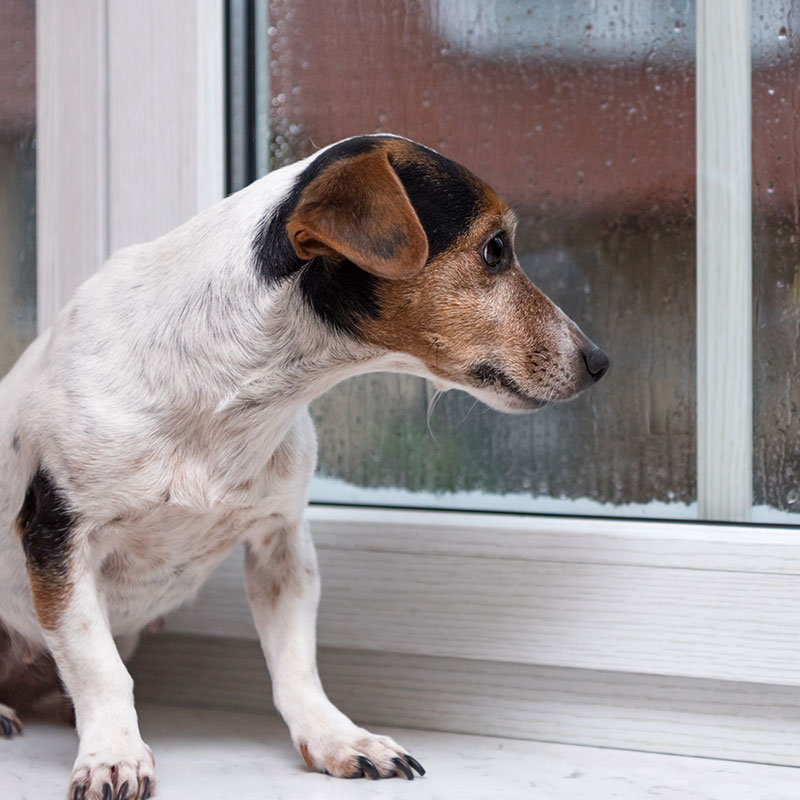
In recent years, as conversations around mental health have become more open we've gotten a better understanding of how widespread issues like anxiety are. What many pet owners don't realize is that this is not exclusive to people. Many of our beloved pets also struggle with anxious feelings that can significantly harm their quality of life.
How Can I Tell if My Dog Has Anxiety?
Anxiety in dogs can present in a variety of ways, and you should be on the lookout for any of the below signs that could indicate your dog is feeling anxious:
-
Aggression
-
Going to the bathroom indoors
-
Drooling and panting
-
Unusual destruction
-
Lethargy
-
Barking
-
Restlessness
-
Compulsion
What Causes Anxiety in Dogs?
If your dog is struggling with anxiety, there are a variety of potential triggers that can be contributing to their worries. Here are the top causes of anxiety that you should be aware of:
-
Fear. If your dog has excessive levels of fear, whatever the triggers, it can lead to them being anxious and uneasy. If possible, you should seek to identify their fear triggers so you can work on them to reduce their anxiety levels.
-
Separating. The most common anxiety that dog owners are aware of is separation anxiety. This can often be caused by dogs that were neglected or left alone as puppies, leading to a fear that they will be abandoned, however, any dog can develop separation anxieties.
-
Age. When you have an older dog you may be surprised to see they are suddenly behaving anxiously when they had never had such problems in the past. This can be a natural reaction, however. As your dog ages and their reflexes and acuity begin to slow, it can make them uneasy to be unable to move and respond as they used to, leading to higher anxiety levels.
-
Owner changes. If you have recently adopted your dog from a prior living situation, then the change of ownership can be highly stressful. Your dog likely loved their prior owner and not having them around leads to feeling scared and uneasy.
-
Moving. Just like a change of who is around your dog can cause them anxiety, so too can a change of where they are. Dogs can get comfortable in their habits, which makes moving to a new home with new routines a stressful ordeal that can lead to some short-term anxiety as your dog adjusts to their new life.
-
Change of routine. The final area where a change can throw your dog off, even when you haven't moved or recently adopted them, is a change to those established routines. If you take a new job that changes when you are around, for example, it may make your dog anxious and require a learning period for them to get used to the new structure.
Dog Anxiety Tips
When your dog is struggling with anxiety, all you want to do is help them out so they can feel better and be happier. If your dog is struggling, these are some of the best ways to help them cope:
-
Take them to the vet. Your first step should be to speak with a vet who can examine your dog and discuss any changes in behavior with you to help diagnose possible causes as well as suggest fixes or prescribe medications to help with the anxiety.
-
Practice being separated. If your dog is suffering from separation anxiety, you can train them to be comfortable being left alone by doing so in short bursts. Start by just leaving for a few minutes at a time, and as your dog gets more comfortable with their alone time you can extend it until you are able to head out for the day without problems.
-
Keep it low key. While it's tempting to shower your dog with attention before leaving to calm them it can have the opposing effect. Instead, say any goodbyes several minutes before leaving, then remain calm and make it no big deal when you head out. This will help keep your dog calmer while you're out.
-
Make them comfortable. Adding a softer bed to your dog's crate makes staying in it more comfortable, and a toy like a KONG with a treat inside can help to keep them occupied while leaving as well as after you're gone.
-
Take them for a walk. If you know you will be heading out soon, take your dog for a walk. Attaching a leash and heading out for a while allows your dog to get out some energy so they're calmer while alone.
-
Play sounds while you're gone. Sometimes just hearing human voices can help to calm your dog while you're away, so leave a radio or TV playing while you're out.
When your dog is struggling with anxiety it can be hard to watch. You love them and only want to see what's best for them, so seeing them in difficult times is painful. By understanding the warning signs of anxiety and working to improve your dog's anxiety woes, however, you can help them be as happy and free as you want them to be!






