
 Save 15% on your 1st Autoship learn more

 Email us
 Live Chat
 FAQs





Introduction
You are relaxing on the couch with your cat when you notice small white flakes scattered across their fur. It might look like a dusting of salt or tiny pieces of dried soap. While humans deal with dandruff often, seeing it on your feline friend can be a bit of a surprise. It is a common issue that we see frequently at BaxterBoo. Often, those flakes are a signal that your cat needs a change in their grooming routine or a boost in their nutrition.
This article covers the various reasons why these flakes appear and how you can manage them at home. We will also discuss when those flakes indicate a medical concern that requires a trip to the veterinarian. A true cure for cat dandruff starts with identifying the underlying cause, whether it is dry air, a dietary gap, or a health condition.
Quick Answer: Cat dandruff is typically cured by increasing hydration, improving diet with Omega fatty acids, and daily brushing. If flakes are accompanied by itching or hair loss, a veterinarian must rule out parasites or skin infections.
Understanding Cat Dandruff versus Dander
It is important to know that dandruff and dander are not the same thing. Every cat produces dander. These are microscopic skin cells that shed naturally as part of a healthy skin cycle. You cannot see dander with the naked eye. It is the protein in dander and saliva that usually triggers allergies in humans.
Dandruff consists of much larger flakes. These are visible dead skin cells that have clumped together. They often appear on the lower back and near the base of the tail. While a few occasional flakes might be normal, a sudden increase usually means the skin is too dry or too oily.
Identifying the Flakes
- White or Gray Flakes: These are the most common signs of dry skin.
- Greasy Clumps: This suggests an overproduction of skin oils.
- Black Specks: This is often flea dirt rather than dandruff.
- Walking Dandruff: If the flakes appear to move, your cat may have Cheyletiella mites.
Cat Skin & Coat Care





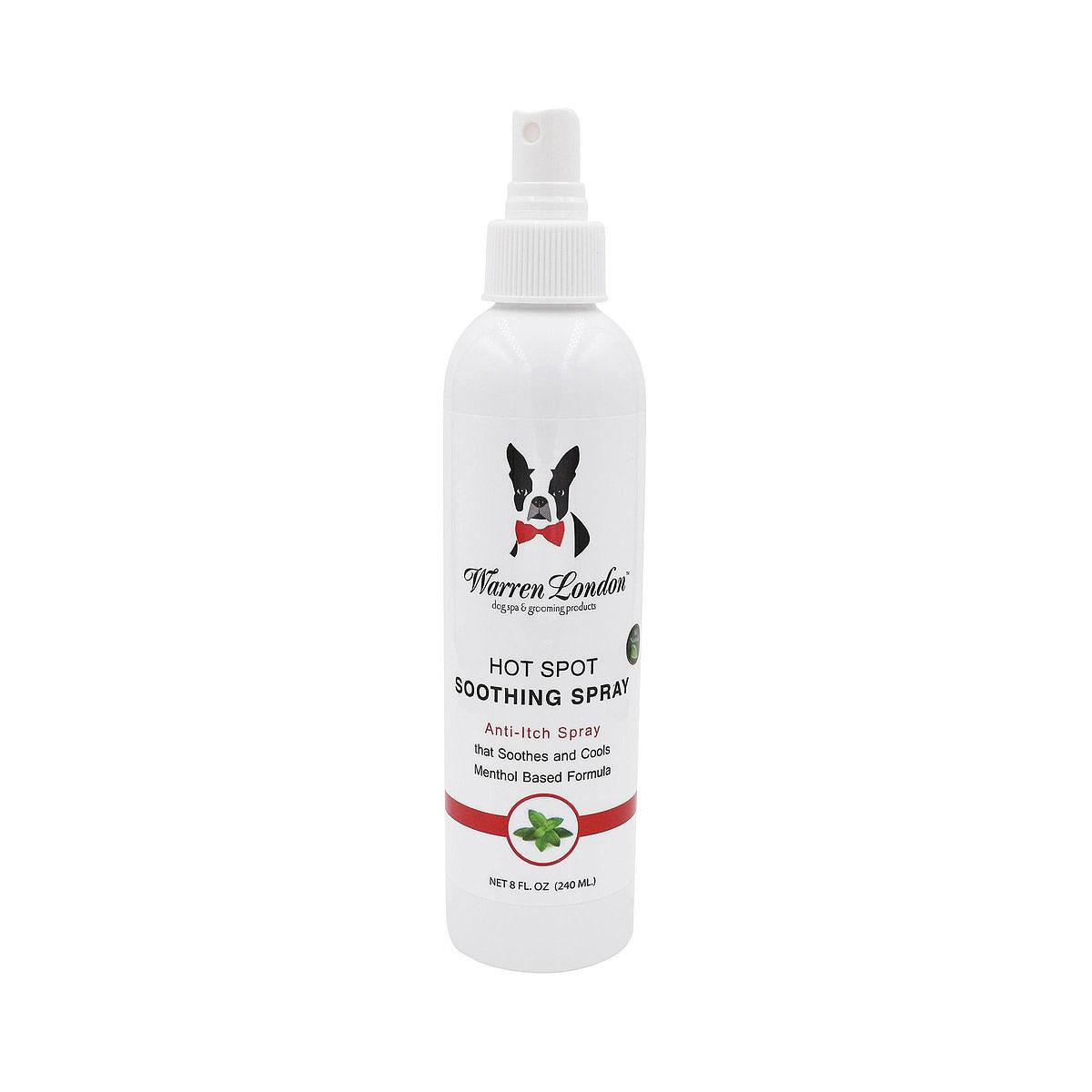

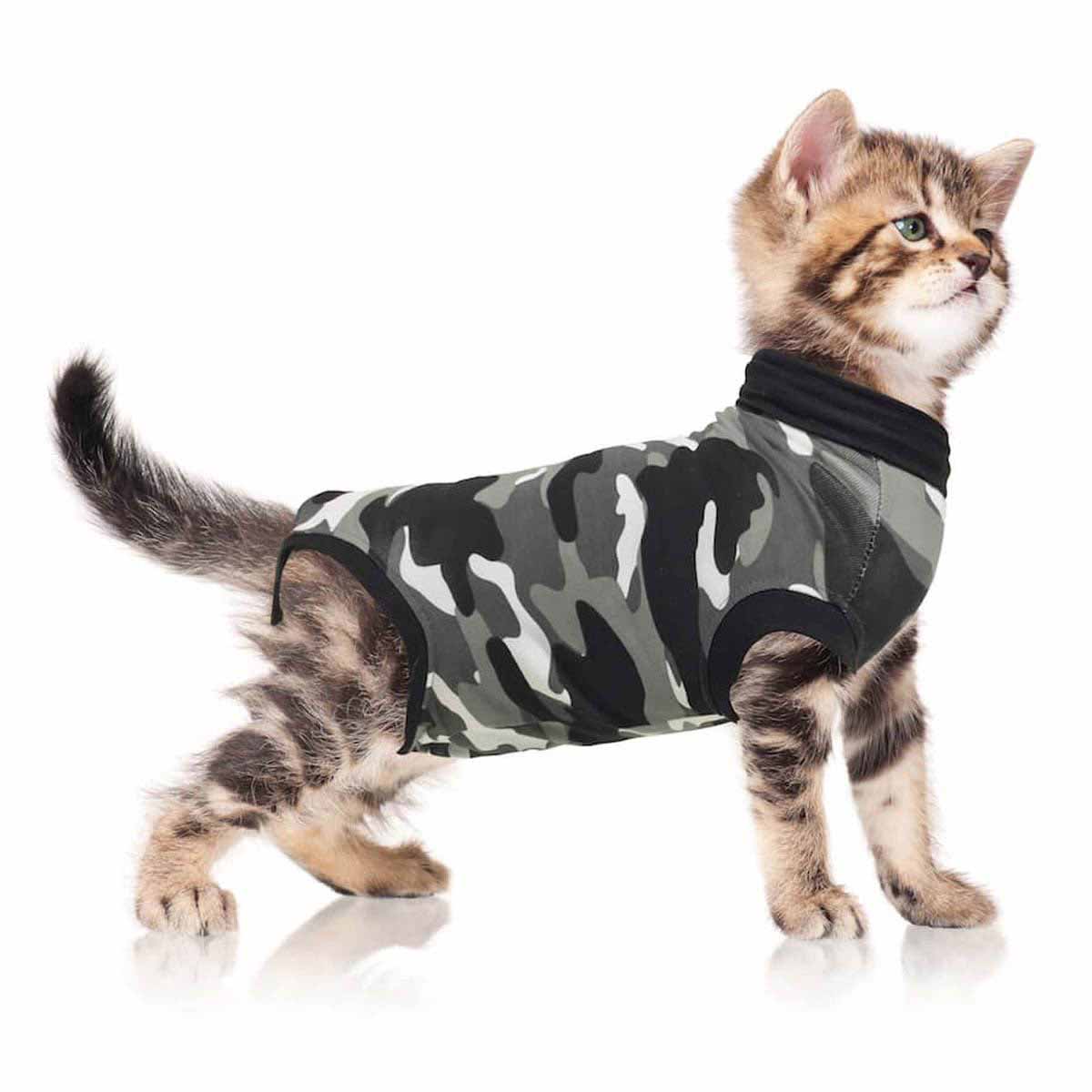


Common Causes of Flaky Skin in Cats
Finding a cure for cat dandruff requires looking at your cat's lifestyle and environment. Several factors can cause the skin to become irritated and shed excessively.
Environmental Dryness
During the winter months, indoor heating systems strip moisture from the air. This low humidity dries out your cat's skin just like it does yours. If your cat only has flakes during the colder months, the environment is likely the primary culprit.
Issues with Self-Grooming
Cats are famous for their cleanliness. They usually lick away dead skin cells before you ever see them. If a cat stops grooming effectively, dandruff will build up quickly.
Obesity is a common reason for poor grooming. An overweight cat simply cannot reach their lower back or the base of their tail. Similarly, senior cats with arthritis may find the twisting and stretching of grooming too painful. If you notice mats or greasy fur alongside the dandruff, your cat likely needs help with their daily hygiene.
Nutritional Deficiencies
Healthy skin requires specific nutrients. If a cat's diet is low in essential fatty acids, their skin barrier becomes weak. This leads to moisture loss and flaking. Many commercial diets are balanced, but some cats have higher requirements for Omega-3 and Omega-6 oils than others.
Key Takeaway: Dandruff is a symptom of an underlying issue like dry air, poor grooming, or a lack of healthy fats in the diet.
The Role of Hydration and Diet
Water intake is a massive factor in skin health. Cats have a low thirst drive because their ancestors obtained most of their moisture from prey. If your cat eats only dry kibble and does not drink much water, they may be chronically dehydrated. This dehydration often shows up first on the skin.
Boosting Moisture at the Bowl
Switching to wet food is one of the fastest ways to improve skin hydration. Brands like Tiki Cat, Fancy Feast, or Fussie Cat offer high moisture content that supports the skin from the inside out. If your cat refuses wet food, try adding a splash of water or tuna juice to their dry kibble. Explore our wet cat food selection for moisture-rich meal options.
Essential Fatty Acid Supplements
Supplements can be a powerful tool for skin health. Look for products containing salmon oil or green-lipped mussel. Brands like Zesty Paws or Honest Paws offer targeted skin and coat supports. These oils help strengthen the skin barrier and reduce inflammation.
- Check the label: Look for guaranteed levels of EPA and DHA.
- Start slow: Add a small amount to their food to avoid stomach upset.
- Be patient: It can take four to six weeks to see a visible change in the coat.
Grooming Habits as a Natural Cure
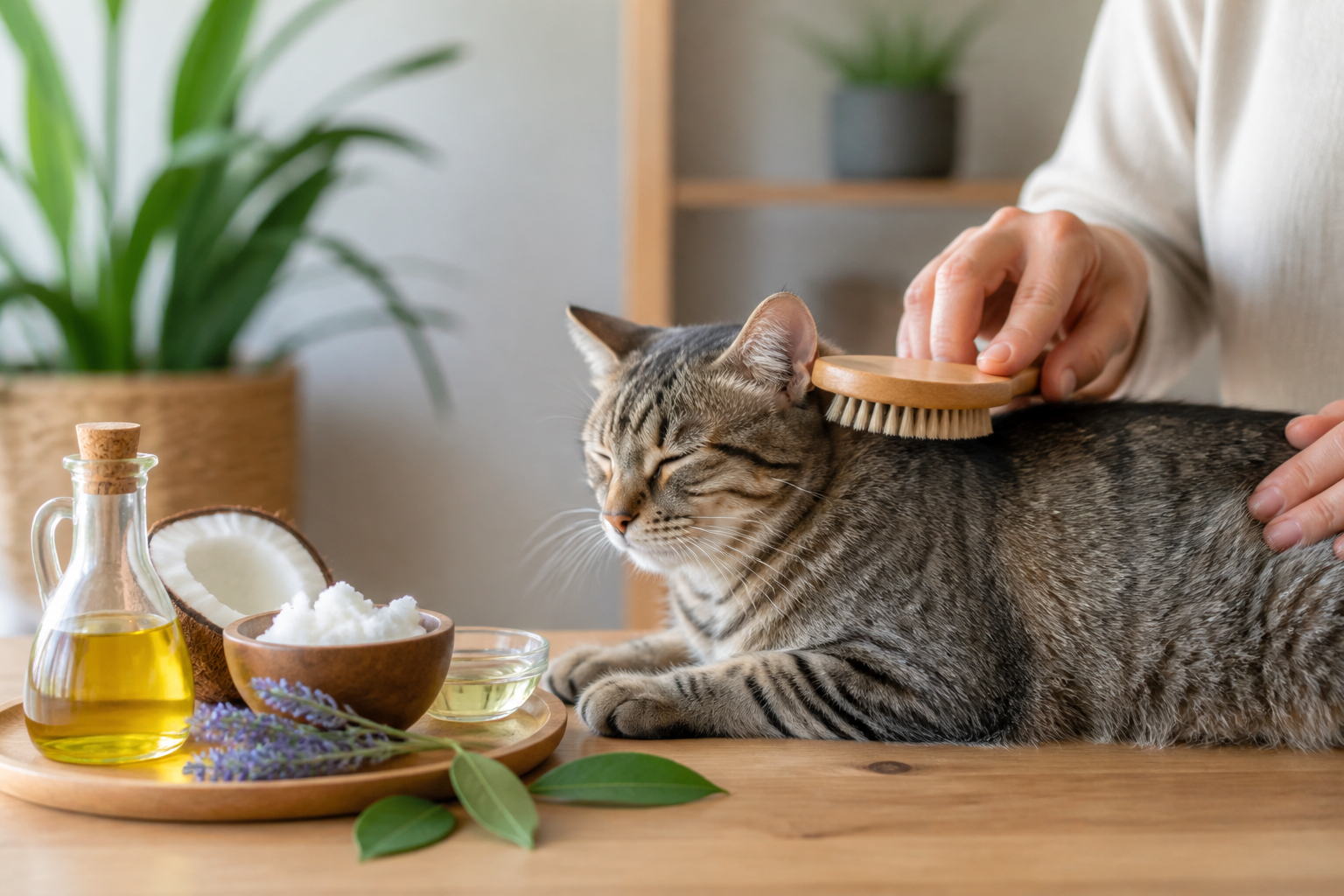
If your cat cannot groom themselves, you must step in. Regular brushing is more than just a bonding activity. It stimulates the skin and distributes natural oils throughout the fur. This process helps to naturally "cure" mild dandruff by removing the buildup and moisturizing the hair shafts.
Choosing the Right Tools
The type of brush you use depends on your cat's coat length. A soft bristle brush is excellent for short-haired cats. For long-haired cats or those with a thick undercoat, a slicker brush or a de-shedding tool like those made by Kong can be very effective. Browse our cat grooming supplies for brushes, combs, and other grooming tools.
The Brushing Routine
- Frequency: Aim for at least three times a week.
- Direction: Always brush in the direction of hair growth.
- Sensitivity: Be gentle near the spine and hips, especially for senior cats.
- Observation: Use this time to check for hidden lumps, bumps, or parasites.
Vet Tip: If your cat is overweight or arthritic, they physically cannot groom their back half. Daily brushing by you is essential to prevent skin infections and painful matting in these hard-to-reach areas.
When Dandruff Signals a Medical Problem
Sometimes, home remedies are not enough. If the dandruff is accompanied by other symptoms, it may be a sign of a medical condition.
Parasites and Infections
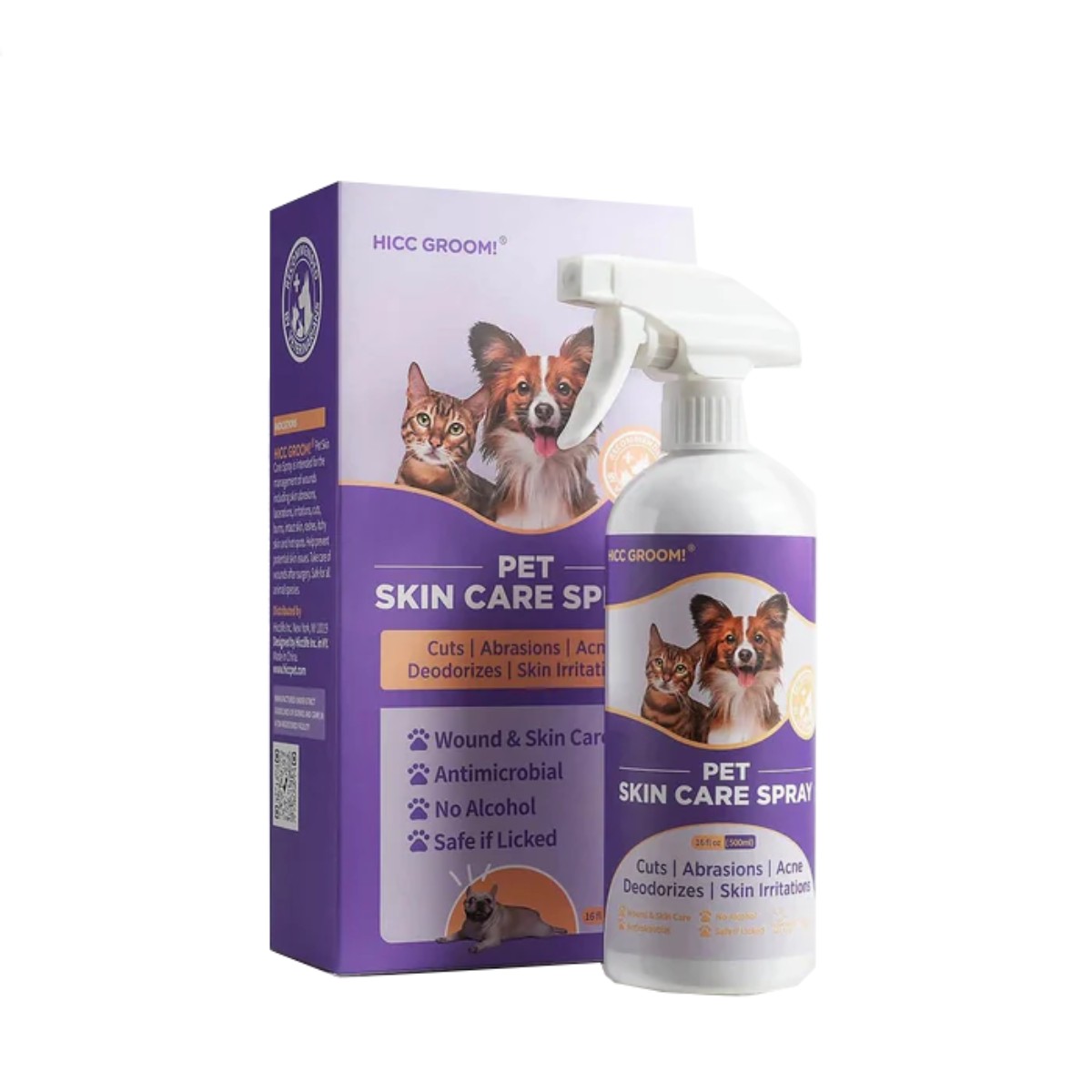
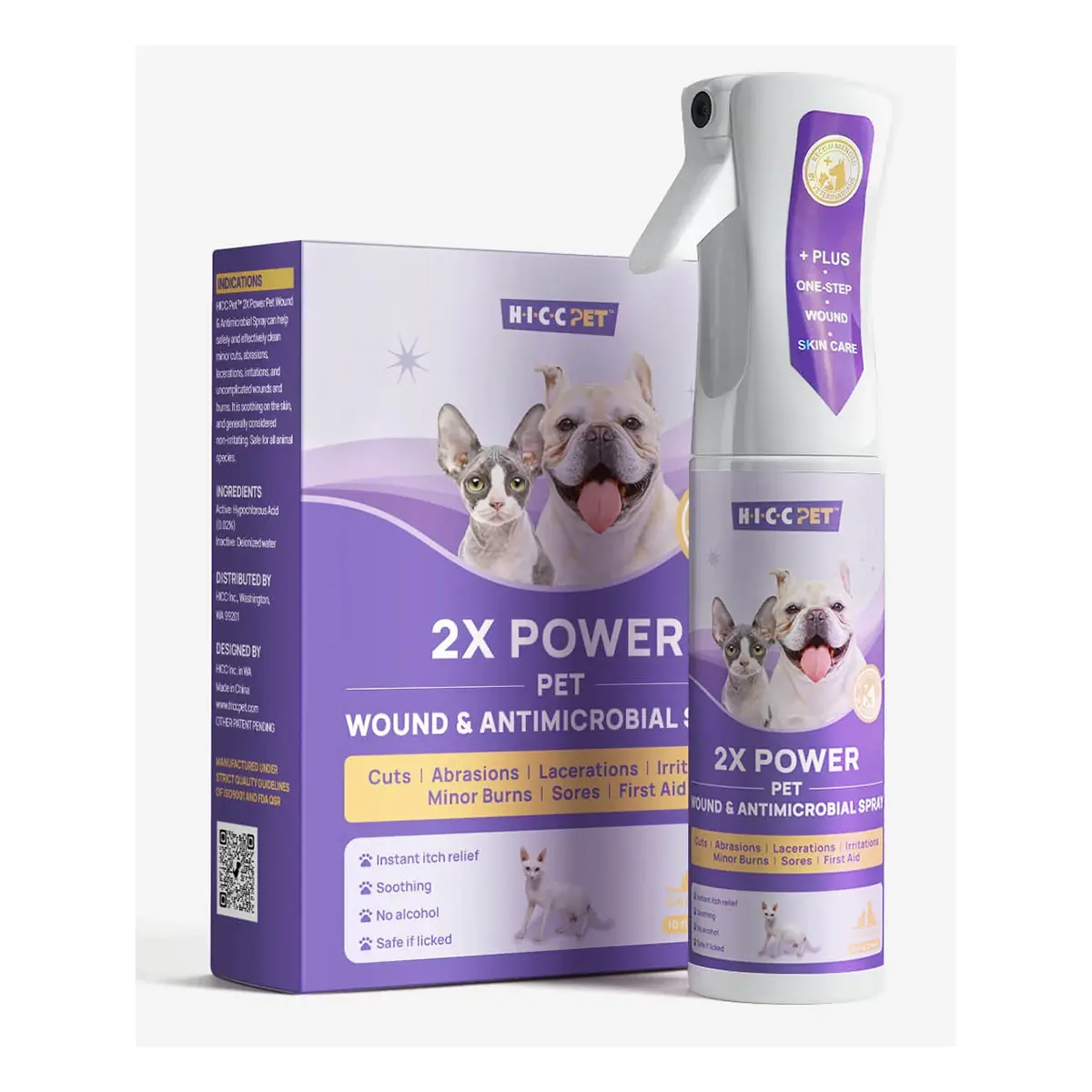
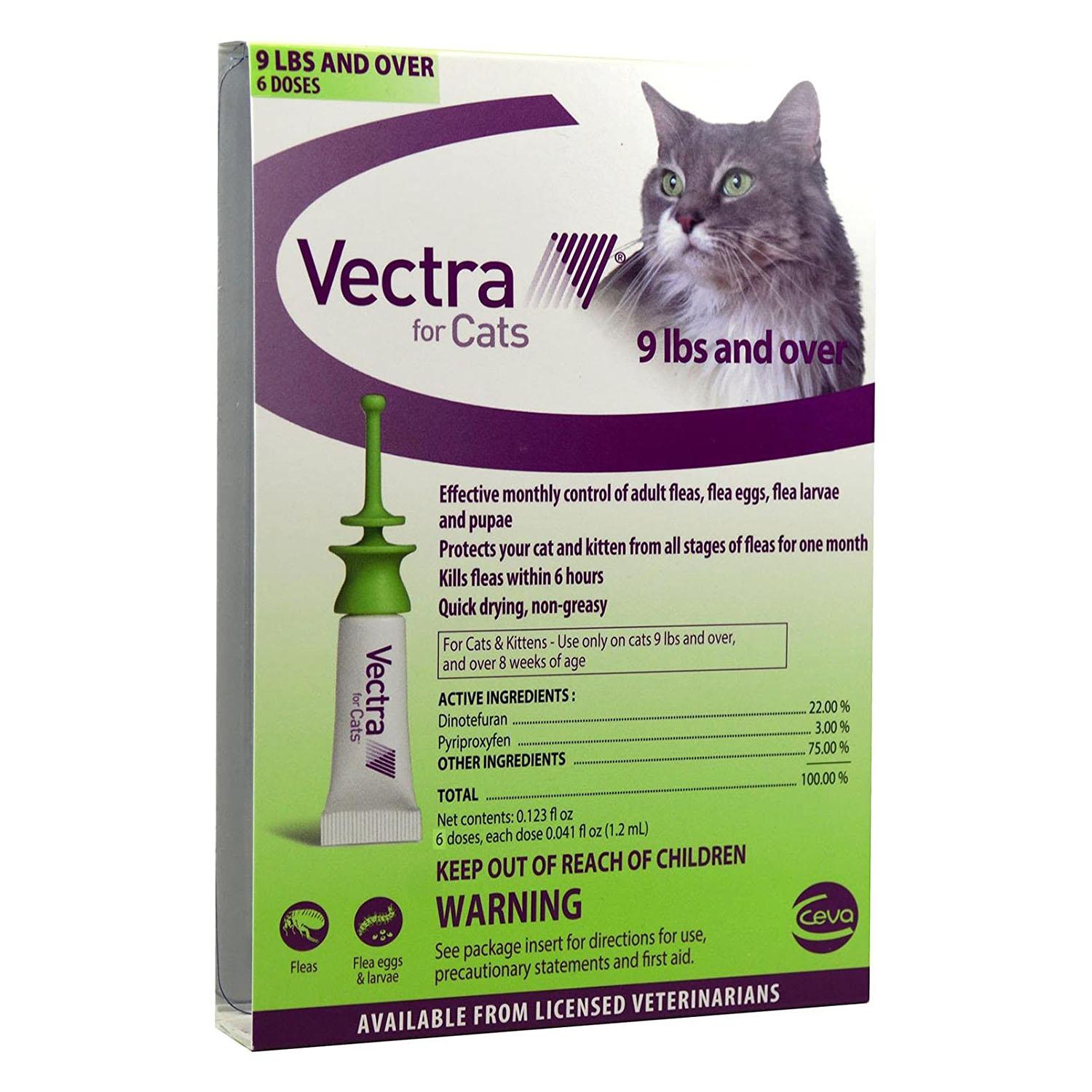
Fleas are a common cause of skin irritation. Even if you do not see a flea, your cat may be allergic to flea saliva. This causes intense itching and flaking. Mites, such as "walking dandruff," require specific medical treatment to eliminate. For prevention options, review our cat flea and tick collection.
Bacterial or fungal infections like ringworm can also cause scaling. Ringworm often appears as circular patches of hair loss with crusty skin. This is contagious to humans, so a vet visit is mandatory if you suspect it.
Systemic Health Conditions
In some cases, dandruff is a secondary symptom of a systemic disease. Conditions like diabetes, kidney disease, or hyperthyroidism can affect the quality of a cat's coat. These diseases change the way the body processes nutrients and manages hydration.
Bottom line: Persistent dandruff that does not respond to brushing or diet changes should be evaluated by a veterinarian to rule out systemic illness.
Accessing the BaxterBoo Pharmacy
If your veterinarian determines that your cat has a medical condition, you may need prescription treatments. Our cat pharmacy offers a wide range of prescription medications through our partnership with Pet's Choice.
Whether your cat needs a prescription flea preventive like NexGard or a medicated shampoo to treat a fungal infection, we can help. We also carry prescription diets from brands like Farmina Vet Life and Royal Canin. These diets are formulated to manage specific health issues that can cause skin problems, such as food sensitivities or metabolic disorders.
Benefits of the Pharmacy Partnership
- Convenience: Order your pet's medications alongside their favorite toys and treats.
- Safety: All medications are FDA-approved and handled by licensed professionals.
- Selection: Access to specialized skin and allergy medications that are not available over the counter.
- Support: Our team understands the needs of pet owners managing chronic conditions.
Lifestyle Adjustments for Long-Term Relief
Beyond food and grooming, small changes in your home can make a big difference. If the air in your house is very dry, consider running a humidifier in the room where your cat spends the most time. This adds much-needed moisture back into their environment.
Reducing Stress
Stress can also impact a cat's skin. Cats are sensitive to changes in their environment, such as a new pet or a move. Stress can lead to "stress shedding" or a decline in grooming habits. Using calming diffusers or providing more vertical space and hiding spots can help your cat feel more secure.
Weight Management
If obesity is the reason your cat cannot groom, a weight management plan is the long-term cure. Talk to your vet about a calorie-controlled diet. High-quality brands like NutriSource or Open Farm offer options that provide great nutrition with fewer calories. Combining a better diet with increased play can help your cat reach a healthy weight.
Final Steps for a Healthy Coat
Curing cat dandruff is usually a matter of consistency. Most cases will resolve with better hydration, regular brushing, and high-quality nutrition. However, you should never ignore persistent flakes that come with itching, redness, or behavioral changes.
Key Takeaway: A healthy coat starts with a healthy body. Focus on moisture, high-quality fats, and physical assistance with grooming for the best results.
We are here to support you in every stage of your cat's health journey. From the right grooming tools to prescription support through our pharmacy, we have the resources you need. Consider signing up for our Autoship programme to help ensure you never run out of the skin-supporting foods or supplements your cat depends on.
FAQ
Can I use human dandruff shampoo on my cat?
No, you should never use human dandruff shampoo on a cat. These products often contain ingredients like zinc pyrithione or selenium sulfide that are toxic to felines. Cats groom themselves by licking, so any residue left on their fur will be ingested. Always use a shampoo specifically formulated for cats and consult your vet before the first bath.
How long does it take for cat dandruff to go away?
If the cause is environmental or nutritional, you will typically see improvement in four to six weeks. This is the amount of time it takes for new skin cells to grow and for the coat to reflect changes in diet. If you are using a prescription treatment for parasites or infections, follow the timeline provided by your veterinarian.
Is cat dandruff contagious to humans or other pets?
Simple dandruff caused by dry skin or diet is not contagious. However, if the "dandruff" is actually caused by parasites like Cheyletiella mites or a fungal infection like ringworm, it can spread very easily. If you have multiple pets, it is best to treat all of them and wash their bedding thoroughly to prevent the spread of parasites.
Does brushing really help with cat dandruff?
Yes, brushing is one of the most effective ways to manage dandruff. It removes the dead skin cells before they flake off and move into your carpet or furniture. More importantly, it stimulates the sebaceous glands in the skin to produce natural oils. These oils act as a built-in moisturizer for your cat's fur and skin barrier.






- Site & Contents BaxterBoo.com. BaxterBoo is located in the United States.
- Privacy & Security
- Terms of Use
- Accessibility Statement
