
 Save 15% on your 1st Autoship learn more

 Email us
 Live Chat
 FAQs
FAQs





Introduction
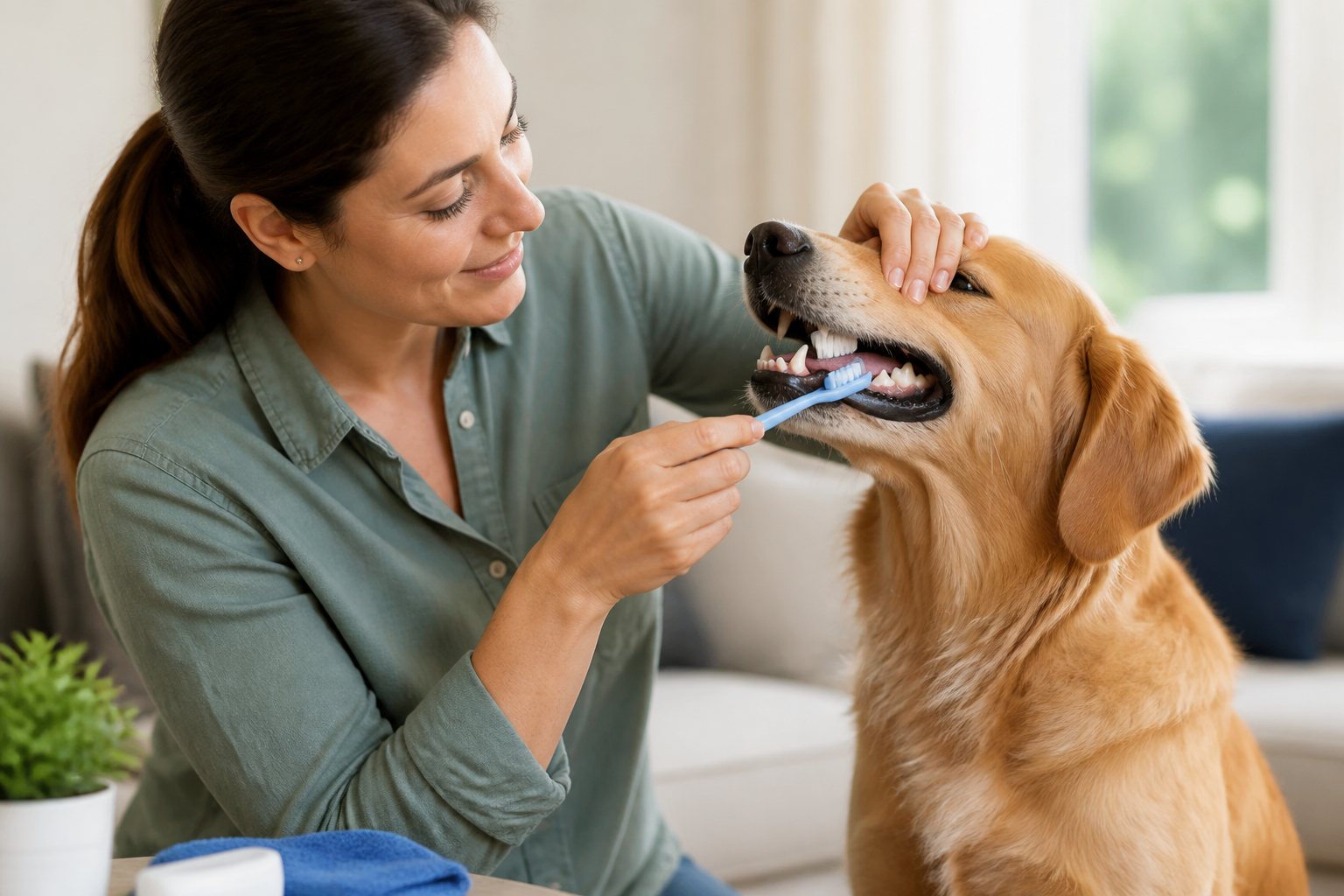
You lean in for a happy morning nuzzle only to be met with a cloud of breath that smells like a swamp. It is a common moment for many pet owners. We often focus on fluffy coats and trimmed nails while the mouth remains an afterthought. At BaxterBoo, we know that dental health is more than just a vanity issue for your pet. It is a cornerstone of their total wellness. Ignoring plaque can lead to painful infections or even serious organ damage over time. This guide covers everything from the basics of brushing to using dental chews and water additives. We will also explain when it is time to involve your veterinarian. Learning how to best clean dogs teeth requires a consistent routine that fits your lifestyle and your dog's personality.
Quick Answer: The most effective way to clean a dog's teeth is through daily brushing with dog-specific enzymatic toothpaste. You should supplement this with dental chews, water additives, and annual professional veterinary cleanings to reach plaque beneath the gumline.
The Importance of Oral Hygiene for Dogs
Dental disease is one of the most frequent health issues in adult dogs. Most pets show some sign of periodontal disease by the time they reach three years old. This starts as simple plaque. If you do not remove it, it hardens into tartar. Tartar provides a rough surface where more bacteria can grow and thrive.
Bacteria in the mouth do not stay there. They can enter the bloodstream through inflamed gums. Once in the blood, these bacteria can travel to the heart, liver, and kidneys. This can lead to chronic conditions that shorten a dog's lifespan. Keeping the mouth clean is a simple way to protect their overall health.
Small breeds and flat-faced dogs are at a higher risk. Their teeth are often crowded together in a smaller jaw. This creates many tiny spaces where food and bacteria get trapped. Regardless of the breed, every dog needs a dedicated oral care plan. For additional guidance, read our article on warning signs of bad teeth in dogs.
Brushing Your Dog's Teeth: The Gold Standard
Brushing is the most effective way to remove plaque before it turns into tartar. It mechanically scrubs the surface of the tooth and the gumline. While it might seem daunting, most dogs can learn to enjoy the process.
Choosing the Right Supplies
Never use human toothpaste for your dog. Human formulas often contain xylitol or fluoride. Both of these ingredients are toxic to dogs. Pet-specific toothpaste is enzymatic. This means it continues to break down plaque even after you stop brushing. It also comes in flavors dogs love, such as poultry, beef, or peanut butter. A dog-specific option is Nutri-Vet Dog Toothpaste.
You have a few choices for the brush itself. A long-handled dog toothbrush helps you reach the back molars. A finger brush is a small rubber cap that fits over your fingertip. This is often better for puppies or small dogs. It gives you more control and feels less intimidating to the pet. You can also review our dog dental care products to compare toothpaste, brushes, and other oral-care supplies.
Step-by-Step Training Guide
Do not expect to brush every tooth on the first day. The goal is to make this a positive experience.
Step 1: Let them taste it. / Put a small amount of dog toothpaste on your finger. Let your dog lick it off so they associate the flavor with a reward.
Step 2: Touch the teeth. / Gently lift your dog's lip and rub your finger along their gums. Do this for just a few seconds while offering praise.
Step 3: Introduce the brush. / Put toothpaste on the brush and let your dog lick it. Move the brush in a slow, circular motion on the front teeth.
Step 4: Reach the back. / Gradually work your way toward the large molars in the back. This is where most tartar builds up.
Step 5: Reward the effort. / Give your dog a treat or extra playtime after every session. This builds a positive association with the routine.
Vet Tip: If your dog shows signs of aggression or intense fear during brushing, do not force the issue. You could risk a bite or cause lasting trauma. Talk to your veterinarian about alternative cleaning methods or professional options.
For more ideas about introducing oral care gradually, read our pet dental care tips.
Using Dental Chews and Toys
Not every dog will sit still for a toothbrush. This is where dental chews and specialized toys become helpful. These items work through mechanical abrasion. As your dog chews, the surface of the item scrapes against the teeth. Browse our dog dental treats for chew-based options.
Selecting Effective Chews
Look for products that carry the Veterinary Oral Health Council (VOHC) seal. This seal means the product has been tested and proven to reduce plaque or tartar. Many chews also contain ingredients that freshen breath and reduce bacteria. You can also explore our selection of Greenies products when comparing dental chew options.
Be careful with the hardness of the chew. A good rule of thumb is the fingernail test. If you cannot dent the chew with your fingernail, it might be too hard. Items like antlers, dried hooves, or rocks can easily fracture a dog's teeth. Fractured teeth are painful and often require expensive extractions.
Interactive Dental Toys
Rubber toys with nubs or ridges are excellent for oral health. Some are designed so you can smear a bit of pet toothpaste inside the grooves. As the dog plays and gnaws, they are effectively brushing their own teeth. This is a great way to provide mental enrichment while maintaining hygiene.
Key Takeaway: Dental chews are a great supplement to brushing but should not be the only tool you use. Always supervise your dog while they are chewing to prevent choking or the ingestion of large pieces.
Water Additives and Dental Powders
For busy owners or very stubborn pets, water additives and powders offer a "hands-off" approach. These products are formulated to change the chemistry of the mouth.
How Water Additives Work
You simply add a capful of the solution to your dog's water bowl. These additives are usually tasteless and odorless. They contain enzymes or antiseptic ingredients that kill bacteria on contact. This helps reduce the "slime" or biofilm that eventually turns into plaque.
Dental Powders for Food
Dental powders are sprinkled over your dog's meals. Some of these contain probiotics that promote healthy bacteria in the mouth. Others use sea kelp or specific enzymes to soften existing tartar. Over time, this makes it easier to brush the tartar away or for it to come off during chewing.
Bottom line: Additives and powders are excellent for reducing bacteria and freshening breath, but they cannot replace the mechanical scrubbing of a brush or chew.
The Role of Diet in Dental Health
There is a common myth that dry kibble keeps teeth clean. While some specialized dental diets do help, standard kibble often crumbles too quickly to provide a cleaning benefit.
Specialized Dental Diets
Some dogs are genetically prone to dental issues. In these cases, a prescription dental diet may be necessary. These kibbles are usually much larger. They are designed not to shatter when the dog bites down. Instead, the tooth sinks into the kibble, which scrubs the surface.
Our pharmacy at BaxterBoo offers several prescription dental diets, including options from Royal Canin and Hill's. Through our partnership with Pet's Choice, we can help you manage these ongoing health needs. These diets require a prescription from your vet because they are formulated to treat a specific medical concern. For prescription needs, visit our pet pharmacy for dogs.
Natural Foods that Help
Raw carrots and apple slices can provide a minor cleaning effect. They are crunchy and require significant chewing. However, they also contain sugars and starches. They should be treated as occasional snacks rather than a primary dental solution.
| Method | Effort Level | Effectiveness | Best For |
|---|---|---|---|
| Brushing | High | Excellent | All dogs; the gold standard |
| Dental Chews | Low | Good | Dogs with high chew drive |
| Water Additives | Very Low | Moderate | Multi-pet households; picky dogs |
| Dental Toys | Low | Moderate | Puppies and active chewers |
Recognizing the Signs of Dental Disease
You should check your dog's mouth at least once a week. Catching problems early can save your dog from pain and save you from high vet bills.
- Foul Breath: While "dog breath" is normal, a truly stinky or rotting smell indicates infection.
- Discolored Teeth: Healthy teeth are white. Yellow or brown buildup near the gumline is tartar.
- Red or Bleeding Gums: Gums should be a healthy pink. Redness or bleeding during play is a sign of gingivitis.
- Difficulty Eating: If your dog drops food or tilts their head while eating, they may have a painful tooth.
- Swelling: Any bumps on the gums or swelling under the eye can indicate a tooth root abscess.
Vet Tip: If you notice any of these signs, schedule a veterinary exam immediately. Dental infections can be incredibly painful, even if your dog is not complaining loudly.
Professional Veterinary Cleanings
Home care is about prevention, but it cannot remove established tartar. Only a professional cleaning can do that. This procedure is called a dental prophylaxis.
Why Anesthesia is Necessary
A real dental cleaning requires the vet to scale and polish the teeth. Most importantly, they must clean beneath the gumline. No dog will sit still for a vibrating ultrasonic scaler under their gums while they are awake.
Anesthesia allows the vet to perform a full exam. They can take X-rays to look for bone loss or infected roots. They can also extract teeth that are beyond saving. At BaxterBoo, we recommend annual dental checkups as part of your pet's wellness routine.
Managing Recovery
Most dogs bounce back quickly from a dental cleaning. Your vet may prescribe antibiotics or pain medication if extractions were performed. Our pharmacy carries a variety of FDA-approved medications to help your pet recover comfortably. We provide these through our partnership with Pet's Choice to ensure your dog gets the exact care they need.
Bottom line: A professional cleaning once a year is often the best investment you can make in your dog's long-term health.
Setting Up a Long-Term Routine
The best way to clean your dog's teeth is to be consistent. A "deep clean" once a month is not as effective as a quick brush every day.
Step 1: Pick a time. / Choose a time when your dog is calm, such as after a long walk or before bed.
Step 2: Start small. / If you are new to dental care, start with just thirty seconds a day.
Step 3: Combine methods. / Use a water additive daily and a dental chew every other day.
Step 4: Monitor and adjust. / Keep an eye on their gums and breath. If the smell returns, increase your brushing frequency.
Our MVP Rewards program is a great way to save on the supplies you need for this routine. You can earn points on every purchase of toothpaste, brushes, and chews. Visit the MVP Rewards programme to review available benefits.
Conclusion
Maintaining your dog's dental health is a lifelong commitment. While brushing is the most effective method, a combination of chews, additives, and professional care will yield the best results. Start slowly and keep the experience positive with plenty of rewards. Regular inspections will help you catch issues before they become emergencies.
- Brush daily with enzymatic toothpaste.
- Provide VOHC-approved dental chews.
- Use water additives to reduce oral bacteria.
- Schedule annual professional cleanings with your vet.
For the most convenient way to stay on top of your pet's dental needs, consider our Autoship programme. You can get your dog's favorite dental chews and toothpaste delivered on a schedule that works for you. You will save on your first order and receive a free MVP Gold membership. To get started, browse our full selection of dental care products or visit our pharmacy for prescription needs.
FAQ
How often do I really need to brush my dog's teeth?
Ideally, you should brush your dog's teeth every single day to prevent plaque from hardening into tartar. If daily brushing is not possible, aiming for at least three times a week can still significantly reduce the risk of gum disease. Consistency is more important than the length of the brushing session.
Is human toothpaste safe if I only use a little bit?
No, you should never use human toothpaste for your dog. Many human formulas contain xylitol, an artificial sweetener that is highly toxic to dogs even in small amounts. They also contain foaming agents that can upset a dog's stomach since they do not know how to spit out the paste.
My dog's breath is terrible; will dental chews fix it?
Dental chews can help freshen breath temporarily, but they are often not enough to fix a severe odor. Foul breath is usually a sign of an underlying infection or significant tartar buildup beneath the gumline. If the smell persists despite using chews, you should consult your veterinarian for a professional cleaning.
Are there certain breeds that need more dental care?
Yes, small breeds and brachycephalic (flat-faced) dogs like Pugs or Bulldogs often require more frequent dental attention. Their teeth are often crowded or misaligned, which creates more pockets for bacteria to grow. These breeds may benefit from professional cleanings more often than larger breeds with more space in their jaws.






