
 Save 15% on your 1st Autoship learn more

 Email us
 Live Chat
 FAQs
FAQs





Introduction
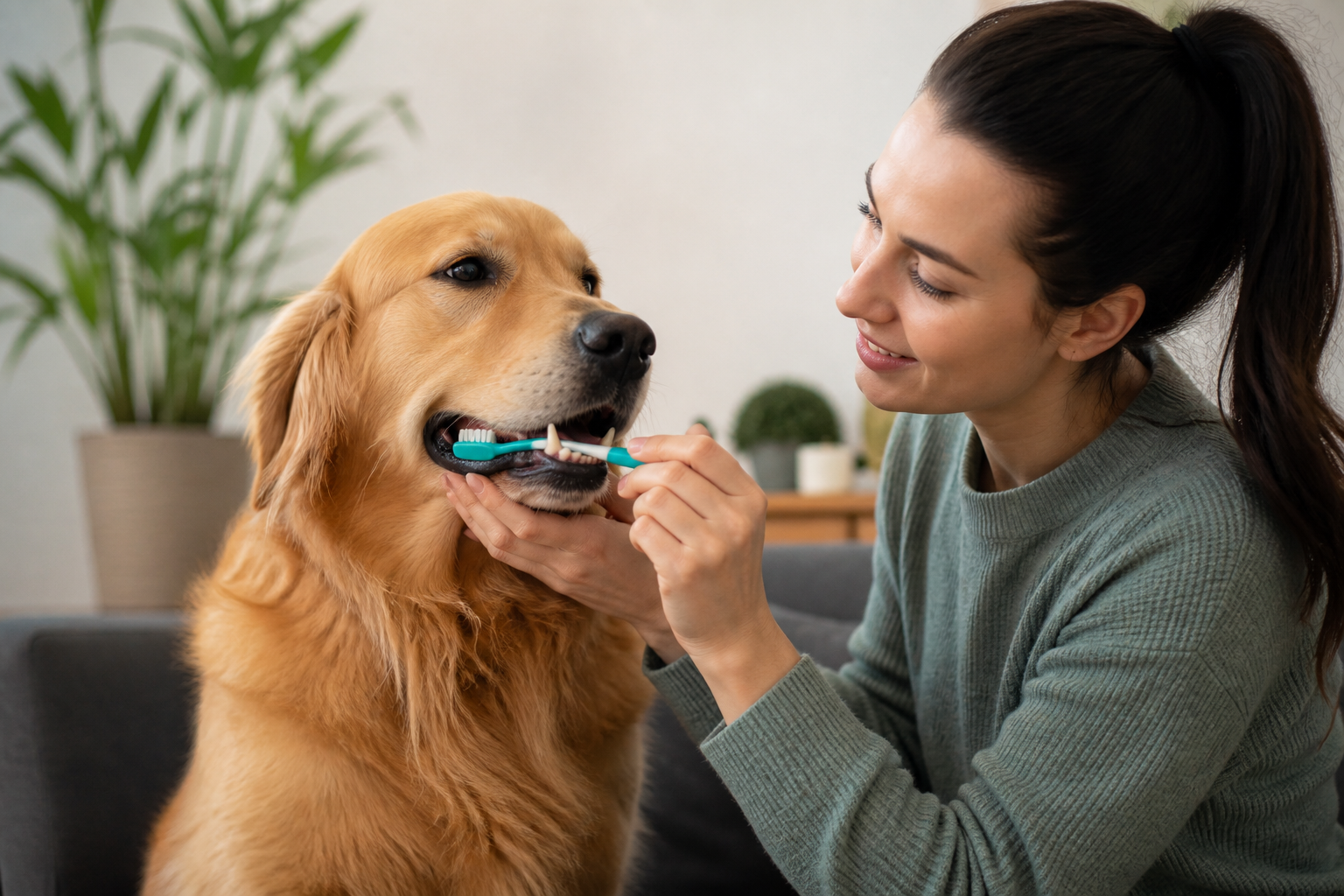
You are sitting on the sofa when your dog leans in for a friendly nuzzle. Instead of a sweet moment, you are met with a wave of breath that smells like a damp basement. Most dog owners have been there. While we often focus on coat care or exercise, dental hygiene is a part of pet health that is easy to overlook until the smell becomes impossible to ignore. At BaxterBoo, we see thousands of pet parents looking for ways to keep their dogs healthy from the inside out. Understanding the best methods for oral hygiene can save your pet from pain and save you from expensive vet bills later. This guide covers everything from daily brushing routines to dental chews and professional care. Taking a proactive approach to your dog's oral health is the best way to ensure they stay happy and comfortable for years.
Quick Answer: The most effective way to clean your dog’s teeth is through daily brushing with pet-specific enzymatic toothpaste. You can also supplement this routine with dental chews, water additives, and professional veterinary cleanings to manage plaque and tartar.
Recognizing the Signs of Dental Issues
Before you start a cleaning routine, you need to know what you are looking at when you lift your dog's lip. Healthy gums should be a soft pink color. The teeth should be white without significant yellow or brown staining near the gum line. If you notice a bright red line where the tooth meets the gum, this is often a sign of early gingivitis.
Bad breath is not just a nuisance. It is frequently the first sign of bacteria building up in the mouth. While a little dog breath is normal, a truly foul odor suggests that plaque has turned into tartar. Tartar is a hard, brownish substance that cannot be brushed away with a standard toothbrush. It requires professional scaling to remove.
Keep an eye out for changes in how your dog eats. If they start dropping dry kibble or seem to prefer only soft food, they might have a painful tooth. Some dogs will also paw at their mouths or rub their faces against the furniture to find relief. If you see any bleeding or loose teeth, it is time to schedule a visit with your veterinarian.
For more warning signs to watch for, read our guide to recognizing bad teeth in dogs.
Vet Tip: If your dog has severe bad breath, bleeding gums, or loose teeth, do not attempt to solve the problem with home cleaning alone. Consult your veterinarian for a full oral exam to check for underlying infections or periodontal disease that may require professional treatment or medication.
The Gold Standard: Brushing at Home
Brushing is the most effective tool in your kit. Plaque begins to form just hours after a meal. If it is not disturbed, it hardens into tartar within about 48 hours. By brushing regularly, you physically remove that sticky film before it has a chance to solidify.
Choosing the Right Supplies
Never use human toothpaste for your dog. Our toothpaste contains ingredients like fluoride and xylitol that are toxic to pets. Dogs cannot spit, so they swallow everything you put in their mouths. Pet-safe toothpastes are enzymatic, meaning they use natural proteins to break down plaque chemically. They also come in flavors dogs actually like, such as poultry, beef, or peanut butter.
You can explore our dog dental care selection for pet-safe toothpaste, toothbrushes, dental gels, wipes, and other oral-care products.
You have a few options for brushes. A standard pet toothbrush has a long handle and an angled head to reach the back molars. A finger brush is a small silicone sleeve that fits over your index finger. These are often better for puppies or dogs who are nervous about having objects in their mouths.
How to Start a Brushing Routine
Do not expect to do a full cleaning on the first day. Start by letting your dog lick some toothpaste off your finger so they associate the flavor with a reward.
Step 1: Get your dog comfortable. Sit with them in a quiet area when they are relaxed.
Step 2: Introduce the brush. Let them sniff the toothbrush and touch it with their nose.
Step 3: Focus on the outside surfaces. Most plaque accumulates on the cheek side of the teeth. Lift the lip and brush in small circles along the gum line.
Step 4: Keep it short. Start with just 30 seconds and gradually work your way up to two minutes.
For more guidance on introducing oral care, read these pet dental care tips.
Key Takeaway: Consistency is more important than perfection. Brushing three times a week is much better for your dog's health than a thorough cleaning once a month.
Using Dental Chews and Toys
Not every dog is a fan of the toothbrush. If your dog resists brushing, our dental chews and treats can be a helpful secondary tool. These treats are designed with specific textures and shapes that scrape against the tooth surface as the dog chews.
We carry many trusted brands like Greenies or Kong toys that are designed for dental health. When a dog bites down on a dental chew, the mechanical action helps rub away plaque. Some chews also contain ingredients that help freshen breath and reduce bacteria.
It is important to choose the right size chew for your dog. A chew that is too small can be a choking hazard, while one that is too hard could potentially fracture a tooth. A good rule of thumb is the fingernail test. If you can press your thumbnail into the treat and leave a small dent, it is likely safe for your dog's teeth. If it is as hard as a rock, use caution.
Always supervise your dog when they are working on a chew or a bone. Raw, meaty bones can help clean teeth, but cooked bones should be avoided because they can splinter. If you choose to use bones, talk to your vet about the safest options for your specific breed.
For additional ideas, see our roundup of dental chews for dogs.
Bottom line: Dental chews are a great supplement to brushing, but they should not be the only method you use for oral hygiene.
Water Additives and Oral Sprays
For busy owners or extremely stubborn pets, water additives and sprays offer a hands-off approach. You simply add a specific amount of the liquid to your dog's water bowl each day. These products usually contain enzymes or safe antibacterial agents that work to keep the mouth clean every time your dog takes a drink.
Our dog dental and breath-care products include water additives, dental gels, toothpaste, and other options for supporting your dog's oral-care routine.
Oral sprays work in a similar way but are applied directly to the teeth and gums. These are particularly useful for dogs who have very smelly breath. While these products do not provide the same mechanical scrubbing as a brush or a chew, they are excellent at controlling the bacterial population in the mouth.
Look for products that carry the VOHC seal. The Veterinary Oral Health Council only gives this seal to products that have been scientifically proven to reduce plaque and tartar. This ensures you are spending your money on something that actually works.
The Role of Diet in Dental Health
What your dog eats every day has a significant impact on their teeth. There is a common belief that all dry kibble cleans teeth simply because it is crunchy. However, many dogs swallow kibble whole or the pieces crumble too quickly to provide any real cleaning action.
Certain prescription dental diets are formulated differently. These kibble pieces are usually larger and have a fibrous structure that does not shatter immediately. Instead, the tooth sinks into the kibble, allowing the fibers to scrub the surface.
You can browse our dental food and treat options when looking for products to discuss with your veterinarian.
Our pharmacy at BaxterBoo offers a variety of prescription pet foods through our partnership with Pet's Choice. If your veterinarian recommends a specific dental diet like Royal Canin Dental or Farmina Vet Life, you can easily fulfill that prescription with us. These diets are specifically engineered to manage oral health in dogs prone to heavy tartar buildup.
Vet Tip: Dietary changes can help manage dental health, but they should be discussed with your vet first. This is especially true if your dog has other health concerns like kidney disease or food allergies.
Professional Cleanings and Veterinary Care
Even with the best home care, most dogs will eventually need a professional dental cleaning. This is similar to the cleaning you get at the dentist, but it is performed under general anesthesia. Anesthesia is necessary because it allows the vet to clean deep under the gum line where the most damaging bacteria hide. It also allows them to take X-rays to check for bone loss or infected roots that are not visible to the naked eye.
Some companies offer anesthesia-free cleanings. While these might make the teeth look white, they generally only address the visible tartar above the gum line. They do not treat the underlying issues that cause tooth loss and pain. Most veterinarians recommend a full professional cleaning every one to three years depending on the dog's breed and age.
After a professional cleaning, the teeth are polished. Polishing smooths out the microscopic scratches left by the cleaning tools. This makes it harder for new plaque to stick to the teeth, giving you a fresh start for your home routine.
Checklist for a Healthy Mouth
Managing your dog's oral hygiene does not have to be complicated. Use this simple checklist to stay on track.
- Check your dog's breath once a week for any new or unusual odors.
- Lift the lips to inspect the gums for redness or swelling.
- Brush at least three times a week using pet-safe toothpaste.
- Provide one VOHC-approved dental chew or toy daily.
- Schedule a veterinary dental exam at least once a year.
- Monitor your dog's eating habits for signs of mouth pain.
Common Challenges and Solutions
Many owners give up on dental care because their dog makes it difficult. If your dog hides when they see the toothbrush, try changing your approach. You might use a washcloth or a piece of gauze wrapped around your finger instead of a brush. Sometimes the plastic handle of a brush clicking against the teeth is what bothers the dog.
If your dog hates the taste of one toothpaste, try another. Most brands offer several flavors. You can also try brushing at a different time of day. If you usually try to brush when you are rushed in the morning, your dog will pick up on that stress. Try doing it in the evening when everyone is relaxing.
For dogs with existing dental disease, the mouth can be very sensitive. In these cases, brushing might actually be painful. If you notice your dog flinching or yelping during a brushing session, stop immediately and talk to your vet. They may need to treat an infection or perform a professional cleaning before you can resume home care.
Key Takeaway: Patiently desensitizing your dog to mouth handling is the foundation of any successful dental routine. Use lots of praise and high-value rewards to make the process positive.
Why You Should Not Wait
Dental disease is more than just a cosmetic problem. The mouth is a gateway to the rest of the body. When a dog has advanced periodontal disease, bacteria can enter the bloodstream through the inflamed gums. This bacteria can then travel to the heart, liver, and kidneys, leading to serious systemic health issues.
By taking care of your dog's teeth now, you are supporting their overall longevity. It is much easier and cheaper to prevent tartar than it is to treat the complications of dental decay. A simple daily routine can add years of comfort to your dog's life.
At BaxterBoo, we want to help you find the tools that work for your specific pet. Whether you need a starter kit for a new puppy or a specialized diet for a senior dog, we have the selection to support your goals. We have been helping pet owners since 2006, and we know that every dog has different needs.
Summary of Home Care Options
| Method | Effort Level | Effectiveness | Best For |
|---|---|---|---|
| Brushing | High | Excellent | All dogs, especially those prone to tartar |
| Dental Chews | Low | Good | Dogs who love to chew and stay active |
| Water Additives | Very Low | Moderate | Busy owners or very stubborn pets |
| Prescription Diet | Low | Good | Dogs with chronic dental issues |
| Professional Cleaning | N/A | Essential | Every dog at least once every few years |
Moving Toward a Cleaner Smile
The journey to better dental health starts with one small step. You do not have to master everything today. Start by picking up a tube of pet-safe toothpaste and letting your dog taste it. Once they are comfortable with that, move on to touching their teeth with your finger. Over time, these small actions become a habit that protects your dog's health.
Remember that our team is here to help you navigate your choices. Our hybrid model means you can shop online for the convenience of home delivery or visit our warehouse in Vernon Hills. If you are a regular shopper, the MVP Rewards program helps you earn money back on all your dental supplies. For items you use every month, like toothpaste or dental treats, our Autoship program ensures you never run out and saves you money on every order.
If your vet has prescribed a specific medication or a dental diet, our pet pharmacy is ready to help through our partnership with Pet's Choice. Keeping your dog's smile bright is a team effort between you, your vet, and your trusted suppliers.
FAQ
Can I use baking soda to clean my dog's teeth?
It is best to avoid using baking soda because it has a high alkaline content. If your dog swallows a significant amount, it can upset the acid balance in their stomach and lead to digestive issues. Pet-specific toothpastes are a much safer choice because they are designed to be swallowed and often contain enzymes that break down plaque more effectively.
How often should I brush my dog's teeth?
Ideally, you should brush your dog's teeth every day to keep plaque from hardening into tartar. If daily brushing is not possible, aiming for at least three times a week can still provide significant health benefits. Consistency is the most important factor in preventing long-term dental disease.
Do dental chews actually work as well as brushing?
While dental chews are helpful for mechanical scraping, they generally do not reach every surface of the tooth as well as a brush does. They are a great supplement to a dental routine but should not be considered a total replacement for brushing. For the best results, use a combination of brushing, chews, and professional veterinary exams.
When should I start cleaning my dog's teeth?
You should start a dental care routine as early as possible, ideally when your dog is still a puppy. Getting them used to having their mouth handled and their teeth brushed at a young age makes the process much easier as they get older. However, it is never too late to start a cleaning routine for an adult or senior dog.






